cle manuscripts. International Security relies heavily on the evaluations and advice of external reviewers in making its editorial decisions. The editors thank the reviewers listed below for their invaluable assistance. As in previous years, we are recognizing outstanding reviewers for the exceptional quality, quantity, and timeliness of their reviews. Outstanding reviewers are denoted with an asterisk (*). Reviewers for Volume 36
This chapter provides critique and extrapolate from the findings of the statistical analyses. It assesses the utility of several models as it was tested alone and with the others. The chapter discusses how valid or useful these theories will be in the future as the world changes. It explains deriving essential lessons from all we have discovered about the political use of military force. The role of liberal idealism in the political use of military force is varied and complex. Any explanation of the political use of military force requires that all be considered even when one objective appears to be dominant. But how well will power and security interests, and their theoretical parent, realism, fare in accounting for US foreign policy behavior in general, and the political use of military force in particular, in the new age of American hegemony? Opportunities to use military force to advance the aims of liberal idealism abound at the moment.
 Michael Mastanduno合作论文数Department of Government, Dartmouth College12
 G. John Ikenberry合作论文数School of Public and International Affairs, Princeton University;Department of Politics, Princeton University12
 Richard Betts合作论文数2
 Eugene Gholz合作论文数2Steven J. Rosen合作论文数1richard haass合作论文数1Daniel Aldrich合作论文数1Leslie H. Gelb合作论文数1Samuel F. Wells合作论文数1James R. Kurth合作论文数1Patrick Cronin合作论文数1Matthew Fuhrmann合作论文数1Sheena Chestnut合作论文数1Charles Freilich合作论文数1Sumit Ganguly合作论文数1Stacie Goddard合作论文数1R. Bitzinger合作论文数1Neta Crawford合作论文数1Taylor Fravel合作论文数1Samuel P. Huntington合作论文数1Mats Berdal合作论文数1Michael Desch合作论文数1John Garofano合作论文数1Martha Crenshaw合作论文数1Allen Carlson合作论文数1Matthew Bunn合作论文数1Ivan Arreguín-Toft合作论文数1Stephen Biddle合作论文数1Robert Art合作论文数1ellen l frost合作论文数1robert gilpin合作论文数1Barry Blechman合作论文数1Max Boot合作论文数1Peter J. Katzenstein合作论文数1Robert Powell合作论文数1Alex Braithwaite合作论文数1Loch K. Johnson合作论文数1
 lindsay p cohn合作论文数U.S. Naval War College1Lawrence Freedman合作论文数1thomas carothers合作论文数1alexander hamilton合作论文数Ctr Hlth Innovat, Queens Univ1John Gaddis合作论文数1
 Aisha S. Ahmad合作论文数Department of Political Science, University of Toronto Scarborough;Munk School of Global Affairs, University of Toronto1Patrick M.A. James合作论文数John H. Daniels Faculty of Architecture, Landscape, and Design, University of Toronto1
 Joseph Grieco合作论文数Department of Political Science, Trinity College of Arts & Sciences, Duke University1
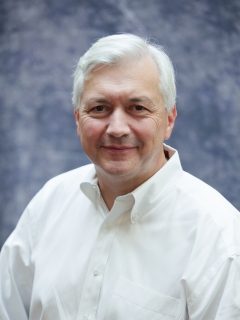 Christopher Chyba合作论文数Department of Astrophysical Sciences, Princeton University1Robert Axelrod合作论文数1
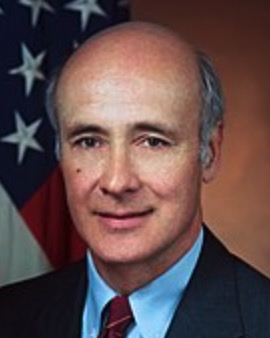 Joseph S. Nye合作论文数John F. Kennedy School of Government, Harvard University1
 Robert O. Keohane合作论文数Princeton University,Woodrow Wilson School of Public and International Affairs1




