Scientists estimate that humanity has exceeded seven of nine planetary boundaries, threatening the entire planet with potentially catastrophic consequences for all species. We therefore have a moral imperative for future generations and other species to return to the safe side of those boundaries. Threats to these boundaries take the form of social dilemmas, defined as situations in which individuals acting in their own interest undermine collective welfare, which can only be solved through cooperation. Western economic theory has conditioned us to believe that humans are inherently selfish. This assumption has led economists, scientists, and policymakers to increasingly pursue market-based solutions to conservation approaches, which have yielded limited success. In contrast, this article argues that humans are inherently cooperative. We employ Multi-Level Selection Theory (MLS) to depict the evolutionary advantages of cooperation and to define morality as putting the group ahead of the individual. We examine two examples of MLS in action: Territories of Life (TOL) and Ubuntu. The paper provides guidance for pathways of Ecozoic governance, planning, and restoration. Applied in a Western context in Burlington, Vermont, the philosophies hold true, showing that social norms and group identity already shape ecological behavior in Burlington residents' lawn care practices. Ultimately, providing an alternative economic model built on these ethical foundations, we introduce the Neighbor's Goodwill that reframes social dilemmas in a game theory context. The Neighbor's Goodwill demonstrates how loyalty, reciprocity, and social belonging alter payoff structures. This research is founded on the fact that humans are inherently social and tend to make decisions in the interest of the whole group over their own.
Mainstream responses to the climate and ecological crisis currently rely on the idea of decoupling GDP growth from ecological damage, i.e., green growth, an approach that has failed so far to avoid the overshoot of most planetary boundaries. The limitations of green growth have increased interest in post-growth policies, as seen, for example, in the reports from the Intergovernmental Panel on Climate Change since 2022. Yet, little research has focused on post-growth agriculture, a vital economic sector heavily dependent on healthy ecosystems and, currently, also a major driver of ecological overshoot. This paper begins to address this gap, focusing on Brazil, a leading producer of agricultural commodities, by asking how a post-growth framework can contribute to the country’s agricultural policy. We use a growth/post-growth metabolism framework to analyze emblematic agricultural policies. We show that policies promoting both metabolisms already co-exist. A case is made for post-growth to be explored as a useful framework to offer policy pathways beyond green growth, helping to rethink agricultural (and other) systems in social–ecological ways compatible with the degree of structural change necessary to mitigate the catastrophic effects of climate change and ecological breakdown.
The Ecozoic is defined as an era characterized by the mutual flourishing of humans and the rest of Nature. The field of Ecosystem Services should be dedicated to achieving this goal. However, ecosystem services (ES) are commonly defined as Nature’s benefits to people, an anthropocentric concept. Many schemes proposed to assess and value ES are market oriented, thus focused on the satisfaction of subjective individual preferences, an egocentric approach. Yet modern science accepts that all complex species, including humans, are an inseparable part of Nature, incapable of surviving without the ecosystem services Nature generates. Nature is the whole, the economy is the part; we must internalize the economy into nature, not vice versa. This article builds on evolutionary theory, anthropology and ecological economics to explain the necessity of an ecocentric approach to ecosystem services embodied in economic institutions prioritizing Nature. We must create new economic institutions focused on the health of the whole system to complement existing institutions focused on the individual (e.g. markets) and on society (e.g. the public sector and other collective institutions), with the recognition that system health also depends on the health of system components. We therefore propose redefining ecosystem services as Nature’s benefits to the biotic community of which humans are a part. The relationship of humanity to nature should be the same as that of a cell to the human body: prioritize the health of whole and take only the minimum necessary for secure sufficiency.
Sprawling land development patterns have exacerbated ecological degradation, social fragmentation, and public health problems. Perverse incentives arise from the ability to privatize collectively created value in land rents and socialize ecological costs. Land value taxation (LVT) has been shown to encourage urban infill development by reducing or eliminating rent-seeking behavior in land markets. However, despite its purported benefits, this tax reform is value monistic in its definition of optimal land use and, therefore, does little to address the lack of non-market information to inform land use decisions. We propose an ecological-impact-weighted land value taxation policy (ELVT) which incorporates the ecological footprint of land use into one’s land value tax burden. We test both proposed policies (LVT and ELVT) relative to a “status quo” (SQ) property tax scheme, utilizing a conceptual spatially explicit agent-based model of land use behaviors and housing development. Our findings suggest that both tax interventions can increase the capital intensity and decrease the land intensity of housing development. Furthermore, both tax interventions can lead to a net profit loss for speculators and a decrease in the average housing unit price. The ELVT scheme is shown to significantly increase urban nature provisions and dampen the loss of ecological value across a region.
There are critical direct and indirect, positive and negative links between the ocean and human wellbeing at multiple scales. Many of the ecosystem services the ocean provides to humans, including fisheries, are common pool resources that are non-excludable but rival or subtractive. Others, including climate regulation, are non-rival and non-excludable pure public goods. Resources without any restriction or condition for their use, are known as open-access resources. Unrestricted access generally leads to unsustainable use. Many ocean ecosystems are open access, blue commons. They range in spatial scale from national, such as mangroves and coral reefs, to the open seas within Exclusive Economic Zones (EEZs), to Areas Beyond National Jurisdiction (ABNJ). There are also many species that migrate between national jurisdictions or between national and global blue commons. The sustainable stewardship of these blue commons is one of the most important current global governance challenges. We describe in detail how to create a Common Asset Trust (CAT) for blue commons and how such a system would operate. Finally, we propose CATs to manage blue commons at different spatial scales, including coastal reefs, EEZs, and ABNJ.
Little has been studied about microclimate and the thermal comfort during the implementation of silvopastoral systems. This study aimed to evaluate the microclimate and thermal comfort during the implementation of High Biodiversity Silvopastoral System with Nuclei (SPSnu). Three treatments were investigated, SPSnu with 5 and 10% of the pasture area with nuclei, (SPSnu5 and SPSnu10, respectively), and treeless pasture (TLP). Each treatment was subdivided into 4 areas: within the nuclei, around the nuclei, around the nuclei with shade and internuclei. The analyzed variables were soil surface temperature, air temperature, wind speed, relative humidity, black globe temperature and the Heat Load Index (HLI) at 20 and 120 cm height. We hypothesized that the wind speed reduction associated with insufficient shade projection typical of the first years of SPSs may interfere in microclimate and thermal comfort during the hot seasons. SPSnu5 and SPSnu10 had a reduction in wind speed of 51.58% and 68.47% respectively when compared to TLP at 20 cm. Soil surface temperature and air temperature at 120 cm were higher for SPSnu than TLP. The same effect was observed for the HLI. At 20 cm, HLI indicated better thermal comfort in TLP than in the SPSnu treatments. The lack of shade projection from young nuclei in conjunction with the decrease of wind speed between the nuclei caused a higher air temperature and HLI in the SPSnu treatments, we called this conditions, windbreak countereffect. Farmers must knowledge this effect when implementing SPSs, and when necessary, mitigate with the proper management decisions.
Humanity faces numerous deeply interconnected systemic risks to sustainability—a global polycrisis. We need economic institutions that produce the knowledge required to address this polycrisis at the lowest cost, maximize the benefits that knowledge generates, and distribute those benefits fairly. Knowledge improves through use; its value is maximized when it is freely available. Intellectual property rights (IPRs), a form of monopoly, direct knowledge production towards market goods, raise the cost of doing research, and reduce the benefits by price-rationing access. Building on theories of the commons, the anticommons, and market failures, we propose the creation of a transnational green knowledge commons (TGKC) in which all knowledge that contributes to solving the polycrisis be made open access on the condition that any subsequent improvements also be open access. We argue that a TGKC is more sustainable, just, and efficient than restrictive IPRs and well suited to the motivations and governance institutions of public universities. We show how a single university could initiate the process and estimate that the cost would be more than offset by reduced IPR expenses. A TGKC would reduce the costs of generating and disseminating knowledge directed towards a sustainable future and help stimulate the transnational cooperation, reciprocity, and trust required for sustainable management of the global biophysical commons.
Agriculture is the most important economic sector and simultaneously the greatest threat to the ecosystem functions on which all complex life depends. It is therefore a logical starting point for developing a restorative economy. We must develop and disseminate agroecosystems capable of providing food security for all, while simultaneously restoring vital ecosystem processes degraded by conventional agriculture. We review 25 years of transdisciplinary work towards this goal on an agroecology project in Santa Rosa de Lima, Santa Catarina, Brazil and distill some key lessons for like-minded efforts. We apply the methods of Participatory Action Research and Post Normal Science to integrate the knowledge, insights and goals of farmers, diverse scientists, agricultural extensionists, and policymakers to design high-biodiversity silvopastoral systems and multi-function riparian forests capable of improving farmer livelihoods, and propose policies to support their adoption by aligning the interests of farmers and society. We explain the science underlying our project and document resulting improvements in farmer livelihoods and ecosystem services. We then examine the socioeconomic obstacles to disseminating our innovations and policies that might overcome them and describe our pragmatic approaches to working with policymakers. We conclude that integrating natural sciences, socio-economic analysis and politics are all necessary yet insufficient to promote the large-scale adoption of restorative agriculture. We contend that building a restorative economy will also require a fundamental extension of humanity’s moral values to the rest of nature, and use evolutionary science to support our views. Rather than offering a recipe for successful projects, our take-home message is that developing a restorative agricultural economy in an ever-evolving system is a continuous participatory process with no endpoint.
This study aimed to assess the influence of the high biodiversity silvopastoral system (SPSnu) on the microclimate, pasture production, and pasture chemical composition. Microclimate variables and pasture production and chemical composition were measured in pared paddocks under SPSnu and treeless pasture (TLP) in a commercial farm during four seasons in Southern Brazil. SPSnu measurements were subdivided into two areas: around the nuclei (AN) and area inter-nuclei (IN). In the TLP paddocks, we plotted fictitious nuclei with the same areas and distributions of SPSnu, however without trees. For the microclimate measurements, these areas were noted when shaded or unshaded by the nuclei trees. In each season, the microclimate variables air temperature (AT, °C), relative humidity (RH,
To what degree do individuals experience sufficiency in contemporary society? Although this question is highly relevant from an environmental sustainability point of view, empirical research on this topic is limited. In this article we conceptualize and measure sufficiency from a subjective perspective in a micro-economic context using two concepts: what level of personal monthly income is considered to be enough (sufficiency level) and to what degree do individuals evaluate their personal monthly income as being enough (sufficiency evaluation). The second concept is measured both directly and indirectly. Additionally, we perform an explorative investigation of the potential determinants of the concepts by regression analysis with a main focus on economic variables (income and homeownership) and personal values (materialism and environmental self-identity). Based on Belgian survey data (N = 1645) we find that, while the vast majority of individuals evaluate their income to be at least sufficient, there is substantial variation across individuals as to what level of income is considered to be enough. Furthermore, our regression results suggest that personal monthly income plays a primary role for subjective income sufficiency, albeit with contradicting effects for both concepts: having a higher income is associated with a higher income sufficiency evaluation, yet also pushes the quoted sufficiency level upwards. Homeownership is positively related to one of both concepts only: homeowners (whose property is fully paid off) directly evaluate their income as being more sufficient compared to non-homeowners, but they do not quote different sufficiency levels. On the other hand, our results show that materialism as well as environmental self-identity negatively contribute to subjective income sufficiency: being more materialistic is associated with both a lower income sufficiency evaluation as well as a higher quoted sufficiency level, while seeing oneself more as acting environmentally-friendly is found to push the quoted sufficiency level further upwards. We conclude that the high levels of subjective income sufficiency reported by the respondents are promising to the extent that this may suggest society is ready for environmental strategies that are focused on the demand-side.
This comprehensive Dictionary brings together an extensive range of definitive terms in ecological economics. Assembling contributions from distinguished scholars, it provides an intellectual map to this evolving subject ranging from the practical to the philosophical.
This comprehensive Dictionary brings together an extensive range of definitive terms in ecological economics. Assembling contributions from distinguished scholars, it provides an intellectual map to this evolving subject ranging from the practical to the philosophical.
Humanity faces numerous deeply interconnected systemic risks—a global polycrisis. We need economic institutions that the produce the knowledge required to address this polycrisis at the lowest cost, maximize its benefits, and distribute those benefits fairly. Knowledge improves through use; its value is maximized when it is freely available. IPRs, a form of monopoly, direct knowledge production towards market goods, raise the cost of doing research, and reduce the benefits by price-rationing access. Universities pay professors to create new knowledge and publish their findings in for-profit journals which sell access back to the Universities. Governments fund corporations and academics to develop new knowledge with public money, then allow them to patent that knowledge for private gain. Most US universities spend more money acquiring IPRs than they earn from them. A single university could initiate a transnational knowledge commons (TKC) by mandating that all scientific knowledge it produces be made open access on the condition that any subsequent improvements also be open access. Other Universities and research institutes from around the world would be encouraged to join. As a side benefit, a TKC would help stimulate the transnational cooperation, reciprocity and trust required to collectively manage human impacts on global ecosystems.
The quality of a landscape's matrix is a key condition for the conservation of biodiversity and affects the diversity and composition of bird assemblages in agricultural landscapes with forest remnants. In southern Brazil most agricultural landscapes are a mosaic of cultivated areas, treeless pastures and forest remnants. These landscapes must be planned and managed for food production while synergically enhancing ecological restoration and biodiversity conservation. In this study, we compared the diversity and composition of bird species in High Biodiversity Silvopastoral Systems (SPSnuclei), treeless pasture areas, forest edges and forest interiors. SPSnuclei is a type of silvopastoral system (SPS) whose design was inspired by applied nucleation reforestation techniques using multispecies agroforestry nuclei. In this study, we sought to understand the influence of the SPSnuclei on the diversity and composition of birds by comparing SPSnuclei to treeless pasture areas, forest edges and the forest interior. We hypothesize that multispecies agroforestry nuclei would restore some of the ecosystem biodiversity, and therefore resilience. To quantify bird diversity, sound recorders were installed simultaneously within these habitats during the spring and summer of 2016 and 2017 on three dairy farms. We identified calls from 108 bird species in 2400 min of recordings (600 min/habitat). The High Biodiversity Silvopastoral System increased the diversity of birds in the agroecosystem. Species richness was higher in the parcels with SPSnuclei compared to treeless pastures (P < 0,05). Although, species richness was smaller in the SPSnuclei than forest edge and interior of the forest remnants (P < 0,05). Eight species from the interior and forest edge were observed in the SPSnuclei, but not in the treeless pastures. This research presents evidence that SPSnuclei has positive effects on the diversity and composition of the avifauna in agricultural landscapes and could act as stepping stones that increase connectivity between forest remnants.
Healthy soils are the foundation of our food system and support broad environmental goals, including improved water quality and carbon sequestration. Increasingly, we appreciate that aspects of soil health such as fertility for plants, suppression of disease, and cycling of nutrients are linked to the functional diversity of soil microbial communities. The impact of functional capacity is influenced by farm management, which varies with farm size. Small to medium-size farms, with gross sales of less than $250,00 per year, make up 89% of farms in the United States, despite often being ignored in policy decisions. They are often more integrated into local food systems than larger farms, have greater investment in long-term sustainability due to their tendency to be passed from farmers to children, and are more reliant on soil health than larger farms. We describe a research framework to advance understanding of the soil microbiome and its role in soil health, environmental outcomes, and agricultural sustainability on small and medium farms. Our perspective elevates four research priorities to link the benefits of healthy soil microbiomes from the microscale to the macroscale. We hope this approach will lead to practical applications to enable success in the context of ongoing environmental and economic challenges that affect the agricultural landscape.
The conflict between food production and environmental conservation demands alternative agriculture practices to maintain or increase food production, protect and restore critical ecosystem processes, and reduce dependence on non-renewable agricultural inputs. Deforestation in Brazil’s Atlantic Forest, for which agriculture has been a primary driver, already threatens the biome’s impressive biodiversity and the ecosystem services it helps sustain. Many small family farmers in Santa Catarina—located in the South of Brazil—have adopted the Voisin Rational Grazing System (VRG) as an alternative to conventional and environmentally detrimental dairy activities. This article presents the results of a research project designed to analyze the economic, social, and ecological VRG impacts based on farmers’ perceptions and economic accounts. We compare farmer profitability and critical social and environmental aspects of both systems using detailed interviews and monthly accounting of revenues and expenditures on VRG and conventional farms. We found that VRG is more profitable than the conventional dairy system in Santa Rosa de Lima. However, most farmers combine VRG with some conventional practices, affecting profitability and potential ecological benefits. The adoption of VRG in Santa Rosa de Lima nonetheless correlates with reduced use of environmentally harmful inputs, compatible with a gradual transition to a more ecologically-friendly and sustainable system.
In Santa Rosa de Lima - SC - Brazil, a small municipality in South Region mainly covered by Atlantic Rain Forest, there is an effort to promote agroecology as socio-ecological improvement for family farmers. Part of this effort was conducted with young farmers in a debate about their land-use practices and the consequences of diversifying their activities. This study describes the process of a participatory modeling approach carried out in a workshop with young farmers to co-design conceptual models for land use practices. As results, a system dynamics model was built to represent their reality. The results of the workshop were embedded in a model to simulate a typical local property and provide insights into the consequences of diversifying their agricultural production by using the agroecological practices. Finally, the work presents the designed model and the first outcomes of scenario simulation, discussing the use of system thinking approaches in participatory modeling.
 Robert Costanza合作论文数Stockholm Resilience Center;Gund Institute of Ecological Economics, Rubenstein School of Environment and Natural Resources, The University of Vermont;Institute for Global Prosperity, University College London29
 Abdon Luiz Schmitt Filho合作论文数26
 Ida Kubiszewski合作论文数Institute for Global Prosperity, University College London;The Australian National University17Abdon L Schmitt Filho合作论文数16
 Herman Daly合作论文数School of Public Policy, University of Maryland13
 Paulo Antonio De Almeida Sinisgalli合作论文数School of Arts, Sciences and Humanity (EACH-USP),, University of São Paulo10Alfredo Celso Fantini合作论文数Universidade Federal de Santa Catarina10Luiz Fernando Zin Battisti合作论文数8
 Peter A. Victor合作论文数Faculty of Environmental and Urban Change, York University8
 Juan P. Alvez合作论文数Center for Sustainable Agriculture, University of Vermont7carol franco合作论文数7
 Tim Jackson合作论文数Centre for Environmental Strategy;University of Surrey;Centre for Environmental Strategy, University of Surrey7
 Juliet Schor合作论文数Department of Sociology, Morrissey College of Arts and Sciences, Boston College7
 Gar Alperovitz合作论文数7
 Roelof Boumans合作论文数Gund Institute for Ecological Economics;Univ . of Vermont7darci pitton filho合作论文数6
 Jon D. Erickson合作论文数School of Natural Resources;University of Vermont;School of Natural Resources, University of Vermont6gisele alarcon合作论文数5Adriana Carla Dias Trevisan合作论文数4
 Paola May Rebollar合作论文数Centro de Ciências Agrárias;Universidade Federal de Santa Catarina4
 Donna M. Rizzo合作论文数4Gisele Francioli Simioni合作论文数3
 James Aronson合作论文数Center for Conservation and Sustainable Development, Missouri Botanical Garden;Ecohealth Network;ASSET Research3
 Thomas Simpatico合作论文数College of Medicine, The University of Vermont3
 Lynne A. Bond合作论文数University of Vermont3
 Ademir Antonio Cazella合作论文数3
 Alexey A. Voinov合作论文数Department of Geography and Environmental Engineering, Johns Hopkins University3
 Arcângelo Loss合作论文数Dept Engn Rural, Univ Fed Santa Catarina3Matthew A. Wilson合作论文数2Andréa Castelo Branco Brasileiro-Assing合作论文数2Carolyn Elliott合作论文数2david tongway合作论文数2
 Matheus Deniz合作论文数2
 Gisele Garcia Alarcon合作论文数2
 Megan Egler合作论文数Univ Vermont2
 Felipe Francisco合作论文数Programa Posgrad Agron Prod Vegetal, Univ Fed Parana UFPR2phoebe spencer合作论文数2Rodrigo de Campos Macedo合作论文数2Nl Danigelis合作论文数2Heriberto Cabezas合作论文数2Kaitlin Kish合作论文数2
 gary flomenhoft合作论文数CSRM, Univ Queensland2
 Nicolas Kosoy合作论文数Bieler School of Environment, Faculty of Agricultural and Environmental Sciences, McGill University2
 John M. Gowdy合作论文数Department of Economics, Rensselaer Polytechnic Institute/Department of Science and Technology Studies, Rensselaer Polytechnic Institute2
 Deborah A. Neher合作论文数Department of Plant and Soil Science, College of Agriculture and Life Sciences, University of Vermont2
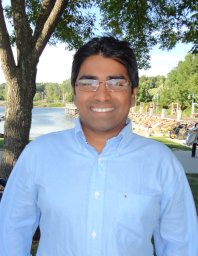 Appala Raju Badireddy合作论文数Department of Civil and Environmental Engineering, University of Vermont2
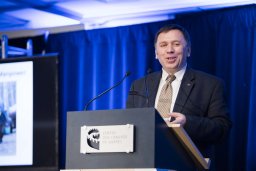 Ihor Soloviy合作论文数2
 Norman Myers合作论文数Green Templeton College, University of Oxford2Barbara Mcintosh合作论文数2




