AUC results of the drug sensitivity screens in conditionally reprogrammed PDAC cells.
Table S1. Genetic characterization of patient-derived xenografts using the Illumina Trusight panel capturing frequent mutations in 94 genes and 284 SNPs associated with cancer Table S3. Triptolide-induced effects on the mRNA abundance was determined by Illumina HighSeq RNA sequencing of 001 cells treated with 100 nM triptolide in vitro for 6 hours.
PURPOSE:Loss of the methylthioadenosine phosphorylase (MTAP) gene at 9p21 is observed frequently in a variety of human cancers. We have shown previously that MTAP can act as a tumor suppressor gene and that its tumor suppressor function is related to its effect on polyamine homeostasis. Ornithine decarboxylase is a key enzyme in the regulation of polyamine metabolism. The aim of this study is to analyze MTAP and ornithine decarboxylase (ODC) expression in primary pancreatic tumor specimens.EXPERIMENTAL DESIGN:We measured MTAP and ODC activity in protein extracts derived from 30 surgically resected tumor samples and eight normal pancreas samples. In a subset of six samples, we also examined MTAP DNA using interphase fluorescence in situ hybridization. In addition, we examined the effect of the ODC inhibitor difluoromethylornithine on two pancreatic adenocarcinoma-derived cell lines.RESULT:MTAP activity was 2.8-fold reduced in adenocarcinomas and 6.3-fold reduced in neuroendocrine tumors compared with control pancreas. Conversely, ODC activity was 3.6-fold elevated in adenocarcinomas and 3.9-fold elevated in neuroendocrine tumors compared with control pancreas. Using interphase fluorescence in situ hybridization, we found in tumor samples that 43 to 75% of the nuclei had lost at least one copy of MTAP locus, indicating that loss of MTAP activity was at least partially because of deletion of the MTAP locus. We also show that inhibition of ODC by difluoromethylornithine caused decreased cell growth and increased apoptosis in two MTAP-deleted pancreatic adenocarcinoma-derived cell lines.CONCLUSIONS:MTAP activity is frequently lost, and ODC activity is frequently elevated in both pancreatic adenocarcinoma and neuroendocrine tumors. Inhibition of ODC activity caused decreased cell growth and increased apoptosis in pancreatic tumor-derived cell lines. These findings suggest that MTAP and polyamine metabolism could be potential therapeutic targets in the treatment of pancreatic cancer.
Prior studies have suggested that changes in liver function tests may vary with the postoperative time interval and may be related to the extent of hepatic resection. This study describes characteristic profiles in parenchymal liver enzymes and other serum liver function tests over a 4-week course comparing anatomic to nonanatomic hepatic resections. The records of 48 patients undergoing successful major hepatic resection during a 3-year period were retrospectively reviewed. Of these 48 patients, 28 underwent formal anatomic resection (hepatic lobectomy), and 20 underwent nonanatomic resections (wedge resection). Routine postoperative management in lobectomy patients included drawing liver function tests and enzymes daily for the First week, then at approximately 2 and 4 weeks postoperatively. These tests included: prothrombin time (PT), partial thromboplastin time, total serum bilirubin, total protein (TP), aspartate transaminase, lactate dehydrogenase (LDH), alkaline phosphatase, albumin (A), and glucose. Patients undergoing wedge resections had these values checked less frequently, approximately 3 to 5 days, 2 weeks, and 4 weeks postoperatively. Profiles of these values were plotted over the 4-week postoperative time course for each group of patients. Patients undergoing hepatic lobectomy showed a characteristic laboratory value profile. PT elevated within 48 hours to a mean high of 16.0 seconds, then returned to normal by postoperative day 4. Partial thromboplastin time levels remained normal throughout the entire perioperative course. Total bilirubin rose slightly, to a mean high of 2.6 mg/100 cc, then returned to normal by postoperative day (POD) 14. Parenchymal liver enzymes aspartate transaminase and LDH rose abruptly to very high levels, then returned abruptly to normal (by POD 5). TP and A both fell to approximately 50 per cent of normal, gradually rising to normal by POD 14. Glucose rose to a mean high of 199 mg/100 cc within the first 5 days, then returned to normal by POD 7. Alkaline phosphatase remained normal initially, then showed a progressive rise to a high of 288 mg/100 cc on POD 14. Patients undergoing wedge resections did not show the same changes in total serum bilirubin, but showed similar trends in all other tests, although the magnitude of these changes was smaller. TP and A levels fell acutely after resection, then began a slow rise toward normal by POD 21. TP and A profiles were similar for both lobectomy patients and those undergoing wedge resection. The only tests that may have altered clinical management were the PT and total bilirubin. Patients undergoing major hepatic resection have characteristic postoperative profiles of liver enzymes and liver function tests. These laboratory profiles differ with the extent of hepatic resection. The profiles reflect changes in volume status, parenchymal liver destruction, transient hepatic insufficiency, and postoperative hepatic regeneration. However, except possibly for PT and bilirubin, the routine use of these tests is not recommended, given that the results do not alter clinical management.
 Ramilia Mukhamadeeva合作论文数9Max Pressman合作论文数9Elena Lysenko合作论文数9Eugenia Banina合作论文数9Natalya Skobeleva合作论文数9Keren Paz合作论文数9
 Igor Astsaturov合作论文数9Natalya Beglyarova合作论文数9Egor Bobrov合作论文数9Grigorii V. Andrianov合作论文数Fox Chase Canc Ctr, Program Mol Therapeut, Philadelphia, PA 19111 USA9
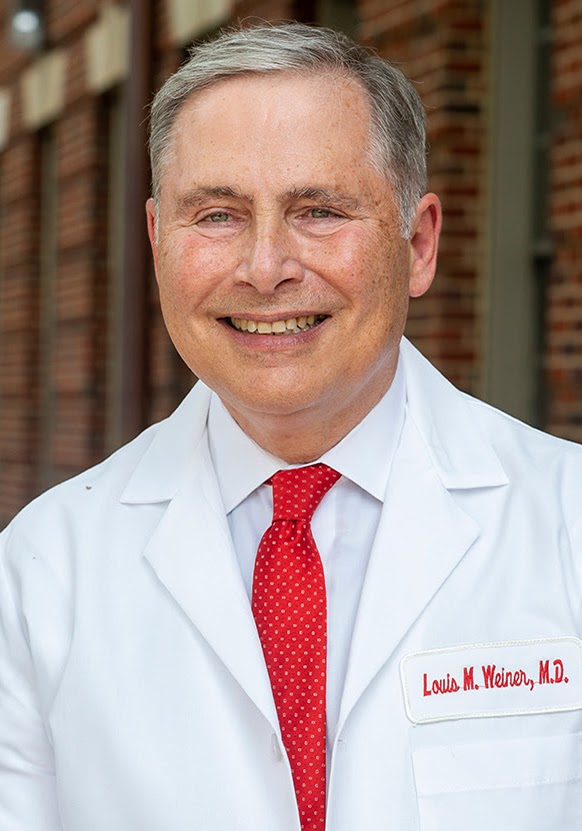 Louis M. Weiner合作论文数Lombardi Comprehensive Cancer Center, Georgetown University;Department of Oncology, Georgetown University Medical Center9Gabitova Linara合作论文数Program in Developmental Therapeutics, Fox Chase Cancer Center;Kazan Federal University9Restifo Diana合作论文数9
 Erica Golemis合作论文数Department of Cancer and Cellular Biology, Lewis Katz School of Medicine, Temple University;Fox Chase Cancer Center9Vladimir Khazak合作论文数9Diana Behrens合作论文数9
 Ilya Serebriiskii合作论文数Fox Chase Cancer Center9Sandra A. Jablonski合作论文数9Yan Zhou合作论文数7Zhou Yan合作论文数2Binaifer Balsara合作论文数1
 Neal Meropol合作论文数Flatiron Health;School of Medicine, Case Western Reserve University1
 Joseph R. Testa合作论文数Lewis Katz School of Medicine, Temple University;Fox Chase Cancer Center, Temple University Health System, Inc.1Subhi Ahmad L合作论文数1Baiqing Tang合作论文数1Burton Eisenberg合作论文数1Harry S. Cooper合作论文数1Jeffrey J. Pelton合作论文数1Deborah A. Altomare合作论文数Department of Plant Science;Rutgers University;Department of Plant Science, Rutgers University1
 Warren D. Kruger合作论文数Fox Chase Cancer Center1




