To explore whether ultra-sensitive circulating tumor DNA (ctDNA) profiling enables earlier prediction of treatment response and detection of disease progression, we applied NeXT Personal, an ultra-sensitive bespoke tumor-informed liquid biopsy platform, to profile tumor samples from the KeyLargo study, a phase II trial in which metastatic esophagogastric cancer (mEGC) patients received capecitabine, oxaliplatin, and pembrolizumab. A total of 24 patients were evaluated, and all were ctDNA-positive at baseline. ctDNA levels varied from 406,067 down to 1.5 parts per million (PPM) with a median limit of detection of 2.03 PPM. ctDNA dynamics were highly correlated with changes in tumor size (ρ = 0.59, p = 7.3 × 10- 9). Lack of early molecular response (50% or greater decrease in ctDNA levels at first available time point after 30 days, C2D1 or C4D1) was associated with worse overall survival (OS) (HR 4.5, 95% CI 1.2-16.7, p = 0.02) and progression-free survival (PFS) (HR 10.4, 95% CI 2.2-49.8, p = 0.003). Lack of molecular clearance of ctDNA was associated with worse OS (HR 7.1, 95% CI 1.6-31.7, p = 0.01) and PFS (HR 19.9, 95% CI 2.5-158.2, p = 0.005). Molecular progression (ctDNA increase) preceded imaging-derived progression by a median lead time of 65 days. These results suggest that ultra-sensitive liquid biopsy approaches could improve treatment decision-making for mEGC patients receiving chemotherapy and immunotherapy.
AbstractWhile high circulating tumor DNA (ctDNA) levels are associated with poor survival for multiple cancers, variant-specific differences in the association of ctDNA levels and survival have not been examined. Here we investigate KRAS ctDNA (ctKRAS) variant-specific associations with overall and progression-free survival (OS/PFS) in first-line metastatic pancreatic ductal adenocarcinoma (mPDAC) for patients receiving chemoimmunotherapy (“PRINCE”, NCT03214250), and an independent cohort receiving standard of care (SOC) chemotherapy. For PRINCE, higher baseline plasma levels are associated with worse OS for ctKRAS G12D (log-rank p = 0.0010) but not G12V (p = 0.7101), even with adjustment for clinical covariates. Early, on-therapy clearance of G12D (p = 0.0002), but not G12V (p = 0.4058), strongly associates with OS for PRINCE. Similar results are obtained for the SOC cohort, and for PFS in both cohorts. These results suggest ctKRAS G12D but not G12V as a promising prognostic biomarker for mPDAC and that G12D clearance could also serve as an early biomarker of response.
To explore whether ultra-sensitive circulating tumor DNA (ctDNA) profiling enables early prediction of treatment response and early detection of disease progression, we applied NeXT Personal, an ultra-sensitive bespoke tumor-informed liquid biopsy platform, to profile tumor samples from the KeyLargo study, a phase II trial in which metastatic esophagogastric cancer (mEGC) patients received capecitabine, oxaliplatin, and pembrolizumab. All 25 patients evaluated were ctDNA-positive at baseline. Minimal residual disease (MRD) events varied from 406,067 down to 1.5 parts per million (PPM) of ctDNA with a median limit of detection of 2.03 PPM. ctDNA dynamics were highly correlated with changes in tumor size (ρ = 0.59, p = 7.3×10⁻⁹). Lack of early molecular response (lack of ctDNA decrease) was associated with worse overall survival (OS) (HR 6.6, 95% CI 1.8-24.1, p = 0.005) and progression-free survival (PFS) (HR 15.4, 95% CI 2.7-87.0, p = 0.002). Lack of molecular clearance of ctDNA was associated with worse OS (HR 6.9, 95% CI 1.5-30.8, p = 0.012) and PFS (HR 19.2, 95% CI 2.4-152.8, p = 0.005). Molecular progression (ctDNA increase) preceded imaging-derived progression by a median lead time of 65 days. These results suggest that ultra-sensitive liquid biopsy approaches could improve treatment decision-making for mEGC patients receiving chemotherapy and immunotherapy.
Abstract Development of resistance to targeted, chemotherapeutic, and immune-oncology treatments alike is a major barrier to long-term remission in advanced cancer patients. We developed an integrated computational-experimental platform to mitigate treatment resistance by identifying therapeutics that selectively target clinical resistance mechanisms. The key innovation is the computational framework that comprehensively maps tumor-specific mechanisms of response and resistance to a treatment based on clinicogenomic and/or preclinical pharmacogenomic data. It then screens for drugs or targets that are synthetically lethal with these resistance mechanisms. Here we present the identification of therapeutic options that mitigate resistance to CDK4/6 inhibitors as a case study. Leveraging a breast cancer-specific atlas of cellular architecture, our framework learned genetic mechanisms of CDK4/6 inhibitor resistance from a high-throughput phenotypic screen of ~700 cell lines treated with the clinical CDK4/6 inhibitor palbociclib. The learned mechanisms formed a parsimonious set of hierarchically linked protein complexes that coordinate G1-to-S transition (P=5.6 × 10⁻¹²). The mechanisms unified distinct resistant populations such as samples resistant due to CDK4/6-Rb checkpoint bypass and those resistant due to growth factor receptor activation. Applied to 70 ER+ metastatic breast cancer patients in a real-world dataset, the learned resistance mechanisms accurately predicted patient response to palbociclib (P=3 × 10⁻⁴, log-rank test). Computationally screening 20K clinical-grade small molecules and gene targets for therapeutic options synthetically lethal with the learned resistance mechanisms identified the known CDK4/6 resistance targets CDK2, CCNE1, and E2F. It also identified a target that, to our knowledge, has not previously been rigorously evaluated for its potential to mitigate CDK4/6 inhibitor resistance. In-vitro, monotherapy inhibition of the target by siRNA selectively decreased growth of breast cancer cell lines resistant to CDK4/6 inhibitors by 52% compared to CDK4/6i sensitive cell lines (P=0.023, Mann-Whitney U-test). As a combination therapy, inhibition of the target by siRNA selectively increased the sensitivity to palbociclib by nearly an order of magnitude in an otherwise resistant breast cancer cell line (expected vs observed IC50: 9.7 uM vs. 1.3 uM) while not having a substantial effect in a palbociclib-sensitive cell line (expected vs observed IC50: 0.57 uM vs. 0.56 uM). Finally, while monotherapy inhibition of the target and CDK4/6 induced cell cycle arrest, the combination strongly induced apoptosis in cell lines resistant to CDK4/6 inhibitors. These results highlight how computational deconvolution of tumor resistance mechanisms enable algorithmic identification of therapeutic options to target treatment-resistant cell populations. Citation Format: Adam Yaari, Eduardo Farias, Francisco Guedes, Oliver Priebe, Lee McDaniel, Tyler Earnest, Trey Ideker, Maxwell A. Sherman. Learning to target CDK4/6 inhibitor resistance via a breast cancer-specific atlas of cellular mechanisms [abstract]. In: Proceedings of the American Association for Cancer Research Annual Meeting 2024; Part 1 (Regular Abstracts); 2024 Apr 5-10; San Diego, CA. Philadelphia (PA): AACR; Cancer Res 2024;84(6_Suppl):Abstract nr 3287.
4040 Background: Metastatic esophagogastric cancer (mEGC) is a lethal disease with poor long-term survival. Recent studies have established anti-PD-1 therapy in combination with chemotherapy as the standard of care for first-line therapy for mEGC. KeyLargo (NCT03342937) was a single arm phase II study of pembrolizumab in combination with oxaliplatin and capecitabine in the first line treatment of patients (pts) with HER2 negative mEGC. While high response rates were noted, not all pts received benefit, emphasizing the need for better biomarkers. Paired tumor biopsies and plasma were collected for optimal biomarker testing. In this retrospective study, we employed a novel, tumor-informed ctDNA approach as a tool for longitudinal disease monitoring and dynamic tumor evolution. Methods: Thirty-six pts were enrolled between January 2018 and January 2020. Of 34 evaluable pts, 25 pts achieved a response (ORR = 74%), including 6 pts with a complete response (CR) and 19 pts with a partial response (PR). Our initial analysis includes baseline tumor samples collected from 16 pts with over 59 corresponding on-treatment (OT; up to cycle 35) plasma samples. NeXT Personal, a tumor-informed ctDNA assay, generated personalized liquid biopsy panels derived from somatic variants (SV) from tumor whole genome sequencing. Each personalized assay includes up to 1,800 SVs for sensitive minimal residual disease (MRD) detection and a constant set of 2,100 clinically actionable variants (CAV). Results: Of the 36 pts who enrolled on KeyLargo, 32 pts had baseline tumor and longitudinal plasma samples collected and stored for testing. In this initial cohort of 16 pts, MRD events dynamically varied from 5.3 to 302,000 parts per million (PPM). 16/16 (100%) pts were MRD-positive at baseline, with a limit of detection between 1.5 and 4.6 PPM. OT samples were collected every 3 cycles (9 weeks). The ratio of PPM (rPPM) between baseline and the first available OT sample (typically Cycle 4 to 7) correlated with progression free survival (PFS; p = 0.0004, logrank). rPPM was significantly reduced in pts having a best overall response of PR/CR (98% mean rPPM) versus progressive disease (25% mean rPPM, p < 0.037, U-test). Two pts demonstrated CR, each with 11/11 (100%) MRD-negative plasma samples over approximately two years. CAVs were identified in longitudinal samples with TP53 repeatedly detected in 5 patients and a PIK3CA mutation emerging in the final 3 (of 9) timepoints from one patient. Conclusions: ctDNA was present in all pts at baseline; OT PPM reductions correlated with PFS and best overall response. CAV profiling suggested a de novo PIK3CA variant arising during therapy in one patient. These findings suggest that tumor-informed plasma-based ctDNA profiling in mEGC may detect known CAVs arising during therapy, and with subsequent investigations, may inform therapeutic decisions.
Understanding drug mechanism-of-action and improving clinical response rates are critical challenges to cancer therapeutic development. We designed a deep learning framework that learns molecular mechanisms of drug sensitivity and resistance from preclinical and/or clinical drug response data. The trained model can then generate biomarker strategies, suggest companion diagnostics, and propose rational drug-drug combinations that increase or restore drug sensitivity. The key innovation is the model’s architecture; the framework learns an embedding that reflects an interpretable relationship between a cellular process and drug response by emulating a tumor cell’s proteomic architecture. We applied the framework to learn genetic determinants of response for 1,951 drugs and 17,386 CRISPR gene knockouts screened in human cancer cell lines. The learned embeddings reflected known and novel mechanisms. RAF inhibitors, MEK inhibitors, and BRAF CRISPR knockout colocalized (P=1.7×10⁻¹¹) due to their shared dependency on hyperactivation of RAF signaling. CDK4/6 inhibitor efficacy was strongly associated with a set of physically interacting proteins that control G1-to-S transition (P=5.6×10⁻¹²). Validating the clinical applicability of the finding, the trained model stratified patient response in a retrospective analysis of 70 ER+ metastatic breast cancer patients treated with the CDK4/6 inhibitor palbociclib (P=0.05, log-rank predicted responsive vs. non-responsive). As a case study, we examined mechanisms of sensitivity and resistance to TNG348 – a potent and highly selective USP1 inhibitor – in non-small cell lung cancer (NSCLC). By integrating genetics, gene expression, and CRISPR screens, the model identified seven genes whose expression explained >50% of the variation in response to TNG348 across 32 held-out NSCLC cell lines (Spearman R=0.74; P=8.7×10⁻⁷). The findings extend TNG348’s known relationship with homologous repair to additional protein complexes involved in cell cycle and DNA repair. The model leveraged the new associations to generate a six-biomarker inclusion-exclusion logic that captures both a large population (31.4% of TCGA lung adenocarcinoma patients meet inclusion criteria) and substantially enriches for strong response amongst preclinical models (OR=14.8, P=3.0×10⁻³). Finally, we asked the model to design rational combinations to overcome acquired resistance mechanisms. Proposed combinations included clinically successful combinations such as RAF+MEK inhibitors and were enriched for synergistic matches in a cell line screen of 986 drug pairings (Spearman rho P=6.6×10⁻⁴). These results highlight the promise of explainable AI to learn complex cellular mechanisms-of-action and generate non-obvious biomarker hypothesis and rational drug combination strategies for clinical development. Citation Format: Adam Yaari, Lee McDaniel, Antoine Simoneau, Samuel Meier, Oliver Priebe, Eduardo Farias, Alan Huang, Jannik Andersen, Yi Yu, Maxwell Sherman. Cancer-specific AI identifies multi-modal biomarkers of therapeutic response for 1,951 drugs including TNG348, a highly selective USP1 inhibitor [abstract]. In: Proceedings of the AACR-NCI-EORTC Virtual International Conference on Molecular Targets and Cancer Therapeutics; 2023 Oct 11-15; Boston, MA. Philadelphia (PA): AACR; Mol Cancer Ther 2023;22(12 Suppl):Abstract nr C176.
Additional cell lines showing increased neuroblastoma cell growth following CASC15-S depletion.
Supplementary Table from Prediction of Immunotherapy Response in Melanoma through Combined Modeling of Neoantigen Burden and Immune-Related Resistance Mechanisms
The prevalence of early-stage non-small cell lung cancer (NSCLC) with curative treatment options is expected to increase with recent implementation of annual screening programs. Predictors and molecular drivers of disease relapse, especially the role of intra-tumoral immune dysfunction, remains unclear but critical for the refinement of therapeutic decisions. By leveraging a comprehensive individual portrait of each patient's immune system potential novel mechanisms associated with tumor relapse in early-stage NSCLC may be identified. We profiled 11 non-relapsed (at least 2 year FU) lung adenocarcinoma patients and 11 covariate-matched (gender, age, stage) relapsed patients, who underwent curative treatment in stage IA-IIIB disease. We used NeXT SummitTM for variant and CNA calling, gene expression quantification, neoantigen prediction, HLA profiling (typing, mutation, and loss of heterozygosity), T-cell receptor and tumor microenvironment (TME) profiling. Neoantigen peptide sequences were subjected to further filtering and clustering based on between-patient similarity scores, with the goal of identifying shared clusters of relapse-associated neoantigens in each possible pair of patients. Differential network analyses were applied to the TME composition estimates to investigate relapse-associated patterns of cellular co-occurrence and interaction. When considering neoantigens selected on the basis of similarity, we found that those belonging to non-relapsed patients had significantly lower HLA binding rank (17.8 points) compared to that of relapsed patients (P=0.02), indicating weaker binding for relapsed cases. Clustering of both the most similar and frequently shared neoantigens correlated with relapse (P < 0.002). In the TME, we observed differential immune cell co-occurrence associated with relapse status, such as Tregs are positively correlated with B and CD4 T cells only in relapsed patients (Pearson’s R=0.7 and 0.74, both P<0.02 vs. R=0.18 and 0.35, both P>0.2 in non-relapsed patients), indicating suppressive anti-tumor immunity. Relapsed patients did not share significant enrichment of mutations in any biological pathway. Surprisingly, mutation purity (less mutations than expected by chance) was observed in relapsed patients, suggesting selective killing and escape. In this pilot cohort, we used an integrated platform to broadly characterize both the tumor and immune system, enabling identification of relapse-associated neoantigens that may share universal features which enhance HLA binding. Relapses in early-stage LUAD patients were associated with neoantigens with lower immunogenicity and an immunosuppressive TME. These findings demonstrate that deeper profiling of shared neoantigen features has the potential to become an early biomarker of relapse, informing patient therapy selection and surveillance. Citation Format: Martina M. Sykora, Jason Pugh, Bailiang Li, Finn O. Mildner, Hubert Hackl, Arno Amann, Fabienne I. Nocera, Rachel M. Pyke, Lee McDaniel, Charles W. Abbott, Sean M. Boyle, Richard O. Chen, Dominik Wolf, Sieghart Sopper, Gabriele Gamerith. Immune infiltrate co-occurrence and neoantigen similarity are prognostic factors in early stage NSCLC [abstract]. In: Proceedings of the American Association for Cancer Research Annual Meeting 2023; Part 1 (Regular and Invited Abstracts); 2023 Apr 14-19; Orlando, FL. Philadelphia (PA): AACR; Cancer Res 2023;83(7_Suppl):Abstract nr 6668.
Additional expression data for CASC15 isoforms in neuroblastoma cell lines and patients.
Evidence supporting multiple lncRNA transcript isoforms mapping to chromosome 6p22.3.
Depletion of the long isoform of CASC15 does not impact neuroblastoma cell viability.
 Sharon J Diskin合作论文数Center for Childhood Cancer Research, The Children’s Hospital of Philadelphia Oncology Division21
 Diamond Maura A合作论文数20
 John M. Maris合作论文数Children's Hospital of Philadelphia;Perelman School of Medicine, University of Pennsylvania;Tantigen Bio20
 Boyle Sean合作论文数Department of Genetics, Stanford University19
 Charles Abbott合作论文数Personalis, Inc17
 Oldridge Derek A合作论文数Div Oncol, Childrens Hosp Philadelphia15
 Richard J. Chen合作论文数Modella AI14Javed Khan合作论文数14
 Mike R. Russell合作论文数Division of Oncology, Children's Hospital of Philadelphia;Division of Oncology, Children's Hospital of Philadelphia13
 Pichai Raman合作论文数Developmental and Molecular Pathways Department, Novartis Institutes for Biomedical Research;Developmental and Molecular Pathways Department, Novartis Institutes for Biomedical Research13
 Robert Seeger合作论文数Keck School of Medicine, University of Southern California13
 Jun Wei (魏峻)合作论文数Department of Radiology
University of Michigan13
Jun Wei (魏峻)合作论文数Department of Radiology
University of Michigan13 Shile Zhang合作论文数School of Computer Science, Fudan University13Kristina A. Cole合作论文数13
 Shahab Asgharzadeh合作论文数Division of Hematology/Oncology, and Saban Research Institute, University of Southern California13Janahan Gnanchandran合作论文数12annalise penikis合作论文数12Olivia Padovan合作论文数12
 Rachel Marty Pyke合作论文数Personalis Inc12
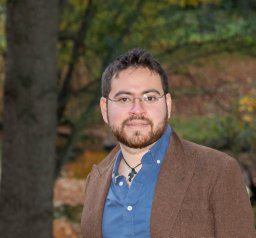 Juan R. Alvarez-Dominguez合作论文数Whitehead Institute for Biomedical Research;Department of Biology, Massachusetts Institute of Technology;Whitehead Institute for Biomedical Research, Massachusetts Institute of Technology12Yimei Li合作论文数11Levy Eric合作论文数9
 Navarro Fábio C P合作论文数9Bartha Gabor合作论文数8
 Mario Capasso合作论文数5
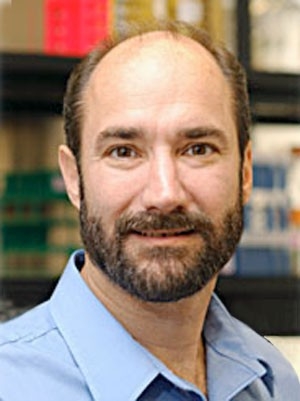 Michael Snyder合作论文数Department of Genetics, School of Medicine, Stanford University;Center for Genomics and Personalized Medicine;Karolinska Institute5
 Zhang Simo V合作论文数5
 Hakon Hakonarson合作论文数Center for Applied Genomics, The Joseph Stokes Jr. Research Institute, The Children's Hospital of Philadelphia;Pediatrics Department, Perelman School of Medicine, University of Pennsylvania5
 John West合作论文数School of Earth and Space Exploration, Arizona State University5Josette Northcott合作论文数4Rena McClory合作论文数4Zalman Vaksman合作论文数Perelman Sch Med, Univ Penn4Jing Wang合作论文数4Dattatreya Mellacheruvu合作论文数Department of Pathology, University of Michigan4Jang Sekwon合作论文数4Achille Iolascon合作论文数4
 Jason B. Harris合作论文数Graduate School of Genome Science and Technology, University of Tennessee4Juergen Scheuenpflug合作论文数3John Lyle合作论文数3Oliver Priebe合作论文数3Zheng Feng合作论文数3
 Donna Niedzwiecki合作论文数Department of Biostatistics and Bioinformatics, School of Medicine, Duke University;Duke Cancer Institute, Duke University;Toray Industries, Inc.3
 Marcella Devoto合作论文数Division of Epidemiology, Center for Clinical Epidemiology and Biostatistics, Perelman School of Medicine, University of Pennsylvania;Center for Genetics and Complex Traits, School of Medicine, University of Pennsylvania3
 Adam Yaari合作论文数Serinus Biosciences;Israeli Navy SEALs Alumni Foundation3
 Eduardo F Farias合作论文数Heart Failure Clinic, Instituto de Cardiologia J. F. Cabral3Flora Cimmino合作论文数3
 Maxwell A. Sherman合作论文数Serinus Biosciences3Shannon M. Pfeiffer合作论文数2Rose Santiago合作论文数2




