Introduction Cold-water immersion is a popular method typically used to reduce exercise induced muscle damage and improve health and wellbeing. Despite these benefits, there is emerging evidence to suggest the temperature of the water exposure can influence energy intake in the subsequent hours. The study aim was to investigate the influence of water temperature on energy expenditure and post-water immersion ad-libitum energy intake in resting adults. Participants with a range of body masses, but otherwise healthy and physically active males (n = 10) and females (n = 5), participated in three randomised trials in a repeated measures crossover design, with a minimum of 7-days apart. Participants were immersed to sternum level for 30-minutes in either cold-water (16 °C), thermoneutral-water (35 °C) or a no-water thermoneutral ambient air control (26 °C). Participants completed appetite related visual analogue scales throughout and were presented with an ad-libitum homogenous pasta meal and asked to eat until ‘comfortably full’. Results Repeated measures ANOVA showed participants consumed more energy after immersion in cold-water (2783 ± 909 kJ) versus both thermoneutral-water (1817 ± 862 kJ) and thermoneutral ambient air (1894 ± 233 kJ). There were no differences in any of the appetite VAS. Core temperature remained stable throughout the 30 min immersion period across trials, however an after-drop in core temperature was observed for 15 mins following cold-water immersion when compared to both thermoneutral water (P < 0.001), and thermoneutral air (P = 0.004). Although the exact mechanisms are yet to be elucidated, further research is required to identify if the after-drop in core temperature is a potential mechanism responsible for compensatory food intake post cold-water immersion. Conclusion When presented with an ad-libitum meal directly after cold-water immersion, participants consumed more in comparison to both thermoneutral water immersion and thermoneutral ambient air. With cold water immersion becoming popular, these findings have practical and clinical relevance for individuals’ conscious about body mass management.
Background: Chronic low-grade inflammation plays a significant role in cardiovascular disease, with biomarkers such as IL-6, TNF-α, and CRP linked to an elevated risk. (Kaptoge et al., 2006; Ferreira et al., 2024). Regular physical activity reduces systemic inflammation, which is vital for cardiovascular health. (Petersen et al., 2005). Research on the inflammatory responses induced by acute exercise in South Asians, who are at higher risk for cardiometabolic diseases and are often underrepresented in studies, remains limited (Bhopal, 2015). This study explores the immediate effects of moderate-intensity exercise on inflammatory markers in young South Asian and white European men. Method: The study involved 14 South Asian men and 12 white European men, aged 19 to 25, matched for age and BMI. All participants were confirmed to be non-smokers without no cardiovascular or metabolic diseases. Participants completed a VO2 peak test to establish their exercise intensity, cycled for 60 minutes at 65-70% of their maximum oxygen uptake (VO2 peak). Blood samples were collected before, immediately after, and one hour post-exercise to measure inflammatory markers, insulin, and glucose. Blood plasma levels of IL-6, TNF-alpha, sICAM, and CRP were quantified via ELISA. Result: IL-6 levels increased significantly post-exercise for both groups (p < .001). TNF-α and sICAM levels remained unchanged in both groups. CRP levels rose significantly post-exercise, with South Asians having higher concentrations than White Europeans (p = .048). Insulin levels decreased significantly post-exercise for all participants (p < .001), with South Asians having higher overall insulin levels compared to White Europeans.(p = .044). South Asians exhibited higher baseline glucose levels. However, both VO2 max and systolic blood pressure were significantly lower in South Asians compared to White Europeans ( p=.001 and p<.001, respectively). Conclusion: Post-exercise inflammatory and metabolic responses vary between South Asians and White Europeans. While both groups exhibit similar levels of inflammatory markers, such as IL-6 and TNF-α, South Asians have higher levels of C-reactive protein (CRP) and insulin.
To examine the effect of acute aerobic exercise at moderate-to-vigorous and light intensity on food reward, appetite sensation, and energy intake (EI) in physically inactive adults. Twenty inactive, healthy adults (mean age: 21 ± 3 years) completed two trials (i.e. moderate-to-vigorous and light-intensity exercise) in a randomised, crossover design. Participants performed a 40-min cycling bout at either 50
Single bouts of land-based exercise suppress appetite and do not typically alter energy intake in the short-term, whereas it has been suggested that water-based exercise may evoke orexigenic effects. The primary aim was to systematically review the available literature investigating the influence of water-based exercise on energy intake in adults (PROSPERO ID number CRD42022314349). PubMed, Medline, Sport-Discus, Academic Search Complete, CINAHL and Public Health Database were searched for peer-reviewed articles published in English from 1900 to May 2022. Included studies implemented a water-based exercise intervention versus a control or comparator. Risk of bias was assessed using the revised Cochrane ‘Risk of bias tool for randomised trials’ (RoB 2.0). We identified eight acute (same day) exercise studies which met the inclusion criteria. Meta-analysis was performed using a fixed effects generic inverse variance method on energy intake (8 studies (water versus control), 5 studies (water versus land) and 2 studies (water at two different temperatures)). Appetite and appetite-related hormones are also examined but high heterogeneity did not allow a meta-analysis of these outcome measures. We identified one chronic exercise training study which met the inclusion criteria with findings discussed narratively. Meta-analysis revealed that a single bout of exercise in water increased ad-libitum energy intake compared to a non-exercise control (mean difference [95% CI]: 330 [118, 542] kJ, P = 0.002). No difference in ad libitum energy intake was identified between water and land-based exercise (78 [-176, 334] kJ, P = 0.55). Exercising in cold water (18–20 °C) increased energy intake to a greater extent than neutral water (27–33 °C) temperature (719 [222, 1215] kJ; P < 0.005). The one eligible 12-week study did not assess whether water-based exercise influenced energy intake but did find that cycling and swimming did not alter fasting plasma concentrations of total ghrelin, insulin, leptin or total PYY but contributed to body mass loss 87.3 (5.2) to 85.9 (5.0) kg and 88.9 (4.9) to 86.4 (4.5) kg (P < 0.05) respectively. To conclude, if body mass management is a person's primary focus, they should be mindful of the tendency to eat more in the hours after a water-based exercise session, particularly when the water temperature is cold (18–20 °C).
Compensatory changes in appetite and energy intake do not appear to occur in the short-term after acute exercise; however, responses have not been compared in South Asians, a group at high risk of central obesity and type 2 diabetes, with white Europeans. This study examined appetite perceptions, energy intake and appetiterelated hormones after moderate-to-vigorous intensity cycling in South Asian versus white European men. Fifteen South Asians (mean(SD) 29(8) years; 25.4(4.5) kg m-2) and fifteen white Europeans (33(10) years; 26.1 (3.8) kg m-2) matched for age and body mass index completed two 7 h trials (control and exercise). Participants rested throughout both trials apart from completing 60 min cycling at 2-3 h in the exercise trial. A standardised breakfast was consumed at 0 h and an ad libitum buffet meal at 4 h. Appetite perceptions and appetite-related hormones were measured at predetermined intervals. Exercise suppressed acylated ghrelin (d = 0.19, P < 0.001) and increased total peptide YY (PYY) (d = 0.14, P = 0.004), insulin (d = 0.09, P = 0.046) and glucose concentrations (d = 0.31, P < 0.001) (main effect of trial), without stimulating compensatory increases in energy intakes in either group (group-by-trial interactions). South Asians exhibited lower absolute energy intake and higher insulin concentrations than white Europeans (main effect group d > 0.63, P < 0.003), whereas group-bytime interactions revealed lower acylated ghrelin concentrations at 3 and 4 h (d > 0.75, P < 0.038) and higher glucose concentrations at 0.75 and 2 h (d > 0.67, P < 0.008) in South Asian than white European men. These findings demonstrate that acute exercise induces a short-term energy deficit and similar appetite responses in South Asian and white European men.
The purpose of this study was to assess the effects and acute dosage of different flavanol concentrations in a dark chocolate bar on physiological parameters during steady state (SS) and incremental exercise. In a double-blind, randomised, crossover study, 15 healthy participants with a mean ± SD age of 30 ± 7 years; stature 176.8 ± 8.6 cm and body mass 80.3 ± 8.4 kg supplemented with high flavanol (HF) (1060 mg), moderate flavanol (MF) (746 mg), low flavanol (LF) (406 mg), or a control (CON) (88 mg) chocolate bar (~ 34 g), 2 h prior to 40 min of SS cycling (80% gas-exchange threshold) followed by an incremental test to volitional fatigue. During the SS cycle oxygen consumption ($$\dot{V}{\mathrm{O}}_{2}$$), respiratory exchange ratio (RER) and heart rate (HR) were continuously monitored. Plasma samples were collected prior to commencing exercise to determine nitrate (NO3−) and nitrite (NO2−) levels under each condition. There was no observed effect between flavanol concentrations on $$\dot{V}{\mathrm{O}}_{2}$$, RER, and HR during SS cycling (P > 0.05). $$\dot{V}{\mathrm{O}}_{2 \mathrm{p}\mathrm{e}\mathrm{a}\mathrm{k}}$$, peak power, HR peak, and RER peak also did not significantly differ between conditions (P > 0.05). There was a small trend for higher plasma NO2− levels following higher flavanol concentration; however, this did not reach statistical significance (P > 0.05). Acute supplementation with cocoa of differing flavanol concentrations does not appear to have any effect on exercise and performance. It is plausible that longer flavanol supplementation periods might have greater accumulative effects and thus may potentially elicit a larger effect.
Background Physical activity (PA) breaks in sitting time might attenuate metabolic markers relevant to the prevention of type 2 diabetes. Objectives The primary aim of this paper was to systematically review and meta-analyse trials that compared the effects of breaking up prolonged sitting with bouts of PA throughout the day (INT) versus continuous sitting (SIT) on glucose, insulin and triacylglycerol (TAG) measures. A second aim was to compare the effects of INT versus continuous exercise (EX) on glucose, insulin and TAG measures. Methods The review followed the Preferred Reporting Items for Systematic Reviews and Meta-analyses (PRISMA) recommendations. Eligibility criteria consisted of trials comparing INT vs. SIT or INT vs. one bout of EX before or after sitting, in participants aged 18 or above, who were classified as either metabolically healthy or impaired, but not with other major health conditions such as chronic obstructive pulmonary disease or peripheral arterial disease. Results A total of 42 studies were included in the overall review, whereas a total of 37 studies were included in the meta-analysis. There was a standardised mean difference (SMD) of − 0.54 (95% CI − 0.70, − 0.37, p = 0.00001) in favour of INT compared to SIT for glucose. With respect to insulin, there was an SMD of − 0.56 (95% CI − 0.74, − 0.38, p = 0.00001) in favour of INT. For TAG, there was an SMD of − 0.26 (95% CI − 0.44, − 0.09, p = 0.002) in favour of INT. Body mass index (BMI) was associated with glucose responses ( β = − 0.05, 95% CI − 0.09, − 0.01, p = 0.01), and insulin ( β = − 0.05, 95% CI − 0.10, − 0.006, p = 0.03), but not TAG ( β = 0.02, 95% CI − 0.02, 0.06, p = 0.37). When energy expenditure was matched, there was an SMD of − 0.26 (95% CI − 0.50, − 0.02, p = 0.03) in favour of INT for glucose, but no statistically significant SMDs for insulin, i.e. 0.35 (95% CI − 0.37, 1.07, p = 0.35), or TAG i.e. 0.08 (95% CI − 0.22, 0.37, p = 0.62). It is worth noting that there was possible publication bias for TAG outcomes when PA breaks were compared with sitting. Conclusion The use of PA breaks during sitting moderately attenuated post-prandial glucose, insulin, and TAG, with greater glycaemic attenuation in people with higher BMI. There was a statistically significant small advantage for PA breaks over continuous exercise for attenuating glucose measures when exercise protocols were energy matched, but no statistically significant differences for insulin and TAG. PROSPERO Registration: CRD42017080982. PROSPERO Registration CRD42017080982.
South Asians have a greater cardiovascular disease (CVD) and type 2 diabetes (T2D) risk than white Europeans, but the mechanisms are poorly understood. This study examined ethnic differences in free fatty acids (FFAs) metabolic profile (assessed using liquid chromatography-mass spectrometry), appetite-related hormones and traditional CVD and T2D risk markers in blood samples collected from 16 South Asian and 16 white European men and explored associations with body composition, objectively-measured physical activity and cardiorespiratory fitness. South Asians exhibited higher concentrations of five FFAs (laurate, myristate, palmitate, linolenic, linoleate; p ≤ 0.040), lower acylated ghrelin (ES = 1.00, p = 0.008) and higher leptin (ES = 1.11, p = 0.004) than white Europeans; total peptide YY was similar between groups (p = 0.381). South Asians exhibited elevated fasting insulin, C-reactive protein, interleukin-6, triacylglycerol and ratio of total cholesterol to high-density lipoprotein cholesterol (HDL-C) and lower fasting HDL-C (all ES ≥ 0.74, p ≤ 0.053). Controlling for body fat percentage (assessed using air displacement plethysmography) attenuated these differences. Despite similar habitual moderate-to-vigorous physical activity (ES = 0.18, p = 0.675), V ˙ O2max was lower in South Asians (ES = 1.36, p = 0.001). Circulating FFAs in South Asians were positively correlated with body fat percentage (r2 = 0.92), body mass (r2 = 0.86) and AUC glucose (r2 = 0.89) whereas in white Europeans FFAs were negatively correlated with total step counts (r2 = 0.96). In conclusion, South Asians exhibited a different FFA profile, lower ghrelin, higher leptin, impaired CVD and T2D risk markers and lower cardiorespiratory fitness than white Europeans.
Aims: To examine risk factors for type 2 diabetes and cardiovascular disease in South Asian (SA) and white European (WE) men and their relationship with physical activity (PA) levels, cardiorespiratory fitness and food intake. Methods: Sixteen SA and sixteen WE men matched by age (30 ± 8 vs. 36 ± 8 years) and BMI (25.7 ± 5.2 vs. 25.2 ± 3.3) completed a cross-sectional observational study involving body composition assessment by air displacement plethysmography, analysis of metabolic markers, inflammatory factors, appetite hormones and maximal aerobic capacity (VO2max). PA levels and food intake were assessed using triaxial accelerometry, the European Prospective Investigation into Cancer (EPIC) Norfolk PA questionnaire, and three-day food diary. Results: SA had a higher body fat percentage (BF%) (26.4 ± 9.0 vs. 19.5 ± 7.0 %), C-reactive protein, insulin area under the curve, triglyceride and leptin (P < 0.05), whereas acylated ghrelin (AG), insulin sensitivity index, high density lipoprotein cholesterol and VO2max were significantly lower (P < 0.05) compared with WE. No group differences were noted for other biomarkers, self-reported PA or food intake. SA were more sedentary (P = 0.030) while WE spent more time in light physical activities using accelerometry (P = 0.023). Several markers were significantly (P < 0.05) associated with VO2max, notably AG (r=0.472) and BF% (r=-0.718) and sedentary PA levels with leptin (r=0.430) and TAG (r=0.428). Conclusion: SA demonstrated increased cardiometabolic risk compared with WE. Furthermore, low cardiorespiratory fitness and low PA levels were associated with several cardiometabolic risk markers.
The relationship of exercise and infection risk has been modelled as a J-shaped curve, where moderate exercise may reduce infection risk and heavy exercise may increase infection risk. Exercise can modulate the immune system, which appears to be mediated largely by stress hormones and some cytokines. Females' exhibit marked differences in immune function compared with males, attributed largely to oestrogen, which can reduce their susceptibility to certain infections, but may also increase their risk of autoimmune diseases. Research regarding the immune response to exercise in females is limited, but differences between sexes and over the menstrual cycle have been demonstrated, although the clinical relevance of these in terms of infection risk is unclear. Several practical recommendations exist to minimise infection risk with exercise, with the most effective being minimising exposure to pathogens. In this chapter, the relationship between exercise, immune function, and infection risk with regards to the exercising female is examined.
To examine the impact of ingesting hydrolyzed beef protein, whey protein, and carbohydrate on resistance training outcomes, body composition, muscle thickness, blood indices of health and salivary human neutrophil peptides (HNP1-3), as reference of humoral immunity followed an 8-week resistance training program in college athletes.
Daily ingestion of a probiotic drink containing Lactobacillus casei Shirota (LcS; 1.3 × 10¹⁰ live cells) by healthy adults for (1) 4‐week LcS, (2) 6‐week discontinuation of LcS and (3) a final 4 weeks of LcS was investigated. There was a significant increase in expression of the T cell activation marker CD3+CD69+ in ex vivo unstimulated blood cells at weeks 10 and 14, and there was a significant increase in the NK cell marker CD3+CD16/56+ in ex vivo unstimulated blood cells at weeks 4, 10 and 14. Expression of the NK cell activation marker CD16/56+CD69+ in ex vivo unstimulated blood cells was 62% higher at week 10 and 74% higher at week 14. Intracellular staining of IL‐4 in ex vivo unstimulated and PMA‐/ionomycin‐stimulated CD3+ β7+ integrin blood cells was significantly lower at weeks 10 and 14. Intracellular staining of IL‐12 in ex vivo unstimulated and LPS‐stimulated CD14+ blood cells was significantly lower at weeks 4, 10 and 14. Intracellular staining of TNF‐α in LPS‐stimulated CD14+ blood cells was significantly lower at weeks 4, 10 and 14. Mucosal salivary IFN‐γ, IgA1 and IgA2 concentrations were significantly higher at week 14, but LcS did not affect systemic circulating influenza A‐specific IgA or IgG and tetanus‐specific IgG antibody levels. In addition to the decrease in CD3+β7+ integrin cell IL‐4 and a reduced CD14+ cell pro‐inflammatory cytokine profile, at week 14 increased expression of activation markers on circulating T cells and NK cells and higher mucosal salivary IgA1 and IgA2 concentration indicated a secondary boosting effect of LcS.
We investigated the effects of ingesting a multi-ingredient (53 g carbohydrate, 14.5 g whey protein, 5 g glutamine, 1.5 g L-carnitine-L-tartrate) supplement, carbohydrate only, or placebo on intermittent performance, perception of fatigue, immunity, and functional and metabolic markers of recovery. Sixteen amateur soccer players ingested their respective treatments before, during and after performing a 90-min intermittent repeated sprint test. Primary outcomes included time for a 90-min intermittent repeated sprint test (IRS) followed by eleven 15 m sprints. Measurements included creatine kinase, myoglobin, interleukine-6, Neutrophil; Lymphocytes and Monocyte before (pre), immediately after (post), 1 h and 24 h after exercise testing period. Overall, time for the IRS and 15 m sprints was not different between treatments. However, the perception of fatigue was attenuated (P<0.001) for the multi-ingredient (15.9±1.4) vs. placebo (17.8±1.4) but not for the carbohydrate (17.0±1.9) condition. Several changes in immune/inflammatory indices were noted as creatine kinase peaked at 24 h while Interleukin-6 and myoglobin increased both immediately after and at 1 h compared with baseline (P<0.05) for all three conditions. However, Myoglobin (P<0.05) was lower 1 h post-exercise for the multi-ingredient (241.8±142.6 ng·ml(-1)) and CHO (265.4±187.8 ng·ml(-1)) vs. placebo (518.6±255.2 ng·ml(-1)). Carbohydrate also elicited lower neutrophil concentrations vs. multi-ingredient (3.9±1.5 10(9)/L vs. 4.9±1.8 10(9)/L, P = 0.016) and a reduced (P<0.05) monocytes count (0.36±0.09 10(9)/L) compared to both multi-ingredient (0.42±0.09 10(9)/L) and placebo (0.42±0.12 10(9)/L). In conclusion, multi-ingredient and carbohydrate supplements did not improve intermittent performance, inflammatory or immune function. However, both treatments did attenuate serum myoglobin, while only carbohydrate blunted post-exercise leukocytosis.
Cocoa and chocolate, rich in polyphenols, may play a role in the prevention of certain diseases. Animal and human studies have shown some beneficial effects of cocoa polyphenols on endothelial function, lipoprotein oxidation and platelets, as well as inflammation and insulin sensitivity, most likely a result of their strong antioxidant properties. It is probable that these effects are more pronounced when an individual is exposed to greater oxidative stress or a significant challenge/insult to redox homeostasis such as in diseased patients, those with antioxidant deficiencies, or individuals subjected to physical and/or external stressors. Despite an array of reported benefits, a lack of human and clinical studies directly linking cocoa and chocolate to health still exists. Future studies should target populations under significant oxidative stress and in long-term, randomized clinical trials to further understand the potential benefits of cocoa and cocoa products on health.
Background It has been suggested that carbohydrate-protein based multi-ingredient supplements may attenuate exercise induced muscle damage (EIMD) and immunosuppression. This study investigates the effects of a commercially available carbohydrate-protein supplement (MTN) enriched with L-glutamine, L-carnitine-L-tartrate compared to carbohydrate alone (CHO) or placebo (PL), on sprint performance, muscle damage, immunosuppression markers and recovery from an intermittent exercise bout.
Type 2 diabetes is an increasingly prevalent condition with complications including blindness and kidney failure. Evidence suggests that type 2 diabetes is associated with a sedentary lifestyle, with physical activity demonstrated to increase glucose uptake and improve glycaemic control. Proposed mechanisms for these effects include the maintenance and improvement of insulin sensitivity via increased glucose transporter type four production. The optimal mode, frequency, intensity and duration of exercise for the improvement of insulin sensitivity are however yet to be identified. We review the evidence from 34 published studies addressing the effects on glycaemic control and insulin sensitivity of aerobic exercise, resistance training and both combined. Effect sizes and confidence intervals are reported for each intervention and meta-analysis presented. The quality of the evidence is tentatively graded, and recommendations for best practice proposed.
This study investigated the salivary secretion rates of antimicrobial proteins in response to prolonged, exhaustive exercise in both stimulated (STIM) and unstimulated (UNSTIM) saliva flow sample methods. Twenty‐four trained men cycled for 2.5 h at 60% and then to exhaustion at 75% . Timed collections of whole saliva were made before exercise, mid‐exercise, at the end of the moderate exercise bout and post‐exhaustive exercise. After each UNSTIM collection, a STIM sample was collected following chewing flavored gum for 1 min. Saliva was analysed for lysozyme, α‐amylase and salivary immunoglobulin A (s‐IgA), and secretion rates were calculated. Saliva flow was 156% higher in STIM compared with UNSTIM (P < 0.001) and decreased with exercise in STIM only (P < 0.001). Exercise increased lysozyme and α‐amylase levels and secretion rates were 144% higher and 152% higher in STIM compared with UNSTIM for lysozyme and α‐amylase, respectively (all P < 0.001). S‐IgA concentration (P < 0.05) and secretion rate (P < 0.001) increased with exercise but were both lower in STIM compared with UNSTIM (P < 0.001). In conclusion, a STIM saliva flow collection during exercise by chewing flavored gum increased the quantity of saliva and the secretion of lysozyme and α‐amylase, but had a limited impact on the secretion of s‐IgA.
The purpose of this study was to analyze the effects of the commercially available multi-nutrient supplement “Cyclone” combined with a 12-wk progressive resistance training program (PRT) on body composition and strength performance in recreationally resistance trained (RRT) young adult males. Thirteen healthy male subjects were assigned to either a multi-nutrient formula Cyclone (CYC n=7) or a carbohydrate placebo (PL n=6). Both groups ingested CYC or PL in the morning and immediately after training. Before (T1) and after (T2) the 12 wks PRT; percentage body fat (%BF) and fat free mass (FFM) were determined. Maximum strength (1 RM) and repetitions to failure with 60% 1 RM (RTF60%) on bench press (BP) and parallel squat (SQ) were assessed. No significant increases in any of the performance or body composition variables were observed in either group. But, larger standardized effects sizes (ES) were observed for CYC compared to PL for 1 RM SQ (1.2 vs. 0.9); 1 RM BP (1.0 vs. 0.3); RTF60% SQ (1.1 vs. 0.2) and RTF60% BP (-0.3 vs. -0.09). Also, magnitude-based inferences demonstrated that CYC compared to PL was associated with a 78% likelihood of producing greater 1 RM BP improvements and 49% likelihood for greater improvements in RTF60% for both SQ and BP. Thus, the addition of CYC to a 12-wk PRT could be effective to potentiate upper body maximum strength or muscular endurance performance, but not body composition outcomes.
 Mike Gleeson合作论文数School of Sport, Exercise and Health Sciences, Loughborough University9
 Naclerio Fernando合作论文数7
 Alfonso Jimenez合作论文数6
 Eneko Larumbe合作论文数Clinical Research Institute, Texas Tech University6
 Robert Cooper合作论文数4
 Thackray Alice E合作论文数School of Sport, Exercise and Health Sciences, Loughborough University4
 Declan Naughton合作论文数Faculty of Health, Science, Social Care and Education, Kingston University4
 Hannah Jayne Moir合作论文数4Simone Benedetti合作论文数3
 Steven Mann合作论文数4Global3
 Glen Davison合作论文数Div Nat Sci, Univ Kent3
 Birthe Vejby Nielsen合作论文数University of Portsmouth3David J. Stensel合作论文数School of Sport and Exercise Sciences, Loughborough University3Gomes Elisa合作论文数2
 Hough John P合作论文数School of Sport, Exercise and Health Sciences, Loughborough University2Owen Spendiff合作论文数2
 Vicki Stone合作论文数Heriot-Watt University2
 Conrad P. Earnest合作论文数Exercise & Sport Nutrition Lab, Department of Health and Kinesiology, Texas A&M University2Elisa Couto Gomes合作论文数2
 Geraint D Florida-James合作论文数Biomedicine and Sports Science Research Group, Edinburgh Napier University2
 Natasha Hill合作论文数2
 David Broom合作论文数2
 Laurence S. Harbige合作论文数School of Chemical and Life Sciences, University of Greenwich2Marta Oliveira合作论文数2f bertiato合作论文数1
 Alun Owen合作论文数1roy l p g jentjens合作论文数1
 Karen Cooper合作论文数1K. W. Kallus合作论文数1E. Pinto合作论文数1Roland Loh合作论文数1Nadia Ashrafi合作论文数1Yung-Chih Chen合作论文数1Graham Finlayson合作论文数1Rishikesh K Patel合作论文数1Naser F. Al-Tannak合作论文数Dept Pharmaceut Chem, Kuwait Univ1
 Manqian Xiang合作论文数1M Oliveira合作论文数1
 Dirk Folkerts合作论文数Sch Life Sci, Kingston Univ London1
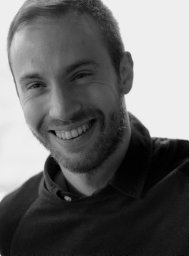 Tobia Zanotto合作论文数School of Health Professions, University of Kansas Medical Center;Mobility Core, University of Kansas Center for Community Access, Rehabilitation Research, Education and Service1
 Marcos Seijo合作论文数Inst Lifecourse Dev, Univ Greenwich1
 Shu-Shih Hsieh合作论文数Dept Psychol, Kingston Univ1
 Emmanuel Stamatakis合作论文数School of Health Sciences, Faculty of Medicine and Health, The University of Sydney;Charles Perkins Centre, Faculty of Medicine and Health, The University of Sydney1
 Paul Smith合作论文数1
 Tatiana Christides合作论文数Faculty of Engineering and Science, University of Greenwich1Farrell Emily合作论文数1
 Mark L. Chapman合作论文数1
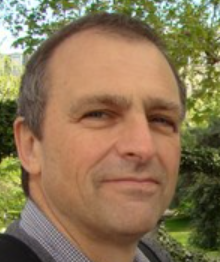 David George Watson合作论文数Strathclyde Institute of Pharmacy and Biomedical Sciences, University of Strathclyde1
 Muniz-Pumares Daniel合作论文数1




