Polycystic Ovary Syndrome (PCOS) is a common endocrine condition affecting 10-15% of reproductive aged women with a diagnosis made when presenting with two of the following: 1) hyperandrogenism, 2) ovulatory dysfunction and/or 3) polycystic ovarian morphology (PCOM). PCOS is associated with increased visceral fat, obesity and insulin resistance, increasing the risk of reproductive and cardiometabolic complications. The authors advocate that exercise and a physically active lifestyle is essential for the management of PCOS and that CASES members and practitioners can play a significant role. However, there is not enough research evidence to convincingly provide an optimum prescription. The paper makes recommendations for future research including the need for more fully powered Randomised Controlled Trials and mechanistic studies that try to ascertain optimal prescriptions examining different modes of physical activity.
Background Maintaining physical function is central to healthy ageing and is emphasised in health policy aimed at shifting care from treatment to prevention. However, accessible tools that support routine monitoring of functional fitness remain limited despite evidence demonstrating links to adverse health outcomes. A Functional Fitness Monitoring Tool (FFMT) was developed as a digital, self-administered platform enabling older adults and healthcare professionals to assess and track physical function. The study aimed to; 1) evaluate perceived importance and usability; 2) compare between-session reliability of self-administered (SL) versus instructor-administered (IL) assessments. Method Thirty-three community-dwelling older adults (68 ± 6 years) completed three SL assessments followed by two IL assessments, or vice versa. The FFMT incorporated nine validated functional tests with digital instructions, demonstration videos, and a results-monitoring interface. After all assessments, participants completed an online usability survey. Results Between-session reliability across SL and IL assessments was good to excellent (ICC > 0. 816). Reliability remained across groups, though wider confidence intervals appeared for initial SL trials in some tests. Thresholds for measurable change were small. Participants found the FFMT easy to use, interpret, and valuable for long-term monitoring. Conclusion The FFMT demonstrates high reliability and usability, with self-administered assessments performing comparably to instructor-led administration. These findings support the FFMT as an accessible, scalable tool capable of enabling accurate self-monitoring of functional fitness across clinical, community, and population settings, with potential to facilitate early detection of functional decline and promote prevention-focused healthy ageing.
Purpose: United Kingdom patients may be given brief advice about PA during health-related consultations and possibly referred to attend exercise on referral scheme. Evidence for in-house lifestyle clinics to educate patients about PA is limited. Think Active funded 10 primary care sites around Coventry to deliver lifestyle clinics offering education on health-related topics in a face-to-face, group workshop format over four weeks. Participants could be physically active after each clinic, e.g. allowed to walk close to the venue or chair-based exercise. Methods: Following ethical approval (P162725), this mixed-methods observational study comprised four work packages (WP). WP1. Survey: 97 attendees’ (F = 63, M = 34) PA, mental wellbeing, and other lifestyle behaviours were measured before the clinics started (baseline), on completion at four weeks (post), and one month following their completion at eight weeks (follow-up). WP2. Fidelity: Based on the brief provided, a list of criteria that clinics needed to follow was developed and each site was graded as low, medium, or high fidelity. WP3 and WP4. Semi-structured interviews: conducted using Teams/telephone to ascertain experiences and views of the leads who facilitated (n = 11; F = 9, M = 2) and patients (n = 11; F = 5; M = 6) who attended the lifestyle clinics. Results: Following data triangulation, consensus was reached on the plausibility that the lifestyle clinics: 1) increased PA behaviour; 2) increased readiness to change PA behaviour; 3) improved self-reported health; 4) improved mental wellbeing; 5) improved patients’ knowledge and understanding of PA, sedentary behaviour, diet, and nutrition. All sites were graded at least medium or high fidelity and whilst the patients and leads were very positive about their experience, issues and challenges unique to each of the sites were highlighted. Future Research: Due to a lack of control group, a feasibility RCT should now be conducted before assessing efficacy as part of a multi-site definitive trial. Conclusion: Attendees of the lifestyle clinics increased their PA and achieved mental health benefits. Despite areas for improvement being identified, the leads and patients had a positive experience. The lifestyle clinics should therefore be described as successful, thus guiding principles and a good practice document has been compiled.
Objective: Men from minority ethnic backgrounds experience a disproportionate burden of prostate cancer yet remain underrepresented in physical activity-related and psycho-oncology research. This study aimed to explore (1) how men from diverse ethnic backgrounds experience and interpret physical activity (PA) following prostate cancer, and (2) how psychological, cultural, and structural factors influence their engagement with PA and research. Methods: Semi-structured interviews were conducted with ten men from African, Caribbean, Asian, and Middle Eastern backgrounds living with prostate cancer. Sampling continued until thematic saturation was achieved, consistent with qualitative methodological guidance. Data was analysed using Braun and Clarke's reflexive thematic analysis. A patient-informed topic guide and culturally reflexive approach were used to ensure contextual sensitivity and psychological safety. Results: Six interconnected themes were identified: (1) PA as Mental Renewal, Identity, and Connection; (2) Cancer-Related Disruption and Fragmented PA Support; (3) Barriers to Participation in PA and Research; (4) Trust, Representation, and Inclusive Research Practices; (5) Cultural Stigma, Silence, and Shifting Perspectives; and (6) Altruism, Legacy, and Motivation to Engage. PA was described as psychologically meaningful, supporting coping, identity, and continuity, but was frequently disrupted by inconsistent guidance and structural barriers. Trust, representation, and relational communication were central to research engagement. Findings informed the development of a Culturally Sensitive Recruitment Framework. Conclusions: PA engagement and research participation among minority ethnic men with prostate cancer are shaped by intersecting psychological, cultural, and structural factors. Culturally sensitive, relationship-centred approaches may strengthen integrated psycho-oncology care and promote more equitable research participation.
OBJECTIVE:To investigate how mindsets around aging at baseline affect physical recovery following a subsequent fall. DESIGN:Longitudinal observational study. SETTING:English Longitudinal Study of Aging (ELSA). PARTICIPANTS:We analyzed data for 694 individuals who had not fallen in the 2 years prior to baseline (Wave 4) but experienced a fall during follow-up (between Waves 4 and 5). MEASUREMENTS:Self-perceptions of aging at baseline (Wave 4) and gait speed, activities of daily living (ADL) dependence, and physical (in)activity after a fall at a 2-year follow-up (Wave 5). Multivariable logistic regression analyses were used to determine to what extent aging-related mindset variables as measured at baseline predicted outcome measures at follow-up. RESULTS:In a fully-adjusted model controlling for confounding baseline factors (including baseline gait speed, ADL dependence and physical inactivity), individuals with positive self-perceptions of aging at baseline had significantly lower odds of slow gait speed (OR = 0.729; 95% CI = 0.627-0.849), ADL dependence (OR = 0.667; 95% CI = 0.561-0.792) and physical inactivity (OR = 0.795; 95% CI = 0.700-0.904) following a fall at a 2-year follow-up. CONCLUSIONS:These findings identify self-perceptions of aging as a strong predictor of physical recovery and disability following a fall, independent of other important factors such as age, gender, and pre-fall physical function. These novel observations advance our understanding of the psychological factors impacting physical recovery from a fall. Future work should explore if targeting such perceptions can directly improve physical recovery and outcomes following a fall.
BACKGROUND:Continuous glucose monitoring (CGM) and flash glucose monitoring (FGM) are widely used in diabetes management and increasingly being considered for type 2 diabetes mellitus (T2DM) prevention. This scoping review aims to summarize the literature published to date on CGM and FGM use in adults at risk of T2DM. METHODS:A systematic search of four databases (CINAHL, PsycINFO, MEDLINE, Cochrane Library) was conducted, covering studies from 1985 to 2024. Eligible studies used CGM or FGM in interventional settings targeting adults at risk of T2DM. Rayyan software facilitated article screening, and the Johns Hopkins Evidence-Based Practice tool assessed study quality. RESULTS:From 13 644 articles, 12 studies were included, reporting on 1144 participants (353 at-risk, mean age 47 ± 12.8 years) across eight countries. Ten studies employed FGM, focusing on health-related behaviors (diet, physical activity, or both). Significant improvements in glucose control and anthropometrics were reported in 75% and 50% of the studies, respectively, along with reductions in glycated hemoglobin, fasting glucose, and insulin resistance. Seven studies used qualitative methods, with recurrent themes including perceived benefits and motivators for behavior change and acceptability and feasibility of device use. Three studies were rated as "high" level and scored a "B" for evidence quality, while the remaining studies were lower for both level and evidence quality. CONCLUSIONS:Existing published studies deploying glucose monitoring technologies show promise in supporting interventions aimed at preventing T2DM in at-risk adults. Further robust studies are required to confirm the long-term acceptability and efficacy of these technologies.
Introduction Cold-water immersion is a popular method typically used to reduce exercise induced muscle damage and improve health and wellbeing. Despite these benefits, there is emerging evidence to suggest the temperature of the water exposure can influence energy intake in the subsequent hours. The study aim was to investigate the influence of water temperature on energy expenditure and post-water immersion ad-libitum energy intake in resting adults. Participants with a range of body masses, but otherwise healthy and physically active males (n = 10) and females (n = 5), participated in three randomised trials in a repeated measures crossover design, with a minimum of 7-days apart. Participants were immersed to sternum level for 30-minutes in either cold-water (16 °C), thermoneutral-water (35 °C) or a no-water thermoneutral ambient air control (26 °C). Participants completed appetite related visual analogue scales throughout and were presented with an ad-libitum homogenous pasta meal and asked to eat until ‘comfortably full’. Results Repeated measures ANOVA showed participants consumed more energy after immersion in cold-water (2783 ± 909 kJ) versus both thermoneutral-water (1817 ± 862 kJ) and thermoneutral ambient air (1894 ± 233 kJ). There were no differences in any of the appetite VAS. Core temperature remained stable throughout the 30 min immersion period across trials, however an after-drop in core temperature was observed for 15 mins following cold-water immersion when compared to both thermoneutral water (P < 0.001), and thermoneutral air (P = 0.004). Although the exact mechanisms are yet to be elucidated, further research is required to identify if the after-drop in core temperature is a potential mechanism responsible for compensatory food intake post cold-water immersion. Conclusion When presented with an ad-libitum meal directly after cold-water immersion, participants consumed more in comparison to both thermoneutral water immersion and thermoneutral ambient air. With cold water immersion becoming popular, these findings have practical and clinical relevance for individuals’ conscious about body mass management.
Despite widespread attempts from governments and leading health organisations worldwide to promote equity in healthy living medicine, the evidence suggests that attempts to curb worsening public health have been almost entirely ineffective. Despite significant advancements in knowledge, medicine, and technology, as well as the promotion of guidelines and the implementation of numerous global initiatives aimed at addressing health disparities and mitigating the progression of non-communicable diseases (NCDs) worldwide, substantial work remains to be undertaken particularly in addressing inequalities in physical activity. Achieving equitable access to health resources and parity in health outcomes remains a critical and unresolved challenge. Whilst it is recognized that the public health paradigm is broad and complex, with many intersecting and interacting parts, the actions and considerations required to address the urgent and escalating scale of the problem appear at a crossroads of now or never. Throughout this narrative review, we describe the effectiveness of landmark physical activity-related guidelines, policies and national interventions that have been implemented since the turn of the century to address physical activity behaviour in the context of health inequalities.
BackgroundLiving-lab approaches have effectively connected academic research with community needs but have not yet been applied to promote physical activity for children with cerebral palsy (CP). This study evaluated a 20-week football-based living-lab programme for children aged 5-10 years with CP, grounded in the principles of Football is Medicine and physical literacy. METHODS:A qualitative design was employed, involving seven one-to-one semistructured interviews with parents or legal guardians of programme participants. A deductive thematic analysis was conducted, and pen profile diagrams were developed to represent key themes related to physical literacy outcomes. RESULTS:Parents reported benefits across multiple dimensions of their children's physical literacy, including improved competence, confidence, motivation and enjoyment. All parents observed enhanced social interaction. Six described the sessions as inclusive and community-oriented, while five felt the programme was personalised to their child's needs. Three parents perceived the football activities as complementary to physical therapy, supporting physical rehabilitation. Participation also enabled parents to exchange strategies and engage more meaningfully in their child's well-being. CONCLUSION:The football-based living-lab supported the holistic development of children with CP, enhancing physical, psychological and social domains of physical literacy. Parental involvement further reinforced perceived therapeutic and community benefits.
OBJECTIVE:Globally, millions of cancer cases are diagnosed annually and mortality rates continue to rise with breast (BC), colorectal (CRC) and prostate (PC) cancer among the most prevalent. Race and ethnic disparities in cancer outcomes have been well-documented; however, the underlying factors contributing to these disparities are currently unknown. DESIGN:This study utilised the Genomic Data Commons (GDC) Portal, a publicly accessible repository, therefore ethical approval was not required. Cancer incidence data were collected by prevalent gene mutations associated with BC, CRC and PC within White, Black and Asian populations. Rolling one-year survival rates were constructed for each genetic mutation. RESULTS:For BC, Black and Asian individuals exhibited higher percentages of cases associated with TP53 mutations compared to Whites. CRC incidence showed Black individuals exhibited higher percentages of cases associated with APC, KRAS and PIK3CA mutations compared to Whites and Asians. PC incidence demonstrated that Black individuals had elevated percentages of cases associated with SPOP, ATM and SYNE1 mutations compared to Whites and Asians. Asian individuals displayed significantly lower survival percentages over 10 years compared to White and Black populations across genetic mutations associated with BC. White individuals exhibited significantly higher survival percentages over 10 years compared to Black individuals across genetic mutations associated with CRC. CONCLUSION:Significant disparities exist in cancer incidence and survival rates across White, Black and Asian populations. These findings demonstrate the importance of targeted approaches in cancer prevention, diagnosis and treatment to address disparities and the need for equitable healthcare. Further research is needed to identify mechanisms driving such disparities and to develop effective strategies to improve cancer outcomes across diverse ethnic populations.
The National Evaluation and Learning Partnership (NELP) is working with Sport England and local communities to support learning and evaluation of whole systems and placed-based approaches, enhancing understanding of how to address inequalities in physical activity. NELP defines a Place-based systemic approach (PBSA) as whole system approach located within and tailored to the unique contexts and features within a defined place. This seeks to create enabling conditions for physical activity across multiple layers of society, from individuals to communities, organisational policy and practice, and the built and natural environment with an emphasis on strengthening communities and rooted in distinctive local characteristics. Each PBSA is unique, influenced by its context including setting, socio-demographics, and mix of communities and organizations. Efforts to drive change are not isolated but aligned, achieving outcomes that are often ‘more than the sum of their parts’. The NELP conceptual model describes two key dimensions which together, contribute to a better understanding of what works in tackling inequalities in physical activity. The first outlines three interconnected practices – or areas of action – where efforts to tackle inequalities may take place. The second sets out nine conditions – or dynamic characteristics of complex systems operating within the place, that may be necessary for tackling these inequalities. Analysis of data from different Places highlights that the presence of certain ‘conditions for change’ were not wholly present, or absent but there in different forms, breadths and depths. Furthermore, interrogation of data from the same Place Partnership over time (e.g. evaluation and learning submissions over successive six-monthly waves) demonstrated changes within and across system conditions, including new emergent properties. This prompted the development of a system maturity matrix. The maturity matrix takes the sub-themes of the conceptual framework and then describes stages of maturity reflecting combinations of ‘quantitative’ changes i.e. questions of breadth and scale, as well as qualitative shifts. Rubrics, based on reported data, as well as inferred or envisioned data describe shifts from ‘status quo’, ‘emerging’, ‘establishing’ and ‘embedded’ states, on a seven-point scale.
ObjectiveSupervised exercise training is recommended for people with peripheral artery disease (PAD), yet it remains underutilised. Home-based exercise programmes are a potential alternative. The aim of this study was to assess the feasibility of conducting a full scale trial of a 12-week home-based exercise programme (HBEP) for people living with symptomatic PAD.MethodsIn a randomised feasibility trial, patients with intermittent claudication (IC) were allocated to either a HBEP or a non-exercise control. The HBEP group were given a Fitbit to use during a 12-week exercise programme comprising of personalised step goals and a resistance-based circuit to be undertaken at home twice weekly. The primary outcome was feasibility, assessed via eligibility, recruitment, attrition, tolerability, and adherence. Acceptability was assessed via semi-structured interviews. Secondary analysis was undertaken to determine the feasibility of collecting clinical outcome data.Results188 people were screened, 133 were eligible (70.7%), 30 were recruited (22.6%) and one withdrew (3.33%). Mean adherence to the daily step goal was 53.5% (range=29.8–90.5%), and 58.6% of prescribed circuits were completed of which 56.4% were at the desired intensity. Six adverse events were recorded, three of which were related to study involvement. No significant differences were observed in exploratory outcomes. Small clinically important differences were seen in walking speed and pain-free treadmill walking distance which should be confirmed or refuted in a larger trial.ConclusionThe HBEP was feasible and well tolerated, with successful recruitment and minimal attrition. The intervention was acceptable, with walking seen as more enjoyable than circuit exercise. The WALKSTRONG programme may be suitable for those who will not, or cannot, take part in supervised exercise outside of the home.
AbstractIntroductionPhysical activity and exercise are movement behaviors that support the lifestyle management of overweight and obesity. However, home‐based exercise programs are commonly generic, and inconsistently undertake a holistic approach to program design.MethodsThis work applied the Behavior Change Wheel, supplemented with previously conducted interviews, to the development of a home‐based exercise program, specifically for people living with overweight and obesity. This provided an understanding of the target behavior and identified a behavioral diagnosis. These findings were mapped onto the Capability, Opportunity, Motivation‐Behavior model and Theoretical Domains Framework, identifying changes needed and corresponding intervention functions.ResultsSuitable Behavior Change Techniques were identified, alongside Capability Opportunity Motivation‐Behavior components needed to facilitate an increase in exercise behaviors, and five key intervention functions. This housed the delivery of 24 Behavior Change Techniques, including goal setting, feedback, monitoring and repetition.ConclusionApplying the Behavior Change Wheel has enabled detailed development of a home‐based exercise program for adults living with overweight and obesity.
Objective: Intermittent claudication (IC) is a common and debilitating symptom of peripheral arterial disease, resulting in poor exercise performance and quality of life (QoL). Supervised exercise programmes are effective rehabilitation for patients with IC, but they are poorly adhered to partly due to high pain and effort associated with walking, aerobic, and resistance exercise. Therefore, alternative exercise methods that improve clinical outcomes and are well tolerated and adhered to by patients with IC are warranted and important. Low intensity resistance exercise with blood flow restriction (BFR) is becoming popular as a rehabilitation tool for clinical populations as it has shown to enhance muscle function and size comparable to high intensity resistance exercise despite using low workloads. The BFR technique involves a pneumatic cuff on the proximal aspect of the exercise limb to apply a pressure sufficient to occlude venous flow during exercise. The primary mechanisms explaining the effectiveness of BFR is sustained low muscle oxygenation, enhanced anaerobic metabolism, and accumulation of metabolic byproducts by muscular tension causing high metabolic stress. BFR represents an alternative exercise method for individuals who are intolerant to high intensity protocols. To date, no study has investigated a BFR regime in patients with IC. The study aim was to evaluate the safety and feasibility of BFR in patients with IC.
Introduction The WALKSTRONG trial includes a programme of community walking and home-based circuit training which has been developed for people with intermittent claudication (IC). The aim of the present study was to determine the acceptability of the programme for those who took part, by gleaning their opinions and experiences. Methods All participants eligible for the WALKSTRONG trial were approached regarding completing a semi-structured interview, selected from three groups: A) programme completers, B) programme withdrawers and C) programme decliners. Interviewers were interested in participants’ views on the programme structure, willingness to participate, and the experiences of those who did take part. Interviews were audio recorded, transcribed verbatim and thematic analysis was undertaken. Results Five of the 14 participants in the intervention group and four of the 20 programme decliners agreed to an interview. The one who withdrew from the exercise programme did not consent to be interviewed. The three themes that emerged from the interviews were: 1) ‘overall positive experiences with the programme, 2) ‘importance of guidance and pain management’, and 3) ‘barriers are both similar to supervised exercise and unique to home-based programmes’. The programme was well received by programme completers, with some aspects preferred over others. Some participants reported improvements in both physical activity behaviour and IC symptoms, and would recommend the programme to others. Conclusion The home-based circuit programme received several recommendations for further improvement. Along with the feasibility findings, a fully powered, randomised controlled trial of this intervention is warranted. Trial registration NCT05059899.
OBJECTIVES:Commercially available wearable activity monitors can promote physical activity behaviour. Clinical trials typically quantify physical activity with research grade activity monitors prior to testing interventions utilising commercially available wearable activity monitors aimed at increasing step count. Therefore, it is important to test the agreement of these two types of activity monitors. OBJECTIVES:Observational. METHODS:Thirty adults (20-65 years, n = 19 females) were provided a Fitbit Charge 4©. To determine reliability using an intraclass correlation coefficient, two, one-minute bouts of treadmill walking were performed at a self-selected pace. Subsequently, participants wore both an ActiGraph wGT3X-BT and the Fitbit for seven days. To determine agreement, statistical equivalence and the mean absolute percentage error were calculated and represented graphically with a Bland-Altman plot. Ordinary least products regression was performed to identify fixed or proportional bias. RESULTS:The Fitbit showed 'good' step count reliability on the treadmill (intraclass correlation coefficient = 0.75, 95 % CI = 0.53-0.87, p < 0.001). In free-living however, it overestimated step count when compared to the ActiGraph wGT3X-BT (mean absolute percentage error = 26.02 % ± 14.63). Measurements did not fall within the ± 10 % equivalence region and proportional bias was apparent (slope 95 % CI = 1.09-1.35). CONCLUSIONS:The Fitbit Charge 4© is reliable when measuring step count on a treadmill. However, there is an overestimation of daily steps in free-living environments which may falsely indicate compliance with physical activity recommendations.
Epidemiological evidence suggests that physical activity (PA) can improve the health, physical function and the quality of life of older adults. Several modes of PA have been highlighted as particularly beneficial for these outcomes, but the challenges of engaging and sustaining participation limit their effectiveness. Therefore, the aim of this study was to determine barriers and opinions to regularly engaging in different types of PA using taster sessions to provide recommendations on how to engage and sustain PA behaviour in older adults. A multi-phase, mixed-method study design on 12 older adults was used to gain insight into older adult's perceptions of five types of PA (two sports, resistance exercise, exergaming, yoga and home-based exercise). Perceptions of these types of PA were collected pre-taster sessions and were re-evaluated after all taster sessions using questionnaires and focus groups. Triangulation of data revealed that in general, all PA types were enjoyed, but yoga was least popular. Pre-taster sessions, home-based exercise and resistance exercise were most popular whereas following the taster sessions, preferences were for exergaming, resistance exercise and sports. Our data highlights the effective utility of taster sessions and combined with other literature; we present several key recommendations to help to improve engagement in long-term PA behaviour in various PA types. These include ensuring adequate social interaction between similarly aged and ability capable older adults during PA. Having appropriate supervisors, and advertising and facilitating PA opportunities, considering the needs of individuals, providing motivational strategies and providing continued accountability.
 David J. Stensel合作论文数School of Sport and Exercise Sciences, Loughborough University16Markos Klonizakis合作论文数Ctr Sport & Exercise Sci, Sheffield Hallam Univ9
 Stuart W Flint合作论文数9
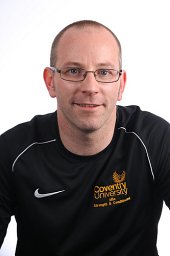 Michael Duncan合作论文数Department of Applied Sciences and Health, Coventry University;Centre for Physical Activity, Sport and Exercise Sciences, Coventry University9
 James King合作论文数Alberta Health Services, University of Calgary;Centre for Health Informatics, University of Calgary9Caroline F. Dalton合作论文数8Ioannis Kyrou合作论文数University Hospital Coventry and Warwickshire, University of Warwick8
 Gordon McGregor合作论文数Division of Nephrology, University Hospitals Coventry and Warwickshire NHS Trust7
 John Xerri de Caro合作论文数6
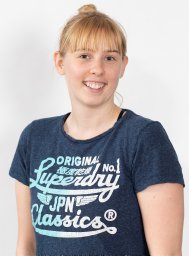 Amy Elizabeth Harwood合作论文数Centre for Sports, Exercise and Life Sciences, Coventry University6
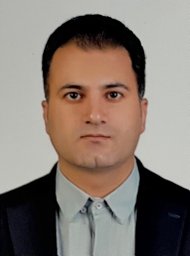 Rahmati-Ahmadabad Saleh合作论文数6
 Karl Spiteri合作论文数6
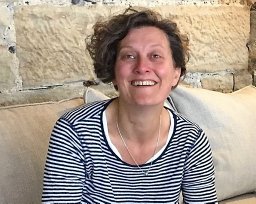 Grafton Kate合作论文数6
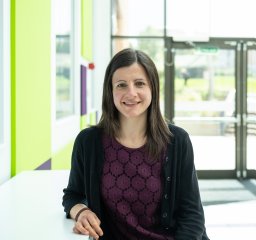 Thackray Alice E合作论文数School of Sport, Exercise and Health Sciences, Loughborough University6
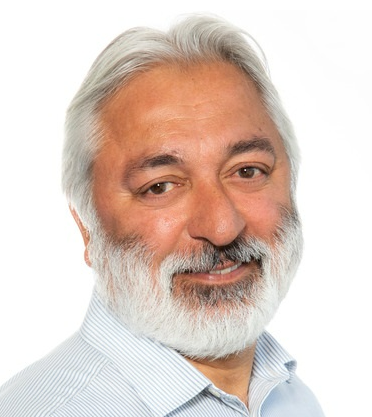 Harpal Randeva合作论文数Warwick Medical School, University of Warwick6
 Christine Smith合作论文数University of California, San Diego6
 Burns Stephen Francis合作论文数National Institute of Education6Masashi Miyashita合作论文数Waseda University6
 Alexander Waddell合作论文数5
 Sofie Power合作论文数Institute of Health and Wellbeing, Coventry University5Rachel Young合作论文数5
 Chris Kite合作论文数Research Institute for Health & Wellbeing, Coventry University5
 Nikita Rowley合作论文数5
 Anna Myers合作论文数Adv Wellbeing Res Ctr, Sheffield Hallam Univ5
 Stefan Birkett合作论文数Manchester Metropolitan University Institute of Sport, Metropolitan University5
 Amie Woodward合作论文数5
 Robert Copeland合作论文数5
 Mark Faghy合作论文数School of Science, University of Derby5
 James Lewis合作论文数School of Science and Technology, Nottingham Trent University5
 Karen Sage合作论文数University of Manchester5
 Ka Yiu Lee合作论文数Dept Hlth Sci, Mid Sweden Univ4
 Francesca Denton合作论文数4
 Joel Rocha合作论文数School of Applied Sciences, Abertay University4
 Ian M Lahart合作论文数4
 Michael Huen Sum Lam合作论文数4
 Helen Quirk合作论文数School of Health Sciences, University of Nottingham.4
 Rachel Batterham合作论文数Division of Medicine, University College London;Centre for Weight Management and Metabolic Surgery, University College Hospital4
 Jenny Paxman合作论文数4Helen Crank合作论文数4
 Nicolette C. Bishop合作论文数School of Sport, Exercise and Health Sciences, Loughborough University4Ejoe Kar Ho Tso合作论文数3Thomas Parkington合作论文数3Robyn Hambrook合作论文数3Bob Laventure合作论文数3
 Man Lai Cheung合作论文数Dept Mkt, Hang Seng Univ Hong Kong3
 Matthew Haines合作论文数3
 Darren L Richardson合作论文数Res Ctr Sport Exercise & Life Sci, Coventry Univ3Wasse Lucy K合作论文数3
 Jason Tallis合作论文数3




