Estimating intracranial current sources underlying the electromagnetic signals observed from extracranial sensors is a perennial challenge in non-invasive neuroimaging. Established solutions to this inverse problem treat time samples independently without considering the temporal dynamics of event-related brain processes.This paper describes current source estimation from simultaneously recorded magneto- and electro-encephalography (MEEG) using a recurrent neural network (RNN) that learns sequential relationships from neural data. The RNN was trained in two phases: (1) pre-training and (2) transfer learning with L1 regularization applied to the source estimation layer. Performance of using scaled labels derived from MEEG, magnetoencephalography (MEG), or electroencephalography (EEG) were compared, as were results from volumetric source space with free dipole orientation and surface source space with fixed dipole orientation. Exact low-resolution electromagnetic tomography (eLORETA) and mixed-norm L1/L2 (MxNE) source estimation methods were also applied to these data for comparison with the RNN method.The RNN approach outperformed other methods in terms of output signal-to-noise ratio, correlation and mean-squared error metrics evaluated against reference event-related field (ERF) and event-related potential (ERP) waveforms. Using MEEG labels with fixed-orientation surface sources produced the most consistent estimates.To estimate sources of ERF and ERP waveforms, the RNN generates temporal dynamics within its internal computational units, driven by sequential structure in neural data used as training labels. It thus provides a data-driven model of computational transformations from psychophysiological events into corresponding event-related neural signals, which is unique among MEEG source reconstruction solutions.
Neuroimaging data analysis often requires purpose-built software, which can be challenging to install and may produce different results across computing environments. Beyond being a roadblock to neuroscientists, these issues of accessibility and portability can hamper the reproducibility of neuroimaging data analysis pipelines. Here, we introduce the Neurodesk platform, which harnesses software containers to support a comprehensive and growing suite of neuroimaging software (https://www.neurodesk.org/). Neurodesk includes a browser-accessible virtual desktop environment and a command line interface, mediating access to containerized neuroimaging software libraries on various computing platforms, including personal and high-performance computers, cloud computing and Jupyter Notebooks. This community-oriented, open-source platform enables a paradigm shift for neuroimaging data analysis, allowing for accessible, flexible, fully reproducible, and portable data analysis pipelines.
The DNA repair endonuclease APE1 is responsible for the cleavage of abasic sites (AP) in DNA as well as binding AP in promoter G-quadruplex (G4) folds in some genes to regulate transcription. The present studies focused on the topological properties of AP-bearing G4 folds and how they impact APE1 interaction. The human telomere sequence with a tetrahydrofuran model (F) of an AP was folded in K+- or Na+-containing buffers to adopt hybrid- or basket-folds, respectively. Endonuclease and binding assays were performed with APE1 and the G4 substrates, and the data were compared to prior work with parallel-stranded VEGF and NEIL3 promoter G4s to identify topological differences. The APE1-catalyzed endonuclease assays led to the conclusion that telomere G4 folds were slightly better substrates than the promoter G4s, but the yields were all low compared to duplex DNA. In the binding assays, G4 topological differences were observed in which APE1 bound telomere G4s with dissociation constants similar to single-stranded DNA, and promoter G4s were bound with nearly ten-fold lower values similar to duplex DNA. An in-cellulo assay with the telomere G4 in a model promoter bearing a lesion failed to regulate transcription. These data support a hypothesis that G4 topology in gene promoters is a critical feature that APE1 recognizes for gene regulation.
Nanopore direct RNA sequencing is a technology that allows sequencing for epitranscriptomic modifications with the possibility of a quantitative assessment. In the present work, pseudouridine (psi) was sequenced with the nanopore before and after the pH 7 bisulfite reaction that yields stable ribose adducts at C1 ' of psi. The adducted sites produced greater base call errors in the form of deletion signatures compared to psi. Sequencing studies on E. coli rRNA and tmRNA before and after the pH 7 bisulfite reaction demonstrated that using chemically-assisted nanopore sequencing has distinct advantages for minimization of false positives and false negatives in the data. The rRNA from E. coli has 19 known U/C sequence variations that give similar base call signatures as psi, and therefore, are false positives when inspecting base call data; however, these sites are refractory to reacting with bisulfite as is easily observed in nanopore data. The E. coli tmRNA has a low occupancy psi in a pyrimidine-rich sequence context that is called a U representing a false negative; partial occupancy by psi is revealed after the bisulfite reaction. In a final study, 5-methylcytidine (m5C) in RNA can readily be observed after the pH 5 bisulfite reaction in which the parent C deaminates to U and the modified site does not react. This locates m5C when using bisulfite-assisted nanopore direct RNA sequencing, which is otherwise challenging to observe. The advantages and challenges of the overall approach are discussed. Nanopore direct RNA sequencing assisted by pseudouridine- and m5C-specific bisulfite treatment is a technology that allows sequencing for epitranscriptomic modifications with the possibility of quantitative assessment.
Objective. To use a recurrent neural network (RNN) to reconstruct neural activity responsible for generating noninvasively measured electromagnetic signals.Approach. Output weights of an RNN were fixed as the lead field matrix from volumetric source space computed using the boundary element method with co-registered structural magnetic resonance images and magnetoencephalography (MEG). Initially, the network was trained to minimise mean-squared-error loss between its outputs and MEG signals, causing activations in the penultimate layer to converge towards putative neural source activations. Subsequently, L1 regularisation was applied to the final hidden layer, and the model was fine-tuned, causing it to favour more focused activations. Estimated source signals were then obtained from the outputs of the last hidden layer. We developed and validated this approach with simulations before applying it to real MEG data, comparing performance with beamformers, minimum-norm estimate, and mixed-norm estimate source reconstruction methods.Main results. The proposed RNN method had higher output signal-to-noise ratios and comparable correlation and error between estimated and simulated sources. Reconstructed MEG signals were also equal or superior to the other methods regarding their similarity to ground-truth. When applied to MEG data recorded during an auditory roving oddball experiment, source signals estimated with the RNN were generally biophysically plausible and consistent with expectations from the literature.Significance. This work builds on recent developments of RNNs for modelling event-related neural responses by incorporating biophysical constraints from the forward model, thus taking a significant step towards greater biological realism and introducing the possibility of exploring how input manipulations may influence localised neural activity.
In the current study we aimed to determine which cognitive skills play a role when learning to program. We examined five cognitive skills (pattern recognition, algebra, logical reasoning, grammar learning and vocabulary learning) as predictors of course-related programming performance and their generalised programming performance in 282 students in an undergraduate introductory programming course. Initial skills in algebra, logical reasoning, and vocabulary learning predicted performance for generalised programming skill, while only logical reasoning skills predicted course-related programming performance. Structural equation modelling showed support for a model where the cognitive skills were grouped into a language factor and an algorithmic/mathematics factor. Of these two factors, only the algorithmic/mathematics factor was found to predict generalised and course-related programming skills. Our results suggested that algorithmic/mathematical skills are most relevant when predicting generalised programming success, but also showed a role for memory-related language skills.
Bilinguals are known to switch language spontaneously in everyday conversations, even if there are no external requirements to do so. However, in the laboratory setting, language control is often investigated using forced switching tasks, which result in significant performance costs. The present study assessed whether switching would be less costly when performed in a more natural fashion, and what factors might account for this. Mandarin-English bilinguals engaged in language switching under three different contexts with varied task demands. We examined two factors which may be characteristic of natural switching: (i) freedom of language selection; (ii) consistency of language used to name each item. Participants' brain activities were recorded using magnetoencephalography (MEG), along with behavioural measures of reaction speed and accuracy. The natural context (with both free selection and consistent language use for each item) produced better performance overall, showing reduced mixing cost and no significant switch cost. The neural effect of language mixing was also reversed in this context, suggesting that freely mixing two languages was easier than staying in a single language. Further, while switching in the forced context elicited increased brain activity in the right inferior frontal gyrus, this switch effect disappeared when the language used to name each item was consistent. Together, these findings demonstrate that the two factors above conjointly contribute to eliminating significant performance costs and cognitive demands associated with language switching and mixing. Such evidence aligns with lexical selection models which do not assume bilingual production to be inherently effortful.
Bilinguals have a remarkable ability to juggle two languages. A central question in the field is concerned with the control mechanisms that enable bilinguals to switch language with ease. Theoretical models and neuroimaging evidence suggest that a range of control processes are at play during language switching, and their underlying neural mechanisms are closely related to executive function. What remains unclear is when these control processes are engaged in language switching. In this study, we used magnetoencephalography (MEG) to examine the brain activity while unbalanced Mandarin-English bilinguals performed a digit-naming task with cued language switching. Following presentation of the language cue, an asymmetrical switch effect was observed in the left inferior frontal gyrus (IFG), where switch-related increase in evoked brain activity was larger for switching into the non-dominant language. Following presentation of the naming target, evoked brain activity in the right IFG was larger when naming was required in the non-dominant language compared to the dominant language. We conclude that control processes take place in two stages during language switching, with the left IFG resolving interference following cue presentation and the right IFG inhibiting competing labels following target presentation.
A prominent theory of bilingual speech production holds that appropriate language selection is achieved via inhibitory control. Such inhibition may operate on the whole-language and/or item-specific level. In this study, we examined these two levels of control in parallel, by introducing a novel element into the traditional cued language switching paradigm: half of the stimuli were univalent (each required naming in the same language every time it appeared), and the other half were bivalent (each required naming in different languages on different trials). Contrasting switch and stay trials provided an index for whole-language inhibition, while contrasting bivalent and univalent stimuli provided an index for item-specific inhibition. We then investigated the involvement of domain-general brain mechanisms in these two levels of language control. Neuroimaging studies report activation of the pre-supplementary motor area (pre-SMA), a key region in the executive control brain network, during language switching tasks. However, it is unclear whether or not the pre-SMA plays a causal role in language control, and at which level it exerts control. Using repetitive transcranial magnetic stimulation (TMS) to transiently disrupt the pre-SMA, we observed an essential role of this brain region in general speech execution, while evidence for its specific involvement in each level of inhibition remains inconclusive.
Sequences of DNA typically adopt B-form duplexes in genomes, although noncanonical structures such as G-quadruplexes, i-motifs, Z-DNA, and cruciform structures can occur. A challenge is to determine the functions of these various structures in cellular processes. We and others have hypothesized that G-rich G-quadruplex-forming sequences in human genome promoters serve to sense oxidative damage generated during oxidative stress impacting gene regulation. Herein, chemical tools and a cell-based assay were used to study the oxidation of guanine to 8-oxo-7,8-dihydroguanine (OG) in the context of a cruciform-forming sequence in a gene promoter to determine the impact on transcription. We found that OG in the nontemplate strand in the loop of a cruciform-forming sequence could induce gene expression; conversely when OG was in the same sequence on the template strand, gene expression was inhibited. A model for the transcriptional changes observed is proposed in which OG focuses the DNA repair process on the promoter to impact expression. Our cellular and biophysical studies and literature sources support the idea that removal of OG from duplex DNA by OGG1 yields an abasic site (AP) that triggers a structural shift to the cruciform fold. The AP-bearing cruciform structure is presented to APE1, which functions as a conduit between DNA repair and gene regulation. The significance is enhanced by a bioinformatic study of all human gene promoters and transcription termination sites for inverted repeats (IRs). Comparison of the two regions showed that promoters have stable and G-rich IRs at a low frequency and termination sites have many AT-rich IRs with low stability.
The NEIL3 DNA repair gene is induced in cells or animal models experiencing oxidative or inflammatory stress along with oxidation of guanine (G) to 8-oxo-7,8-dihydroguanine (OG) in the genome. We hypothesize that a G-rich promoter element that is a potential G-quadruplex-forming sequence (PQS) in NEIL3 is a site for introduction of OG with epigenetic-like potential for gene regulation. Activation occurs when OG is formed in the NEIL3 PQS located near the transcription start site. Oxidative stress either introduced by TNFα or synthetically incorporated into precise locations focuses the base excision repair process to read and catalyze removal of OG via OG-glycosylase I (OGG1), yielding an abasic site (AP). Thermodynamic studies showed that AP destabilizes the duplex, enabling a structural transition of the sequence to a G-quadruplex (G4) fold that positions the AP in a loop facilitated by the NEIL3 PQS having five G runs in which the four unmodified runs adopt a stable G4. This presents AP to apurinic/apyrimidinic endonuclease 1 (APE1) that poorly cleaves the AP backbone in this context according to in vitro studies, allowing the protein to function as a trans activator of transcription. The proposal is supported by chemical studies in cellulo and in vitro. Activation of NEIL3 expression via the proposed mechanism allows cells to respond to mutagenic DNA damage removed by NEIL3 associated with oxidative or inflammatory stress. Lastly, inspection of many mammalian genomes identified conservation of the NEIL3 PQS, suggesting this sequence was favorably selected to function as a redox switch with OG as the epigenetic-like regulatory modification.
One response to oxidation of guanine (G) to 8-oxo-7,8-dihydroguanine (OG) in a gene promoter is regulation of mRNA expression suggesting an epigenetic-like role for OG. A proposed mechanism involves G oxidation within a potential G-quadruplex-forming sequence (PQS) in the promoter, enabling a structural shift from B-DNA to a G-quadruplex fold (G4). When OG was located in the coding vs template strand, base excision repair led to an on/off transcriptional switch. Herein, a G-rich, potential Z-DNA-forming sequence (PZS) comprised of a d(GC) n repeat was explored to determine whether oxidation in this motif was also a transcriptional switch. Bioinformatic analysis found 1650 PZSs of length >10 nts in the human genome that were overrepresented in promoters and 5'-UTRs. Studies in human cells transfected with a luciferase reporter plasmid in which OG was synthesized in a PZS context in the promoter found that a coding strand OG increased expression and a template strand OG decreased expression. The initial base excision repair product of OG, an abasic site (AP), was also found to yield similar expression changes as OG. Biophysical studies on model Z-DNA strands found OG favored a shift in the equilibrium to Z-DNA from B-DNA, while an AP disrupted Z-DNA to favor a hairpin, placing AP in the loop where it is a poor substrate for the endonuclease APE1. Overall, the impact of OG and AP in a PZS on gene expression was similar to that in a PQS but reduced in magnitude.
Abstract Oxidation of the guanine (G) heterocycle to 8-oxo-7,8-dihydroguanine (OG) in mammalian gene promoters was demonstrated to induce transcription. Potential G-quadruplex forming sequences (PQSs) in promoters have a high density of G nucleotides rendering them highly susceptible to oxidation and possible gene activation. The VEGF PQS with OG or an abasic site were synthesized at key locations in the SV40 or HSV-TK model promoters to determine the location dependency in the gene expression profile in human cells. The PQS location with respect to the transcription start site (TSS) and strand of occupancy (coding versus non-coding strand) are key parameters that determine the magnitude and direction in which gene expression changes with the chemically modified VEGF PQS. The greatest impact observed for OG or F in the PQS context in these promoters was within ∼200 bp of the TSS. Established PQSs found to occur naturally in a similar location relative to the TSS for possible oxidation-induced gene activation include c-MYC, KRAS, c-KIT, HIF-1α, PDGF-A and hTERT. The studies provide experimental constraints that were used to probe bioinformatic data regarding PQSs in the human genome for those that have the possibility to be redox switches for gene regulation.
Our laboratory has recently proposed that the oxidation of guanine (G) to 8-oxo-7,8-dihydroguanine (OG) in G-rich promoter regions of DNA repair genes can serve as a regulatory mechanism of gene transcription. These regions also have the potential to fold into G-quadruplexes (G4). The human RAD17 promoter sequence has such a region in the template strand of the gene. In this work, the potential G-quadruplex sequence (PQS) of the RAD17 gene promoter was analyzed in different sequence contexts. With two extra nucleotides of the native sequence on either side of the G4, the structure was found to fold into a hybrid-like G4, similar to the hybrid-1 fold that the human telomere sequence can adopt. With only one nucleotide on either side of the PQS, the topology of the structure was observed to be mixed, and without extra nucleotides on the ends, the sequence adopted a parallel fold. Next, the sequence was studied with synthetic incorporation of the oxidative modification OG into specific sites and installed into the promoter of plasmids with a luciferase gene. These plasmids were transfected into a human cell line to observe the effect of the G4s on transcription. The RAD17 PQS was found to decrease luciferase expression with the presence of OG that is consistent with RAD17 expression under oxidative stress. This serves as an example of how oxidative modification could affect transcription in the context of a G4.
The cellular response to oxidative stress includes transcriptional changes, particularly for genes involved in DNA repair. Recently, our laboratory demonstrated that oxidation of 2'-deoxyguanosine (G) to 8-oxo-7,8-dihydro-2'-deoxyguanosine (OG) in G-rich potential G-quadruplex sequences (PQSs) in gene promoters impacts the level of gene expression up or down depending on the position of the PQS in the promoter. In the present report, bioinformatic analysis found that the 390 human DNA repair genes in the genome ontology initiative harbor 2936 PQSs in their promoters and 5'-untranslated regions (5'-UTRs). The average density of PQSs in human DNA repair genes was found to be nearly 2-fold greater than the average density of PQSs in all coding and noncoding human genes (7.5 vs 4.3 per gene). The distribution of the PQSs in the DNA repair genes on the nontranscribed (coding) vs transcribed strands reflects that of PQSs in all human genes. Next, literature data were interrogated to select 30 PQSs to catalog their ability to adopt G-quadruplex (G4) folds in vitro using five different experimental tests. The G4 characterization experiments concluded that 26 of the 30 sequences could adopt G4 topologies in solution. Last, four PQSs were synthesized into the promoter of a luciferase plasmid and cotransfected with the G4-specific ligands pyridostatin, Phen-DC3, or BRACO-19 in human cells to determine whether the PQSs could adopt G4 folds. The cell studies identified changes in luciferase expression when the G4 ligands were present, and the magnitude of the expression changes dependent on the PQS and the coding vs template strand on which the sequence resided. Our studies demonstrate PQSs exist at a high density in human DNA repair gene promoters and a subset of the identified sequences may fold in vitro and in vivo.
Interplay between DNA repair of the oxidatively modified base 8-oxo-7,8-dihydroguanine (OG) and transcriptional activation has been documented in mammalian genes. Previously, we synthesized OG into the VEGF potential G-quadruplex sequence (PQS) in the coding strand of a luciferase promoter to identify that base excision repair (BER) unmasked the G-quadruplex (G4) fold for gene activation. In the present work, OG was site-specifically synthesized into a luciferase reporter plasmid to follow the time-dependent expression in mammalian cells when OG in the VEGF PQS context was located in the coding vs template strands of the luciferase promoter. Removal of OG from the coding strand by OG glycosylase-1 (OGG1)-mediated BER upregulated transcription. When OG was in the template strand in the VEGF PQS context, transcription was downregulated by a BER-independent process. The time course changes in transcription show that repair in the template strand was more efficient than repair in the coding strand. Promoters were synthesized with an OG:A base pair that requires repair on both strands to yield a canonical G:C base pair. By monitoring the up/down luciferase expression, we followed the timing of repair of an OG:A base pair occurring on both strands in mammalian cells in which one lesion resides in a G-quadruplex loop and one in a potential i-motif. Depending on the strand in which OG resides, coding vs template, this modification is an up/downregulator of transcription that couples DNA repair with transcriptional regulation.
Strands of DNA with four or more contiguous runs of 2'-deoxycytidine (dC) nucleotides have the potential to adopt i-motif folds, generally under mildly acidic conditions. Analysis of dC homo-oligonucleotide strands ranging in length from 10 to 30 nucleotides by five different pH-dependent methods identified a pattern in strand length vs stability. Beginning with dC11, which does not fold, the transition pH (pHT) increased with chain length with the addition of up to four nucleotides, after which the stability dramatically decreased, and the trend repeated this cycle up to dC27. The analysis found dCn strands of length 15, 19, 23, and 27 nucleotides (i.e., 4n-1) to have pHT values >7.2 and thermal stabilities >37 °C at pH 7.0. Model studies using thymidine nucleotides to lock in i-motif loop lengths support the conclusion that the most stable dCn i-motifs possess one nucleotide in each of the three loops and a core built of an even number of base pairs. The pattern identified from the model studies occurs with a frequency of four nucleotides at lengths of 15, 19, 23, and 27 in accordance with the results obtained for the dCn strands. This observation led us to interrogate the human genome for dCn runs. Inspection of the human genome indicates that dCn runs are enriched in critical regions of the genome (promoters, UTRs, and introns), while being depleted in coding and intergenic regions, and these findings may have biological implications. Lastly, the ability to tune i-motif stabilities by the length of the strand might be harnessed for stimulus-responsive applications in DNA scaffolds, sensors, nanotechnology, and other chemical applications.
We investigate the effect of buffer identity, ionic strength, pH, and organic cosolvents on the rate of strain-promoted azide-alkyne cycloaddition with the widely used DIBAC cyclooctyne. The rate of reaction between DIBAC and a hydrophilic azide is highly tolerant to changes in buffer conditions but is impacted by organic cosolvents. Thus, bioconjugation reactions using DIBAC can be carried out in the buffer that is most compatible with the biomolecules being labeled, but the use of organic cosolvents should be carefully considered.
 Cynthia J. Burrows合作论文数Department of Chemistry, College of Science, University of Utah17
 Aaron Fleming合作论文数Dept Chem, Univ Utah16
 Paul F Sowman合作论文数6
 Ding Yun合作论文数Department of Chemistry, University of Utah5
 Julia Zhu合作论文数2Shereen A Howpay Manage合作论文数2
 Jamie O'Reilly合作论文数School of Engineering, King Mongkut's Institute of Technology Ladkrabang2Anita M. Orendt合作论文数Department of Chemistry, University of Utah2Anita Szakay合作论文数Department of Linguistics;University of British;Department of Linguistics, University of British2James G. Muller合作论文数2Yanan Sun合作论文数1Andy Botting合作论文数1Benjamin M Slade合作论文数1Toluwani Amos合作论文数1Aswin Narayanan合作论文数1Joshua A Visser合作论文数1Jo Morris合作论文数1Matthew Roberts合作论文数1Akshaiy Narayanan合作论文数1Paris Lyons合作论文数1Irene L. Graafsma合作论文数1
 Yan Zhang合作论文数1
 Yorguin Jose Mantilla Ramos合作论文数1Stefanie Evas合作论文数1Dao Thanh Thuy合作论文数1
 Ashley Stewart合作论文数ARC Training Ctr Innovat Biomed Imaging Technol, Univ Queensland1
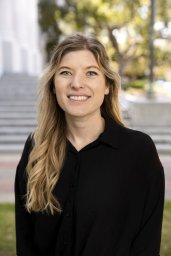 Alexandra D. Kent合作论文数Department of Chemistry, University of California1
 Franco Pestilli合作论文数Department of Psychology, College of Liberal Arts, University of Texas at Austin1
 Jeryn Chang合作论文数School of Biomedical Sciences, The University of Queensland1
 Manuel Jara Espejo合作论文数Dept Biosci, Univ Estadual Campinas1
 Fernanda Lenita Ribeiro合作论文数School of Psychology, The University of Queensland1
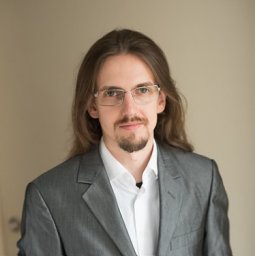 Anibal Solon合作论文数Department of Diagnostic Medicine, The University of Texas at Austin1
 Martin Grignard合作论文数University of Liège1Yanan He合作论文数1Thomas B Shaw合作论文数1Korbinian Eckstein合作论文数1Wu Li (李武)合作论文数1
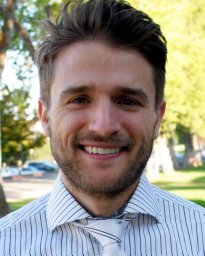 Daniel Powell合作论文数Dept Chem, Univ Utah1
 Angela Renton合作论文数Sch Informat Technol & Elect Engn, Univ Queensland1
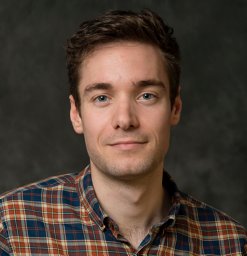 Robert A. Seymour合作论文数ARC Centre of Excellence in Cognition and its Disorders, Macquarie University1
 Jakub R Kaczmarzyk合作论文数MIT McGovern Inst Brain Res1
 Steffen Bollmann合作论文数School of Information Technology and Electrical Engineering, Faculty of Engineering, Architecture and Information Technology, The University of Queensland1KeXin Lou (娄可心)合作论文数1Armentrout Erin I合作论文数1
 Aina Puce合作论文数Department of Psychological and Brain Sciences, The College of Arts & Sciences, Indiana University Bloomington1
 Michael Meier合作论文数Institute of Psychology, University of Zurich1
 Anthony J. Hannan合作论文数Epigenetics and Neural Plasticity Laboratory, Florey Institute of Neuroscience and Mental Health, University of Melbourne1
 Jason Mattingley合作论文数School of Psychology, Faculty of Health and Behavioural Sciences, The University of Queensland1
 Lars Kasper合作论文数1




