Abstract Following a request from the European Commission, the European Food Safety Authority was asked to deliver a scientific opinion on the modification of the terms of authorisation of five preparations containing the microorganisms Lactiplantibacillus plantarum CNCM I‐3235, Pediococcus acidilactici CNCM I‐3237, Pediococcus pentosaceus NCIMB 12455, Acidipropionibacterium acidipropionici CNCM I‐4661 and Lentilactobacillus hilgardii CNCM I‐4785 as technological additives (functional group: silage additives) for all animal species. The preparations were already authorised in the European Union. The applicant requested the amendment of the existing authorisation in order to include additional strain accession numbers resulting from the deposition of the strains at an additional International Depository Authority, namely the Leibniz Institute DSMZ – German Collection of Microorganisms and Cell Cultures. The assessment by the EFSA Scientific Panel on Additives and Products or Substances used in Animal Feed (FEEDAP Panel) was based on supplementary data submitted by the applicant and focused on the verification of strain identity and traceability. The applicant provided valid deposition certificates from the original and the additional culture collections for each strain. The FEEDAP Panel concluded that the strains under assessment could be also designated with the additional DSMZ accession numbers as requested.
Following a request from the European Commission, the EFSA Panel on Additives and Products or Substances used in Animal Feed (FEEDAP) was asked to deliver a scientific opinion on the application for renewal of authorisation of zinc bislysinate as a feed additive for all animal species. The applicant has provided data demonstrating that the additive currently in the market complies with the conditions of the authorisation. There is no new evidence that would lead the FEEDAP Panel to reconsider its previous conclusions. Thus, the FEEDAP Panel concludes that the additive remains safe for the target species and consumers. Regarding user safety, the additive in both forms is not irritant to the skin nor a skin sensitiser but is an eye and respiratory irritant. Exposure of users by inhalation or via the eyes is considered a risk. The FEEDAP Panel concludes that the use of the additive remains safe for the environment for terrestrial species and land-based aquaculture systems. In the absence of adequate data, the FEEDAP Panel is not in a position to conclude on the safety of the additive for the marine sediment compartment when used in sea-cage systems. There is no need to assess the efficacy of the additive in the context of the renewal of the authorisation.
Following a request from the European Commission, EFSA was asked to deliver a scientific opinion on the safety and efficacy of l-isoleucine produced by fermentation with a non-genetically modified strain of Corynebacterium glutamicum (CCTCC M 2022764) as a nutritional feed additive for use in feed and water for drinking for all animal species. The EFSA Panel on Additives and Products or Substances used in Animal Feed (FEEDAP) concluded that the additive does not give rise to any safety concern regarding the production strain. The use of l-isoleucine produced with C. glutamicum CCTCC M 2022764 is considered safe for the target species when supplemented in appropriate amounts to the diet according to the nutritional needs of the target species. The FEEDAP Panel has concerns on the use of l-isoleucine in water for drinking. The use of l-isoleucine produced with C. glutamicum CCTCC M 2022764 as a feed additive is considered safe for the consumer and the environment. The FEEDAP Panel cannot conclude on the potential of the additive to be an irritant to skin and/or eyes and to be a potential skin sensitiser. The feed additive consisting of l-isoleucine produced by fermentation with C. glutamicum CCTCC M 2022764 is regarded as an effective source of the amino acid l-isoleucine for all non-ruminant species. For the supplemental l-isoleucine to be as efficacious in ruminants as in non-ruminant species, it should be protected from ruminal degradation.
Following a request from the European Commission, EFSA was asked to deliver a scientific opinion on the safety and efficacy of lasalocid A sodium (Avatec® 150G) as a coccidiostat for turkeys, pheasants, guinea fowl, quails and partridges. The additive currently on the market complies with the existing conditions of authorisation. The FEEDAP Panel was not in a position to conclude on the safety of the additive for the target species. The use of lasalocid A sodium at the highest proposed level of 125 mg/kg complete feed for turkeys up to 16 weeks of life and in growing pheasants, partridges, quails and guinea fowl remains safe for the consumer under the current conditions of the authorisation. The proposed reduction of the withdrawal time to 3 days is considered safe for the consumer. The existing maximum residue levels (MRLs) for poultry tissues ensure consumer safety. The additive is irritant to the skin and eye and the respiratory tract, but it is not a dermal sensitiser. Exposure of the users by any route is considered a risk. The use of the additive at the proposed conditions of use does not pose a risk for the terrestrial and aquatic compartments nor to sediment. No concern for groundwater is expected. The additive is unlikely to bioaccumulate and the risk for secondary poisoning is considered low. Lasalocid A sodium from Avatec® 150G has the potential to control coccidiosis in turkeys for fattening, turkeys reared for reproduction and pheasants at the minimum use level of 75 mg/kg complete feed. The data provided do not allow the Panel to conclude on the coccidiostatic effect of the additive in guinea fowl, quails and partridges.
Abstract Following a request from the European Commission, EFSA was asked to deliver a scientific opinion on the safety and efficacy of a feed additive consisting of nicarbazin (NICACOX®) as a coccidiostat for chickens for fattening and chickens reared for laying. The FEEDAP Panel concluded that NICACOX® is safe for chickens for fattening and chickens reared for laying when used at concentrations up to 80 mg nicarbazin/kg complete feed during the first 21 days of life. The use of the additive under the proposed conditions (maximum use level of 80 mg/kg complete feed for 21 days) is considered safe for the consumer, provided that a withdrawal period of 5 days is ensured. Nicarbazin is not a skin nor eye irritant and is not a dermal sensitiser. In the absence of specific data on the final additive, the FEEDAP Panel cannot conclude on the safety of NICACOX® for the users. The use of nicarbazin (DNC and HDP) from NICACOX® in complete feed for chickens for fattening does not pose a risk for the terrestrial and aquatic compartments nor to sediment under the proposed condition of use. No concern for groundwater is expected, and no risk of secondary poisoning is identified. Nicarbazin from NICACOX®, given at a level of 75 mg/kg complete feed for the first 21 days of life is effective in preventing coccidiosis of chickens for fattening and chickens reared for laying in the corresponding time period.
Abstract Following a request from the European Commission, EFSA was asked to deliver a scientific opinion on the safety for the environment of the coccidiostat narasin (Monteban® G100). The additive is intended to be used in chickens for fattening at a concentration of 60–70 mg narasin/kg complete feed. The safety and efficacy of the additive were evaluated by the EFSA Panel on Additives and Products or Substances used in Animal Feed (FEEDAP) in 2018 and 2024. Regarding the safety for the environment, it was concluded that a risk for the terrestrial compartment and the risk of secondary poisoning via the aquatic food chain could not be excluded. Based on the new data submitted, the previous conclusions of the FEEDAP Panel are updated as follows: narasin, when used as a feed additive for chickens for fattening at 70 mg/kg feed, is not expected to pose a risk to the terrestrial and aquatic compartments, including sediment. No risk for groundwater is expected. There is no risk of secondary poisoning through the terrestrial and aquatic food chains for narasin.
Abstract Following a request from the European Commission, EFSA was asked to deliver a scientific opinion on the safety and efficacy of l‐leucine produced with a genetically modified strain of Corynebacterium glutamicum (KCCM 80421) when used as nutritional (amino acid) and/or sensory (flavouring compound) feed additive in feed and water for drinking for all animal species and categories. The l‐leucine manufactured by fermentation with C. glutamicum KCCM 80421 did not give rise to any safety concern regarding the genetic modifications of the production strain. No viable cells nor DNA of the production strain were detected in the final product. The use of l‐leucine produced with C. glutamicum KCCM 80421 in feed was considered safe for the target species when used as amino acid to supplement in appropriate amounts the diet, according to the nutritional needs of the target species; or when used as a flavouring compound. The FEEDAP Panel had concerns on the use of l‐leucine in water for drinking. The use of l‐leucine produced by fermentation with C. glutamicum KCCM 80421 in animal nutrition as amino acid or a flavouring compound was considered safe for the consumers of products from animals receiving the additive and for the environment. Regarding the user safety, the additive was not considered irritant to skin or eyes and was not considered a potential skin sensitiser. The additive was regarded as an effective source of the amino acid l‐leucine for all non‐ruminant species. To be as efficacious in ruminants as in non‐ruminants, it should be protected from ruminal degradation. l‐Leucine was considered efficacious when used as a flavouring compound in animal nutrition.
Following a request from the European Commission, EFSA was asked to deliver a scientific opinion on the safety and efficacy of coated granulated calcium iodate anhydrous as nutritional feed additive for all animal species. The additive is already authorised for use with all animal species. The applicant has provided evidence that the additive under assessment complies with the conditions of the authorisation. In addition, a modification in the manufacturing process (i.e. addition of 0.2% sepiolite) is proposed. The Panel on Additives and Products or Substances used in Animal Feed (FEEDAP Panel) confirms that the calcium iodate component of the additive remains safe for the target species under the approved conditions. However, due to the absence of adequate data on some of the coating agents used in the manufacture of the additive, the Panel cannot conclude on the safety of coated granulated calcium iodate anhydrous for the target species and the environment. Due to the lack of adequate iodine deposition data and information on the safety of some of the coating agents listed by the applicant, the FEEDAP Panel cannot conclude on the safety for the consumer. With regard to the safety for the users, the additive is not considered irritant to skin or eyes; however, it should be considered as a skin and respiratory sensitiser. Exposure of users by any route is considered a risk and should be minimised. The FEEDAP Panel concludes that the additive is an efficacious source of iodine in feed for all animal species.
Abstract Following a request from the European Commission, EFSA was asked to deliver a scientific opinion on the efficacy of the additive containing viable cells of Saccharomyces cerevisiae NCYC R618 (Benesacc®) as a zootechnical feed additive (functional group: gut flora stabilisers) for chickens for fattening and other poultry species for fattening or rearing for laying. In a previous assessment, the EFSA Panel on Additives and Products or Substances used in Animal Feed (FEEDAP) concluded that the additive is safe for the target species, consumers and the environment. Regarding user safety, the additive was identified as a skin and respiratory sensitiser, and any exposure through these routes was considered a risk, while no conclusion was reached for the eye irritation potential. Due to insufficient data, the Panel was unable to conclude on the efficacy of the additive for poultry species for fattening or reared for laying. The applicant submitted a new efficacy trial in chickens for fattening to support the efficacy in poultry species for fattening or reared for laying. The results of the study showed that the birds fed at the minimum recommended inclusion level 4 × 10⁹ colony‐forming unit (CFU)/kg of complete feed had better zootechnical performance compared to the control group. Considering the results from both current and previous efficacy trials, the FEEDAP Panel concluded that the additive has the potential to be efficacious in chickens for fattening when included at 4 × 10⁹ CFU/kg of complete feed. This conclusion was extended to chickens reared for laying and extrapolated to other poultry species for fattening or reared for laying.
Abstract Following a request from the European Commission, EFSA was asked to deliver a scientific opinion on the safety of the coccidiostat diclazuril (Clinacox® 0.5%) for chickens for fattening and chickens reared for laying. The FEEDAP Panel has recently adopted an opinion on Clinacox® 0.5% for the renewal of its authorisation. In that opinion, the safety of the additive for the target species, consumer and user, as well as the efficacy was confirmed; however, no conclusions could be made on the safety for the environment due to major data gaps. Based on the new data submitted, it can be concluded that the use of diclazuril from Clinacox® 0.5% in complete feed for chickens for fattening and chickens reared for laying at a maximum level of 1 mg/kg complete feed does not pose a risk for the terrestrial and aquatic compartments, including sediment. No concern for groundwater is expected. No risk for secondary poisoning is identified.
Following a request from the European Commission, EFSA was asked to deliver a scientific opinion on the safety and efficacy of l-lysine sulfate produced by fermentation using the genetically modified strain of Corynebacterium glutamicum, KCCM 80368, as a nutritional additive in feed for all animal species and categories. In the manufacturing process used to obtain the product under assessment, the cells from the production strain are inactivated but not removed from the final product. The FEEDAP Panel concluded that the additive does not give rise to any safety concern regarding the genetic modification of the strain. DNA from the strain is present in the final product, but its presence does not raise any safety issue since the strain does not harbour any gene of concern. No viable cells of the strain were detected in the final product. The use of l-lysine sulfate produced using C. glutamicum KCCM 80368 in feed is safe for the target species when supplemented in appropriate amounts to the diet according to the nutritional needs of the species. The use of the additive in animal nutrition is considered safe for the consumers of products from animals receiving the additive, and to the environment. With regard to the safety for the user, the additive is not irritant to the skin, but no conclusions could be reached on the eye irritation potential. The additive should be considered as a skin and respiratory sensitiser. Exposure by inhalation and dermal routes is considered a risk. The additive l-lysine sulfate produced using C. glutamicum KCCM 80368 is regarded as an effective source of the amino acid l-lysine for all non-ruminant species. To be as efficacious in ruminants as in non-ruminants, it should be protected from ruminal degradation.
Following a request from the European Commission, EFSA was asked to deliver a scientific opinion on the safety and efficacy of coated granulated cobalt(II) carbonate as nutritional feed additive for ruminants with functional rumen, equidae, lagomorphs, rodents, herbivore reptiles and zoo mammals. The additive is already authorised for use for these animal species. The applicant has provided evidence that, in essence, the additives under assessment comply with the conditions of the authorisation. In addition, a modification in the manufacturing process (i.e. addition of 0.2% sepiolite) is proposed. The Panel on Additives and Products or Substances used in Animal Feed (FEEDAP Panel) confirms that the cobalt component from the additive (cobalt(II) carbonate) remains safe for the target species and the environment. However, due to the absence of adequate data on some of the coating agents used in the manufacture of the additive, the Panel cannot conclude on the safety of coated granulated cobalt(II) carbonate for the target species and the environment. Due to the lack of adequate cobalt deposition data and information on the safety of some of the coating agents listed by the applicant, the FEEDAP Panel cannot conclude on the safety for the consumer. With regards to the safety for the users, the additive should be considered as irritant to the skin and eyes and a dermal and respiratory sensitiser. Any exposure is considered a risk and should be minimised. The FEEDAP Panel concludes that the additive is an efficacious source of cobalt in feeds for ruminants with functional rumen, equidae, lagomorphs, rodents, herbivore reptiles and zoo mammals.
Following the requests from the European Commission, EFSA was asked to deliver a scientific opinion on the assessment of the follow-up application for renewal of Lactiplantibacillus plantarum ATCC PTA-6139 and Lacticaseibacillus paracasei ATCC PTA-6135 as silage additives for all animal species. The additives are currently authorised for use in feed for all animal species (1k20725 and 1k20735, respectively). In the previous opinions, the FEEDAP Panel could not conclude on the full characterisation of the additives under assessment due to absence of data regarding the microbiological contamination and chemical impurities. The applicant provided new data which do not raise safety concerns allowing the Panel to conclude on the characterisation of the products.
Abstract Following a request from the European Commission, EFSA was asked to deliver a scientific opinion on the assessment of the follow‐up application for re‐evaluation of locust bean gum as a technological additive for cats, dogs, pigs and poultry. In the previous opinion, the FEEDAP Panel could not conclude on the safety for the target species, for the user and on its efficacy as an emulsifier. In the current assessment, the FEEDAP Panel concludes that locust bean gum is considered safe for cats at 20,000 mg/kg complete feed, dogs at 1320 mg/kg complete feed, pigs at 500–729 mg/kg complete feed and poultry at 278–415 mg/kg complete feed. Regarding user safety, the additive is considered irritant to skin and eyes and is considered a potential skin and respiratory sensitiser. The Panel concludes that the additive alone or in combination with other hydrocolloids may have the potential to act as a gelling agent, thickener and stabiliser, in matrices with high moisture content. However, it cannot conclude on its efficacy, alone or in combination with other hydrocolloids, in complex feed matrices typical of the pet food industry or in feeds with low moisture content.
Abstract Following a request from the European Commission, EFSA was asked to deliver a scientific opinion on the assessment of the follow‐up application for re‐evaluation of guar gum as a technological additive for all animal species. In the previous opinion, the FEEDAP Panel could not conclude on the safety for long‐living and reproductive animals, for the user and on its efficacy as an emulsifier. The applicant provided new data to support the absence of genotoxicity for guar gum, and two tolerance studies, one in dogs and one in cats. The Panel concluded that guar gum does not raise concerns for genotoxicity and that guar gum is considered safe for all animal species at the respective proposed maximum safe concentration in complete feed.
Following a request from the European Commission, EFSA was asked to deliver a scientific opinion on the assessment of the application for renewal of authorisation of a preparation of Lactiplantibacillus plantarum NCIMB 30238 and Pediococcus pentosaceus NCIMB 30237 (1k21008) as a technological additive to improve ensiling of fresh material for all animal species. The applicant has provided evidence that the additive currently on the market complies with the existing conditions of authorisation. There is no new evidence that would lead the FEEDAP Panel to reconsider its previous conclusions. Thus, the Panel concludes that the additive remains safe for all animal species, consumers and the environment. Regarding the user safety, the additive should be considered as a skin sensitiser, but no conclusions can be drawn on the skin sensitisation. No conclusions can be drawn on the eye irritation potential of the additive. Exposure of users by dermal and respiratory routes is considered a risk. There is no need for assessing the efficacy of the additive in the context of renewal of the authorisation.
Abstract Following a request from the European Commission, EFSA was asked to deliver a scientific opinion on the safety and efficacy of the additive containing endo‐1,4‐β‐xylanase produced with Komagataella phaffii ATCC PTA‐127053 as a zootechnical feed additive (functional group: digestibility enhancers) for all porcine species. The additive is intended to be used in feed for all porcine species at a recommended minimum level of 90,000 U/kg complete feed for porcine species for fattening and reared for reproduction, and 45,000 U/kg complete feed for reproductive porcine species. In a previous FEEDAP opinion, the production strain was considered suitable for the qualified presumption of safety (QPS) approach to safety assessment and the additive was considered safe for the consumers and for the environment; the Panel also concluded that the additive is not irritant to eyes and skin, but it is considered a dermal and respiratory sensitiser. The FEEDAP Panel could not conclude on the safety for gestating sows and on the efficacy for all porcine species. Based on the no observed adverse effect level (NOAEL) derived from a sub‐chronic oral toxicity study conducted in rats, the Panel concluded that the additive is safe at the proposed minimum levels for all porcine species. Due to the lack of sufficient data, the Panel was not in a position to conclude on the efficacy for all porcine species.
Following a request from the European Commission, EFSA was asked to deliver a scientific opinion on the renewal of montmorillonite-illite mixed layer clay mineral as a technological feed additive for all animal species. The applicant has provided evidence that the additive currently on the market complies with the existing conditions of authorisation. The FEEDAP Panel cannot conclude whether the additive montmorillonite-illite mixed layer clay mineral remains safe for the target species under the current conditions of the authorisation. The Panel also concludes that the use of the additive in animal nutrition remains safe for the consumer and for the environment under the current conditions of the authorisation. The additive should be considered as a skin and respiratory sensitiser. In absence of data, the FEEDAP Panel is not in the position to conclude on the eye irritation of the additive. Exposure of users by any route is considered a risk and should be minimised. There is no need for assessing the efficacy of the additive in the context of the renewal of the authorisation.
Following a request from the European Commission, the Panel on Additives and Products or Substances used in Animal Feed (FEEDAP) of EFSA was asked to deliver a scientific opinion on the safety and efficacy of riboflavin 80% (vitamin B2) produced by Saccharomyces cerevisiae ATCC SD-8628 as a nutritional feed additive for all animal species. The additive is produced by a genetically modified production strain. The production strain harbours genes of concern coding for resistance to antimicrobials. However, viable cells and DNA of the production strain were not detected in the final product. Therefore, the use of S. cerevisiae ATCC SD-8628 to produce vitamin B2 does not raise safety concerns. The use of riboflavin 80% produced by S. cerevisiae ATCC SD-8628 in animal nutrition does not represent a safety concern for the target species, consumers and for the environment. Based on the information present in the safety data sheet, the additive should be considered an irritant to skin, eyes and respiratory tract. Exposure by any route is considered a risk. The additive under assessment is effective in covering the animals' requirements of vitamin B2 when administered via feed.
Following a request from the European Commission, EFSA was asked to deliver a scientific opinion on the safety and efficacy of a feed additive consisting of an extract from the dried leaves of Hedera helix L. (common ivy extract) and thymol, when used as a sensory additive in feed for all animal species and categories except poultry, ornamental birds and all aquatic animal species. The EFSA Panel on Additives and Products or Substances used in Animal Feed (FEEDAP) concluded that the additive under assessment is safe up to the maximum proposed use levels in complete feed of 450 mg/kg for piglets and veal calves; 300 mg/kg for pigs for fattening, sows, rabbits and guinea pigs; 280 mg/kg for horses; 250 mg/kg for ruminants; and 600 mg/kg for dogs and cats. These levels are extrapolated to physiologically related species. For any other species, the additive is safe at 250 mg/kg complete feed. The use of the additive in animal feed under the proposed conditions of use is safe for the consumer and the environment. Regarding user safety, the extract under assessment should be considered as irritant to skin and eyes and respiratory sensitiser. Exposure of users by any route is considered a risk. The data provided indicate that the additive under assessment (common ivy extract and thymol) has the potential to be efficacious as a sensory additive in feed. However, the Panel notes that, considering the well-known flavouring properties of thymol, it is not possible to conclude on the flavouring properties of the common ivy extract alone.
 Giovanna Azimonti合作论文数549
 Francesca Marcon合作论文数549
 Marta Lopez-Alonso合作论文数549
 Roberto Edoardo Villa合作论文数549
 Alena Pechova合作论文数549Birgit Dusemund合作论文数548Maryline Kouba合作论文数Departement Productions Animales, Agroalimentaire, Nutrition, Agrocampus Ouest548
 Henrik Christensen合作论文数Department of Veterinary and Animal Sciences, Faculty of Health and Medical Sciences, University of Copenhagen545
 Maria De Lourdes Bastos合作论文数Faculdade de Farmácia, Universidade do Porto;Applied Molecular Biosciences Unit, UCIBIO381
 Secundino Lopez Puente合作论文数Departamento de Produccion Animal, Facultad de Veterinaria, Universidad de Leon375
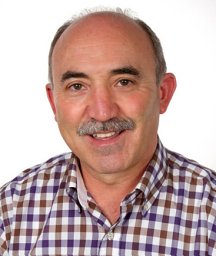 Baltasar Mayo合作论文数Instituto de Productos Lácteos de Asturias (CSIC), Carretera de Infiesto s/n, 33300 Villaviciosa, Asturias, Spain374Ruud Woutersen合作论文数371
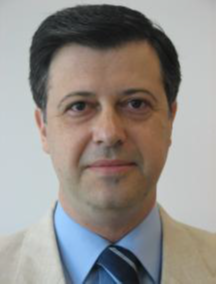 Bampidis Vasileios合作论文数Department of Agriculture, Division of Animal Science, School of Geotechnical Sciences, International Hellenic University371
 Fernando Ramos合作论文数Fac Pharm, Univ Coimbra368
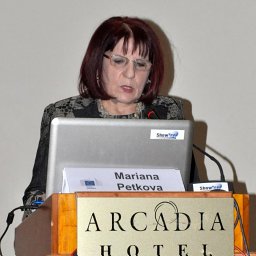 Mariana Petkova合作论文数Dept Microbiol & Environm Biotechnol, Agr Univ364Jaume Galobart合作论文数286Montserrat Anguita合作论文数273Miguel Prieto合作论文数SERIDA (Servicio Regional de Investigación y Desarrollo Agroalimentario), Laboratorio de Sanidad Animal Jove 33299 Gijón Asturias Spain228Boet Glandorf合作论文数227Yolanda Sanz合作论文数196
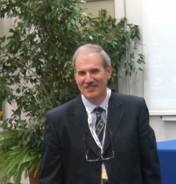 Carlo Nebbia合作论文数Sezione di Farmacologia e Tossicologia Italy, Università di Torino194Katerina Theodoridou合作论文数INRA Unité de Recherches sur les Herbivores, Centre de Clermont-Ferrand - Theix186
 Eleftherios Bonos合作论文数186Fabiola Pizzo合作论文数185Rosella Brozzi合作论文数183
 Paola Manini合作论文数Complesso Universitario Monte S. Angelo, University of Naples ‘Federico II’158Paul Brantom合作论文数130Elisa Pettenati合作论文数117Maria Vittoria Vettori合作论文数108
 Revez Joana合作论文数Faculty of Veterinary Medicine, University of Helsinki94Jordi Tarrés-Call合作论文数93Andrew Chesson合作论文数91Johannes Westendorf合作论文数90Matteo Lorenzo Innocenti合作论文数79
 Jordi Ortuno合作论文数73Jordi Ortuño合作论文数67Jürgen Gropp合作论文数62Orsolya Holczknecht合作论文数60
 Maria Saarela合作论文数59Matteo L Innocenti合作论文数56
 M. Yolanda Sanz Herranz (Y. Sanz)合作论文数Institute of Agrochemistry and Food Technology, National Research Council53
 Pier Sandro Cocconcelli合作论文数Istituto di Microbiologia, Università Cattolica del Sacro Cuore50Yolanda García-Cazorla合作论文数47
 Giovanna Martelli合作论文数Department of Veterinary Medical Sciences (DIMEVET), University of Bologna47Josef Schlatter合作论文数43
 Lieve Herman合作论文数Instituut voor Landbouw-, Visserij-en Voedingsonderzoek38Georges Bories合作论文数37Nicole Bozzi Cionci合作论文数36Noël Dierick合作论文数35




