Magnesium oxysulfate (MOS) cement is prepared by calcining magnesite mixed with magnesium sulfate, water and a modifier. This material is a low-carbon cementitious material, exhibits lightweight, thermally insulated, has high strength properties, and is widely used in fireproofing and thermal insulation. However, traditional MOS cement exhibits poor resistance to NaCl erosion due to unstable hydration phase hydration products, while low-grade magnesite tailings are landfilled, creating a contradiction between resource underutilization and environmental pollution. This study proposes a composite regulation strategy that combines CO2-induced reaction with high calcium magnesite tailings. By developing a modified MOS cement system through CO2 and tailings utilization, systematically investigating the mechanisms of mechanical performance enhancement, microstructural evolution patterns, and phase transformation pathways, the following core results are obtained: a 20-minute carbonation treatment achieves a 14 d compressive strength of 64.4 MPa, a 16.9 % improvement over the control, whereas excessive treatment reduces the strength to 41.2 MPa due to HMC expansion. The strength retention coefficient of the carbonated samples is 0.77 after NaCl immersion for 28 d, outperforming the control by 57 %. The softening coefficient reaches 0.77, which is attributed to the greater stability of the CO3 2--substituted 517 phase (5Mg(OH)2 & sdot;MgSO4 & sdot;7 H2O). Carbonation forms a hydration/carbonation shell, transforming the 517 phase morphology from needle-like to petal-like with reduced porosity. The 10 min and 20 min carbonationtreated samples exhibited better volume stability. The carbonation process provides a theoretical framework for industrializing magnesia cementitious materials from high-calcium tailings.
To mitigate CO2 emissions from cement production, increasing the content of belite (Ca2SiO4) is a primary strategy, although enhancing its early age hydraulic reactivity remains a key challenge. Among physicochemical activation methods, ion doping is particularly effective, as it directly modifies the crystal structure, thereby addressing the inherent sluggish hydration kinetics of Ca2SiO4. This study systematically investigates the influence of barium substitution (at molar contents of 0.025, 0.10, 0.25, 0.50, and 1.00 mol) on the crystal structure and hydration properties of Ca2SiO4. The phase composition of Ba-bearing Ca2SiO4 (Ca2-x Ba x SiO4) clinkers was characterized by XRD and SEM-EDS testing methods. Combined EDS point analysis and Rietveld refinement confirmed that Ba2+ occupies Ca2+ sites within the structure. With increasing barium substitution level from 0.025 to 1.00 mol, the crystal polymorphs of Ca2SiO4 with higher hydraulic activity, such as alpha and alpha ' polymorphs, were stabilized at room temperature. The hydraulic activity of the clinkers, evaluated by the cumulative heat of hydration, degree of hydration, and density functional theory (DFT)-calculated band gap values, shows a clear enhancement with higher barium content. The optimal performance was achieved at a substitution level of 0.50 mol (Ca1.50Ba0.50SiO4), which exhibited a 3-day cumulative heat of hydration of 126.7 J/g, representing 81.5% of its 7-day total. The corresponding compressive strengths reached 20.7 and 32.6 MPa at 3 and 28 days, respectively. DFT calculations further revealed that, for a given polymorph, a higher barium substitution level leads to a reduction in band gap, providing a theoretical basis for the enhanced hydraulic reactivity. In conclusion, the substitution of barium for calcium in Ca2SiO4 effectively stabilizes high-temperature reactive polymorphs at room temperature and significantly promotes hydration activity. This approach overcomes early strength limitations, improves overall hydration, and facilitates the development of high-belite cements for wider application.
The use of seawater as mixing water in calcium sulfoaluminate (CSA) cement offers a sustainable pathway to reduce freshwater consumption and lower carbon emissions. This study investigates the dual role of seawater and gypsum in regulating the hydration, phase assemblages, and microstructure of the ye'elimite-gypsum system, a key subsystem of CSA cement. Results demonstrate that seawater retarded the hydration degree ye'elimite, whereas gypsum addition markedly accelerated it, with the enhancement growing at higher gypsum dosages. The ettringite (AFt)-monosulfate (AFm)-Friedel's salt transformation pathway within the ye'elimite-gypsum-seawater system was established: AFt became the dominant phase at later ages, and its proportion increased with AFt with gypsum content. At low or no gypsum, AFt and Friedel's salt coexisted, with partial conversion of Friedel's salt to AFt over time. At high gypsum levels, AFt was the sole crystalline product. Microstructurally, seawater increased AFm particle size, while gypsum reduced the size of both AFt and AFm. AH3 remained microcrystalline in all systems, but seawater promoted a more ordered structure (higher crystallinity), an effect countered by gypsum addition. Seawater increased AH3 affinity for Mg2+ and Na+ but decreased it for Ca2+, while increased gypsum boosted overall cation binding capacity; anion binding remained weak irrespective of seawater or gypsum addition. These findings provide insights into the hydration behavior and micro/nanostructure evolution of the ye'elimite-gypsum-seawater system, contributing to a better understanding of the cement chemistry of seawater-mixed CSA cement-based materials.
This study identifies a suitable precursor for preparing aragonite whisker-rich material (AWM) via carbonation. By subjecting ground ternesite-based clinker to an aqueous solution at 80 ℃ with continuous CO2 injection for 2 h, high-aspect-ratio aragonite whiskers were synthesized, reaching 54.2 wt% in AWM and corresponding to a CO2 sequestration capacity of 410.54 g/kg. The rapid dissolution kinetics of ternesite accelerated Ca2 + release, enhancing the driving force for CaCO3 nucleation and resulting in short rod-shaped aragonite crystals. Comparative carbonation experiments on C2S powder in varying sulfate solutions indicated that intrinsic sulfate species within ternesite promote aragonite formation. This is likely attributed to the specific adsorption of released SO42- on CaCO3 crystal planes, which inhibits calcite growth pathways. Elevated temperatures intensified this effect and extended carbonation allowed for the evolution into high-aspect-ratio structures, facilitating the outward migration of silica gel and enhancing AWM reactivity. Adding 20% AWM to cement significantly improved 28-day flexural and compressive strengths by 27.5% and 22.8%, respectively. A preliminary material-level carbon assessment indicated a potential gross CO2 reduction of 16.2%. This work demonstrates the high-value utilization of industrial solid wastes and offers new perspectives on developing high-performance cementitious materials via carbonation.
With the widespread use of low-grade high-potassium limestone and solid waste in cement clinker production, the potassium content in Portland cement clinker has significantly increased, leading to a noticeable reduction in the 28-day compressive strength. K+ ions, through solid solution, promote the transformation of C2S from beta-type to alpha'L-type, inhibit the formation of C3S, and erode C3S crystals, resulting in microstructural degradation. Current methods of adding gypsum are limited in effectiveness and often lead to operational and environmental issues. Based on the mechanism where K+ ions reduce the viscosity of the high-temperature liquid phase, thereby accelerating their diffusion and migration in the liquid phase, leading to significant solid solution formation in the silicate mineral phases and corrosion of C3S, this study proposes a "fight-fire-with-fire" approach. Specifically, it involves increasing the alumina content to create a high-viscosity liquid phase environment that is unfavorable to clinker calcination, thereby hindering the diffusion and migration rate of K+ ions. This study systematically investigates the effects of high-temperature liquid-phase viscosity on clinker mineral composition, solid solution, microstructure, and hydration behavior by preparing high-potassium cement clinkers with varying Al2O3 content. The results show that increasing the Al2O3 content significantly increases the liquid-phase viscosity, effectively hindering K+ ions diffusion, reducing its solid solution in C2S, promoting the formation of C3S, and improving crystal morphology, making it shift from irregular to regular hexagonal plate-like shapes. At the same time, the increase in Al2O3 content also leads to a rise in C3A content, weakening the stabilizing effect of gypsum on AFt. This, combined with the increase in C3S content, ultimately results in the 28-day strength of the clinker showing an initial increase followed by a decrease. It provides a theoretical basis and process direction for the efficient utilization of high-potassium raw materials and performance enhancement.
Sulfoaluminate cement (SAC) faces significant challenges in relation to the development of late-stage strength and the reduction of CO2 emissions due to the absence of secondary hydration. This research develops a steel slag-based negative-carbon supplementary cementitious materials (SCMs) that fundamentally overcomes this limitation by introducing a carbonate-aluminate driven secondary hydration pathway in SAC. Through coupled CO2 and mechanochemical activation (CAMA), steel slag is converted into highly reactive SCMs containing polymorphic nano-CaCO3 (vaterite, defect-rich calcite) and Al-Si gels with high surface area and reactivity. These phases act simultaneously as nucleation seeds and chemically active reactants, accelerating AFt and AH3 precipitation while enabling CaCO3 and Al-Si gel to react with C4A3S to form monocarboaluminate (Mc) and hemicarboaluminate (Hc). This reaction stabilizes AFt, suppresses AFt to AFm conversion, and enables sustained microstructural densification. Consequently, the 28-day compressive strength of SAC composites increases by up to 20.3%, accompanied by pronounced pore refinement and micromechanical enhancement. Meanwhile, a significant amount of CO2 is permanently sequestered in carbonate phases, resulting in a carbon-negative SCM. This study establishes a new paradigm for producing high-performance, low-carbon SAC through engineered secondary hydration.
Calcium sulfoaluminate (CSA) cement demonstrates exceptional engineering properties including rapid hardening kinetics, superior early-stage mechanical performance, and an environmentally favorable profile compared to ordinary Portland cement. This study leveraged short-term carbonation curing (1 day) to synergistically boost CO2 uptake and mechanical properties of CSA pastes, focusing on water-to-cement ratio (w/c = 0.4-0.6), hydration age (1-7 days), and carbonation methods (accelerated: 20% CO2, 70% RH; pressure: 0.2 MPa, 99% CO2). Results indicated that: carbonation curing at w/c = 0.4 significantly increased compressive strength compared with standard curing, with accelerated carbonation outperforming pressure carbonation. Specimens using w/c of 0.4 hydrated for 3 d achieved a compressive strength of up to 46.8 MPa after accelerated carbonation, representing a 38% increase compared with specimens subjected to normal hydration. Short-term carbonation decomposed ettringite/belite, forming crystalline calcite and amorphous aluminum hydroxide. Accelerated carbonation intensified ettringite reactivity and promoted ye’elimite hydration at 3-7 days. The gathered calcite along with large amounts of amorphous aluminum hydroxide significantly densified the matrix. Despite increased total porosity, accelerated carbonation decreased large capillary pores up to 61.5%. Overall, carbonation curing is shown to provide a viable route to concurrently improve early-age compressive strength and achieve measurable CO2 uptake in CSA cement pastes, underpinned by calcite formation and matrix densification.
Limestone calcined clay cement (LC3) is widely recognized as a sustainable cementitious material. However, the low reactivity of natural limestone often limits the early carbon aluminate reaction and compromises the early compressive strength of LC3. This study proposes the preparation of highly active CaCO3 by carbonating SS, RCP, MS, and CS. The resulting product is then used to replace limestone and activate early carbon aluminate reactions in LC3. This strategy aims to develop a sustainable engineering material with high compressive strength and low CO2 emissions, referred to as carbonated waste calcined clay cement (CWC3). The results showed that compared with LC3, the compressive strength of CWC3 at 3 and 28 days increased by 19.7% and 10.8%, respectively, while the CO2 emissions and CO2 index decreased by 14.4% and 21.9%, respectively. The mechanism of early activation of the CWC3 carbon aluminate reaction includes two aspects: the crystallite grain size and crystallinity of CaCO3 in carbonated waste are much smaller and lower than those of CaCO3 in natural limestone with a polycrystalline crystal cluster morphology. This structure introduces a higher density of crystal defects, thereby enhancing chemical reactivity. CaCO3 crystal clusters and silica gel are interlaced in a carbonated waste particle, and the volcanic ash reaction of silica gel disperses the CaCO3 crystal clusters, thereby inducing more carbon aluminate reaction interfaces. In addition, the nucleation of highly active CaCO3 accelerates the hydration kinetics of CWC3, generating more hydration products (such as Hc, Mc, and Ms), inducing denser pores, and ultimately contributing to the improved compressive strength. The carbonated waste exhibits the highest CO2 sequestration amount of 513.4 g/kg, underscoring the significant environmental sustainability of CWC3.
Magnesium phosphate cement (MPC) shows strong potential for protecting steel reinforcement in marine structures, yet its coupled strength evolution and corrosion-protection mechanism under natural seawater remain unclear. This study presents a 161-day medium-term immersion investigation in natural seawater, combining compressive strength tests, electrochemical measurements, XRD, SEM/EDS, PLM, and MIP to distinguish the matrix effect from the pore-solution chemistry effect. Compared with ordinary Portland cement (P.O.), MPC forms a dense struvite-based matrix that inhibits the ingress of chloride ions, water, and oxygen. Its compressive strength exhibits a distinctive dual-peak behavior, reaching 65.7 MPa with smaller fluctuation than P.O., indicating superior environmental stability. Electrochemically, the steel rebars embedded in MPC maintain a stable corrosion potential of approximately -0.7 V, with the corrosion current density 2-3 orders of magnitude lower than that in P.O. Protection occurs through three synergistic stages: pore blocking by dense hydrates, chemical passivation by an α-FeOOH/Fe3O4 barrier, and self-repair through continued hydration and microcrack sealing. NH3/NH4+ mainly derives from residual ammonium phosphate and ammonium-bearing struvite in alkaline microdomains, contributing to localized oxygen-poor/reducing conditions near steel. This mechanism overcomes pH-dependent limitations of P.O. and supports marine anticorrosive repair design.
Calcium sulfoaluminate cement (CSA) often exhibits limited long-term strength due to the lack of suitable supplementary cementitious materials (SCMs) that can effectively promote secondary hydration. This study introduces a novel approach for preparing CO2 induced SCMs (CSCMs) derived from CSA, aiming to overcome this limitation and enhance both hydration kinetics and mechanical performance. CSCMs, produced by CO2 induced CSA for three hours, consist of polycrystalline calcium carbonate phases, specifically, aragonite (7.6 %), vaterite (2.1 %) and calcite (22.4 %), alongside amorphous Al-Si gel. When incorporated into CSA at a dosage of 10 wt%, these CSCMs significantly accelerated hydration, resulting in increased formation of AFt and AH3, which boosted early compressive strength by 22.7 % in one day and 14.4 % at three days compared to control samples. Beyond early strength gains, the presence of CSCMs facilitated further reactions among calcium carbonate, Al-Si gel, and C4A3S, leading to the generation of Mc and Hc phases. These products stabilized AFt and contributed to improving compressive strength over extended curing periods. After 180 days, samples containing CSCMs exhibited strength increases of 26.1 % (5 % CSCMs), 31.8 % (10 % CSCMs), and 27.2 % (20 % CSCMs), while the control sample experienced a 5.9 % strength reduction and 8.2 % AFt decomposition. The enhanced performance is attributed to the high reactivity and nucleation effects of the calcium carbonate and Al-Si gel components. This study developed low-cost CSCMs for dedicated CSA, while resolving the conflict between CSA strength development and carbon emission reduction.
Calcium sulfoaluminate (CSA) cement is an important low-carbon binder gaining attention, in which gypsum plays a key role in regulating the hydration behavior and mechanical properties of its principal clinker, ye’elimite. Ye’elimite occurs in two polymorphs: cubic solid-solution ye’elimite (ss-ye’elimite) and orthorhombic stoichiometric ye’elimite (st-ye’elimite). However, the influence of gypsum dosage on these distinct crystalline forms remains unclear. This study systematically examines the role of gypsum content in modifying the mechanical properties, rheology, hydration kinetics, and microstructure of ss-ye’elimite and st-ye’elimite systems. Optimal gypsum-to-ye’elimite molar ratios were identified, and relationships between macroscopic strength and microstructure were established. Mechanically, each polymorph exhibited a distinct optimum gypsum dosage: the 28-day compressive strength of ss-ye’elimite peaked at a ratio of 2/3, whereas st-ye’elimite required a higher ratio of 4/3. Rheologically, increasing gypsum enhanced shear-thinning behavior in ss-ye’elimite pastes but reduced it in st-ye’elimite pastes. Hydration thermodynamics revealed polymorph-dependent early-stage kinetics: gypsum shortened the prolonged induction period of ss-ye’elimite, yet delayed the initially faster hydration of st-ye’elimite. Although gypsum enhanced the hydration degree in both systems, its accelerating effect was more pronounced for ss-ye’elimite. Microstructurally, higher gypsum content promoted ettringite (AFt) formation and crystal growth while suppressing monosulfate (AFm), with st-ye’elimite exhibiting greater late-stage AFt formation. Optimal mechanical properties were attributed to the synergistic effect of dimension-controlled AFt and compacted aluminum hydroxide (AH3). These findings highlight the importance of tailoring gypsum dosage according to the polymorphic composition of ye’elimite in CSA cements, providing guidance for precision manufacturing in the CSA cement industry.
Calcium sulfoaluminate (CSA) cement offers a strategic low-carbon alternative for seawater sea-sand concrete, reducing both CO2 emissions and freshwater demand. However, the ambiguous mechanisms governing seawater salts' impact on its hydration kinetics and microstructural development hinder its practical engineering. This study systematically investigated the influence of three key seawater salts-NaCl (NC), Na2SO4 (NS), and MgCl2 (MC)-on the hydration kinetics and microstructural evolution of ye'elimite (the primary CSA cement clinker) compared to deionized (DI) water. Results revealed that seawater salts altered the hydration kinetics of C(4)A(3) via a dual effect characterized by early-stage acceleration, followed by later-stage retardation. The NS system demonstrated the most pronounced dual effect, while the MC system had the least impact. Microstructural analysis revealed that these salts significantly modify phase evolution and crystal morphology. Specifically, the AH(3) content ranked as MC > NS > DI > NC. AFm was present across all systems, with the highest content in DI and the lowest in NC, while AFt content shifted from an early-stage ranking of NC > MC > NS to a late-stage ranking of NC > NS > MC. Friedel's salt formed only in Cl--containing systems, with the highest concentrations consistently observed in the NC system. Furthermore, both NC and NS systems fostered larger AFt and AFm crystals compared to the DI system, while the MC system generated smaller crystals. While all salt systems increased the macropore volume, the NC and MC systems reduced micropores. Additionally, AH(3) exhibited higher crystallinity in the NS/NC systems and the lowest in the MC system; the AH(3) phase exhibited a comparatively stronger affinity for cations, with the adsorption following the order of Mg2+ > Ca2+ > Na+, while the uptake of anions by AH(3) remained weak. These findings elucidate the fundamental mechanisms for the development of next-generation, low-carbon CSA-based composites.
Ternary belite-ye'elimite-ternesite (BYT) clinker demonstrates significant potential for reducing the carbon footprint of cementitious materials. This study investigates the carbonation behavior of BYT clinker and elucidates its influencing mechanisms as a supplementary cementitious material (SCM) on the performance of Portland cement. The results indicate that the carbonation kinetics of BYT conform to a typical shrinking core model, wherein the clinker phases and the carbonation product phases ultimately evolve into a core-shell structure of CaCO3 (gypsum)-SiO2 gel-unreacted BYT. Prolonged carbonation particularly facilitates the nucleation of vaterite, however, the subsequent transformation into calcite within the cement system weakens the constraint on the inner silica gel, thereby enhancing the later-stage reactivity of SCM. At a 30% replacement level, the 28-day activity index reaches 104.9%. Moreover, slight carbonation of BYT (5 min) imparts a stable rheological behavior and lower thixotropy of cement paste. These findings highlight the intrinsic relationships between the carbonation behavior and reactivity, providing new insights for developing novel high-reactivity SCM.
In this study, the carbonation kinetics, phase development, and microstructure evolution of ternesite (C5S2$) phase were investigated via wet carbonation. The results indicated that ternesite exhibited remarkable carbonation reactivity, achieving approximately 95% completion of the carbonation reaction within 15 min and facilitating CO2 sequestration exceeding 340 g per kilogram of ternesite. The main carbonation products identified were aragonite, calcite, gypsum, and silica gel (Si-gel). The carbonation kinetics conformed to the surface coverage model, with the reaction proceeding through distinct stages of acceleration, deceleration, and stabilization, ultimately resulting in the formation of a "core-shell" structure. Notably, the crystalline phase of calcium carbonate (CC) underwent spontaneous transformation during the carbonation of ternesite. It is observed that CC exhibited a polycrystalline structure and underwent a distinct phase transformation from calcite to aragonite. The resulting CC was predominantly metastable, exhibiting low crystallinity and reduced crystallite size. These characteristics are attributed to the intrinsic properties of ternesite, particularly the presence of SO42- ions, which promote the formation and stabilization of metastable aragonite. Furthermore, the changes in crystalline and morphology of CC, induced by dissolution and re-precipitation process, disrupted the CC layer and thereby facilitated the release of another significant product, Si-gel. These distinctive carbonation behaviors suggest that ternesite has potential for broader applications, including its use as a supplementary cementitious material or as a precursor for the synthesis of high value-added products such as aragonite whiskers and nano-sized SiO2.
As a low-calcium mineral, ternesite exhibits a typical low carbon footprint. This study activates the hydration activity of ternesite through CO2 activation and develops a novel low-carbon cementitious system composed of sulphoaluminate cement (SAC) clinker and carbonated ternesite. The carbonation behavior of ternesite under semi-dry and aqueous conditions was first explored, and the mechanisms underlying the improved hydration and mechanical properties of composite cementitious system were elucidated. The results indicated that compared to semi-dry carbonation, ternesite achieved a higher degree of carbonation through aqueous method. The carbonation products include low-density carbonates, sulfates, and silica gel, which result in a loose and porous structure of carbonated ternesite. Compared to Raw ternesite (RT), semi-dry carbonated ternesite (DCT) and aqueous carbonated ternesite (ACT) further decreased the hydration rate of SAC in nucleation and crystal growth (NG) stage, but strengthened the hydration during the interphase reaction (I) and diffusion (D) stages, resulting in a more gradual and sustained hydration process. Moreover, DCT and ACT further enhanced the 28-day strength of SAC by 15.9% and 34.2%, respectively. The strength enhancement was mainly attributed to the formation and stabilization of ettringite, the regeneration of C-S-H by pozzolanic reaction and the filling effect of silica gel and CaCO3 particles, which led to the formation of a denser cement matrix. This study offers novel insights for the advancement of new low-carbon cementitious material, achieving a reduction of approximately 7% in CO2 emission compared to SAC.
Calcium sulfoaluminate (CSA) cement, a low-carbon alternative to Portland cement, achieves up to 35% CO2 reduction in production. The mechanical performance and environmental footprint of CSA cement are intrinsically linked to its primary clinker phase, ye’elimite, which exists in two distinct crystal structures: cubic solid-solution (ss-ye’elimite) and orthorhombic stoichiometric (st-ye’elimite). Herein, we establish for the first time that precisely tuning the ss-/st-ye’elimite ratio governs hydration kinetics, microstructure evolution, and ultimately the mechanical-environmental duality of CSA cement. Key findings revealed that increasing the ss-ye’elimite proportion initially decreased but subsequently enhanced long-term compressive strength. Crucially, higher ss-ye’elimite content enabled a lower clinker sintering temperature, significantly reducing associated energy demand and CO2 emissions. While the types of hydration products (AFt, AFm) remained consistent, their relative proportions shifted with increasing ss-ye’elimite: AFm decreased while AFt increased, influenced by changes in the Ca2+/Al3+ ratio. Pore structure evolution was also observed, with large capillary pores initially increasing then decreasing, while gel pores showed the inverse trend. Furthermore, a robust correlation was established between macroscopic mechanical properties and key microstructural features, including the degree of hydration, AFt/AFm ratio, and pore characteristics. This work provided fundamental insights and a crystal-structure-based strategy for tailoring the mechanical performance and minimizing the carbon footprint of sustainable CSA cement.
Fe2O3 is a crucial component for the active design and performance regulation of calcium sulfoaluminate (CSA) cement, and it significantly influences the microstructure and hydration properties of the primary mineral phase calcium sulfoaluminate (C4A3$) in CSA cement. To gain a deeper understanding of the role of Fe2O3, the Al/Fe ratio was controlled to obtain the C4A3$ phase (i.e. Ca4Al(6-2x)Fe2xSO16) with different Fe contents. The influence mechanism of Fe2O3 on the C4A3$ phase was identified using X-ray diffraction (XRD) analysis, thermogravimetric analysis (TGA), Fourier transform infrared spectroscopy (FTIR), scanning electron microscopy (SEM), and transmission electron microscopy (TEM). The results indicate that Fe doping causes the transformation of C4A3$ phase from orthorhombic to cubic crystal system, while hindering the generation of CA. When the Fe doping amount x > 0.4, the cubic crystal system transforms into the main phase in the sample. At Fe doping levels x ≥ 0.8 (i.e., Fe2O3 ≥ 15.49 wt%), Fe3+ ions could not fully enter the C4A3$ lattice and instead existed as the ferrite phase C2(A, F). Additionally, the intergranular boundary clarity of C4A3$ samples decreased and agglomeration increased, and the morphology of the ferrite phase C2(A, F) transformed from a continuous liquid interstitial phase to a continuous block interstitial phase, forming a package around the C4A3$ particles.
Magnesium oxysulfate (MOS) cement is a cementitious material formed through the hydration reaction of light-burnt magnesia and magnesium sulfate solutions as the primary raw materials. During the construction process, harmful anions are easily introduced into MOS cement, affecting the formation of the main hydration product 517 phase. Therefore, to improve the adaptability of MOS cement to harmful anions and complex environmental changes, this study investigated the effects of adding magnesium salts containing various anions (Mg(OH)2, Mg (HCO3)2, MgCl2 center dot 6 H2O, Mg(NO3)2 center dot 6 H2O and MgHPO4 center dot 3 H2O) on the properties of a hardened paste of magnesium oxysulfate (MOS) cement. Research has shown that the introduction of low levels of exogenous anions does not significantly disrupt the structure of the main hydration product 517 phase in MOS cement but rather promotes the formation of amorphous phases within the system. In the specific doping-modified MOS system, the grain size of the 517 phase changes, the stability of the material is enhanced, ion leaching is reduced, and the material has excellent compressive strength. X-(Cl-, HCO3-, NO3-, HPO42-, OH-) can partially replace SO42-in the original structure of the 517 phase to form a phase similar to 'X-517.' The microstructure is reconstructed. In summary, the type and dosage of magnesium salt containing different anions have been demonstrated to have a significant effect on the hydration behavior, phase structure evolution and macroproperties of MOS cement systems.
Magnesium oxysulfate (MOS) cement is a promising binder for heavy-metal immobilization, but the stabilization routes of different metal ions in its dominant 5 Mg(OH)2.MgSO4.7H2O phase, commonly referred to as the 517 phase, remain insufficiently understood. Herein, the immobilization behaviors of Cr, Cu, Fe, Pb, and Zn in the 517 phase were investigated using quantitative X-ray diffraction, thermal analysis, X-ray photoelectron spectroscopy, electron microscopy, leaching tests, and density functional theory calculations. The results show that heavy-metal immobilization in the MOS system is not governed by a single solid-solution mechanism. Instead, two coupled pathways are involved: lattice incorporation into or near the Mg-O framework and interfacial precipitation/passivation at surfaces and grain boundaries. Zn and Fe show relatively favorable initial lattice accommodation, whereas Cu strongly distorts the 517 framework. Pb exhibits limited lattice-substitution tendency because of its large ionic radius, but it achieves high aqueous stability through the formation of low-solubility interfacial products such as PbSO4 and Pb(OH)2. Notably, Zn shows good initial crystallographic compatibility but the highest leaching sensitivity due to soluble zincate formation during water exposure, demonstrating that atomic scale substitution tendency alone cannot predict long-term environmental stability. This study establishes a dual-pathway stabilization framework that links lattice compatibility, interfacial chemistry, and aqueous leaching behavior, providing mechanistic guidance for the design of MOS-based binders for heavy-metal immobilization.
 Xin Cheng (程新)合作论文数School of Materials Science and Engineering, University of Jinan76
 Lingchao Lu (芦令超)合作论文数济南大学材料学院71
 Futian Liu (刘福田)合作论文数40
 Yangyang Zhang合作论文数21Jiuye Zhao (赵九野)合作论文数18Kai Cui合作论文数18
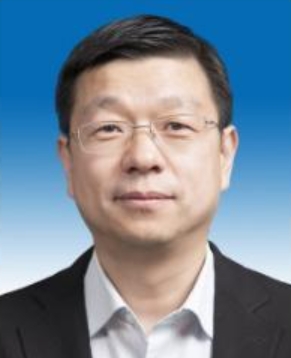 Zhengmao Ye (叶正茂)合作论文数School of Material Science and Engineering, University of Jinan;School of Civil Engineering and Architecture, Hainan University18
 Yanfeng Fang (房延凤)合作论文数16HaoZe Wu (吴昊泽)合作论文数16Yan Guan (关岩)合作论文数16Shoude Wang (王守德)合作论文数School of Materials Science and Engineering, University Of Jinan16
 Qingxin Zhao (赵庆新)合作论文数14
 Tingting Zhang (张婷婷)合作论文数Department of Civil Engineering, Dalian University of Technology13Wanli Bi合作论文数12Tian Zeng合作论文数11Zhiqi Hu合作论文数11JiangChuan Li (李江川)合作论文数11
 Chi Sun Poon (潘智生)合作论文数Department of Civil and Environmental Engineering, Faculty of Construction and Environment, The Hong Kong Polytechnic University11Jixin Zhang合作论文数10Xiaopeng Shang合作论文数10WenJie Tan (谭文杰)合作论文数9Siqi Ding合作论文数9
 Xiong Zhang合作论文数9Runzhang Yuan合作论文数8
 Ting Jiang合作论文数Beijing University of Posts and Telecommunications, Beijing Univ of Posts and Telecom8
 Mingli Cao (曹明莉)合作论文数Department of Civil Engineering, School of Civil Engineering, Dalian University of Technology8
 Baomin Wang (王宝民)合作论文数Institute of Building Materials, School of Infrastructure Engineering, Dalian University of Technology8
 Wenzheng Li (李文政)合作论文数School of Civil Engineering and Architecture, Hainan University7Zheng-zhao PAN (潘正昭)合作论文数7
 Xiaochen Yang合作论文数Panjin Institute of Industrial Technology, Dalian University of Technology7程鑫合作论文数School of Mechanical and Electronic Engineering, Wuhan University of Technology7
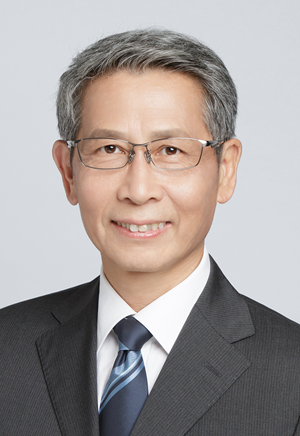 Hanxing Liu (刘韩星)合作论文数State Key Laboratory of Advanced Technology for Materials Synthesis and Processing, Wuhan University of Technology;International School of Materials Science and Engineering, Wuhan University of Technology7
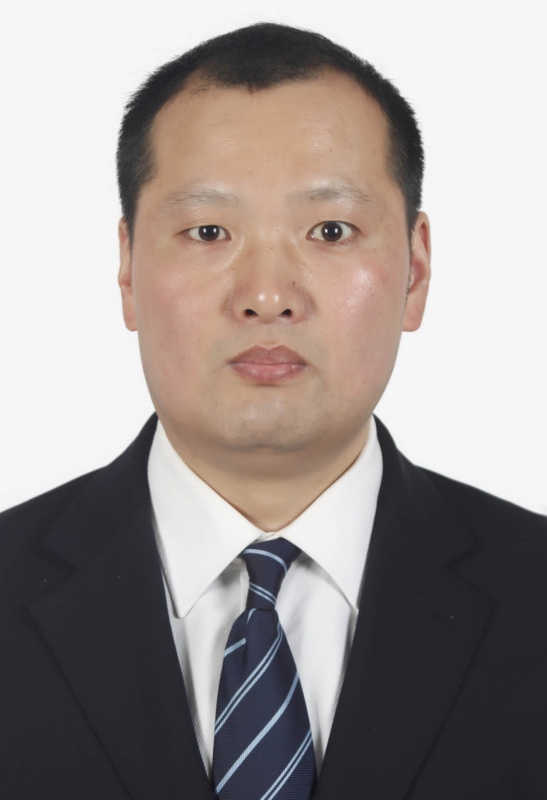 Yeqing Shen (沈业青)合作论文数School of Chemistry and Materials Science, Anhui Normal University7HuaLei Zhao (赵华磊)合作论文数6RongHua Xu (徐荣华)合作论文数6
 Peiliang Shen合作论文数Wuhan University of Technology, Wuhan University of Technology6Mei Liu (刘梅)合作论文数6
 Shifeng Huang (黄诗峰)合作论文数Research Center on Flood and Drought Disaster Reduction, China Institute of Water Resources and Hydropower Research;State Key Laboratory of Simulation and Regulation of Water Cycle in River Basin, China Institute of Water Resources and Hydropower Research6
 Denvid Lau (劉特斌)合作论文数Department of Architecture and Civil Engineering, College of Engineering, City University of Hong Kong6
 Wajahat Sammer Ansari合作论文数5E. Y. Sun合作论文数5Cang Xiong合作论文数5Jiye Li合作论文数5ChuanPing Wang (王传平)合作论文数5
 Dongyu Xu (徐东宇)合作论文数Shandong Provincial Key Laboratory of Preparation and Measurement of Building Materials, University of Jinan5
 YingXue Teng合作论文数4
 Chunyang Yu合作论文数4Xin Yu合作论文数4L. C. Lu合作论文数4




