Recent advances in single-image 3D Gaussian head reconstruction have enabled highly realistic and freely renderable digital heads from a single portrait. However, reconstruction and rendering can weaken the forgery traces in the source portrait, making the resulting 3D face difficult to classify whether its underlying face is real or fake, and thereby posing risks to identity authentication and face privacy. To study this problem, we introduce the first large-scale benchmark for this task by collecting real portraits and fake portraits from multiple sources and evaluate representative existing detectors on this benchmark, revealing their lack of explicit mechanisms for retaining fine-grained information and maintaining feature consistency across rendered views. To directly address these two limitations, we propose a detector trained with a two-stage strategy. In Stage I, masked autoencoding encourages the visual backbone to retain the fine-grained appearance information required for local reconstruction, while multi-view contrastive learning enforces feature consistency across rendered views of the same head. Since CLS tokens at different depths exhibit complementary spatial attention patterns, Stage II freezes the adapted backbone and concatenates low-, middle-, and high-level CLS tokens for classification. Experiments show that our method achieves the highest accuracy and ranks first across all reported metrics among the evaluated detectors.
Though Multimodal Large Language Models (MLLMs) have shown impressive potential in video understanding, long video understanding (LVU) remains challenging since distracting noise in complex and lengthy contexts can obscure localized details, misleading MLLMs to produce incorrect answers. Recent works mitigate these issues by incentivizing deep reasoning to include relevant evidence. However, these methods have two main problems: First, the reinforcement fine-tuning framework (RFT) they leveraged incurs substantial training overheads, including high annotation costs and complicated reward designs. Second, the self-reflective and iterative-perception mechanism in some methods causes lengthy outputs and high inference latency. To alleviate these problems, we propose a novel Segment-to-Video Supervision} method (S2V) to efficiently enhance fine-grained reasoning in LVU. Specifically, we generate question answer pairs (VQA) based on localized segments, and then transfer these segment-based VQA back to the whole video for training. Due to focusing on short segments, segment-based VQA can naturally notice details which tend to be overlooked from a whole-video perspective. Training on such data can enforce MLLMs to correctly associate fine-grained details with QA while avoiding distracting noise in the whole video. The S2V training involves just reinforcement learning (RL) with a simple accuracy reward based on only 10K VQA samples and the resulting S2V model predicts answer using a single forward pass with limited output tokens. Experimental results demonstrate that S2V can consistently improve LVU performance across multiple LVU benchmarks, outperforming both general MLLMs and reasoning-based methods not only in LVU accuracy but also in training and inference efficiency.
The rapid rise of image generation calls for detection methods that are both interpretable and reliable. Existing approaches, though accurate, act as black boxes and fail to generalize to out-of-distribution data, while multi-modal large language models (MLLMs) provide reasoning ability but often hallucinate. To address these issues, we construct FakeXplained dataset of AI-generated images annotated with bounding boxes and descriptive captions that highlight synthesis artifacts, forming the basis for human-aligned, visually grounded reasoning. Leveraging FakeXplained, we develop FakeXplainer which fine-tunes MLLMs with a progressive training pipeline, enabling accurate detection, artifact localization, and coherent textual explanations. Extensive experiments show that FakeXplainer not only sets a new state-of-the-art in detection and localization accuracy (98.2% accuracy, 36.0% IoU), but also demonstrates strong robustness and out-of-distribution generalization, uniquely delivering spatially grounded, human-aligned rationales.
Integrated acoustic systems require waveguides that enable high-density integration and multifunctional operation. This study presents a cladding-free acoustic waveguide array based on hyperbolic anisotropic metamaterials. The proposed structure consists of an alternating layered arrangement of air waveguides and hyperbolic metamaterial waveguides composed of a periodic array of dual-channel Mie resonators exhibiting hyperbolic dispersion characteristics. By precisely tailoring the spatial dispersion properties of the waveguide, we successfully demonstrate cladding-free wave propagation in both straight and bending waveguide arrays. Additionally, the air-hyperbolic waveguide interface supports the excitation of unique acoustic surface plasmon polaritons while providing the restoring force, enabling simultaneous transmission of bulk and surface waves. This work offers a valuable approach for developing multifunctional and highly integrated acoustic waveguide devices.
Continual test-time domain adaptation (CTTA) aims to adjust models so that they can perform well over time across non-stationary environments. While previous methods have made considerable efforts to optimize the adaptation process, a crucial question remains: Can the model adapt to continually changing environments over a long time? In this work, we explore facilitating better CTTA in the long run using a re-initialization (or reset) based method. First, we observe that the long-term performance is associated with the trajectory pattern in label flip. Based on this observed correlation, we propose a simple yet effective policy, Adaptive-and-Balanced Re-initialization (ABR), towards preserving the model's long-term performance. In particular, ABR performs weight re-initialization using adaptive intervals. The adaptive interval is determined based on the change in label flip. The proposed method is validated on extensive CTTA benchmarks, achieving superior performance.
With the rapid advancement of generative AI, virtual try-on (VTON) systems are becoming increasingly common in e-commerce and digital entertainment. However, the growing realism of AI-generated try-on content raises pressing concerns about authenticity and responsible use. To address this, we present VTONGuard, a large-scale benchmark dataset containing over 775,000 real and synthetic try-on images. The dataset covers diverse real-world conditions, including variations in pose, background, and garment styles, and provides both authentic and manipulated examples. Based on this benchmark, we conduct a systematic evaluation of multiple detection paradigms under unified training and testing protocols. Our results reveal each method's strengths and weaknesses and highlight the persistent challenge of cross-paradigm generalization. To further advance detection, we design a multi-task framework that integrates auxiliary segmentation to enhance boundary-aware feature learning, achieving the best overall performance on VTONGuard. We expect this benchmark to enable fair comparisons, facilitate the development of more robust detection models, and promote the safe and responsible deployment of VTON technologies in practice.
The growing capability of video generation poses escalating security risks, making reliable detection increasingly essential. In this paper, we introduce , a framework that integrates fine-grained perception and fact-based reasoning. We observe that while current multi-modal large language models (MLLMs) exhibit strong reasoning capacity, their granular perception ability remains limited. To mitigate this, we introduce and . Specifically, rather than directly optimizing for detection task, we adopt general spatiotemporal grounding and self-supervised object counting in the RL stage, enhancing detection performance with simple . To facilitate robust evaluation, we further introduce , a light yet high-quality dataset containing 3K videos from 9 state-of-the-art generators, along with a real-world collected subset that has factual errors in content. Experimental results demonstrate that existing methods tend to bias towards either reasoning or analysis, while achieves more balanced performance across diverse benchmarks.
Recent advances in image manipulation have enabled highly photorealistic content generation, but also lowered the barrier to arbitrary editing, raising concerns about multimedia authenticity and security. Existing Image Manipulation Detection and Localization (IMDL) methods mainly target splicing or copy-move forgeries, while benchmarks for inpainting-based manipulations remain limited. To bridge this gap, we present COCO-Inpaint, a comprehensive benchmark specifically designed for inpainting detection and localization, with three key contributions: 1) High-quality inpainting samples generated by six state-of-the-art inpainting models, 2) Diverse generation scenarios enabled by four mask generation strategies with optional text guidance, and 3) Large-scale coverage of 238,302 inpainted images with rich semantic diversity. Our benchmark is constructed to highlight intrinsic inconsistencies between inpainted and authentic regions, rather than superficial semantic artifacts such as object shapes. We further establish a rigorous evaluation protocol with three standard metrics to benchmark existing IMDL methods and reveal current trends and challenges.
We study controlled post-training refusal suppression in routed MoE and hybrid-MoE foundation models, aiming to increase non-refusal target-response behavior while preserving general capability under a compact intervention footprint. Existing broad direction-based edits can perturb general-purpose computation, whereas support-only expert edits often lack sufficient capacity to correct heterogeneous refusal representations. To address this limitation, we introduce Localized Multidirectional Correction (LoMC), a support-gated intervention framework that follows a support-then-correction execution order: it first identifies a compact edit support, then aggregates prototype correction directions into layer-wise correction directions, and finally applies rank-one layer-wise correction only within the selected support. By using the edit support as a structural gating constraint, LoMC increases correction capacity without expanding the intervention scope. Experiments on text-only and multimodal safety benchmarks across four routed backbones show that LoMC substantially improves non-refusal target-response behavior while maintaining general capability under a compact intervention footprint.
Multimodal Large Language Models (MLLMs) excel at broad visual understanding but still struggle with fine-grained perception, where decisive evidence is small and easily overwhelmed by global context. Recent "Thinking-with-Images" methods alleviate this by iteratively zooming into regions of interest during inference, but incur high latency due to repeated tool calls and visual re-encoding. To address this, we propose Region-to-Image Distillation, which transforms zooming from an inference-time tool into a training-time primitive, thereby internalizing the benefits of agentic zooming into a single forward pass. In particular, we first zoom in to micro-cropped regions to let strong teacher models generate high-quality VQA data, and then distill this region-grounded supervision back to the full image. After training on such data, the smaller student model improves "single-glance" fine-grained perception without tool use. To rigorously evaluate this capability, we further present MicroPercept, a hybrid-annotated benchmark of 845 VQA data spanning six fine-grained perceptual dimensions, together with a dual-view protocol that quantifies the global-regional "zooming gap". Experiments show that our model achieves consistent gains across multiple fine-grained perception benchmarks, surpasses state-of-the-art agentic models while eliminating their inference latency, and improves out-of-distribution generalization.
Large multimodal models (LMMs) have demonstrated strong OCR recognition capabilities, yet remain vulnerable to adversarial visual text that is readable to humans but challenging for models to localize and recognize. Existing OCR benchmarks mainly focus on natural or document-style text, while adversarial OCR evaluations remain limited in scale, task coverage, or region-aware evaluation. In this paper, we formulate adversarial OCR as a grounded OCR perception task and introduce AdvSpot, the first benchmark for grounded adversarial OCR evaluation. AdvSpot comprises 390 images with region-level annotations, spanning 5 primary categories and 13 fine-grained adversarial OCR types. To address this challenge, we propose ArmorOCR, a two-stage training framework for robust adversarial OCR perception. ArmorOCR first acquires missing adversarial OCR perception from privileged transformed observations through On-Policy Self-Distillation (OPSD), and then refines grounded OCR perception through Group Relative Policy Optimization (GRPO) with task-conditioned rewards for localization, recognition, full spotting, and visual question answering (VQA). Experiments on our AdvSpot, other adversarial OCR benchmarks, and general OCR benchmarks demonstrate that ArmorOCR consistently improves adversarial OCR perception while preserving competitive general OCR capability.
The malicious misuse and widespread dissemination of AI-generated images pose a significant threat to the authenticity of online information. Current detection methods often struggle to generalize to unseen generative models, and the rapid evolution of generative techniques continuously exacerbates this challenge. Without adaptability, detection models risk becoming ineffective in real-world applications. To address this critical issue, we propose a novel three-stage domain continual learning framework designed for continuous adaptation to evolving generative models. In the first stage, we employ a strategic parameter-efficient fine-tuning approach to develop a transferable offline detection model with strong generalization capabilities. Building upon this foundation, the second stage integrates unseen data streams into a continual learning process. To efficiently learn from limited samples of novel generated models and mitigate overfitting, we design a data augmentation chain with progressively increasing complexity. Furthermore, we leverage the Kronecker-Factored Approximate Curvature (K-FAC) method to approximate the Hessian and alleviate catastrophic forgetting. Finally, the third stage utilizes a linear interpolation strategy based on Linear Mode Connectivity, effectively capturing commonalities across diverse generative models and further enhancing overall performance. We establish a comprehensive benchmark of 27 generative models, including GANs, deepfakes, and diffusion models, chronologically structured up to August 2024 to simulate real-world scenarios. Extensive experiments demonstrate that our initial offline detectors surpass the leading baseline by +5.51% in terms of mean average precision. Our continual learning strategy achieves an average accuracy of 92.20%, outperforming state-of-the-art methods.
AI-generated image manipulation localization identifies edited pixels, but its OOD performance lags behind image-level detection partly because pixel supervision entangles forensic evidence with dataset-specific mask geometry and semantic boundaries. Extending image-level distribution alignment to localization, we construct COCO-ControlNet with source-image Canny edges and depth maps to align semantics and geometry, improving OOD performance across multiple localizers. Yet tighter Mask-VAE Reconstruction Alignment (Mask-VAE) underperforms COCO-ControlNet, showing that VAE reconstruction artifacts transfer poorly to local diffusion-inpainting artifacts. We also identify boundary adhesion, where fine-tuned segmentation models snap predictions to semantic object contours rather than true manipulation boundaries. These findings motivate GAP-SAM, which encodes an image and its frozen VAE reconstruction into a global artifact token and injects it into SAM3's feature pyramid via zero-gated FiLM before pixel decoding. Without prescribing a spatial region, this token modulates dense decoding to preserve localization while suppressing semantic-boundary shortcuts. Across six datasets, GAP-SAM averages 79.8 Pixel-F1, outperforming the strongest prior method by 12.6 points. It also performs best at every tested severity of JPEG compression, Gaussian blur, and resizing.
Generative models advance creativity but also raise security and privacy risks, particularly from regional forgeries created via inpainting when reference images are unavailable. We introduce PHomo, an efficient no-reference method that evaluates inpainting image quality by measuring local patch homogeneity without relying on ground truth or mask information. Our approach samples patches, extracts feature representations with pretrained encoders, and computes similarity-based internal homogeneity. High homogeneity reflects seamless blending between masked and unmasked regions, while low values reveal structural or semantic inconsistencies. By quantifying local feature coherence, PHomo enables robust detection of anomalous inpainted areas and provides a practical metric for assessing inpainting image/model quality in real-world scenarios.
With the rapid advancement of generative models, detecting AI-generated images has become increasingly challenging. Although existing detectors achieve strong results on in-distribution samples, their generalization to unseen models remains limited, largely due to reliance on generation-specific biases such as image degradations, format inconsistencies, and dataset or model priors. To address these limitations, we propose GAMMA, a novel training framework that improves detector generalization through manipulated image augmentation and multi-task supervision. Manipulated images are introduced to alleviate generation-specific bias: inpainting maintains semantic fidelity but may introduce structural bias, whereas copy-move and splicing are model-agnostic and preserve structural plausibility while altering semantics. Their complementarity yields diverse and balanced samples that enhance robustness across various domains. A multi-task supervision scheme integrates pixel-level segmentation with image-level classification, where segmentation provides fine-grained analysis of local regions that supports more reliable global predictions. Furthermore, a reverse cross-attention mechanism enables segmentation to guide and refine biased representations in the classification branch. Extensive experiments demonstrate that GAMMA achieves state-of-the-art generalization on the GenImage benchmark, surpassing the prior best by 5.8%, while maintaining strong performance on emerging models such as GPT-4o.
Deepfake detection remains a formidable challenge due to the evolving nature of fake content in real-world scenarios. However, existing benchmarks suffer from severe discrepancies from industrial practice, typically featuring homogeneous training sources and low-quality testing images, which hinder the practical usage of current detectors. To mitigate this gap, we introduce **HydraFake**, a dataset that contains diversified deepfake techniques and in-the-wild forgeries, along with rigorous training and evaluation protocol, covering unseen model architectures, emerging forgery techniques and novel data domains. Building on this resource, we propose **Veritas**, a multi-modal large language model (MLLM) based deepfake detector. Different from vanilla chain-of-thought (CoT), we introduce *pattern-aware reasoning* that involves critical patterns such as "planning" and "self-reflection" to emulate human forensic process. We further propose a two-stage training pipeline to seamlessly internalize such deepfake reasoning capacities into current MLLMs. Experiments on HydraFake dataset reveal that although previous detectors show great generalization on cross-model scenarios, they fall short on unseen forgeries and data domains. Our Veritas achieves significant gains across different out-of-domain (OOD) scenarios, and is capable of delivering transparent and faithful detection outputs.
Despite the remarkable success of Multimodal Large Language Models (MLLMs) across diverse tasks, the internal mechanisms governing how they encode and ground distinct visual concepts remain poorly understood. To bridge this gap, we propose a causal framework based on activation steering to actively probe and manipulate internal visual representations. Through systematic intervention across four visual concept categories, our results reveal a divergence in concept encoding: entities exhibit distinct localized memorization, whereas abstract concepts are globally distributed across the network. Critically, this divergence uncovers a mechanistic driver of scaling laws: increasing model depth is indispensable for encoding distributed and complex abstract concepts, whereas entity localization remains remarkably invariant to scale. Furthermore, reverse steering uncovers that blocking explicit output triggers a surge in latent activations, exposing a compensatory mechanism between perception and generation. Finally, extending our analysis to visual reasoning, we expose a disconnect between perception and reasoning although MLLMs successfully recognize geometric relations, they treat them merely as static visual features, failing to trigger the procedural execution necessary for abstract problem-solving.
Traditional acoustic logic gates are constrained by their fixed structures, thereby impeding the pursuit of integrated acoustic systems. This work presents a symmetric three-port waveguide that achieves tunable acoustic logic gates. The waveguide consists of one rectangular straight waveguide and two arc-shaped waveguides, all without cladding layers. Each waveguide is filled with superimposed Mie resonators (SMRs) exhibiting anisotropic dispersion characteristics. A wave interference model is established to modulate the phase by adjusting the spacings between the SMRs in the two arc-shaped waveguides. Based on a linear interference mechanism, four basic logic functions of OR, XOR, NOT, and AND and a combinational logic function of O = (A AND B) OR (C AND D) are realized within the waveguide structure. This work overcomes the inherent limitations of fixed-structure designs and establishes a valuable theoretical and technological pathway for integrating acoustic physics with advanced acoustic circuits.
The rapid growth of AI-generated imagery has blurred the boundary between real and synthetic content, raising practical concerns for digital integrity. Vision-language models (VLMs) can provide natural language explanations, but standard one-pass classifiers often miss subtle artifacts in high-quality synthetic images and offer limited grounding in the pixels. We propose \textbf{Locate-Then-Examine} (LTE), a two-stage VLM-based forensic framework that first localizes suspicious regions and then re-examines these crops together with the full image to refine the real vs. AI-generated verdict and its explanation. LTE explicitly links each decision to localized visual evidence through region proposals and region-aware reasoning. To support training and evaluation, we introduce \textbf{TRACE}, a dataset of 20,000 real and high-quality synthetic images with region-level annotations and automatically generated forensic explanations, constructed by a VLM-based pipeline with additional consistency checks and quality control. Across TRACE and multiple external benchmarks, LTE achieves competitive accuracy and improved robustness while providing human-understandable, region-grounded explanations suitable for forensic deployment.
This paper presents an overview of the NTIRE 2026 Challenge on Robust AI-Generated Image Detection in the Wild, held in conjunction with the NTIRE workshop at CVPR 2026. The goal of this challenge was to develop detection models capable of distinguishing real images from generated ones in realistic scenarios: the images are often transformed (cropped, resized, compressed, blurred) for practical usage, and therefore, the detection models should be robust to such transformations. The challenge is based on a novel dataset consisting of 108,750 real and 185,750 AI-generated images from 42 generators comprising a large variety of open-source and closed-source models of various architectures, augmented with 36 image transformations. Methods were evaluated using ROC AUC on the full test set, including both transformed and untransformed images. A total of 511 participants registered, with 20 teams submitting valid final solutions. This report provides a comprehensive overview of the challenge, describes the proposed solutions, and can be used as a valuable reference for researchers and practitioners in increasing the robustness of the detection models to real-world transformations.
 Weiqiang Wang合作论文数Ant Financial;Risk and Security Department, Ant Group28
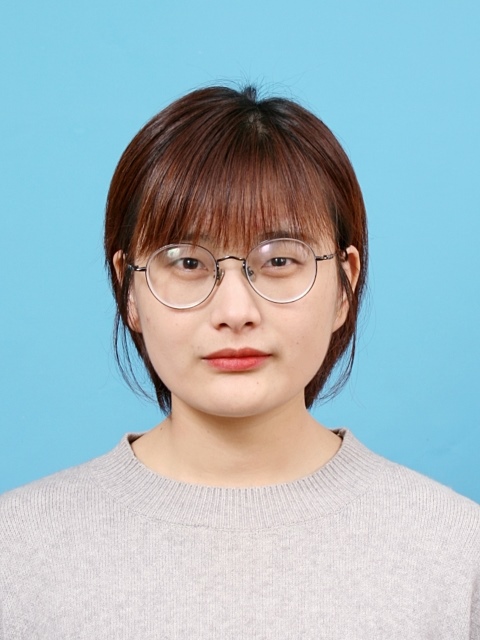 Yan Hong合作论文数AntGroup23
 Yifeng Li合作论文数20
 Xiaozhou Liu (刘晓宙)合作论文数School of Physics, Nanjing University19
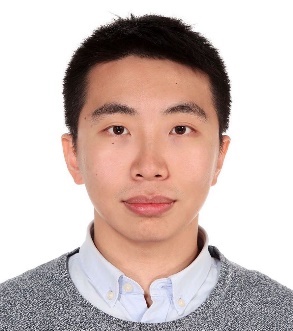 Jianfu Zhang (张健夫)合作论文数Department of Computer Science and Engineering, School of Computer Science, Shanghai Jiao Tong University;Qing Yuan Research Institute, Shanghai Jiao Tong University17
 Haoxing Chen (陈昊星)合作论文数DeepLearning Lab, Ant Research Institute15Huijia Zhu合作论文数9
 Zhangxuan Gu合作论文数Ant Group9Zhuoer Xu合作论文数Ant Group7
 Chuanbiao Song合作论文数Huazhong University of Science and Technology7
 Liqing Zhang (张丽清)合作论文数Department of Computer Science and Engineering, Shanghai Jiao Tong University;Center for Brain-like Computing and Machine Intelligence, Shanghai Jiao Tong University7Yaohui Li合作论文数6
 Zizheng Huang合作论文数Nanjing University5Zhang Xiaowei合作论文数4Changhua Meng合作论文数4
 Jun Wan (万军)合作论文数University of Chinese Academy of Sciences;National Laboratory of Pattern Recognition, Institute of Automation, Chinese Academy of Sciences4
 Zhen Lei (雷震)合作论文数National Laboratory of Pattern Recognition, Institute of Automation, Chinese Academy of Sciences;School of Artificial Intelligence, University of Chinese Academy of Sciences;Centre for Artificial Intelligence and Robotics, Hong Kong Institute of Science & Innovation, Chinese Academy of Sciences4
 Yanshuo Wang合作论文数Australian National University;Data61-CSIRO3Yunpeng Liu (刘昀鹏)合作论文数3
 Menyang Gong合作论文数Institute of Acoustics and School of Physics, Nanjing University3
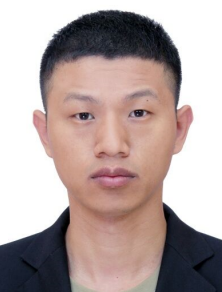 Ajian Liu (刘阿建)合作论文数State Key Laboratory of Multimodal Artificial Intelligence Systems, Institute of Automation, Chinese Academy of Sciences3
 Zhuosheng Zhang (张倬胜)合作论文数School of Cyber Science and Engineering, Shanghai Jiao Tong University;School of Electronic Information and Electrical Engineering, Shanghai Jiao Tong University3
 Huaxiong Li (李华雄)合作论文数School of Management & Engineering, Nanjing University3
 Yun Lai (赖耘)合作论文数School of Physics, Nanjing University3Yikun Ji合作论文数School of Computer Science, Shanghai Jiao Tong University;School of Electronic Information and Electrical Engineering, Shanghai Jiao Tong University;Alibaba Cloud Intelligence, Alibaba Group2
 Xiao Guo合作论文数Computer Vision Lab, Michigan State University2
 Hao Tan合作论文数MAIS, Institute of Automation, Chinese Academy of Sciences;University of Chinese Academy of Sciences2
 Jie Hong合作论文数Research School of Engineering, Australian National University;Data61 Imaging and Computer Vision Group, CSIRO2jiahui chen (陈佳惠)合作论文数2Jinguang Tong合作论文数2Yupei Qiao合作论文数2Wanyi Zhuang合作论文数2Haocheng Yuan合作论文数2Baoshun Li (李宝顺)合作论文数2
 Zichang Tan (谭资昌)合作论文数Sangfor Technologies Inc.2
 Huiyang Yu合作论文数2
 Xiaoming Liu合作论文数Department of Computer Science, College of Arts and Sciences, The University of North Carolina at Chapel Hill2
 Benjamin Li (李雪松)合作论文数Huawei technologies co., ltd.2
 Qi Chu (储琪)合作论文数Department of Electronic Engineering and Information Science, School of Cyber Science and Technology, University of Science and Technology of China;Key Laboratory of Electromagnetic Space Information, Chinese Academy of Sciences2
 Liang Yanyan (梁延研)合作论文数Macao Institute of Smart City, Macau University of Science and Technology;School of Computer Science and Engineering, Macau University of Science and Technology;Faculty of Innovation Engineering, Macau University of Science and Technology2Tao Gong合作论文数University of Science and Technology of China2Xindi Li合作论文数1Yukang Lin合作论文数1Jiahui Zhan合作论文数1Jianming Feng合作论文数1




