Ganoderma lucidum (Chinese name: Lingzhi) has been used for the treatment of diverse liver disorders for centuries in traditional Chinese medicinal practices. Ganoderic acids (GAs) have been well-established as the key bioactive constituents responsible for the hepatoprotective potential and the ability to alleviate hepatocellular carcinoma (HCC). However, the direct molecular targets underlying these therapeutic benefits have not been disclosed, extensively hindering mechanism clarification and further development of GAs as well as G. lucidum. In this study, we developed a label-free affinity fishing workflow to capture and identify direct targets of GAs in HepG2 cells using ganoderic acid-enriched extract (GAE)-modified magnetic beads. LC-MS/MS coupled with bioinformatics analysis revealed 45 high-confidence candidate targets, among which the small ribosomal subunit protein uS3 (RPS3) emerged as particularly promising due to its strong enrichment and centrality in HCC-associated pathways. Surface plasmon resonance (SPR) demonstrated concentration-dependent binding between GAE and RPS3, with a dissociation constant (KD) of 7.49 mg/mL. Six representative GAs also bound to RPS3 in a concentration-dependent manner, with KD values ranging from 92.3 to 120.0 μM. Molecular docking revealed their binding energies between -6.7 and -8.0 kcal/mol with key hydrogen bonds to residues such as Asp-14 and Lys-45. This study establishes a novel label-free affinity fishing workflow for target identification in complex herbal extracts, and RPS3 was identified as a dominant target of GAs mediating the beneficial effects of GAE through integrating diverse assays including magnetic bead-based affinity fishing, bioinformatics, SPR, and molecular docking, providing new insights into the anti-HCC activity of G. lucidum and offering a feasible tool for target discovery of TCM extracts.
Piper longum L. (Piperaceae), a distinctive spice, is extensively utilized in traditional cuisines across different countries. Despite the rich content in P. longum fruits, studies on isolation and biological activity of hydroxyamide alkaloids are limited. An NMR-guided analytical strategy was applied to rapidly isolate and identify 42 hydroxyamide alkaloids, including 34 previously unreported compounds. The absolute configurations of the uncharacterized compounds were determined based on spectrascopic data, ECD and quantum calculations, together with chemical derivatization. Additionally, bioactivities of these compounds were assessed. Six compounds exhibited weak anti-inflammatory activity, and five compounds presented anti-proliferative effects on cancer cell lines including HeLa (human cervical carcinoma cells), HT-29 (human colorectal adenocarcinoma cells), and MCF-7 (human breast adenocarcinoma cells), with the most pronounced effects observed against HT-29 cells. These unique phytochemicals show promise for the development of functional products derived from P. longum fruits.
With the escalating global incidence of diabetes posing a significant public health risk, pancreatic amylase (a pivotal regulator of starch digestion and postprandial glucose metabolism) has emerged as a key target for inhibitor development. Although anthocyanins from Aronia melanocarpa exhibit promising inhibitory potential, their precise interaction mechanisms with pancreatic amylase, structure-activity relationships, and digestive stability remain unclear. This study systematically integrated virtual screening, 100 ns molecular dynamics (MD) simulations, and comprehensive in vitro/in vivo validation to elucidate the regulatory mechanism. Computational and experimental analyses identified cyanidin-3-glucoside (C3G) as the most potent monomer among four characterized anthocyanins (C3G, C3A, C3Ga, C3X), with an IC₅₀ of (38.5 ± 3.2) μM. Mechanistically, C3G exerts competitive inhibition by reversibly binding to the enzyme's active site (ASP356, ASP197), and MD simulations confirmed the stability of the C3G-amylase complex (RMSD <2.0 Å). Fluorescence spectroscopy further verified that C3G binding induces conformational changes in the enzyme. Simulated digestion experiments demonstrated that C3G retained 67 % of its inhibitory activity post oral-intestinal digestion, exhibiting significantly higher stability than C3A (54.84 ± 1.89 % retention). In vivo studies on high-sugar/high-fat diet-induced mice showed that A. melanocarpa anthocyanins improved oral starch tolerance and regulated blood glucose with progressive efficacy as dosage increased, without affecting body weight. These findings clarify the molecular basis of A. melanocarpa anthocyanins in pancreatic amylase regulation and validate C3G as a stable, effective functional ingredient, providing robust empirical support for its potential in blood glucose-targeted functional foods.
Four 2-(2-phenylethyl)chromone dimers were isolated from EtOAc extract of Aquilariae Lignum Resinatum by various column chromatography techniques including silica gel, ODS, Sephadex LH-20, and semi-preparative high performance liquid chromatography(HPLC). Their structures were identified as(+)-aquisinenone T(1), wallone D(2), 6″-hydroxy-crassin B(3), and 6″-hydroxy-4-methoxy-crassin B(4) on the basis of physicochemical properties and ultraviolet spectroscopy(UV), infrared spectroscopy(IR), high-resolution electrospray ionization mass spectrometry(HR-ESI-MS), and nuclear magnetic resonance(NMR) spectroscopic data. Among them, compound 1 was characterized as a new 2-(2-phenylethyl)chromone dimer. The isolated compounds were screened for their anti-inflammatory activities. Compounds 1, 3, and 4 significantly inhibited nitric oxide production in lipopolysaccharide-stimulated RAW264.7 cells with IC_(50) values of(27.96±6.22),(39.06±1.33), and(37.27±1.21) μmol·L~(-1), respectively.
Diabetic nephropathy (DN) is a severe diabetic complication with substantial clinical burden. The complex pathogenesis of DN has hindered the development of targeted therapies, creating an urgent need to develop novel strategies that directly address its underlying inflammatory and fibrotic mechanisms. Coreopsis tinctoria (CE) is an edible plant rich in polyphenols, but its mechanism against DN remains understood. An integrated framework combining network pharmacology and machine learning was developed to prioritize active polyphenols and their targets. A multi-layer perceptron classifier, trained on 3.16 million compound–target pairs from Binding DB, predicted interactions between 36 CE polyphenols and 12,030 DN-associated genes. The top 100 targets were subjected to KEGG enrichment analysis, and the identified pathways were validated in a high-fat diet/STZ-induced DN rat model. The MLP model achieved superior performance (AUC-ROC = 0.9219, AP = 0.9592). Five lead polyphenols (flavonoids/chalcones) showed high predicted activity. KEGG analysis revealed enrichment in PI3K-Akt, calcium signaling, metabolic pathways, and cellular senescence. In vivo, CE treatment (150–600 mg/kg/day) dose-dependently improved glucose/lipid metabolism and renal function, and ameliorated histopathological damage, including glomerular hypertrophy, fibrosis, and mesangial expansion. Mechanistically, CE suppressed NFκB/TGFβ/Smad signaling, restored PPARγ and Nrf2/HO-1/FoxO1 antioxidant defenses, and inhibited apoptosis via Bcl-2/Bax regulation. CE exerts multi-target renoprotective effects through coordinated modulation of metabolic, inflammatory, fibrotic, and antioxidant pathways, supporting its potential as a functional food ingredient for DN management.
Ulcerative colitis (UC), an inflammatory bowel disease, is characterized by inflammation and oxidative stress. Oyster, a high-nutrition mariculture shellfish, is a vital source of bioactive peptides. This study aimed to excavate oyster-derived peptides to alleviate dextran sulfate sodium (DSS)-induced UC. Combined cell assays and network pharmacology, it was found that both FR8 (FAGDDAPR) and GR9 (GFAGDDAPR) significantly alleviated DSSinduced NCM460 cell injury, enhanced viability, and exerted anti-inflammatory and antioxidant effects. At 1 mu g/mL, FR8 reduced IL-6, TNF-alpha and ROS by 11.58 f 3.08%, 21.52 f 0.75% and 49.04 f 0.82% respectively, and increased SOD activity by 41.62 f 5.04%. While GR9 exerted corresponding effects of 12.10 f 5.72%, 22.16 f 1.05%, 50.56 f 0.83%, and 41.41 f 4.59%. Molecular dynamics simulations clarified their intermolecular interaction with caspase-1. These findings support FR8 and GR9 as UC-mitigating functional food ingredients, and provide a theoretical basis for high-value utilization of oyster peptide resources.
BACKGROUND:Seed germination is a critical phase in the plant life cycle that is highly vulnerable to abiotic stresses such as drought, salinity, and extreme temperatures, posing a severe threat to global crop establishment and food security. Climate change is exacerbating these challenges, necessitating innovative strategies to enhance seed resilience. AIM OF REVIEW:This review comprehensively elucidates the physiological and biochemical mechanisms by which abiotic stress inhibits seed germination, focusing on disruptions in reactive oxygen species (ROS) homeostasis, phytohormone signaling, and energy metabolism. We further critically evaluate the potential of diverse exogenous substances including nanomaterials, phytohormones, metabolites, amino acids, and signaling molecules to mitigate these stresses. KEY SCIENTIFIC CONCEPTS OF REVIEW:We synthesize evidence demonstrating that exogenous substances can effectively enhance seed tolerance by modulating antioxidant defences, rebalancing hormonal crosstalk (particularly GA/ABA), and reprogramming energy metabolism. However, the transition from laboratory promise to field application faces significant hurdles, including cost-effectiveness, environmental safety, and short action cycles. FUTURE DIRECTIONS:Looking beyond mere efficacy, this review proposes a transformative roadmap to overcome these limitations. We highlight the immense potential of integrating synthetic biology for sustainable biostimulant production, developing biosafe and biodegradable nanomaterials, and engineering stimulus-responsive nano-delivery systems for the targeted, on-demand release of active ingredients. We argue that the convergence of these multidisciplinary strategies is essential to bridge the lab-field gap and usher in a new era of intelligent, efficient, and sustainable seed technology, ultimately supporting the overarching goals of green agriculture and robust food systems.
This study developed an integrated strategy combining machine learning prediction, molecular docking, and EEG-based neural characterization to screen and validate novel umami peptides derived from pea protein, including QEGEK, QEEEEQSH, and ATTETVDALR. The results showed that the umami recognition thresholds of the three peptides ranged from 0.203 to 0.328 mM. Sensory evaluation and electronic tongue analysis further indicated that QH8 and AR10 exhibited significant umami-enhancing effects when combined with MSG. EEG analysis provided objective neurophysiological evidence for the umami-enhancing effects of the peptides. Compared with MSG, QH8 and AR10 elicited stronger neural oscillatory responses, particularly in the theta, alpha, and beta bands, and enhanced functional connectivity in the alpha band. Source localization results showed significant activation in the parietal and parieto-occipital regions during umami recognition. In addition, molecular docking indicated that Asp108, Ser148, and Arg277 exhibited high contact frequencies and may represent key receptor-binding site. This innovative approach provides new scientific insights for the future discovery of food-derived umami peptides, taste modulation, and the neural sensory mechanisms underlying umami perception.
Background Myocardial infarction (MI) is a life-threatening cardiovascular event characterized by ischemic necrosis and endothelial cell (EC) dysfunction, which exacerbates tissue injury and impairs repair. Mitochondrial dysfunction, a central contributor to MI pathogenesis, disrupts energy metabolism and promotes oxidative stress. Pyruvate carboxylase (PC), a key mitochondrial anaplerotic enzyme, replenishes TCA cycle intermediates and sustains cellular bioenergetics, yet its role in endothelial protection during MI remains unclear. Purpose This study aims to investigate the cardioprotective effects and underlying mechanisms of Dracoflavan B2 (DB2), a natural compound derived from Daemonorops draco Bl., with a focus on its mitochondrial-targeted action in endothelial cells under ischemic injury. Methods The protective effect of DB2 was evaluated both in vitro using oxygen-glucose deprivation (OGD)-induced EC injury models and in vivo in a murine MI model. A photoaffinity probe incorporating a diazirine crosslinker and clickable handle was developed to identify direct cellular targets of DB2. Chemogenetic profiling, enzymatic assays, and metabolic flux analysis were employed to elucidate the molecular interactions and functional consequences of DB2 on PC activity and mitochondrial metabolism. Results DB2 significantly ameliorated OGD-induced EC injury and improved cardiac function in MI mice. Target identification revealed PC as a direct binding protein of DB2. Mechanistically, DB2 acted as an allosteric agonist of PC, promoting a conformational shift that enhanced oxaloacetate production, replenished TCA cycle intermediates, and restored mitochondrial oxidative phosphorylation and ATP synthesis. DB2 treatment counteracted OGD-induced metabolic disruption and sustained endothelial bioenergetic homeostasis. Conclusion Our findings demonstrate that DB2 protects against myocardial ischemic injury by targeting PC and enhancing mitochondrial anaplerotic flux, thereby preserving endothelial function and myocardial energetics. This study identifies DB2 as a novel allosteric PC agonist with translational potential for the treatment of MI and highlights mitochondrial metabolic reprogramming as a promising therapeutic strategy in cardiovascular diseases.
Background Triple-negative breast cancer (TNBC) is a specific subtype of breast cancer with limited treatment options and a generally poorer prognosis compared to other subtypes, making the exploration of effective therapeutic strategies for TNBC particularly important. Recorded in the traditional Chinese medicine (TCM) monograph of Qing Dynasty, the classical TCM formula Xihuang Pill (XHP) has been used to treat “mammary rock” (breast cancer). XHP is now widely employed in clinical practice for breast cancer treatment in China. Nonetheless, the efficacy of XHP in treating TNBC and its associated mechanisms remain unclear. Purpose We aimed to investigate the anti-TNBC effects of XHP and its underlying mechanisms. Methods The chemical compositions of XHP and the absorbed components within blood were analyzed by using LC-IT-TOF-MS, UPLC-Q-Orbitrap MS, and UPLC-MS/MS. The anti-TNBC efficacy of XHP in vitro and in vivo were evaluated using orthotopic 4T1 mouse TNBC model and TNBC cell lines. Transcriptome sequencing, untargeted metabolomics, and broad-spectrum targeted lipidomics were used to investigate XHP’s regulation of lipid metabolism in TNBC. Propargylcholine (Pro-Cho) was synthesized to label Phosphatidylcholine (PC). Flow cytometry, QRT-PCR, western blotting, and tyramide signal amplification (TSA) multiplex immunofluorescence staining were conducted to explore the specific mechanisms related to XHP’s anti-TNBC efficacy. Mouse CD8+ T cell or macrophage depletion experiments were employed to investigate the roles of CD8+ T cells and macrophages in the anti-TNBC effects of XHP. Co-culture systems were utilized to explore the effects of XHP on lipid crosstalk between TNBC cells and M2-type macrophages. Additionally, molecular docking, molecular dynamics simulations, and cellular thermal shift assay (CETSA) were performed to assess whether Acetyl-11-keto-β-boswellic acid (AKBA), 11-Keto-β-boswellic acid (KBA), β-Boswellic acid (β-BA), and 3-Acetyl-β-boswellic acid (ABA) directly interact with AMPKα. Results XHP exhibited potent anti-TNBC effects in vitro and in vivo. Moreover, XHP reduced PC levels in TNBC cells by activating the AMPKα-ACC signaling pathway. Additionally, XHP increased the proportion of CD8+ T cells within mouse tumor tissues, and CD8+ T cells depletion attenuated the in vivo anti-TNBC efficacy of XHP. Furthermore, XHP inhibited M2-type macrophage polarization in TNBC and induced the repolarization of M2-type macrophages toward the M1 phenotype. Macrophage depletion markedly diminished the anti-TNBC efficacy of XHP. Mechanistically, XHP disrupted the lipid crosstalk between TNBC cells and M2-type macrophages by inhibiting lipid metabolism in TNBC cells, thereby reducing lipid transfer to M2-type macrophages. Furthermore, XHP inhibited M2-type macrophage polarization by activating the MyD88/NFκB signaling pathway and downregulating CD36-mediated fatty acid uptake. In addition, we identified 31 prototype components of XHP in rat drug-containing serum. Among these, the compounds AKBA, KBA, β-BA, and ABA exhibited anti-TNBC activity through activation of AMPKα-ACC signaling-mediated the reduction of PC levels and inhibition of M2-type macrophage polarization driven by the disrupted lipid crosstalk. Conclusions XHP induced lipid metabolic reprogramming mediated by activation of AMPKα-ACC signaling pathway, inhibited lipid crosstalk between TNBC cells and macrophages, interfered with M2-type macrophage polarization, and ameliorated the tumor immunosuppressive microenvironment, thereby impeding TNBC progression. This study offers a scientific basis for applying XHP in clinical TNBC treatment, provides new candidate drug or lead compound for the treatment of TNBC, and establishes a new theoretical foundation for synergistically regulating lipid metabolic reprogramming and the tumor immune microenvironment to effectively treat TNBC.
Rosa rugosa Thunb., Punica granatum L., and Cichorium glandulolsum Boiss. et Huet. are traditional herbal medicine, which can treat diabetes and diabetes complications, a formulation named RPC is composed of these three plants. The aim of this study was to investigate the chemical constituents and potential pharmacological mechanisms of RPC in treating diabetes. RPC significantly inhibited the activities of α-glycosidase and PTP1B, and has good activity of free radical scavenging. The main chemical constituents of PRC were analyzed by HPLC-QTOF-MS, a total of 45 constituents were identified. The key targets and main signaling pathways were predicted by network pharmacology. Experimental validation revealed that RPC enhanced glucose consumption and uptake while mitigating oxidative stress in L6 cells. Notably, signaling pathways such as PI3K/AKT/FoxO1, AMPK/Nrf2/HO-1, and endoplasmic reticulum stress pathways, as predicted by network pharmacology, were also markedly induced by RPC. In the animal experiment, four weeks of RPC treatment resulted in significant reductions in blood glucose and lipid profiles, along with improvements in glucose tolerance, insulin tolerance, antioxidant enzymes, and glycogen synthesis in db/db mice. The observed hypoglycemic effect of RPC may be attributable to the combined effects of signaling pathways regulating glucose metabolism, energy sensing and inhibition of oxidative stress.
Those minor, even trace natural products sometimes exhibit exciting activities and possess unique structures; however, it is challenging to pursue and identify such components using routine LC-MS/MS platforms attributing to their low distribution levels in herbs, the overlapping effects from the abundant ingredients and the high-level structural diversity. Here, an off-line two-dimensional liquid chromatography hook up hybrid ion trap time-of-flight mass spectrometry program was exploited to facilitate the exposure of those minor components in chromatographic domain and to acquire high-resolution multi-stage mass spectra, and the less abundant 2-(2-phenylethyl)chromone (PEC) oligomers from Chinese agarwood that is one of the most precious herbal medicines were concerned to illustrate and assess the applicability towards capturing and structurally annotating those minor components. The mass fragmentation pathways of PEC dimers, in particular the linkage fission between monomers, were proposed by assaying eighteen authentic compounds that covered different conjugation manners, and subsequently applied for the tentative structural identification of observed components. Thereafter, targeted purification was conducted to generate eight new, trace PEC dimers to justify the annotated structures. As a result, heterocyclic ring fission was the diagnostic fragmentation pathways for PEC dimers. In total, 199 PECs were discovered and characterized, consisting of 74 dimers and five trimers. Noteworthily, after structural identification with NMR assays, the confirmative structures of those eight new PEC dimers agreed well with the identities suggested by mass fragmentation rules. Above all, PEC derivatives, notably trace oligomers, in Chinese agarwood were profiled in depth, resulting in a number of interesting structures.
Objective To investigate the gene expression and regulatory mechanisms of mouse embryonic fibroblasts (MEFs) under inflammatory conditions, aiming to elucidate the role of MEFs in inflammatory responses and provide a foundation for discovering anti-inflammatory drugs that act by modulating MEF function. Methods MEFs cultured in vitro were divided into the following groups: lipopolysaccharides (LPS)-treated group, inflammatory conditioned medium (CM)-treated group, and control group, which were treated with LPS, CM, and equal volume solvent, respectively. Transcriptome sequencing was used to analyze the effects of two stimuli on gene expression profile of MEFs. Real time fluorescence quantitative PCR (RT-qPCR) was employed to verify the transcription levels of highly expressed genes of MEFs induced by CM. ELISA was performed to determine the concentrations of cytokines in cell supernatants. Finally, the regulatory effects of CM on the activation of signaling pathways in MEFs were analyzed by immunoblotting. Results Transcriptome analysis showed that both LPS and CM induced the transcription of a large number of genes in MEFs. Compared with LPS, CM potentiated the mRNA transcription of some acute phase proteins, inflammatory cytokines, chemokines, matrix metalloproteinases (MMP), prostaglandin synthetases, and colony-stimulating factors. The transcriptome analysis was verified by RT-qPCR. The results of ELISA showed that CM treatment significantly increased the secretion of interleukin 6 (IL-6), C-C motif chemokine ligand (CCL2), and C-X-C motif chemokine ligand (CXCL1) by MEFs compared with LPS. Mechanism study showed that both LPS and CM induced the phosphorylation of nuclear factor-κB p65 (NF-κB p65), p38 mitogen-activated protein kinase (p38 MAPK), extracellular regulated protein kinases 1/2 (ERK1/2), and TANK-binding kinase (TBK) in MEFs, and CM strongly stimulated the phosphorylation of signal transducer and activator of transcription 3 (STAT3) in MEFs. Conclusion Both LPS and CM can induce transcription and protein secretion of various inflammation-related genes in MEFs. CM can partly enhance LPS-induced activation of MEFs, and the mechanism may be related to the enhancement effect of CM on the activation STAT3 signaling pathway.
Eight previously undescribed amide alkaloids [1-5], including three pairs of enantiomers [(±)-3, (±)-4, and (±)-5], along with 17 known compounds (6-22), were isolated from the fruits of Piper longum L with chromatographic techniques and chiral separation. The planar structures and relative configurations of these compounds were elucidated using HRESIMS and NMR analyses, while the absolute configurations were determined by electronic circular dichroism (ECD) calculations. Compounds 1-22 were assessed for their in vitro NO inhibition, cytotoxic, and anti-diabetic activities. Compounds (+)-5, 7, and 8 showed moderate NO inhibitory activity (10 μM < IC50 < 30 μM). Compounds 1, 9, and 13 exhibited significant cytotoxic effects against HeLa cells, with IC50 values of 9.99 ± 0.62, 6.25 ± 0.32, and 9.61 ± 0.48 μM, respectively. Compounds (+)-4, 7, 8, 9, 11, 12, 13, 15, and 16 showed potent cytotoxicity against HT-29 cells with IC50 values ranging from 2.65 to 7.78 μM. Compounds (+)-4, 6, and 16 exhibited weak cytotoxicity against MCF-7 cells (IC50 > 30 μM). Additionally, compound 6 showed moderate inhibitory activity against α-glucosidase with an IC50 of 112.03 ± 3.69 μM, whereas compound 8 significantly inhibited PTP1B, with an IC50 of 9.06 ± 0.68 μM. These findings offer valuable insights into the potential application of amide alkaloids from P. longum in developing functional foods and pharmaceuticals, highlighting their promise in health promotion.
2-(2-Phenylethyl)chromones (PECs) are the primary constituents of agarwood, a valuable aromatic resin widely used in traditional oriental medicine and incense production, exhibiting diverse pharmacological activities. While we have previously reported a polyketide synthase (AsPECPS) playing a crucial role in the biosynthesis of PECs in agarwood, the intrinsic regulatory mechanisms underlying PEC biosynthesis remain largely elusive. Here, we successfully characterised a new 1R-subtype myeloblastosis (MYB) transcription factor (AsMYB1) from Aquilaria sinensis whose expression is significantly induced under salt treatment. Further overexpression, RNA interference (RNAi) and gene-editing experiments confirmed the positive regulatory role of AsMYB1 in PEC biosynthesis. AsMYB1 specifically bound to cis-elements in the promoter of AsPECPS to enhance its transcription, thereby promoting PEC accumulation under salt stress. A 14-3-3 family protein designated AsGRF1 was characterised to interact with AsMYB1 both in vivo and in vitro, and knockdown or knockout of AsGRF1 led to a dramatic reduction in AsPECPS expression and PECs' accumulation. Furthermore, AsGRF1 may positively facilitate AsMYB1-mediated activation of PEC production under salt stress by elevating AsPECPS expression through increasing the transcriptional activity, nuclear localisation and stability of AsMYB1. Our findings suggest that the AsGRF1-AsMYB1-AsPECPS module synergistically facilitates salt-induced PEC metabolism, inspiring potential biotechnological strategies to improve agarwood quality through metabolic engineering.
Fifteen previously undescribed flavan derivatives (1-15), along with 13 known analogues (5a, 16-24) were isolated from the fruits of Daemonorops draco Bl. Six pairs of isomers (1a/1b, 2a/2b, 3a/3b, 4a/4b, 6a/6b, and 18a/18b) were resolved by using chiral-phase HPLC separation. Their structures were elucidated by spectroscopic data analysis, single-crystal X-ray diffraction, and electronic circular dichroism (ECD) calculations. Compounds 1a/1b possess an unusual spiro[benzofuran-2,4'-chromen] skeleton, and compounds 2a/2b feature a rare 2,5-methanobenzo[d][1,3]dioxepan moiety in their structures. Compunds 16 and 17 were isolated from a natural source for the first time. All the isolates were evaluated for their protective effects on the human umbilical vein endothelial cells (HUVECs) injury induced by oxygen-glucose deprivation (OGD). Among them, compounds 2a, 2b, 18a, 18b, 20a, 20b, 23, and 24 exhibited significant protection against OGD-induced HUVECs injury. Notably, compound 2b rescued HUVECs from OGD-induced injury by inhibiting apoptosis.
Gastric cancer (GC) is a common malignancy across the world, ranking third among all cancer-related deaths globally. At present, natural products are the vital sources of antitumor drug development. As the natural flavonoid, (R)-7,3 '-dihydroxy-4 '-methoxy-8-methylflavane (DHMMF) was separated in Resina Draconis previously. In addition, it is also a natural sweet taste modulator. However, its anti-GC activity and associated mechanisms are still unclear. In this study, DHMMF exhibited a suppressive impact on HGC-27 and MGC-803 cell proliferation, while simultaneously enhancing their apoptosis. Based on RNA sequencing and immunoblotting, mitogen-activated protein kinase (MAPK)/c-Jun pathway activation was partly associated with DHMMF's antiGC activity. By immunoblotting, acridine orange staining, immunofluorescence analysis, transmission electron microscopy, and immunohistochemical staining, it was demonstrated that DHMMF significantly activated autophagy in GC. Inhibiting autophagy obviously reduced DHMMF sensitivity in human GC cells. DHMMF treatment triggered autophagy by up-regulating Atg3/LC3 axis in human GC cells. Notably, this treatment significantly impeded the growth of two xenograft tumor models established from HGC-27 or MGC-803 GC cells. DHMMF treatment effectively hindered GC cell proliferation, promoted their apoptosis, and activated autophagy of cancer tissues within nude mice models. Therefore, DHMMF suppressed human GC cell growth by inducing apoptosis and autophagic cell death through activating MAPK/c-Jun signaling pathway and up-regulation of Atg3/LC3 signaling axis. DHMMF is the candidate drug for treating GC.
Ten glycosidic compounds (1–10), including two novel amide glycosides and one new phenylpropanoid glycoside, were isolated from the fruits of Piper longum L. These novel compounds were identified as (E)-N-feruloylpiperidine 4′-O-β-d-glucopyranosyl-(1 → 4)-β-d-glucopyranoside (1), (E)-N-p-coumaroylpiperidine 4′-O-β-d-glucopyranosyl-(1 → 4)-β-d-glucopyranoside (2), and (E)-cinnamyl alcohol 9-O-β-d-glucopyranosyl-(1 → 4)-α-l-rhamnose-(1 → 6)-β-d-glucopyranoside (3) by detailed spectroscopic and spectrometric techniques. Acid hydrolysis was employed to determine the glycosidic linkages, facilitating the structural elucidation of these compounds. The anti-inflammatory activities of all isolated compounds were assessed, and the results demonstrated that compounds 8 and 9 exhibited moderate inhibitory effects on nitric oxide (NO) production in lipopolysaccharide (LPS)-stimulated RAW264.7 cells.
 Pengfei Tu (屠鹏飞)合作论文数Department of Natural Medicines, School of Pharmaceutical Sciences, Peking University237
 Yuelin Song (宋月林)合作论文数School of Chinese Materia Medica, Beijing University of Chinese Medicine;Modern Research Center for Traditional Chinese Medicine, Beijing University of Chinese Medicine125
 Yunfang Zhao (赵云芳)合作论文数Modern Research Center for Traditional Chinese Medicine, Beijing University of Chinese Medicine107
 Jiao Zheng (郑姣)合作论文数School of Chinese Materia Medica, Beijing University of Chinese Medicine61
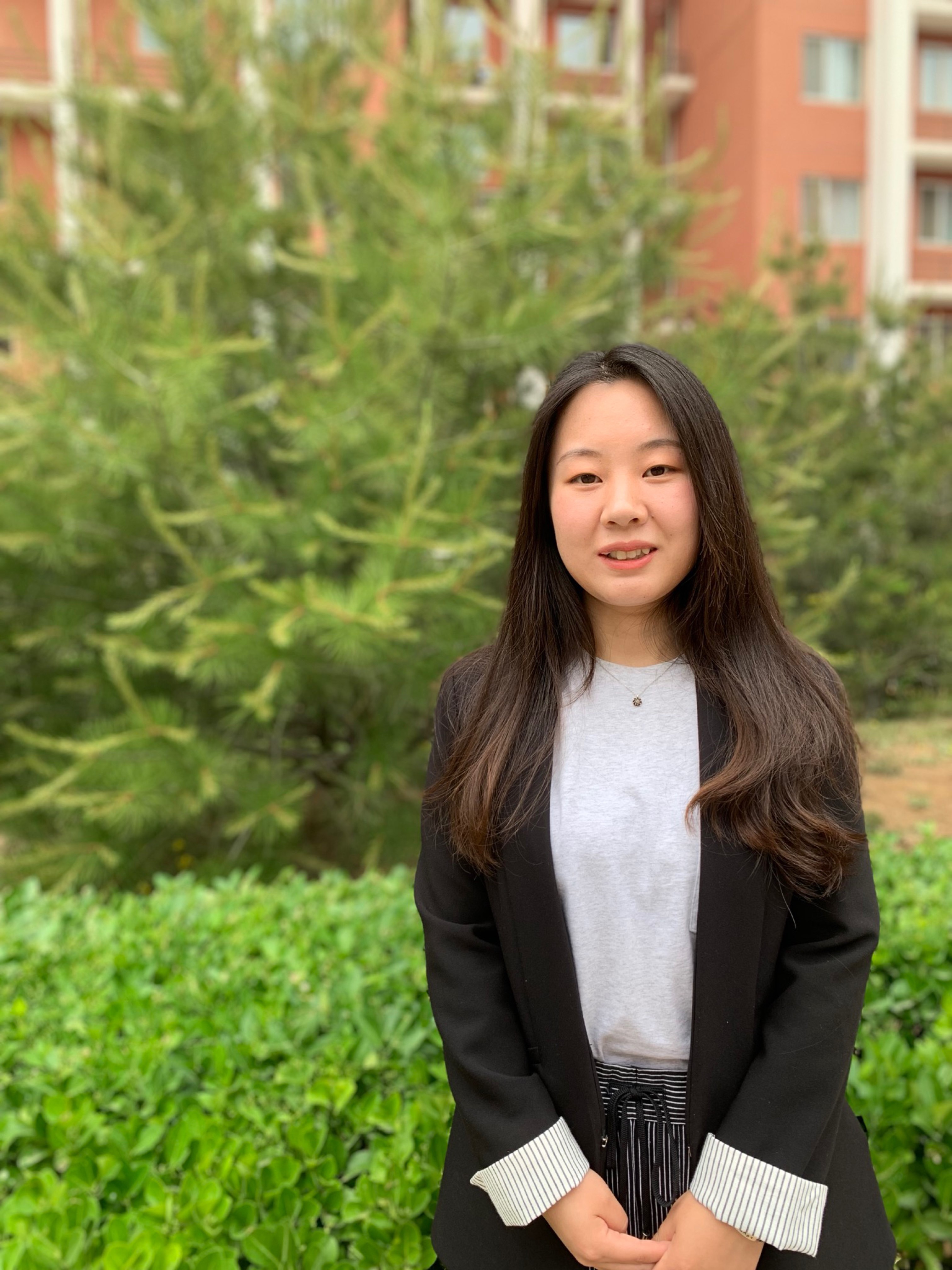 Huixia Huo (霍会霞)合作论文数School of Chinese Materia Medica, Beijing University of Chinese Medicine56
 Yong Jiang (姜勇)合作论文数Department of Natural Medicines, School of Pharmaceutical Sciences, Peking University55
 Qingqing Song (宋青青)合作论文数40
 Shepo Shi (史社坡)合作论文数Research Center for TCM, School of Chinese Materia Medica, Beijing University of Chinese Medicine35Wenjing Liu合作论文数33
 Kewu Zeng (曾克武)合作论文数Department of Natural Medicines, School of Pharmaceutical Sciences, Peking University30
 Karl Wah-Keung Tsim (詹華強)合作论文数Division of Life Science, School of Science, Hong Kong University of Science and Technology;Center for Chinese Medicine Research and Development, School of Science, Hong Kong University of Science and Technology27
 Jing Sun (孙静)合作论文数26
 Zhixiang Zhu (朱枝祥)合作论文数School of Chinese Materia Medica, Beijing University of Chinese Medicine24Dao-Ran Pang合作论文数22
 Yan Cao (曹雁)合作论文数School of Management, Beijing University of Chinese Medicine21
 Xiao Liu (刘晓)合作论文数Modern Research Center for Traditional Chinese Medicine, Beijing University of Chinese Medicine20
 Qian Zhang (张倩)合作论文数北京中医药大学厦门医院19XiaoNan Chen (陈笑南)合作论文数18Yun-Feng Zhang合作论文数17
 Ying Cui (崔瑛)合作论文数河南中医学院17JunMing Wang (王君明)合作论文数16Ran Duan (段然)合作论文数16
 Ting Li (李婷)合作论文数State Key Laboratory of Quality Research in Chinese Medicines, Macau University of Science and Technology;Macau Institute for Applied Research in Medicine and Health, Macau University of Science and Technology16Tina Ting Xia Dong合作论文数16
 Xiaohui Wang (王晓晖)合作论文数School of Chinese Materia Medica, Beijing University of Chinese Medicine15
 Mingbo Zhao (赵明波)合作论文数Department of Natural Medicines, School of Pharmaceutical Sciences, Peking University15
 Wenhan Lin (林文翰)合作论文数Institute of Ocean Research, Peking University;School of Pharmaceutical Sciences, Peking University;State Key Laboratory of Natural and Biomimetic Drugs, Peking University15
 Hongzheng Fu (付宏征)合作论文数Department of Natural Medicine, School of Pharmaceutical Sciences, Peking University14Anna Wing Han Cheung合作论文数14Roy C.Y. Choi合作论文数14
 Yueting Li (李月廷)合作论文数Hospital of Integrated Traditional Chinese and Western Medicine, Beijing University of Chinese Medicine;Dongzhimen Hospital, Beijing University of Chinese Medicine13Yufan Gu (顾宇凡)合作论文数13
 Yitao Wang (王一濤)合作论文数Institute of Chinese Medical Sciences, University of Macau13Xingcheng Gong合作论文数12Zhang Ke合作论文数12Hong Cai (蔡泓)合作论文数12JinYang Li (李金洋)合作论文数12
 Zhongdong Hu (胡仲冬)合作论文数Modern Research Center for Traditional Chinese Medicine, School of Chinese Materia Medica, Beijing University of Chinese Medicine12
 Haji Akber Aisa (阿吉艾克拜尔·艾萨)合作论文数Xinjiang Technical Institute of Physics and Chemistry, Chinese Academy of Sciences;University of Chinese Academy of Sciences12Hui-Na Yao合作论文数11Ke Zhang合作论文数11Wei Li合作论文数11Huiming Huang合作论文数10Xia Xu合作论文数10Daneel Ferreira合作论文数10Jordan K. Zjawiony合作论文数10Yu-Jie Pei合作论文数9Zhi-Tian Peng合作论文数9




