To clarify whether fast cooling inhibits Sn grain boundary segregation, an artificially contaminated steel (Sn 0.05 wt.%) was resistance spot welded. The chemical compositions of prior austenite grain boundaries were examined by three-dimensional atom probe. Results show that Sn segregation persisted even under fast cooling via resistance spot welding. The measured segregation level substantially exceeds predictions from equilibrium models, indicating a deviation from classical equilibrium behaviour. Cross-tensile tests of welded joints revealed intergranular fracture along prior austenite grain boundaries, which is direct evidence of the deteriorating effect of Sn grain boundary segregation. This study reveals that fast cooling fails to inhibit Sn grain boundary segregation, and Sn segregation cannot be ignored, especially when employing processing techniques with fast cooling.
Zn-coated hot-stamping steels are attractive for corrosion-resistant, lightweight automotive structures, but their application is limited by liquid metal embrittlement (LME) caused by liquid Zn penetration during hot stamping. In this study, coating microstructure evolution and associated LME behaviour were systematically investigated. This was achieved by directly comparing short-process hot-rolled galvanizing with conventional cold-rolled continuous-annealing galvanizing on compositionally matched steels. The short-process route produced an oxide-lean substrate surface with a denser inhibition layer, whereas the conventional route generated pronounced selective oxidation of Mn, Si, and Cr at the coating/substrate interface. During austenitization at 900 °C, the oxide-lean interface promoted Fe dissolution and FeZn interdiffusion, producing a thicker and more uniform alloy layer after hot stamping (31.8 ± 2.6 μm for the HR-coated sample versus 21.1 ± 1.8 μm for the CR-coated sample) which was rich in α-Fe(Zn) and Γ-Fe3Zn10. By contrast, the oxide-contaminated interface in the CR-coated sample delayed the alloying reaction and prolonged the presence of liquid Zn during austenitization. During stamping, this residual Zn penetrated grain boundaries and subsequently transformed into a Zn-rich FeZn phase upon cooling, producing a crack-path Zn signal more than twice that of the HR-coated sample. These findings show that process-route-induced interfacial conditions strongly affect FeZn alloying kinetics and the extent of Zn penetration along crack paths. By creating an oxide-lean interface, hot-dip galvanizing of short-process hot-rolled substrates accelerates alloying and limits residual liquid Zn, providing a practical processing strategy for developing corrosion-resistant galvanized advanced high-strength steels with reduced LME susceptibility during hot stamping.
A heat treatment regime integrating solution treatment, deep cryogenic treatment and double aging was applied to commercial 17-4 PH martensitic stainless steel to achieve synergistic optimization of mechanical properties through precise microstructural control. The effectiveness of this double aging strategy lies in its tailored microstructural evolution: the initial low-temperature aging step promotes a B2-*BCC-*9R structural transition in Cu-rich precipitates while ensuring their fine and uniform distribution. The subsequent short-term hightemperature aging step leads to no structural transformation of Cu-rich precipitates, which only undergo slight coarsening, while effectively facilitating the formation of a significant fraction of film-like reversed austenite with superior thermodynamic and mechanical stability. Distributed along martensite lath boundaries, this filmlike austenite continuously provides the transformation-induced plasticity (TRIP) effect during deformation, effectively deflecting crack propagation paths and accommodating greater plastic deformation, thereby serving as the key contributor to toughness enhancement. Quantitative analysis of strengthening mechanisms reveals that dislocation strengthening and precipitation strengthening are the dominant contributors to the overall yield strength. This double aging approach successfully achieves simultaneous and substantial improvements in strength, ductility, and toughness, with yield strength reaching 1080 MPa, total elongation of 17.2%, and roomtemperature impact toughness exceeding 240 J/cm2.
Castrip employs continuous casting strips typically under 2 mm in thickness, representing near-net-shape manufacturing technology. However, its inherent process constraints, including low-temperature rolling and single-pass reduction, collectively inhibit dynamic recrystallization, yielding coarse prior austenite grain size of about 386 μm. Therefore, refining the transformed microstructures during medium-/high-temperature coiling under such constraints presents a critical challenge. A novel approach leveraging solute-segregated chemical interfaces as the nucleation sites to trigger the intragranular ferrite transformation was introduced for industrial Castrip low-alloyed high-strength steel. The solute-segregated chemical gradients (0.85–4.0 wt.
This study bridges the macroscopic thermomechanical response and microscopic phase transformation kinetics of a low-carbon gear steel during hot deformation across a wide temperature range (650-1000 °C). By developing a friction-corrected constitutive model and processing maps, the macroscopic flow instability and power dissipation mechanisms were systematically delineated, identifying an optimal dynamic recrystallization (DRX) window at 800-950 °C. The hot deformation activation energy was determined to be 374.3 kJ/mol. Beyond the conventional high-temperature DRX, we explicitly reveal the complex multiphase evolution during warm deformation in the two-phase region. In this regime, the stored defect energy within the unrecrystallized austenite strongly triggers the deformation-induced ferrite transformation (DIFT), the abnormal kinetics of which are elucidated through the competition between early nucleation site saturation and carbon diffusion-controlled growth. Furthermore, crystallographic reconstruction uncovers that the parent austenite, DIFT ferrite, and subsequent martensite strictly conform to the Kurdjumov-Sachs (K–S) orientation relationship. This specific interfacial conformity strategically minimizes interfacial energy, fundamentally facilitating the rapid phase transitions observed during deformation. These findings provide practical guidance for microstructure control in low-carbon gear steel by clarifying that deformation in the fully austenitic region favors prior-austenite refinement through dynamic recrystallization, whereas warm deformation in the two-phase region enables the tailoring of ferrite/martensite dual-phase microstructures through deformation-induced ferrite transformation.
A new 1300 MPa ultrahigh-strength strip casting steel with high ductility was developed in this work. The effects of silicon (Si) content on the microstructure, mechanical properties, and deformation mechanisms of the steels were investigated and discussed in detail. Our results suggest that Si can effectively retard bainitic transformation kinetics, thereby inhibiting the coarsening of the bainite laths and contributing to the increase in retained austenite (RA) volume fraction. Meanwhile, the precipitation of cementite is markedly suppressed with increasing Si content, which renders more carbon partitioned into the untransformed austenite during the bainitic transformation, thereby further increasing the volume fraction and stability of RA. Mechanical tests indicate that increasing the Si content from 0.5 wt% to 1.5 wt% significantly improves yield strength and tensile strength from 919 MPa and 1104 MPa to 1055 MPa and 1331 MPa, while the ductility rises from 12.2% to 17.8%. This can be attributed to the refined bainitic microstructure, which markedly enhances the strength and provides a greater capacity for dislocation multiplication and storage, thereby contributing to the enhanced work-hardening capability and ductility. Meanwhile, the higher volume fraction and enhanced stability of RA in the high Si steels also favors sustained high work-hardening capacity via sequential activations of stacking faults, nanotwinning, and epsilon-martensite transformation with increasing strain. These findings provide valuable insights into the design of high-performance strip casting steels.
The warm compression behavior and microstructural evolution of GCr15 bearing steel were investigated by single-pass isothermal compression at 650-720°C and strain rates of 0.01-10 s−1. The flow curves showed strong temperature and strain-rate dependence: at 10 s−1, the peak stress decreased from 370 MPa at 650°C to 293 MPa at 720°C, reflecting enhanced thermally activated softening. A peak-stress-based Arrhenius constitutive model was established with an apparent activation energy of 278.17 kJ mol−1 and a stress exponent of 6.34. The model accuracy was evaluated using AARE and RMSE, giving 7.53% and 18.13 MPa, respectively. A strain-compensated constitutive model was further developed by introducing strain-dependent material constants. Processing maps constructed at true strains of 0.1, 0.5, and 0.9 showed that the stable high-efficiency domain gradually evolved toward the intermediate-temperature and low-strain-rate region. SEM, EBSD, carbide morphology statistics, and hardness measurements revealed that low-temperature/high-strain-rate deformation produced elongated deformation bands, high local misorientation, and incomplete carbide spheroidization, whereas low-strain-rate deformation promoted dynamic recovery, recrystallization-like low-strain regions, and carbide spheroidization. The 680°C/0.01 s−1 condition exhibited the highest spheroidization index and a relatively low aspect ratio while maintaining moderate hardness. Although 720°C/0.01 s−1 showed the highest GOS <2° area fraction, it caused carbide coarsening and significant hardness reduction. Unlike previous studies focusing mainly on constitutive behavior or microstructural observation alone, this work directly correlates strain-dependent constitutive response, processing-map stability, carbide spheroidization, EBSD-derived GOS/KAM indicators, and hardness. The optimum warm-compression window was identified as 665-685°C and 0.01-0.02 s−1.
The oxidation behavior of press hardening steel (PHS) during hot forming significantly influences dimensional accuracy of the final component. While co-alloying with high concentrations of Cr and Si effectively enhances oxidation resistance, it considerably increases material costs due to the expense of chromium. In this study, we propose a cost-effective alternative by employing individual Si alloying to address the oxidation resistance challenge in PHS. The high-temperature oxidation behaviors of Fe-0.2C-1.0Mn-xSi alloys (x = 0%, 0.5%, 1.5 wt %, simplified as 0Si, 0.5Si and 1.5Si) was systematically investigated in the 880-950 degrees C range. The results show that 1.5Si sample exhibits the optimal oxidation resistance, comparable to that of high-cost Cr-alloyed sample. This performance is attributed to the formation of a continuous Si-rich oxide layer at the iron oxide scale/matrix interface. In addition, unique Mn-rich oxides present at the gaps of iron oxide scales on the 1.5Si sample, which enhances the compactness and resistance to spallation. These Mn-rich oxides grow by consuming the (Mnx, Fe2-x) O3 oxides within the Si-rich oxide scale, leading to the absence of Mn-rich oxides in the iron oxide scales of the low-Si samples. The synergistic protective effect of Si-rich oxide scale and Mn-rich oxides occurs in the high-Si sample, effectively inhibiting diffusion of oxygen anions or metal cations, significantly improving the oxidation resistance. Our work not only presents a cost-effective alloy design for PHS, but also elucidates a novel synergistic mechanism for enhancing oxidation resistance.
To address the high-salinity and hyper-humid thermal environment of tropical oceans and meet industrial demands for high strength and lightweight, austenitic low-density steel was developed as a novel corrosion-resistant steel. A 3.5 wt.% NaCl solution was used to simulate the marine environment to study the effect of Si on the corrosion behavior of this steel. Scanning electron microscopy (SEM), transmission electron microscopy (TEM), X-ray photoelectron spectroscopy (XPS), X-ray diffraction (XRD) and electron probe microanalysis (EPMA) were employed to characterize the microstructures and corrosion behaviors of two test steels, as well as the phase compositions and element distributions of corrosion products after polarization and cyclic immersion accelerated corrosion tests. The results show that a dense oxide film initially forms on the steel surface in 3.5 wt.% NaCl solution at the early corrosion stage. Si addition induces SiO2 formation and promotes Al conversion to Al2O3, enhancing oxide film compactness and inhibiting matrix atom outward diffusion and Cl- inward penetration. With prolonged corrosion, the oxide film is dissolved or broken, forming a dense rust layer dominated by Fe3O4, Fe2O3 and FeOOH. Si enriches in the inner rust layer adjacent to the matrix and pitting cavities, inhibiting pitting deepening and promoting γ-FeOOH to α-FeOOH transformation, thus improving the steel's corrosion resistance.
Driven by efforts toward carbon-neutral steelmaking, increased scrap usage elevates Sn content in steels. While the general effects of Sn on steel have been studied, its specific influence on resistance spot welding (RSW) remains unclear. This study investigates Sn’s impact on the mechanical properties of RSW joint of 460 MPa HSLA steel. Cross-tension tests reveal that both the RSW joint without Sn and the RSW joint·containing 0.09wt
The steel industry’s shift towards scrap-based, low-carbon steelmaking introduces residual Sn, which compromises the resistance spot weldability of advanced hot-stamping steels essential for automotive lightweighting. This study investigates the impact of Sn on the mechanical properties of such welds and evaluates a shim-assisted RSW (SA-RSW) process using an interstitial-free steel shim for mitigation. Increasing Sn content degraded the cross-tension performance, with a critical content of 0.05% causing a transition from the desirable pull-out fracture to partial interface fracture and a 20% reduction in peak load, primarily due to Sn segregation. The SA-RSW process effectively diluted Sn concentration in the fusion zone by ∼66%, restoring the pull-out fracture mode. However, it concentrated residual stress near the fusion line, leading to cleavage brittle fracture and reduced displacement, which diminished energy absorption despite Sn-induced strengthening increasing the peak load. Based on these results, a practical selection strategy is proposed. Using conventional RSW for Sn content below 0.05%, and adopting the SA-RSW process for Sn content at or above 0.05%. This work provides insights into Sn-induced embrittlement and a viable joining strategy for sustainable manufacturing
Hydrogen embrittlement (HE) continues to be a major challenge in high-strength steels, particularly due to hydrogen-induced interfacial decohesion mechanisms. This study investigates the previously unexplored effects of trace tramp elements on HE resistance of quenching and partitioning (Q&P) steels. Our previous research demonstrated that minor additions of trace tramp elements (As, Sn and Sb) refined the microstructure and improve the strength-ductility synergy of a Q&P steel. Nevertheless, in this work, hydrogen-charged slow strain rate tensile tests show that the Q&P steel containing these trace tramp elements (QP-R) exhibits substantially increased HE susceptibility (78.5%) compared to its counterpart without the tramp elements (QP) (28.2%). Density Functional Theory (DFT) calculations reveal a synergistic effect between hydrogen and individual tramp element (As, Sn, or Sb), which substantially weakens the Fe-Fe interatomic bonding at the grain boundary and reduces the interfacial cohesive strength. Fractographic and crack-path analyses further distinguish the operative mechanisms, showing the hydrogen-enhanced decohesion (HEDE) mechanism in the QP-R steel vs. the hydrogen-enhanced localized plasticity (HELP) mechanism in the QP steel. Notably, the detrimental effects of these trace tramp elements on the HE mechanism in the QP-R steel occur without detectable grain boundary segregation, suggesting that local electronic interactions among dilute tramp-element atoms, hydrogen, and iron are suffice to weaken grain boundary cohesion. These findings highlight an often-overlooked compositional sensitivity of high-strength steels to the trace tramp elements and emphasize the necessity for manipulating the distribution of the trace tramp elements to mitigate HE in high-strength steels.
The further advancement of microalloyed medium carbon steels is often limited by low-temperature toughness instability. A microalloyed medium carbon steel with both strength and low-temperature toughness was produced through a warm rolling and short-time annealing process. A layered heterogeneous structure was introduced in the microstructure, with fine grains alternating with coarse grains. The sample rolled at 600 °C exhibited the most balanced mechanical properties, with a room temperature yield strength of 772 MPa and comparatively high impact toughness. The high impact toughness of this heterogeneous structure originates from the coordinated deformation of the grains at various scales and the delamination toughening mechanism. Interfacial dislocations and subgrain boundaries introduced during warm rolling promote the heterogeneous deformation-induced hardening effect and improve the plastic strain capacity of the steel. Nanoscale cementites can play the roles of grain boundary pinning and strain adjustment. Moreover, during crack extension, a large number of {001} < 110 > textures help expose the macroscopic disintegration surface of the grains, making it more visible. The generation of delamination cracks and the deflection of the crack tip enhance the energy absorbed during crack propagation. Low-cost heterostructured microalloyed medium carbon steels offer promising opportunities for the development of green steel.
The steel industry's shift towards scrap-based, low-carbon steelmaking introduces residual Sn, which compromises the resistance spot weldability of advanced hot-stamping steels essential for automotive lightweighting. This study investigates the impact of Sn on the mechanical properties of such welds and evaluates a shim-assisted RSW (SA-RSW) process using an interstitial-free steel shim for mitigation. Increasing Sn content degraded the cross-tension performance, with a critical content of 0.05% causing a transition from the desirable pull-out fracture to partial interface fracture and a 20% reduction in peak load, primarily due to Sn segregation. The SA-RSW process effectively diluted Sn concentration in the fusion zone by similar to 66%, restoring the pull-out fracture mode. However, it concentrated residual stress near the fusion line, leading to cleavage brittle fracture and reduced displacement, which diminished energy absorption despite Sn-induced strengthening increasing the peak load. Based on these results, a practical selection strategy is proposed. Using conventional RSW for Sn content below 0.05%, and adopting the SA-RSW process for Sn content at or above 0.05%. This work provides insights into Sn-induced embrittlement and a viable joining strategy for sustainable manufacturing.
Short carbon fiber reinforced ultrahigh temperature ceramic matrix composites (Csf/UHTCMCs) are recognized as leading candidates for thermal structures owing to their precisely tailorable composition and enhanced tunability in structure and properties. Inspired by nature, the Bouligand structure-characterized by a gradual angular rotation between successive layers-exhibits remarkable load-bearing and thermal conductive capacity. In this study, the Bouligand structure was introduced into Csf/ZrB2-SiC by employing direct ink writing technology. The results indicate that the composite with a 30 degrees interlayer Bouligand structure achieves a synergistic improvement in both mechanical performance and thermal diffusion uniformity. Specifically, enhancements of 42% in flexural strength and 35% in fracture toughness were achieved compared to conventional Csf/ZrB2-SiC. Meanwhile, the Z-axis thermal conductivity increased by 24.5%, along with a notable enhancement of in-plane thermal diffusion. These improvements can be attributed to the smaller deflection angles and more frequent unidirectional deflections within the 30 degrees Bouligand structure, which promote more pronounced crack deflection. Furthermore, the small-angle rotational design improves in-plane thermal diffusion uniformity by leveraging the high intrinsic radial thermal conductivity of short carbon fibers. Hence, the bioinspired Bouligand structure design offers a promising strategy for the synergistic optimization of mechanical and thermal properties in Csf/UHTCMCs.
The transition toward a circular metal economy is severely bottlenecked by the accumulation of residual elements during scrap recycling. In low-alloy steels, residual phosphorus (P) is prone to segregate at grain boundaries, leading to catastrophic interfacial embrittlement that precludes high-performance applications. In this work, we demonstrate an atomic-scale impurity engineering strategy that fundamentally neutralizes phosphorus through a rare-earth-driven segregation-to-inclusion transition. Using scrap-derived 34CrMo4 steel as a model system, atom probe tomography and microstructural analyses demonstrate that cerium (Ce) addition thermodynamically drives phosphorus away from grain boundaries, sequestering it into highly stable Ce-based core-shell inclusions. This atomic-scale redistribution restores grain-boundary cohesion without altering the bulk martensitic strengthening mechanisms. Consequently, Ce-modified steel exhibits significantly improved low-temperature impact performance, with the Charpy impact energy at −50 °C increasing from 51 J to 94 J and the ductile-to-brittle transition temperature decreasing from −48 °C to −97 °C, while maintaining comparable tensile performance. These findings reveal an effective approach to mitigating phosphorus-induced embrittlement and enhancing residual-element tolerance in scrap-derived low-alloy steels.
Interphase precipitate (IP) strengthening has been identified as an effective mechanism for enhancing the mechanical properties of advanced steels. Recent breakthroughs in characterization have revealed the unusual strengthening effect of precipitates in their embryonic stage, referred to as clusters, which indicate additional strengthening mechanisms for material strengthening and further opportunities for composition design in IP-strengthened steels. This study investigates the impact of IP on the mechanical and formability properties of complex microalloyed high-strength low-alloy (HSLA) steel. Two types of HSLA steel with a single ferrite microstructure were engineered via the thermo-mechanical control process, differing in that one exhibits only fully-developed IPs, while the other exhibits both the clusters of interphase and IPs. These microstructures were achieved through controlled coiling at 620 and 650 degrees C in Ti-Nb microalloyed steel. Increasing undercooling below the gamma -> alpha transformation temperature intensifies the driving force for phase transformation, leading to a decrease in both intersheet spacing and the size of particles, while the number density of interphase particles increases, promoting the formation of clusters of interphase. These clusters significantly influence dislocation behavior, facilitating dislocation multiplication. Compared to the fully-developed IPs in samples coiled at 650 degrees C, the presence of the clusters of interphase results in a desirable enhancement in mechanical properties, including a 100 MPa increase in ultimate tensile strength without compromising ductility or stretch-flangeability. These findings highlight the critical role of the clusters of interphase in simultaneously enhancing both strength and plasticity in HSLA steel. (c) 2026 Published by Elsevier Ltd on behalf of The editorial office of Journal of Materials Science & Technology.
A systematic investigation was conducted on the influence of residual nitrogen (0.003–0.008 wt.
Strip casting offers significant advantages such as a concise processing route, reduced energy consumption and lower emissions, demonstrating promising potential for the production of high strength steels. Its compact processing line creates a highly supersaturated matrix, providing a unique precursor for microalloying solute clustering. However, the sequential enrichment of multiple elements and their individual roles in dislocation evolution remain elusive. This study investigates the clustering and precipitation behavior in a Nb-V micro-alloyed strip-cast steel during isothermal treatment at 620 degrees C using transmission electron microscopy (TEM) and atom probe tomography (APT). The results reveal a distinct sequential enrichment in which Nb atoms preferentially aggregate to form coherent monolayer clusters during the early stage, whereas V gradually incorporates into the pre-existing clusters during prolonged holding, leading to semi-coherent plate-like complex carbonitrides. In terms of mechanical properties, finely dispersed clusters and precipitates at intermediate holding effectively promote slip activity and work hardening, thereby accelerating dislocation multiplication and storage, achieving peak yield strength while maintaining considerable uniform elongation. These findings elucidate the observed Nb-V clustering sequence under strip-casting conditions and offer theoretical guidance for tailoring the hierarchical nanostructures in high-performance strip-cast microalloyed steels.
 Shuize Wang (汪水泽)合作论文数Institute for Carbon Neutrality, University of Science and Technology Beijing35
 Xinping Mao (毛新平)合作论文数State Key Laboratory of Advanced Metals and Materials, University of Science and Technology Beijing34
 Chaolei Zhang (张朝磊)合作论文数School of Metallurgical and Ecological Engineering, University of Science and Technology Beijing33
 Junheng Gao (高军恒)合作论文数Institute for Carbon Neutrality, University of Science and Technology Beijing32
 Honghui Wu (吴宏辉)合作论文数School of Metallurgical and Ecological Engineering, University of Science and Technology Beijing31
 Lijie Qiao (乔利杰)合作论文数Institute for Advanced Materials and Technology, University of Science and Technology Beijing;Seying Rey Laboratory of Materials Genome Initiative, University of Science and Technology Beijing7
 Chunli Bai (白春礼)合作论文数Key Laboratory of Molecular Nanostructure and Nanotechnology, Institute of Chemistry, Chinese Academy of Sciences6
 Hao Yu (于浩)合作论文数School of Metallurgical and Ecological Engineering, University of Science and Technology Beijing6
 Qingdao Zeng (曾庆祷)合作论文数University of Chinese Academy of Sciences;National Center for Nanoscience and Technology, Chinese Academy of Sciences5
 Qingxiao Feng合作论文数5Hualong Li合作论文数5
 Lijun Wan (万立骏)合作论文数Institute of Chemistry, Chinese Academy of Sciences;Key Laboratory of Molecular Nanostructure and Nanotechnology, Chinese Academy of Sciences;University of Chinese Academy of Sciences5
 Wenkai li合作论文数3Yixin SHI (施一新)合作论文数3Rui Cao (曹睿)合作论文数Sch Mat Sci & Engn, Lanzhou Univ Technol3
 Chen Wang (王琛)合作论文数National Center For Nanoscience and Technology, Chinese Academy of Sciences;University of Chinese Academy of Sciences3
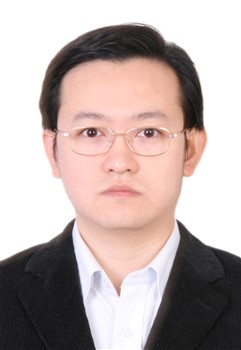 Yang Bai (白洋)合作论文数State Key Laboratory for Advanced Metals and Materials, University of Science and Technology Beijing3
 Yuxin Leng (冷雨欣)合作论文数State Key Laboratory of High Field Laser Physics, Shanghai Institute of Optics and Fine Mechanics, Chinese Academy of Sciences;University of Chinese Academy of Sciences3
 Alois Loidl合作论文数Center for Electronic Correlations and Magnetism, University of Augsburg;Institute for Materials Research Management, University of Augsburg;Institute of Physics, Faculty of Mathematics, Natural Sciences, and Materials Engineering, University of Augsburg3
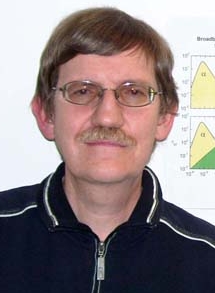 Peter Lunkenheimer合作论文数Centre for Electronic Correlations and Magnetism, University of Augsburg;Institute of Physics, Faculty of Mathematics, Natural Sciences, and Materials Engineering, University of Augsburg3
 Dongsheng Xu (徐东生)合作论文数中国科学院金属研究所3
 Yicheng Wu (吴以成)合作论文数Technical Institute of Physicals and Chemistry, Chinese Academy Sciences;School of Chemistry and Materials Science, University of Science and Technology of China;Tianjin University Of Technology3
 Baogen Shen (沈保根)合作论文数Institute of Physics, Chinese Academy of Sciences;Deparmenenf Physicas, School of Physical Sciences, University of Science and Technology of China3Yi Xu (许毅)合作论文数3
 Wuyang Chu (褚武扬)合作论文数School of Materials Science and Engineering, University of Science and Technology Beijing3
 Dean Pan (潘德安)合作论文数School of Resources and Safety Engineering, Chongqing University3Vd Travkin合作论文数2Yanyan Li (李妍妍)合作论文数Shanghai Institute of Optics and Fine Mechanics, Chinese Academy of Sciences;University of Chinese Academy of Sciences2Zhongkai Guo合作论文数2
 Feiyan Cai (蔡飞燕)合作论文数Paul C. Lauterbur Research Center for Biomedical Imaging, Shenzhen Institute of Advanced Technology, Chinese Academy of Sciences;University of Chinese Academy of Sciences2Xiao Zhang合作论文数2
 Yunchi Zhao合作论文数2Gang Liu合作论文数2
 Shuai Xu合作论文数2Ke Fan合作论文数2Chenghao Song合作论文数2
 Deyang Yu (于得洋)合作论文数University of Chinese Academy of Sciences;Institute of Modern Physics, Chinese Academy of Sciences2
 Xiaohong Cai (蔡晓红)合作论文数Institute of Modern Physics, Chinese Academy of Sciences2
 Shaoming Dong (董绍明)合作论文数The State Key Lab of High Performance Ceramics and Superfine Microstructure, Shanghai Institute of Ceramics, Chinese Academic of Sciences;University of Chinese Academy of Sciences2
 Sheng Zhang (张胜)合作论文数The College of Life Sciences, Sichuan University2
 Bowen Chen合作论文数State Key Lab. of Inf. Photonics & Opt. Commun., Beijing Univ. of Posts & Telecommun.;c2
 Hui Wang (王辉)合作论文数State Key Laboratory of Advanced Metals and Materials, University of Science and Technology Beijing2
 Guang Yang (杨光)合作论文数School of Integrated Circuit Science and Engineering, Beihang University2Lili Li合作论文数2
 Yisheng Chai (柴一晟)合作论文数School of Physics, Chongqing University2
 Guilin Wu (吴桂林)合作论文数College of Materials Science and Engineering, Chongqing University2
 Caojie Shao (邵曹杰)合作论文数Institute of Modern Physics, Chinese Academy of Science;University of Chinese Academy of Sciences2
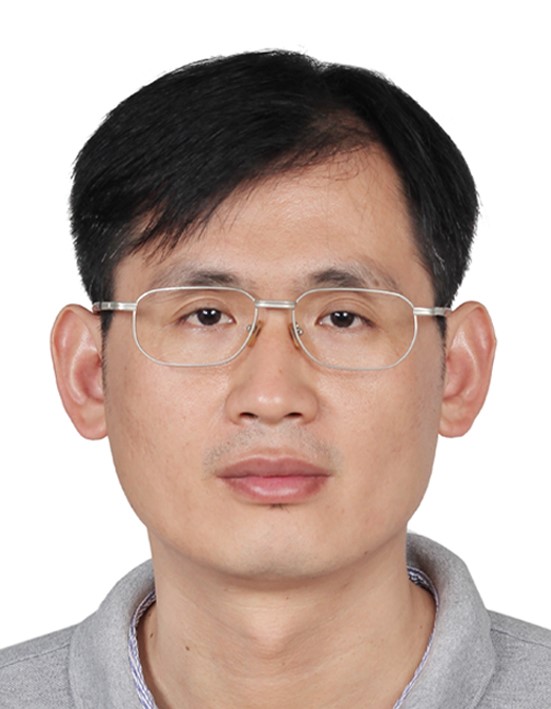 Shufeng Yang (杨树峰)合作论文数School of Metallurgical and Ecological Engineering, University of Science and Technology Beijing2
 Dewei Ni (倪德伟)合作论文数Shanghai Institute of Ceramics, Chinese Academy of Sciences;University of the Chinese Academy of Sciences2




