An increasing number of studies have been proposed for community healthcare services (CHS) that connect users and physicians. Complex descriptions of diseases and symptoms make CHS difficult to match users’ amateur questions with physicians. In this study, we propose the task of question-physician routing to address this issue by matching questions and physicians. Vocabulary gaps, nonreciprocal commutations, and limited user profiling information in CHS make question-physician routing a challenging research problem. To address the above challenges, we propose a new question-routing approach to match a physician with a given question, where we argue that the assistance of external medical knowledge helps to improve the performance of question-physician routing. Specifically, we propose a medical question-routing framework, namely deep medical question routing (DMQR), which integrates external medical knowledge into the routing process. DMQR can be divided into three main components: First, we construct a medical knowledge extractor to extract knowledge from a medical knowledge base constructed based on external knowledge resources. Then, we propose a knowledge interpreter to integrate medical knowledge into the given question for a better representation. Lastly, we route top-k relevant candidate physicians to the question by employing a hierarchical multi-label classifier. To further enhance the robustness and efficiency of question-physician routing, we propose a virtual adversarial medical question routing optimization method, v-DMQR, and an efficient optimization way that uses anchor question-physician pairs, namely av-DMQR. Since there is no existing data in the literature, we collect a large-scale dataset from real-world CHS scenarios. Extensive experiments performed on our dataset verify the effectiveness of our proposed approach. Moreover, we find that our proposed approach significantly outperforms state-of-the-art baselines on medical question routing in terms of Recall, MAP, and MRR metrics.
Offline reinforcement learning (RL) aims to learn policies without online explorations. To enlarge the training data, model-based offline RL learns a dynamics model which is utilized as a virtual environment to generate simulation data and enhance policy learning. However, existing data augmentation methods for offline RL suffer from (i) trivial improvement from short-horizon simulation; and (ii) the lack of evaluation and correction for generated data, leading to low-qualified augmentation. In this paper, we propose offline trajectory optimization for offline reinforcement learning (OTTO). The key motivation is to conduct long-horizon simulation and then utilize model uncertainty to evaluate and correct the augmented data. Specifically, we propose an ensemble of Transformers, a.k.a. World Transformers, to predict environment state dynamics and the reward function. Three strategies are proposed to use World Transformers to generate long-horizon trajectory simulation by perturbing the actions in the offline data. Then, an uncertainty-based World Evaluator is introduced to firstly evaluate the confidence of the generated trajectories and then perform the correction for low-confidence data. Finally, we jointly use the original data with the corrected augmentation data to train an offline RL algorithm. OTTO serves as a plug-in module and can be integrated with existing model-free offline RL methods. Experiments on various benchmarks show that OTTO can effectively improve the performance of representative offline RL algorithms, including in complex environments with sparse rewards like AntMaze. Codes are available at https://github.com/ZiqiZhao1/OTTO.
Large Language Models (LLMs) exhibit strong general language capabilities. However, fine-tuning these models on domain-specific tasks often leads to catastrophic forgetting, where the model overwrites or loses essential knowledge acquired during pretraining. This phenomenon significantly limits the broader applicability of LLMs. To address this challenge, we propose a novel approach to compute the element-wise importance of model parameters crucial for preserving general knowledge during fine-tuning. Our method utilizes a dual-objective optimization strategy: (1) regularization loss based on element-wise parameter importance, which constrains the updates to parameters crucial for general knowledge; (2) cross-entropy loss to adapt to domain-specific tasks. Additionally, we introduce layer-wise coefficients to account for the varying contributions of different layers, dynamically balancing the dual-objective optimization. Extensive experiments on scientific, medical, and physical tasks using GPT-J and LLaMA-3 demonstrate that our approach mitigates catastrophic forgetting while enhancing model adaptability. Compared to previous methods, our solution is approximately 20 times faster and requires only 10-15 code will be released.
Medical image segmentation is critical for accurate diagnostics and effective treatment planning. Traditional multi-rater labeling strategies, while integrating consensus from multiple experts, often do not fully capture the unique insights of individual raters. Moreover, deep discriminative models that aggregate such expert labels typically embed inherent biases into the segmentation results. To address these issues, we introduce CaliDiff, a novel multi-rater annotation calibration diffusion probabilistic model. This model effectively approximates the joint probability distribution among multiple expert annotations and their corresponding images, fully leveraging diverse expert knowledge while actively refining these annotations to approximate the true underlying distribution closely. CaliDiff operates through a structured multi-stage process: it begins with a shared-parameter inverse diffusion to normalize initial expert biases, followed by Expertness Consistent Alignment to minimize variance among annotations and enhance consistency in high-confidence areas. Additionally, we incorporate a Committee-based Endogenous Knowledge Learning mechanism that uses adversarial soft supervision to simulate a reliable pseudo-ground truth, integrating Cross-Expert Fusion and Implicit Consensus Inference. Extensive experimental evaluations on various medical image segmentation datasets show that CaliDiff not only significantly improves the calibration of annotations but also achieves state-of-the-art performance, thereby enhancing the reliability and objectivity of medical diagnostics.
Negative sampling plays a crucial role for cross-domain recommendation as it provides contrastive signals to learn user preference. Existing methods usually select items with high predicted scores or popularity as hard negative samples to improve model training. However, such methods suffer from choosing false negative samples since items with high predicted scores or popularity could also indicate potential positive user preference. Although several studies devoted to discovering true negative samples, few of them leverage user cross-domain behaviors to alleviate the false negative issue. How to effectively mine and utilize hard negative samples to improve cross-domain recommendation remains an open question. In this work, we propose exploration and exploitation of hard negative samples (EXHANS) for cross-domain sequential recommendation. For better exploration, we utilize the user preference from the source domain to guide negative sampling in the target domain. The key idea is that compared with hard negative samples, false negative samples have higher probability to be consistent with the user preference in both domains. Besides, we propose adaptive popularity-based score correction to account for users' different tastes of popular items. The idea is that for users who favor popular items, such items are more likely to be false negatives rather than hard negatives. For better exploitation, we design a replay buffer to cache the obtained negative samples and further propose a curriculum learning framework to balance exploration and exploitation of hard negative samples. Extensive experiments on three real-world datasets show that our method significantly outperforms state-of-the-art negative sampling methods for cross-domain sequential recommendation, which verify the effectiveness of EXHANS.
Warning: This paper contains examples of toxic text. Knowledge editing has emerged as an efficient technique for updating the knowledge of large language models (LLMs), attracting increasing attention in recent years. However, there is a lack of effective measures to prevent the malicious misuse of this technique, which could lead to harmful edits in LLMs. These malicious modifications could cause LLMs to generate toxic content, misleading users into inappropriate actions. In front of this risk, we introduce a new task, Knowledge Editing Type Identification (KETI), aimed at identifying different types of edits in LLMs, thereby providing timely alerts to users when encountering illicit edits. As part of this task, we propose KETIBench, which includes five types of harmful edits covering the most popular toxic types, as well as one benign factual edit. We develop five classical classification models and three BERT-based models as baseline identifiers for both open-source and closed-source LLMs. Our experimental results, across 92 trials involving four models and three knowledge editing methods, demonstrate that all eight baseline identifiers achieve decent identification performance, highlighting the feasibility of identifying malicious edits in LLMs. Additional analyses reveal that the performance of the identifiers is independent of the reliability of the knowledge editing methods and exhibits cross-domain generalization, enabling the identification of edits from unknown sources. All data and code are available in https://github.com/xpq-tech/KETI.
Sequential recommenders that are trained on implicit feedback are usually learned as a multi-class classification task through softmax-based loss functions on one-hot class labels. However, one-hot training labels are sparse and may lead to biased training and sub-optimal performance. Dense, soft labels have been shown to help improve recommendation performance. But how to generate high-quality and confident soft labels from noisy sequential interactions between users and items is still an open question. We propose a new learning framework for sequential recommenders, CSRec, which introduces confident soft labels to provide robust guidance when learning from user-item interactions. CSRec contains a teacher module that generates high-quality and confident soft labels and a student module that acts as the target recommender and is trained on the combination of dense, soft labels and sparse, one-hot labels. We propose and compare three approaches to constructing the teacher module: (i) model-level, (ii) data-level, and (iii) training-level. To evaluate the effectiveness and generalization ability of CSRec, we conduct experiments using various state-of-the-art sequential recommendation models as the target student module on four benchmark datasets. Our experimental results demonstrate that CSRec is effective in training better performing sequential recommenders.
Model editing enables targeted updates to the knowledge of large language models (LLMs) with minimal retraining. Among existing approaches, locate-then-edit methods constitute a prominent paradigm: they first identify critical layers, then compute residuals at the final critical layer based on the target edit, and finally apply least-squares-based multi-layer updates via $\textbf{residual distribution}$. While empirically effective, we identify a counterintuitive failure mode: residual distribution, a core mechanism in these methods, introduces weight shift errors that undermine editing precision. Through theoretical and empirical analysis, we show that such errors increase with the distribution distance, batch size, and edit sequence length, ultimately leading to inaccurate or suboptimal edits. To address this, we propose the $\textbf{B}$oundary $\textbf{L}$ayer $\textbf{U}$pdat$\textbf{E (BLUE)}$ strategy to enhance locate-then-edit methods. Sequential batch editing experiments on three LLMs and two datasets demonstrate that BLUE not only delivers an average performance improvement of 35.59\%, significantly advancing the state of the art in model editing, but also enhances the preservation of LLMs' general capabilities. Our code is available at https://github.com/xpq-tech/BLUE.
Given a conversation context, conversational question ranking (CQR) aims to select a proper question from a candidate pool to clarify users’ ambiguous information needs. Most state-of-the-art CQR methods are pre-training based, which seek to design various fine-tuning tasks by randomly manipulating utterances in the context. However, existing fine-tuning methods will occasionally remove the center utterances (i.e., the referent utterances in the context for the clarification questions), which might result in counterproductive effect as the center utterances have high semantic coherence with the clarification questions. In this work, we introduce an unsupervised center-aware ranking (UCAR) framework, which first identifies the center utterance and then conducts fine-tuning by retaining the center. To identify the center, we devise a multi-perspective center identification (MCD) module and optimize it in an unsupervised manner. Experimental results on two benchmark datasets with 20k test samples show that seven state-of-the-art baselines get improved by 1% ∼5% in terms of MRR equipped with UCAR. The results demonstrate that it indeed improves the performance by keeping semantic coherence in conversations when fine-tuning. In addition, the centers identified by our proposed unsupervised MCD module are of high quality, as validated by humans. Moreover, an ancillary advantage of UCAR is that it has good interpretability by referring to the center utterance in the conversation context.
Augmenting large language models (LLMs) with external tools has emerged as a promising approach to extending the capability of LLMs. Although some works employ open-source LLMs for the tool learning task, most of them are trained in a controlled environment in which LLMs only learn to execute the human-provided tools. However, selecting proper tools from the large toolset is also a crucial ability for the tool learning model to be applied in real-world applications. Existing methods usually directly employ self-instruction methods to train the model, which ignores differences in tool complexity. In this paper, we propose the Confucius, a novel tool learning framework to train LLM to use complicated tools in real-world scenarios, which contains two main phases: (1) We first propose a multi-stage learning method to teach the LLM to use various tools from an easy-to-difficult curriculum; (2) thenceforth, we propose the Iterative Self-instruct from Introspective Feedback (ISIF) to dynamically construct the dataset to improve the ability to use the complicated tool. Extensive experiments conducted on both controlled and real-world settings demonstrate the superiority of our tool learning framework in the real-world application scenarios compared to both tuning-free (e.g. ChatGPT, Claude) and tuning-based baselines (e.g. GPT4Tools).
Sequential Recommenders have been widely applied in various online services, aiming to model users' dynamic interests from their sequential interactions. With users increasingly engaging with online platforms, vast amounts of lifelong user behavioral sequences have been generated. However, existing sequential recommender models often struggle to handle such lifelong sequences. The primary challenges stem from computational complexity and the ability to capture long-range dependencies within the sequence. Recently, a state space model featuring a selective mechanism (i.e., Mamba) has emerged. In this work, we investigate the performance of Mamba for lifelong sequential recommendation (i.e., length>=2k). More specifically, we leverage the Mamba block to model lifelong user sequences selectively. We conduct extensive experiments to evaluate the performance of representative sequential recommendation models in the setting of lifelong sequences. Experiments on two real-world datasets demonstrate the superiority of Mamba. We found that RecMamba achieves performance comparable to the representative model while significantly reducing training duration by approximately 70 are available at .
Generative retrieval generates identifiers of relevant documents in an end-to-end manner using a sequence-to-sequence architecture for a given query. The relation between generative retrieval and other retrieval methods, especially those based on matching within dense retrieval models, is not yet fully comprehended. Prior work has demonstrated that generative retrieval with atomic identifiers is equivalent to single-vector dense retrieval. Accordingly, generative retrieval exhibits behavior analogous to hierarchical search within a tree index in dense retrieval when using hierarchical semantic identifiers. However, prior work focuses solely on the retrieval stage without considering the deep interactions within the decoder of generative retrieval. In this paper, we fill this gap by demonstrating that generative retrieval and multi-vector dense retrieval share the same framework for measuring the relevance to a query of a document. Specifically, we examine the attention layer and prediction head of generative retrieval, revealing that generative retrieval can be understood as a special case of multi-vector dense retrieval. Both methods compute relevance as a sum of products of query and document vectors and an alignment matrix. We then explore how generative retrieval applies this framework, employing distinct strategies for computing document token vectors and the alignment matrix. We have conducted experiments to verify our conclusions and show that both paradigms exhibit commonalities of term matching in their alignment matrix.
Recent advancements in large multimodal language models have demonstrated remarkable proficiency across a wide range of tasks. Yet, these models still struggle with understanding the nuances of human humor through juxtaposition, particularly when it involves nonlinear narratives that underpin many jokes and humor cues. This paper investigates this challenge by focusing on comics with contradictory narratives, where each comic consists of two panels that create a humorous contradiction. We introduce the YesBut benchmark, which comprises tasks of varying difficulty aimed at assessing AI's capabilities in recognizing and interpreting these comics, ranging from literal content comprehension to deep narrative reasoning. Through extensive experimentation and analysis of recent commercial or open-sourced large (vision) language models, we assess their capability to comprehend the complex interplay of the narrative humor inherent in these comics. Our results show that even state-of-the-art models still lag behind human performance on this task. Our findings offer insights into the current limitations and potential improvements for AI in understanding human creative expressions.
Our study delves into Multimodal Entity Linking, aligning the mention in multimodal information with entities in knowledge base. Existing methods are still facing challenges like ambiguous entity representations and limited image information utilization. Thus, we propose dynamic entity extraction using ChatGPT, which dynamically extracts entities and enhances datasets. We also propose a method: Dynamically Integrate Multimodal information with knowledge base (DIM), employing the capability of the Large Language Model (LLM) for visual understanding. The LLM, such as BLIP-2, extracts information relevant to entities in the image, which can facilitate improved extraction of entity features and linking them with the dynamic entity representations provided by ChatGPT. The experiments demonstrate that our proposed DIM method outperforms the majority of existing methods on the three original datasets, and achieves state-of-the-art (SOTA) on the dynamically enhanced datasets (Wiki+, Rich+, Diverse+). For reproducibility, our code and collected datasets are released on https://github.com/season1blue/DIM.
Session-based recommendation predicts users' future interests from previous interactions in a session. Despite the memorizing of historical samples, the request of unlearning, i.e., to remove the effect of certain training samples, also occurs for reasons such as user privacy or model fidelity. However, existing studies on unlearning are not tailored for the session-based recommendation. On the one hand, these approaches cannot achieve satisfying unlearning effects due to the collaborative correlations and sequential connections between the unlearning item and the remaining items in the session. On the other hand, seldom work has conducted the research to verify the unlearning effectiveness in the session-based recommendation scenario. In this paper, we propose SRU, a session-based recommendation unlearning framework, which enables high unlearning efficiency, accurate recommendation performance, and improved unlearning effectiveness in session-based recommendation. Specifically, we first partition the training sessions into separate sub-models according to the similarity across the sessions, then we utilize an attention-based aggregation layer to fuse the hidden states according to the correlations between the session and the centroid of the data in the sub-model. To improve the unlearning effectiveness, we further propose three extra data deletion strategies, including collaborative extra deletion (CED), neighbor extra deletion (NED), and random extra deletion (RED). Besides, we propose an evaluation metric that measures whether the unlearning sample can be inferred after the data deletion to verify the unlearning effectiveness. We implement SRU with three representative session-based recommendation models and conduct experiments on three benchmark datasets. Experimental results demonstrate the effectiveness of our methods.
Sequential recommendation (SR) models are typically trained on user-item interactions which are affected by the system exposure bias, leading to the user preference learned from the biased SR model not being fully consistent with the true user preference. Exposure bias refers to the fact that user interactions are dependent upon the partial items exposed to the user. Existing debiasing methods do not make full use of the system exposure data and suffer from sub-optimal recommendation performance and high variance. In this paper, we propose to debias sequential recommenders through Distributionally Robust Optimization (DRO) over system exposure data. The key idea is to utilize DRO to optimize the worstcase error over an uncertainty set to safeguard the model against distributional discrepancy caused by the exposure bias. The main challenge to apply DRO for exposure debiasing in sequential recommendation lies in how to construct the uncertainty set and avoid the overestimation of user preference on biased samples. Moreover, since the test set could also be affected by the exposure bias, how to evaluate the debiasing effect is also an open question. To this end, we first introduce an exposure simulator trained upon the system exposure data to calculate the exposure distribution, which is then regarded as the nominal distribution to construct the uncertainty set of DRO. Then, we introduce a penalty to items with high exposure probability to avoid the overestimation of user preference for biased samples. Finally, we design a debiased self-normalized inverse propensity score (SNIPS) evaluator for evaluating the debiasing effect on the biased offline test set. We conduct extensive experiments on two real-world datasets to verify the effectiveness of the proposed methods. Experimental results demonstrate the superior exposure debiasing performance of proposed methods. Codes and data are available at https://github.com/nancheng58/DebiasedSR_DRO.
One of the key challenges in sequential recommendation is how to extract and represent user preferences. Traditional methods rely solely on predicting the next item. But user behavior may be driven by complex preferences. Therefore, these methods cannot make accurate recommendations when the available information user behavior is limited. To explore multiple user preferences, we propose a transformer-based sequential recommendation model, named MrTransformer ( M ulti-p r eference Transformer ). For training MrTransformer, we devise a preference-editing -based self-supervised learning (SSL) mechanism that explores extra supervision signals based on relations with other sequences. The idea is to force the sequential recommendation model to discriminate between common and unique preferences in different sequences of interactions. By doing so, the sequential recommendation model is able to disentangle user preferences into multiple independent preference representations so as to improve user preference extraction and representation. We carry out extensive experiments on five benchmark datasets. MrTransformer with preference editing significantly outperforms state-of-the-art sequential recommendation methods in terms of Recall, MRR, and NDCG. We find that long sequences of interactions from which user preferences are harder to extract and represent benefit most from preference editing.
Modern recommender systems are trained to predict users’ potential future interactions from users’ historical behavior data. During the interaction process, despite the data coming from the user side, recommender systems also generate exposure data to provide users with personalized recommendation slates. Compared with the sparse user behavior data, the system exposure data are much larger in volume since only very few exposed items would be clicked by the user. In addition, user historical behavior data are privacy sensitive and commonly protected with careful access authorization. However, the large volume of recommender exposure data generated by the service provider itself usually receives less attention and could be accessed within a relatively larger scope of various information seekers or even potential adversaries. In this article, we investigate the problem of user behavior data leakage in the field of recommender systems. We show that the privacy-sensitive user past behavior data can be inferred through the modeling of system exposure. In other words, one can infer which items the userhas clicked just from the observation of current systemexposure for this user. Given the fact that system exposure data could be widely accessed from a relatively larger scope, we believe that user past behavior privacy has a high risk of leakage in recommender systems. More precisely, we conduct an attack model whose input is the current recommended item slate (i.e., system exposure) for the user while the output is the user’s historical behavior. Specifically, we exploit an encoder-decoder structure to construct the attack model and apply different encoding and decoding strategies to verify attack performance. Experimental results on two real-world datasets indicate a great danger of user behavior data leakage. To address the risk, we propose a two-stage privacy-protection mechanism that first selects a subset of items from the exposure slate and then replaces the selected items with uniform or popularity-based exposure. Experimental evaluation reveals a trade-off effect between the recommendation accuracy and the privacy disclosure risk, which is an interesting and important topic for privacy concerns in recommender systems.
 Zhumin Chen (陈竹敏)合作论文数School of Computer Science and Technology, Shandong University;General Artificial Intelligence Lab, Shandong University84
 Pengjie Ren (任鹏杰)合作论文数Information Retrieval Lab, School of Computer Science and Technology, Shandong University52
 Zhaochun Ren (任昭春)合作论文数Faculty of Science, Leiden University45
 Shuaiqiang Wang (王帅强)合作论文数Search Science Department, Baidu Inc.;Mobile Ecosystem Group, Baidu Inc.30
 Maarten de Rijke合作论文数Innovation Center for Artificial Intelligence;The Information Retrieval Lab, University of Amsterdam;Informatics Institute, University of Amsterdam26
 Chaoran Cui (崔超然)合作论文数School of Computer Science and Technology, Shandong University of Finance and Economics18
 Tao Lian (廉涛)合作论文数College of Artificial Intelligence, Taiyuan University of Technology15
 Yujie Lin合作论文数Shandong University13
 Piji Li (李丕绩)合作论文数College of Computer Science and Technology, Nanjing University of Aeronautics and Astronautic12Ling Song合作论文数Shandong University12
 Lei Guo (郭磊)合作论文数School of Information Science and Engineering, Shandong Normal University11Jingsheng LEI (雷景生)合作论文数10
 Shasha Li合作论文数Amazon10
 Kjersti Aagaard合作论文数Div Maternal Fetal Med, Baylor Coll Med10
 Li Lian (连莉)合作论文数School of Software, Shandong University10
 Liqiang Nie (聂礼强)合作论文数School of Computer Science and Technology, Harbin Institute of Technology (Shenzhen)10
 Xin Xin (辛鑫)合作论文数Information Retrieval Lab, School of Computer Science and Technology, Shandong University9
 Shanshan Huang合作论文数9Muyang Ma合作论文数Shandong University, Qingdao, China8
 Jie Yu合作论文数Natl Univ Def Technol, Coll Comp, Changsha, Hunan, Peoples R China8Shuai Gao合作论文数7
 Xuemeng Song (宋雪萌)合作论文数Department of Computer Science and Technology, Shandong University7
 Amanda Prince合作论文数Department of Obstetrics &Division of Maternal-Fetal Medicine, Baylor College of Medicine;Department of Obstetrics & Gynecology, Baylor College of Medicine7
 Xin-Shun Xu (许信顺)合作论文数School of Software, Shandong University7Jinhuan Liu合作论文数Shandong University7
 Chunxiao Ren (任春晓)合作论文数6
 Hua Wang (王华)合作论文数School of Software, Shandong University6
 Huajun Chen (陈华钧)合作论文数College of Computer Science and Technology, Zhejiang University6
 Yilong Yin (尹义龙)合作论文数School of Software, Shandong University;School of Computing and Artificial Intelligence, Southwestern University of Finance and Economics;Shandong University National Science Park, Shandong University6Lei Zhang (张磊)合作论文数上海智臻智能6Kai Wu合作论文数5
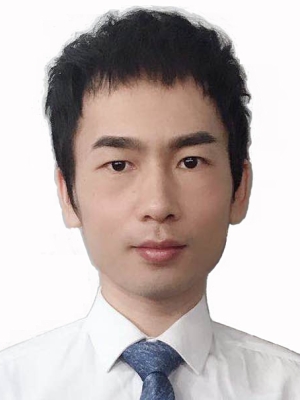 Shangsong Liang (梁上松)合作论文数School of Computer Science and Engineering, Sun Yat-sen University5
 Jiankai Sun合作论文数Pinterest Inc.5
 Xiaohui Han合作论文数Shandong Prov Key Lab Comp Networks, Shandong Comp Sci Ctr5Shezheng Song合作论文数4
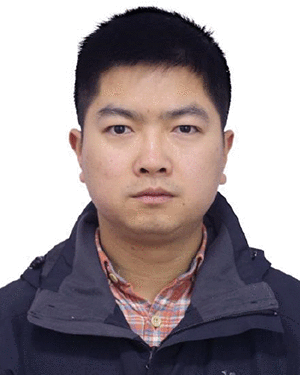 Long Peng合作论文数4Xueqin Sui合作论文数4Imran Qureshi合作论文数COMSATS Institute of Information Technology4Qiang He合作论文数Shandong University4Qian Ma合作论文数4
 Jiming Liu (刘际明)合作论文数Hong Kong Baptist University4
 Xiaofei Niu (牛晓飞)合作论文数School of Economics, Shandong University4
 Dong Li (李栋)合作论文数School of Airspace Science and Engineering, Shandong University4
 Zhiwei Zhang (张志威)合作论文数School of Computer Science & Technology, Beijing Institute of Technology4
 Byron Gao合作论文数Department of Computer Science, Texas State University4
 Jialie Shen合作论文数School of Science & Technology, University of London;School of Information Systems, Singapore Management University;Department of Computer Science, School of Science & Technology, City, University of London4Shaohan Ma合作论文数4Jiyuan Yang合作论文数3Yidan Wang合作论文数3




