The performance verification of large-scale aerospace equipment, such as liquid rocket engine frames, has traditionally depended on a combination of finite element analysis and physical static testing. However, this paradigm is challenged by the high risks and long cycles associated with ultimate load testing. Existing computational alternatives often face a trade-off between data fidelity and physical consistency, limiting their reliability in replacing high-risk experiments. To address this challenge, this paper proposes a novel digital-twin framework for predicting the full-field stress response of a structure during its high-risk, nonlinear ultimate-load phase, using only sparse sensor information acquired from the safe, linear-loading phase of a test. The core of this framework is a newly developed Physical Synergistic Nonlinear Twin Network, which integrates the operator-learning architecture of a Deep Operator Network with the physics-constraint mechanism of a Physics-Informed Neural Network. Physical consistency is enforced by embedding the von Mises consistency relation, stress-equilibrium residual, and boundary traction constraint into the model’s loss function, ensuring that the predicted stress fields remain physically consistent. Trained on finite element simulation data and validated against both held-out simulations and static test data, the proposed model demonstrates higher accuracy and robustness than conventional neural network models.
The structural health of the rocket engine frame (REF) that transmits engine thrust directly affects rocket performance. Therefore, it is urgent to develop structural health monitoring (SHM) technology for REF. Digital twin (DT) technology provides a real-time representation of the physical system's state and has gained significant attention. However, conventional DT methods combine physical properties with digital models under predefined working conditions. These methods often fail to perform effectively when working conditions vary. This study proposes a digital twin of rocket engine frames under variable working conditions via a diffusion model with key node feature guidance. In the offline phase, low-fidelity (LF) static strength characteristics of key nodes are embedded and cascaded across different conditions. The diffusion model’s hierarchical data processing enables the extraction of potential common features, making it possible to predict static strength distributions under any given scenario. In the online phase, high-fidelity (HF) data is introduced to bridge the gap between different fidelity distributions. The model is guided by the maximum mean discrepancy (MMD) between key node features of different fidelities to ensure effective feature fusion. Experiments with REF static strength data under various conditions validate the method’s effectiveness, demonstrating strong performance across multiple metrics. The implementation code is publicly available at https://github.com/wwb132559/denoising_diffusion_pytorch.
Unsupervised anomaly detection (UAD) is attractive for chest X-ray analysis because it can identify pathological deviations without requiring exhaustive abnormal annotations. Recent EHR-conditioned diffusion-based methods have shown strong performance by incorporating clinical information into the denoising process. However, two important limitations remain. First, existing methods usually depend on relatively heavy model configurations and prolonged training schedules, resulting in substantial computational cost and limiting practical deployment in resource-constrained medical environments. Second, they typically derive anomaly scores only from the final reconstruction error, discarding rich diagnostic evidence contained in intermediate denoising steps, dual-head consistency, and complementary residual patterns. To address these limitations, we propose Timestep-conditioned Attention for Multi-dimensional Evidence (TAME), a unified framework with two complementary components. The first component, Timestep-Conditioned Channel Attention (TCCA), is a lightweight architectural module that dynamically reallocates channel importance according to the current diffusion timestep and demographic/EHR conditions, enabling efficient training of a compact 96-channel model. The second component, Multi-Dimensional Anomaly Evidence Fusion (MDAEF), is an inference-time scoring framework that aggregates anomaly evidence across five complementary dimensions: multiple timesteps, multiple scoring functions, multiple checkpoints, multiple calibration strategies, and multiple detection paradigms through a hybrid rank-based fusion strategy. Extensive experiments on CheXpert and MIMIC-CXR show that this unified design consistently delivers more accurate and resource-efficient medical anomaly detection, confirming the complementary benefits of TCCA and MDAEF.
Rocket segments, as critical structural components determining launch safety and reliability, require robust health monitoring solutions. Current data-driven fault diagnosis methods are constrained by scarce labeled samples and high testing costs, highlighting the urgent need for efficient solutions. Digital twin (DT) technology enables the production of large-scale simulation data, rendering fault diagnosis of rocket modules possible. This study proposes a DT-augmented graph convolutional network framework that combines simulated data and limited realistic data to achieve cross-domain knowledge sharing. The framework comprises three innovative components: (1) a cross-domain graph constructor for building topological relationships among cross-domain data to achieve global knowledge aggregation; (2) a dual-head multi-channel architecture to enhance feature representation to preserve cross-modal information integrity; (3) a contrastive binary loss function for enforcing intra-class feature consistency and inter-class discriminability in model learning. Experiments on a full-scale rocket segment mock-up show that the framework achieves over 93% accuracy under various fixed-frequency conditions, significantly outperforming the baselines. Relevant results confirm that this approach can effectively accomplish diagnostic tasks using limited labeled data, providing an efficient and practical diagnostic solution for complex aerospace structural systems with constrained physical testing conditions.
Anomaly detection (AD) of complex equipment is critical to improving operational safety and reliability. Currently developed system-level intelligence methods neglect structural information between components and the multi-scale composition of anomalies, leading to frequent missed detections and false alarms. Towards this end, this paper proposes a subgraph augmented self-supervised network that represents multivariate time series (MTS) data in a non-Euclidean space to realize multi-scale graph-level AD on complex equipment. First, we present a subgraph contrastive self-supervised framework that emphasizes the acquisition of context-scale anomaly information in MTS data, resulting in accelerated training speed and improved fault detection rate (FDR). Furthermore, responding to the lack of scale, a subgraph self-learning strategy is proposed to capture patch-scale information, leading to an improved FDR. Meanwhile, we design a graph augmentation technique to alleviate the scarcity of graph-level labeled samples, increasing the robustness and scalability of the network and further reducing the false alarm rate (FAR). To assess the efficacy, we perform uni-modal, multi-modal, and cross-device experiments on various MTS datasets of liquid rocket engines. Compared to the state-of-the-art method, the proposed approach increases the FDR by 2% and reduces the FAR by half to 0.08%, demonstrating the superiority of the method.
The liquid rocket engine pipe is mostly welded, which makes it easy to fail under the residual stress and strain after welding. This paper establishes a numerical welding model for liquid rocket engine pipe in order to accurately predict the welding temperature field and structural field, so as to investigate the method of improving the welding quality and mitigating structural failure. The model uses a Gaussian moving hemispherical heat source, which is embedded in the 3-D finite element thermal elastic-plastic coupling analysis through a subprogram. The transient welding temperature, stress and strain distributions are calculated considering the phases of preheating, welding and cooling. Then, the temperatures and residual stresses calculated by the simulation are compared with those of the experiment. It is shown that the numerical model is accurate. Based on the verified welding model, this paper analyses the influence of welding parameters. The results indicate that increasing the heat source power is beneficial to reducing the residual stress on the premise of ensuring the welding quality.
The current application of vibration‐based damage detection is constrained by the low spatial resolution of signals obtained from contact sensors and an overreliance on hand‐engineered damage indices. In this paper, we propose a novel vision‐aided framework featuring convolutional multihead self‐attention neural network (CMSNN) to deal with damage detection tasks. To meet the requirement of spatially intensive measurements, a computer vision algorithm called optical flow estimation is employed to provide informative enough mode shapes. As a downstream process, a CMSNN model is designed to autonomously learn high‐level damage representations from noisy mode shapes without any manual feature design. In contrast to the conventional approach of solely stacking convolutional layers, the model is enhanced by combining a convolutional neural network (CNN)–based multiscale information extraction module with an attention‐based information fusion module. During the training process, various scenarios are considered, including measurement noise, data missing, multiple damages, and undamaged samples. Moreover, the parameter transfer strategy is introduced to enhance the universality of the application. The performance of the proposed framework is extensively verified via datasets based on numerical simulations and two laboratory measurements. The results demonstrate that the proposed framework can provide reliable damage detection results even when the input data are corrupted by noise or incomplete.
Liquid Rocket Engine, as the key power device of the space transportation system, the anomaly detection of operation status is the key to its reliable operation. However, in the face of multi-sensor high-frequency monitoring signals under extreme operating conditions, limited by the ability of model data modeling, the existing methods, based on classification and reconstruction strategies, are difficult to further improve the anomaly localization precision. To address the challenges and overcome the limitations of existing methods, this paper proposes a Dual-control Inference Diffusion Model (DIDM), which reconstructs and inferences on specified sensor samples to achieve accurate anomaly detection. The reverse diffusion inference process is controlled by the channel condition and mask prior, combined with two loss functions for alternating training, which enables inference for samples from specified sensors at specific moments. We evaluate the model based on the static ignition test data of a certain type of LRE. The results show that DIDM outperforms the state-of-the-art methods in terms of detection accuracy, which demonstrates the effectiveness and superiority of DIDM. Furthermore, by combining the error distributions of the inference results, we can achieve a more accurate location of anomaly in the time and frequency domains, which could increase the efficiency of rocket launches and air and space transportation, and enhance the potential of the academic results for industrial applications.
Anomaly detection (AD) in multivariate time series data (MTS) collected by industrial sensors is a crucial undertaking for the damage estimation and damage monitoring of machinery like rocket engines, wind turbine blades, and aircraft turbines. Due to the complex structure of industrial systems and the varying working environments, the collected MTS often contain a significant amount of noise. Current AD studies mostly depend on extracting features from data to obtain the information associated with various working states, and they attempt to detect the abnormal states in the space of the original data. Nevertheless, the latent space, which includes the most essential knowledge learned by the network, is often overlooked. In this paper, a multi-scale feature extraction and data reconstruction deep learning neural network, designated as LGFN, is proposed. It is specifically designed to detect anomalies in MTS in both the original input space and the latent space. In the experimental section, a comparison is made between the proposed AD process and five well-acknowledged AD methods on five public MTS datasets. The outcomes demonstrate that the proposed method attains state-of-the-art or comparable performance. The memory usage experiment illustrates the space efficiency of LGFN in comparison to another AD method based on GPT-2. The ablation studies emphasise the indispensable role of each module in the proposed AD process.
For large-scale integrated systems, efficient anomaly detection is crucial in monitoring complex equipment. Interdependency among multiple components hinders the establishment of trust in system decision-making within multivariate time series. In this work, we propose a prior knowledge graph embedded patch-sense autoencoder (GEPAE), aiming to enable unsupervised anomaly detection in large-scale systems and provide a reference for anomaly localization. The proposed method learns from multi-source normal condition data to attain efficient and reliable anomaly detection. Diverging from pointwise reconstruction and evaluation, the proposed method employs unit-level patch embedding in the encoding module and patch correction in the decoding module, aiming to preserve data structure information by learning the global relationships among patches. System decision-making and component anomaly localization are subsequently conducted by Gaussian mixture density estimation of the patch embedding results. Meanwhile, prior knowledge of the physical entity structure and multi-sensor deployment is generalized and utilized for the model to obtain convincing decision-making. The proposed method is tested on two real-world data sets of liquid rocket engine systems and two fault simulation data sets of subway train transmission systems, and promising results demonstrate its validity and generality.
Accurately characterizing the dynamic load environment is vital for the structural optimization and fatigue life assessment of liquid rocket engines, but the difficulty in precisely measuring or identifying such distributed loads is substantial. This paper proposed a method to determine the equivalent concentrated loads of liquid rocket engines at main vibration sources using the direct inverse method in the frequency domain. Response verification is performed to confirm the effectiveness of the equivalent loads by assessing the consistency between responses due to them and actual distributed loads. A pumped liquid rocket engine is investigated for specific research. Responses from the hot-fire test are used to identify equivalent loads at three main vibration sources, which are the gas generator, turbine shell, and combustion chamber. The results indicate that the errors in responses induced by the equivalent loads and the actual distributed loads are generally within +/- 4 dB. To further validate the equivalent loads, an experiment is conducted, scaling and applying the equivalent loads to the rocket engine. The resulting responses, after amplification, align well with those obtained from the hot-fire test, confirming the validity of the proposed method. However, response verification errors escalate significantly when nonprimary sources are included in the equivalent locations.
To guarantee the safety and reliability of equipment operation, such as liquid rocket engine (LRE), carrying out system-level anomaly detection (AD) is crucial. However, current methods ignore the prior knowledge of mechanical system itself, and seldom unite the observations with the inherent relation in data tightly. Meanwhile, they neglect the weakness and nonindependence of system-level anomaly which is different from component fault. To overcome above limitations, we propose a separate reconstruction framework using worsened tendency for system-level AD. To prevent anomalous feature being attenuated, we first propose to divide single sample into two equal-length parts along the temporal dimension. And we maximize the mean maximum discrepancy (MMD) between feature segments to force encoders to learn normal features with different distributions. Then, to fully explore the multivariate time series, we model temporal-spatial dependence by temporal convolution and graph attention. Besides, a joint graph learning strategy is proposed to handle prior knowledge and data characteristics simultaneously. Finally, the proposed method is evaluated on two real multi-sensor datasets from LRE and the results demonstrate the effectiveness and potential of the proposed method on system-level AD.
Pipeline structures usually suffer from serious vibration problems due to pressure pulsation and fluid excitation, potentially compromising their structural stability and service life. In this paper, a lightweight body center cubic (BCC) meta-lattice sandwich sleeve is proposed to isolate vibrations in pipelines within a broadband frequency range. The vibration isolation is based on the concepts of the locally resonant metamaterials. An equivalent mass-spring model is conducted to theoretically predict frequency range and elucidate the generation mechanism of the band gap. In addition, an analytical methodology is also proposed to predict the equivalent stiffness of the BCC meta-lattice sleeves. The influence of geometric parameters and configuration layout of the meta-lattice on the flexural wave band gap is further investigated. Numerical studies and experimental tests are also conducted to validate the vibration isolation effectiveness, considering various pipe lengths and different numbers of meta-lattice units. The proposed design provides fundamental support for the design of lightweight vibration isolation structure for pipelines.
Anomaly detection (AD) is essential to ensure safe and reliable operation of liquid rocket engine (LRE). However, with harsh and complex operating conditions in LRE, existing methods find it difficult to fuse missing multimodal data and extract features for AD. To recover missing data and achieve effective AD for LRE, we propose a knowledge distillation-optimized two-stage AD method, which consists of two models: teacher model and student model. Specifically, the teacher model includes two complex modules: imputation and reconstruction module, which respectively impute and reconstruct missing multimodal data. Meanwhile, the simple student model is proposed to learn the knowledge of the teacher model, which could quickly and accurately determine the health status of LREs. In training process, the two modules of teacher are trained by two steps, and the third step is to transfer knowledge of pretrained teacher model to the student model. Finally, a high-performance and simplestructure student model is obtained. To verify the accuracy and efficiency of the proposed method, we carry out sufficient experiments and discussions to research it in many aspects with data from static firing tests. Experimental results show that F1 Score can reach 0.9916 with a delay less than 19 ms.
To ensure the safety and stability of the rocket, it is essential to implement accurate anomaly detection on key parts such as the liquid rocket engine (LRE). However, due to the indistinct features of signals under the interference of extreme conditions and the weak distinguishing ability to exist unsupervised methods, it is difficult to distinguish abnormal samples from normal samples, which leads to the failure of reliable anomaly detection. Aiming at this problem, this paper proposed an unsupervised learning algorithm named Memory-augmented skip-connected deep autoencoder (Mem-SkipAE) for anomaly detection of rocket engines with multi-source data fusion. Unlike traditional autoencoders, the input embedding for the decoder is not generated by an encoder but by a combination of memory items that record prototypical patterns of normal samples. Besides, each layer of the encoder and decoder has a skip connection to fully extract the multi-scale features of the normal sample in multi-dimensional space and suppress over-fitting caused by the memory-augmented network. Compared with existing methods and ablation control groups, experiments on four test sets prove the excellent generalization and satisfactory performances of the proposed Mem-SkipAE. Furthermore, the comparison of the single-source model and multi-source model verifies the effectiveness of multi-source fusion.
To achieve reliable and automatic anomaly detection (AD) for large equipment such as liquid rocket engine (LRE), multisource data are commonly manipulated in deep learning pipelines. However, current AD methods mainly aim at single source or single modality, whereas existing multimodal methods cannot effectively cope with a common issue, modality incompleteness. To this end, we propose an unsupervised multimodal method for AD with missing sources in LRE system. The proposed method handles intramodality fusion, intermodality fusion, and decision fusion in a unified framework composed of multiple deep autoencoders (AEs) and a skip-connected AE. Specifically, the first module restores missing sources to construct a complete modality, thus advancing the secondary reconstruction. Different from vanilla reconstruction-based methods, the proposed method minimizes reconstruction loss and meanwhile maximizes the dissimilarity of representations in two latent spaces. Utilizing reconstruction errors and latent representation discrepancy, the anomaly score is acquired. At decision level, the model performance can be further enhanced via anomaly score fusion. To demonstrate the effectiveness, extensive experiments are carried out on multivariate time-series data from static ignition of several LREs. The results indicate the superiority and potential of the proposed method for AD with missing sources for LRE.
In this study, the influence of temperature on axial crushing behavior of multi-walled tube-reinforced aluminum foams (MWTRF) were researched by means of experiment, numerical prediction and theoretical analysis. The results indicate that the peak force and energy absorption performance of the MWTRFs present noticeably higher than those of the sum of aluminum foam (AF) and empty multi-walled tube (EMWT) at high temperature. The axial crushing performance of glued MWTRF is higher that of unglued MWTRF. This advantage gradually decreases with the increase of temperature due to a decrease of adhesive strength. The reinforcing mechanism is that AF in MWTRF inhibits buckling and alters the crushing deformation mode of EMWT, significantly improving the crushing performance and energy absorption performance of MWTRF. In addition, compared with the competing materials, MWTRFs have the outstanding performance of energy absorption under high temperature in a map for material selection.
For the reliability and safety of engine equipment, real-time anomaly detection through monitoring signals from multi-source sensors is essential. However, signal coupling caused by complicated interactions between numerous components raises a challenge. Additionally, due to the extreme operating environment and severe malfunction result, the failure data is difficult to collect or simulate, leading to the lack of anomaly samples. This paper proposed an asymmetrical graph Siamese network (AGSN) for one-class anomaly detection with multi -source fusion. The network consists of two weights-shared graph encoders and an extra remapping block which prevents the model from collapsing when one-class training. Firstly, AGSN adaptively constructs the graph structure based on sensor signals to model the components of systems and fuse multi-source signals into graph data. Secondly, graph data of normal samples are input into the AGSN for graph contrastive learning, enabling the graph encoders to completely cluster normal samples in the feature space. Thus, anomalous samples can be distinguished from normal samples when anomaly detection. The AGSN is evaluated on two datasets of liquid rocket engine (LRE) multi-sensor signals and compared with baseline approaches. The experimental results demonstrate that the proposed model is efficient, lightweight, and reliable, outperforming existing methods.
Real-time anomaly detection is essential for the safe launch of some sophisticated equipment, such as liquid rocket engines (LRE), in order to head off disasters. However, the Industrial Internet of Things (IIoT) edge's real-time requirements cannot be addressed by the present methodologies, and the outcome is poor when dealing with a lack of training samples on the device side. We provide a solution for device-side real-time anomaly detection using the architecture known as Graph Embedded in Graph Networks to address these issues (GG-Nets). To fully extract features under insufficient training data, in our method, we learn the temporal relationship of timestamps in the multivariate signal through a time-series graph attention network (T-GAT) and extract features, and use the extracted features to replace the original signal as the information of the sensor attention network (S-GAT) nodes. For efficiency, the signals in the original sample are divided into odd and even sequences, which greatly reduces the number of nodes in the T-GAT. Experiments reveal that the proposed method outperforms other state-of-the-art models on the LRE ignition dataset. Furthermore, the ablation experiment proves that each module of the model improves the effect and extensive discussions explore interpretability. Our code can be found on: https://github.com/yhd-ai/GG-Nets.
 Jinglong Chen (陈景龙)合作论文数State Key Laboratory for Manufacturing Systems Engineering, Xi'an Jiaotong University;School of Mechanical Engineering, Xi'an Jiaotong University16
 Zijun Liu合作论文数Xian Aerosp Prop Inst, Sci & Technol Liquid Rocket Engine Lab, Xian 710100, Peoples R China10
 Yong Feng合作论文数Mechanical Engineering, Xi'an Jiaotong University10ZHANG Weixin (张韦馨)合作论文数5
 Haixin Lv合作论文数Xi An Jiao Tong Univ, State Key Lab Mfg & Syst Engn, Xian 710049, Peoples R China4Haodong Yan合作论文数3LIU Zijun (刘子俊)合作论文数2Yushan Gao合作论文数2Wukun ZHANG (张武昆)合作论文数2
 Fudong Li合作论文数2JunShe Yuan (袁军社)合作论文数2YongHua Tan (谭永华)合作论文数2
 Xiaoliang Geng (耿小亮)合作论文数School of Mechanics and Transportation Engineering, Northwestern Polytechnical University2Binchao Li (李斌潮)合作论文数2Weicheng Wang合作论文数1Weiguo Fu合作论文数1Yahui Lu合作论文数1
 Yongjing Wang (王永静)合作论文数Surface Engineering Laboratory, School of Materials Science and Engineering, Xi'an Jiaotong University1Hui Han (韩辉)合作论文数1
 Shuilong He合作论文数Guilin Univ Elect Technol, Sch Mech & Elect Engn, Guilin 541004, Peoples R China1guangshu wu (吴光蜀)合作论文数1
 Tianci Zhang (张天赐)合作论文数The College of Mechanical and Electrical Engineering, Central South University1Jie Li合作论文数1
 Zhijia Zhang (张志家)合作论文数School of Aerospace Engineering, Xi'an Jiaotong University1JianHua Chen合作论文数1Gan Li合作论文数1Yan Yang合作论文数1YaGuang Sui (随亚光)合作论文数1DaHua Du (杜大华)合作论文数1WenRong Xiao (肖文荣)合作论文数1
 Shen Liu (刘燊)合作论文数1Bing Li (李冰)合作论文数1
 Shilin Xie (谢石林)合作论文数School of Aerospace Engineering, Xi'an Jiaotong University1
 Zhong Zhao (赵忠)合作论文数State Key Laboratory of Rolling and Automation, Northeastern University1Qisheng Zhang合作论文数1
 Ping Jin (金平)合作论文数School of Astronautics, Beihang University1
 Xinhong Hei (黑新宏)合作论文数School of Computer Science and Engineering, Xi'an University of Technology1
 Yahong Zhang (张亚红)合作论文数School of Aerospace Engineering, Xi'an Jiaotong University1
 Yongquan Liu (刘咏泉)合作论文数School of Aerospace Engineering, Xi'an Jiaotong University1
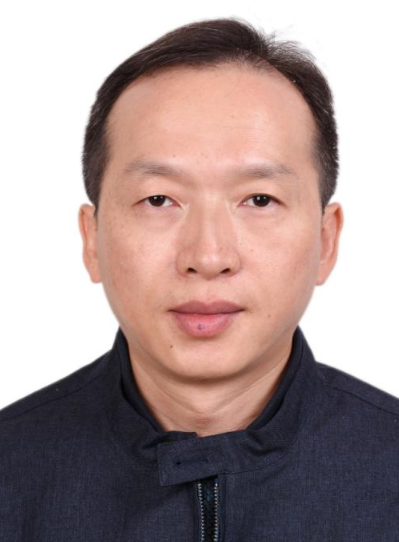 Qiancheng Zhang (张钱城)合作论文数State Key Laboratory for Strength and Vibration of Mechanical Structures, Xi'an Jiaotong University1Jinwei Zhao (赵金伟)合作论文数西安理工大学计算机科学与工程学院1
 Zhijie Jiao (矫志杰)合作论文数State Key Laboratory of Digital Steel, School of Materials Science and Engineering, Northeastern University1
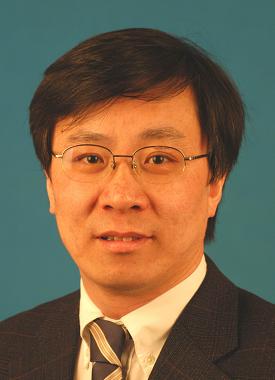 Feng Jin (金峰)合作论文数School of Aerospace Engineering, Xi'an Jiaotong University1
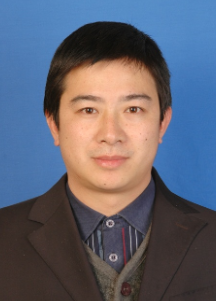 Yajun Luo (罗亚军)合作论文数School of Aerospace Engineering of Xi'an Jiaotong University;State Key Laboratory for Strength and Vibration of Mechanical Structures, Xi'an Jiaotong University1
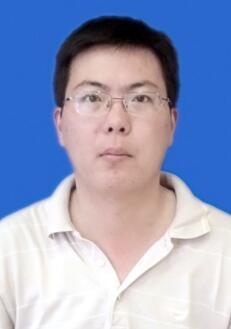 Xianlei Hu (胡贤磊)合作论文数State Key Laboratory of Digital Steel, Northeastern University1
 Dianhua Zhang (张殿华)合作论文数School of Materials Science and Engineering, Northeastern University;State Key Laboratory of Digital Steel, Northeastern University1
 Jingguo Ding (丁敬国)合作论文数State Key Laboratory of Digital Steel, School of Materials Science and Engineering, Northeastern University1




