Single-cell sequencing technologies have enabled in-depth analysis of cellular heterogeneity across tissues and disease contexts. However, as datasets increase in size and complexity, characterizing diverse cellular populations, integrating data across multiple modalities, and correcting batch effects remain challenges. We present SAFAARI (Single-cell Annotation and Fusion with Adversarial Open-set Domain Adaptation Reliable for Data Integration), a unified deep learning framework designed for cell annotation, batch correction, and multi-omics integration. SAFAARI leverages supervised contrastive learning and adversarial domain adaptation to achieve domain-invariant embeddings and enables label transfer across datasets, addressing challenges posed by batch effects, biological domain shifts, and multi-omics modalities. SAFAARI identifies novel cell types and mitigates class imbalance to enhance the detection of rare cell types. Through comprehensive benchmarking, we evaluated SAFAARI against existing annotation and integration methods across real-world datasets exhibiting batch effects and domain shifts, as well as simulated and multi-omics data. SAFAARI demonstrated scalability and robust performance in cell annotation via label transfer across heterogeneous datasets, detection of unknown cell types, correction of batch effects, and cross-omics data integration while leveraging available annotations for improved integration. SAFAARI's innovative approach outperformed competing methods in both qualitative and quantitative metrics, offering a flexible, accurate, and scalable solution for single-cell analysis with broad applicability to diverse biological and clinical research questions. An open-source implementation of the SAFAARI algorithm is available at https://github.com/VafaeeLab/SAFAARI.
Large Language Models (LLMs) have achieved remarkable success in complex reasoning tasks, but their inference remains computationally inefficient. We observe a common failure mode in many prevalent LLMs, overthinking, where models generate verbose and tangential reasoning traces even for simple queries. Recent works have tried to mitigate this by enforcing fixed token budgets, however, this can lead to underthinking, especially on harder problems. Through empirical analysis, we identify that this inefficiency often stems from unclear problem-solving strategies. To formalize this, we develop a theoretical model, BAM (Budget Allocation Model), which models reasoning as a sequence of sub-questions with varying uncertainty, and introduce the E3 metric to capture the trade-off between correctness and computation efficiency. Building on theoretical results from BAM, we propose Plan-and-Budget, a model-agnostic, test-time framework that decomposes complex queries into sub-questions and allocates token budgets based on estimated complexity using adaptive scheduling. Plan-and-Budget improves reasoning efficiency across a range of tasks and models, achieving up to 70% accuracy gains, 39% token reduction, and 193.8% improvement in E3. Notably, it elevates a smaller model (DS-Qwen-32B) to match the efficiency of a larger model (DS-LLaMA-70B), demonstrating Plan-and-Budget’s ability to close performance gaps without retraining. Our code is available at anonymous.4open.science/r/P-and-B-6513/.
The reliability of Large Language Models (LLMs) in high-stakes domains such as healthcare, law, and scientific discovery is often compromised by hallucinations. These failures typically stem from two sources: data-driven hallucinations and reasoning-driven hallucinations. However, existing detection methods usually address only one source and rely on task-specific heuristics, limiting their generalization to complex scenarios. To overcome these limitations, we introduce the Hallucination Risk Bound, a unified theoretical framework that formally decomposes hallucination risk into data-driven and reasoning-driven components, linked respectively to training-time mismatches and inference-time instabilities. This provides a principled foundation for analyzing how hallucinations emerge and evolve. Building on this foundation, we introduce HalluGuard, an NTK-based score that leverages the induced geometry and captured representations of the NTK to jointly identify data-driven and reasoning-driven hallucinations. We evaluate HalluGuard on 10 diverse benchmarks, 11 competitive baselines, and 9 popular LLM backbones, consistently achieving state-of-the-art performance in detecting diverse forms of LLM hallucinations.
Transfer learning aims to transfer knowledge or information from a source domain to a relevant target domain. In this paper, we understand transfer learning from the perspectives of knowledge transferability and trustworthiness. This involves two research questions: How is knowledge transferability quantitatively measured and enhanced across domains? Can we trust the transferred knowledge in the transfer learning process? To answer these questions, this paper provides a comprehensive review of trustworthy transfer learning from various aspects, including problem definitions, theoretical analysis, empirical algorithms, and real-world applications. Specifically, we summarize recent theories and algorithms for understanding knowledge transferability under (within-domain) IID and non-IID assumptions. In addition to knowledge transferability, we review the impact of trustworthiness on transfer learning, e.g., whether the transferred knowledge is adversarially robust or algorithmically fair, how to transfer the knowledge under privacy-preserving constraints, etc. Beyond discussing the current advancements, we highlight the open questions and future directions for understanding transfer learning in a reliable and trustworthy manner.
The proliferation of open-sourced Large Language Models (LLMs) and diverse downstream tasks necessitates efficient model selection, given the impracticality of fine-tuning all candidates due to computational constraints. Despite the recent advances in LLM selection, a fundamental research question largely remains nascent: how can we model the dynamic behaviors of LLMs during fine-tuning, thereby enhancing our understanding of their generalization performance across diverse downstream tasks? In this work, we propose a novel theoretical framework that provides a proper lens to assess the generalization capabilities of LLMs, thereby enabling accurate and efficient LLM selection for downstream applications. In particular, we first derive a PAC-Bayesian Generalization Bound that unveils fine-tuning dynamics of LLMs and then introduce LENSLLM, a Neural Tangent Kernel (NTK)-based Rectified Scaling Model that enables accurate performance predictions across diverse tasks while maintaining computational efficiency. Extensive empirical results on 3 large-scale benchmarks demonstrate that our model achieves up to 91.1% accuracy and reduces up to 88.5% computational cost in LLM selection, outperforming 5 state-of-the-art methods. We open-source our proposed LENSLLM model and corresponding results at LensLLM.io.
In the era of foundation models, Out-of- Distribution (OOD) problems, i.e., the data discrepancy between the training environments and testing environments, hinder AI generalization. Further, relational data like graphs disobeying the Independent and Identically Distributed (IID) condition makes the problem more challenging, especially much harder when it is associated with time. Motivated by this, to realize the robust invariant learning over temporal graphs, we want to investigate what components in temporal graphs are most invariant and representative with respect to labels. With the Information Bottleneck (IB) method, we propose an error-bounded Invariant Link Selector that can distinguish invariant components and variant components during the training process to make the deep learning model generalizable for different testing scenarios. Besides deriving a series of rigorous generalizable optimization functions, we also equip the training with task-specific loss functions, e.g., temporal link prediction, to make pretrained models solve real-world application tasks like citation recommendation and merchandise recommendation, as demonstrated in our experiments with state-of-the-art (SOTA) methods. Our code is available at https://github.com/kthrn22/OOD-Linker.
Transfer learning aims to transfer knowledge or information from a source domain to a relevant target domain. It involves two key challenges: distribution shifts and trustworthiness concerns. Having these challenges in mind, my research focuses on understanding transfer learning from the perspective of knowledge transferability (e.g., IID and non-IID learning tasks) and trustworthiness (e.g., adversarial robustness, data privacy, and performance fairness).
Abstract Due to training a deep learning model requires a lot of resources, we regard the trained model as the intellectual property (IP) of its trainer. However, researchers have shown that deep learning models are susceptible to model-stealing attacks. Recently, a method to detect theft by embedding external features has been proposed. We argue that this method is similar to backdooring the model and still has deficiencies in protecting model IP. In this paper, we present a method that removes external features to evade such detection. Initially, we get clean data by employing model inversion and adaptive selection. Subsequently, we utilize this data to exclude neurons associated with external features, while simultaneously guaranteeing that the model’s accuracy remains relatively unchanged. The empirical data demonstrates that our method can help different types of adversaries evade ownership verification of external features. In addition, our method can further enhance the attack effect under watermark-based defense.
In federated learning, most existing robust aggregation rules (AGRs) combat Byzantine attacks in the IID setting, where client data is assumed to be independent and identically distributed. In this paper, we address label skewness, a more realistic and challenging non-IID setting, where each client only has access to a few classes of data. In this setting, state-of-the-art AGRs suffer from selection bias, leading to significant performance drop for particular classes; they are also more vulnerable to Byzantine attacks due to the increased variation among gradients of honest clients. To address these limitations, we propose an efficient two-stage method named BOBA. Theoretically, we prove the convergence of BOBA with an error of the optimal order. Our empirical evaluations demonstrate BOBA's superior unbiasedness and robustness across diverse models and datasets when compared to various baselines. Our code is available at https://github.com/baowenxuan/BOBA .
Heterogeneous data widely exists in various high-impact applications. Domain adaptation and out-of-distribution generalization paradigms have been formulated to handle the data heterogeneity across domains. However, most existing domain adaptation and out-of-distribution generalization algorithms do not explicitly explain how the label information can be adaptively propagated from the source domains to the target domain. Furthermore, little effort has been devoted to theoretically understanding the convergence of existing algorithms based on neural networks. To address these problems, in this paper, we propose a generic distributional network of networks (TENON) framework, where each node of the main network represents an individual domain associated with a domain-specific network. In this case, the edges within the main network indicate the domain similarity, and the edges within each network indicate the sample similarity. The crucial idea of TENON is to characterize the within-domain label smoothness and cross-domain parameter smoothness in a unified framework. The convergence and optimality of TENON are theoretically analyzed. Furthermore, we show that based on the TENON framework, domain adaptation and out-of-distribution generalization can be naturally formulated as transductive and inductive distribution learning problems, respectively. This motivates us to develop two instantiated algorithms (TENON-DA and TENON-OOD) of the proposed TENON framework for domain adaptation and out-of-distribution generalization. The effectiveness and efficiency of TENON-DA and TENON-OOD are verified both theoretically and empirically.
Single-cell sequencing technologies have enabled in-depth analysis of cellular heterogeneity across tissues and disease contexts. However, as datasets increase in size and complexity, characterizing diverse cellular populations, integrating data across multiple modalities, and correcting batch effects remain challenges. We present SAFAARI (Single-cell Annotation and Fusion with Adversarial Open-Set Domain Adaptation Reliable for Data Integration), a unified deep learning framework designed for cell annotation, batch correction, and multi-omics integration. SAFAARI leverages supervised contrastive learning and adversarial domain adaptation to achieve domain-invariant embeddings and enables label transfer across datasets, addressing challenges posed by batch effects, biological domain shifts, and multi-omics modalities. SAFAARI identifies novel cell types and mitigates class imbalance to enhance the detection of rare cell types. Through comprehensive benchmarking, we evaluated SAFAARI against existing annotation and integration methods across real-world datasets exhibiting batch effects and domain shifts, as well as simulated and multi-omics data. SAFAARI demonstrated scalability and robust performance in cell annotation via label transfer across heterogeneous datasets, detection of unknown cell types, correction of batch effects, and cross-omics data integration while leveraging available annotations for improved integration. SAFAARIs innovative approach outperformed competing methods in both qualitative and quantitative metrics, offering a flexible, accurate, and scalable solution for single-cell analysis with broad applicability to diverse biological and clinical research questions. ### Competing Interest Statement The authors have declared no competing interest.
While Machine Learning (ML) is widely used in many industries, one sector that is just beginning to leverage this technology is the legal field. Efforts like the construction of the OPP-115 Privacy Policy corpus make it possible to train Natural Language Processing (NLP) and ML models for legal use, and tools such as Polisis, Claudette, etc., which utilize these models can now provide users with descriptive annotations of various types of contracts, including Privacy Policies. However, these tools remain vulnerable to adversarial attacks, specifically adversarial legal documents, which differ from typical text based adversarial attacks due to the necessity of preserving the continuity of a legal document. Therefore, focusing on the OPP-115 corpus and Polisis specifically, we propose a framework that consists of a Doc2Vec model and a variety of shallow and deep learning methods for classification, followed by adversarial attacks on Privacy Policy segments which utilize GPT 3.5, a state-of-the-art LLM, in order to create an adversarial Privacy Policy. We evaluate the effectiveness of our method by comparing attack results to those produced by current methods, including Bert Attack and Text Fooler. Our procedure reveals not just that an attack using GPT 3.5 is an effective means of producing an adversarial policy, but that it is surprisingly easy to prompt a widely used state-of-the-art LLM to perform such a task.
Cover cropping between cash crop growing seasons is a multifunctional conservation practice. Timely and accurate monitoring of cover crop traits, notably aboveground biomass and nutrient content, is beneficial to agricultural stakeholders to improve management and understand outcomes. Currently, there is a scarcity of spatially and temporally resolved information for assessing cover crop growth. Remote sensing has a high potential to fill this need, but conventional empirical regression operated with coarse-resolution multispectral data has large uncertainties. Therefore, this study utilized airborne hyperspectral imaging techniques and developed new process-guided machine learning approaches (PGML) for cover crop monitoring. Specifically, we deployed an airborne hyperspectral system covering visible to shortwave-infrared wavelengths (400-2400 nm) to acquire high spatial (0.5 m) and spectral (3-5 nm) resolution reflectance over 23 cover crop fields across Central Illinois in March and April of 2021. Airborne hyperspectral surface reflectance with high spectral and spatial resolution can be well matched with field data to quantify cover crop traits. Furthermore, the PGML models were pretrained by synthetic data from soil-vegetation radiative transfer modeling (one million records), and then fine-tuned with field data of cover crop biomass and nutrient content. Results show that airborne hyperspectral data with PGML can achieve high accuracy to predict cover crop aboveground biomass (R2 = 0.72, relative RMSE = 15.16%) and nitrogen content (R2 = 0.69, relative RMSE = 16.59%) through leave-one-field-out crossvalidation. Unlike the pure data-driven approach (e.g., partial least-squares regression), PGML incorporated radiative transfer knowledge and obtained higher predictive performance with fewer field data. Meanwhile, with field data for model fine-tuning, PGML predicted biomass more accurately than the inversion of radiative transfer models. We also found that the red edge has a high contribution in quantifying aboveground biomass and nitrogen content, followed by green and shortwave spectra. This study demonstrated the first attempt of utilizing hyperspectral remote sensing to accurately quantify cover crop traits. We highlight the strength of PGML in exploiting sensing data to quantify ecosystem variables to advance agroecosystem monitoring for sustainable agricultural management.
Multi-source domain adaptation studies the knowledge transferability from multiple labeled source domains to an unlabeled target domain under a distribution shift. However, little effort has been devoted to studying the adversarial vulnerability of multi-source domain adaptation approaches. Specifically, most existing techniques focus on learning the domain-invariant representation to mitigate the distribution shift across domains. In this paper, we theoretically show that the domain-invariant representation cannot guarantee the success of multi-source domain adaptation, when no labeled samples are available in the target domain. This result motivates us to propose a unified framework ( AdaptAttack ) for data poisoning adversarial attacks on multi-source domain adaptation. The key idea is to maliciously manipulate the label-informed data distributions of source domains by injecting perceptibly unnoticeable noise into the source data. In addition, it requires that the generated adversarial attacks are invisible to multi-source domain adaptation algorithms, i.e., the source classification errors and marginal discrepancies across domains are not negatively affected. Extensive experiments on public domain adaptation benchmarks confirm the effectiveness and computational efficiency of our proposed AdaptAttack framework in both white-box and black-box attack scenarios.
Deep transfer learning investigates the transfer of knowledge or information from a source domain to a relevant target domain via deep neural networks. In this tutorial, we dive into understanding deep transfer learning from the perspective of knowledge transferability and trustworthiness (e.g., privacy, robustness, fairness, transparency, etc.). To this end, we provide a comprehensive review of state-of-the-art theoretical analysis and algorithms for deep transfer learning. To be specific, we start by introducing the concepts of transferability and trustworthiness in the context of deep transfer learning. Then we summarize recent theories and algorithms for understanding knowledge transferability from two aspects: (1) IID transferability: the samples within each domain are independent and identically distributed (e.g., individual images), and (2) non-IID transferability: The samples within each domain are interdependent (e.g., connected nodes within a graph). In addition to knowledge transferability, we also review the impact of trustworthiness on deep transfer learning, e.g., whether the transferred knowledge is adversarially robust or algorithmically fair, how to transfer the knowledge under privacy-preserving constraints, etc. Finally, we highlight the open questions and future directions for understanding deep transfer learning in real-world applications. We believe this tutorial can benefit researchers and practitioners by rethinking the trade-off between knowledge transferability and trustworthiness in developing trustworthy transfer learning systems.
Transferable graph learning involves knowledge transferability from a source graph to a relevant target graph. The major challenge of transferable graph learning is the distribution shift between source and target graphs induced by individual node attributes and complex graph structures. To solve this problem, in this paper, we propose a generic graph-structured Gaussian process framework (GraphGP) for adaptively transferring knowledge across graphs with either homophily or heterophily assumptions. Specifically, GraphGP is derived from a novel graph structure-aware neural network in the limit on the layer width. The generalization analysis of GraphGP explicitly investigates the connection between knowledge transferability and graph domain similarity. Extensive experiments on several transferable graph learning benchmarks demonstrate the efficacy of GraphGP over state-of-the-art Gaussian process baselines.
Traditional Unsupervised Domain Adaptation (UDA) leverages the labeled source domain to tackle the learning tasks on the unlabeled target domain. It can be more challenging when a large domain gap exists between the source and the target domain. A more practical setting is to utilize a large-scale pre-trained model to fill the domain gap. For example, CLIP shows promising zero-shot generalizability to bridge the gap. However, after applying traditional fine-tuning to specifically adjust CLIP on a target domain, CLIP suffers from catastrophic forgetting issues where the new domain knowledge can quickly override CLIP’s pre-trained knowledge and decreases the accuracy by half. We propose Catastrophic Forgetting Measurement (CFM) to adjust the learning rate to avoid excessive training (thus mitigating the catastrophic forgetting issue). We then utilize CLIP’s zero-shot prediction to formulate a Pseudo-labeling setting with Adaptive Debiasing in CLIP (PADCLIP) by adjusting causal inference with our momentum and CFM. Our PADCLIP allows end-to-end training on source and target domains without extra overhead. We achieved the best results on four public datasets, with a significant improvement (+18.5% accuracy) on DomainNet.
With decentralized data collected from diverse clients, a personalized federated learning paradigm has been proposed for training machine learning models without exchanging raw data from local clients. We dive into personalized federated learning from the perspective of privacy-preserving transfer learning, and identify the limitations of previous personalized federated learning algorithms. First, previous works suffer from negative knowledge transferability for some clients, when focusing more on the overall performance of all clients. Second, high communication costs are required to explicitly learn statistical task relatedness among clients. Third, it is computationally expensive to generalize the learned knowledge from experienced clients to new clients. To solve these problems, in this paper, we propose a novel federated parameter propagation (FEDORA) framework for personalized federated learning. Specifically, we reformulate the standard personalized federated learning as a privacy-preserving transfer learning problem, with the goal of improving the generalization performance for every client. The crucial idea behind FEDORA is to learn how to transfer and whether to transfer simultaneously, including (1) adaptive parameter propagation: one client is enforced to adaptively propagate its parameters to others based on their task relatedness (e.g., explicitly measured by distribution similarity), and (2) selective regularization: each client would regularize its local personalized model with received parameters, only when those parameters are positively correlated with the generalization performance of its local model. The experiments on a variety of federated learning benchmarks demonstrate the effectiveness of the proposed FEDORA framework over state-of-the-art personalized federated learning baselines.
In federated learning (FL), multiple clients collaborate to train machine learning models together while keeping their data decentralized. Through utilizing more training data, FL suffers from the potential negative transfer problem: the global FL model may even perform worse than the models trained with local data only. In this paper, we propose FedCollab, a novel FL framework that alleviates negative transfer by clustering clients into non-overlapping coalitions based on their distribution distances and data quantities. As a result, each client only collaborates with the clients having similar data distributions, and tends to collaborate with more clients when it has less data. We evaluate our framework with a variety of datasets, models, and types of non-IIDness. Our results demonstrate that FedCollab effectively mitigates negative transfer across a wide range of FL algorithms and consistently outperforms other clustered FL algorithms.
Transfer learning refers to the transfer of knowledge or information from a relevant source domain to a target domain. However, most existing transfer learning theories and algorithms focus on IID tasks, where the source/target samples are assumed to be independent and identically distributed. Very little effort is devoted to theoretically studying the knowledge transferability on non-IID tasks, e.g., cross-network mining. To bridge the gap, in this paper, we propose rigorous generalization bounds and algorithms for cross-network transfer learning from a source graph to a target graph. The crucial idea is to characterize the cross-network knowledge transferability from the perspective of the Weisfeiler-Lehman graph isomorphism test. To this end, we propose a novel Graph Subtree Discrepancy to measure the graph distribution shift between source and target graphs. Then the generalization error bounds on cross-network transfer learning, including both cross-network node classification and link prediction tasks, can be derived in terms of the source knowledge and the Graph Subtree Discrepancy across domains. This thereby motivates us to propose a generic graph adaptive network (GRADE) to minimize the distribution shift between source and target graphs for cross-network transfer learning. Experimental results verify the effectiveness and efficiency of our GRADE framework on both cross-network node classification and cross-domain recommendation tasks.
 Jingrui He (何京芮)合作论文数School of Information Sciences, University of Illinois Urbana-Champaign;Computer Science Department, University of Illinois Urbana-Champaign33
 Elizabeth Ainsworth合作论文数School of Integrative Biology, College of Liberal Arts & Sciences, University of Illinois at Urbana-Champaign;Carl R. Woese Institute for Genomic Biology, University of Illinois at Urbana-Champaign6
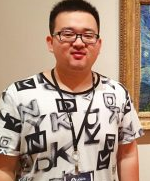 Yao Zhou (周耀)合作论文数Instacart;University of Illinois at Urbana-Champaign6
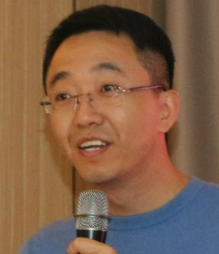 Shenglan Liu (刘胜蓝)合作论文数School of Innovation and Entrepreneurship, Dalian University of Technology4
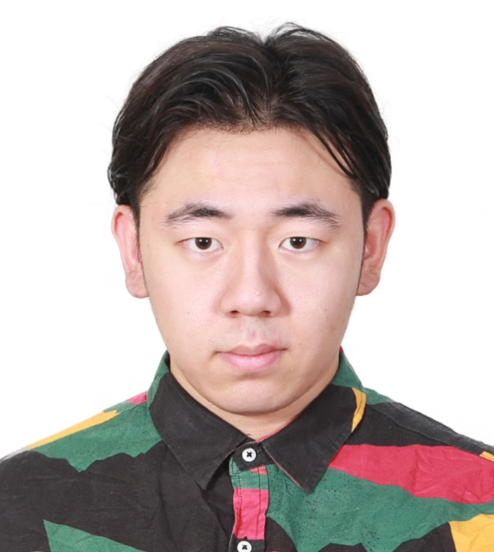 Wenxuan Bao (鲍文轩)合作论文数Siebel School of Computing and Data Science, The Grainger College of Engineering, University of Illinois Urbana-Champaign;Department of Computer Science, University of Illinois Urbana-Champaign3
 Lin Feng (冯林)合作论文数School of Innovation and Entrepreneurship, Dalian University of Technology3
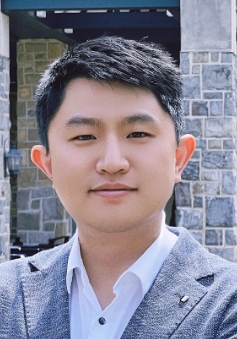 Dawei Zhou (周大为)合作论文数Department of Computer Science, College of Engineering, Virginia Tech;VLOG Lab, Virginia Tech3
 Hanghang Tong (童行行)合作论文数Department of Computer Science, University of Illinois at Urbana-Champaign;Siebel School of Computing and Data Science, The Grainger College of Engineering, University of Illinois at Urbana-Champaign3
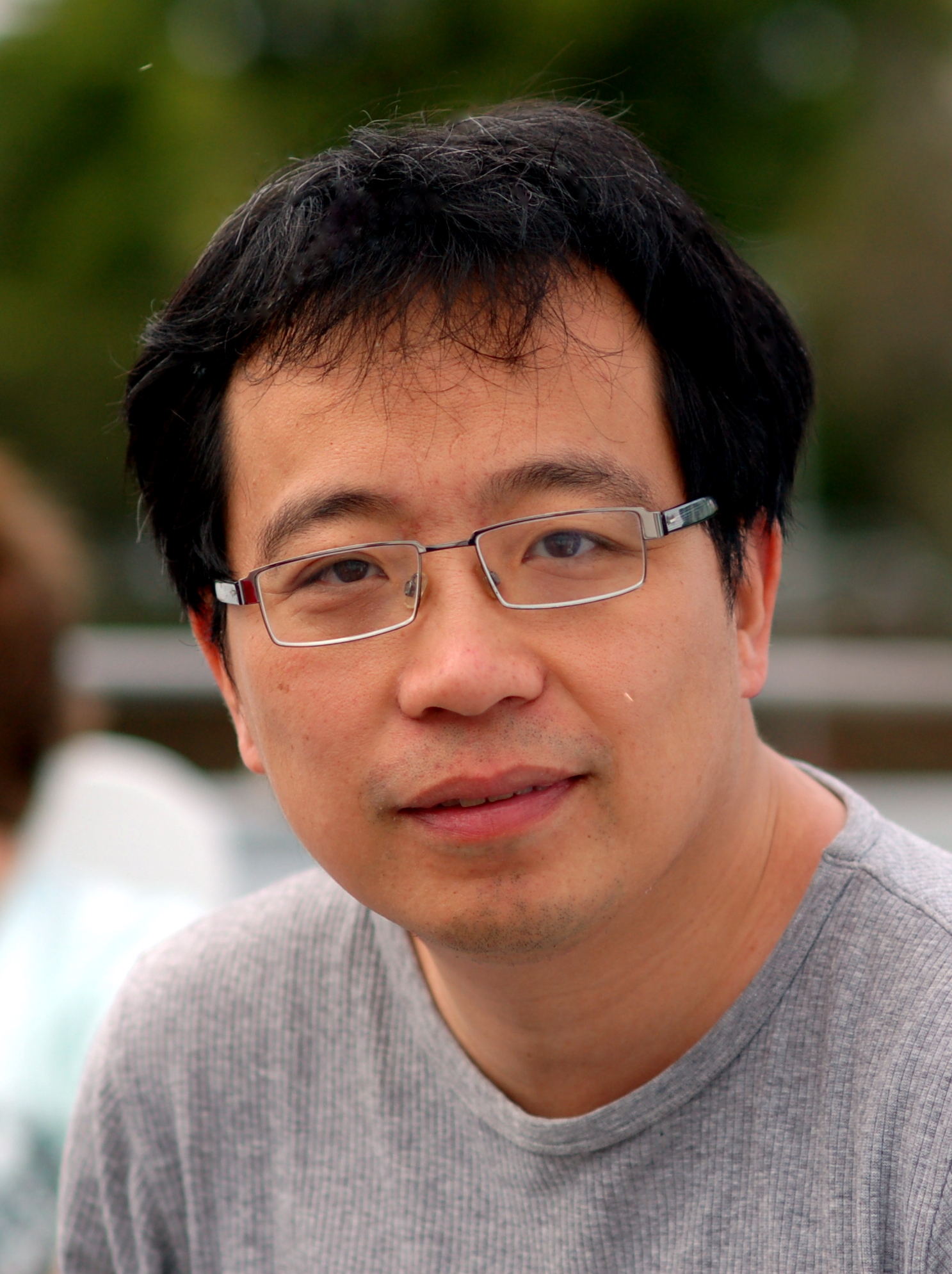 Haixun Wang合作论文数Instacart;University of Washington3
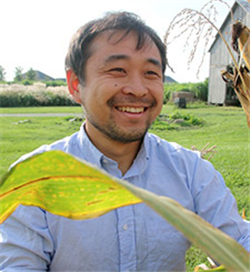 Kaiyu Guan合作论文数Department of Natural Resources & Environmental Sciences, College of Agricultural, Consumer and Environmental Sciences, University of Illinois at Urbana-Champaign;Aspiring Universe Corporation;NASA Acres Consortium3
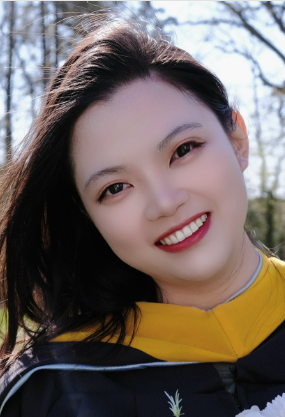 Xinyue Zeng合作论文数Department of Computer Science, Virginia Tech;College of Engineering, Virginia Tech2
 Zeinab Taghavi Nasrabadi合作论文数Walmart Labs2
 Muxin Sun合作论文数Dalian University of Technology2
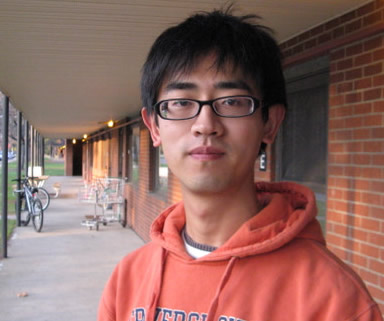 Jianpeng Xu合作论文数WalmartLabs2
 Fatemeh Vafaee合作论文数School of Biotechnology & Biomolecular Sciences, Faculty of Science, University of New South Wales;Data Science Hub, Faculty of Science, University of New South Wales2Kannan Achan合作论文数Walmart Global Tech2
 Jiejun Xu合作论文数HRL Laboratories2Evren Korpeoglu合作论文数Walmart Global Tech2Tyler Cody合作论文数1Junhong Lin合作论文数1Lisa Ainsworth合作论文数1Kah Kuen Fu合作论文数1Laihang Yu合作论文数1
 Haohui Wang合作论文数Department of Computer Science, Virginia Tech;Sanghani Center for Artificial Intelligence and Data Analytics, Virginia Tech1Dan Schaefer合作论文数1
 Yuchen Yan合作论文数Amazon1Connie Ni合作论文数1
 Chenhui Zhang合作论文数Institute for Sustainability, Energy, and Environment, University of Illinois Urbana-Champaign1
 Song Wang (王淞)合作论文数1
 Ziqi Qin合作论文数College of Agricultural, Consumer and Environmental Sciences, University of Illinois Urbana-Champaign1Kaiyuan Li合作论文数1
 Qu Zhou合作论文数Wuhan Univ, State Key Lab Informat Engn Surveying Mapping & R, Wuhan 430079, Peoples R China1
 Yujun Yan (严予均)合作论文数Department of Computer Science, Dartmouth College1
 Noranart Vesdapunt合作论文数Amazon1
 Roach, S.M.合作论文数Dept. of Neurosci., Univ. of Southern California;c;Dept. of Neurosci., Univ. of Southern California1
 Feng Guo合作论文数Department of Statistics, College of Science, Virginia Polytechnic Institute and State University;Virginia Tech Transportation Institute, Virginia Polytechnic Institute and State University1
 Andrew Leakey合作论文数School of Integrative Biology, College of Liberal Arts & Sciences, University of Illinois at Urbana-Champaign;Department of Plant Biology, University of Illinois at Urbana-Champaign;Department of Crop Sciences, University of Illinois at Urbana-Champaign1
 Feilong Wang (王飞龙)合作论文数School of Innovation and Entrepreneurship, Dalian University of Technology1
 Sheng Wang (王胜)合作论文数College of Resources and Environment, Southwest University1
 Chen-Nee Chuah合作论文数Department of Electrical and Computer Engineering, College of Engineering, University of California, Davis1
 Zhengfeng (Jeff) Lai合作论文数Apple1
 Lihui Liu合作论文数Department of Computer Science, James and Patricia Anderson College of Engineering, Wayne State University;Institute for AI and Data Science, Division of Research & Innovation, Wayne State University1
 Si Zhang合作论文数Meta Platforms, Inc.1
 Boxin Du合作论文数Department of Computer Science, University of Illinois at Urbana-Champaign1
 Dongqi Fu合作论文数Department of Computer Science, University of Illinois Urbana-Champaign;Ischool Statistical Machine Learning and Artificial Intelligence Lab, University of Illinois Urbana-Champaign1
 Xuelu Li合作论文数Amazon1




