Per-and polyfluoroalkyl substances (PFAS) have become a severe threat to aqueous environmental safety due to their ultra-high persistence, bioaccumulation, and strong mobility. Herein, a cross-scale strategy combining density functional theory (DFT) and interpretable machine learning (ML) was employed to reveal the adsorption mechanism of PFAS on biochar (BC) and identify the key governing factors. DFT calculations demonstrate a pronounced chain-length dependence for PFAS adsorption. Longer chains enable more extensive molecular spreading on BC surfaces. This physical spreading drives a continuous buildup of van der Waals forces. Consequently, the interfacial binding strength increases significantly. Subsequently, DFT-derived quantum descriptors were integrated with a dataset of 1961 experimental adsorption samples for modeling. The CatBoost model achieves optimal predictive performance after Bayesian optimization with a coefficient of determination of 0.9196 and an RMSE of 9.4227. The five-fold cross-validation yields a mean coefficient of determination of 0.8292 (+/- 0.0255),which confirms reliable model generalization ability. SHapley Additive exPlanations (SHAP) analysis quantitatively identified initial concentration, adsorption time, average pore size of BC, and the HOMOLUMO gap of PFAS as the dominant factors. Operational parameters contributed up to 46.89%, significantly higher than BC physicochemical properties (36.31%) and molecular descriptors (16.8%). This study provides a comprehensive microscopic mechanism underlying chain-length-dependent PFAS adsorption, offering fundamental theoretical guidance for the rational design and targeted optimization of BC to enhance the removal of diverse PFAS in aqueous environments.
The efficient removal of antibiotic contaminants from aquatic systems remains a significant challenge due to their persistence and complex environmental matrices. In this study, a CuO-loaded biochar (CuO–BC) composite was developed as an efficient catalyst for peroxydisulfate (PDS) activation toward ciprofloxacin (CIP) degradation. The CuO–BC exhibited superior catalytic performance, achieving rapid CIP removal over a wide pH range with strong resistance to coexisting ions. Mechanistic investigations revealed that both radical (SO₄•⁻ and •OH) and non-radical pathways (1O2 and electron transfer) contributed to CIP degradation. Quenching experiments, electron paramagnetic resonance (EPR), and probe analyses confirmed the coexistence of multiple reactive oxygen species (ROS), with interfacial electron transfer between Cu species and biochar playing a dominant role. The synergistic coupling of Cu2+/Cu+ redox cycling and the conductive biochar matrix facilitated efficient electron transport and selective ROS generation. Furthermore, the system was successfully applied in a simulated permeable reactive barrier (PRB), exhibiting stable degradation performance under continuous-flow conditions. This study provides new insights into interfacial PDS activation mechanisms and offers a promising strategy for designing efficient catalytic systems for antibiotic removal in complex water environments.
The widespread contamination of aquatic systems by ciprofloxacin (CIP)—a persistent fluoroquinolone antibiotic—poses severe ecological risks due to its antibacterial resistance induction. Conventional sulfate radical-based advanced oxidation processes (SR-AOPs) suffer from inefficient catalyst synthesis, exemplified by low-yield ZIF-67 precursors (typically <25%). To address this, a nitrogen-doped carbon composite Co3O4/N@C was synthesized via ammonia-assisted ligand exchange followed by pyrolysis, using N-doped ZIF-67 as a self-sacrificial template. The ammonia incorporation quadrupled precursor yield compared to ammonia-free methods. This catalyst activated peroxydisulfate (PDS) to degrade 95% CIP within 90 min under the optimized conditions (0.5 g/L catalyst, 2 mmol/L PDS, pH 5), representing a 30% enhancement over non-ammonia analogs. Mechanistic studies identified singlet oxygen (1O2) as the dominant reactive species, facilitated by N-doped carbon-mediated electron transfer. This strategy overcomes the scalability barrier of MOF-derived catalysts for practical antibiotic wastewater remediation.
Phthalates (PAEs), a class of typical endocrine-disrupting chemicals, have been widely detected in the environment due to their prevalent use as plasticizers in plastic products. This study investigates the multimedia contamination characteristics and potential ecological risks of PAEs in water, soil, and sediments of the Shaying River (SYR) Basin. A Geodetector model (GDM) was employed to identify the key drivers influencing the spatial distribution of PAEs, while factor analysis and the Positive Matrix Factorization (PMF) model were utilized to quantitatively apportion the potential sources of PAEs. Results revealed that the concentrations and spatial variation of PAEs were significantly higher in soil and sediments than in water, with distinct compositional profiles. Water samples exhibited a higher proportion of low-molecular-weight PAEs compared to soil and sediment, where high-molecular-weight PAEs prevailed to a lesser extent. Notably, among the 6 target PAEs, di-n-butyl phthalate (DBP) and di-(2-ethylhexyl) phthalate (DEHP) were uniformly the primary PAEs in water, soil, and sediment of the SYR Basin, posing higher ecological risks to algae, crustaceans, amphibians, and fish compared to the other 4 PAEs. The spatial distribution of PAEs in the SYR Basin was comprehensively influenced by land use, precipitation, human activities, and soil types. Key factors vary across media, but the interaction between popdensity and other variables significantly enhanced the interpretation degree, jointly shaping the PAEs distribution patterns. Primary sources of PAEs in the basin were sewage and wastewater discharges (37.0%), nonpoint industrial sources (36.4%), and domestic sources (25.6%).
With the rapid development of urbanization, the discharge of various types of wastewater containing a large number of refractory organic pollutants has surged, posing a serious threat to the ecological environment. As an organic-degrading bacterium, Saccharibacteria_genera_incertae_sedis(S. gen_inc_sed) has been widely used in the biological treatment of high concentration organic wastewater due to its functional advantages in effectively metabolizing toxic organic compounds such as pyridine, toluene and chlorophenol. This review summarized the morphological characteristic and functional properties of S. gen_inc_sed, discussed the influence of nutritional components and environmental factors(aeration rate, temperature, pH) on the enrichment of S. gen_inc_sed, and evaluated its treatment efficiency for various high concentration organic wastewater(chemical industrial wastewater, pharmaceutical wastewater, food processing wastewater, livestock and poultry breeding wastewater, and landfill leachate, etc.) in recent years, analyzed the degradation effects of S. gen_inc_sed on various types of pollutants in wastewater. In addition, future research directions for S. gen_inc_sed in treating high concentration organic wastewater were proposed from the perspectives such as functional prediction, bioaugmentation cultivation, and engineering application, providing references for its industrial utilization.
SBR and MBBR systems were employed to realize effective treatment of oil shale retorting wastewater(RW) with low chemical oxygen demand to total nitrogen ratios, high ammonia and high toxicity. This study evaluates two operational modes for RW treatment: direct dilution of RW and a mixed influent mode combining RW with simulated domestic wastewater. The results showed that MBBRs were more effective than SBRs in terms of treatment efficacy and functional microbial action, with the mixed influent mode demonstrating greater stability and enhanced removal efficiency compared to direct dilution. At 60 % RW composition, the MBBR system achieved COD, NH4+-N, and TN removal efficiencies of 83.42 %, 54.14 %, and 29.59 %, respectively. Biomass accumulation, observed through extracellular polymeric substances and scanning electron microscopy, was significantly higher in the mixed influent mode. High-throughput sequencing revealed notable shifts in microbial community composition under RW stress, with Proteobacteria (30.98 %-37.77 %) and Bacteroidetes (3.28 %19.83 %) as the dominant phyla. The enrichment of functionally bacteria such as Nitrospira (nitrification), Reyranella, unclassified_Alphaproteobacteria, unclassified_Xanthomonadales (degraders of aromatic and polycyclic hydrocarbons), as well as heavy metal-resistant Brevundimonas and Tsukamurella, was key to the system being able to operate stably for a long period of time. This study presents an efficient and stable approach for treating highly contaminated RW, offering practical insights into the operation and evaluation of real treatment plants.
Microbial communities play a pivotal role in material cycling, energy flow, and pollutant degradation within river ecosystems. Thus, gaining a clear understanding of how wastewater discharge affects microbial community structure and function is essential for the protection and management of the surface water environment. In this study, a total of 9 samples were collected from the Sha River in March 2024. Subsequently, 16S rRNA sequencing technology combined with investigation of physicochemical properties of water was used to investigate the compositional diversity, spatial distribution, and explore the environmental effects of wastewater discharged on microorganisms. The sequencing results of species at the phylum level revealed that the dominant microbial phyla in the Sha River were primarily Proteobacteria (55.4%), Actinobacteriota (24.0%), Bacteroidota (14.3%), and Verrucomicrobiota (2.6%). The most dominant phylum, Proteobacteria, exhibited varying abundances across different sampling sites in the Sha River basin, with the highest abundances observed at Sites S2, S4, S5, and S6. This is mainly due to the fact that the upstream areas of Sites S2, S4, S5, and S6 are characterized by high concentrations of COD and NH3-N, which are caused by wastewater discharge. Quantitative analysis was also conducted using the Source Tracker model; the results showed that S2 (36.7%) and S4 (31.3%) in the upper reaches of the Sha River are the primary contributors to the microbial community in the downstream catchment area (S6). The study found that the impact of wastewater discharge on the microbial community in the downstream water body exhibits a “longitudinal persistence of microbial signatures” even though the physicochemical pollution indicators of the water body have decreased. These findings of this study represent the application in microbial source tracking in the upstream and downstream sections of rivers, providing strong support for formulating more effective environmental protection strategies in the Sha River basin.
Research SummaryWe integrate social comparison theory into stakeholder research to develop a multi-stakeholder, multidimensional framework to investigate how firms' relative treatment of employees affects employee whistleblowing. We theorize that a higher compensation disparity between the CEO and employees and treatment disparity between external stakeholders and employees will decrease employees' loyalty, leading to more external whistleblowing. The effects will be amplified with increased external labor market mobility. We use a multi-method approach to test these predictions. In Study 1, we rely on archival data to test the influence of treatment disparities on whistleblowing. In Study 2, with two experiments, we demonstrate causality and examine employee loyalty as the explanatory mediating mechanism. Our study contributes to stakeholder theory by highlighting the critical implications of stakeholder treatment disparities.Managerial SummaryThis study examines the relationship between firms' treatment toward employees and employee whistleblowing to an outside entity. External whistleblowing may generate unintended short-term negative consequences for firms. Firms need to be aware of the potential reputational damage of external whistleblowing and make strategic decisions that could prevent such behavior. Based on data from US publicly listed firms from 1992 to 2013 as well as two experiments, we find that employees will make comparisons among different references groups (i.e., CEOs and other stakeholders). Unfavorable comparison will decrease employee loyalty toward the firms, leading to more whistleblowing. This effect is even stronger if employees have more opportunities in the external labor market. The results suggest that firms need to be careful about creating huge disparities in stakeholder treatment.
ABSTRACT Global warming has led to a high incidence of extreme heat events, and the frequent occurrence of extreme heat events has had extensive and far-reaching impacts on wetland ecosystems. The widespread distribution of plastics in the environment, including polyethylene (PE), polylactic acid (PLA), and tire particles (TPs), has caused various environmental problems. Here, high-throughput sequencing techniques and metabolomics were used for the first time to investigate the effects of three popular microplastic types: PE, PLA, and TP, on the sediment microbiome and the metabolome at both temperatures. The microplastics were incorporated into the sediment at a concentration of 3% by weight of the dry sediment (wt/wt), to reflect environmentally relevant conditions. Sediment enzymatic activity and physicochemical properties were co-regulated by both temperatures and microplastics producing significant differences compared to controls. PE and PLA particles inhibited bacterial diversity at low temperatures and promoted bacterial diversity at high temperatures, and TP particles promoted both at both temperatures. For bacterial richness, only PLA showed inhibition at low temperature; all other treatments showed promotion. PE, PLA, and TP microplastics changed the community structure of sediment bacteria, forming two clusters at low and high temperatures. Furthermore, PE, PLA, and TP changed the sediment metabolic profiles, producing differential metabolites such as lipids and molecules, organic heterocyclic compounds, and organic acids and their derivatives, especially TP had the most significant effect. These findings contribute to a more comprehensive understanding of the potential impact of microplastic contamination. IMPORTANCE In this study, we added 3% (wt/wt) microplastic particles, including polyethylene, polylactic acid, and tire particles, to natural sediments under simulated laboratory conditions. Subsequently, we simulated the sediment microbial and ecosystem responses under different temperature conditions by incubating them for 60 days at 15°C and 35°C, respectively. After synthesizing these results, our study strongly suggests that the presence of microplastics in sediment ecosystems and exposure under different temperature conditions may have profound effects on soil microbial communities, enzyme activities, and metabolite profiles. This is important for understanding the potential hazards of microplastic contamination on terrestrial ecosystems and for developing relevant environmental management strategies.
Integrating insights from team hierarchy literature and shared leadership research, we propose and test a model that illuminates the positive and negative team processes through which shared leadership relates to team creativity. We use a social network lens to examine both shared leadership level (indexed by team density of informal leadership ties) and shared leadership concentration (indexed by team centralization of such ties). With a sample of 136 work teams and three waves of surveys, we found that shared leadership concentration weakens the positive effect of shared leadership level on team creativity. We explicated the positive and negative mediating roles played by team information elaboration and team status conflict, respectively. Our findings show that shared leadership concentration serves as an enabler or inhibitor on which mediating mechanism is at play, such that when shared leadership concentration is higher, there is a negative indirect effect of shared leadership level on team creativity via team status conflict. By contrast, when shared leadership concentration is lower, shared leadership level has a positive indirect effect on team creativity via team information elaboration. Our work provides nuanced insights into how to maximize the potential benefits of shared leadership in enhancing team creativity.
Few studies have focused on how power influences an idea receiver's endorsement of creative ideas. By integrating associative evaluation theory with insights from the power literature, we identify power as an important receivers’ factor that accentuates the relation between an idea's creativity level and receivers’ endorsement. We contend that the idea generator's status is a boundary condition and, together with creativity level, the idea generator's status jointly influences the degree to which idea receivers’ power affects idea endorsement. We conducted four studies to test our hypotheses. Study 1 was a laboratory experiment. It found a two-way interaction of receiver power and creativity level, showing that compared to low-power receivers, high-power receivers expressed stronger endorsement of ideas with high levels of creativity. Study 2 was a field study in a manufacturing company. It replicated Study 1's findings and further found a three-way interaction showing that the moderating effect of receiver power was strengthened when the generator had higher rather than lower status. Studies 3 and 4 respectively replicated the two-way and three-way interactions using experiments and demonstrated positive associations as the theorized mediator, providing empirical support for the positive association account. We discuss implications of these studies and call for future research to deepen our understanding of how creative ideas are endorsed in the workplace.
Integrating expectancy violation theory and social exchange theory, we investigate the role of leader traditionality in augmenting the positive effect of servant leadership in promoting follower reciprocation in three studies. In Study 1, we substantiate in an experiment that individuals indeed expect leaders possessing traditional values to be less likely to engage in servant leadership behaviors compared with leaders who are low in traditionality. Further, we test our full model in an experiment (Study 2) and find support for our hypothesis that the relationship between servant leadership, follower trust in the leader, and subsequent follower organizational citizenship behavior is stronger for leaders higher (vs. lower) in traditional values. Replicating the findings from Study 2, we conduct a field investigation (Study 3) with multiwave and multisource data from a Fortune 500 company and obtain full support for our model. The consistent findings across our studies provide strong support for the role of leader traditionality in altering the social exchange relationship between servant leaders and their followers.
研究了聚偏氟乙烯(PVDF)膜膜蒸馏处理脱硫废水过程中污染物对膜通量的影响,并确定处理过程中不同时期造成通量变化的先驱污染物和主导污染物。流速对污染物的分布起主导作用。采用三维单相计算流体力学(CFD)方法来评估膜模块系统中的流动状态,并通过SEM、X射线能谱仪(SEM-EDS)、FTIR分析不同污染时期污染物在膜表面水平方向和垂直方向上的分布、组成和结构。研究发现,膜通量的变化主要分为2个阶段:缓慢下降阶段和快速下降阶段,两阶段截然不同的通量变化归因于主导污染物的差异。有机污染物是前期导致通量缓慢下降时的先驱性污染物,矿物结垢是后期通量急速下降的主导因素。有机污染物主要包括腐殖酸和富里酸,在膜蒸馏过程中通过与膜表面的疏水-疏水相互作用首先沉积在膜表面造成通量的缓慢下降;矿物污染物主要是硫酸钙,随着进料液的浓缩,在液体中成核结晶,在膜表面快速生长导致通量的快速降低。
With the rapid development of industry, large amount of refractory organic pollutants in domestic and industrial wastewater are discharged into water bodies, posing a serious threat to human health and the environment. Advanced oxidation processes (AOPs) based on persulfates have shown outstanding performance in treating refractory organic wastewater, and the use of single-atom catalysts (SACs) can maximize the utilization of metal atoms and reduce the leaching of metal ions, which has a promising application prospect in the activation of persulfates for the degradation of organic pollutants. The preparation methods of single-atom catalysts were summarized, and the advantages and disadvantages of various methods were discussed. The application of single-atom catalysts with metals such as Fe, Co, Mn and Cu in the activation of persulfates for the degradation of organic pollutants was discussed. The mechanisms of single-atom catalysts in activating persulfates and the degradation mechanisms of the persulfate system catalyzed by single-atom catalysts towards organic pollutants were summarized. Finally, the future development of single-atom catalysts in activating persulfates for the degradation of organic pollutants was discussed.
 XianLi Wang (王现丽)合作论文数41XinFeng Zhu (朱新锋)合作论文数27Biao Liu (刘彪)合作论文数24Yifei Guo合作论文数19
 Haiyan Kang合作论文数14
 Penghui Shi (时鹏辉)合作论文数12
 Dongzhi Zhang (张冬至)合作论文数College of Control Science and Engineering, China University of Petroleum;College of New Energy, China University of Petroleum12Yuhua Cao合作论文数11YongMei Fu (扶咏梅)合作论文数9Pan Liu (刘盼)合作论文数9Wang Zhaodong合作论文数8
 Hongbin Gao合作论文数8HongWei Hu (胡红伟)合作论文数7
 Yanli Mao (毛艳丽)合作论文数School of Physics and Electronics, Henan University7
 Jiwen Lynda Song合作论文数School of Business, Renmin University of China7
 Yanhui Wu (吴艳辉)合作论文数School of Power and Energy, Northwestern Polytechnical University7
 Robert C. Liden合作论文数Department of Managerial Studies, College of Business, University of Illinois at Chicago7Songya Li合作论文数6Ziyan Yang合作论文数6Zuwen Liu合作论文数6
 Guobiao Cai (蔡国飙)合作论文数School of Astronautics, Beihang University6Zhongxian Song合作论文数5Chenwei Liao合作论文数5YaLi He (何亚丽)合作论文数5
 Jingdong Zhang (张敬东)合作论文数School of Chemistry and Chemical Engineering , Huazhong University of Science & Technology5
 Changzhu Yang (杨昌柱)合作论文数School of Environmental Science and Engineering, Huazhong University of Science and Technology5
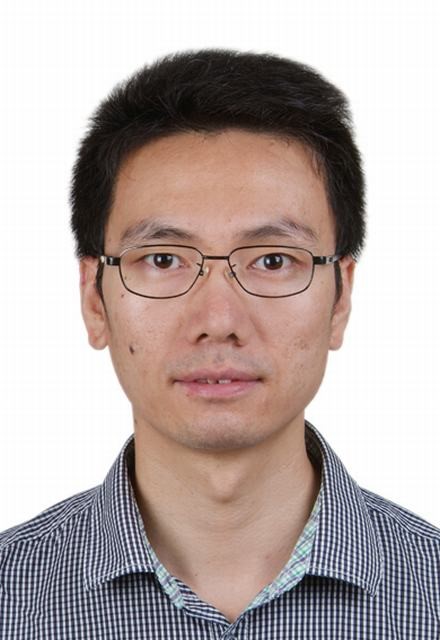 Hui Tian (田辉)合作论文数School of Astronautics, Beihang University5
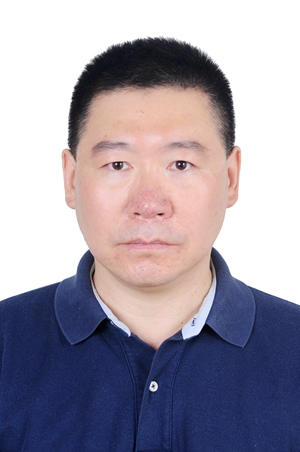 Youyuan Wang (王有元)合作论文数School of Electrical Engineering, Chongqing University5
 Jing Zhou合作论文数Jesse H. Jones Graduate School of Business, Rice University5
 Bin Duan (段斌)合作论文数College of Information Engineering, Xiangtan University5
 Feng Guo (郭峰)合作论文数School of Life Sciences, Xiamen University5
 Peng Li (李彭)合作论文数5
 Sandy J. Wayne合作论文数University of Illinois Chicago5Haicheng Liu合作论文数4Hongwei Hu合作论文数4Haojie Su合作论文数4YIN Shi-qiang合作论文数4LI Jun-hai合作论文数4Xiaoxian Hu合作论文数4Wenxin Xu合作论文数4Jing Bai合作论文数4Fang-Yu LANG (稂仿玉)合作论文数4Yunfeng NIU (牛云峰)合作论文数4XiaoGang Gu (顾效纲)合作论文数4HaiJing Yu (余海静)合作论文数4
 Nanjia Yu (俞南嘉)合作论文数School of Astronautics, Beihang University4
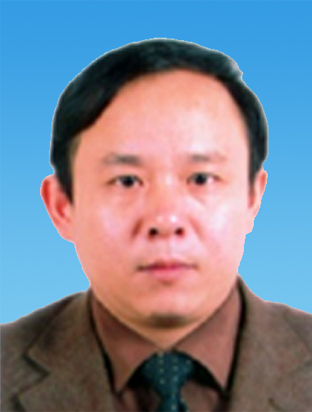 Mingzhou Liu (刘明周)合作论文数School of Mechanical and Automotive Engineering,Hefei University of Technology4
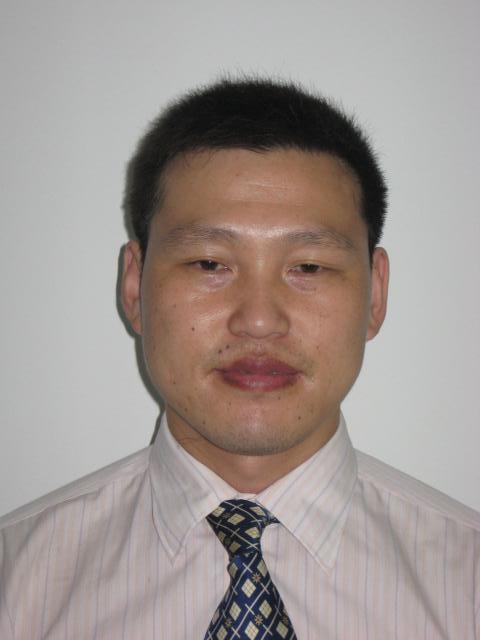 Songlin Wang (王松林)合作论文数School of Environmental Science & Engineering, Huazhong University of Science and Technology4
 Qunjie Xu (徐群杰)合作论文数College of Environmental and Chemical Engineering, Shanghai University of Electric Power3




