Suspended particulate matter (SPM) is a key component of coastal ecosystems, modulating light availability, nutrient transport, and food web dynamics. Its variability is driven by a combination of physical and biological processes that interact across temporal and spatial scales. Using the Sylt-Rømø Bight as a natural laboratory and focusing on the period 2000–2019, in this study, we integrate statistical analysis of observational data from the Sylt Roads monitoring program and local meteorological stations, neural network modelling and Lagrangian transport simulations. This multi-method approach enables us to disentangle and quantify the relative roles of tidal and wind forcing, as well as biological processes in shaping SPM concentrations across various time scales, based on near-surface measurements at two monitoring stations. The findings show that wind intensity dominates short-term SPM variability, particularly at the shallow station, where SPM responds rapidly to local wind-induced resuspension. At the deep station, the wind effects appear with a delay of ∼5 d, aligning with tidally induced transport timescales (∼133 h) from shallower resuspension zones, as revealed by Lagrangian simulations. Seasonal patterns are further modulated by both reduced wind intensities and the onset of biological processes, such as phytoplankton blooms, which promote flocculation and subsequent settling in spring and summer. Neural network experiments highlight the shifting seasonal balance between physical and biological controls. The median concentration of SPM decreased by up to 80 % from winter to summer. Approximately 40 % of this seasonal difference can be attributed to weaker wind conditions, while the remaining ∼40 % is likely driven by biologically mediated sinking processes.
Suspended particulate matter (SPM) is a key component of coastal ecosystems, influencing light availability, primary production, and nutrient transport. This study investigates the driving mechanisms behind the seasonal and interannual variability of SPM concentrations measured at two long-term monitoring stations in the Sylt-Rømø Bight, a sandy tidally dominated basin in the Wadden Sea. Combining Sylt Roads long-term observations from 2000–2019 and numerical simulations with the coastal hydrodynamic model FESOM-C with its Lagrangian particle tracking module, we analyse the interplay of wind and tidal forcing, and biological processes in shaping SPM dynamics.Preliminary analysis of the observational dataset reveals a pronounced seasonal cycle, with a peak in winter ~30 mg/l and a sharp decline in summer ~6.5 mg/l across both stations. These variations are associated with stronger wind events in winter and higher biological activity (reflected by chlorophyll-a concentrations) during spring and summer, indicative of phytoplankton-driven flocculation processes. The data further highlight distinct patterns: the shallower station exhibits an almost immediate response to wind events within 24 h, while at the deeper station, SPM reaches peak concentrations with a delay of ~120 h, consistent with the influence of tidally induced transport in addition to sustained wind-driven mixing. Complementary results from Lagrangian modelling effectively capture these delayed responses at deeper stations and further illustrate the tide-driven transport pathways of resuspended material within the basin.The findings of this ongoing work provide new insights into coastal physical-biological coupling and the the relative roles of the considered processes in driving SPM variability in tidally dominated systems.
Habitat quality such as food availability and physical structures impacts the abundance of bird species. During 1987–2019, we studied long-term changes in the quality of the habitat of 13 waterbird species in the Wadden Sea, an important stop-over site on the East Atlantic Flyway between arctic breeding areas and wintering grounds in Western Europe and Africa. Monitoring of waterbirds revealed that several species increased or remained stable in the northern and southern sections of the Wadden Sea, while their abundance mainly decreased in more central areas. The Wadden Sea is influenced by freshwater discharge from rivers draining a large part of central Europe, by geomorphological dynamics driven by the tidal cycle and by sea level rise and climate. We hypothesized that the abundance of waterbirds that are dependent on intertidal flats for feeding is influenced by (a) regime shifts in the southern North Sea, (b) climate affecting riverine discharge (the amount of nutrients) from rivers in the Wadden Sea area, (c) climate affecting breeding conditions at arctic and boreal breeding grounds, (d) changes in geomorphology, (e) sea level rise and (f) biomass of macrozoobenthos. The results reveal that the abundance of staging waterbirds in the Wadden Sea is affected by (i) regime shifts and the North Atlantic Oscillation index (NAO), (ii) annual discharge of nutrients (total N and total P have both positive and negative effects) and (iii) biomass of macrozoobenthos. Accretion or erosion of intertidal flats and sea level rise caused local displacements of waterbirds. In a broader context, we found that waterbirds in the Wadden Sea are influenced by a complex array of variables including de-eutrophication due to improved wastewater treatment and a reduced use of fertilizer in central Europe, regime shifts in the southern North Sea including the Wadden Sea (partly driven by the Gulf Stream) and changes in climate conditions, which may affect the breeding conditions of waterbirds in Northern Europe as well as precipitation in Central Europe.
Total alkalinity (TA) is an important chemical property that plays a decisive role in the oceanic buffering capacity with respect to CO2. TA is mainly generated by weathering on land as well as by various anaerobic metabolic processes in the water and sediments. The Wadden Sea, located in the southern North Sea, is hypothesized to be a source of TA for the North Sea, but quantifications are scarce. This study shows observations of TA, dissolved inorganic carbon (DIC), and nutrients in the Dutch Wadden Sea in May 2019. Surface samples were taken along several transects in order to investigate spatial distribution patterns and compare them with data from the late 1980s. A tidal cycle was sampled to further shed light on TA generation and potential TA sources. We identified the Dutch Wadden Sea as a source of TA and estimated an export of 6.6 Mmol TA per tide to the North Sea. TA was generated in the sediments, with deep pore water flow during low tide enriching the surface water. A combination of anaerobic processes and CaCO3 dissolution were potential TA sources in the sediments. We deduce that seasonality and the associated nitrate availability specifically influence TA generation by denitrification, which is low in spring and summer.
1. Seagrass recovery has been reported across the globe where previously eutrophied waters have become less nutrient-rich. In the European Wadden Sea, different recovery trajectories were found after riverine nutrient loads decreased, namely full, temporary and no recovery. We compiled intertidal seagrass presence (Zostera noltei and Z. marina) and eutrophication data for 1930-2020, to relate the seagrass trajectories and regional eutrophication differences to riverine nutrient loads, and inferred prospects for seagrass recovery. 2. Seagrass fully recovered in the less eutrophic North Frisian region. The recovery trajectory was tightly coupled to riverine nutrient load reduction. Relative seagrass area (meadow area/region area) dropped from 10% prior to eutrophication to 2% during the eutrophication peak, increased to 7% during the nutrient reduction period and subsequently expanded to 13%. Colonization of marginal habitats was observed, indicating propagule spillover from neighbouring meadows. 3. The more eutrophic southern regions showed no or only temporary seagrass recovery. Prospects for (limited) recovery are good in only two out of four southern regions, provided that riverine nutrient loads are further reduced by similar to 40% (reference: 2010-2017). Without this reduction, seagrasses may only temporarily recover and will remain vulnerable to erratic disturbances like macroalgae accumulation or storms. 4. Historical evidence and application of habitat suitability models suggest that the potential relative seagrass area in the southern regions is low: less than 0.2% in the western Dutch region and maximum 2.4% in the Ems-Jade region. 5. Synthesis and applications. Within a large seascape (15,000 km(2)) the least eutrophicated region showed seagrass recovery upon nutrient reduction. We translated the critical riverine nutrient loads for this recovery, via regional eutrophication indicators, to loads that may enable a sustained recovery in the other regions. This technique is applicable in other complex systems, provided sufficient historical data are available. Propagule spillover exerts a positive feedback at metapopulation scale leading to acceleration of recovery. Occupied and potential seagrass habitat (e.g. assessed by the maximum recorded area in the past) are thus important landscape selection criteria for restoration, particularly when eutrophication is not yet sufficiently reduced.
Estuaries are important components of the global carbon cycle; exchanging carbon between aquatic, atmospheric, and terrestrial environments, representing important loci for blue carbon storage and greenhouse gas emissions. However, how estuarine gradients affect sinking/suspended particles, and dissolved organic matter dynamic interactions remains unexplored. We fractionated suspended/sinking particles to assess and characterise carbon fate differences. We investigated bacterial colonisation (SYBR Green I) and exopolymer concentrations (TEP/CSP) with microscopy staining techniques. C/H/N and dry weight analysis identified particle composition differences. Meanwhile, nutrient and carbon analysis, and excitation and emission matrix evaluations with a subsequent parallel factor (PARAFAC) analysis characterised dissolved organic matter.The lack of clear salinity driven patterns in our study are presumably due to strong mixing forces and high particle heterogeneity along the estuary, with only density differences between suspended and sinking particles. Elbe estuary particles' organic portion is made up of marine-like (sinking) and terrestrial-like (suspended) signatures. Salinity did not have a significant role in microbial degradation and carbon composition, although brackish estuary portions were more biologically active. Indicative of increased degradation rates, leading to decreased greenhouse gas emissions, which are especially relevant for estuaries, with their disproportionate greenhouse gas emissions. Bacterial colonisation decreased seawards, indicative of decreased degradation, and shifts in microbial community composition and functions.Our findings span diverse strands of research, concerning steady carbon contributions from both marine and terrestrial sources, carbon aromaticity, humification index, and bioavailability. Their integration highlights the importance of the Elbe estuary as a model system, providing robust information for future policy decisions affecting dissolved and particulate matter dynamics within the Elbe Estuary.
Total alkalinity (TA) regulates the oceanic storage capacity of atmospheric CO2. In heterotrophic temperate estuaries, anaerobic respiration of organic matter, e.g., by denitrification, can be an important source of TA. Denitrification is the anaerobic reduction of nitrate (NO3-) to elemental nitrogen (N2). By contrast, anammox yields N2 as its terminal product via comproportionation of ammonium (NH4+) and nitrite (NO2-); however, this occurs without release of TA as a byproduct. In order to investigate these two nitrate and nitrite respiration pathways and their resulting impact on TA generation, we sampled the highly turbid estuary of the Ems River, discharging into the North Sea in June 2020. During ebb tide, a transect was sampled from the Wadden Sea to the upper tidal estuary, where we additionally sampled fluid mud for incubation experiments and five vertical profiles in the hyper-turbid tidal river. The data reveal a strong increase of TA and dissolved inorganic carbon (DIC) in the tidal river, where stable nitrate isotopes indicate water column denitrification as the dominant pathway. However, in the fluid mud of the tidal river, the measured TA and the N2 incubation experiments imply only low denitrification rates, with the majority of the N2 being produced by anammox (>90 %). The relative abundances of anammox and denitrification, respectively, thus exert a major control on the CO2 storage capacity of adjacent coastal waters.
<p>Eutrophication of surface water bodies is an important factor that impairs the chemical quality of surface waters. In consequence, legislation and management efforts have been made over the past decades to reduce the agricultural nutrient input and meet the goals set by the EU Water Framework Directive and, more recently, by the UN Sustainability Goals.&#160;&#160;</p><p>In this study, we evaluate trends in nitrate concentration and isotope composition at the entrance of the Elbe Estuary, Northern Germany.&#160; We find a distinct seasonality of nitrate isotope composition and nitrate concentration, with high isotope values in summer, pointing towards assimilation and denitrification in the Elbe River and catchment.</p><p>Our data indicate that low discharge conditions intensify biological nitrate retention and nitrogen uptake during the growing season, leading to more intense nitrate isotope enrichments and low the water column concentrations. This suggests that recent reduction in Elbe River nutrient loads do not result from successful nutrient management but from a long-lasting drought in the catchment. In consideration of climate change predictions, we anticipate more frequent and extensive periods of low discharges, possibly even leading to a future nitrogen limitation in the lower Elbe River. &#160;</p><p>&#160;</p><p>&#160;</p><p>This study was funded by the Deutsche Forschungsgemeinschaft (DFG, German Research Foundation) under Germany&#8216;s Excellence Strategy &#8211; EXC 2037 &#8220;CLICCS - Climate, Climatic Change, and Society&#8221; &#8211; Project Number: 390683824, contribution to the Center for Earth System Research and Sustainability (CEN) of Universit&#228;t Hamburg.</p>
Estuaries are an important contributor to the global carbon budget, facilitating carbon removal, transfer, and transformation between land and the coastal ocean. Estuaries are susceptible to global climate change and anthropogenic perturbations. We find that a long-term significant mid-estuary increase in dissolved inorganic carbon (DIC) of 6–21 µmol kg−1 yr−1 (1997–2020) in a temperate estuary in Germany (Elbe Estuary) was driven by an increase in upper-estuary particulate organic carbon (POC) content of 8–14 µmol kg−1 yr−1. The temporal POC increase was due to an overall improvement in water quality observed in the form of high rates of primary production and a significant drop in biological oxygen demand. The magnitude of mid-estuary DIC gain was equivalent to the increased POC production in the upper estuary, suggesting that POC is effectively remineralized and retained as DIC in the mid-estuary, with the estuary acting as an efficient natural filter for POC. In the context of this significant long-term DIC increase, a recent extended drought period (2014–2020) significantly lowered the annual mean river discharge (468 ± 234 m3 s−1) compared to the long-term mean (690 ± 441 m3 s−1, 1960–2020), while the late spring internal DIC load in the estuary doubled. The drought induced a longer dry season, starting in May (earlier than normal), increased the residence time in the estuary and allowed for a more complete remineralization period of POC. Annually, 77 %–94 % of the total DIC export was laterally transported to the coastal waters, reaching 89 ± 4.8 Gmol C yr−1, and thus, between 1997 and 2020, only an estimated maximum of 23 % (10 Gmol C yr−1) was released via carbon dioxide (CO2) evasion. Export of DIC to coastal waters decreased significantly during the drought, on average by 24 % (2014–2020: 38 ± 5.4 Gmol C yr−1), compared to the non-drought period. In contrast, there was no change in the water–air CO2 flux during the drought. We have identified that seasonal changes in DIC processing in an estuary require consideration when estimating both the long-term and future changes in water–air CO2 flux and DIC export to coastal waters. Regional and global carbon budgets should therefore take into account carbon cycling estimates in estuaries, as well as their changes over time in relation to impacts of water quality changes and extreme hydrological events.
The Sylt Roads pelagic time series covers physical and hydrochemical parameters at five neighboring stations in the Sylt–Rømø bight, Wadden Sea, North Sea. Since the beginning of the time series in 1973, sea surface temperature (SST), salinity, ammonium, nitrite, nitrate, and soluble reactive phosphorus (SRP) have been measured twice a week. The other parameters were introduced later (dissolved silicate (Si) since 1974, pH since 1979, dissolved organic nitrogen (DON) since 1996, dissolved organic phosphorus (DOP) since 2001, chlorophyll a since 1979, and suspended particulate matter (SPM) since 1975), and in the case of dissolved oxygen, were already discontinued (1979–1983). In the years 1977, 1978, and 1983, no sampling took place. Since the start of the continuous sampling in 1984, the sea surface temperature in the bight has risen by +1.11 ∘C, with the highest increases during the autumn months, while the pH and salinity decreased by 0.23 and 0.33 units, respectively. Summer and autumn salinities are generally significantly elevated compared to spring and winter conditions. Dissolved nutrients (ammonium, nitrite, nitrate, and SRP) have displayed periods of intense eutrophication (1973–1998) and de-eutrophication since 1999. Silicate has shown significantly higher winter levels since 1999. Interestingly, phytoplankton parameters did not mirror these large changes in nutrient concentrations, as a seasonal comparison of the two eutrophication periods showed no significant differences with regard to chlorophyll a. This phenomenon might be triggered by an important switch in nutrient limitation during the time series. With regard to nutrients, the phytoplankton was probably primarily limited by silicate until 1998, while, since 1999, the SRP limitation has become increasingly important. All data are available in Rick et al. (2017b–e, 2020a–o) from https://doi.org/10.1594/PANGAEA.150032, https://doi.org/10.1594/PANGAEA.873549, https://doi.org/10.1594/PANGAEA.873545, https://doi.org/10.1594/PANGAEA.873547, https://doi.org/10.1594/PANGAEA.918018, https://doi.org/10.1594/PANGAEA.918032, https://doi.org/10.1594/PANGAEA.918027, https://doi.org/10.1594/PANGAEA.918023, https://doi.org/10.1594/PANGAEA.918033, https://doi.org/10.1594/PANGAEA.918028, https://doi.org/10.1594/PANGAEA.918024, https://doi.org/10.1594/PANGAEA.918034, https://doi.org/10.1594/PANGAEA.918029, https://doi.org/10.1594/PANGAEA.918025, https://doi.org/10.1594/PANGAEA.918035, https://doi.org/10.1594/PANGAEA.918030, https://doi.org/10.1594/PANGAEA.918026, https://doi.org/10.1594/PANGAEA.918036, and https://doi.org/10.1594/PANGAEA.918031.
Estuaries regulate carbon cycling along the land-ocean continuum and thus influence carbon export to the ocean, and global carbon budgets. The Elbe Estuary in Germany has been altered by large anthropogenic perturbations, such as widespread heavy metal pollution, minimally treated wastewater before the 1980s, establishment of wastewater treatment plants after the 1990s, and an overall nutrient and pollutant load reduction in the last three decades. Based on an extensive evaluation of key ecosystem variables, and an analysis of the available inorganic and organic carbon records, this study has identified three ecosystem states in recent history: the polluted (1985-1990), transitional (1991-1996), and recovery (1997-2018) states. The polluted state was characterized by very high dissolved inorganic carbon (DIC) and ammonium concentrations, toxic heavy metal levels, dissolved oxygen undersaturation, and low pH. During the transitional state, heavy metal pollution decreased by > 50%, and primary production re-established in spring to summer, with weak seasonality in DIC. Since 1997, during the recovery state, DIC seasonality was driven by primary production, and DIC significantly increased by > 23 & mu;mol L-1 yr(-1) in the mid to lower estuary, indicating that, along with the improvement in water quality the ecosystem state is still changing. Large anthropogenic perturbations can therefore alter estuarine ecosystems (on the order of decades), as well as induce large and complex biogeochemical shifts and significant changes to carbon cycling.
Abstract. As the major global CO2 sink, the oceanic buffering capacity total alkalinity (TA) is of growing scientific interest. TA is mainly generated by weathering, and further by various anaerobic metabolic processes. The Wadden Sea, located in the southern North Sea is thought to be a source of TA for the carbonate system of the North Sea, but quantifications are scarce. Here, we observed TA, dissolved inorganic carbon (DIC), and nutrients in the Dutch Wadden Sea in May 2019. We sampled transect surface waters to detect spatial distributions and compared it with earlier data. A tidal cycle was sampled to further shed light on TA generation and potential TA sources. We identified the Wadden Sea as a source of TA with an average TA generation of 7.6 µmol kg-1 h-1 during ebb tide in the Ameland Inlet. TA was generated in the sediments and washed out with off running water. A combination of anaerobic processes and CaCO3 dissolution were potential sources of TA in the sediments. We assume that seasonality and the associated nitrate availability in particular influence TA generation by denitrification, which we assume is low in spring and summer.
Metabolic activities in estuaries, especially these of large rivers, profoundly affect the downstream coastal biogeochemistry. Here, we unravel the impacts of large industrial port facilities, showing that elevated metabolic activity in the Hamburg port (Germany) increases total alkalinity (TA) and dissolved inorganic carbon (DIC) runoff to the North Sea. The imports of particulate inorganic carbon, particulate organic carbon, and particulate organic nitrogen (PIC, POC, and PON) from the upstream Elbe River can fuel up to 90 % of the TA generated in the entire estuary via calcium carbonate (CaCO3) dissolution. The remaining at least 10 % of TA generation can be attributed to anaerobic metabolic processes such as denitrification of remineralized PON or other pathways. The Elbe Estuary as a whole adds approximately 15 % to the overall DIC and TA runoff. Both the magnitude and partitioning among these processes appear to be sensitive to climatic and anthropogenic changes. Thus, with increased TA loads, the coastal ocean (in particular) would act as a stronger CO2 sink, resulting in changes to the overall coastal system's capacity to store CO2.
The Elbe Estuary and its biogeochemistry are strongly influenced by tidal cycles of the North Sea, high nutrient and organic matter loads from the catchment area, and dredging of the navigation channel to maintain the connection between the North Sea and Germanys largest seaport in Hamburg. Due to large phytoplankton blooms upstream of the port, the input of organic matter is high and provides high metabolic activity within and downstream the Hamburg port. Here, we combined carbon, oxygen, and nitrogen data to elucidate their relationship and distribution along the Elbe Estuary. We used a box model approach to balance the budgets of dissolved inorganic carbon (DIC), oxygen (O2), and nitrogen in form of nitrate (NO3-). To complete carbon and oxygen, we included atmospheric exchange of carbon dioxide (CO2) and O2. DIC generation and O2 consumption reveal the highest metabolic activity in the Hamburg port area, decreasing downstream. In contrast, NO3- budgets are stable along the estuary, indicating a strong decoupling of carbon and nitrogen in the Elbe Estuary. This decoupling can be explained by anaerobic processes such as denitrification in the port area, but it also implies lateral nitrogen sources further downstream.
Estuaries are nutrient filters and change riverine nutrient loads before they reach coastal oceans. Their morphology have been extensively changed by anthropogenic activities like draining, deepening and dredging to meet economic and social demand, causing significant regime changes like tidal amplifications and in some cases to hyper-turbid conditions. Furthermore, increased nutrient loads, especially nitrogen, mainly by agriculture cause coastal eutrophication. Estuaries can either act as a sink or as a source of nitrate, depending on environmental and geomorphological conditions. These factors vary along an estuary, and change nitrogen turnover in the system. Here, we investigate the factors controlling nitrogen turnover in the hyper-turbid Ems estuary (Northern Germany), which has been strongly impacted by human activities. During two research cruises in August 2014 and June 2020, we measured water column properties, dissolved inorganic nitrogen, dual stable isotopes of nitrate and dissolved nitrous oxide concentration along the estuary. We found that three distinct biogeochemical zones exist along the estuary. A strong fractionation (∼26 ‰) of nitrate stable isotopes points towards nitrate removal via water column denitrification in the hyper-turbid tidal river, driven by anoxic conditions in deeper water layers. In the middle reaches of the estuary nitrification gains importance, turning this section into a net nitrate source. The outer reaches are dominated by mixing, with nitrate uptake in 2020. We find that the overarching control on biogeochemical nitrogen cycling, zonation and nitrous oxide production in the Ems estuary is exerted by suspended particulate matter concentrations and the linked oxygen deficits.
Coastal areas in north-western Europe have been influenced by elevated nutrient levels starting in the 1960s. Due to efficient measures, both nitrate and phosphate levels decreased since the mid-1980s. The co-occurring declines in nutrient loadings and fish productivity are often presumed to be causally linked. We investigated whether four resident fish species (twaite shad, bull-rout, thick-lipped grey mullet and eelpout), that spend the majority of their life in the vicinity of the coast, differed in growth between the historic eutrophication period compared to the recent lower nutrient-level period. Based on Von Bertalanffy growth models of length at age, and the analysis of annual otolith increments, we investigated the difference in sex-specific growth patterns and related these to temperature, eutrophication level (Chlorophyll a), growth window and fish density. In all four species, annual otolith growth rates during the early life stages differed between the two periods, mostly resulting in larger lengths at age in the recent period. All species showed significant correlations between increment size and temperature, explaining the observed period differences. The lack of an effect of total fish biomass provided no evidence for density dependent growth. A correlation with chlorophyll was found in bull-rout, but the relationship was negative, thus not supporting the idea of growth enhanced by high nutrient levels. In conclusion, we found no evidence for reduced growth related to de-eutrophication. Our results indicate that temperature rise due to climate change had a greater impact on growth than reduced food availability due to de-eutrophication. We discuss potential consequences of growth changes for length-based indicators used in management.
The Elbe estuary is a substantially engineered tidal water body that receives high loads of organic matter from the eutrophied Elbe river. The organic matter entering the estuary at the tidal weir is dominated by diatom populations that collapse in the deepened freshwater reach. Although the estuary’s freshwater reach is considered to manifest vertically homogenous density distribution (i.e., to be well-mixed), several indicators like trapping of particulate organic matter, near-bottom oxygen depletion and ammonium accumulation suggest that the vertical exchange of organic particles and dissolved oxygen is weakened at least temporarily. To better understand the causal links between the hydrodynamics and the oxygen and nutrient cycling in the deepened freshwater reach of the Elbe estuary, we establish a three-dimensional coupled hydrodynamical-biogeochemical model. The model demonstrates good skill in simulating the variability of the physical and biogeochemical parameters in the focal area. Coupled simulations reveal that this region is a hotspot of the degradation of diatoms and organic matter transported from the shallow productive upper estuary and the tidal weir. In summer, the water column weakly stratifies when at the bathymetric jump warmer water from the shallow upper estuary spreads over the colder water of the deepened mid reaches. Enhanced thermal stratification also occurs also in the narrow port basins and channels. Model results show intensification of the particle trapping due to the thermal gradients. The stratification also reduces the oxygenation of the near-bottom region and sedimentary layer inducing oxygen depletion and accumulation of ammonium. The study highlights that the vertical resolution is important for the understanding and simulation of estuarine ecological processes, because even weak stratification impacts the cycling of nutrients via modulation of the vertical mixing of oxygen, particularly in deepened navigation channels and port areas.
The contribution of sediments to nutrient cycling of the coastal North Sea is strongly controlled by the intensity of fluxes across the sediment water interface. Pore‐water advection is one major exchange mechanism that is well described by models, as it is determined by physical parameters. In contrast, biotransport (i.e., bioirrigation, bioturbation) as the other major transport mechanism is much more complex. Observational data reflecting biotransport, from the German Bight for example, is scarce. We sampled the major sediment provinces of the German Bight repeatedly over the years from 2013 to 2019. By employing ex situ whole core incubations, we established the seasonal and spatial variability of macrofauna‐sustained benthic fluxes of oxygen and nutrients. A multivariate, partial least squares analysis identified faunal activity, in specifically bioturbation and bioirrigation, alongside temperature, as the most important drivers of oxygen and nutrient fluxes. Their combined effect explained 63% of the observed variability in oxygen fluxes, and 36–48% of variability in nutrient fluxes. Additional 10% of the observed variability of fluxes were explained by sediment type and the availability of plankton biomass. Based on our extrapolation by sediment provinces, we conclude that pore‐water advection and macrofaunal activity contributed equally to the total benthic oxygen uptake in the German Bight.
The Elbe is the largest river entering the German Bight. Its estuary is a heavily used waterway connecting the sea to Germany’s biggest port in Hamburg. The Elbe navigation channel is continuously dredged, and agricultural fertilizer input from the catchment ensuing large phytoplankton blooms in the river Elbe exerts additional anthropogenic pressure. Biogeochemistry in the estuary is additionally governed by the North Sea and its strong tidal cycles, which ensure an exchange of fresh and marine waters. The aims were to quantify the release of the carbon species total alkalinity (TA) and dissolved inorganic carbon (DIC) along the Elbe estuary, and to estimate the contribution of aerobe and anaerobe metabolic processes. Therefore, we used water samples collected continuously during a cruise in June 2019, to measure TA and DIC, and the stable isotopes of nitrate. We applied mass balances, to characterize the metabolic activity and detect their effect on the carbon species The Elbe estuary could be subdivided into two parts: 1) an outer marine driven part, which is dominated by conservative mixing, also visible in higher TA than DIC values, and 2) an inner fresh water part in which metabolic processes play an important role. We found a strong increase in TA and DIC (several hundred µmol kg-1) in the Hamburg port area, with higher DIC than TA values. We unraveled the water column impacts of nitrification and denitrification on TA and DIC by analyzing the stable isotopes δ15N-NO3- and δ18O-NO3-, and identified water column nitrification as a dominant pelagic process in the port of Hamburg and in the fresh water part further downstream. Because nitrification cannot explain the significant increase of TA and DIC in the port region, anaerobic processes such as denitrification in the sediment also appear to play an important role.
 Karen Wiltshire合作论文数Alfred Wegener Institute for Polar and Marine Research Biologische Anstalt Helgoland37
 Johannes Rick合作论文数20
 Tatyana Romanova合作论文数18
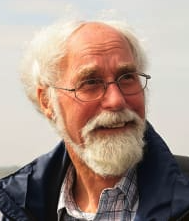 Karsten Reise合作论文数University Hamburg;Alfred Wegener Institute Foundation for Polar and Marine Research16martina lobl合作论文数15
 Tina Sanders合作论文数14Andreas Neumann合作论文数12
 Markus Huettel合作论文数Department of Earth, Ocean and Atmospheric Science, College of Arts and Sciences, Florida State University12
 Helmuth Thomas合作论文数Institute of Carbon Cycles, Helmholtz-Zentrum Hereon;Institute for Chemistry and Biology of the Marine Environment, University of Oldenburg12
 Jana Friedrich合作论文数11
 Kirstin Dahnke合作论文数Institute for Coastal Research, GKSS-Forschungszentrum Geesthacht11
 Johannes Patsch合作论文数11s i c hedtkamp合作论文数8Annika Eisele合作论文数8Michael Ernst Bottcher合作论文数8
 Perran Cook合作论文数School of Chemistry, Monash University8
 Maarten Boersma合作论文数Alfred-Wegener-Institut Helmholtz-Zentrum fur Polar- und Meeresforschung;Biology Department, Universitat Bremen8
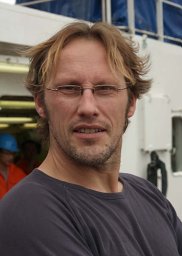 Olaf Dellwig合作论文数Leibniz Institute for Baltic Sea Research (IOW), Seestr. 15, 18119 Rostock, Germany8Martina Loebl合作论文数7Mona Norbisrath合作论文数6peter martens合作论文数6
 Yoana G. Voynova合作论文数Helmholtz Zent Hereon, Inst Carbon Cycles6
 Nils Volkenborn合作论文数Wadden Sea Station Sylt, Alfred Wegener Institute for Polar and Marine Research6
 Kay-Christian Emeis合作论文数Institute for Geology, Department of Earth System Sciences, University of Hamburg;CLISAP Center of Excellence, University of Hamburg;Helmholtz-Zentrum Geesthacht6
 Corinna Schrum合作论文数Finnish Meteorological Institute Helsinki Finland6S. I. C. Hedtkamp合作论文数6Tobias Dolch合作论文数Wadden Sea Station Sylt, Alfred Wegener Institute for Polar and Marine Research6
 Nicole Aberle-Malzahn合作论文数Leibniz Institute for Marine Sciences, Kiel University6Christina Gebühr合作论文数5Bettina Walter合作论文数5Celine Naderipour合作论文数5
 Christian Mollmann合作论文数Institute of Marine Ecosystem and Fishery Science, Department Biology, Faculty of Mathematics, Informatics and Natural Sciences, University of Hamburg5
 Jan Marcin Węsławski合作论文数Department of Ecology, The Institute of Oceanology, Polish Academy of Sciences5
 Ronnie N. Glud合作论文数5
 Dirk De Beer合作论文数Microsensor Group, Max Planck Insttute for Marine Microbiology5
 Hans Jürgen Brumsack (Hans J. Brumsack)合作论文数Oldenburg University5
 Melanie Beck合作论文数5Nicole Kowalski合作论文数5Ulrich Callies合作论文数5
 Ute Daewel合作论文数Institut für Hydrobiologie und Fischereiwissenschaft, Universität Hamburg5
 Gesa Schulz合作论文数4Markus Schartau合作论文数4Vera Winde合作论文数4ina lorkowski合作论文数Bundesamt Seeschifffahrt & Hydrog4c augustin合作论文数4
 Alexa Wrede合作论文数Helmholtz Ctr Hereon4
 Franciscus Colijn合作论文数4
 Ingrid Kröncke合作论文数Institut fur Chemie und Biologie des Meeres, Carl von Ossietzky Universitat Oldenburg4




