Abstract. The coastal Ocean Data Analysis Product in North America (CODAP-NA, Version 2026) represents a major expansion of coastal ocean carbonate chemistry synthesis for North American continental margins. Compared to CODAP-NA Version 2021, the updated product integrates newly available cruise observations spanning more than four decades, substantially increasing both the spatial and temporal coverage of coastal biogeochemical measurements across North American continental shelves. Observations from multiple research programs have been harmonized into a unified, internally consistent format through standardized quality control procedures, enabling large-scale analyses of ocean carbon cycling and ocean acidification along the North American margins. This version comprises 446 cruises, 31,864 hydrographic profiles, and 195,489 discrete data records covering continental shelf environments from Alaska to Mexico in the west and from Canada to the Caribbean in the east from 1981 to 2024. Fourteen variables (including temperature, salinity, dissolved oxygen, dissolved inorganic carbon, total alkalinity, pH on the Total Scale, carbonate ion, fugacity of carbon dioxide, silicate, phosphate, nitrate, nitrite, nitrate plus nitrite, and ammonium) were subjected to extensive quality control. CODAP-NA Version 2026 is available as a merged data product in CSV, MATLAB, and NetCDF formats (https://doi.org/10.25921/h2ff-9d66) through the NOAA Ocean Carbon and Acidification Data System (OCADS: https://www.ncei.noaa.gov/data/oceans/ncei/ocads/metadata/0315529.html). The original cruise data were archived and are accessible via a summary table at the NCEI Ocean Acidification Data Stewardship repository (https://www.ncei.noaa.gov/access/ocean-carbon-acidification-data-system/synthesis/CODAP-NAv2.html).
Industrial alkaline wastewaters (AWW) require neutralization prior to discharge into rivers to meet environmental and regulatory constraints. Conventional approaches use strong mineral acids, which pose corrosion risks and fully neglect the potential for urgently needed carbon sequestration. Neutralizing AWW with CO2 preserves and exploits existing alkalinity to permanently sequester CO2 as bicarbonate within the riverine and ultimately the ocean's dissolved inorganic carbon (DIC) pool. We introduce and implement Wastewater Alkalinity Preservation (WAP): a process that converts hydroxide alkalinity into carbonate alkalinity without decreasing Total Alkalinity, enabling persistent (>1,000 years) carbon sequestration and direct, on-site monitoring, reporting, and verification (MRV) for carbon crediting. A global sensitivity analysis across river systems supports high and sustainable carbon retention. A robust, bottom-up analysis indicates a current global potential of 11-32 Mt CO2 per year at present AWW volumes. In support of Carbon Dioxide Removal (CDR) eligibility and crediting across global river systems, the proposed process control ensures accounting via pCO(2) matching of incoming and discharged waters, minimizes losses, and provides redundant consumption metrics to establish effectivity. A CO2 sequestration potential of WAP of several hundred Mt CO2 per year can be projected until 2100 depending on economic growth, underlining the capacity of WAP as a powerful climate change mitigation measure.
Biogeochemical interventions directed towards either the protection or intentional enhancement of existing blue carbon reservoirs are often presented as a potential “win-win” scenario for climate change mitigation. Fundamental to the efficacy of such interventions is the insight that in most cases the temporal change in the “blue” (carbon) inventory is 1-3 orders of magnitudes lower than the changes of the dissolved carbon reservoirs driven by ecosystem processing. These dissolved carbon reservoirs are directly connected with atmospheric CO2 through the marine inorganic carbon system. Hence, the potential of Blue Carbon approaches may be much larger (or smaller) than implied by turnover in the living biomass or residual organic burial terms. We discuss a suite of locally focused full ecosystem carbon budgeting studies to provide a glimpse into specific processes critical to carbon processing in blue carbon ecosystems. These processes can at times amplify, cancel out, or even reverse the effects of genuine, often easy to measure, biomass accumulation.As the public desire for blue carbon projects continues to grow, we call for a pressing need for a new integrated approach to carbon accounting, which could ensure that Blue Carbon management results in the desired and marketed climate effects.
Ocean alkalinity enhancement (OAE) is a climate mitigation strategy aimed at increasing the ocean's capacity to absorb and store atmospheric CO2. The effect of OAE depends significantly on local physical and biogeochemical conditions, underscoring the importance of selecting optimal locations for alkalinity addition. Using a regional coupled physical-biogeochemical-carbon model, we examine OAE responses in the North Sea, including CO2 uptake potential, enhanced carbon storage and cross-shelf export, and the associated changes in the carbonate chemistry. Alkalinity is continuously added as a surface flux in three distinct regions of the North Sea. Our simulations show that the Norwegian Trench and the Skagerrak serve as sinks for added alkalinity, reducing its interaction with the atmosphere. Alkalinity addition along shallow eastern coasts results in a higher CO2 uptake efficiency (∼0.79 mol CO2 uptake per mol alkalinity addition) than offshore addition in ship-accessible areas (∼0.66 mol CO2 uptake per mol alkalinity addition) as offshore alkalinity is more susceptible to deep-ocean loss. Long-term carbon storage, measured by excess carbon accumulation in deep ocean and cross-shelf export below permanent pycnoclines, is similar across the three scenarios and accounts for less than 10 % of total excess CO2 uptake. The smallest changes in pH occur when alkalinity is added offshore with effects nearly an order of magnitude lower than alkalinity addition in the shallow German Exclusive Economic Zone where pH increases from 8.1 to 8.4. The model's resolution (∼4.5 km in coastal areas) limits its ability to capture rapid, localized carbonate responses, leading to a nearly 10-fold underestimation of chemical perturbations. Thus, finer-scale models are needed to accurately assess near-source alkalinity impacts.
Variations in the elemental ratios of carbon, nitrogen, and phosphorus in marine organic matter (OM) and their influence on the marine carbon cycle remain poorly understood for both the open and coastal oceans. Observations consistently show an enrichment of carbon and a depletion of phosphorus relative to elemental Redfield ratios. However, many biogeochemical models are constrained to Redfield stoichiometry, neglecting the effects of variable stoichiometry on carbon cycling and typically underestimating biological carbon fixation. This impedes the accurate representation of OM cycling and the resulting carbon fluxes, especially in productive temperate shelf seas such as the northwest European shelf seas (NWES). Here, the efficiency of oceanic CO2 uptake strongly depends on the biological uptake of inorganic carbon and its export to the North Atlantic, both of which are influenced by OM stoichiometry. In this study, we provide a first comprehensive and quantitative assessment of the effects of variable OM stoichiometry on carbon cycling in the NWES. For this purpose, we integrate two pathways for variable OM stoichiometry, motivated by observational and experimental results, into the regional high-resolution coupled 3D physical–biogeochemical modeling system SCHISM-ECOSMO-CO2 (Semi-implicit Cross-scale Hydroscience Integrated System Model – ECOSystem MOdel): first, the release of carbon-enriched dissolved OM under nutrient limitation and, second, the preferential remineralization of organic nitrogen and phosphorus. With these extensions we reproduce the observed OM stoichiometry and evaluate its impact on marine carbon cycling, with a focus on OM cycling and the resulting air–sea CO2 exchange. Compared to the reference simulation with fixed Redfield stoichiometry, the variable stoichiometry configurations show an increase in the annual net CO2 uptake of 10 %–33 % in the North Sea and 9 %–31 % in the entire NWES, depending on the relative contribution of the two new implementations. As the main driver of the additional CO2 uptake, we identify a corresponding intensification of annual and seasonal OM cycling, resulting in higher net autotrophy in surface waters and higher net heterotrophy in sub-surface layers. This enhanced gradient in net community production leads to an increased biological drawdown of inorganic carbon, most pronounced in the Norwegian Trench. By increasing the biological control on the surface partial pressure of CO2, this leads to higher summer and lower winter uptake. Our results highlight the importance of variable stoichiometry for an accurate representation of the shelf carbon pump mechanism in the NWES, as it significantly influences the efficiency of carbon sequestration. Since the response depends largely on regional physical conditions and pre-existing carbon export mechanisms, regional assessments are essential to understand the sensitivity of the carbon cycle to OM stoichiometry, which should be included in global models to accurately represent the coastal carbon cycle.
Ocean deoxygenation is impacting and will also in the future impact fundamental biogeochemical cycles. This review explores the ecological functions of microbes under hypoxic and anoxic conditions, emphasizing their critical roles in carbon source-sink dynamics. We examine microbial ecosystems in both open-ocean oxygen minimum zones and China’s coastal hypoxic areas, highlighting the microbial contributions to deoxygenation driven processes. We also explore how organic carbon cycling driven by microbial heterotrophic and autotrophic metabolisms change across oxygen gradients. Furthermore, this review elucidates the interconnected cycling of carbon, nitrogen, sulfur, and phosphorus, which regulate organic matter consumption and/or storage under deoxygenation, and alters the elemental composition of organic matter. Our study highlights the importance of microbial processes in regulating carbon cycle under ocean deoxygenation, emphasizing the dual role of hypoxic zones as transient sources and long-term sinks of organic carbon. Lastly, we highlight current challenges in addressing ocean deoxygenation and provide avenues for future research.
The rapid melting of the Arctic cryosphere due to climate change will result in significant freshwater input into Arctic marine ecosystems. This might also cause the release of legacy mercury (Hg) stored in the cryosphere, increasing Hg concentration and its subsequent effects on the marine biota. However, there is scarce knowledge on the concentration of Hg in the lower trophic level organisms at the base of the Arctic pelagic food web. This is particularly important since these organisms modulate the transfer of Hg to higher trophic levels, including fish and marine mammals. We quantified the total Hg (THg) concentration in two plankton size classes (>200 and 50-200 mu m) in coastal waters along the east Greenland coast and investigated the potential assimilation efficiency of both inorganic Hg (IHg) and methyl Hg (MeHg) in mesozooplankton and their faecal pellets in experimental incubations. The concentration of THg in plankton ranged from 12 to 109 ng (g dw)(- 1 )without clear trends between geographic locations or between fjords and coastal areas. Also, the concentrations did not vary between the different plankton size fractions. MeHg concentrations were lower in the mesozooplankton faecal pellets than IHg, which may be due to the higher assimilation of MeHg than IHg in mesozooplankton tissue. Our results confirm that Arctic zooplankton assimilates MeHg more efficiently than IHg and may contribute significantly to the partitioning and cycling of different Hg types in Arctic marine ecosystems.
Seasonal and regional changes in carbon dynamics in the Wadden Sea, the world's largest intertidal sand and mud flats system, were analysed to quantify the influence of biogeochemical processes on the carbonate system at the land-sea interface. With a focus on the East Frisian Wadden Sea (EFWS), we successfully used the difference between total alkalinity (TA) and dissolved inorganic carbon (DIC) ([TA-DIC]), Delta TA(excess), Delta DICexcess (deviations beyond conservative mixing) and Delta TA(P) (alkalinity production due to primary production) to quantify local biogeochemical influences on carbonate system dynamics. In spring, a phytoplankton bloom with high biological activity, indicated by (a) supersaturated oxygen (up to 180 in % saturation), (b) elevated chlorophyll a (up to 151.7 mu g L-1) and (c) low pCO(2) (as low as 141.3 mu atm), resulted in decrease in nitrate (NO3-, 19.29 +/- 18.11 mu mol kg(-1)) and DIC (159.4 +/- 125.4 mu mol kg(-1)), and a slight increase in TA (9.1 +/- 29.2 mu mol kg(-1)). The regression analysis of the differences between March and May 2022 in NO3- concentrations (Delta NO3-) against the differences in DIC (Delta DIC) yielded a slope of 6.90, matching the Redfield C:N ratio, and suggesting that uptake of nitrate by primary producers increased total alkalinity during the spring bloom. In summer, we assume that organic matter remineralization, along with CaCO3 dissolution in sediments, enhances TA production in the coastal and nearshore regions of the Western EFWS (concentrations up to 2400 mu mol kg(-1)). In the Eastern EFWS, enhanced CaCO3 formation may consume TA ([TA-DIC]<200 mol kg(-1)), but the region still acts as a net source of TA, likely due to sedimentary processes such as organic matter decomposition, which follow the time of increased biological activity during the spring bloom. The increase of TA enhances the coastal ocean's ability to absorb and store CO2 through buffering and suggests that the EFWS can be a source of TA to the coastal regions during the warm productive seasons. This study highlights the complex relationships between these factors, emphasizing the need for a comprehensive understanding of regional and seasonal variations to better assess the role of coastal systems in carbon cycling and storage, as well as climate regulation.
The west Greenland shelf is a dynamic marine environment influenced by various physicochemical and biological processes. This study provides a comprehensive overview of the main factors affecting the distribution of macronutrients, carbonate system parameters, and dissolved trace elements during July. Key drivers include major ocean currents, melting sea ice, and terrestrial freshwater runoff, each contributing uniquely to the cycling and spatial distribution of chemical constituents. Major ocean currents, such as the southward-moving Baffin Island Current (BIC) and the northward-moving West Greenland Current (WGC), introduce water masses with distinct chemical signatures that shape the chemical composition of shelf waters. Melting sea ice serves as an important source of freshwater and dissolved constituents for the marine environment. During the study period, we were able to capture a distinct nutrient gradient following the east-to-west direction of sea ice retreat, with low nutrient levels in highly productive shelf waters and high nutrient levels in areas with prolonged ice cover. This process also influenced the carbonate system, leading to changes in pH and aragonite saturation states, both of which are is critical to the health of marine organisms. Terrestrial freshwater runoff, particularly from the Greenland Ice Sheet (GIS), replenishes macronutrients in the photic zone, stimulating primary production and creating important CO2 sinks. However, coastal surface waters become more susceptible to acidification by the input of poorly buffered glacial freshwater. Understanding these key drivers is essential for predicting future changes in the marine chemistry and ecosystem dynamics on the west Greenland shelf, especially in the context of ongoing climate change within this high-latitude region.
Total alkalinity (TA) is an important chemical property that plays a decisive role in the oceanic buffering capacity with respect to CO2. TA is mainly generated by weathering on land as well as by various anaerobic metabolic processes in the water and sediments. The Wadden Sea, located in the southern North Sea, is hypothesized to be a source of TA for the North Sea, but quantifications are scarce. This study shows observations of TA, dissolved inorganic carbon (DIC), and nutrients in the Dutch Wadden Sea in May 2019. Surface samples were taken along several transects in order to investigate spatial distribution patterns and compare them with data from the late 1980s. A tidal cycle was sampled to further shed light on TA generation and potential TA sources. We identified the Dutch Wadden Sea as a source of TA and estimated an export of 6.6 Mmol TA per tide to the North Sea. TA was generated in the sediments, with deep pore water flow during low tide enriching the surface water. A combination of anaerobic processes and CaCO3 dissolution were potential TA sources in the sediments. We deduce that seasonality and the associated nitrate availability specifically influence TA generation by denitrification, which is low in spring and summer.
The ocean has been a regulator of climate change throughout the history of Earth. One key mechanism is the mediation of the carbon reservoir by refractory dissolved organic carbon (RDOC), which can either be stored in the water column for centuries or released back into the atmosphere as CO2 depending on the conditions. The RDOC is produced through a myriad of microbial metabolic and ecological processes known as the microbial carbon pump (MCP). Here, we review recent research advances in processes related to the MCP, including the distribution patterns and molecular composition of RDOC, links between the complexity of RDOC compounds and microbial diversity, MCP-driven carbon cycles across time and space, and responses of the MCP to a changing climate. We identify knowledge gaps and future research directions in the role of the MCP, particularly as a key component in integrated approaches combining the mechanisms of the biological and abiotic carbon pumps for ocean negative carbon emissions.
Kelps (Laminariales, Phaeophyceae) are foundation species along Arctic rocky shores, providing the basis for complex ecosystems and supporting a high secondary production. Due to ongoing climate change glacial and terrestrial run-off are currently accelerating, drastically changing physical and chemical water column parameters, e.g., water transparency for photosynthetically active radiation or dissolved concentrations of (harmful) elements. We investigated the performance and functioning of Arctic kelp holobionts in response to run-off gradients, with a focus on the effect of altered element concentrations in the water column. We found that the kelp Saccharina latissima accumulates harmful elements (e.g., cadmium, mercury) originating from coastal run-off. As kelps are at the basis of the food web, this might lead to biomagnification, with potential consequences for high-latitude kelp maricultures. In contrast, the high biosorption potential of kelps might be advantageous in monitoring environmental pollution or potentially extracting dissolved rare earth elements. Further, we found that the relative abundances of several kelp-associated microbial taxa significantly responded to increasing run-off influence, changing the kelps functioning in the ecosystem, e.g., the holobionts nutritional value and elemental cycling. The responses of kelp holobionts to environmental changes imply cascading ecological and economic consequences for Arctic kelp ecosystems in future climate change scenarios.
In this Policy Bridge, we present the key issues regarding the safety, efficacy, funding, and governance of coastal and marine systems in support of climate change mitigation. Novel insights into the likely potential of these systems for use in mitigating excess carbon dioxide emissions are presented. There may be potential for coastal blue carbon and marine carbon dioxide removal (mCDR) actions to impact climate change mitigation significantly over the rest of the 21st century, particularly post 2050. However, governance frameworks are needed urgently to ensure that the potential contribution from coastal and ocean systems to climate change mitigation can be evaluated properly and implemented safely. Ongoing research and monitoring efforts are essential to ensure that unforeseen side effects are identified and corrective action is taken. The co-creation of governance frameworks between academia, the private sector, and policymakers will be fundamental to the safe implementation of mCDR in the future. Furthermore, a radical acceleration in the pace of development of mCDR governance is needed immediately if it is to contribute significantly to the removal of excess carbon dioxide emissions by the latter half of this century. To what extent large-scale climate interventions should be pursued is a decision for policymakers and wider society, but adaptive legal, economic, policy, research, and monitoring frameworks are needed urgently to facilitate informed decision-making around any implementation of mCDR in the coming decades. Coastal and ocean systems cannot be relied upon to deliver significant carbon dioxide removal until further knowledge of specific management options is acquired and evaluated.
Tidal forcing is a dominant physical forcing mechanism on the Northwest European Shelf (NWES) that regulates the mixing-stratification status of the water column and thus acts as a major control for biological productivity and air-sea CO2 exchange. Tides further influence the marine carbon cycle on the shelf by affecting benthic-pelagic coupling, vertical mixing and the large-scale residual circulation. The cumulative tidal impact on oceanic uptake of atmospheric CO2 on the NWES, however, remains largely unexplored. We use a coupled physical-biogeochemical ocean model to gain quantitative understanding of the tidal impacts on the air-sea CO2 exchange of the NWES by comparing hindcast simulations with and without tidal forcing. Our results show that tidal forcing weakens the annual oceanic CO2 uptake on the NWES by 0.15 Tmol C yr−1, corresponding to a ~13% stronger CO2 sink in the experiment without tidal forcing. The tide-induced increase in marine primary production demonstrated in earlier studies, which primarily enhances biological carbon fixation in shallow inner-shelf regions of the NWES, does not significantly affect net air-sea CO2 exchange. Instead, we find tidal mixing, tide-induced baroclinic circulation and the tidal impact on benthic-pelagic coupling to be dominant controls of air-sea CO2 exchange. Tidal mixing in the permanently mixed shelf regions accounts for the majority (~40%) of the weakening effect on CO2 uptake, while the modulation of water mass composition in the Celtic Sea by tide-induced baroclinic circulation reduces the uptake further (~33% of the difference in annual mean CO2 uptake). In terms of the shelf carbon budget, the tidal response of air-sea CO2 exchange is primarily mediated by changes to the pelagic DIC reservoir (~73%; −0.11 Tmol C yr−1). Tidal impacts on off-shelf carbon export to the North Atlantic only account for ~20% (−0.03 Tmol C yr−1) of the tidal impact on shelf CO2 uptake, and changes in sedimentation of particulate organic carbon account for the remaining ~7% (−0.01 Tmol C yr−1).
Alkalinity generation from rock weathering modulates Earth's climate at geological time scales. Although lithology is thought to dominantly control alkalinity generation globally, the role of other first-order controls appears elusive. Particularly challenging remains the discrimination of climatic and erosional influences. Based on global observations, here we uncover the role of erosion rate in governing riverine alkalinity, accompanied by areal proportion of carbonate, mean annual temperature, catchment area, and soil regolith thickness. We show that the weathering flux to the ocean will be significantly altered by climate warming as early as 2100, by up to 68% depending on the environmental conditions, constituting a sudden feedback of ocean CO2 sequestration to climate. Interestingly, warming under a low-emissions scenario will reduce terrestrial alkalinity flux from mid-latitudes (-1.6 t(bicarbonate) a-1 km-2) until the end of the century, resulting in a reduction in CO2 sequestration, but an increase (+0.5 t(bicarbonate) a-1 km-2) from mid-latitudes is likely under a high-emissions scenario, yielding an additional CO2 sink.
Total alkalinity (TA) regulates the oceanic storage capacity of atmospheric CO2. In heterotrophic temperate estuaries, anaerobic respiration of organic matter, e.g., by denitrification, can be an important source of TA. Denitrification is the anaerobic reduction of nitrate (NO3-) to elemental nitrogen (N2). By contrast, anammox yields N2 as its terminal product via comproportionation of ammonium (NH4+) and nitrite (NO2-); however, this occurs without release of TA as a byproduct. In order to investigate these two nitrate and nitrite respiration pathways and their resulting impact on TA generation, we sampled the highly turbid estuary of the Ems River, discharging into the North Sea in June 2020. During ebb tide, a transect was sampled from the Wadden Sea to the upper tidal estuary, where we additionally sampled fluid mud for incubation experiments and five vertical profiles in the hyper-turbid tidal river. The data reveal a strong increase of TA and dissolved inorganic carbon (DIC) in the tidal river, where stable nitrate isotopes indicate water column denitrification as the dominant pathway. However, in the fluid mud of the tidal river, the measured TA and the N2 incubation experiments imply only low denitrification rates, with the majority of the N2 being produced by anammox (>90 %). The relative abundances of anammox and denitrification, respectively, thus exert a major control on the CO2 storage capacity of adjacent coastal waters.
 Elizabeth H. Shadwick合作论文数Dept Oceanog, Dalhousie Univ37
 Alberto Vieira Borges (Alberto V. Borges)合作论文数Departement D'astrophysique, Geophysique et Oceanographie, Faculte des Sciences, Universite de Liege28
 Johannes Patsch合作论文数24
 Y. Bozec合作论文数24
 William J. Burt合作论文数Univ Alaska Fairbanks20
 Laure-Sophie Schiettecatte合作论文数19Hein de Baar合作论文数University of Groningen;Department of Biological Oceanography, Royal Netherlands Institute for Sea Research19Timothy N. Papakyriakou合作论文数Centre for Earth Observation Science, University of Manitoba17A. E. Friederike Prowe合作论文数Department of Oceanography, Dalhousie University15Lisa A. Miller合作论文数Department of Psychology, Colgate University13
 Susanne Craig合作论文数Department of Physics and Applied Physics, University of Strathclyde12Justus E. E. Van Beusekom合作论文数12
 Alfonso Mucci合作论文数Department of Earth and Planetary Sciences, Faculty of Science, McGill University;Ocean University of China12
 Brent Else合作论文数Department of Geography, Faculty of Arts, University of Calgary;Marine Environmental Observation, Prediction and Response Network12
 Lesley Salt合作论文数11
 Bryce Van Dam合作论文数Inst Carbon Cycles, Helmholtz Zentrum Hereon11
 Blair J.W. Greenan合作论文数11Khalid Elkalay合作论文数Department of Marine Chemistry and Geology, Royal Netherlands Institute for Sea Research11
 Nianzhi Jiao (焦念志)合作论文数College of Ocean and Earth Sciences, Xiamen University;State Key Laboratory of Marine Environmental Science, Xiamen University10Michael Ernst Bottcher合作论文数9Mona Norbisrath合作论文数9Frank Dehairs合作论文数Department of Analytical and Environmental Chemistry, Vrije Universiteit Brussel8Chantal Mears合作论文数7Michel Gosselin合作论文数Institut des sciences de la mer (ISMER),, Université du Québec à Rimouski7
 Abdirahman M. Omar合作论文数University of Bergen, University of Bergen7
 Christopher Hunt合作论文数6
 n x geilfus合作论文数Dept Environm & Geog, Univ Manitoba6
 Gerhard J. Herndl合作论文数Department of Functional and Evolutionary Ecology,
University of Vienna;Royal Netherlands Institute for Sea Research6
Gerhard J. Herndl合作论文数Department of Functional and Evolutionary Ecology,
University of Vienna;Royal Netherlands Institute for Sea Research6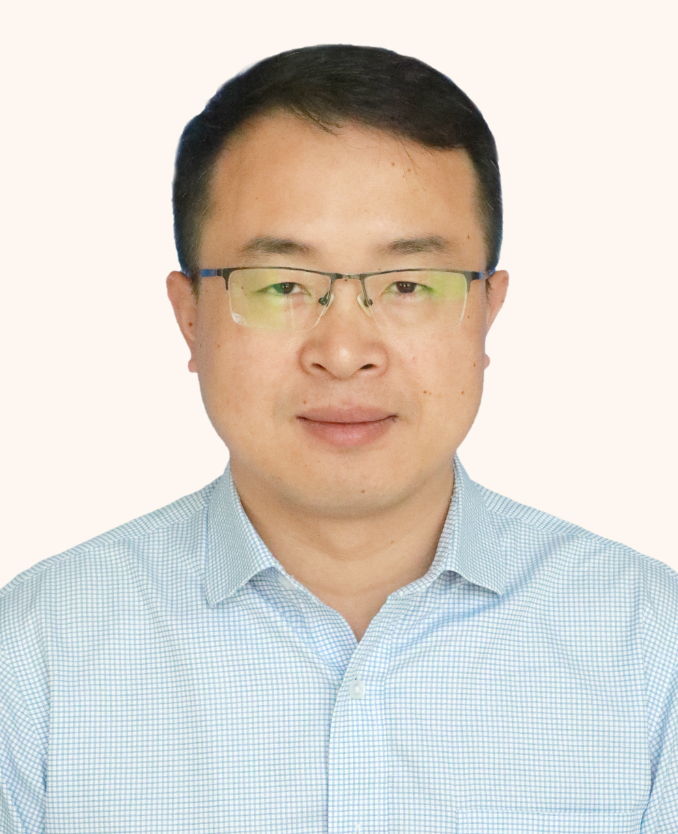 Jihua Liu (刘纪化)合作论文数Institute of Marine Science and Technology, Shandong University6Venugopalan Ittekkot合作论文数Leibniz Center for Tropical Marine Ecology, Universitat Bremen6
 Bernd Schneider合作论文数6
 Rui Zhang (张锐)合作论文数Institute for Advanced Study, Shenzhen University6
 Daniel Profrock合作论文数Institute for Coastal Research, Helmholtz-Zentrum Geesthacht6
 J. Salisbury合作论文数Institute for the Study of Earth Oceans and Space, University of New Hampshire6
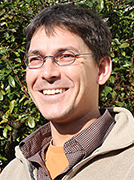 Jens Hartmann合作论文数Department of Earth System Sciences, Faculty of Mathematics, Informatics and Natural Sciences, Universität Hamburg6H.J.W. De Baar合作论文数6Tobias Stacke合作论文数Max Planck Institute for Meteorology, Max-Planck-Institut für Meteorologie6
 Gauthier Carnat合作论文数Department of Environment and Geography, University of Manitoba6
 Jean-Éric Tremblay合作论文数Laval University;Institut nordique du Québec6
 Katja Fennel合作论文数Department of Oceanography, Dalhousie University6Kon-Kee Liu合作论文数5E. Horne合作论文数5Vera Winde合作论文数5Nele Lehmann合作论文数5
 Mary Zeller合作论文数Department of Chemistry, University of North Carolina at Chapel Hill5
 Kai Tang (汤凯)合作论文数Institute of Marine Microbes and Ecospheres, College of Ocean and Earth Sciences, Xiamen University5
 Martin Johnson合作论文数Ecodiversity5
 Kirstin Dahnke合作论文数Institute for Coastal Research, GKSS-Forschungszentrum Geesthacht5




