The Everyday Discrimination Scale (EDS) has been used widely as a measure of subjective experiences of discrimination. The usefulness of this measure for assessments of perceived experiences of discrimination by American Indian and Alaska Native (AI/AN) peoples has not been explored. Data derived from the Special Diabetes Program for Indians--Healthy Heart Demonstration Project (SDPI-HH), a large-scale initiative to reduce cardiovascular risk among AI/ANs with Type 2 diabetes. Participants (N = 3,039) completed a self-report survey that included the EDS and measures of convergent and divergent validity. Missing data were estimated by multiple imputation techniques. Reliability estimates for the EDS were calculated, yielding a single factor with high internal consistency (α = .92). Younger, more educated respondents reported greater perceived discrimination; retired or widowed respondents reported less. Convergent validity was evidenced by levels of distress, anger, and hostility, which increased as the level of perceived discrimination increased (all p < .001). Divergent validity was evidenced by the absence of an association between EDS and resilient coping. Resilient coping and insulin-specific diabetes knowledge were not significantly associated with perceived discrimination (p = .61 and 0.16, respectively). However, general diabetes-related health knowledge was significantly associated with perceived discrimination (p = .02). The EDS is a promising measure for assessing perceived experiences of discrimination among those AI/ANs who participated in the SDPI-HH.
Using multilevel analysis, this study investigated participant and site characteristics associated with participant retention in a multisite diabetes prevention translational project among American Indian and Alaska Native (AI/AN) people. We analyzed data from the Special Diabetes Program for Indians Diabetes Prevention Program (SDPI-DP), a lifestyle intervention to prevent diabetes implemented in 36 AI/AN grantee sites. A total of 2,553 participants were recruited and started the intervention between January 1, 2006 and July 31, 2008. They were offered the 16-session Lifestyle Balance Curriculum from the Diabetes Prevention Program (DPP) in the first 16–24 weeks of intervention. Generalized estimating equation models and proportional hazards models with robust standard error estimates were used to evaluate the relationships of participant and site characteristics with retention. As of July 31, 2009, about 50 % of SDPI-DP participants were lost to follow-up. Those who were younger, male, with lower household income, no family support person, and more baseline chronic pain were at higher risk for both short-term and long-term retention failure (i.e., not completing all 16 DPP sessions and loss to follow-up, respectively). Sites with large user populations and younger staff had lower likelihood of retaining participants successfully. Other site characteristics related to higher risk for retention failure included staff rating of participant disinterest in SDPI-DP and barriers to participant transportation and child/elder care. Future translational initiatives need to pay attention to both participant- and site-level factors in order to maximize participant retention.
INTRODUCTION:American Indians/Alaska Natives (AI/ANs) have a disproportionately high rate of type 2 diabetes. Changing food choices plays a key role in preventing diabetes. This study documented changes in the food choices of AI/ANs with diagnosed prediabetes who participated in a diabetes prevention program.METHODS:The Special Diabetes Program for Indians-Diabetes Prevention Demonstration Project implemented the evidence-based Diabetes Prevention Program (DPP) lifestyle intervention in 36 health care programs nationwide, engaging 80 AI/AN communities. At baseline, at 30 days post-curriculum, and at the first annual assessment, participants completed a sociodemographic survey and 27-item food frequency questionnaire and underwent a medical examination assessing fasting blood glucose (FBG), blood pressure, body mass index (BMI), low-density lipoprotein [LDL], high-density lipoprotein [HDL], and triglycerides. Multiple linear regressions were used to assess the relationship between temporal changes in food choice and other diabetes risk factors.RESULTS:From January 2006 to July 2010, baseline, post-curriculum, and first annual assessments were completed by 3,135 (100%), 2,046 (65%), and 1,480 (47%) participants, respectively. An increase in healthy food choices was associated initially with reduced bodyweight, BMI, FBG, and LDL and increased physical activity. At first annual assessment, the associations persisted between healthy food choices and bodyweight, BMI, and physical activity.CONCLUSION:AI/AN adults from various tribal and urban communities participating in this preventive intervention made sustained changes in food choices and had reductions in diabetes risk factors. The outcomes demonstrate the feasibility and effectiveness of translating the DPP lifestyle intervention to community-based settings.
Objective. American Indians and Alaska Natives (AI/ANs) suffer a disproportionate burden of diabetes. Identifying food choices of AI/ANs at risk of type 2 diabetes, living in both rural and urban settings, is critical to the development of culturally relevant, evidence-based education strategies designed to reduce morbidity and mortality in this population. Design. At baseline, 3135 AI/AN adults participating in the Special Diabetes Program for American Indians Diabetes Prevention Demonstration Project (SDPI-DP) completed a socio-demographic survey and a 27-item food frequency questionnaire (FFQ). The primary dietary behavior goal of SDPI-DP education sessions and lifestyle coaching is changes in food choices, i.e., increased fruits, vegetables and whole grains, decreased high sugar beverages, red meat, and processed foods. Subsequently, program assessment focuses on changes in food types. Foods were delineated using a ‘healthy’ and ‘unhealthy’ classification as defined by the educators advising participants. Urban and rural differences were examined using χ2 tests and two sample t-tests. Multiple linear regressions and linear mixed models were used to assess the association between socio-demographic factors and food choice. Results. Retired participants, those living in urban areas and with high income and education selected healthy foods most frequently. Young males, those with low income and education consumed unhealthy foods most frequently. Selection of unhealthy foods did not differ by urban and rural setting. Conclusions. The ubiquitous nature of unhealthy food choices makes them hard to avoid. Food choice differences by gender, age, income, and setting suggest that nutrition education should more effectively target and meets the needs of young AI/AN males.
OBJECTIVES:We evaluated cardiovascular disease (CVD) risk factors in American Indians/Alaska Natives (AI/ANs) with diabetes in the Special Diabetes Program for Indians Healthy Heart (SDPI-HH) Demonstration Project. METHODS:Multidisciplinary teams implemented an intensive case management intervention among 30 health care programs serving 138 tribes. The project recruited 3373 participants, with and without current CVD, between 2006 and 2009. We examined data collected at baseline and 1 year later to determine whether improvements occurred in CVD risk factors and in Framingham coronary heart disease (CHD) risk scores, aspirin use, and smoking status. RESULTS:A1c levels decreased an average of 0.2% (P < .001). Systolic and diastolic blood pressure, low-density lipoprotein (LDL) cholesterol, and triglyceride levels decreased, with the largest significant reduction in LDL cholesterol (∆ = -5.29 mg/dL; P < .001). Average Framingham CHD risk scores also decreased significantly. Aspirin therapy increased significantly, and smoking decreased. Participants with more case management visits had significantly greater reductions in LDL cholesterol and A1c values. CONCLUSIONS:SDPI-HH successfully translated an intensive case management intervention. Creative retention strategies and an improved understanding of organizational challenges are needed for future Indian health translational efforts.
OBJECTIVE:The landmark Diabetes Prevention Program (DPP) showed that lifestyle intervention can prevent or delay the onset of diabetes for those at risk. We evaluated a translational implementation of this intervention in a diverse set of American Indian and Alaska Native (AI/AN) communities.RESEARCH DESIGN AND METHODS:The Special Diabetes Program for Indians Diabetes Prevention (SDPI-DP) demonstration project implemented the DPP lifestyle intervention among 36 health care programs serving 80 tribes. A total of 2,553 participants with prediabetes were recruited and started intervention by 31 July 2008. They were offered the 16-session Lifestyle Balance Curriculum and underwent a thorough clinical assessment for evaluation of their diabetes status and risk at baseline, soon after completing the curriculum (postcurriculum), and annually for up to 3 years. Diabetes incidence was estimated. Weight loss, changes in blood pressure and lipid levels, and lifestyle changes after intervention were also evaluated.RESULTS:The completion rates of SDPI-DP were 74, 59, 42, and 33% for the postcurriculum and year 1, 2, and 3 assessments, respectively. The crude incidence of diabetes among SDPI-DP participants was 4.0% per year. Significant improvements in weight, blood pressure, and lipid levels were observed immediately after the intervention and annually thereafter for 3 years. Class attendance strongly correlated with diabetes incidence rate, weight loss, and change in systolic blood pressure.CONCLUSIONS:Our findings demonstrate the feasibility and potential of translating the lifestyle intervention in diverse AI/AN communities. They have important implications for future dissemination and institutionalization of the intervention throughout the Native American health system.
Objective: Research suggests that health literacy (HL) is associated with clinical outcomes. Few studies, however, have examined the mechanisms accounting for this relationship. To understand why HL is related to outcomes, we tested a theoretical framework proposing that diabetes-related knowledge and behavior mediate (explain) the relationship between HL and glycemic control (i.e., A1c).Methods: Analyses used baseline data from the Special Diabetes Program for Indians Healthy Heart Project (N = 2594), an intervention to reduce cardiovascular risk among American Indians/Alaska Natives (AI/ANs) with diabetes. Three nested structural equation models tested the theoretical framework.Results: Model 1 demonstrated that participants with stronger HL skills had better glycemic control. Model 2 tested whether diabetes-related behaviors accounted for this relationship. Self-monitoring of blood glucose significantly mediated the HL-A1c relationship. Model 3 examined the role of diabetes knowledge, showing that it mediated the relationship between HL and dietary behavior. When knowledge was included, behavior was no longer a significant mediator, suggesting that knowledge was the main driver of the relationship between HL with A1c.Conclusion: Interventions to improve knowledge may be particularly important in enhancing outcomes among AI/ANs with diabetes.Practice implications: Strategies known to enhance patient comprehension may enable low-literate patients to develop needed diabetes knowledge. (C) 2012 Elsevier Ireland Ltd. All rights reserved.
OBJECTIVES:We examined the costs of treating American Indian adults with diabetes within the Indian Health Service (IHS).METHODS:We extracted demographic and health service utilization data from the IHS electronic medical reporting system for 32 052 American Indian adults in central Arizona in 2004 and 2005. We derived treatment cost estimates from an IHS facility-specific cost report. We examined chronic condition prevalence, medical service utilization, and treatment costs for American Indians with and without diabetes.RESULTS:IHS treatment costs for the 10.9% of American Indian adults with diabetes accounted for 37.0% of all adult treatment costs. Persons with diabetes accounted for nearly half of all hospital days (excluding days for obstetrical care). Hospital inpatient service costs for those with diabetes accounted for 32.2% of all costs.CONCLUSIONS:In this first study of treatment costs within the IHS, costs for American Indians with diabetes were found to consume a significant proportion of IHS resources. The findings give federal agencies and tribes critical information for resource allocation and policy formulation to reduce and eventually eliminate diabetes-related disparities between American Indians and Alaska Natives and other racial/ethnic populations.
OBJECTIVES:Health literacy is associated with health knowledge, behavior, and outcomes. Availability of valid measures of health literacy that require minimal time and resources to administer may provide a valuable resource for researchers and healthcare providers. We investigated the psychometric properties of brief, written tests of two components of health literacy--print literacy and numeracy--among American Indians and Alaska Natives.DESIGN:Secondary analysis of baseline data from the Special Diabetes Program for Indians Healthy Heart Project.SETTING:Thirty health care programs participate in the project. They span 13 states and include Indian Health Service hospitals/clinics/service units as well as tribal and urban Indian health care programs.PARTICIPANTS:3,033 American Indian and Alaska Native adults with diabetes.MAIN OUTCOME MEASURES:Internal consistency was investigated for the print literacy items. Construct validity analyses examined the expected association of print literacy and numeracy with demographic characteristics and four measures of disease knowledge.RESULTS:The print literacy items demonstrated acceptable internal consistency. Print literacy and numeracy were more limited among older people and those with lower income and education. Both measures were strong predictors of disease knowledge.CONCLUSIONS:Results support the value of the brief tests of print literacy and numeracy, and represent the first examination of the performance of health literacy measures in the American Indian and Alaska Native population.
This study sought to identify latent subgroups among American Indian and Alaska Native (AI/AN) patients with pre-diabetes based on their stages of change for multiple health behaviors. We analyzed baseline data from participants of the Special Diabetes Program for Indians Diabetes Prevention (SDPI-DP) Program, a lifestyle intervention program to prevent diabetes among AI/ANs. A total of 3,135 participants completed baseline questionnaires assessing stages of change for multiple health behaviors, specifically exercise, healthy eating, and weight loss. Latent class analysis was used to identify subgroups of people based on their answers to stages of change questions. Covariates were added to the latent class analyses to investigate how class membership was related to sociodemographic, behavioral, and psychosocial factors. Three classes were identified based on the distributions of the stages of change variables: Contemplation, Preparation, and Action/Maintenance classes. Male and retired participants were more likely to be in more advanced stages. Those who exercised more, ate healthier diets, and weighed less were significantly more likely to be in the Action/Maintenance class. Further, the participants who had higher self-efficacy, stronger family support, and better health-related quality of life had higher odds of being in the Action/Maintenance class. In conclusion, we found that stages of change for multiple behaviors can be summarized by a three-class model in this sample. Investigating the relationships between latent classes and intervention outcomes represents important next steps to extend the findings of the current study.
PURPOSEThis study examined the associations between participant and site characteristics and retention in a multisite cardiovascular disease risk reduction project.DESIGN AND METHODSData were derived from the Special Diabetes Program for Indians Healthy Heart Demonstration Project, an intervention to reduce cardiovascular risk among American Indians and Alaska Natives with diabetes. In 2006, a total of 1,072 participants from 30 participating sites completed baseline questionnaires measuring demographics and sociobehavioral factors. They also underwent a medical examination at baseline and were reassessed annually after baseline. A Provider Annual Questionnaire was administered to staff members of each grantee site at the end of each year to assess site characteristics. Generalized estimating equation models were used to evaluate the relationships between participant and site characteristics and retention 1 year after baseline.RESULTSAmong enrolled participants, 792 (74%) completed their first annual assessment. Participants who completed the first annual assessment tended to be older and had, at baseline, higher body mass index and higher level of physical activity. Site characteristics associated with retention included average age of staff, proportion of female staff members, and percentage of staff members having completed graduate or professional school.IMPLICATIONSUnderstanding successful retention must reach beyond individual characteristics of participants to include features of the settings that house the interventions.
The Indian Health Service (IHS), a federal health system, cares for 2 million of the country's 5.2 million American Indian and Alaska Native people. This system has increasingly focused on innovative uses of health information technology and telemedicine, as well as comprehensive, locally tailored prevention and disease management programs, to promote health equity in a population facing multiple health disparities. Important recent achievements include a reduction in the life-expectancy gap between American Indian and Alaska Native people and whites (from eight years to five years) and improved measures of diabetes control (including 20 percent and 10 percent reductions in the levels of low-density lipoprotein cholesterol and hemoglobin A1c, respectively). However, disparities persist between American Indian and Alaska Native people and the overall US population. Continued innovation and increased funding are required to further improve health and achieve equity.
OBJECTIVE - American Indians and Alaska Natives are 2.3 times more likely to have diabetes than are individuals in the U.S. general population. The objective of this study was to compare morbidity among American Indian and U.S. adults with diabetes.RESEARCH DESIGN AND METHODS - We extracted demographic and health service utilization data for an adult American Indian population aged 18-64 years (n = 30,121) served by the Phoenix Service Unit from the Indian Health Service clinical reporting system. Similar data for a U.S. population (n = 1,500,002) with commercial health insurance, matched by age and sex to the American Indian population, were drawn from the MartketScan Research Database. We used Diagnostic Cost Groups to identify medical conditions for which each individual was treated and to assign a risk score to quantify his or her morbidity burden. We compared the prevalence of comorbidities and morbidity burden of American Indian and U.S. adults with diabetes.RESULTS - American Indians with diabetes had significantly higher rates of hypertension, cerebrovascular disease, renal failure, lower-extremity amputations, and liver disease than commercially insured U.S. adults with diabetes (P < 0.05). The American Indian prevalence rates were 61.2, 6.9, 3.9, 1.8, and 7.1%, respectively. The morbidity burden among the American Indian with diabetes exceeded that of the insured U.S. adults with diabetes by 50%.CONCLUSIONS - The morbidity burden associated with diabetes among American Indians seen at the Phoenix Service Unit far exceeded that of commercially insured U.S. adults. These findings point to the urgency of enhancing diabetes prevention and treatment services for American Indians/Alaska Natives to reduce diabetes-related disparities.
American Indians have some of the highest rates of type 2 diabetes in the U.S. 1 Burrows A.R. Geiss L.S. Engelgau M.M. Acton K.J. Prevalence of diabetes among Native Americans and Alaska Natives, 1990–1997. Diabetes Care. 2000; 23: 1786-1790 Crossref PubMed Scopus (167) Google Scholar Many factors contribute to this increased risk, but obesity is certainly central to it. 2 Mokdad A.H. Ford E.S. Bowman B.A. et al. Prevalence of obesity, diabetes, and obesity-related health risk factors, 2001. JAMA. 2003; 289: 76-79 Crossref PubMed Scopus (4626) Google Scholar , 3 Steinberger J. Daniels S.R. Obesity, insulin resistance, diabetes, and cardiovascular risk in children. Circulation. 2003; 107: 1448-1453 Crossref PubMed Scopus (677) Google Scholar In view of the fact that physical activity has been shown to reduce risk for developing obesity and diabetes, 4 USDHHSPhysical activity and health—a report of the Surgeon General. CDC, 1999 Google Scholar it is important to determine physical activity levels in American-Indian groups. As a recently published paper by the Strong Heart Study group demonstrated, 5 Fretts A.M. Howard B.V. Kriska A.M. et al. Physical activity and incident diabetes in American Indians—the Strong Heart Study. Am J Epidemiol. 2009; 170: 632-639 Crossref PubMed Scopus (43) Google Scholar increasing amounts of physical activity led to decreased risk for diabetes in their American-Indian cohort. Previous studies have often concluded that American-Indian populations perform markedly less physical activity than other groups, 6 Fischer I.D. Brown D.R. Blanton C.J. Casper M.L. Croft J.B. Brownson R.C. Physical activity patterns of Chippewa and Menominee Indians—the Inter-Tribal Heart Project. Am J Prev Med. 1999; 17: 189-197 Abstract Full Text Full Text PDF PubMed Scopus (29) Google Scholar although many of these studies have looked primarily at leisure-time activity, a concept that is not often consonant with the lives many American Indians lead.
 Roubideaux Yvette合作论文数21
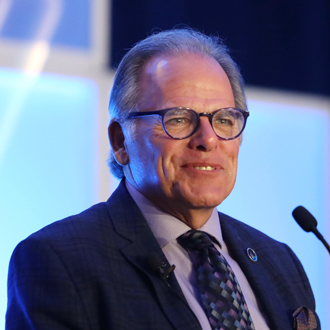 Spero Manson合作论文数Department of Community & Behavioral Health, Colorado School of Public Health, University of Colorado Denver;Centers for American Indian & Alaska Native Health, Colorado School of Public Health, University of Colorado Denver21L Valdez合作论文数18
 Janette Beals合作论文数18S Gilliland合作论文数16Dorothy Gohdes合作论文数15
 Tammy Brown合作论文数15
 Luohua Jiang合作论文数Department of Epidemiology, School of Medicine, University of California14S. Rith-Najarian合作论文数10R Shields合作论文数8C Wilson合作论文数8
 Kelly Moore合作论文数8William G. Henderson合作论文数Colorado Clinical and Translational Sciences Institute, University of Colorado Denver, Anschutz Medical Campus8Charlton Wilson合作论文数7B Skipper合作论文数5B Tolbert合作论文数4Tammy L. Brown合作论文数4Ls Geiss合作论文数4Gilliland Susan S合作论文数4Carolyn Noonan合作论文数4A Tortalita合作论文数3S Lorraine Valdez合作论文数3Huang Haixiao合作论文数3Zhang Lijing合作论文数3
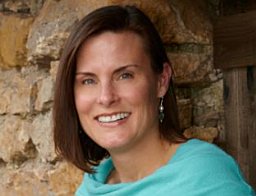 Angela G Brega合作论文数Center for Health Services Research, University of Colorado Health Sciences Center3Bullock Ann合作论文数3O'Connell Joan M合作论文数3
 Rena R Wing合作论文数Department of Psychiatry and Human Behavior, The Warren Alpert Medical School, Brown University;Department of Psychiatry, School of Medicine, University of Pittsburgh3Nilka Rios Burrows合作论文数3R Andres合作论文数2E Cagliero合作论文数2A Giannella合作论文数2D Heard合作论文数2H Oktaei合作论文数2E Levina合作论文数2B Steiner合作论文数2J O'Keefe合作论文数2G Lui合作论文数2K Abbott合作论文数2M Mullen合作论文数2C Mckitrick合作论文数2J Wylie-Rosett合作论文数2D Pompi合作论文数2R Eastman合作论文数2Al Scherzinger合作论文数2Wl Mcnabb合作论文数2Jp Crandall合作论文数2




