While recent efforts to catalogue Earth’s microbial diversity have focused upon surface and marine habitats, 12–20 % of Earth’s biomass is suggested to exist in the terrestrial deep subsurface, compared to ~1.8 % in the deep subseafloor. Metagenomic studies of the terrestrial deep subsurface have yielded a trove of divergent and functionally important microbiomes from a range of localities. However, a wider perspective of microbial diversity and its relationship to environmental conditions within the terrestrial deep subsurface is still required. Our meta-analysis reveals that terrestrial deep subsurface microbiota are dominated by Betaproteobacteria, Gammaproteobacteria and Firmicutes , probably as a function of the diverse metabolic strategies of these taxa. Evidence was also found for a common small consortium of prevalent Betaproteobacteria and Gammaproteobacteria operational taxonomic units across the localities. This implies a core terrestrial deep subsurface community, irrespective of aquifer lithology, depth and other variables, that may play an important role in colonizing and sustaining microbial habitats in the deep terrestrial subsurface. An in silico contamination-aware approach to analysing this dataset underscores the importance of downstream methods for assuring that robust conclusions can be reached from deep subsurface-derived sequencing data. Understanding the global panorama of microbial diversity and ecological dynamics in the deep terrestrial subsurface provides a first step towards understanding the role of microbes in global subsurface element and nutrient cycling.
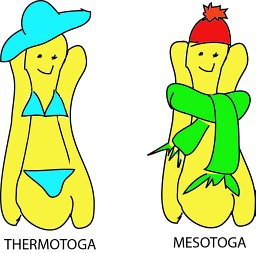
The genus Mesotoga, the only described mesophilic Thermotogae lineage, is common in mesothermic anaerobic hydrocarbon-rich environments. Besides mesophily, Mesotoga displays lineage-specific phenotypes, such as no or little H-2 production and dependence on sulfur-compound reduction, which may influence its ecological role. We used comparative genomics of 18 Mesotoga strains (pairwise 16S rRNA identity >99%) and a transcriptome of M. prima to investigate how life at moderate temperatures affects phylogeography and to interrogate the genomic features of its lineage-specific metabolism. We propose that Mesotoga accomplish H-2 oxidation and thiosulfate reduction using a sulfide dehydrogenase and a hydrogenase-complex and that a pyruvate:ferredoxin oxidoreductase acquired from Clostridia is responsible for oxidizing acetate. Phylogenetic analysis revealed three distinct Mesotoga lineages (89.6%-99.9% average nucleotide identity [ANI] within lineages, 79.3%-87.6% ANI between lineages) having different geographic distribution patterns and high levels of intra-lineage recombination but little geneflow between lineages. Including data from metagenomes, phylogeographic patterns suggest that geographical separation historically has been more important for Mesotoga than hyperthermophilic Thermotoga and we hypothesize that distribution of Mesotoga is constrained by their anaerobic lifestyle. Our data also suggest that recent anthropogenic activities and environments (e.g., wastewater treatment, oil exploration) have expanded Mesotoga habitats and dispersal capabilities.
Biogenic production of coalbed methane under anaerobic conditions occurs through a large number of reactions involving a community of micro-organisms. We propose a kinetic scheme for this complicated reaction network using lumped species reacting in a series of enzymatic reaction blocks consisting of coal solubilization, hydrolysis, acidogenesis, acetogenesis, and methanogenesis. Among these pathways, acetoclastic methanogenesis is assumed to be dominant. Based on implications from experimental data, tryptone (a nitrogen rich nutrient used in the stimulation of methane production) is assumed to produce aromatic ring intermediates. Coal solubilization is described by a diffusion layer model. Monod kinetics are applied to model the enzymatic reaction rates, but the rate of methanogenesis is modeled, with modified Monod kinetics to account for substrate inhibition. An analytical solution to the model is derived and its parametric sensitivity is investigated in different operating regions. Model parameters are estimated from data from various anaerobic bottle experiments conducted by us using nonlinear regression with the particle swarm optimization algorithm, and the model's predictive ability has been validated for various coal samples from the literature, too. The predictive kinetic model thus established provides estimates of the concentration of products as well as intermediate species in the conversion of coal. The model can be used to optimize biogenic methane production from coal at different scales ranging from coreflooding experiments to the reservoir and field scales.
Microbially produced methane, a versatile, cleaner-burning alternative energy resource to fossil fuels, is sourced from a variety of natural and engineered ecosystems, including marine sediments, anaerobic digesters, shales, and coalbeds. There is a prevailing interest in developing environmental biotechnologies to enhance methane production. Here, we use small-subunit rRNA gene sequencing and metagenomics to better describe the interplay between coalbed methane (CBM) well conditions and microbial communities in the Alberta Basin. Our results show that CBM microbial community structures display patterns of endemism and habitat selection across the Alberta Basin, consistent with observations from other geographical locations. While some phylum-level taxonomic patterns were observed, relative abundances of specific taxonomic groups were localized to discrete wells, likely shaped by local environmental conditions, such as coal rank and depth-dependent physicochemical conditions. To better resolve functional potential within the CBM milieu, a metagenome from a deep volatile-bituminous coal sample was generated. This sample was dominated by Rhodobacteraceae genotypes, resolving a near-complete population genome bin related to Celeribacter sp. that encoded metabolic pathways for the degradation of a wide range of aromatic compounds and the production of methanogenic substrates via acidogenic fermentation. Genomic comparisons between the Celeribacter sp. population genome and related organisms isolated from different environments reflected habitat-specific selection pressures that included nitrogen availability and the ability to utilize diverse carbon substrates. Taken together, our observations reveal that both endemism and metabolic specialization should be considered in the development of biostimulation strategies for nonproductive wells or for those with declining productivity.
Engineering the microbial transformation of lignocellulosic biomass is essential to developing modern biorefining processes that alleviate reliance on petroleum-derived energy and chemicals. Many current bioprocess streams depend on the genetic tractability of Escherichia coli with a primary emphasis on engineering cellulose/hemicellulose catabolism, small molecule production, and resistance to product inhibition. Conversely, bioprocess streams for lignin transformation remain embryonic, with relatively few environmental strains or enzymes implicated. Here we develop a biosensor responsive to monoaromatic lignin transformation products compatible with functional screening in E. coli. We use this biosensor to retrieve metagenomic scaffolds sourced from coal bed bacterial communities conferring an array of lignin transformation phenotypes that synergize in combination. Transposon mutagenesis and comparative sequence analysis of active clones identified genes encoding six functional classes mediating lignin transformation phenotypes that appear to be rearrayed in nature via horizontal gene transfer. Lignin transformation activity was then demonstrated for one of the predicted gene products encoding a multicopper oxidase to validate the screen. These results illuminate cellular and community-wide networks acting on aromatic polymers and expand the toolkit for engineering recombinant lignin transformation based on ecological design principles.
Research in recent decades has revealed that microbial communities thrive in subsurface fossil energy deposits such as crude oil, coal, and shale reservoirs. While numerous microbes have been cultivated from such environments, molecular microbiology methods (MMMs) such as 16S rRNA gene sequencing have revealed an even broader microbial diversity that includes organisms associated with aerobic, anaerobic, and fermentative metabolic abilities. Other MMM, such as functional gene analysis and metagenomics, are starting to be applied to samples from subsurface fossil energy environments to more fully describe or predict the functions associated with the extant microbes. Such information can help inform the development of sustainable energy recovery technologies such as stimulating in situ biomethane production. In this chapter, we briefly overview the key features of crude oil reservoirs, coal seams, and shale deposits that support methanogenic communities, the MMM that are being used to describe the associated microbial members and functions, and highlight two case studies as examples wherein MMMs were used for microbial community analysis in fossil energy reservoirs.
A pressurized core flooding experiment was performed to better understand in situ coal bioconversion processes. The core flooding experiment was conducted using a biaxial core holder packed with subbituminous coal particles (250-150 mu m grain size) obtained from the Highvale mine in Alberta, Canada. The coal pack was inoculated with a methanogenic microbial culture enriched from coal and was continuously flooded with mineral salt medium and an organic carbon/nitrogen nutrient supplement (tryptone). The changes in the physical properties of the coal pack during the core flooding suggested coal bioconversion to methane under the experimental conditions. Colonization and bioconversion of coal by microbes was evident from the change in core permeability and presence of metabolites and gas (CH4 and CO2) in the effluent. A total of 1.52 mu mol of CH4 was produced per gram of coal during the 90 days experiment at 22 degrees C. Signature metabolites consistent with anaerobic biodegradation of hydrocarbons, e.g., carboxylic acids, were identified in effluent samples throughout incubation. The transient nature of metabolites in effluent samples supports fermentation of coal constituents and nutrient supplement to simple molecules such as acetic acid, which served as a substrate for methanogenesis during the bioconversion process. Accumulation of carboxylic acids such as succinic acid in the effluent also demonstrates that the coal bioconversion process may be used for extraction of other value-added products apart from CH4 generation. Importantly, results presented here suggest that coal bioconversion by biostimulation under reservoir conditions is a scalable technology with potential for energy generation and for overall reduction of greenhouse gas emissions.
Oil in subsurface reservoirs is biodegraded by resident microbial communities. Water-mediated, anaerobic conversion of hydrocarbons to methane and CO2, catalyzed by syntrophic bacteria and methanogenic archaea, is thought to be one of the dominant processes. We compared 160 microbial community compositions in ten hydrocarbon resource environments (HREs) and sequenced twelve metagenomes to characterize their metabolic potential. Although anaerobic communities were common, cores from oil sands and coal beds had unexpectedly high proportions of aerobic hydrocarbon-degrading bacteria. Likewise, most metagenomes had high proportions of genes for enzymes involved in aerobic hydrocarbon metabolism. Hence, although HREs may have been strictly anaerobic and typically methanogenic for much of their history, this may not hold today for coal beds and for the Alberta oil sands, one of the largest remaining oil reservoirs in the world. This finding may influence strategies to recover energy or chemicals from these HREs by in situ microbial processes.
With recent improvements in DNA sequencing and sample extraction techniques, the quantity and quality of metagenomic data are now growing exponentially. This abundance of richly annotated metagenomic data and bacterial census information has spawned a new branch of microbiology called comparative metagenomics. Comparative metagenomics involves the comparison of bacterial populations between different environmental samples, different culture conditions or different microbial hosts. However, in order to do comparative metagenomics, one typically requires a sophisticated knowledge of multivariate statistics and/or advanced software programming skills. To make comparative metagenomics more accessible to microbiologists, we have developed a freely accessible, easy-to-use web server for comparative metagenomic analysis called METAGENassist. Users can upload their bacterial census data from a wide variety of common formats, using either amplified 16S rRNA data or shotgun metagenomic data. Metadata concerning environmental, culture, or host conditions can also be uploaded. During the data upload process, METAGENassist also performs an automated taxonomic-to-phenotypic mapping. Phenotypic information covering nearly 20 functional categories such as GC content, genome size, oxygen requirements, energy sources and preferred temperature range is automatically generated from the taxonomic input data. Using this phenotypically enriched data, users can then perform a variety of multivariate and univariate data analyses including fold change analysis, t-tests, PCA, PLS-DA, clustering and classification. To facilitate data processing, users are guided through a step-by-step analysis workflow using a variety of menus, information hyperlinks and check boxes. METAGENassist also generates colorful, publication quality tables and graphs that can be downloaded and used directly in the preparation of scientific papers. METAGENassist is available at http://www.metagenassist.ca.
Abstract It is estimated that only 5% of Alberta’s CBM reserves are recoverable (Rieb, 2006). A variety of techniques such as horizontal drilling and new fracturing methods have allowed greater recoveries of the methane gas. Alberta Innovates – Technology Futures (formerly the Alberta Research Council) is developing a biotechnology that stimulates and enhances biogenic methane production coal seams. Biogenic methane production is believed to have occurred in the geological past, and is believed to be still occurring in deep, subsurface coal seams albeit at extremely slow rates. It is postulated that the native microorganisms are nutrient limited and, based on laboratory evidence, by adding an organic, nitrogen-rich nutrient, the methane production rate can be increased up to 30-fold over non-amended cutlures. The microbial diversity of Alberta coal seams has begun to be mapped out using state-of-the-art genomic sequencing techniques. It appears the geophysical environment has a strong influence on the types of microbes present as the microbial populations from deeper, more saline Mannville coals are significantly different than the microbes detected in Horseshoe Canyon coals. The microbial population changes upon addition of a nutrient, with shifts occurring in the types of fermenting organisms and methanogenic species. Low molecular weight monocarboxylic acids were observed to be produced and then consumed over the incubation period. These methanogenic precursor substrates accumulated in cultures with only nutrient and no coal. Much lower methane production occurred in these cultures suggesting an unbalanced nutritional state, whereas those cultures with un-limiting carbon from coal and nitrogen source from the nutrient generated large amounts of methane. The effects of surface area, bioavailability of coal moieties and coal porosity and permeability on biogenic methane production are under investigation. Results will aid in the design and deployment of an effective enhanced biogenic methane coal bed field trial.
Coalbed methane is an unconventional fuel source associated with certain coal seams. Biogenic methane can comprise a significant portion of the gas found in coal seams, yet the role of microbes in methanogenesis in situ is uncertain. The purpose of this study was to detect and identify major bacterial and archaeal species associated with coal sampled from sub-bituminous methane-producing coal beds in western Canada, and to examine the potential for methane biogenesis from coal. Enrichment cultures of coal samples were established to determine how nutrient amendment influenced the microbial community and methane production in the laboratory. 16S rRNA gene clone libraries were constructed using DNA extracted and amplified from uncultured coal samples and from methanogenic coal enrichment cultures. Libraries were screened using restriction fragment length polymorphism, and representative clones were sequenced. Most (>50%) of the bacterial sequences amplified from uncultured coal samples were affiliated with Proteobacteria that exhibit nitrate reduction, nitrogen fixation and/or hydrogen utilization activities, including Pseudomonas, Thauera and Acidovorax spp., whereas enrichment cultures were dominated by Bacteroidetes, Clostridia and/or Lactobacillales. Archaeal 16S rRNA genes could not be amplified from uncultured coal, suggesting that methanogens are present in coal below the detection levels of our methods. However, enrichment cultures established with coal inocula produced significant volumes of methane and the archaeal clone libraries were dominated by sequences closely affiliated with Methanosarcina spp. Enrichment cultures incubated with coal plus organic nutrients produced more methane than either nutrient or coal supplements alone, implying that competent methanogenic consortia exist in coal beds but that nutrient limitations restrict their activity in situ. This report adds to the scant literature on coal bed microbiology and suggests how microbes may be involved in biogenic coal bed methane production in situ.
Biogenic methane and carbon dioxide (CO2) are the principle sources of coalbed gases in low rank coals and an important gas source in some high rank coals. In some coals it has been argued that ongoing biogenic methane production may contribute in real time to commercial gas production and that the associated bacterial degradation of coal may result in enhanced permeability. It has also been suggested that inoculation of coal seams in-situ with appropriate nutrients and bacterial consortia may promote coal gas generation and enhance permeability. The Alberta Research Council and its partners have been looking at a novel process to enhance methane recovery that involves injecting CO2 or other effluent anthropogenic gases into deep unmineable coalbeds containing trapped methane. The CO2 adsorbs onto the coal, displacing the methane, which can then be recovered. An extension to this process is the subsequent, in- situ microbial conversion of the sequestered CO2 to methane. This would truly represent a "closed-loop" fossil fuel carbon cycle. A long-term study was begun to assess whether methane production is ongoing in Alberta coals by attempting to culture indigenous microbial consortia from two cored coal samples. As well, medium and high volatile bituminous Alberta coals were tested as energy and carbon sources for methanogenic consortia from different environments. Initial studies showed that although enhanced methane production in the coal-based cultures over a 3-month period with different consortia was observed, no indigenous methanogenic activity was detected from the cored coal samples. Low microbial numbers and contamination could possibly have inhibited the culturing of any bacteria from the coal. Testing the biodegradability of coals of other ranks and investigating the growth conditions required for microorganisms in coalbeds is proposed for further studies.
The microbial degradation of poly (3-hydroxyalkanoates) (PHAs) under anaerobic conditions with various terminal electron acceptors was examined. Nitrate-reducing consortia were established using activated sludge, and PHAs were shown to be biodegradable under these conditions. A positive correlation between carbon dioxide production and nitrate reduction was demonstrated. Nitrous oxide accumulated as the main N-containing product of nitrate reduction. The amount of PHAs in activated sludge cultures decreased approximately 20% within 40 days of incubation. Attempts were made to establish iron- and sulfate-reducing consortia from spring water, yet it could not be demonstrated that the mixed cultures were capable of degrading PHAs. Pure cultures of iron- and sulfate-reducing bacteria could not utilize PHAs as sole carbon sources. Methanogenic environments sampled included pond sediment and rumen fluid. PHAs were fermented to methane and carbon dioxide after 10 weeks by a sediment consortium, with 43 to 57% of the substrate carbon transformed to methane. Although it could not be demonstrated that PHAs were biodegraded by a rumen fluid consortium, a facultative anaerobic bacterium, identified as aStaphylococcus sp., that could grow on PHAs was isolated from rumen fluid.
Poly(3-hydroxybutyrate) and the copolymer poly(3-hydroxybutyrate-co-3-hydroxyvalerate) were fermented to methane and carbon dioxide within 16 days by an anaerobic sewage sludge consortium. The cultures adapted quickly to metabolize these polymeric compounds, and between 83 and 96% of the substrate carbon was transformed to methane and carbon dioxide.
 Julia Foght合作论文数Faculty of Science, University of Alberta5
 Steve Hallam合作论文数Department of Microbiology and Immunology, Faculty of Science, The University of British Columbia;Koonkie Inc.3
 Nesbø Camilla L合作论文数Dept Biol Sci, Univ Alberta3
 Susan Koziel合作论文数2
 Cameron R. Strachan合作论文数Department of Microbiology and Immunology, University of British Columbia;MetaMixis, Inc.;Department of Microbiology and Immunology, University of British Columbia2
 Gerrit Voordouw合作论文数Department of Biological Sciences, Faculty of Science, University of Calgary2Phillip M. Fedorak合作论文数Department of Microbiology, University of Alberta, Edmonton, Alberta, Canada2
 Lisa M Gieg合作论文数University of Calgary2Young C. Song合作论文数1
 Fauziah Rochman合作论文数1
 Abigail Adebusuyi合作论文数1Tara Penner合作论文数1
 Boon Fei Tan合作论文数1Damon C. Brown合作论文数1Antoine Page合作论文数1
 Sushanta Mitra合作论文数Micro Nano-Scale Transport Lab, Mike & Ophelia Lazaridis Quantum-Nano Centre, University of Waterloo;Department of Mechanical & Mechatronics Engineering, University of Waterloo1Rahul Singh合作论文数1Curtis Evans合作论文数1Stephen M J Pollo合作论文数1W J Page合作论文数1
 Gouthami Senthamaraikkannan合作论文数Department of Chemical and Materials Engineering, University of Alberta1
 Aleksey Baldygin合作论文数interfacial Science and Surface Engineering Lab (iSSELab), Department of Mechanical Engineering;University of Alberta;Ed;interfacial Science and Surface Engineering Lab (iSSELab),, University of Alberta1marc bustin合作论文数1
 You Zhou合作论文数Coll William & Mary1
 Christopher E. Lawson合作论文数Department of Chemical Engineering & Applied Chemistry, Faculty of Applied Science and Engineering, University of Toronto1
 Dong Sung An合作论文数School of Nursing, University of California, Los Angeles1
 Gordon Southam合作论文数School of the Environment, Faculty of Science, The University of Queensland1
 Andre Mu合作论文数The Peter Doherty Institute for Infection and Immunity, Faculty of Medicine, Dentistry and Health Sciences, The University of Melbourne1
 Magdalena Osburn合作论文数Department of Earth and Planetary Sciences, Weinberg College of Arts and Sciences, Northwestern University1
 Peter Dunfield合作论文数Department of Biological Sciences, University of Calgary1Sipahimalani Payal合作论文数Michael Smith Labs, Univ British Columbia1
 Cody S. Sheik合作论文数Departments of Earth and Environmental Sciences and1
 Vinay Prasad合作论文数1Soh, J.合作论文数1
 Agrawal Akhil合作论文数Petroleum Microbiology Research Group, University of Calgary1Kadnikov Vitaly V合作论文数Centre Bioengineering, Russian Academy of Sciences1
 David Wishart合作论文数Department of Laboratory Medicine & Pathology, Faculty of Medicine & Dentistry, University of Alberta1
 Thomas H A Haverkamp合作论文数1
 Jeremiah Shuster合作论文数1
 Momper Lily M合作论文数University of Southern California.1
 Lotta Purkamo合作论文数VTT Technical Research Centre of Finland1
 Alexandre Bagnoud合作论文数1Charchuk Rhianna合作论文数1
 Carmen Li合作论文数1
 Rassner S M E合作论文数Centre for Catchment and Coastal Research and River Basin Dynamics and Hydrology Research Group, Aberystwyth University1
 Xiaoli Dong (董晓丽)合作论文数Department of Chemistry, Fudan University1Ramos-Padron Esther合作论文数1
 Andre E R Soares合作论文数1Wong Man-Ling合作论文数1




