High-grade B cell lymphoma (HGBCL) is an aggressive clinical entity characterized by poor overall survival and high rates of CNS relapse. HGCBL traditionally includes cases harboring MYC rearrangement with concurrent BCL2 and/or BCL6 rearrangements (R). However, the prognostic implications of different combinations of rearrangements (MYC/BCL2, MYC/BCL6, or MYC/BCL2/BCL6) remain an open question with differing reports in the literature, and our knowledge of the clinical characteristics, response to treatment, and patterns of relapse remains incomplete. We identified clinical data from 124 cases of advanced-stage HGBCL treated at Memorial Sloan Kettering Cancer Center (69 MYC/BCL2-R, 34 MYC/BCL2/BCL6-R ('triple hit') and 21 MYC/BCL6-R). Thirty-six cases were subjected to targeted next-generation sequencing with MSK-IMPACT HEME. We confirm the poor prognosis of HGBCL, with low complete response rates (44%), poor overall survival (59.8% at 2 years) and high rates of CNS relapse (10.1%). Intensive regimens such as dose-adjusted R-EPOCH were associated with improved overall survival compared to R-CHOP based regimens. Unexpectedly, patients with MYC/BCL6-R disease had increased incidence of CNS relapse and rapid progression to death after relapse; we observed differing cell-of-origin in these cases compared to BCL2-R disease. In addition, counter to prior reports in DLBCL, HGBCL transformed from low-grade lymphoma was associated with improved survival in our cohort. Mutational profiling of HGBCL cases demonstrated enrichment for mutations associated with DLBCL, particularly GC-derived cases, as well as a high proportion of MYC mutations. Our results support the poor prognosis of HGBCL and the recent separation of MYC/BCL6 disease as a distinct clinical entity.
Triplet regimens induce high rates of undetectable MRD at ≤10-4 (uMRD4) and appear to prolong progression-free survival (PFS) in treatment-naïve (TN) CLL, but the optimal treatment duration to minimize the risk of neutropenia/infections is unknown. In this phase 2 trial, we evaluated zanubrutinib, obinutuzumab, and venetoclax (BOVen) in TN CLL (NCT03824483). Our MRD-driven treatment/retreatment study was designed to optimize treatment duration balancing efficacy against toxicities associated with extended treatment exposure, and evaluate zanubrutinib-venetoclax (Z+V) retreatment. With a median observation time of 69 months and median treatment duration of 10 cycles, 96% achieved blood uMRD4, and 92% achieved uMRD4 in both blood and bone marrow (primary endpoint). BOVen was well-tolerated with low rates of grade 3-4 neutropenia (25%) and infections (9.6%; none grade 5). Median MRD4-free survival was 34.1 months (95% CI 23.1-50.5) and 48-month PFS was 79.7% (95% CI 68.6-92.5). ΔMRD400 (≥400-fold reduction in blood MRD by immunosequencing at 4 months) identified patients with earlier bone marrow uMRD4 (6 vs 12 months, p<0.001), and longer MRD4-free survival (50.5 vs 18.1 months, p<0.001) despite a shorter treatment duration (8 vs 13 mo, p<0.001). This manuscript also reports on the safety/efficacy of Z+V retreatment and describes pharmacokinetic and T-cell profiling studies. In summary, BOVen was well-tolerated and resulted in frequent, early uMRD4 and durable remissions in TN CLL with a short treatment duration (median 10 months). ΔMRD400 is undergoing evaluation for use as a predictive biomarker to guide treatment duration in two prospective trials of venetoclax- and sonrotoclax-based triplets in TN CLL.
The Phase 1/2 Intergroup study E4412 (NCT01896999; ClinicalTrials.gov) investigated checkpoint blockade with nivolumab (Nivo) and ipilimumab (Ipi) in relapsed/refractory (R/R) classic Hodgkin lymphoma (HL) while concurrently targeting CD30+ Hodgkin Reed Sternberg cells with the antibody-drug conjugate brentuximab vedotin (BV). 147 patients ≥12 years were randomized between BV/Nivo and BV/Ipi/Nivo; 132 patients are included in primary efficacy analysis. The primary endpoint, complete response (CR) rate, was 64.7% (52.2, 75.9) for BV/Nivo and 70.3% (57.6, 81.1) for BV/Ipi/Nivo (one-sided p=0.29). The median survival follow-up is 38.0 months (interquartile range 32.6-48.1). Progression-free survival (PFS) did not significantly differ between the two arms (HR=0.78, CI 0.39-1.57, one-sided p=0.24). Treatment-related grade 3+ toxicities in the adult cohort, excluding rash, was similar between both arms (38.5% BV/Nivo and 39.3% BV/Ipi/Nivo); there was higher frequency of grade 3 rash with BV/Ipi/Nivo (24.6%) compared to BV/Nivo (9.2%). We compared PFS by stem cell transplantation (SCT) status in a planned post-hoc comparison; 58 patients received SCT; 36-month PFS (from SCT) was greater than 90% for both arms. Sixty-six patients were alive and progression free after the first scan (disease evaluation) and did not undergo SCT. The 36-month PFS (from first scan) was 73.0% (54.5, 85.0) for BV/Ipi/Nivo compared to 45.8% (26.3, 63.4) for BV/Nivo (HR=0.45, CI 0.19-1.08, one-sided p=0.03). The study did not meet its primary endpoint of superior CR rate for the triplet, but it supports the use of checkpoint-ADC induction prior to auto SCT, and there is an intriguing signal of disease control for patients wishing to defer or avoid SCT for the triplet of BV/Ipi/Nivo.
Double-hit (DHL) and double expressor (DEL) DLBCL have poor prognosis with standard therapy but CART may overcome this poor prognostic impact. In this multicenter retrospective study, we sought to confirm this observation by evaluating survival outcomes among patients with relapsed/refractory DHL and DEL treated with CART and evaluate outcomes of relapse post-CART. A total of 408 adult patients with relapsed/refractory DLBCL from 13 academic centers were included based on the availability of DHL and DEL. All 408 patients were included in the DHL (n = 80) vs non-DHL (n = 328) analysis, while 333 patients were included in the analysis of DHL (n = 80) vs DEL (n = 74) vs non (n = 179). On MVA, there were no differences for PFS for DHL vs non-DHL (HR 0.8, 95
Introduction: Nodal-T follicular helper lymphomas (nTFHLs) now include three histologic subtypes: angioimmunoblastic-type (AITL), follicular-type (nTFHL-F), and nTFHL not otherwise specified (nTFHL-NOS). Differences in terms of clinical, phenotypic, genetic variables, and outcome between AITL and non-AITL nTFHLs remain to be established. In this study, we report a retrospective analysis of nTFHLs comparing histologic variants, clinical and biologic features. Materials and methods: Patients (pts) diagnosed with nTFHLs and PTCL-NOS from 10/2012 to 12/2023 were identified from Memorial Sloan Kettering (MSK) registry. Inclusion criteria were: nTFHL confirmation by histopathological review and a follow up of at least 6 months (mo) or progression/death. Pts treated at our center from 1st line (cohort 1L) with curative or non-curative intent (palliative/deintensified chemotherapy) were evaluated for median (m) progression-free and overall survival (PFS, OS) and prognostic impact of molecular and clinical variables. A 2nd line analysis (cohort 2L) was conducted in pts with refractory/relapsed disease, either treated from 1st line or referred for 2nd line. Kaplan-Meier with 95% confidence intervals and Cox regression methods were used to assess survival outcomes and perform univariate/multivariate analysis. Molecular profiling was performed with MSK IMPACT. Results: Of 460 cases investigated, 208 nTFHL pts were eligible. Most pts had advanced-stage disease (92%) and extranodal sites (n=116; 56%) including bone marrow in 72% (n=84). Low (0-1), intermediate (2-3) and high IPI (4-5) were 14%, 58% and 13%, respectively (missing 15%). AITL was the most common variant (n= 182; 87.5%), followed by nTHFL-NOS (n=25; 12%) and nTHFL-F (n=1; 0.5%). TFH markers were expressed as follows: CD4 (208/208), PD-1 (207/207) in 100%, ICOS in 99% (84/85), CXCL13 in 85% (121/143), BCL6 in 75% (111/148), and CD10 in 67% (135/201) of cases. EBER was expressed in 69% (141/205). Molecular profiling was available on 137 pts: the most frequent mutations (mut) were TET2 (88%, n=120), RHOA (55%, n=76), DNMT3A (34%, n=47) and IDH2 (23%, n=31). Non-AITL were similar to AITL with exceptions including higher incidence of extranodal sites (p=0.03, specifically skin/subcutaneous, p=0.02), a less frequent CD10 expression (p=0.002), and presence of TET2 (p=0.02) and RHOA (p=0.03) mut. Median OS of the overall population was 60 mo (52-73). In cohort 1L, there were 100 efficacy-evaluable pts treated with curative intent. Treatments included: CHOEP (n=33), clinical trial (n=22), BV-CHP (n=18), CHOP (n=18), EPOCH (n=6), and others (n=3); autologous stem cell transplantation was performed as consolidation of initial response for 53 pts. The overall response rate and complete response rate to first-line therapy was 90% and 79%, respectively. The mPFS was 20 mo (14-35) and the mOS was 71 mo (59-NR). 73 pts were included in 2L cohort. Therapies were as follows: PI3K inhibitor (PI3K) alone or combination [PI3K +/-combo, n=25, including with histone deacetylase inhibitor (HDAC)]; HDAC alone or combination (HDAC +/-combo, n=12, excludes PI3K + HDAC); chemotherapy/radiotherapy (ch/rt, n=13); other treatments (n=23). Of those, the longest mPFS [19.0 mo (8.6-NR)] and mOS [32.3 (17.1-NR)] was observed with PI3K (+/-combo), with significantly improved mPFS over HDAC +/-combo (p=0.01) and ch/rt (p=0.0002). Among cohort 1L, irrespective of curative intent, no significant difference in outcome was seen in AITL vs non-AITL: mPFS 14 (10-25) and 15.3 mo (6.1-NR); mOS 71 (59-110) and 66 mo (35-NR) respectively. DNMT3A mut showed an adverse impact on PFS in univariate analysis (p=0.01). Significant factors associated with reduced OS included: IPI Score 4-5 (p=0.05), mut IDH2 (p=0.004), mut DNMT3A (p=0.002) in univariate analysis; mut IDH2 and DNMT3A (p=0.01 and p=0.04, respectively) remained significant on multivariate analysis. Additionally, combined or isolated IDH2 and DNMT3A mut adversely impact PFS and OS (all p<0.01) compared to the absence of both IDH2/DNMT3A mut. Conclusions: Our single center analysis confirmed AITL as the most common variant of nTFHL. AITL and non-AITL appear similar regarding clinical presentation, molecular profile, and outcomes. DNMT3A adversely impact outcomes, as previously reported. Our findings warrant confirmation in larger cohorts to refine understanding of nTFHL subtypes and inform management.
Introduction: The standard approach for relapsed or refractory (RR) classical Hodgkin lymphoma (HL) following front-line treatment failure is second line therapy (SLT) aimed to achieve complete response (CR), followed by consolidation with high dose therapy and autologous hematopoietic cell transplantation (HDT/AHCT). We previously reported results from Part I of our phase II study evaluating SLT with pembrolizumab, gemcitabine, vinorelbine, and liposomal doxorubicin (P-GVD) followed by HDT/AHCT (Moskowitz, et al. JCO 2021) in which 95% of patients achieved CR and 96% are progression-free at 30 months. Building upon the excellent results observed with P-GVD, we next explored whether patients achieving CR after P-GVD could avoid HDT/AHCT. Methods: Part II of the P-GVD study enrolled patients with RR HL following 1 line of therapy. Patients received 4 cycles of P-GVD and those who achieved CR proceeded to 13 cycles of pembrolizumab maintenance (200mg IV every 21 days). The primary endpoint was 2-year progression free survival (PFS) after start of maintenance. Our hypothesis was that this treatment would lead to a 2-year PFS of 75% but no less than 50%, thus we aimed to initiate pembrolizumab maintenance in 23 patients who achieved CR after P-GVD to ensure a power of 80% and significance of 0.05. Results: Among 40 patients enrolled, median age was 36 (range 19-76), 18 (45%) were male, 17 (43%) had primary refractory disease, 18 (45%) had extranodal disease, 16 (40%) had stage IV disease, and 7 (18%) had B symptoms at enrollment. All pts responded to P-GVD, including 36 (90%) with CR and 4 (10%) with PR. Of 36 pts with CR, 5 elected to proceed to AHCT, 4 were referred to AHCT by treating physician due to treatment-related toxicity (1 pt with G4 immune thrombocytopenia and G2 pneumonitis; 1 with G1 pneumonitis, 1 with G2 rash, 1 with G3 PJP pneumonia), 2 elected to come off study and receive no further treatment, and 1 died from pneumonitis following 4 cycles of P-GVD before proceeding to maintenance. Among 24 pts who proceeded to maintenance, 10 experienced progression of HL either during pembrolizumab maintenance (n=3), 3-6 months after completion of pembrolizumab maintenance (n=4), or > 10 months from completion of pembrolizumab maintenance (n=3). After a median follow-up of 23.4 mos, 2-year PFS was 51% (95% CI 33-80). Stage IV disease at enrollment was significant for higher risk of progression (PFS 18% vs 69%, p=0.03). Nine of the 10 pts who progressed successfully proceeded with AHCT and remain in remission after a median of 12.7 months (range: 3.8-24.4) post-transplant. One patient with progression was not eligible for transplant due to comorbidities and is receiving palliative treatment with pembrolizumab plus gemcitabine. Conclusion: After a median follow-up of 23.4 mos after maintenance, 51% of pts with RR HL treated with P-GVD followed by maintenance were progression free. Furthermore, pts who relapsed during or after maintenance were salvaged with third-line therapy and AHCT. Patients with stage IV disease are more likely to need AHCT. A randomized study evaluating AHCT versus pembrolizumab maintenance for patients with RR stage I-III HL who achieve CR to P-GVD is underway.
BACKGROUND Primary mediastinal B-cell lymphoma (PMBL) is a rare subtype of diffuse large B-cell lymphoma associated with high cure rates and historically treated with intensive combined modality approaches. Given the disease's increased frequency in women and median age in the 30s, the optimum regimen would maintain high cure rates and not rely on radiation therapy (RT). Dose-adjusted (DA) EPOCH-R (rituximab, etoposide, prednisone, vincristine, cyclophosphamide, and doxorubicin) has been reported to have excellent outcomes in PMBL without planned RT. At MSKCC, we have investigated sequential R-CHOP (rituximab, cyclophosphamide, doxorubicin, vincristine, and prednisone) induction with (R)-ICE (rituximab, ifosfamide, carboplatin, and etoposide) consolidation without RT in two sequential clinical trials and as a subsequent standard treatment plan. The current retrospective analysis compared the efficacy and long-term outcomes of R-CHOP/(R)-ICE and DA-EPOCH-R for the treatment of newly diagnosed PMBL at MSKCC. PATIENTS AND METHODS We retrospectively identified patients (pts) with newly diagnosed PMBL at MSKCC between January 2002 to January 2022 treated up-front with either R-CHOP/(R)-ICE or DA-EPOCH-R. Pt demographics and clinical data were abstracted from institutional electronic medical records. The analysis included 226 pts: 111 received R-CHOP/(R)-ICE and 115 received DA-EPOCH-R. Progression-free survival (PFS) was calculated from start of treatment until date of progression, death, or censored at date of last follow-up. Overall survival (OS) was calculated from date of diagnosis till death or censored at date of last follow-up. Outcomes were analyzed for the entire cohort as well as in a matched subset: pts who received DA-EPOCH-R were matched to pts who received R-CHOP/(R)-ICE. A 1:1 propensity score matching on sex and R-IPI via the nearest neighbor matching (NNM) approach with a 0.2 caliper cutoff was attempted on 111 pts. Only a subset of 88 pts were matched within the specified caliper distance. Statistical analyses were done using SAS 9.4. RESULTS The 111 R-CHOP/(R)-ICE pts had longer follow-up (median, 7.2 years; 9.5% CI, 6.4 - 8.4), fewer females (48%), and inferior R-IPI prognosis (11% Very Good, 60% Good, 29% Poor) compared to the 115 DA-EPOCH-R pts: median follow-up 4.3 years (9.5% CI, 3.9 - 5.0); 60% female; R-IPI (18% Very Good, 71% Good, 10% Poor). RT was not planned post first-line treatment, with very low utilization: 1% after R-CHOP/(R)-ICE and 3% after DA-EPOCH-R, with no difference between the 2 treatment groups (p = 0.37). For the entire cohort at a median follow-up of 5.5 years (95% CI: 5.3 - 5.8), there was no difference in PFS (HR, 0.79; 95% CI, 0.38 - 1.64; p = 0.53) and OS (HR, 0.76; 95% CI, 0.25 - 2.32; p = 0.63) between the 2 treatment groups. The estimated 5-year PFS and OS for the entire cohort were 86% and 94%, respectively, for R-CHOP/(R)-ICE and 89% and 96%, respectively, for DA-EPOCH-R. The 1:1 propensity score matching was applied to validate this observation. In the propensity score-matched subset (88 pts treated with R-CHOP/(R)-ICE vs 88 pts treated with DA-EPOCH-R), there remained no difference observed between the 2 groups in terms of PFS (HR, 0.57; 95% CI, 0.23 - 1.42; p = 0.23) and OS (HR, 0.53; 95% CI, 0.14 - 2.09; p = 0.37). The estimated 5-year PFS and OS for the matched cohort were 86% and 93%, respectively, for R-CHOP/(R)-ICE and 92% and 98%, respectively, for DA-EPOCH-R. DISCUSSION Both R-CHOP/(R)-ICE and DA-EPOCH-R result in similar highly favorable outcomes in pts with newly diagnosed PMBL, with excellent PFS and OS without the need for RT. In addition, the OS outcomes in our series suggest an encouragingly robust response to subsequent therapy in the relapse setting for PMBL (Vardhana, 2018). Clinical considerations often impact treatment choice. DA-EPOCH-R requires continuous infusion via central access, possible inpatient treatment depending on outpatient treatment constraints, and potential hospitalizations, whereas R-CHOP/(R)-ICE requires fewer treatment days (12 vs 30), peripheral IV access, and only 2-3 inpatient days for 3 of the cycles. Given the benefits of reduced hospitalization and comparable outcomes with R-CHOP/(R)-ICE, our results suggest this regimen may be an appropriate alternative to the widely utilized DA-EPOCH-R in the frontline treatment of PMBL. The optimal regimen will likely depend on local resource utilization.
PURPOSE We conducted a phase I/II study evaluating nivolumab plus doxorubicin, vinblastine, dacarbazine (N-AVD) as frontline therapy for treatment-naïve older adults (OA) with classical Hodgkin lymphoma (cHL; ClinicalTrials.gov identifier: NCT03033914 ). METHODS Patients age ≥60 years with newly diagnosed, any stage, cHL were treated with six cycles of AVD at standard doses plus nivolumab 240 mg intravenously once every 2 weeks (on days 1 and 15) of each cycle. A geriatric assessment was performed before therapy initiation. The primary end point was progression-free survival (PFS). RESULTS Patient characteristics (N = 40) included median age of 66 years (range, 60-78 years) with 38% ≥70 years, 78% with stage III/IV disease, 68% with International Prognostic Score of ≥3, 82% dependent in ≥1 activities of daily living, 23% dependent in ≥1 instrumental activities of daily living, 50% with impaired timed up and go test, and 40% with polypharmacy. Among 37 response-evaluable patients, the median follow-up was 49 months and 3-year PFS and overall survival (OS) were 79% and 97%, respectively. Overall, 50% patients experienced grade 3/4 treatment-related adverse events (TRAEs), including febrile neutropenia in 8%. Four (10%) patients stopped therapy due to TRAEs. There was no correlation between baseline geriatric impairments and survival outcomes or toxicities. Positron emission tomography-2 was not predictive of PFS or OS. CONCLUSION N-AVD is a highly effective and well-tolerated frontline regimen in OA with cHL across a wide range of geriatric impairments.
Introduction: High grade B-cell lymphomas with MYC, BCL2 and/or BCL6 rearrangements (R) are a group of aggressive lymphomas with poor prognosis when treated with R-CHOP and generally present at advanced stage with a high risk of CNS relapse. Recent data suggests MYC/BCL6-R may not portend the same inferior outcomes as MYC/BCL2-R. In addition, the genetic basis of HGBCL remains incompletely understood. Herein, we describe the clinicopathologic characteristics of a large cohort of pts with advanced stage HGBCL focusing on translocation status and CNS involvement. We also explore the genetic characteristics of a subset of pts with targeted sequencing via MSK-IMPACT HEME. Methods: We performed a retrospective analysis of pts with newly diagnosed HGBCL MYC/BCL2-R and/or BCL6-R at MSKCC from 1/2013 to 9/2022 with pathological confirmation at MSKCC. Demographics, disease/treatment history, and treatment response were extracted from the electronic medical record. IPI and CNS-IPI were calculated. PFS and OS were estimated using the Kaplan-Meier method, and comparisons were made using log-rank test. Associations between survival outcomes, clinical, and treatment characteristics were evaluated using Fischer exact test. Forty three tumors were sequenced via MSK-IMPACT HEME. Results: A total of 182 pts were identified with HGBCL MYC/BCL2 +/- BCL6-R. One hundred twenty eight pts had advanced stage with sufficient follow-up. Median age at diagnosis was 63y (26-88y), 24% had stage III disease and 76% had stage IV disease; 75% of pts had extranodal involvement, 50% had bulky disease (> 7cm). Transformed disease was present in 39% with the majority (92%) arising from FL; 38% of pts with transformed disease received therapy prior to transformation. Fifty-five % (n=71) of pts had MYC/BCL2-R, 17% (n=22) were MYC/BCL6-R and 28% (n=36) of pts were MYC/BCL2/BCL6-R. The majority of pts received first-line therapy with DA-R-EPOCH (64%), with the remainder receiving R-CHOP (23%) or other therapies (13%). At diagnosis, 5 pts had CNS involvement (n=2 MYC/BCL6-R; n=3 MYC/BCL2-R with or without BCL6-R). Baseline CNS IPI were: 1-2 (n=51, 40%), 3-4 (n=70, 55%), 5-6 (n=8, 6%). Fifty-two % of pts received CNS prophylaxis with IT-chemotherapy alone being the most common (58.2%); there were 13 CNS relapses, most of which (10/13) occurred within 1 year of treatment. Median CNS-IPI among these patients was 3 (range: 1-4). CNS relapses were not impacted by mode of CNS prophylaxis nor systemic therapy (prophylaxis n=6, no prophylaxis n=7; R-CHOP n=6, DA-R-EPOCH n=6; other n=1). Prophylaxis in CNS relapses were: IT alone (n=3), IT plus HD-MTX (n=1) and HD-MTX alone (n=3). At a median follow up of 18 months, the median PFS was 9.9 months (95% CI 8.0-15.7) and the median OS was 33.1 months (95% CI 26.4-NR). The CR rate was 44.5%. Among pts with relapsed or refractory disease, primary refractory predominated (58/71). Of those pts who had relapsed/refractory disease, 34% were subsequently treated with CAR-T therapy and 8.5% of pts underwent ASCT. At time of censoring, 56% and 50% of pts who received CAR-T and ASCT, respectively, were alive. Age, IPI and treatment regimens did not differ significantly between BCL6-R and BCL2-R cases. Pts who received R-CHOP had inferior OS compared to those who received DA-R-EPOCH (median OS 19 and 35 months, respectively, p=0.03). MYC/BCL6-R pts had inferior OS compared to MYC/BCL2-R or MYC/BCL2/BCL6-R (median OS of 16, 44 and 47 months, respectively, p=0.02 BCL2-R vs BCL6-R cases). In our cohort, pts with MYC/BCL6-R had a higher rate of CNS relapse compared to BCL2-R cases (6/20 vs 7/106, p=0.008). CNS prophylaxis was similar in both groups (10/19 in MYC/BCL6-R vs 56/104 in BCL2-R cases, p=0.8). Analysis of mutational data from MSK-IMPACT is ongoing. Conclusions: Our series reinforces the poor prognosis of advanced stage HGBCL with less intensive regimens such as R-CHOP. In contrast to several other series, MYC/BCL6-R are associated with inferior OS in our cohort, which may be secondary to a higher frequency of CNS relapse despite similar administration of CNS prophylaxis. Indeed, there was no clear impact of CNS prophylaxis/IT-chemotherapy as relapses were distributed equally between those who did or did not receive prophylaxis. Larger multicenter studies dedicated to this unique population is warranted and our study supports the ongoing separation of MYC/BCL6-R for further research purposes.
Background: While most pts with classical Hodgkin Lymphoma (cHL) are cured following frontline therapy, up to 10% develop relapsed (rel) disease and 5-10% have primary refractory (ref) disease. Standard of care for pts with rel/ref disease is salvage therapy followed by autologous stem cell transplantation (ASCT). We previously reported 5-year overall survival (OS) of 60% for 192 ref pts treated on sequential clinical trials from 1994 through 2015 (Shah Br J Haematol. 2016). The approval of brentuximab vedotin (BV) and checkpoint inhibitors (CPI) has significantly impacted cHL treatment, likely leading to improved outcomes for rel/ref pts. We aimed to characterize outcomes for pts with ref cHL treated with modern therapies. Methods: We identified consecutive pts age 18 and older with biopsy-confirmed ref cHL from 01/01/2010 to 12/31/2023. Ref disease was defined as never achieving complete response (CR) following completion of frontline therapy. Overall survival (OS) was calculated from C1D1 of first salvage therapy to date of death or last follow-up (FU). Progression free survival (PFS) was calculated from C1D1 of first salvage therapy. When analyzing pts who underwent ASCT, OS and PFS were calculated from date of transplant. Log rank tests were used to assess for differences in survival stratified by prognostic factors and treatment categories. Treatment was categorized as chemotherapy-based therapy (without BV or CPI), BV-based therapy (without CPI), and CPI-based therapy. Results: Among 215 pts identified, the median age at diagnosis was 34 years (range:19-79), 49% were male, and 74% identified as White, 10% Black, 4% Asian, 12% not reported. At time of diagnosis, 55% had advanced stage disease (stage III: 23%, IV: 32%), 47% had extra-nodal involvement, and 56% had B-symptoms. At frontline, 75% received ABVD-based therapy, 14% BV-based therapy, 3% BEACOPP-based therapy, 2% CPI-based therapy, and the remaining 6% received alternative curative combination therapy. Upon confirming ref disease, 44% had advanced stage disease (stage III: 12%, IV: 32%), 39% had extra-nodal involvement, and 18% had B-symptoms. For first salvage, 37% received chemotherapy-based therapy, 32% BV-based therapy, and 31% CPI-based therapy. Response to first salvage included CR (47%), PR (30%), SD (5%), progression of disease (11%), and unknown (7%). Responses were assessed using Lugano criteria (Cheson 2014). 165 (77%) pts underwent ASCT of whom 123 (75%) were PET-negative prior to transplant. The median number of salvage treatment lines prior to transplant was 1 (range: 1-8). 36% received peri-transplant radiation and 25% received BV maintenance therapy. After a median FU among survivors of 52 months (range: 0.2-143), 4-year OS was 86% (95CI: 81-92), and 4-year PFS was 61% (95CI: 53-69). Presence of stage IV disease (p=0.003) and B-symptoms (p=0.004) were associated with shorter survival for all pts, and both remained prognostic by multivariate analysis. For pts treated with CPI-based salvage, only presence of stage IV disease was predictive for inferior survival (p=0.016) and was associated with 4-year OS of 70% vs 94% for pts with or without stage IV disease. Among the 165 pts who received ASCT, median FU after transplant was 43 months (6-72), 4-year OS was 91% (95CI: 85-96), and 4-year PFS was 70% (95CI: 63-78). By univariate analysis, factors predictive for poor PFS following transplant included stage IV disease (p<0.001) and lack of CR before transplant (p=0.013). Receipt of PD1-based salvage any time before transplant significantly improved PFS (4-year PFS 85% vs 65%, p=0.020). By multivariate analysis, only stage IV disease and receipt of CPI-based salvage remained significant. Pts with 0, 1, or 2 risk factors (stage IV disease at time of ref disease and/or no receipt of CPI as salvage) had 4-year PFS of 96%, 78%, and 44%, respectively (p<0.001). Conclusion: This report represents one of the largest series of refractory cHL cases treated with modern therapy. 4-year OS was 86%, which compares favorably to prior series. For pts who received ASCT, stage IV disease and receipt of CPI-based salvage significantly impacted post-transplant PFS adversely and favorably, respectively, whereas CR before transplant was no longer prognostic. Primary refractory cHL no longer appears to be a negative prognostic factor for pts treated with CPI-based salvage, especially for those with stage I-III disease.
Background: Chemotherapy followed by autologous stem cell transplant (ASCT) is standard of care for relapsed/refractory Hodgkin Lymphoma (HL). In a phase II study, we evaluated pembrolizumab with involved site radiation therapy (ISRT) as an alternative salvage approach for localized favorable relapse. Methods: Patients with relapsed/refractory stage IA/IIA, non-bulky (<10cm) HL after one line of therapy received positron emission tomography-computed tomography (PETCT) simulation followed by pembrolizumab 200mg IV every 21 days for 4 cycles and PETCT simulation 2-3 weeks later. Patients then received ISRT per response as follows: 1) 20 Gy for complete metabolic response (CMR) defined by Deauville Score (DS) 1-3; 2) 30 Gy for partial metabolic response (PMR) or stable disease (SD) (DS 4-5) and negative biopsy; or 3) 36-40 Gy for PMR/SD and positive biopsy. Patients who progressed (PD) were taken off study. PETCT was done 4-6 weeks after ISRT to document response. The primary endpoint was CMR rate after pembrolizumab-RT. Secondary endpoints were response to single agent pembrolizumab, 2-year progression free survival (PFS), and toxicity. Results: 18 of planned 22 patients enrolled so far, with median age 37 (range 22-66). 3 (17%) had stage I, 14 (78%) stage II, and 1 had an unspecified limited stage at initial diagnosis. Frontline therapy was chemotherapy alone in 15 (83%) and combined modality in 3 (17%). 16 (89%) received adriamycin/bleomycin/vinblastine/dacarbazine (ABVD), 12 (67%) with <6 cycles. 13 (72%) had relapsed and 5 (28%) had refractory disease. Of the 15 evaluable patients (3 still on therapy), 5 (33%) had CMR after pembrolizumab, 3 (20%) had PMR/SD with negative biopsy, 4 (27%) had PMR with positive biopsy, and 3 (20%) had PD. 12 patients proceeded to ISRT, of whom 5 (42%) with CMR received 20 Gy, 3 (25%) with PMR/SD and negative biopsy received 30 Gy, and 4 (33%) with PMR/SD and positive biopsy received 36-40 Gy. 10 (83% of these pts, 67% overall) achieved CMR. After median follow up of 42 months (3-82), 2-year PFS was 67% (95% CI 47-95). 3 patients progressed on pembrolizumab and 3 relapsed after a median of 12 months (range 7-70) from completion of pembrolizumab-RT. Among the 6 patients with PD during or after pembrolizumab-RT, 3 are currently in remission while the status for the other 3 is unknown. Subsequent treatment for the 3 patients currently in remission included pembrolizumab plus gemcitabine/vinorelbine/liposomal doxorubicin followed by ASCT (n=1), brentuximab vedotin (BV) plus nivolumab followed by ASCT (n=1) and 2 doses of BV followed by additional RT (n=1). Immune-related toxicities were 3 (17%) grade 1 rash, and 2 (12%) grade 2 hypo/hyperthyroidism. Grade >2 toxicities were 1 (6%) grade 3 headache and 1 (6%) grade 4 lipase elevation. Conclusion: Pembrolizumab-RT yielded excellent CMR rates and minimal toxicity. These data suggest pembrolizumab-RT as a potential alternative to high dose chemotherapy and ASCT in localized, favorable relapsed/refractory HL. Enrollment to the study continues.
Background: Venetoclax-obinutuzumab induces durable undetectable MRD at ≤10-4 (uMRD4) in treatment-naïve CLL (MRD4-free survival of 21 months [mo] for patients (pts) with uMRD4) (Al-Sawaf JCO 2021). Zanubrutinib is a second-generation BTKi with superior PFS and safety compared with ibrutinib (Brown NEJM 2023). BOVen (zanubrutinib, obinutuzumab, venetoclax) was well-tolerated with frequent uMRD in pts with previously untreated CLL (Soumerai Lancet Haem 2021). In the initial report, response kinetics defined as ΔMRD400 (≥400-fold reduction in peripheral blood [PB] MRD level by immunosequencing from baseline to cycle 5 day 1) predicted more durable uMRD4 despite less time on therapy. Herein, we present 5-year follow-up of BOVen in treatment-naïve CLL, safety and efficacy of retreatment with zanubrutinib-venetoclax, and the impact of ΔMRD400 on outcomes. Methods: In this multicenter, phase 2 trial (NCT03824483), eligible pts had CLL/SLL requiring first-line treatment (iwCLL 2018), ECOG PS ≤2, ANC ≥1,000/l and PLT ≥75,000/l (PLT ≥20,000 and no ANC requirement if due to CLL). Informed consent was obtained from all pts. BOVen was administered in 28-day cycles: Zanubrutinib 160 mg by mouth (PO) twice daily starting D1; Obinutuzumab 1000 mg intravenously (IV) on D1 (split D1-2 if ALC ≥25,000/ul or LN ≥5cm), 8, and 15 of C1, and D1 of C2-8; Venetoclax ramp up started on C3D1 (target 400 mg PO daily). Treatment consisted of 8-24 cycles with duration determined by MRD (flow cytometry; MRD-FC). PB MRD-FC was assessed every 2 mo. Therapy was discontinued 2 mo after confirmed uMRD4 in both PB and BM (primary endpoint). Thereafter, pts with recurrent MRD-FC >1% or iwCLL progressive disease (PD) had option for retreatment with zanubrutinib-venetoclax for 12-24 cycles (discontinue after 12 retreatment cycles if uMRD4 in PB and BM). Adverse events (AE) were assessed per CTCAE v5. Median MRD4-free survival (M4FS) was calculated from EOT to MRD4 conversion (≥10-4) (Kaplan-Meier method). ΔMRD400 was evaluated by immunosequencing (Adaptive ClonoSEQ). Results: The study accrued 52 pts (3/2019-10/2019; 7/2020-4/2021): median age 62 (range, 23-77), 75% (39/52) male, 71% (37/52) IGHV unmutated, 17% (9/52) del17p/TP53M. All pts are evaluable for safety and 50 are evaluable for efficacy. The median follow-up is 57 mo (range, 4-63). With a median treatment duration of 10 cycles (interquartile range [IQR] 8-14), 96% (48/50) achieved uMRD4 in PB, and 92% (46/50) achieved uMRD4 in both PB and BM after a median of 8 mo (IQR 6-11.5). ΔMRD400 was achieved in 60% (21/35) pts (analysis pending in remaining pts). Of 46 pts who met MRD-FC criteria to end treatment, the median M4FS was 34 mo (95% CI 23-NR) with 12- and 24-mo M4FS of 83% and 62% (95% CI: 72-94% and 49-78%), respectively. The median M4FS was longer in ΔMRD400 achievers (51 v 23 mo, log-rank p<0.001) despite less therapy (median 8 v 12 cycles). Sixteen pts received zanubrutinib-venetoclax retreatment for MRD ≥1% alone (n=4) or with PD (n=12) after a median treatment-free interval of 29 mo (range, 7-54). The median retreatment follow-up is 14 mo (range, 1-38). Of 12 pts who were retreated after PD, the overall response rate was 92% (11/12). Of 13 retreatment pts with repeat MRD-FC testing, 6 (46%) are uMRD4 in PB. Of 11 retreatment pts who were evaluable for ΔMRD400 with initial treatment and for retreatment MRD response, those who achieved ΔMRD400 with initial treatment appeared more likely to achieve PB uMRD4 with retreatment (75% [3/4] v 29% [2/7]). The most common initial treatment AEs (all-cause) were fatigue (59.6%), thrombocytopenia (59.6%), neutropenia (57.7%), diarrhea (51.9%), bruising (48.1%), cough (38.5%), nausea (36.5%), anemia (36.5%), and infusion-related reaction (36.5%). The most common grade ≥3 AEs were neutropenia (26.9%), thrombocytopenia (7.7%), lung infection (5.8%). The most common retreatment AEs (all-cause) were upper respiratory infection (43.8%), COVID-19 (37.5%), cough (25%), diarrhea (25%), fatigue (25%), but grade ≥3 AEs were uncommon (neutropenia in 1 pt). No laboratory/clinical TLS occurred on study (Howard criteria). Conclusion: Five-year follow up of the BOVen regimen demonstrates frequent uMRD4 in PB (96%) and BM (92%), and uMRD4 was durable with a median MRD4-free survival of 34 mo. Retreatment with zanubrutinib-venetoclax was also well-tolerated and effective. A phase 2 trial of BOVen with ΔMRD400-directed treatment duration is ongoing.
Introduction The FDA approval of polatuzumab with rituximab, cyclophosphamide, doxorubicin, and prednisone (Pola-RCHP) in 2023 has enriched the treatment landscape for newly diagnosed diffuse large B-cell lymphoma (DLBCL). In the phase III POLARIX trial, patients (pts) ≥ 70 years (yrs) had a lower risk of progression, relapse, and death without any increase in grade 3-5 adverse events (AEs) with pola-RCHP compared to those receiving R-CHOP (Hu et al, J Clin Oncol, 2023). While clinical trial data appear to support the risk-benefit profile of pola-RCHP in older adults (OA), there is a paucity of real-world data to validate these findings. Moreover, data on the impact of frailty on outcomes with this regimen in OA is lacking. This study seeks to fill that void and represents the largest single-center retrospective analysis of pts with DLBCL receiving frontline (1L) polatuzumab in the commercial setting to date. Methods Eligible pts (n=114) were identified using Memorial Sloan Kettering Cancer Center institutional databases and included all adults (age ≥ 18 yrs) who received polatuzumab in the 1L setting for DLBCL. Baseline characteristics, treatment details, toxicities, and outcomes were collected by retrospective chart review. As duration of follow up is not mature yet, complete response rate (CRR) was chosen as the primary end point for this report; secondary endpoints included overall response rate (ORR), progression free survival (PFS), overall survival (OS), and safety. Results A total of 114 pts with DLBCL received polatuzumab in the 1L setting (104 pola-RCHP, 2 pola-R-mini-CHP, 8 other regimens - e.g., pola-CHP without rituximab in CD20-negative DLBCL). Median age was 66 yrs (range 23-89); 34 (30%) pts were ≥ 70 yrs and 9 (8%) pts were ≥ 80 yrs. The overall population skewed male (58%) and toward non-germinal center B-cell-like (GCB) subtype DLBCL (59% vs. 35% GCB, 6% unclassifiable). A majority had stage IV disease (80%) with high International Prognostic Index (IPI) scores (IPI 3-5: 63%) and involvement of >1 extranodal site (56%). B symptoms were present in 32% of pts and CNS involvement in 2%. Eastern Cooperative Oncology Group (ECOG) status reflected a robust population (ECOG 0-1: 88%). In subgroup analysis, 59% of OA (pts ≥ 70 yrs) had non-GCB subtype DLBCL (32% GCB, 9% unclassifiable). Among OA, 5 (15%) were identified as having a geriatric syndrome (GS) (defined as the presence of dementia, delirium, depression, osteoporosis, incontinence, falls, failure to thrive, or neglect/abuse) while 3 (9%) were noted to have impairments in at least one activity of daily living (ADL) (defined as bathing, dressing, toileting, transferring, feeding, or continence). Among all pts, ORR was 94% with CRR of 81%; 5% of pts had primary refractory disease. CRR was numerically higher in pts ≥ 70 yrs compared to those < 70 yrs (85% vs 79%), although this did not reach statistical significance (p=0.85). Similarly, ORR was higher in pts ≥ 70 yrs compared to pts < 70 yrs (97% vs 93%, p=0.67). Both pts treated with pola-R-mini-CHP remained in CR at data cutoff. In addition, OA with either geriatric syndromes (n=5) or ADL impairments (n=3) achieved encouraging ORRs and CRRs of 100%; all but 1 pt who developed grade 3 cardiomyopathy were able to complete 6 cycles of treatment. Among all pts, CRR was numerically lower in GCB vs non-GCB subtype (75% vs 82%, p=0.65), men vs women (76% vs 88%, p=0.34), IPI 3-5 vs IPI 1-2 (76% vs 88%, p=0.59), ECOG ≥2 vs ECOG 0-1 (70% vs 81%, p=0.75), and those with involvement of >1 extranodal site (73% vs 90%, p=0.09). Compilation and analysis of adverse event data is ongoing to understand rates of toxicities and factors predicting tolerability. At a median follow up of 5.0 months (range: 0-23 months), median PFS and OS have not been reached; 19 pts have had evidence of progression of disease, and 4 pts have died (2 due to disease progression; 2 for unknown reasons). Continued follow up will allow us to analyze survival differences between various subgroups. Conclusion In this large retrospective analysis of polatuzumab-containing regimens for newly diagnosed DLBCL, we demonstrate robust real-world response rates in line with those reported in clinical trials. We also confirm similar efficacy of pola-RCHP in OA, even in the presence of GS or impairments in ADLs. Lastly, we advocate for prospective fitness evaluation in OA as retrospective analyses typically underestimate the prevalence of geriatric impairments.
 Pallawi Torka合作论文数Department of Medicine, All India Institute of Medical Sciences47
 Reem Karmali合作论文数Hematology and Oncologys, Department of Medicine, Feinberg School of Medicine, Northwestern University37
 Andrew M. Evens合作论文数Rutgers Biomedical Health Sciences, Rutgers University;Rutgers Robert Wood Johnson Medical School;Rutgers Cancer Institute of New Jersey;Institute of New Jersey, Robert Wood Johnson University Hospital and Rutgers Cancer34
 Jonathon B. Cohen合作论文数Winship Cancer Institute, Emory University;Department of Hematology and Medical Oncology, School of Medicine, Emory University29
 Ghione Paola合作论文数29
 Ariela Noy合作论文数28
 Anita Kumar合作论文数27
 Paul A. Hamlin合作论文数David H Koch Center for Cancer Care, Memorial Sloan Kettering Cancer Center27Philip Caron合作论文数27
 Jennifer K Lue合作论文数26
 M. Lia Palomba合作论文数David H. Koch Center for Cancer Care, Memorial Sloan-Kettering Cancer Center25
 Lorenzo Falchi合作论文数S. Maria Hospital, University of Perugia25Zachary D Epstein-Peterson合作论文数24
 Andrew M Intlekofer合作论文数University of Pennsylvania School of Medicine, Univ. Pennsylvania Sch. Med.24
 Robert Stuver合作论文数Mem Sloan Kettering Canc Ctr, Lymphoma Serv22
 Steven M. Horwitz合作论文数Memorial Sloan Kettering Cancer Center22
 Narendranath Epperla合作论文数Department of Internal Medicine, Marshfield Clinic22
 Santosha Vardhana合作论文数Immunology & Microbial Pathoge, Weill Cornell Graduate School of Medical Sciences, Cornell University21Diefenbach Catherine合作论文数21
 Brad S. Kahl合作论文数Division of Oncology, John T. Milliken Department of Medicine, Washington University School of Medicine21
 Andrew D. Zelenetz合作论文数Memorial Sloan Kettering Cancer Center20
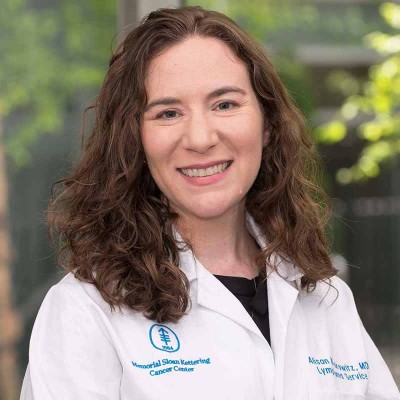 Alison J. Moskowitz合作论文数Memorial Sloan Kettering Cancer Center20
 Ranjana Advani合作论文数Division of Oncology, Department of Medicine, Stanford University;Stanford Cancer Institute20
 Gilles Andre Salles合作论文数Division of Hematologic Malignancies, Department of Medicine, Memorial Sloan Kettering Cancer Center19Colette Owens合作论文数17
 Stefan Barta合作论文数University of Pennsylvania School of Medicine;Fox Chase Cancer Center17
 Vaishalee Kenkre合作论文数Department of Medicine, School of Medicine and Public Health, University of Wisconsin-Madison16William T Johnson合作论文数15
 Thomas A Ollila合作论文数Alpert Medical School, Brown University15
 Jakub Svoboda合作论文数Division of Hematology and Oncology, Department of Medicine, Perelman School of Medicine, University of Pennsylvania15
 Craig A Portell合作论文数15Alexander P. Boardman合作论文数14Jason T Romancik合作论文数14Gordon Leo I合作论文数14
 Veronika Bachanova合作论文数Division of Adult and Pediatric Hematology, Oncology, and Transplantation, University of Minnesota Cancer Center14
 Adam Olszewski合作论文数13
 David A. Bond合作论文数Div Hematol, Ohio State Univ13Victor M. Orellana-Noia合作论文数13Raphael E Steiner合作论文数Department of Lymphoma and Myeloma, MD Anderson Cancer Center, Houston, TX13Efrat Luttwak合作论文数13
 Ahmet Dogan合作论文数Memorial Sloan Kettering Cancer Center13
 Alexey Danilov合作论文数City of Hope National Medical Center;Toni Stephenson Lymphoma Center, City of Hope13
 Nishitha M M Reddy合作论文数Division of Hematology Oncology, Department of Medicine, Vanderbilt University Medical Center13Stephens Deborah M合作论文数Department of Internal Medicine and Comprehensive Cancer Center, The Ohio State University12
 Michael Spinner合作论文数12
 Sonali M. Smith合作论文数Section of Hematology/Oncology, The University of Chicago Medical Center12Brian T. Hess合作论文数11Seo-Hyun Kim合作论文数Med Ctr, Rush Univ11
 Jane N Winter合作论文数Hematology and Oncologys, Department of Medicine, Feinberg School of Medicine, Northwestern University11




