The clinical paradigm for treatment of classical Hodgkin lymphoma has been transformed by the use of anti-PD-1 therapy, driven by foundational work revealing near-universal 9p24.1 alterations resulting in overexpression of PD-L1 and PD-L2 on Reed-Sternberg cells. Use of PD-1 inhibitors has demonstrated remarkable clinical activity for patients with Hodgkin lymphoma. Anti-PD-1 monotherapy has demonstrated durable remissions in the relapsed/refractory setting, including a 5-year overall survival of around 70% in clinical trials. Further efforts have evaluated these treatments in various combinations and demonstrated efficacy in both the salvage setting prior to stem cell transplantation (SCT) and the relapsed/refractory setting after SCT. After such promising results, these agents were moved into the frontline setting with landmark trials such as SWOG S1826, establishing Nivo-AVD (nivolumab, doxorubicin, vinblastine, dacarbazine) as an emerging standard for advanced-stage classical Hodgkin lymphoma. Similarly, Nivo-AVD in the NIVAHL trial demonstrated remarkable efficacy in early stage, unfavorable disease. These agents have a unique mechanism of action that shows promise for patients who would otherwise be chemotherapy-ineligible. The use of these agents is also of interest in the adolescent and young adult populations who would be at risk from long-term side effects of chemotherapy or radiation. This review seeks to examine the safety, efficacy, and feasibility of anti-PD-1 therapy in classical Hodgkin lymphoma.
Abstract Large Language Models (LLM) are being widely adopted into the medical field for their impressive ability to analyze and summarize large amounts of text data. These models enable clinicians and researchers to extract meaningful insights from complex datasets and may assist with decision making. Here we present our workflows and application of LLM for the interpretation and summarization of clinical data related to CAR-T cell therapy. Using an LLM (Gemini 2.5 pro) in the Google Cloud Computing (GCP) environment, two applications were developed to analyze CAR-T cell therapy clinical data: 1) extracting and summarizing CRS and ICANS event-related data to streamline the compliance team workflow, and 2) identifying features available at time of CAR-T infusion able to classify patients into high- or low-monitoring needs 14 days post CAR-T. Patient data (vitals, labs, hematology notes, and EKGs) were extracted from the electronic medical record (EMR) using Google BigQuery into SQL tables in GCP. For each application, relevant data fields were retrieved, formatted into JSON objects, and embedded in the LLM prompt for context-aware processing. Both applications have undergone iterative prompt engineering after analyzing the LLM output against ground truth data in the EMR. For the application extracting and summarizing CRS and ICANS events, the LLM was optimized on Mayo Clinic Rochester data. When compared to the IEC compliance database, the LLM achieved 100% accuracy and F1 score for CRS events, and 96% accuracy and 82% F1 score for ICANS events. The match rate for CRS and ICANS grades were 83% and 89% respectively. We applied the same LLM to Mayo Clinic Arizona (MCA) and Mayo Clinic Florida (MCF) cases, who document clinical notes and toxicity flowsheet differently, and achieved an accuracy (MCA: 93%, MCF:93%) and F1 score (MCA: 96%, MCF: 96%) for CRS and accuracy (MCA: 81%, MCF:82%) and F1 score (MCA: 76%, MCF: 75%) for ICANS. LLM was able to capture events missed by manual reviews. For most of the discrepancies where compliance team final adjudication is needed, LLM will be updated to flag discrepancies for review by the compliance team. For the application related to the monitoring needs 14 days post CAR-T, the LLM identified 5 categories predictive of high or low monitoring needs post CAR-T infusion (disease status, inflammatory and tumor burden markers, hematologic status, renal function and performance status). Our model achieved a sensitivity of 85.7%, specificity of 23.8%, and F1 score of 65.5% for our first cohort, compared with data extracted by the LLM from the EMR. For our second cohort, with demographics statistically similar to cohort 1 and using the same 5 categories, the LLM achieved a sensitivity of 83.3%, a specificity of 28.6%, and F1 score of 65.4%. Our workflow and applications of LLM’s provide examples and guidance to others interested in applying LLM’s for clinical and research applications. Citation Format: Emmanuel Contreras Guzman, Matthew Jankowski, Andre De Menezes Silva Corraes, Malvika Gupta, Monica L. Shaw, Madiha Iqbal, Talal Hilal, Saurabh Chhabra, Ricardo Daniel Parrondo, Jody K. Mclean, Kim R. Riester, Kayla Joseph, Melinda Tan, Holly Ross, Cleyonia Barnett, Sylvia Carter, Semy Girmay, Rachel Wolan, Milana Ramsey, Christian Downhour, Kristy Morgan, Shae Sibley, Erica Rushing, Lucy Holmes, Allison Burgstahler, Stephen M. Ansell, Hassan Alkhateeb, Matthew Hathcock, Ramona Bruno, Allison C. Rosenthal, Hemant Murthy, Patrick B. Johnston, Jonas Paludo, Yi Lin. Applications of large language models to CAR-T cell therapy clinical data using Google cloud computing [abstract]. In: Proceedings of the American Association for Cancer Research Annual Meeting 2026; Part 1 (Regular Abstracts); 2026 Apr 17-22; San Diego, CA. Philadelphia (PA): AACR; Cancer Res 2026;86(7 Suppl):Abstract nr 2740.
Background CAR-T therapy improves outcomes in relapsed/refractory lymphoma and multiple myeloma, yet clinicians lack tools that deliver individualized, real-time toxicity forecasts after infusion. We recast prediction as time-dependent risk modeling of event processes, treating outcomes such as CRS and ICANS as phenomena that unfold over time rather than single static events. Methods We assembled a retrospective cohort of adults treated with CAR-T. Five data modalities consisting of vital signs, laboratory tests, ECG, echocardiography, and PET-CT radiomics were included. Longitudinal courses from Day 0–30 were transformed into person-time tables and partitioned into 6-hour intervals. Each row represented a discrete observation window paired with contemporaneous measurements, allowing time-varying covariates to update as physiology changed and accommodating censoring when observation ended before an event. Pooled-logistic discrete-time hazard models (XGBoost) estimated daily hazards for first CRS ≥ 1, first ICANS ≥ 2, and the need for ≥ 2 tocilizumab doses within 48 hours of fever. Model outputs included time-resolved hazard trajectories and corresponding cumulative event probabilities. Performance was summarized by per-day dynamic AUCs. Iterative feature reduction honed ∼400 candidate predictors to 15–25 contributory features per endpoint. Results Across 476 infused patients (ages 21–89; mean 62; 63% male) with lymphoma (n=270) or multiple myeloma (n=206), CAR-T infusions occurred from June 23, 2016 until June 3, 2024. Clinically, CRS ≥ 1 occurred in 377/476 (79.2%), ICANS ≥ 2 in 103/476 (21.6%), and ≥ 2 tocilizumab doses were used within 48 hours in 70/476 (14.7%). Time-dependent modeling produced accurate daily risk forecasts throughout the first month; integrated dynamic AUCs across days 1, 3, 5, 7, 10, and 15 were 0.86 for CRS ≥ 1, 0.85 for ICANS ≥ 2, and 0.87 for the need for two tocilizumab doses within 48 hours. The ICANS and tocilizumab models ultimately retained features from all five modalities, whereas the CRS model primarily required laboratory and vital-sign data. Conclusions By modeling hazards rather than only survival probabilities, this multimodal, post-infusion strategy shifts from static prognostication to dynamic risk forecasting. The framework recalibrates in real time as new vitals, labs, ECG, echocardiography, and radiomics data accrue, generating time-resolved hazard curves and cumulative event probabilities any time within 30 days post-infusion. These efforts may support individualized counseling, adaptive monitoring, and early-warning strategies.
Abstract Introduction and Purpose: Immune checkpoint signaling represents a major barrier to effective antitumor immunity by suppressing cytotoxic T-cell activity. Cytokine-inducible SH2-containing protein (CISH) is a genetically validated intracellular immune checkpoint that constrains cytotoxic T-cell and natural killer cell signaling. Emerging evidence supports a critical, T cell-intrinsic role for CISH in lymphoma. Despite strong biological validation, CISH targeting has thus far been limited to genetic manipulation in adoptive cell therapies. We sought to establish CISH as a drug-tractable target by discovering a first-in-class, cell-permeable small-molecule CISH inhibitor/degrader suitable for scalable immunotherapy development. Methods: CISH biology was characterized using datasets of patients with B-cell lymphoma and isogenic cellular models to define target-dependence benchmarks. Structure-guided small-molecule discovery was enabled through homology modeling and AlphaFold-based predictions of CISH structure. A focused library of covalent CISH binders was synthesized using systematic variation of SH2-engaging motifs and electrophilic warheads. Compounds were evaluated using biophysical binding assays, mass spectrometry–based covalent engagement, cellular degradation, and signaling readouts. Results: Cellular indexing of transcriptomes and epitopes by sequencing (CITE-seq) analysis identified CISH as one of the most highly expressed genes in intratumoral T cells associated with a poor prognosis in patients with non-Hodgkin lymphoma, supporting disease relevance and target enrichment. Genetic ablation or knockdown of CISH in a T cell model (KARPAS299) induced reproducible, target-dependent phenotypes, including enhanced S-phase entry and augmented STAT5 phosphorylation following IL-2 stimulation, establishing rigorous cellular benchmarks for pharmacologic modulation. We designed and synthesized over 50 candidate CISH binders incorporating covalent SH2-domain engagement. Multiple compounds showed direct binding to CISH by thermal shift analysis and selective covalent modification at Cys144 by mass spectrometry. Introduction of a masked phosphate motif significantly improved intracellular exposure, confirmed using a BODIPY-labeled analog. Lead compounds demonstrated target engagement by cellular thermal shift assay and induced rapid, concentration-dependent degradation of endogenous CISH within 4 hours in cells, while maintaining high selectivity over related SOCS family members, demonstrating both target engagement and specificity. Conclusions: This work establishes CISH as a chemically tractable intracellular immune checkpoint and reports the discovery of the first selective, cell-permeable small-molecule CISH degrader. These data provide a strong foundation for further structure activity relationship optimization and position CISH degradation as a promising drug discovery strategy to modulate T cell function and enhance antitumor immunity. Citation Format: Hao Xie, Xinyi Tang, Sujeewa Ranatunga, Stephen M. Ansell. Discovery of a small-molecule degrader targeting the intracellular immune checkpoint CISH [abstract]. In: Proceedings of AACR Drug Discovery and Development (AACR D3) Conference; 2026 Jul 21-24; Boston, MA. Philadelphia (PA): AACR; Clin Cancer Res 2026;32(14_Suppl):Abstract nr B049.
1503 Background: CAR T-cell therapy has revolutionized treatment outcomes in hematological malignancies, but has traditionally required inpatient post-infusion monitoring, which is associated with significant cost and time toxicity. Outpatient CAR T infusion and monitoring has been the standard approach at Mayo Clinic site in Rochester, MN, with demonstrated feasibility and safety (Bansal et al., ASCO 2023). We present data comparing healthcare utilization between CAR T recipients who underwent outpatient remote monitoring and those with traditional inpatient monitoring. Methods: Electronic medical records were retrospectively analyzed for 293 patients who received CAR T-cell therapy for a hematological malignancy at any of the 3 Mayo Clinic sites (MN, AZ, FL) between 2020 and 2024 . Healthcare utilization was compared between patients who received outpatient CAR T with remote patient monitoring in Rochester, MN (N = 125) and those who received inpatient CAR T in the Arizona (n = 90) and Florida (n = 78) sites. Per protocol, patients in the inpatient group underwent mandatory inpatient monitoring for 7 days, with extension per provider discretion. Data was analyzed through Chi-Square and Wilcoxon tests. P values < 0.05 were considered statistically significant. Results: There was no significant difference in baseline sex, age, ethnicity, LDH, platelets, or neutrophils among the 293 patients. Diagnoses included lymphoma (n = 175), multiple myeloma (n = 106), and B-ALL (n = 12). The most common CAR T-cell products used were axicabtagene ciloleucel (n = 138) idecabtagene vicleucel (n = 56), and ciltacabtagene autoleucel (n = 50). Median hospital days were lower in the outpatient group vs the inpatient group at 30 days (4.4 vs 13.3, P < 0.001) and 90 days (4.6 vs 13.6, P < 0.001). ICU admission occurred in 1 outpatient patient ( < 1%) vs 18 inpatient patients (11%) in the first 30 days (P < 0.001). In the first 30 days, 22% of patients in the outpatient group did not require hospitalization, while 56%, 15%, and 6% required 1, 2, and 3 hospitalizations, respectively. Similarly, only 11 (8.8%) patients in the outpatient group had ≥1 ED visit in the first 30 days compared with 32 (20%) pts in the inpatient group (P = 0.009). At 30 days, there was no difference in patient portal use, with 58% of patients using the portal at least once and a median of 1 message in both groups. Within the first 30 days, 53% and 2% of patients in the outpatient group required 1 and 2 outpatient visits, respectively, vs 29% and 2% in the inpatient group (P < 0.001). There was no difference in 30-day mortality (1.6% outpatient vs 2.4% in inpatient) between the 2 groups (P = 1.00) Conclusions: Outpatient CAR T-cell therapy monitoring was associated with significantly fewer hospital days without increased ED visits, ICU stays, portal use, or 30-day mortality. This demonstrates lower healthcare utilization for outpatient CAR-T therapy.
BACKGROUND:Although some vaccines seem to be associated with a lower risk of lymphoma, their impact on outcomes is largely unknown. METHODS:Data from a large prospective lymphoma cohort study were utilized to estimate associations of self-reported history of vaccination against hepatitis A, hepatitis B, influenza, and yellow fever with event-free survival (EFS) and overall survival (OS) using Cox proportional hazard models. RESULTS:None of the vaccines were associated with EFS [hazard ratio (HR) 0.77-1] or OS (HRs 0.96-1.04). Similarly, there were no significant associations between the vaccines and outcomes for each lymphoma subtype. CONCLUSIONS:Prior vaccination against selected viruses was not associated with EFS or OS among patients with lymphoma. IMPACT:We did not find evidence for an impact of prior vaccination on lymphoma prognosis.
INSTRUCTION:Follicular lymphoma (FL) is an indolent B cell malignancy characterized by recurrent genetic alterations, yet its clinical course is highly variable and not fully explained by tumor-intrinsic features alone. Increasing evidence highlights the tumor microenvironment (TME) as a critical regulator of disease progression, therapeutic response, and immune escape. AREAS COVERED:FL TME is composed of diverse cellular elements, including T cell subsets, tumor-associated macrophages, stromal cells, and follicular dendritic cells, which collectively provide survival signals and shape immune dysfunction. These interactions have led to the identification of potential therapeutic targets, such as immune checkpoint molecules, macrophage polarization pathways, and stromal-tumor signaling axes. In parallel, microenvironment-derived biomarkers, including specific immune cell compositions, spatial organization patterns, and gene expression signatures, are emerging as important predictors of prognosis and treatment outcomes. Advances in single-cell and spatial profiling technologies have further refined our understanding of TME heterogeneity, enabling the discovery of clinically relevant targets and biomarkers. EXPERT OPINION:Together, these insights support a more integrated model of FL biology and provide a foundation for developing microenvironment-directed therapies and precision medicine approaches.
Diffuse large B-cell lymphoma, the most common non-Hodgkin lymphoma subtype, represents 30% to 40% of cases globally. It is an aggressive but potentially curable malignant disease with substantial clinical and molecular heterogeneity. Gene expression profiling defines distinct molecular subtypes with differing prognostic and therapeutic implications. Frontline therapy typically involves anthracycline-based chemoimmunotherapy, most commonly rituximab, cyclophosphamide, doxorubicin, vincristine, and prednisone (R-CHOP). Treatment strategies are tailored on the basis of disease stage, molecular subtype, patient fitness, and prognostic risk. Limited stage disease may be managed with abbreviated chemotherapy, with or without involved site radiotherapy, whereas advanced stage disease generally requires 6 cycles of R-CHOP. Substituting polatuzumab vedotin for vincristine has been found to be beneficial for select patients. Elderly patients or those with significant comorbidities may require dose-adjusted regimens or palliative approaches prioritizing quality of life. Relapsed or refractory disease presents therapeutic challenges. For fit patients, chimeric antigen receptor T-cell therapy has emerged as the preferred option in early relapse (<12 months) or refractory disease. Patients with late relapse (>12 months) receive salvage chemotherapy followed by autologous stem cell transplantation. Disease progression after second-line therapy may be treated with bispecific antibodies, antibody-drug conjugates, or novel antibody combinations. Central nervous system involvement portends poor prognosis and requires methotrexate-based therapy. Event-free survival at 24 months has emerged as a strong surrogate marker for long-term outcomes; patients who achieve this have survival comparable to that of the general population. Ongoing advances in molecular characterization, immunotherapy, and precision medicine are expected to further refine risk-adapted, personalized approaches for the treatment of diffuse large B-cell lymphoma.
TRAIL is a TNF family ligand that trimerizes TRAIL-R1 (DR4) or TRAIL-R2 (DR5) to induce apoptosis, necroptosis, and/or NF-κB activation in receptor-bearing cells. We previously identified TRAILshort as a splice variant of TRAIL that lacks cysteine 230, cannot trimerize, and acts as a dominant-negative ligand that blocks TRAIL-mediated apoptosis. TRAILshort is expressed on cell surfaces and within extracellular vesicles, enabling it to confer TRAIL resistance to both producing and bystander cells. In this study, we showed that elevated TRAILshort levels were associated with chronic viral infections, cancer, and autoimmune diseases, suggesting a link to impaired immune regulation. Using unbiased phosphoproteomics and mechanistic studies, we demonstrated that TRAILshort binding to DR5 recruited and activated the phosphatase Src homology region 2 domain-containing phosphatase 1 (SHP-1), leading to zeta-chain-associated protein kinase 70 (ZAP-70) dephosphorylation, disruption of ZAP-70-CD3ζ interactions, and impaired T cell receptor signaling, thereby reducing T cell activation, proliferation, and cytokine production in response to antigen or CD3/CD28 ligation. Genetic or pharmacologic SHP-1 inhibition reverses these effects. In humanized mouse models, TRAILshort promoted the persistence of transformed mouse embryonic fibroblasts (MEFs) and L428 and antagonized CD19-directed CAR T cell activity, revealing TRAILshort as an immunomodulator of T cell function with therapeutic implications, including blocking TRAILshort to restore T cell immunity or delivering TRAILshort to enforce tolerance.
Introduction Reporting patient outcomes by CAR-T treatment centers is part of the accreditation requirement under the FACT IEC Program standard. CIBMTR audits IEC programs annually and requires the reported data to be >97% accurate. Currently, this is a time-consuming and manual process, making it difficult to sustain with the growing CAR-T indications and patient volume. Objective The objective of this study is to develop a Large Language Model (LLM) to automate the abstraction from the medical record and apply guidelines to define and grade toxicities after CAR-T therapy. Methods Clinical data from patients treated with CAR-T between January 2018 and June 2025, across all three Mayo Clinic sites, Minnesota (MCR), Florida (MCF) and Arizona (MCA) were used. Using LLM (Gemini 2.5 pro), we created a prompt by embedding both the clinical data and the ASTCT guideline for CRS and ICANS grading to generate output for whether or not CRS or ICANS event occurred, and if occurred, dates of occurrence, grade and medications used for management, as well as contextual justification for the output. The CRS and ICANS outcome reports generated by the LLM were then compared to the historical database. Any discrepancies identified were then reviewed manually. Results LLM was optimized using MCR data, showing 100% accuracy and F1 score, and 96% accuracy and 82% F1 score, for identifying CRS and ICANS events respectively, compared to the database. The match rates for CRS and ICANS grades were 83% and 89% respectively (Figure 1). MCA and MCF use different processes for clinical notes and toxicities flowsheet documentation. Applying the same LLM to those two sites yielded a lower rate of accuracy and F1 score for CRS and ICANS (Figure 1). In general, confusion matrix scores are higher for CRS events than for ICANS.Review of the discrepancies between LLM and database identified three main causes for discrepancies between LLM and database: A) Missed information by manual review for the historical database that was correctly identified and categorized by the LLM; B) correct categorization of event by LLM using objective data that was incorrectly graded by clinical team or attributed by the clinical team to other etiologies; C) LLM incorrect (Figure 2). For the first discrepancy, LLM use can improve the accuracy of the data capture for the compliance team. For the second, LLM will be updated with output to alert compliance team of discrepancy between objective data and clinical notes for manual review and final adjudication. For the third, additional review with clinical teams will be done to determine the best action to improve accuracy that may include updates to LLM prompts and clinical documentation process. Conclusion Our study demonstrates that LLMs can significantly reduce manual work to abstract and categorize CAR-T toxicities, while identifying opportunities for process improvement and quality review for the compliance team.
Follicular lymphoma (FL) is the most common indolent non-Hodgkin lymphoma. Although patients with FL have high response rates to therapy, most develop increasingly resistant disease. In addition, transformation into an aggressive lymphoma is associated with unfavorable outcomes. Many novel agents are under investigation, and early clinical data are encouraging. Aligning treatment with the underlying tumor biology and sequencing of therapies remain key clinical challenges. At the Lymphoma Research Foundation's biannual 2024 Follicular Lymphoma Scientific Workshop, experts convened to discuss the role of chemotherapy in the context of new therapies, the impact of early progression on treatment sequencing, novel end points in clinical trials, disease biology and the tumor microenvironment, and new treatments on the horizon. This report focuses on updates in FL biology, first-line treatment, the role of progression of disease in 24 months, clinical trial design, and redefining cure in FL.
Angioimmunoblastic T-cell lymphoma (AITL) is an aggressive peripheral T-cell lymphoma with poor outcomes, and the role of autologous stem cell transplantation (ASCT) as consolidation after frontline therapy remains controversial. We conducted a retrospective cohort study using the National Cancer Database, including adults diagnosed with AITL between 2004 and 2020 who received frontline systemic therapy. Patients were categorized as chemotherapy alone (Chemo) or chemotherapy followed by ASCT (Chemo + ASCT). To mitigate immortal time bias, prespecified landmark analyses were performed, with a 6-month landmark analysis as the primary approach and a 9-month landmark analysis as a sensitivity analysis. Multivariable Cox regression and propensity score weighting using inverse probability of treatment weighting for the average treatment effect were used to address measured confounding. Among 3996 patients receiving systemic therapy, 686 (17.2%) underwent ASCT. In the 6-month landmark analysis, ASCT was associated with improved overall survival (HR, 0.53; 95% CI, 0.45-0.62; p < 0.001). Findings were consistent in the 9-month landmark analysis (HR, 0.58; 95% CI, 0.49-0.69; p < 0.001) and IPTW-adjusted model (HR, 0.51; 95% CI, 0.44-0.60; p < 0.001). In this large real-world cohort, ASCT consolidation was consistently associated with improved survival in patients with AITL. Although treatment-response data were unavailable and residual confounding cannot be excluded, these findings provide supportive real-world evidence and warrant prospective studies with treatment-timing and response data to better define patient selection.
Diffuse large B-cell lymphoma (DLBCL) is an aggressive B-cell malignancy and is the most common subtype of lymphoma. Treatment is administered with curative intent and approximately two thirds of patients are expected to have durable long-term survival. To achieve this, anthracycline-based chemotherapy in combination with rituximab is typically administered as initial therapy. Management is optimized based on the disease stage, prognostic clinical features, and histological or molecular subclassification. In patients with the activated B-cell subtype of DLBCL, polatuzumab vedotin is commonly included in the combination. For those with Myc and BCL-2 rearrangements, a more treatment intense approach is used. Despite this risk-adapted approach, at least one third of patients relapse. Those who relapse within 1 year, or are resistant to initial therapy typically receive chimeric antigen receptor (CAR) T-cell therapy. For those relapsing more than a year post initial treatment, salvage chemotherapy followed by an autologous stem cell transplant is offered. In patients ineligible for cellular therapy, or those who progress after CAR T-cell treatment, management is palliative and includes administration of bispecific antibodies or antibody drug conjugate combinations. To further improve the outcome of DLBCL patients, incorporation of cellular and bispecific therapies into front-line treatment is currently being tested.
Abstract: Use of brentuximab vedotin (BV) and PD-1 monoclonal antibodies (mAbs) before autologous stem cell transplantation (ASCT) could impact the benefit of post-ASCT BV maintenance in relapsed/refractory (R/R) classic Hodgkin lymphoma (cHL). We identified 1091 patients with R/R cHL who underwent ASCT between 2010-2022. In total, 244 (22%) received a PD-1 mAb and 443 (41%) received BV before ASCT, while 305 (28%) received BV maintenance. We performed 1:1 propensity score matching to assess the efficacy of BV maintenance in different patient subgroups. Among 608 matched patients, the 3-year progression-free survival (PFS) and overall survival were 73% (95% confidence interval [CI], 70-78) and 95% (95%CI, 93-97), respectively. BV maintenance was associated with improved PFS for patients with no exposure to novel agents, especially those with 2+ modified AETHERA risk factors (0-1 factors: hazard ratio (HR), 0.51; 95%CI, 0.24-1.09; P =.083; 2+ factors: HR, 0.40; 95%CI, 0.25-0.65; P < .001). In contrast, BV maintenance was not associated with a significant PFS benefit for any patient subgroup who received novel agents before ASCT (BV-treated, 0-1: HR, 1.43; 95%CI, 0.53-3.81; P =.48; 2+: HR, 0.79; 95%CI, 0.34-1.82; P =.58; PD-1-treated, 0-1 [P >.99], 2+: HR, 0.25; 95%CI, 0.03-2.14; P =.21). In particular, we observed excellent outcomes for patients undergoing ASCT in a complete response after one line of PD-1-based salvage treatment with no significant benefit for BV maintenance observed (2-year PFS 100% vs 95%; P >.99). The benefit of BV maintenance appears to be attenuated for patients receiving novel agents with salvage therapy. Omission of BV maintenance should be considered for patients anticipated to have excellent outcomes.
Background The rapid expansion of cellular therapies since the first FDA approvals in 2017 has transformed the clinical landscape, with dozens of approved products and thousands of ongoing trials spanning both malignant and non-malignant indications. During this period of expansion, Mayo Clinic established the Cellular, Molecular, and Bispecific (CMB) programs to oversee strategic program development, manage resources and capacity, support clinical practice, and facilitate research innovation. The broad disease indications for FDA approved and investigation therapies present evolving operational challenges. Methods Mayo Clinic Rochester established the CMB Steering Committee, comprising representatives from clinical care, research, pharmacy, operations, and administration. This committee serves as the central body for operational governance, tasked with reviewing both practice and research initiatives, as well as identifying and addressing operational challenges. Results The CMB program is a hub-and-spoke model to streamline onboarding of FDA-approved therapies and to coordinate care across specialties for both FDA-approved and investigational products. Dedicated teams manage therapy-specific logistics, regulatory compliance, and patient access, while centralized programs conduct real-time tracking of clinical volumes, product onboarding, and financial performance.Within this infrastructure, adjustment of resources included addition of an eHealth assistant to off-load administrative tasks from RN coordinators; Nursing Education Specialist (NES) to centralize and streamline educational content for staff and patients; biostatistician and informatician to support digital innovations for compliance program and real-world evidence research; and research program manager to shepherd expansion of novel cell therapy platforms, investigator-initiated protocols, and protocols outside of oncology indications.In the first year, the CMB program has reviewed 8 FDA approved therapies and worked on 4 therapies for onboarding; reviewed operational data of approved therapies to assist with updates to biologic pricing for financial sustainability; expanded education for care teams on new therapy type and disease indications; and developed large language models to automate data extraction and assessment for cell therapy toxicities to reduce manual work for the compliance team. Conclusions Mayo Clinic CMB shares one model for coordinated oversight while facilitating complex workflow across various departments and specialties.
Background/Objectives: Racial/ethnic and regional disparities in neoplasm-related mortality remain a significant public health challenge. In this study, we aimed to evaluate long-term trends in county-level neoplasm-related mortality rates by race/ethnicity in the United States and examine associations with social determinants of health. Methods: We conducted a cross-sectional ecological study using population-based data from the Global Burden of Disease Study, including individuals residing in 50 states of the United States and the District of Columbia from 2000 to 2019. We analyzed age-standardized neoplasm-related mortality rates by ethnicity/race. Joinpoint regression analysis was used to identify significant changes in mortality trends, summarized as average annual percentage change. County-level correlations between mortality and key social determinants of health were also assessed. Results: Neoplasm-related mortality rates declined across all racial/ethnic groups from 2000 to 2019; however, disparities persisted. The age-standardized neoplasm-related mortality rates per 100,000 population decreased in all racial/ethnic subgroups. The average annual percentage change ranged from -0.94% (Hispanic and non-Hispanic American Indian or Alaska Native) to -1.90% (Black). Sex-specific analyses revealed similar trends. Southeastern states experienced slower declines than Northeastern states did. County-level smoking and poverty rates were positively correlated, whereas the primary care physician-to-population ratio, excessive alcohol consumption rate, mammography screening rate, and median household income were inversely correlated with neoplasm-related mortality rate, varying by race/ethnicity. Conclusions: Targeted, community-specific interventions are required to reduce inequities in cancer outcomes.
 Thomas E. Witzig合作论文数Division of Hematology, Mayo Clinic College of Medicine414
 Thomas M. Habermann合作论文数Mayo Clinic Comprehensive Cancer Center;Departments of Hematology, Mayo Clinic360
 Anne J. Novak合作论文数Division of Hematology, Department of Internal Medicine, Mayo Clinic;Department of Immunology, Mayo Clinic262
 Patrick B. Johnston合作论文数Department of Hematology, Mayo Clinic;Mayo Clinic Comprehensive Cancer Center;Transplant Center, Mayo Clinic250
 James R. Cerhan合作论文数College of Medicine and Science, Mayo Clinic;Mayo Clinic Comprehensive Cancer Center;Mayo Clinic Center for Individualized Medicine238
 Grzegorz S. Nowakowski合作论文数Division of Hematology, Department of Internal Medicine, Mayo Clinic;Mayo Clinic Comprehensive Cancer Center223
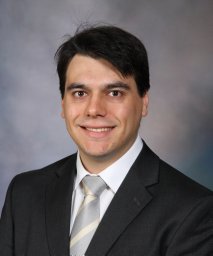 Paludo Jonas合作论文数Department of Internal Medicine, Mayo Clinic203
 Luis F. Porrata合作论文数200
 Matthew J. Maurer合作论文数Mayo Clinic185
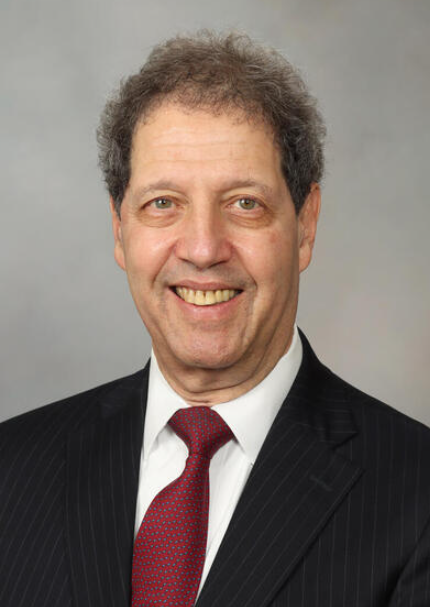 Morie A. Gertz合作论文数Mayo Clinic Comprehensive Cancer Center;Division of Hematology, Department of Internal Medicine, Mayo Clinic171
 Ivana N Micallef合作论文数168
 David J. Inwards合作论文数Mayo Clinic161
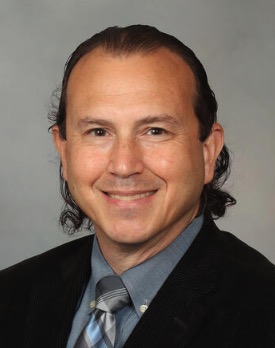 Andrew L. Feldman合作论文数Division of Hematopathology, Department of Laboratory Medicine and Pathology, Mayo Clinic;Division of Experimental Pathology and Laboratory Medicine, Department of Laboratory Medicine and Pathology, Mayo Clinic141Brian K Link合作论文数Univ Iowa, Holden Comprehens Canc Ctr, Iowa City, IA 52242 USA136
 Villasboas José C合作论文数135
 Yucai Wang (王育才)合作论文数School of Life Sciences, University of Science and Technology of China;The CAS Key Laboratory of Innate Immunity and chronic Disease134
 Yi Lin合作论文数Division of Hematology, Department of Internal Medicine, Mayo Clinic;Mayo Clinic Comprehensive Cancer Center130
 Zhi-Zhang Yang合作论文数125
 Susan L. Slager合作论文数Department of Quantitative Health Sciences, Mayo Clinic120
 Carrie A. Thompson合作论文数Mayo Clinic118
 Angela Dispenzieri合作论文数Comprehensive Cancer Center, Mayo Clinic;Transplant Center, Mayo Clinic107Prashant Kapoor合作论文数107
 Shaji Kumar合作论文数Division of Hematology, Department of Internal Medicine, Mayo Clinic105
 Arushi Khurana合作论文数Division of Hematology, Mayo Clinic93Svetomir N. Markovic合作论文数93
 Robert Kyle合作论文数College of Medicine, Mayo Clinic88
 William Macon合作论文数Department of Pathology, Vanderbilt University Medical Center88
 Martha Q. Lacy合作论文数Mayo Clinic-Rochester88N. Nora Bennani合作论文数84David J Inwards合作论文数84
 Rebecca L. King合作论文数Department of Laboratory Medicine and Pathology, Mayo Clinic83
 Jithma P. Abeykoon合作论文数Div Hematol, Mayo Clin74
 Patrizia Mondello合作论文数Mayo Clinic72
 Mark R. Litzow合作论文数Division of Hematology, Department of Internal Medicine, Mayo Clinic71Kay Ristow合作论文数70
 Craig B. Reeder合作论文数Division of Hematology/Oncology, Department of Internal Medicine, Mayo Clinic70
 Ranjana Advani合作论文数Division of Oncology, Department of Medicine, Stanford University;Stanford Cancer Institute70Joseph P. Colgan合作论文数70Steven C. Ziesmer合作论文数68
 S. Vincent Rajkumar合作论文数Division of Hematology, Mayo Clinic;Mayo Clinic Comprehensive Cancer Center62Suzanne R. Hayman合作论文数62
 Kerry Savage合作论文数Division of Medical Oncology, Faculty of Medicine, University of British Columbia61Michelle K. Manske合作论文数59
 Ivana N. Micallef合作论文数Division of Hematology, Mayo Clinic59
 Ahmet Dogan合作论文数Memorial Sloan Kettering Cancer Center57Rosenthal Allison合作论文数57
 David Dingli合作论文数Department of Hematology, Mayo Clinic;Mayo Clinic Comprehensive Cancer Center, Mayo Clinic;Transplant Center, Mayo Clinic57Wenzl Kerstin合作论文数Department of Internal Medicine, Medical University of Graz (MUG),56Sikander Ailawadhi合作论文数Department of Medicine, Roswell Park Cancer Institute55




