Understanding how bubbles influence the efficiency of water electrolysis is crucial to achieve economically competitive hydrogen, generated by renewable energy sources, such as wind and solar power. Water electrolysis is typically performed at high pressures to reduce the cost of energy-intensive mechanical compression of the produced H2. Thus, a better understanding of how the absolute pressure affects electrochemical performance and bubble size is necessary. In general, bubble sizes decrease as the pressure increases. Using different-sized pillar-patterned Ni electrodes generated by Direct Laser Writing, the detached bubble sizes can be modified even at elevated pressures. As the pillar size increases, the bubbles become larger at all pressures investigated from 1 to 6 bar. At a current density of -25 mA/cm2, the cathodic potential increases with pressure according to the thermodynamic voltage losses given by the Nernst equation ( 23 mV at p = 6 bar). Surprisingly, increasing the current density to 100 mA/cm2 leads to a reduction of the overpotential by up to 60 mV. Reduced bubble sizes at increased pressures minimize the losses caused by the bubbles, thereby compensating for the thermodynamic voltage penalty. Applying the Buckingham Π-theorem enables the derivation of dimensionless numbers to characterize the ratio of bubble-induced and thermodynamic voltage losses
HYPOTHESIS:Induced shape oscillations during bubble bouncing on substrates have been predicted to enhance mass transfer. However, the underlying physical mechanisms, including how bubble shape oscillations enhance mass transfer and whether this is governed by amplitude (low-order modes) or frequency (high-order modes), remain insufficiently understood. In this work, we hypothesize that bubble bouncing with shape oscillations enhances mass transfer by promoting interface renewal induced by circulation and concentration boundary layer separation. Within this framework, we further propose that the enhancement is primarily governed by low-order oscillation modes. EXPERIMENTS:A combination of optical methods with high spatiotemporal resolution - planar laser-induced fluorescence, particle image velocimetry and shadowgraphy - is employed to quantify the dissolved oxygen concentration field, the surrounding flow field and the bubble morphology. Additionally, a shape decomposition method is developed to analyze the oscillation modes of the bubble. FINDINGS:Bubble bouncing accompanied by shape oscillations enhances mass transfer by approximately 20%, compared with the predictions of the classical model dominated by convection for moving bubbles. This enhancement results from the circulation and the concentration boundary layer separation, both driven by relatively large-amplitude oscillations of low-order modes during bubble bouncing, which promote interface renewal, as revealed by the spatiotemporal evolution of the flow and concentration fields. Building on these findings, an extended Sherwood number formulation is proposed, which takes bubble bouncing with shape oscillations in the low-order mode into account.
Multiphase computational fluid dynamics simulation is a useful engineering tool once appropriate closure models are established. However, experimental data of a quality required to assess the validity of different models are largely lacking for three-phase flows containing both gas bubbles and solid particles dispersed in a liquid. Therefore, the present study extends a database on two-phase flows in a bubble column described previously in this journal by further experiments on three-phase flows. Again a combination of particle image velocimetry and shadowgraphy is applied, the former now also providing the solid phase fraction and velocity in addition to the liquid velocity and the latter measuring the gas fraction and velocity. The experimental data are compared with simulations based on models previously applied with success to two-phase bubbly and particulate flows. Reasonably good predictions are obtained also for the present three-phase flows over a range of operating conditions.
In addition to surface chemistry, surface roughness plays a critical role regarding wettability and solid-liquid as well as solid-gas interactions. Additive manufacturing produces substrates with unique characteristics (such as inherent roughness and porosity) that differ significantly from those of conventionally fabricated materials. In this study, conventionally manufactured Ti64 and stainless steel 316L substrates are compared with additively manufactured stainless steel 316L in their as-fabricated state, as well as after the application of direct laser interference patterning to introduce additional micro- and nanostructures. Surface morphology and topography are characterized using confocal microscopy and scanning electron microscopy. Wettability development is evaluated after storage in ambient air and aqueous environments, and the observed behaviors are correlated with different wetting states. Furthermore, the influence of these wetting states on bubble dynamics in O2-oversaturated aqueous solutions is investigated. The results indicate that the intrinsic roughness of AM substrates significantly enhances gas nucleation, primarily due to increased surface area and the presence of Harvey nuclei. Additional laser structuring by direct laser interference patterning not only increases the surface area but also oxidizes the surface and can induce rapid changes in surface chemistry, thereby affecting solid-gas interactions. Notably, the laser treatment of Ti64 substrates led to the formation of surfaces with very high water contact angles, characterized by the rose petal wetting regime. Despite the apparent superhydrophobic character, these surfaces did not promote solid-gas interactions. Other obtained wetting states turned out to be more beneficial for enhancing bubble nucleation. This work underscores the complex interplay between surface topography and chemical modification in achieving specific wetting states and highlights their collective impact on solid-gas interfacial phenomena.
We present a new method to quantify the reaction kinetics of oil-in-water rare-earth solvent extraction systems. The method aims to analyze the trajectory of an oil drop rising in a paramagnetic aqueous phase when the drop is exposed to a magnetic stray field. The latter generates a repulsive Kelvin force on the oil droplet, counteracting its buoyancy, thereby enabling a magnetic levitation in a paramagnetic aqueous phase containing trivalent dysprosium cations Dy(III). With the extractant PC88A dissolved in the oil phase, Dy(III) cation exchange proceeds continuously at the oil-water interface. The depletion of Dy(III) in the aqueous phase and the concurrent formation of Dy-complexes in the organic phase alter both the droplet’s magnetic susceptibility and its density. Consequently, the force balance acting on the droplet shifts, driving an uni-directional ascend toward the magnetic pole. By tracking the droplet motion with far-field optical microscope, we develop a quantitative model that correlates the droplet displacement with the time-resolved Dy(III) extraction rate. Scaling analysis reveals a first-order dependence of the reaction rate on both the Dy(III) and extractant concentrations, and a negative first-order dependence on hydrogen ion concentration. The kinetic rate law is further extended to account for the reverse reaction using reaction equilibrium data. Numerical simulations of the droplet trajectory based on the complete rate law show excellent agreement with experiment. This work establishes a rapid and accurate method for quantifying rare-earth extraction kinetics using a non-contact, single-droplet approach. The method is resource-efficient and readily adaptable to high throughput kinetic analysis of magnetically susceptible systems.
The lateral migration of bubbles in wall-bounded shear flows arises from the interaction between wall-induced and shear-induced forces, yet the combined effect has remained insufficiently investigated. In this study, we conduct dedicated bubble column experiments with a controlled shear field and wall proximity to investigate the dynamics of single bubbles rising near a vertical wall over a wide range of E & ouml;tv & ouml;s numbers (Eo). In the first stage, we isolate the wall-induced effect under stagnant water conditions: bubble rise velocity is reduced in the vertical direction but enhanced laterally. A wall force coefficient (C3) is established that increases linearly with Eo for low-viscosity systems. In the second stage, we examine the combined effect under wall-shear conditions. Two scenarios are considered and evaluated, where the bubbles show distinct behaviors: (i) cooperative cases, where both lateral forces act in concert to enhance migration away from the wall; and (ii) antagonistic cases, where they oppose each other, suppressing lateral motion. This work bridges a long-standing gap in bubbly flow hydrodynamics by providing a closure model that integrates wall and shear contributions in both bounded and unbounded conditions.
Dynamic wetting plays a fundamental role in the dynamics of droplets and bubbles at solid surfaces by influencing contact line motion and interfacial evolution. In this work, three representative wetting-controlled benchmarks, namely droplet splashing, bubble coalescence at solid surfaces, and bubble dynamics under shear flow, are investigated using a three-dimensional volume-of-fluid framework coupled with a recently developed dynamic wetting model based on contact line velocity reconstruction method [19]. The model is first validated against experimental observations and literature data for droplet splashing and bubble coalescence. It accurately reproduces the transient contact line evolution, splashing morphology, and coalescence dynamics. In particular, dynamic wetting suppresses the premature bubble detachment predicted by static wetting models and yields substantially improved agreement with experimental observations. In shear flow, contact angle hysteresis and contact line dissipation strongly influence bubble deformation, sliding, and detachment. These results demonstrate that accurate treatment of dynamic wetting is essential for predicting wetting-controlled droplets and bubbles involving rapid contact line motion, strong interfacial deformation, and topology changes.
Fluid transport in low-temperature water electrolyzers (LTWEs) and low-temperature fuel cells (LTFCs), spanning multiscale heterogeneous structures, significantly influences the production rate and energy conversion efficiency of green hydrogen energy. However, the contributions of underlying transport processes to the practical performance remain difficult to interpret, leading to a largely black-box understanding of transport-performance relations. This challenge is fundamentally constrained by the capabilities of available analytical techniques, particularly under realistic operating conditions. To address this gap, this review establishes a measurement-centred framework that links fluid transport phenomena with their intrinsic observability, thereby defining the current limits of performance interpretation. We first derive the key requirements of analytical techniques from fluid transport-induced performance limitations. Based on these requirements, we critically assess the capabilities and limitations of established optical, X-ray, and neutron based analytical methods. Particular emphasis is placed on emerging strategies, including embedded miniaturized sensors and ultrasonic techniques, which enable the transition from lab-scale observations towards operando diagnostics at device and system levels. Rather than treating these analytical techniques in isolation, this review highlights their complementary roles, defining the current observable space of fluid transport across scales. Recognizing the remaining gaps, it suggests that synergetic combinations of complementary analytical techniques may improve the effective interpretation of transport-performance relations across scales.
This paper presents a three-dimensional framework for simulating dynamic wetting phenomena using the volume of fluid method, implemented in Basilisk. A geometric interpolation scheme is developed to obtain an accurate and reliable value of the contact line velocity. To capture realistic wetting dynamics, a dynamic contact angle model is integrated that considers also contact angle hysteresis. The approach is validated against different numerical methods for computing the contact line velocity and various experimental results, including droplet spreading, splashing and sliding, where it demonstrates quantitative agreement with the three-dimensional wetting behavior observed. Additionally, a comparative analysis between dynamic and static contact angle models is performed.
Developing low-cost and efficient electrocatalysts for the oxygen evolution reaction (OER) is essential to produce green hydrogen for the decarbonization of the industry or heavy-duty applications. In this study, Ni-Co alloy electrodes for alkaline water electrolysis were fabricated via scanning jet electrodeposition, using porous Ni-Fe substrates with varying Fe content. To understand the role of substrate composition, the influence of Fe concentration on electrode morphology and OER performance was systematically investigated. The results showed that increasing the Fe content in the substrate led to the formation of finer and denser micro-nanoparticle structures on the Ni-Co alloy surface, which is favorable for catalytic activity. The different substrate compositions affected the deposition structure of the alloy, thereby altering the bubble contact angle of the electrode surface. Among them, the Ni-Co alloy electrode prepared on the Ni/Fe = 0.14:1 substrate exhibited better hydrophilicity with a bubble contact angle of 29.8 degrees. Enhanced OER activity was observed with increasing Fe content; the electrode on Fe foam showed a low overpotential of 247 +/- 3.02 mV vs RHE at 10 mA cm(-2). The novelty of this work lies in the scanning jet electrodeposition strategies for different substrate compositions to control the nucleation, which leverages the Fe content of the porous Ni-Fe substrate to directly control the Ni-Co alloy electrode's nucleation, microstructure, and wettability without additives or post-treatment. This coupling between substrate compositions and scanning jet electrodeposition provides a simple, scalable, and cost-effective method for improving OER activity. Our results demonstrate that substrate composition is an effective design control method for fabricating Ni-Co electrodes with high OER performance.
Subsea gas releases can produce visible surface patches whose size is much larger than the stochastic lateral wandering of individual bubbles during ascent. This distinction is important when laboratory measurements of bubble-swarm dispersion are extrapolated to environmental releases. Here we formulate a scale comparison between three lateral length scales: the Taylor dispersion scale for random bubble motion within a swarm, the entrainment scale for coherent widening of a rising gas–water plume and the surface-spreading scale produced after a plume reaches the free surface and forms a fountain. Applying this framework to the Nord Stream pipeline leaks shows that the observed surface expression was controlled by plume entrainment and surface spreading, rather than by bubble-swarm Taylor dispersion. The resulting regime classification clarifies when bubble-swarm Taylor dispersion can control the observed lateral spread and when plume entrainment and surface transport dominate.
Dephosphorization is essential to purify iron ore before converting it into valuable products like steel. This is carried out using the flotation process, where selectively hydrophobized phosphorus compounds like apatite impurities are recovered and a higher grade iron ore is achieved in the form of magnetite and haematite. The REFLUXTM Flotation Cell (RFCTM) has displayed tremendous potential in coal applications and mineral processing at the lab scale. The cell has broken the operating boundaries of the conventional flotation processes, which have not been achieved before, and enabled very high upgrades and recoveries. This study applies the RFCTM for the first time for the reverse flotation of apatite from magnetite-rich iron ore. The study focuses on improving the hydrodynamic parameters without focusing on the reagents optimization. The experiments are divided into pre-experiments at lower solid concentrations, and the observations are used to formulate a Design of Experiments for solid concentrations up to 50 % (w/w), as used at the mine site. Additionally, for the first time, the Wire mesh sensor, operating in electrical resistivity mode, is fixed in the cell cross-section to determine the gas-liquid phase distribution. The mineralogical results are correlated to the observations and the measured phase distributions.
The growing demand for rare-earths, which are processed by using costly and environmentally unfriendly solvent extraction methods, requires a better understanding of the underlying reaction kinetics in order to achieve further process optimizations. For this purpose, we present a novel approach to determine the complete reaction rate law of a liquid-liquid solvent extraction system. Therefore, extraction experiments with the strategically important rare-earth element samarium are carried out in a Hele-Shaw cell using PC88A diluted in low-viscosity paraffin oil. To analyze the diffusive mass transfer of the samarium ions from the aqueous phase into the extractant-loaded organic phase, the concentration profile in the aqueous phase is measured using a Mach-Zehnder interferometer. By applying the method of initial rates, the concentration data enable the semiempirical reaction rate law to be determined. The rate law is quasi-first-order for Sm(III), a quasi-second-order for the extractant PC88A, and a partial order of -0.11 for the hydrogen concentration. This experimental procedure is combined with a complementary numerical approach, based on simulating the one-dimensional reaction-diffusion equation, to quantify the complete reaction kinetics. Using the backward rate law of the current iteration, the deviation of the following numerical results from the experimental data is determined in order to find the minimum deviation. Consequently, a third-order reaction was observed for the samarium complex and a partial reaction order of 0.2 for the hydrogen concentration. In this way, a new method is proposed and validated to precisely quantify the reaction kinetics with a low chemical consumption.
Developing efficient and stable oxygen evolution reaction (OER) catalysts is crucial to promoting the application of water electrolysis. Unlike conventional direct current or pulse electrodeposition, magnetic field-assisted jet electrodeposition (MFAJE) combined magnetic field assistance with electrolyte jetting to continuously renew the electrolyte, reduced the thickness of the diffusion layer on the substrate, and achieved uniform deposition on porous substrates. In this study, Ni-Co based composite electrodes were fabricated by jet electrodeposition, combined with nickel nanoparticles (Ni NPs) and magnetic field assistance to optimize their structure and electrochemical performance. The effects of Ni NPs and magnetic field on the surface morphology, crystal orientation, grain size and OER performance of the electrodes were investigated. The optimized Ni-Co/Ni NPs composite electrode exhibited a hierarchical flower-like micro-nano structure, enhanced (220) texture, and refined grains, resulting in a low overpotential of 290.36 mV at 10 mA cm-2 and a Tafel slope of 57.01 mV & sdot;dec-1, when the magnetic field was 80 mT. Long-term chronopotentiometry tests confirmed its relatively stable performance over 50 h. Post-reaction morphology analysis revealed that the micro-nano structure was largely preserved, indicating that appropriately tuned MFAJE enhanced OER activity and structural stability. Therefore, MFAJE provided an energy field-assisted electrodeposition method that overcame the boundary layer and penetration limitations of direct current/pulse electrodeposition on porous metals, while also increasing the micro-nano structure of the electrode surface, providing a practical strategy for scalable non-noble metal OER electrodes.
Gas bubbles evolving on electrodes during water-electrolysis are blocking active reaction area, thus hindering mass transfer and raising Ohmic resistance. Unlike earlier models that prescribe a uniform current density on the wetted part of the electrode, we resolve the primary electric field, which allows the current density and the interfacial gas production to respond to the geometry of the electrode and the temporal evolution of the bubbles. Using three-dimensional geometrical volume-of-fluid (VOF) simulations with phase change in Basilisk, we examine the growth of single-bubbles on electrodes of different size and of multiple bubbles growing on arrays of catalytic electrode islands. The non-uniform current density and the associated Ohmic resistance significantly affect the growth dynamics. Unlike the case of a single bubble, the outer bubbles in case of electrode islands tend to drift outward during growth, thus delaying full electrode coverage and sustaining current. Footprint tracking and a theoretical analysis show that this drift is governed by the liquid advection driven by the growth of neighboring bubbles, scaling with their separation 1/d2, and modulated by the current-density asymmetry. These results show how electrode patterning and bubble spacing can be exploited to tailor the electric field distribution and reduce bubble-induced resistive losses during water electrolysis.
This study investigates the functionalization of high‐purity nickel (Ni) surfaces for the oxygen bubble nucleation via direct laser interference patterning (DLIP). Line‐like surface structures with spatial periods of 6.0, 15.0, and 30.0 µm and depths of 1 and 5 µm are fabricated using a picosecond pulsed laser source. The structuring process involves material ablation, redeposition, and the formation of laser‐induced periodic surface structures (LIPSS), resulting in hierarchical surface textures. The influence of topographical parameters resulting from the DLIP treatment on the oxygen bubble nucleation dynamics is examined in a specifically prepared oxygen‐oversaturated aqueous solution. The periodic patterns having a spatial period of 6.0 µm and a structure depth of 5 µm show the strongest surface area enlargement (Sdr = 117%), with a 278‐fold increase in bubble nucleation density, and significantly smaller average bubble sizes (∼140 µm) compared to the nonstructured reference (∼340 µm). Furthermore, enhanced coalescence and faster bubble detachment suggest improved gas release characteristics. These findings underscore the potential of DLIP‐based surface structuring to optimize performance for gas evolution applications.
The evolution of gas bubbles on solid surfaces is known to affect the efficiency of various heat transfer and electrolysis processes. In this work, the over-saturation-driven growth of air bubbles nucleating at micro-cavities is investigated by direct numerical simulations, and the results are directly compared with experimental results obtained at silicon wafers of different wettability and size of the micro-cavities. A validated geometric volume-of-fluid method with adaptive mesh refinement is used to accurately capture the mass transfer at the interface. Applying proper boundary conditions then allows to accurately reproduce the two-stage wetting dynamics observed in experiments, where the contact line of the growing bubble initially remains pinned at the cavity edge before it later starts to move with constant contact angle. The bubble growth behavior obtained numerically is further compared and discussed with results from analytical approaches of an extended Scriven and the Popov solution, which give accurate results only at idealized initial conditions and low values of the oversaturation, where convective effects can be neglected. The simulation results obtained at surfaces of different wettability and cavity size allow to gain insight how the bubble behavior can be controlled by functionalization and structuring of the surface. The numerical approach presented in this work may easily be applied to more complex situations where theoretical solutions do not hold or experiments are not feasible.
Hypothesis The surface wettability influences the oversaturation-driven growth of gas bubbles on the surface via the contact angle. Larger contact angles on hydrophobic surfaces compared to hydrophilic ones lead to faster growth of bubbles nucleating at microcavities of identical size. Experiments Cylindric micro-cavities were etched in silicon wafers as nucleation sites. Afterward, the surfaces were functionalized to obtain different wettability characterized by contact angle. The growth of air bubbles was recorded using microscopic shadowgraphy. Findings The bubble growth at micro-cavities can be separated into a pinning stage and an expansion stage. On more hydrophobic surfaces, the duration of the pinning stage is shorter, and the bubble grows with a larger contact angle during the expansion stage, both contributing to faster bubble growth. A shape-dependent factor derived from simulations vividly describes the average mass flux into the bubble caps of given contact angles, providing a clear explanation of the impact of wettability on bubble growth.
Dynamic wetting is known to influence the dynamics of droplets and bubbles on surfaces. In this study, we present a numerical approach to simulate the oversaturation-driven growth of single bubbles on surfaces under the influence of dynamic wetting. An existing mass transfer model implemented in the Volume of Fluid (VOF) framework Basilisk is combined with a dynamic wetting model that includes contact angle hysteresis. Motivated by the initial dominance of surface tension during bubble growth, we explore the extent to which enlarged diffusion coefficients can be used to speed up the simulations. Hereby, for calculating the instantaneous contact angle, a properly rescaled value of the contact line velocity needs to be used. An extensive validation of the simulation method is conducted, including comparisons with experimental results. The impact of dynamic wetting on bubble growth is elucidated by comparisons with the bubble behavior at static wetting.
 Xuegeng Yang合作论文数Shandong University, Shandong University65
 Gerd Mutschke合作论文数Institute for Fluid Dynamics, Dresden University of Technology50Schwarzenberger Karin合作论文数47
 Stefan Odenbach合作论文数Institute of Mechatronic Engineering, Technische Universitat Dresden39
 Sven Eckert合作论文数Department of Magnetohydrodynamics, Helmholtz-Zentrum Dresden-Rossendorf36
 Sascha Heitkam合作论文数Laboratory for Measuring and Testing Techniques, Technische Universität Dresden34
 Petr Nikrityuk合作论文数Chemical and Materials Engineering Department, Faculty of Engineering, University of Alberta34Margitta Uhlemann合作论文数24Zhe Lei (雷哲)合作论文数21
 Mengyuan Huang合作论文数SiFotonics Technol. Co., Ltd.;c;SiFotonics Technol. Co., Ltd.18
 Aleksandr Bashkatov合作论文数Hydrogen Lab, Tech Univ Dresden16
 Anne De Wit合作论文数Department of Chemistry, Université libre de Bruxelles14
 Hannes Rox合作论文数Institute of Fluid Dynamics, Helmholtz-Zentrum Dresden – Rossendorf13Roger Grundmann合作论文数13
 Martin Rudolph合作论文数Helmholtz-Institute Freiberg for Resource Technology, Helmholtz-Zentrum Dresden-Rossendorf;Institut für Mechanische Verfahrenstechnik und Aufbereitungstechnik, Helmholtz-Zentrum Dresden-Rossendorf11
 Gunter Gerbeth合作论文数11
 Aliyar Javadi合作论文数Max Planck Institute of Colloids and Interfaces, Potsdam/Golm, Germany11Sascha Muehlenhoff合作论文数11
 Barbara Fritzsche合作论文数10
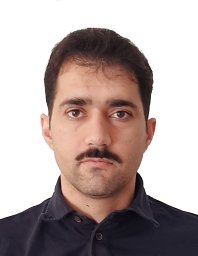 Behnam Keshavarzi合作论文数College of Sciences, Shiraz University9
 Bernd Willers合作论文数9Tobias Lappan合作论文数Institute of Fluid Dynamics, Helmholtz-Zentrum Dresden-Rossendorf8A.-E. Sommer合作论文数8
 Köllner Thomas合作论文数Insitute of Thermodynamics and Fluid Mechanics, TU Ilmenau8
 Annett Gebert合作论文数Institute for Complex Materials, Leibniz-Institut für Festkörper- und Werkstoffforschung Dresden8
 Thomas Boeck合作论文数Institute of Thermodynamics and Fluid Dynamics, Ilmenau University of Technology8
 Juergen Czarske合作论文数Institut für Grundlagen der Elektrotechnik und Elektronik, Technische Universität Dresden;Institute for Circuits and Systems, TU Dresden;Fakultät Elektrotechnik und Informationstechnik, Technische Universität Dresden8
 Andrés Fabián Lasagni合作论文数Institute of Manufacturing Science and Engineering, Faculty of Mechanical Science and Engineering, Technische Universität Dresden8
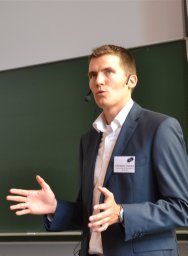 Christian Cierpka合作论文数Institut für Strömungsmechanik und Aerodynamik, Universität der Bundeswehr München8Lars Büttner合作论文数7Milad Eftekhari合作论文数7
 Syed Sahil Hossain合作论文数7
 V. Travnikov合作论文数7
 Pavel Trtik合作论文数Empa, Swiss Federal Laboratories for Materials Testing and Research7Artur Andruszkiewicz合作论文数Wroclaw University of Technology7
 Marcus J B Hauser合作论文数6Yorgos Stergiou合作论文数Helmholtz Zentrum Dresden Rossendorf, Inst Fluid Dynam6H. Neumann-Heyme合作论文数6
 Reinhard Miller合作论文数Institute for Condensed Matter Physics, Technischen Universitat Darmstadt6
 Kristina Tschulik合作论文数Institute for Metallic Materials, IFW Dresden6Dezső Horváth合作论文数Department of Physical Chemistry, University of Szeged6
 Natalia Shevchenko合作论文数5Dominik Baczyzmalski合作论文数5Ying Shi合作论文数5
 David Weik合作论文数Fraunhofer Inst Machine Tools & Forming Technol I, Dept Med Engn, D-09126 Chemnitz, Germany5
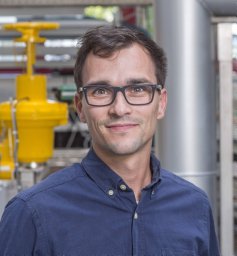 tobias vogt合作论文数Helmholtz Zentrum Dresden Rossendorf HZDR, Inst Fluid Dynam, D-01314 Dresden, Germany5
 Jochen Fröhlich合作论文数Fakultät Maschinenwesen, Technische Universität Dresden5
 Piotr R. Zabinski合作论文数Faculty of Non-Ferrous Metals, AGH University of Science and Technology5




