The field of automatic Facial Expression Recognition (FER) has predominantly focused on classifying basic expressions. However, real-world facial expressions are often more complex, involving compound expressions that combine basic expressions within a single facial expression. This work aims to advance Compound Facial Expression Recognition (CFER), a more challenging task in FER. We identify two critical limitations in existing facial expression datasets: the scarcity of compound expression data and the presence of data ambiguity in basic expression datasets, where samples with compound expressions are labeled as basic expressions. To address these limitations, we propose a novel framework called Dual Basic data Enhancement Learning (DuBEL). DuBEL analyzes compound facial expressions and divides basic expression data into potential compound and purer basic expressions. By leveraging this distinction, the framework enables models to recognize compound facial expressions through their underlying basic expressions. DuBEL employs a dual enhancement training strategy for basic expression data, comprising two key schemes. The first is a pseudo compound expression training scheme, which relabels and utilizes potential compound expression samples to enrich the learning of compound expressions. The second is a basic expression enhancement training scheme, which strengthens basic expression representation learning by incorporating purer basic expression samples. Experimental results demonstrate that DuBEL effectively identifies compound expression samples within basic expression datasets and enhances the representation of basic expressions. Our method significantly improves CFER performance, achieving state-of-the-art results.
Token compression has become a key technique for reducing the inference cost of large foundation models, with approaches such as token pruning and KV-cache reuse widely adopted in vision-language models and recently explored for embodied agents. In embodied agents, tokens not only support perception and semantic understanding but also directly affect latency-sensitive closed-loop robot action prediction. Existing schemes typically guide compression using redundancy or importance cues, such as visual similarity, attention scores, and saliency. However, these cues only indirectly measure the key factor for safe compression: how much a token can change before causing an unacceptable deviation in downstream actions. This receiver-dependent tolerance is closely related to the principle of just noticeable difference (JND). Classical JND characterizes signal tolerance in the human visual system, while machine-oriented JND extends this concept to downstream machine responses. Building on this progression, we introduce Action-JND, which extends JND modeling to embodied perception by defining noticeability through the language-conditioned action response of a vision-language-action (VLA) policy in closed-loop control. A token change is considered admissible only when the induced action deviation remains within a tolerated margin. To realize this concept, we develop a lightweight token-wise JND estimator in deep visual-feature space to predict the maximum tolerable perturbation while preserving policy responses. The resulting action-tolerance score serves as a plug-and-play criterion for VLA compression paradigms, including stale-KV reuse and token pruning, prioritizing action-tolerant tokens for compression. Experiments on the LIBERO benchmark with OpenVLA and OpenVLA-OFT demonstrate that Action-JND consistently improves compression reliability, especially under aggressive compression ratios.
Adverse weather causes diverse and complex image degradations, severely compromising the reliability of computer vision systems. Existing all-in-one restoration models attempt to address multiple degradation types within a unified framework, but often lack explicit spatial and semantic modeling of degradation characteristics, limiting their adaptability to diverse weather conditions. To address this limitation, we propose a Degradation-Aware Cross-Modal Prompt Compensation Network (DCMPC-Net) that leverages cross-modal degradation cues from a pre-trained vision-language model to condition restoration features within a unified backbone. Specifically, our DCMPC-Net mainly consists of the Cross-Modal Prompt Generator (CMPG), Prompt-Guided Attention Alignment Module (PGAAM), and Dual Feature Compensation Module (DFCM). The CMPG integrates textual embeddings with visual features to produce degradation-aware prompts that encode degradation-related semantic and contextual cues. These prompts are injected into the decoder via a PGAAM, which adaptively aligns semantic information with degraded regions to facilitate context-aware restoration. To further enhance structural fidelity, DFCM is introduced that disentangles degradation artifacts from scene structures, thereby improving the reconstruction of fine textures and detailed content. By integrating cross-modal semantic guidance with spatial alignment and structural enhancement, DCMPC-Net achieves robust and perceptually consistent restoration across diverse weather conditions. Extensive experiments show that DCMPC-Net outperforms state-of-the-art methods in both task-specific and unified settings, achieving superior accuracy and visual fidelity. The code is available at https://github.com/fanamber831/DCMPC-Net.
Surgical phase recognition plays a crucial role in advancing computer-assisted surgical systems by enabling the understanding of sequential procedural stages. However, existing methods often suffer from redundant spatiotemporal feature extraction and high computational costs throughout the entire surgical procedure, particularly when processing long surgical videos. In this paper, we introduce SurgMLPs, a novel MLP-like architecture that leverages Contrastive Language-Image Pre-training (CLIP) for surgical phase recognition. Our approach combines a frozen CLIP model for robust feature extraction with a two-stage, purely MLP-based network. The first stage, MLP-Mixer, captures spatiotemporal embeddings and identifies surgical phase segments. The second stage, MLP-Classifier, aggregates and classifies these segments for accurate phase prediction. This lightweight design, with an extremely small number of parameters, significantly reduces redundancy and improves computational efficiency. Extensive experiments on two benchmark datasets demonstrate the superiority of SurgMLPs over state-of-the-art methods, offering an effective and efficient solution for surgical phase recognition and positioning it as a promising tool for real-time surgical assistance.
Many image restoration (IR) tasks require both pixel-level fidelity and high-level semantic understanding to recover realistic images with fine-grained details. However, previous approaches often struggle to effectively leverage both visual and linguistic knowledge. Recent efforts have attempted to incorporate vision-language models (VLMs), which excel at aligning visual and textual features, into universal IR. Nevertheless, these methods fail to fully exploit linguistic priors to ensure semantic coherence during the restoration process. To address this issue, in this paper, we propose Vision-Language Model Guided Image Restoration (VLMIR), a framework that leverages the rich vision-language priors of VLMs, such as CLIP, to enhance IR performance through improved visual perception and semantic understanding. Our approach consists of two stages: VLMbased feature extraction and diffusion-based image restoration. In the first stage, we extract complementary visual and linguistic representations of the input images by condensing both visual perception cues and high-level semantic priors through VLMs. Specifically, we align caption embeddings from low-quality and high-quality images using a cosine similarity loss with LoRA fine-tuning, and employ a degradation predictor to decompose degradation and clean-content embeddings. These complementary visual and textual embed-dings are then integrated into a diffusion-based model via cross-attention mechanisms to achieve enhanced restoration. Extensive experiments and ablation studies demonstrate that VLMIR achieves superior performance across both universal and degradation-specific IR tasks, underscoring the critical role of integrated visual and linguistic knowledge from VLMs in advancing image restoration capabilities.
Video temporal grounding (VTG) aims to localize video moments that are semantically related to a given natural language query. In spite of recent progress in short-form videos, research on VTG in long-form videos (e.g., hours long) remains highly demanded yet underexplored. Existing methods predominantly adopt sliding window-based or multi-scale anchor-based strategies to generate temporal proposals, which require time-consuming post-processing or are independent of video content, thereby limiting their performance and efficiency. To address this dilemma, in this paper, we propose an episode memory-prompted (EMP) two-stage framework for temporal grounding in long-form videos. Specifically, the first stage generates a set of dynamic episode memories, which explicitly summarize various activities occurring throughout the lengthy video. An unsupervised memory learning paradigm is formulated by imposing discriminability and diversity constraints, eliminating the reliance on additional activity-instance annotations. Then, in the second stage, based on the supplement of frame-level detailed content and the guidance of a language query, the augmented memory prompts function as anchors for efficiently regressing the refined boundaries of the target video moment. Extensive experimental results on two public long-form video data sets, i.e., MAD and Ego4d, validate that the proposed EMP framework saves more than 8.5% trainable parameters and 13.9% FLOPs, while still achieving comparable performance with existing methods.
Accurate prediction of the Remaining Useful Life (RUL) of turbofan engines is critical for effective predictive maintenance. However, conventional models often struggle to generalize when sensor data distributions shift due to variations in operating profiles, environmental conditions, or system configurations. Existing unsupervised domain adaptation methods alleviate this issue by exploiting unlabeled target-domain data, but they still require additional data sampling. In this paper, we present RUL-DiT, a Diffusion Transformer architecture that combines Denoising Diffusion Probabilistic Models with a Transformer backbone and a novel LSTM-based conditioning network to iteratively refine RUL predictions via diffusion-based posterior denoising. At each reverse-diffusion step, RUL-DiT refines a Gaussian latent posterior whose mean and schedule-defined variance progressively concentrate the RUL estimate, enabling more faithful modeling of gradual degradation processes than conventional models. Crucially, when trained on a single subset of CMAPSS and N-CMAPSS, two established benchmark datasets for aircraft engine prognostics, RUL-DiT achieves strong performance relative to previously reported baselines on both datasets. Moreover, RUL-DiT enables zero-shot cross-domain transfer and achieves competitive performance across transfer tasks on several source-target pairs, without requiring any target-domain labels or fine-tuning. This source-only capability enables direct deployment on unseen subsets and engine operating conditions, substantially reducing data collection overhead for RUL prognostics.
Three-dimensional (3D) object detection based on Neural Radiance Fields (NeRF) has emerged as a promising direction for reconstructing complex environments from posed RGB images. However, existing NeRF-based detectors often suffer from coarse feature encoding and limited attention to multi-scale volumetric structures, leading to inaccurate localization and poor generalization in real-world scenarios. To address these challenges, we propose NeRF-UAVeL, a unified attention-driven volumetric learning framework for 3D object detection that integrates four novel modules into a NeRF-derived 3D volumetric backbone, namely, Multi-dimensional Volumetric Attention Pooling (MVAP), Tri-Scale Asymmetric Convolutional Aggregation (TACA), Dual-Domain Attention Fusion (DDAF), and Volumetric Cross-Window Attention Fusion (V-CWAF). MVAP enhances spatial selectivity through adaptive attention-based pooling, TACA captures multi-scale volumetric features through asymmetric convolutional branches, DDAF applies channel and multi-scale spatial recalibration for refined feature emphasis, and V-CWAF applies windowed self-attention with dual-stage channel recalibration to boost high-level semantic encoding. Extensive experiments on the 3D-FRONT and ScanNet datasets demonstrate that NeRF-UAVeL outperforms both point cloud-based and multi-view-based methods. Specifically, it improves AP50 by 6.7 and R50 by 7.3 over the baseline on 3D-FRONT, and achieves a 6.9 improvement in AP50 and 2.9 in R50 on the ScanNet dataset. These results confirm the effectiveness of our attention-calibrated, multi-scale volumetric architecture in producing precise and robust 3D bounding box predictions across both synthetic and real-world scenes. The project page is available at https://hanalebeta.github.io/NeRF-UAVeL/.
Images captured by consumer electronic devices, such as mobile phones and digital cameras, often suffer from low-light degradation due to sensor limitations and imaging pipelines, which degrades visual quality and affects downstream vision tasks. Existing methods based on Convolutional Neural Networks (CNNs) and Transformers have dominated current low-light image enhancement (LIE) due to their excellent ability to model hierarchical features. However, CNNs operate in local receptive fields that cannot model long-range dependencies, while Transformers overcome this problem but incur substantial computational costs. To address these challenges, we propose MambaLIE, a Scene Light Intensity-Boosted Low-Light Image Enhancement method based on a State Space Model (SSM). We first introduce scene light intensity to improve the structural distribution of illumination, which is then gated with the low-light input to guide enhancement. To better model the illumination while maintaining computational efficiency, we propose the Locally Enhanced State Space Model (LESSM) for efficient light enhancement. Our LESSM contains two branches: an SSM branch and a Local Enhanced branch, where the former is used to model the long-range dependencies with linear time complexity, while the latter is used to enhance local feature representations. Extensive experiments demonstrate that MambaLIE outperforms state-of-the-art CNN-based and Transformer-based LIE methods on four widely used synthetic benchmarks and five publicly available real-world benchmarks in terms of accuracy, speed, and model size, making it suitable for practical deployment on resource-constrained devices.
The effectiveness of 3D Gaussian Splatting (3DGS) depends on dense multi-view inputs and accurate camera poses. However, in real-world applications such as virtual and augmented reality (VR/AR), capturing a large set of well-calibrated views is often impractical, and these requirements are thus difficult to satisfy. State-of-the-art approaches in sparse-view 3DGS typically estimate camera poses using structure-from-motion (SfM), which can fail under extremely settings and result in unreliable poses and weak geometries. In this work, we propose an SfM-free 3DGS framework that jointly estimates camera poses and reconstructs scene geometry from sparse input views. Our approach first employs a dense stereo module for robust initialization, generating both camera poses and a global dense point cloud. To mitigate the lack of intermediate-view supervision, a coherent view interpolation module synthesizes intermediate pseudo-views as auxiliary supervision. We further introduce two regularizers (LAC/PSG) to refine structural details and enhance rendering fidelity. Experiments show that our method outperforms existing 3DGS-based approaches, achieving a remarkable 2.75 dB improvement in PSNR under extremely sparse-view conditions (with only 2 training views). These advances make our approach suitable for real-world applications that demand high-quality rendering but lacks dense calibrated views.
Facial Expression Recognition (FER) is essential for human-machine interaction, as it enables machines to interpret human emotions and internal states from facial affective behaviors. Although deep learning has significantly advanced FER performance, most existing deep-learning-based FER methods rely heavily on discriminative classifiers for fast predictions. These models tend to learn shortcuts and are vulnerable to even minor distribution shifts. To address this issue, we adopt a conditional generative diffusion model and introduce the Emotion Diffusion Classifier (EmoDC) for FER, which demonstrates enhanced adversarial robustness. However, retraining EmoDC using standard strategies fails to penalize incorrect categorical descriptions, leading to suboptimal recognition performance. To improve EmoDC, we propose margin-based discrepancy training, which encourages accurate predictions when conditioned on correct categorical descriptions and penalizes predictions conditioned on mismatched ones. This method enforces a minimum margin between noise-prediction errors for correct and incorrect categories, thereby enhancing the model's discriminative capability. Nevertheless, using a fixed margin fails to account for the varying difficulty of noise prediction across different images, limiting its effectiveness. To overcome this limitation, we propose Adaptive Margin Discrepancy Training (AMDiT), which dynamically adjusts the margin for each sample. Extensive experiments show that AMDiT significantly improves the accuracy of EmoDC over the Base model with standard denoising diffusion training on the RAF-DB basic subset, the RAF-DB compound subset, SFEW-2.0, and AffectNet, in 100-step evaluations. Additionally, EmoDC outperforms state-of-the-art discriminative classifiers in terms of robustness against noise and blur.
Mid-spatial frequency (MSF) errors adversely affect the performance of optical surfaces but they are difficult to be extracted via conventional surface metrology. This paper presents an adaptive sparse profiling and extraction of composite texture (ASPECT) method based on morphological component analysis, which accurately extracts MSF information of manufacturing signatures from form errors of the surface measurement data and stochastic noise. Experimental evaluation on a polished fused silica substrate demonstrates that the ASPECT method achieves a spatial consistency of approximately 73%, validating the robustness of MSF error extraction while highlighting the necessity of boundary mitigation strategies for uniform full-field characterization.
Unsupervised action segmentation aims to discover latent action categories and their temporal organization without action annotations. Optimal transport-based methods provide structured frame-to-action assignments, however, their pseudo-label quality is fundamentally conditioned on the representation space used to construct the transport cost. We argue that reliable OT pseudo-labeling requires a representation geometry that is simultaneously sensitive to discriminative action changes and coherent along local temporal progressions. Based on this insight, we propose SpecT-OT, a spectral-temporal representation learning framework built upon an unbalanced optimal transport pseudo-labeling concept. SpecT-OT introduces a Spectral Reparameterization Projector (SRP), which parameterizes projector weights with fixed Fourier bases and learnable coefficients to improve the modeling of rapidly varying discriminative features, and Temporal Affinity Regularization (TAR), which imposes distance-aware, label-free constraints on pairwise frame affinities to stabilize local temporal structure. The two components jointly produce more discriminative and temporally stable transport costs, yielding more reliable pseudo-labels for iterative representation learning. Experiments on four benchmarks demonstrate strong performance compared with state-of-the-art methods. SpecT-OT achieves the best results on 13 of 15 metrics, including 4.1-point MoF and 7.4-point F1 gains over the baseline on Breakfast and Desktop Assembly, respectively.
Image cropping aims to improve image aesthetics by preserving important content within an appropriately composed region. However, most existing methods focus primarily on salient regions and therefore have limited sensitivity to the global relationships among the main image components. To address this limitation, we propose Global Attention-Fused Image Cropping (GAFIC), which consists of an Attention-Guided Feature Fusion (AGFF) and a Global-Aligned Crop Evaluator (GACE). AGFF aggregates the importance of local regions to construct a global representation that captures both image structure and local details. GACE aligns candidate crop features with this global representation, enabling crop evaluation to remain sensitive to boundary changes. We further combine three ranking losses across multiple scales to obtain accurate and stable crop scores. Extensive experiments on the GAIC and CPC datasets demonstrate that GAFIC outperforms existing image-cropping methods, particularly in terms of accuracy and stability. Unlike pixel-level retargeting methods such as seam carving, inpainting, and diffusion-based synthesis, GAFIC does not synthesize or modify the retained pixels; instead, it selects an aesthetically preferred crop from the source image, making it suitable for scenarios where pixel integrity and efficient batch processing are important. The source code is available at https://github.com/AIVRC/GAFIC.git.
As virtual and augmented reality applications gain popularity, omnidirectional image (ODI) super-resolution has become increasingly important. Unlike 2D plain images that are formed on a plane, ODIs are projected onto spherical surfaces. Applying established image super-resolution methods to ODIs, therefore, requires performing equirectangular projection (ERP) to map the ODIs onto a plane. ODI super-resolution needs to take into account geometric distortion resulting from ERP. However, without considering such geometric distortion of ERP images, previous methods only utilize a limited range of pixels and may easily miss self-similar textures for reconstruction. In this paper, we introduce a novel Geometric Distortion Guided Transformer for Omnidirectional image Super-Resolution (GDGT-OSR). Specifically, a distortion modulated rectangle-window selfattention mechanism, integrated with deformable self-attention, is proposed to better perceive the distortion and thus involve more self-similar textures. Distortion modulation is achieved through a newly devised distortion guidance generator that produces guidance for the rectangular windows by exploiting the variability of distortion across latitudes. Furthermore, we propose a dynamic feature aggregation scheme to adaptively fuse the features from different self-attention modules. We present extensive experimental results on public datasets and show that the new GDGT-OSR outperforms methods in existing literature.
3D Gaussian Splatting (3DGS) has shown remarkable performance in novel view synthesis. However, its rendering quality deteriorates with sparse inphut views, leading to distorted content and reduced details. This limitation hinders its practical application. To address this issue, we propose a sparse-view 3DGS method. Given the inherently ill-posed nature of sparse-view rendering, incorporating prior information is crucial. We propose a semantic regularization technique, using features extracted from the pretrained DINO-ViT model, to ensure multi-view semantic consistency. Additionally, we propose local depth regularization, which constrains depth values to improve generalization on unseen views. Our method outperforms state-of-the-art novel view synthesis approaches, achieving up to 0.4dB improvement in terms of PSNR on the LLFF dataset, with reduced distortion and enhanced visual quality.
This paper introduces a one-stage deep uncalibrated photometric stereo (UPS) network, namely Fourier Uncalibrated Photometric Stereo Network (FUPS-Net), for non-Lambertian objects under unknown light directions. It departs from traditional two-stage methods that first explicitly learn lighting information and then estimate surface normals. Two-stage methods were deployed because the interplay of lighting with shading cues presents challenges for directly estimating surface normals without explicit lighting information. However, these two-stage networks are disjointed and separately trained so that the error in explicit light calibration will propagate to the second stage and cannot be eliminated. In contrast, the proposed FUPS-Net utilizes an embedded Fourier transform network to implicitly learn lighting features by decomposing inputs, rather than employing a disjointed light estimation network. Our approach is motivated from observations in the Fourier domain of photometric stereo images: lighting information is mainly encoded in amplitudes, while geometry information is mainly associated with phases. Leveraging this property, our method “decomposes” geometry and lighting in the Fourier domain as guidance, via the proposed Fourier Embedding Extraction (FEE) block and Fourier Embedding Aggregation (FEA) block, which generate lighting and geometry features for the FUPS-Net to implicitly resolve the geometry-lighting ambiguity. Furthermore, we propose a Frequency-Spatial Weighted (FSW) block that assigns weights to combine features extracted from the frequency domain and those from the spatial domain for enhancing surface reconstructions. FUPS-Net overcomes the limitations of two-stage UPS methods, offering better training stability, a concise end-to-end structure, and avoiding accumulated errors in disjointed networks. Experimental results on synthetic and real datasets demonstrate the superior performance of our approach, and its simpler training setup, potentially paving the way for a new strategy in deep learning-based UPS methods.
Blind image restoration remains a significant challenge in low-level vision tasks. Recently, denoising diffusion models have shown remarkable performance in image synthesis. Guided diffusion models, leveraging the potent generative priors of pre-trained models along with a differential guidance loss, have achieved promising results in blind image restoration. However, these models typically consider data consistency solely in the spatial domain, often resulting in distorted image content. In this paper, we propose a novel frequency-aware guidance loss that can be integrated into various diffusion models in a plug-and-play manner. Our proposed guidance loss, based on 2D discrete wavelet transform, simultaneously enforces content consistency in both the spatial and frequency domains. Experimental results demonstrate the effectiveness of our method in three blind restoration tasks: blind image deblurring, imaging through turbulence, and blind restoration for multiple degradations. Notably, our method achieves a significant improvement in PSNR score, with a remarkable enhancement of 3.72 dB in image deblurring. Moreover, our method exhibits superior capability in generating images with rich details and reduced distortion, leading to the best visual quality.
Spine segmentation, based on ultrasound volume projection imaging (VPI), plays a vital role for intelligent scoliosis diagnosis in clinical applications. However, this task faces several significant challenges. Firstly, the global contextual knowledge of spines may not be well-learned if we neglect the high spatial correlation of different bone features. Secondly, the spine bones contain rich structural knowledge regarding their shapes and positions, which deserves to be encoded into the segmentation process. To address these challenges, we propose a novel scale-adaptive structure-aware network (SA2Net) for effective spine segmentation. First, we propose a scale-adaptive complementary strategy to learn the cross-dimensional long-distance correlation features for spinal images. Second, motivated by the consistency between multi-head self-attention in Transformers and semantic level affinity, we propose structure-affinity transformation to transform semantic features with class-specific affinity and combine it with a Transformer decoder for structure-aware reasoning. In addition, we adopt a feature mixing loss aggregation method to enhance model training. This method improves the robustness and accuracy of the segmentation process. The experimental results demonstrate that our SA2Net achieves superior segmentation performance compared to other state-of-the-art methods. Moreover, the adaptability of SA2Net to various backbones enhances its potential as a promising tool for advanced scoliosis diagnosis using intelligent spinal image analysis.
 Junyu Dong (董军宇)合作论文数Faculty of Information Science and Engineering, Ocean University of China35
 Muwei Jian (蹇木伟)合作论文数School of Computer Science and Technology, Shandong University of Finance and Economics35
 Tianshan Liu合作论文数Department of Electronic and Information Engineering, The Hong Kong Polytechnic University30
 Zhanli Sun (孙战里)合作论文数School of Electrical Engineering and Automation, Anhui University29
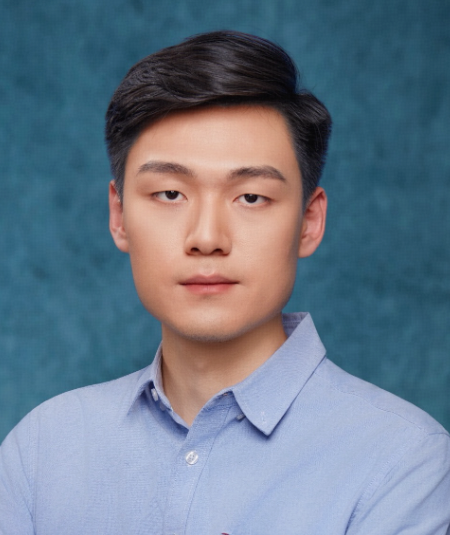 Cong Zhang (张聪)合作论文数Key Laboratory of Machine Intelligence and System Control, Ministry of Education, School of Control Science and Engineering, Shandong University27
 Jun Xiao (肖均)合作论文数Department of Electrical and Electronic Engineering, The Hong Kong Polytechnic University;Zoom25
 Wan-Chi Siu (蕭允治)合作论文数Department of Electronic and Information Engineering, The Hong Kong Polytechnic University23
 Yakun Ju (举雅琨)合作论文数Department of Electronic and Information Engineering, The Hong Kong Polytechnic University23
 Guoping Qiu (邱国平)合作论文数College of Electronics and Information Engineering, Shenzhen University;University of Nottingham Ningbo China;Fotor22
 Lansun Shen (沈兰荪)合作论文数Signal & Information Processing Lab,Beijing University of Technology20Jiwei Hu合作论文数16
 Zhigang Zeng (曾志刚)合作论文数School of Artificial Intelligence and Automation, Huazhong University of Science and Technology15
 Xiangjian He合作论文数School of Computer Science, Faculty of Science and Engineering, University of Nottingham Ningbo China14
 Hong Yan (嚴洪)合作论文数Department of Electrical Engineering, City University of Hong Kong13
 Xin Sun (孫鑫)合作论文数Faculty of Data Science, City University of Macau;Technical University of Munich12Cuixin Yang合作论文数11
 Qionghai Dai (戴琼海)合作论文数Department of Automation, Tsinghua University;School of Information Science and Technology, Tsinghua University11
 Daniel P. K. Lun (倫栢江)合作论文数Department of Electronic and Information Engineering, The Hong Kong Polytechnic University11
 Yuting Yang (杨育婷)合作论文数School of Artificial Intelligence, Xidian University10
 Xiaoguang Li (李晓光)合作论文数Faculty of Information Technology, Beijing University of Technology10Rui Zhao合作论文数University of Hong Kong9
 Li Zhuo (卓力)合作论文数Faculty of Information Technology, Beijing University of Technology;College of Metropolitan Transportation, Beijing University of Technology9
 Y. L. Chan合作论文数Department of Electronic and Information Engineering, Faculty of Engineering, The Hong Kong Polytechnic University9Kaoru Uchida合作论文数8
 Shun Cheung Lai合作论文数Hong Kong Polytechnic University8
 Ziyin Huang合作论文数Guangzhou Higher Education Mega Center, Guangdong University of Technology8
 Huiling Zhou合作论文数8
 Cigdem Turan合作论文数8
 Sanyuan Zhao (赵三元)合作论文数School of Computer Science & Technology, Beijing Institute of Technology8
 Xin Geng (耿新)合作论文数School of Computer Science and Engineering, Southeast University8
 Chensheng Sun (孙晨升)合作论文数8Nick Bartlow合作论文数8
 Arun Ross合作论文数Integrated Pattern Recognition and Biometrics Lab, Department of Computer Science and Engineering, College of Engineering, Michigan State University8
 Marios Savvides合作论文数Department of Electrical & Computer Engineering, College of Engineering, Carnegie Mellon University;CyLab Biometrics Center, Carnegie Mellon University;UltronAI;Oosto;Bossa Nova Robotics;HawXeye Inc.8Sik-Ho Tsang合作论文数7Rongkang Dong合作论文数7Ryan Triplett合作论文数7Xiaoming Peng合作论文数7Dominique Harrington合作论文数7Jingchun Zhou合作论文数College of Information Science and Technology, Dalian Maritime University7
 S. Pankanti合作论文数7Robert Bell合作论文数7Yung-hui Li合作论文数7
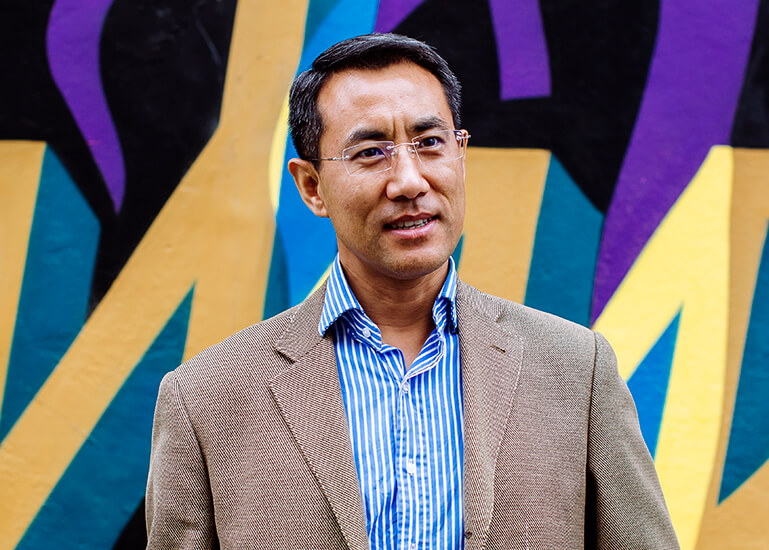 Hui Yu合作论文数Pouthmoth University7
 Hailiang Li合作论文数7
 Peter Ma (马晓龙)合作论文数School of Dentistry, University of Michigan;Frontier Institute of Science and Technology, Xi‘an Jiaotong University;Department of Biomedical Engineering, College of Engineering, University of Michigan7
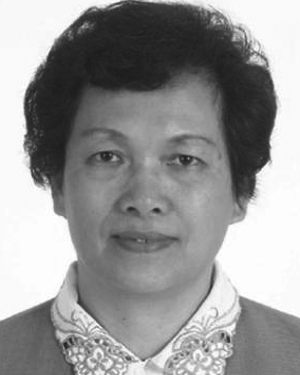 Tingzhi Shen (沈庭芝)合作论文数7




