Supplementary methods section contain description of synthesis and characterization of EC330 and EC359, SPR studies, structural and sequence comparison of human and mouse LIFR, energy minimization of hLIFR, Protein and ligand preparation, molecular docking and MM-GBSA calculations, and molecular dynamics simulation.
Supplementary Figure S1 shows SPR studies and Biotin EC359 pull down assays; Supplementary Figure S2 shows superimposition of hLIFR onto the mLIFR -hLIF complex; Supplementary Figure S3 shows sequence alignment of human (P42702) and mouse (P42703) LIFR ; Supplementary Figure S4 shows five prominent sites identified through sitemap program Schrödinger; Supplementary Figure S5 shows binding poses of EC359 at Site-3; Supplementary Figure S6 shows MM-GBSA scores for different poses obtained from the IFD; Supplementary Figure S7 shows ligand induced conformational changes in the best scored pose; Supplementary Figure S7 shows ligand induced conformational changes in the best scored pose; Supplementary Figure S8 shows the RMSD of protein and ligand; Supplementary Figure S9 shows pharmacological features of EC359; Supplementary Figure S10 shows effect of dox inducible CRISPR/Cas9 mediated KO of LIFR on STAT3 signaling and effect of EC359 on self-renewal of stem cells; Supplementary Table 1 shows primer sequences used for RT-qPCR analysis.
Histone deacetylase inhibitors (HDACi) are identified as novel therapeutic agents, however, recent clinical studies suggested that they are marginally effective in treating triple negative breast cancer (TNBC). Here, we show that first-in-class Leukemia Inhibitory Factor Receptor (LIFRα) inhibitor EC359 could enhance the therapeutic efficacy of HDACi against TNBC. We observed that both targeted knockdown of LIFR with CRISPR or treatment with EC359 enhanced the potency of four different HDACi in reducing cell viability, cell survival, and enhanced apoptosis compared to monotherapy in TNBC cells. RNA-seq studies demonstrated oncogenic/survival signaling pathways activated by HDACi were attenuated by the EC359 + HDACi therapy. Importantly, combination therapy potently inhibited the growth of TNBC patient derived explants, cell derived xenografts and patient-derived xenografts in vivo. Collectively, our results suggest that targeted inhibition of LIFR can enhance the therapeutic efficacy of HDACi in TNBC.
Background: Triple-negative breast cancer (TNBC) is a heterogeneous disease. TNBC lacks targeted therapies and represents a disproportional share of the breast cancer (BC) mortality rate. Histone deacetylase inhibitors (HDACIs) are emerging as promising multifunctional agents in TNBC to elicit cytotoxic actions. Recent studies have shown that cancer cells elucidate feedback activation of leukemia inhibitory factor receptor (LIFR) which in turn curtails response to HDACIs. We developed a first-in-class inhibitor of LIFR, EC359 that directly interacts with LIFR and effectively blocks LIFR downstream signaling. Here, we examined whether the novel LIFR inhibitor, EC359, has the ability to counteract negative effects of LIFR signaling to enhance HDACIs therapeutic efficacy in the treatment of TNBC. Methods: We tested multiple HDACIs currently in clinical trials including vorinostat, panobinostat, romidepsin, and givinostat using multiple TNBC models. The effect of combination therapy of HDACIs and EC359 on TNBC cell viability and invasion was examined using MTT assays and matrigel invasion assays respectively. The efficacy of combination therapy on cell survival and apoptosis was determined using clonogenic assays and Caspase 3/7 assays, respectively. Mechanistic studies were performed using Western blotting, qRT-PCR, and reporter gene assays. The efficacy of combination therapy in vivo was examined using Xenograft, patient-derived xenograft (PDX), and patient-derived explant (PDEX) models. Results: We demonstrated that the treatment of TNBC models with HDACIs increased the expression of LIFR. Immunohistochemistry analyses of breast tumors using tissue microarrays revealed significant expression of LIFR in TNBC samples. Knockdown of LIFR or treatment with a small molecule inhibitor of LIFR (EC359) significantly enhanced the efficacy of HDACIs in reducing cell viability, colony formation ability, and invasiveness as well as promoted apoptosis compared to monotherapy of HDACIs or EC359 in TNBC cell lines. Mechanistic studies, reporter gene assays and biochemical studies using multiple TNBC models exhibited activation of the LIFR signaling pathway upon HDACIs treatment but was attenuated by EC359+HDACI combination therapy. Treatment of human breast tumors utilizing PDEX assays showed that EC359 enhanced the ability of HDACIs to decrease the proliferation (Ki-67 positivity) compared to monotherapy. Furthermore, using TNBC xenografts and PDX models, we demonstrated that EC359 treatment enhanced the ability of HDACIs to reduce in vivo tumor growth compared to monotherapy. Conclusions: Our results suggest that the combination therapy of HDACIs and EC359 provides greater therapeutic efficacy than monotherapy. In addition, treatment with EC359 can overcome the feedback activation of LIFR currently observed in the treatment of TNBC with HDACIs. Citation Format: Suryavathi Viswanadhapalli, Mengxing Li, Bindu Santhamma, Uday P Pratap, Yiliao Luo, Junhao Liu, Kristin A Altwegg, Xiaonan Li, Hui Yan, Zhenming Xu, Andrew Brenner, Gangadhara R Sareddy, Rajeshwar R Tekmal, Hareesh B Nair, Klaus J Nickisch, Ratna K Vadlamudi. Targeting LIFR enhances the activity of HDAC inhibitors for the treatment of triple negative breast cancer [abstract]. In: Proceedings of the 2019 San Antonio Breast Cancer Symposium; 2019 Dec 10-14; San Antonio, TX. Philadelphia (PA): AACR; Cancer Res 2020;80(4 Suppl):Abstract nr P3-11-08.
To avoid any type of cross-contamination, residue-free production equipment is of utmost importance in the pharmaceutical industry. The equipment cleaning for continuous processes such as hot melt extrusion (HME), which has recently gained popularity in pharmaceutical applications, necessitates extensive manual labour and costs. The present work tackles the HME cleaning issue by investigating two cleaning strategies following the extrusion of polymeric formulations of a hormonal drug and for a sustained release formulation of a poorly soluble drug. First, an in-line quantification by means of UV-Vis spectroscopy was successfully implemented to assess very low active pharmaceutical ingredient (API) concentrations in the extrudates during a cleaning procedure for the first time. Secondly, a novelin-situsolvent-based cleaning approach was developed and its usability was evaluated and compared to a polymer-based cleaning sequence. Comparing the in-line data to typical swab and rinse tests of the process equipment indicated that inaccessible parts of the equipment were still contaminated after the polymer-based cleaning procedure, although no API was detected in the extrudate. Nevertheless, the novel solvent-based cleaning approach proved to be suitable for removing API residue from the majority of problematic equipment parts and can potentially enable a full API cleaning-in-place of a pharmaceutical extruder for the first time.
Reservoir systems (drug-loaded core surrounded by drug-free membrane) provide long-term controlled drug release. This is especially beneficial for drug delivery to specific body regions including the vagina. In this study, we investigated the potential of reservoir systems to provide high drug release rates over several weeks. The considered model system was an intra-vaginal ring (IVR) delivering progesterone (P4) in the mg/day range using ethylene-vinyl acetate (EVA) as release rate-controlling polymers. To circumvent the high material needs associated with IVR manufacturing, we implemented a small-scale screening procedure that predicts the drug release from IVRs. Formulations were designed based on the solubility and diffusivity of P4 in EVAs with varying vinyl acetate content. High in-vitro P4 release was achieved by (i) high P4 solubility in the core polymer; (ii) high P4 partition coefficient between the membrane and the core; and/or (iii) low membrane thicknesses. It was challenging for systems designed to release comparatively high fractions of P4 at early times to retain a constant drug release over a long time. P4 crystal dissolution in the core could not counterbalance drug diffusion through the membrane and drug crystal dissolution was found to be the rate-limiting step. Overall, high P4 release rates can be achieved from EVA-based reservoir systems
(Abstracted from Contraception 2020;102:237–242) Women receiving combined hormonal contraceptives (CHCs) are at increased risk of stroke, myocardial infarction, or venous thromboembolism, whereas those receiving progestogen-only preparations for contraception have little or no increased risk of these complications. However, the progestogen-only pills (POPs) currently marketed in the United States all have drawbacks.
Abstract Background: Triple-negative breast cancer (TNBC) lacks targeted therapies and represents a disproportional share of the breast cancer (BC) mortality rate. TNBC exhibits autocrine stimulation of the LIF/LIFR axis and overexpression of LIF is associated with poorer relapse-free survival in BC patients. Histone deacetylase inhibitors (HDACIs) are emerging as promising multifunctional agents in TNBC to elicit cytotoxic actions. Recent studies have shown that cancer cells elicit feedback activation of leukemia inhibitory factor receptor (LIFR) which in turn curtails response to HDACIs. We developed a first-in-class inhibitor of LIFR, EC359 that directly interacts with LIFR and effectively blocks LIFR downstream signaling. The objective of this study is to examine the therapeutic efficacy of combination therapy using preclinical and patient-derived xenograft (PDX) models. Methods: We tested utility of combination therapy using multiple HDACIs that are currently in clinical trails along with EC359. The effect of combination therapy was evaluated using MTT, invasion, colony formation, and Caspase3/7 assays. Mechanistic studies were performed using Western blotting, qRT-PCR, and STAT3 reporter assays. The efficacy of combination therapy in vivo was examined using xenograft, PDX, and patient-derived explant (PDEx) models. Results: Immunohistochemical analyses of breast tumors using tissue microarrays revealed significant expression of LIFR in TNBC tissues. Treatment of TNBC model cells with four different HDACIs increased the expression of LIFR. LIFR inhibitor EC359 at nM concentration is additive to HDACIs in reducing cell viability. Knockdown of LIFR or treatment with EC359 significantly enhanced the efficacy of HDACIs in reducing the cell viability, colony formation ability, and invasiveness as well as promoted apoptosis compared to monotherapy in TNBC model cells. On the contrary, treatment with STAT3 inhibitor requires µM concentrations to reduce the cell viability of TNBC cells and is not additive to HDACIs. Mechanistic studies utilizing STAT3 reporter gene assays and biochemical studies using multiple TNBC model cells exhibited activation of the LIFR signaling pathway upon HDACIs treatment but was attenuated by EC359 therapy. Treatment of human TNBC utilizing PDEx assays showed that EC359 enhanced the ability of HDACIs to decrease proliferation (Ki-67 positivity) compared to monotherapy. Using TNBC xenografts and PDX models, we demonstrated that EC359 treatment enhanced the ability of HDACIs to reduce in vivo tumor growth compared to monotherapy. Conclusions: Our results suggest that the combination therapy of HDACIs and EC359 provides therapeutic utility in overcoming the limitation of feedback activation of LIFR observed in the treatment of HDACIs in treating TNBC. Supported by DOD BCRP grant W81XWH-18-1-0016 (R.K. Vadlamudi; K.J. Nickisch) Citation Format: Suryavathi Viswanadhapalli, Mengxing Li, Bindu Santhamma, Uday P. Pratap, Yiliao Luo, Junhao Liu, Kristin A. Altwegg, Xiaonan Li, Ahmed Gulzar, Hui Yan, Zhenming Xu, Andrew Brenner, Gangadhara R. Sareddy, Manjeet K. Rao, Rajeshwar R. Tekmal, Hareesh B. Nair, Klaus J. Nickisch, Ratna K. Vadlamudi. Novel combination therapy for treating TNBC using LIFR and HDAC Inhibitors [abstract]. In: Proceedings of the Annual Meeting of the American Association for Cancer Research 2020; 2020 Apr 27-28 and Jun 22-24. Philadelphia (PA): AACR; Cancer Res 2020;80(16 Suppl):Abstract nr 562.
Dear Editor, LIF,a multi-functional cytokine,is frequently overexpressed in many human cancers,including breast,colorectal,and pancreatic cancers (Liu et al.,2013;Li et al.,2014;Yu et al.,2014;Pascual-Garcia et al.,2019;Shiet al.,2019;Wang et al.,2019).LIF overexpression is frequently associated with poor prognosis in human cancers (Liu et al.,2013;Li et al.,2014;Yu et al.,2014).LIF functions through binding to LIF receptor complex composed of LIF receptor (LIF-R) and glycoprotein gp130 (Taga and Kishimoto,1997;Heinrich et al.,2003;Watanabe et al.,2006).
The application of ethylene-vinyl acetate (EVA) copolymers in reservoir-type intra-vaginal rings (IVRs) offers advantages over silicones including i) versatile properties, ii) absence of curing chemistry, and iii) continuous and flexible processing via co-extrusion. Thus, we investigated the capability of EVA based IVRs to deliver broad ranges of estradiol (E2) thereby, fulfilling the requirements of local and systemic hormone replacement therapy (HRT) and contraception. To circumvent the high material needs associated with co-extrusion, we implemented a small-scale screening procedure that accurately predicts the E2 release from IVRs comprising E2 below its solubility concentration in the core. Rational formulation design yielded the target release for local HRT (<10 µg/day), systemic HRT (50–100 µg/day) and contraception (>150 µg/day, combined with a progestin). Low E2 release was achieved by the combination of low E2 loadings, low VA content of the membrane polymer (also known as coat polymer or outer shell), and increased membrane thickness. Medium E2 release was provided by medium E2 loading, low VA content of the membrane polymer, and low membrane thickness. Combining high E2 loadings, high VA content of the membrane polymer, and low membrane thickness yielded high E2 release. This makes EVA based IVRs a versatile platform that can be used to deliver a broad range of E2 doses.
Uterine fibroids (UFs) are associated with irregular or excessive uterine bleeding, pelvic pain or pressure, or infertility. Ovarian steroid hormones support the growth and maintenance of UFs. Ulipristal acetate (UPA) a selective progesterone receptor (PR) modulator (SPRM) reduce the size of UFs, inhibit ovulation and lead to amenorrhea. Recent liver toxicity concerns with UPA, diminished enthusiasm for its use and reinstate the critical need for a safe, efficacious SPRM to treat UFs. In the current study, we evaluated the efficacy of new SPRM, EC313, for the treatment for UFs using a NOD-SCID mouse model. EC313 treatment resulted in a dose-dependent reduction in the fibroid xenograft weight (p < 0.01). Estradiol (E2) induced proliferation was blocked significantly in EC313-treated xenograft fibroids (p < 0.0001). Uterine weight was reduced by EC313 treatment compared to UPA treatment. ER and PR were reduced in EC313-treated groups compared to controls (p < 0.001) and UPA treatments (p < 0.01). UF specific desmin and collagen were markedly reduced with EC313 treatment. The partial PR agonism and no signs of unopposed estrogenicity makes EC313 a candidate for the long-term treatment for UFs. Docking studies have provided a structure based explanation for the SPRM activity of EC313.
Background: Leukemia inhibitory factor receptor (LIFR) and its ligand LIF play a major critical role in cancer progression, metastasis, stem cell maintenance, and therapy resistance. Recent studies in breast cancer have shown that feedback activation of LIFR limits response to histone deacetylase (HDAC) inhibitors and induce resistance. We rationally designed a small molecule (EC359) that emulates the LIF-LIFR binding site and functions as a LIFR inhibitor from a library of compounds. Here, we tested the utility of EC359 as a monotherapy and to effectively block LIF-LIFR interactions in overcoming resistance to HDAC inhibitors.Methods: We have used multiple triple negative breast cancer (TNBC) models that represent all six types of TNBC. In vitro activity was tested using Cell-Titer Glo, MTT, invasion, and apoptosis assays. Mechanistic studies were conducted using western blot, reporter gene assays, and RNA-seq analysis. Xenograft, patient-derived xenograft (PDX), and patient-derived explant (PDeX) models were used for preclinical evaluation and toxicity.Results: EC359 treatment exhibited anti-proliferative effects, reduced invasiveness and stemness, and promoted apoptosis in all six TNBC cell lines. The activity of EC359 is dependent on LIF and LIFR expression and CRISPR mediated knockdown of LIFR significantly abolished EC359 activity. Treatment with EC359 attenuated the activation of LIF-LIFR driven pathways including STAT3, mTOR, and AKT. EC359 significantly reduced tumor progression in TNBC xenografts, PDX models and reduced proliferation in patient derived primary TNBC explants. In MTT based cell viability assays, addition of EC359 enhanced efficacy of SAHA compared to monotherapy of SAHA. In clonogenic survival assays, EC359 significantly enhanced ability of SAHA to reduce the colony formation compared to monotherapy. Mechanistic studies using three different TNBC models using western blot analysis and reporter gene assays confirmed activation of LIFR signaling pathway upon SAHA treatment and its blockage by EC359. Treatment of TNBC PDX explants with EC359 enhanced ability of SAHA to substantially decrease the proliferation (Ki-67 positivity) compared to monotherapy treated tumors.Conclusions: Collectively, these data support EC359 as a novel targeted therapeutic that inhibits LIFR oncogenic signaling as a monotherapy or in combination with HDAC inhibitors.Citation Format: Suryavathi Viswanadhapalli, Mengxing Li, Yiliao Luo, Gangadhara R Sareddy, Bindu Santhamma, Mei Zhou, Shihong Ma, Rajni Sonavane, Uday P. Pratap, Kristin A. Altwegg, Annabel Chang, Alejandra Chávez-Riveros, Kalarickal V. Dileep, Kam Y. Zhang, Marek Bajda, Ganesh V. Raj, Andrew Brenner, Vijaya Manthati, Manjeet Rao, Rajeshwar R. Tekmal, Hareesh B. Nair, Klaus J. Nickisch, Ratna K. Vadlamudi. Therapeutic utility of EC359 for targeting oncogenic LIFR signaling in triple negative breast cancer [abstract]. In: Proceedings of the American Association for Cancer Research Annual Meeting 2019; 2019 Mar 29-Apr 3; Atlanta, GA. Philadelphia (PA): AACR; Cancer Res 2019;79(13 Suppl):Abstract nr 4716.
Ovarian cancer (OCa) is the deadliest of all gynecologic cancers in the United States and a critical need exists for the development of novel therapies for the treatment of OCa. Leukemia inhibitory factor receptor (LIFR) and its ligand LIF play a critical role in cancer progression, metastasis, stem cell maintenance, and therapy resistance. Recent clinical studies showed that cancer cells elucidate feedback activation of LIFR that limits response to histone deacetylase (HDAC) inhibitors. Recently, we developed a first-in-class inhibitor of LIFR, EC359 that directly interacts with LIFR and effectively blocks LIF-LIFR interactions. Here, we examined whether LIFR inhibitor EC359 abrogate the side effects of histone deacetylase inhibitor SAHA (Vorinostat) for the treatment of OCa. Methods: The effect of EC359 and SAHA as a combination therapy on OCa cell viability was examined by MTT assays. The efficacy of combination therapy on cell survival and apoptosis was determined using clonogenic assays and caspase3/7 assays respectively. The efficacy of combination therapy on OCa stem cells was determined using extreme limiting dilution assays. Mechanistic studies were performed using western blotting, qRT-PCR and Mass Spectrometry analyses. The effect of combination therapy on STAT3 signaling was examined using reporter gene assays. The in vivo efficacy of combination therapy on tumors was examined using ex vivopatient derived explants and mouse xenograft models. Results: EC359 significantly enhanced the efficacy of SAHA in reducing cell viability, colony formation ability, and apoptosis compared to monotherapy of SAHA in multiple established and primary OCa cells. Further, EC359 enhanced SAHA ability to reduce self-renewal of OCa stem cells. As expected in STAT3 reporter assays, SAHA treatment activated STAT3 reporter and EC359 addition abrogated SAHA mediated STAT3 activation. Mechanistic studies using multiple OCa models and western blot analysis confirmed activation of LIFR signaling pathway upon SAHA treatment and its blockage by EC359 treatment. Treatment of human primary OCa tumor explants with EC359 enhanced ability of SAHA to decrease the proliferation (Ki-67 positivity) compared to monotherapy treated tumors. DIA based Mass Spectrometry analyses identified unique pathways modulated by combination therapy. Treatment of OCa xenografts with EC359 enhanced the ability of SAHA to reduce in vivotumor growth compared to monotherapy treated tumors. Conclusions: Our results suggest that EC359 has therapeutic utility in overcoming the limitation of feedback activation of LIFR observed in the treatment of HDAC inhibitors in treating OCa. Citation Format: Mengxing Li, Suryavathi Viswanadhapalli, Gangadhara Reddy Sareddy, Bindu Santhamma, Hui Yan, Zhenming Xu, Edward Kost, Rajeshwar Rao Tekmal, Hareesh B. Nair, Klaus J. Nickisch, Ratna K. Vadlamudi. Targeting LIFR overcomes HDAC inhibitor resistance in ovarian cancer [abstract]. In: Proceedings of the American Association for Cancer Research Annual Meeting 2019; 2019 Mar 29-Apr 3; Atlanta, GA. Philadelphia (PA): AACR; Cancer Res 2019;79(13 Suppl):Abstract nr 4316.
Abstract Leukemia inhibitory factor receptor (LIFR) and its ligand LIF play a critical role in cancer progression, metastasis, stem cell maintenance, and therapy resistance. Here, we describe a rationally designed first-in-class inhibitor of LIFR, EC359, which directly interacts with LIFR to effectively block LIF/LIFR interactions. EC359 treatment exhibits antiproliferative effects, reduces invasiveness and stemness, and promotes apoptosis in triple-negative breast cancer (TNBC) cell lines. The activity of EC359 is dependent on LIF and LIFR expression, and treatment with EC359 attenuated the activation of LIF/LIFR-driven pathways, including STAT3, mTOR, and AKT. Concomitantly, EC359 was also effective in blocking signaling by other LIFR ligands (CTF1, CNTF, and OSM) that interact at LIF/LIFR interface. EC359 significantly reduced tumor progression in TNBC xenografts and patient-derived xenografts (PDX), and reduced proliferation in patient-derived primary TNBC explants. EC359 exhibits distinct pharmacologic advantages, including oral bioavailability, and in vivo stability. Collectively, these data support EC359 as a novel targeted therapeutic that inhibits LIFR oncogenic signaling. See related commentary by Shi et al., p. 1337
Survival of pancreatic cancer (PC) patient is poor due to lack of effective treatment modalities, which is partly due to the presence of dense desmoplasia that impedes the delivery of chemotherapeutics. Therefore, PC stroma-targeting therapies are expected to improve the efficacy of chemotherapeutics. However, in vitro evaluation of stromal-targeted therapies requires a culture system which includes components of both tumor stroma and parenchyma. We aim to generate a cell line-derived 3D organoids to test the efficacy of stromal-targeted, LIFR-inhibitor EC359. Murine PC (FC1245) and stellate (ImPaSC) cells were cultured to generate organoids that recapitulated the histological organization of PC with the formation of ducts by epithelial cells surrounded by activated fibroblasts, as indicated by CK19 and α-SMA staining, respectively. Analysis by qRT-PCR demonstrated a significant downregulation of markers of activated stroma, POSTN, FN1, MMP9, and SPARC (p<0.0001), when treated with gemcitabine in combination with EC359. Concurrently, collagen proteins including COL1A1, COL1A2, COL3A1, and COL5A1 were significantly downregulated (p <0.0001) after treatment with gemcitabine in combination with EC359. Overall, our study demonstrates the utility of cell lines-derived 3D organoids to evaluate the efficacy of stroma-targeted therapies as well as the potential of EC359 to target activated stroma in PC.
Background: Breast cancer is one of the most common malignancies in women with high mortality rate worldwide. Clinical evidence suggests that antiestrogens have potential to inhibit the progression of hormone-dependent breast cancer. Here we showed that a novel selective estrogen receptor degrader (SERD), EC372, reduced estrogen receptor-α (ER-α), progesterone receptor (PR) and stabilized the expression of ER-β, which resulted in apoptosis in ER-positive breast cancer cells. Methods: We studied the effect of EC372 on DNA damage, cell cycle arrest, apoptosis, epithelial-to-mesenchymal transition (EMT), and mitochondrial membrane potential (MMP) in breast cancer cells. We also performed in vitro assays to evaluate the effect of EC372 on cell proliferation, colony formation, invasion, migration, cell adhesion in 2-dimensional (2-D) and sphere-forming abilities of tumor cells in 3-dimensional (3-D) cultures. Results: Our data show that EC372 inhibited the growth of T47D and MCF-7 human breast cancer cells. EC372 induced apoptosis in both cell lines as marked by cell shrinkage and apoptotic bodies. We found that treatment of EC372 downregulated the levels of ER-α and PR and stabilized the levels of ER-β, which subsequently resulted in cell cycle arrest, apoptosis, and suppressed the growth of breast cancer cells. We have also shown that EC372 reduced cell proliferation, colony formation, 3-D tumor spheroid size, migration, and invasive ability of breast cancer cells. Our cell cycle analysis data indicated that EC372 induced G1 arrest, as evidenced by a decrease in the protein levels of Cyclin D, phospho-Rb (S-807/811), and CDK-6 and increased Rb and p21 levels. We have further shown that EC372 induced apoptosis as evidenced by an increase in the levels of Annexin-V and by upregulation of proapoptotic molecules such as BAK, BAX, BID, cytochrome C, PARP1/cleaved PARP, and caspase 3, with a decrease in the levels of antiapoptotic molecules including BCl2, BCLxL, and survivin. In complement to our results, EC372 reduced the mitochondrial membrane potential (MMP) that triggered the activation of caspase 3 cascade, cleavage of PARP proteins, DNA damage, and subsequent cell death of breast cancer cells. Based on our in vitro results, EC372 is a unique and novel SERD, which inhibits tumor growth, migration, and invasion of breast cancer cells. Studies evaluating the potential of EC372 on in vivo tumor growth and metastasis are under way. Conclusions: This is the first comprehensive study on the mechanism by which EC372 inhibits tumor growth and promotes apoptosis of human breast cancer cells. Our collective data suggest that EC372 inhibits cell growth of ER-positive breast cancer cell lines through downregulating the levels of ER-α and PR, and stabilized the levels of ER-β. Based on our results, we suggest that EC372 is a potent SERD with anticancer effects that could be developed as a novel therapeutic agent to treat ER-positive breast cancer. Citation Format: Deepak Parashar, Anjali Geethadevi, Jyotsna Mishra, Bindu Nair, Bindu Santhamma, Klaus Nickisch, Pradeep Chaluvally-Raghavan. A novel selective estrogen receptor degrader, EC-372, inhibits tumor growth and metastasis of breast cancer cells [abstract]. In: Proceedings of the AACR-NCI-EORTC International Conference: Molecular Targets and Cancer Therapeutics; 2017 Oct 26-30; Philadelphia, PA. Philadelphia (PA): AACR; Mol Cancer Ther 2018;17(1 Suppl):Abstract nr A195.
Background: An IL-6 family member, leukemia inhibitory factor (LIF), is a pleotropic cytokine involved in multiple cellular signaling and pathophysiology of various malignancies including cancer. Overexpression of LIF is significantly correlated with advanced tumor stage, larger tumor size and worse relapse free survival rate. The objective of present study to develop and characterize next generation steroidal LIF/LIFR inhibitor based on our first LIF inhibitor, EC330. In this study, we optimized EC330 by synthetic modifications and generated EC359 to reduce its binding to classical steroid receptors and to improve its oral bioavailability. Material and methods: In silico docking studies were used to identify putative interaction of EC359 and LIF/LIFR receptor complex. We confirmed binding of EC359 to LIFR using surface plasmon resonance (SPR). Biophysical and biological characterization was performed by measuring cytotoxicity in various cancer cell lines and anchorage-independent colony assays. Specificity to LIF/LIFR was measured by GST pull-down assay and by SPR using commercially available recombinant proteins of LIF and LIFR. In vivo efficacy and toxicity was tested using syngeneic mice tumors and xenograft models. Results: EC359 showed cytotoxicity in various cancer cells at low nano-molar range, blocked formation of colonies in soft agar and inhibited triple negative breast cancer (TNBC) stem cells. Physical direct-interaction was confirmed by SPR which showed EC359 binding to LIFR with an affinity of 81μM. EC359 showed cytoskeletal disruption and targeting cancer-associated fibroblasts (CAFs) through inhibition of alpha-SMA but not beta-tubulin. Blockade of LIF-LIFR interaction reduced the STAT3 phosphorylation, mTOR and further downstream signaling cascades. In vivo, EC359 treatment (1 and 5mg/kg) dose dependently reduced tumor burden in both TNBC xenograft and murine syngeneic MM51 models. Pharmacologically, EC359 exhibits a high oral bioavailability and long half-life in rats with a wide therapeutic window. Conclusions: Our findings establish EC359 as a novel LIF/LIFR targeting drug with therapeutic perspectives for patients with advanced primary tumors. LIF/LIFR targeting may result in the blockade of JAK- STAT signaling pathway as well as cancer fibroblast associated pro invasive tumor microenvironment in regular as well as therapy resistant tumors. Citation Format: Hareesh B. Nair, Bindu Santhamma, Suryavathi Viswanadhapalli, Gangadhara R. Sareddy, Xinlei Pan, Vijaya Manthati, Ratna K. Vadlamudi, Murali Ramachandran, Klaus J. Nickisch. Development of a first-in-class leukemia inhibitory factor (LIF)/LIFR inhibitor, EC359 for targeted therapy [abstract]. In: Proceedings of the AACR-NCI-EORTC International Conference: Molecular Targets and Cancer Therapeutics; 2017 Oct 26-30; Philadelphia, PA. Philadelphia (PA): AACR; Mol Cancer Ther 2018;17(1 Suppl):Abstract nr LB-B04.
Abstract Background: Ovarian cancer (OCa) is the deadliest of all gynecologic cancers. OCa patients initially respond to standard combinations of surgical and cytotoxic therapy; however, ~80% will develop recurrence and inevitably succumb to chemotherapy-resistant disease. OCa stem cells are implicated in the tumor initiation and therapy resistance. LIFR signaling plays a critical role in OCa progression and stemness. Further, high circulating LIF levels correlate with tumor recurrence and chemoresistance. The autocrine loop involving LIF, LIFR and STAT3 axis drives sustained fibroblast production of inflammatory mediators. This represents a significant problem and a critical need exists for development of novel therapies targeting the LIFR axis for treating OCa. Methods: We have rationally designed and synthesized a small organic molecule (EC359) that emulates the LIF-LIFR binding site and functions as a LIFR inhibitor from a library of compounds. In silico docking studies were used to identify the putative interaction of the EC359 and LIF/LIFR complex. Binding of EC359 to LIFR was confirmed using surface plasmon resonance (SPR) and IP assays. Mechanistic studies were conducted using Western, RT-qPCR, and RNA-Seq analysis. Xenograft models were used for preclinical evaluation and toxicity. The efficacy of EC359 was tested using Patient-Derived eXplants (PDeX). Results: Global analysis of online databases revealed negative correlation of OCa survival with LIFR expression. Molecular docking studies showed EC359 interacts at the LIF-LIFR binding interface. SPR studies confirmed interaction of EC359 to LIFR. Western analysis of eight cells that represent four subtypes of OCa confirmed higher expression of LIF and LIFR. EC359 reduced the growth of eight OCa cells with high potency (IC50 10-50 nM) and promoted apoptosis. EC359 treatment reduced stemness of OCa cells. EC359 activity is dependent on the level of expression of LIFR with little activity on cells that do not express LIFR. EC359 significantly reduced the viability of carboplatin- and taxol-resistant OCa cells. Mechanistic studies showed EC359 interacts with LIFR and block its interaction with LIF. EC359 treatment reduced the STAT3 phosphorylation, mTOR and downstream survival signaling cascades. RNA sequencing revealed unique pathways blocked by EC359. Treatment of xenograft tumors with EC359 significantly reduced the tumor volume compared to control. Further, using PDeX of OCa, we demonstrated that EC359 has potential to reduce the proliferation. Pharmacologically, EC359 exhibited high oral bioavailability and long half-life with a wide therapeutic window. Conclusions: EC359 is a novel agent that targets LIF-LIFR axis and has activity against chemotherapy-resistant and primary OCa tumors. EC359 has the distinct pharmacologic advantages of oral bioavailability, in vivo stability, and is associated with minimal systemic side effects. Citation Format: Suryavathi Viswanadhapalli, Hareesh B Nair, Bindu Santhamma, Gangadhara R Sareddy, Yiliao Luo, Xinlei Pan, Edward R Kost, Ramachandran Murali, Rajeshwar Rao Tekmal, Klaus J Nickisch, Ratna K Vadlamudi. Development of LIFR inhibitor EC359 as a novel therapeutic for ovarian cancer [abstract]. In: Proceedings of the American Association for Cancer Research Annual Meeting 2018; 2018 Apr 14-18; Chicago, IL. Philadelphia (PA): AACR; Cancer Res 2018;78(13 Suppl):Abstract nr 5875.
A guinea pig model for new HEC methods is proposed. Two targets for HEC (Hormonal Emergency Contraception), ovulation and conception (post-mating study), were investigated using adjusted PRM treatments: (a) Ovulation inhibition study: Injections on cycle days 10-17, study of ovarian histology on day 18; (b) post-mating study: Injections on cycle days 1 and 2; rate of pregnant females was recorded at autopsy on day 18. P plasma levels permitted assessment of effects on ovulation in non-conceiving animals. Results: (a) All controls had recently ovulated. Statistically significant anti-ovulatory effects (p < 0.05, Fisher's Exact Test) were seen at 10 mg UPA (ulipristal acetate, CDB2914) and >= 0.3 mg EC317; 100% inhibition was found for EC317 at 10, 3, and 1 mg/day. No dosage of UPA was 100% effective. (b) In post-mating studies, 16 of 30 controls were pregnant. Both PFtMs (progesterone receptor modulator) exerted inhibitory effects on conception, none on imminent ovulation; 1 of 10 animals had living conceptuses after 10 mg UPA, none following 10 and 1 mg EC317/day, respectively. At pairwise comparison with controls, 10 mg was the lowest effective dosage for UPA (p < 0.05), and 1 mg for EC317 (p < 0.01). P plasma levels: Significantly lower P (p < 0.05) in subsequently pregnant vs non-pregnant controls was found on cycle day 3 or 4; this difference disappeared on day 8 or 9. This stage thus appears vulnerable to hormonal constellations and possibly PRM effects. HEC model: Effects on ovulation and conception were seen at the same dose levels of both PRM. Superior and more consistent effects of EC317 vs UPA (factor >= 10) suggest higher efficacy using EC317 for HEC.
An effort with the goal of discovering single-dose, long-lasting ( > 6 months) injectable contraceptives began using levonorgestrel (LNG)-17-beta esters linked to a sulfonamide function purposed as human carbonic anhydrase II (hCA 2) ligands. One single analog from this first series showed noticeably superior anti-ovulatory activity in murine models, and a subsequent structure-activity relationship (SAR, the relationship between a compound's molecular structure and its biological activity) study based on this compound identified a LNG-phenoxyacetic acid ester analog exhibiting longer anti-ovulatory properties using the murine model at 2 and 4 mg dose than medroxyprogesterone acetate (MPA). The same ester function linked to etonogestrel (ENG) furnished a compound which inhibited ovulation at 2 mg for 60 days, the longest duration of all compounds tested at these doses. By comparison, MPA at the same dose inhibited ovulation for 32 days.
 Henry Laurent合作论文数47Dieter Bittler合作论文数38Rudolf Wiechert合作论文数37J. WESTERMANN合作论文数29Bindu Santhamma合作论文数28hareesh nair合作论文数23Harribert Neh合作论文数14
 Flemming Steen Jørgensen合作论文数Department of Drug Design and Pharmacology, Faculty of Health and Medical Sciences, University of Copenhagen12Jazid Kabbara合作论文数12
 Ratna K Vadlamudi合作论文数Department of Obstetrics & Gynecology, The University of Texas Health Science Center at San Antonio;Department of Cell Systems & Anatomy, The University of Texas Health Science Center at San Antonio;Mays Cancer Center, The University of Texas Health Science Center at San Antonio12Y Nishino合作论文数11
 Viswanadhapalli Suryavathi合作论文数From the Department of Medicine, University of Texas Health Science Center and South Texas Veterans Health Care System11Walter Elger合作论文数10Ulf Tilstam合作论文数10Sareddy Gangadhara R合作论文数Univ Texas Hlth Sci Ctr San Antonio10Ferdinand Bohlmann合作论文数10Karl Petzoldt合作论文数9Randall Lis合作论文数9Robert Nickolson合作论文数9Rajeshwar R Tekmal合作论文数8J Casals-Stenzel合作论文数8Mengxing Li合作论文数8Yiliao Luo合作论文数8W. KLOSE合作论文数7
 Kristin A Altwegg合作论文数Dept Obstet & Gynecol, UT Hlth San Antonio7
 Andrew Brenner合作论文数Division of Hematology and Oncology, The University of Texas Health Science Center at San Antonio;NanoTx Therapeutics7
 Pratap Uday P合作论文数School of Bioengineering, SRM University7J. Mohr合作论文数7Gregor Haffer合作论文数7Ekkehard Schillinger合作论文数7jorgthorsten mohr合作论文数6
 Michael Harre合作论文数School of Civil Engineering, Faculty of Engineering, The University of Sydney6
 Dileep Vijayan合作论文数Department of Biotechnology and Microbiology, Kannur University6
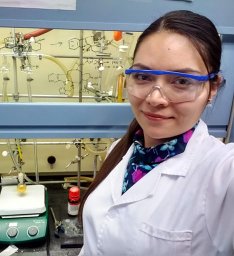 Alejandra Chavez-Riveros合作论文数Facultad de Química, Universidad Nacional Autónoma de México6
 Wolfgang Losert合作论文数Institute for Physical Science & Technology, University of Maryland;Institute for Research in Electronics & Applied Physics, University of Maryland;Department of Physics, College of Computer, Mathematical, & Natural Sciences, University of Maryland6
 Manjeet K. Rao合作论文数Department of Immunology, The University of Texas6Kam Y. J. Zhang合作论文数6William C. Lumma合作论文数6Ronald A. Wohl合作论文数6Walter Klose合作论文数5Tk Morgan合作论文数5Vijaya Manthati合作论文数5mario kennecke合作论文数5Ra Wohl合作论文数5Xinlei Pan合作论文数5Gulzar Ahmed合作论文数5
 Ganesh V Raj合作论文数5




