Prostate cancer follows a long and heterogeneous disease course with incompletely understood aetiology1. Here we dissect the mutational processes shaping the genomes of 959 donors from the Pan Prostate Cancer Group and assess their clinical relevance. By integrating de novo extracted single-base substitution, insertion–deletion and copy-number signatures with six novel complex structural variant signatures, we identify eight integrated mutational footprints (IMFs) that collectively explain the mutational processes in 85% of primary prostate cancer genomes. IMFs were strongly influenced by regional biases in the genome, most prevalently androgen receptor-mediated mutagenesis and replication stress. Four IMFs, present in 37% of primary tumours, were significantly associated with shorter time to metastasis. These included reactive oxygen-species-driven mutagenesis and both canonical and non-canonical homologous recombination deficiency, the latter being enriched in patients of African ancestry. Extending to the metastatic setting, we found that IMFs predicted sensitivity to androgen receptor pathway inhibitors. Taken together, our study delineates the aetiologies and mutational processes that drive the genomic and clinical heterogeneity of prostate cancer, introduces IMFs as a unifying framework, and highlights their potential to improve both risk stratification and biomarker-guided treatment selection. Eight integrated mutational footprints collectively explain the mutational processes in 85% of primary prostate cancer genomes.
The inactivation of tumour suppressor genes is a key step in cancer development, and is usually achieved by homozygous loss. In prostate cancer, however, large genomic regions are often hemizygously lost, which complicates the identification of putative tumour suppressors in these regions. Here, we develop Epi2Hit, an integrative computational method that leverages whole genome sequencing, epigenomic profiling and gene expression to identify biallelic inactivation of tumour suppressor genes involving DNA methylation of promoter and enhancer regions of one allele and genomic loss of the other allele. We apply Epi2Hit to a cohort of 2,021 prostate cancers to discover tumour suppressor genes. In particular, we identify epigenetic biallelic inactivation of ZFHX3 at a recurrence level similar to TP53. Biallelic inactivation of ZFHX3, a transcriptional repressor, leads to upregulation of oncogenes, including MYC and a shorter time to metastasis. Finally, we provide evidence that epigenetic silencing as 2nd hit is particularly enriched in regions with nearby essential genes, precluding homozygous loss. Epigenetic biallelic inactivation in prostate cancer remains to be explored. Here, the authors develop a computational method Epi2Hit that integrates the hemizygous genomic disruptions with patterns of hypermethylation at regulatory CpG sites to identify biallelic inactivation in tumour suppressor genes.
The epigenetic landscape of cancer is regulated by many factors, but primarily it derives from the underlying genome sequence. Chromothripsis is a catastrophic localized genome shattering event that drives, and often initiates, cancer evolution. We characterized five esophageal adenocarcinoma organoids with chromothripsis using long-read sequencing and transcriptome and epigenome profiling. Complex structural variation and subclonal variants meant that haplotype-aware de novo methods were required to generate contiguous cancer genome assemblies. Chromosomes were assembled separately and scaffolded using haplotype-resolved Hi-C reads, producing accurate assemblies even with up to 900 structural rearrangements. There were widespread differences between the chromothriptic and wild-type copies of chromosomes in topologically associated domains, chromatin accessibility, histone modifications, and gene expression. Differential epigenome peaks were most enriched within 10 kb of chromothriptic structural variants. Alterations in transcriptome and higher-order chromosome organization frequently occurred near differential epigenetic marks. Overall, chromothripsis reshapes gene regulation, causing coordinated changes in epigenetic landscape, transcription, and chromosome conformation.
Supplementary Glioma Gene Mutations from A Hypermutation Phenotype and Somatic MSH6 Mutations in Recurrent Human Malignant Gliomas after Alkylator Chemotherapy
Supplementary Information from A Hypermutation Phenotype and Somatic MSH6 Mutations in Recurrent Human Malignant Gliomas after Alkylator Chemotherapy
Most cancers are characterized by the somatic acquisition of genomic rearrangements during tumour evolution that eventually drive the oncogenesis. Here, using multiplatform sequencing technologies, we identify and characterize a remarkable mutational mechanism in human hepatocellular carcinoma caused by Hepatitis B virus, by which DNA molecules from the virus are inserted into the tumour genome causing dramatic changes in its configuration, including non-homologous chromosomal fusions, dicentric chromosomes and megabase-size telomeric deletions. This aberrant mutational mechanism, present in at least 8% of all HCC tumours, can provide the driver rearrangements that a cancer clone requires to survive and grow, including loss of relevant tumour suppressor genes. Most of these events are clonal and occur early during liver cancer evolution. Real-time timing estimation reveals some HBV-mediated rearrangements occur as early as two decades before cancer diagnosis. Overall, these data underscore the importance of characterising liver cancer genomes for patterns of HBV integration.
The progression of chronic liver disease to hepatocellular carcinoma is caused by the acquisition of somatic mutations that affect 20-30 cancer genes(1-8). Burdens of somatic mutations are higher and clonal expansions larger in chronic liver disease(9-13) than in normal liver(13-16), which enables positive selection to shape the genomic landscape(9-13). Here we analysed somatic mutations from 1,590 genomes across 34 liver samples, including healthy controls, alcohol-related liver disease and non-alcoholic fatty liver disease. Seven of the 29 patients with liver disease had mutations in FOXO1, the major transcription factor in insulin signalling. These mutations affected a single hotspot within the gene, impairing the insulin-mediated nuclear export of FOXO1. Notably, six of the seven patients with FOXO1(S22W) hotspot mutations showed convergent evolution, with variants acquired independently by up to nine distinct hepatocyte clones per patient. CIDEB, which regulates lipid droplet metabolism in hepatocytes(17-19), and GPAM, which produces storage triacylglycerol from free fatty acids(20,21), also had a significant excess of mutations. We again observed frequent convergent evolution: up to fourteen independent clones per patient with CIDEB mutations and up to seven clones per patient with GPAM mutations. Mutations in metabolism genes were distributed across multiple anatomical segments of the liver, increased clone size and were seen in both alcohol-related liver disease and non-alcoholic fatty liver disease, but rarely in hepatocellular carcinoma. Master regulators of metabolic pathways are a frequent target of convergent somatic mutation in alcohol-related and non-alcoholic fatty liver disease.
About half of all cancers have somatic integrations of retrotransposons. Here, to characterize their role in oncogenesis, we analyzed the patterns and mechanisms of somatic retrotransposition in 2,954 cancer genomes from 38 histological cancer subtypes within the framework of the Pan-Cancer Analysis of Whole Genomes (PCAWG) project. We identified 19,166 somatically acquired retrotransposition events, which affected 35% of samples and spanned a range of event types. Long interspersed nuclear element (LINE-1; L1 hereafter) insertions emerged as the first most frequent type of somatic structural variation in esophageal adenocarcinoma, and the second most frequent in head-and-neck and colorectal cancers. Aberrant L1 integrations can delete megabase-scale regions of a chromosome, which sometimes leads to the removal of tumor-suppressor genes, and can induce complex translocations and large-scale duplications. Somatic retrotranspositions can also initiate breakage–fusion–bridge cycles, leading to high-level amplification of oncogenes. These observations illuminate a relevant role of 22 L1 retrotransposition in remodeling the cancer genome, with potential implications for the development of human tumors.
Bringing together cancer genomes from different projects increases power and allows the investigation of pan-cancer, molecular mechanisms. However, working with whole genomes sequenced over several years in different sequencing centres requires a framework to compare the quality of these sequences. We used the Pan-Cancer Analysis of Whole Genomes cohort as a test case to construct such a framework. This cohort contains whole cancer genomes of 2832 donors from 18 sequencing centres. We developed a non-redundant set of five quality control (QC) measurements to establish a star rating system. These QC measures reflect known differences in sequencing protocol and provide a guide to downstream analyses and allow for exclusion of samples of poor quality. We have found that this is an effective framework of quality measures. The implementation of the framework is available at: https://dockstore.org/containers/quay.io/jwerner_dkfz/pancanqc:1.2.2 .
The extent of somatic mutation and clonal selection in the human bladder remains unknown. We sequenced 2097 bladder microbiopsies from 20 individuals using targeted (n = 1914 microbiopsies), whole-exome (n = 655), and whole-genome (n = 88) sequencing. We found widespread positive selection in 17 genes. Chromatin remodeling genes were frequently mutated, whereas mutations were absent in several major bladder cancer genes. There was extensive interindividual variation in selection, with different driver genes dominating the clonal landscape across individuals. Mutational signatures were heterogeneous across clones and individuals, which suggests differential exposure to mutagens in the urine. Evidence of APOBEC mutagenesis was found in 22% of the microbiopsies. Sequencing multiple microbiopsies from five patients with bladder cancer enabled comparisons with cancer-free individuals and across histological features. This study reveals a rich landscape of mutational processes and selection in normal urothelium with large heterogeneity across clones and individuals.
Chronic liver disease is associated with metabolic dysregulation, liver failure and hepatocellular carcinoma. We analysed somatic mutations from 1202 genomes across 32 liver samples, including normal controls, alcohol-related and non-alcoholic fatty liver disease. Five of 27 patients with liver disease carried hotspot driver mutations in FOXO1, the major transcription factor downstream of insulin signalling. FOXO1 mutations were independently acquired by up to 5 distinct clones within the same patient’s sample, and impaired insulin-mediated nuclear export of FOXO1. GPAM, which produces storage triacylglycerol from dietary calories, also had significant excess of mutations, similarly exhibiting convergent evolution within biopsies. Telomeres were shorter in diseased than normal liver, with attrition more pronounced in larger clones. Multiple independent acquisitions of drivers within one small liver sample imply that such mutations could affect hundreds of grams of tissue across the whole organ, potentially contributing to systemic metabolic dysfunction.
In the Methods section of this Article, ‘greater than’ should have been ‘less than’ in the sentence ‘Putative regions of clustered rearrangements were identified as having an average inter-rearrangement distance that was at least 10 times greater than the whole-genome average for the individual sample. ’. The Article has not been corrected.
Multiple signatures of somatic mutations have been identified in cancer genomes. Exome sequences of 1,001 human cancer cell lines and 577 xenografts revealed most common mutational signatures, indicating past activity of the underlying processes, usually in appropriate cancer types. To investigate ongoing patterns of mutational-signature generation, cell lines were cultured for extended periods and subsequently DNA sequenced. Signatures of discontinued exposures, including tobacco smoke and ultraviolet light, were not generated in vitro. Signatures of normal and defective DNA repair and replication continued to be generated at roughly stable mutation rates. Signatures of APOBEC cytidine deaminase DNA-editing exhibited substantial fluctuations in mutation rate over time with episodic bursts of mutations. The initiating factors for the bursts are unclear, although retrotransposon mobilization may contribute. The examined cell lines constitute a resource of live experimental models of mutational processes, which potentially retain patterns of activity and regulation operative in primary human cancers.
Genetic variations are important evolutionary forces in all forms of life in nature. Accurate and efficient detection of various forms of genetic variants is crucial for understanding cell function, evolution and diseases in living organisms. In this chapter, we describe a detailed protocol that uses Pindel, a split-read algorithm, to discover indels and structural variants in a given genome, from Illumina short-read sequencing data produced from biological samples.
Clear cell renal cell carcinoma (ccRCC) is characterized by near-universal loss of the short arm of chromosome 3, deleting several tumor suppressor genes. We analyzed whole genomes from 95 biopsies across 33 patients with clear cell renal cell carcinoma. We find hotspots of point mutations in the 5' UTR of TERT, targeting a MYC-MAX-MAD1 repressor associated with telomere lengthening. The most common structural abnormality generates simultaneous 3p loss and 5q gain (36% patients), typically through chromothripsis. This event occurs in childhood or adolescence, generally as the initiating event that precedes emergence of the tumor's most recent common ancestor by years to decades. Similar genomic changes drive inherited ccRCC. Modeling differences in age incidence between inherited and sporadic cancers suggests that the number of cells with 3p loss capable of initiating sporadic tumors is no more than a few hundred. Early development of ccRCC follows well-defined evolutionary trajectories, offering opportunity for early intervention.
In multiple myeloma, next-generation sequencing (NGS) has expanded our knowledge of genomic lesions, and highlighted a dynamic and heterogeneous composition of the tumor. Here we used NGS to characterize the genomic landscape of 418 multiple myeloma cases at diagnosis and correlate this with prognosis and classification. Translocations and copy number abnormalities (CNAs) had a preponderant contribution over gene mutations in defining the genotype and prognosis of each case. Known and novel independent prognostic markers were identified in our cohort of proteasome inhibitor and immunomodulatory drug-treated patients with long follow-up, including events with context-specific prognostic value, such as deletions of the PRDM1 gene. Taking advantage of the comprehensive genomic annotation of each case, we used innovative statistical approaches to identify potential novel myeloma subgroups. We observed clusters of patients stratified based on the overall number of mutations and number/type of CNAs, with distinct effects on survival, suggesting that extended genotype of multiple myeloma at diagnosis may lead to improved disease classification and prognostication.
Prostate cancer represents a substantial clinical challenge because it is difficult to predict outcome and advanced disease is often fatal. We sequenced the whole genomes of 112 primary and metastatic prostate cancer samples. From joint analysis of these cancers with those from previous studies (930 cancers in total), we found evidence for 22 previously unidentified putative driver genes harboring coding mutations, as well as evidence for NEAT1 and FOXA1 acting as drivers through noncoding mutations. Through the temporal dissection of aberrations, we identified driver mutations specifically associated with steps in the progression of prostate cancer, establishing, for example, loss of CHD1 and BRCA2 as early events in cancer development of ETS fusion-negative cancers. Computational chemogenomic (canSAR) analysis of prostate cancer mutations identified 11 targets of approved drugs, 7 targets of investigational drugs, and 62 targets of compounds that may be active and should be considered candidates for future clinical trials.
 Peter Campbell合作论文数Quotient Therapeutics70
 Adam Butler合作论文数From the Cancer Genome Project, Wellcome Trust Sanger Institute69
 Mike Stratton合作论文数Wellcome Sanger Institute, Genome Research Limited61
 David T. Jones合作论文数Bioinformatics Group, Department of Computer Science, University College London59
 Jon W. Teague合作论文数Cancer Genome Project, Wellcome Trust Sanger Institute58
 Andy Futreal合作论文数Department of Genomic Medicine, Division of Cancer Medicine, The University of Texas MD Anderson Cancer Center53Menzies Andrew合作论文数38
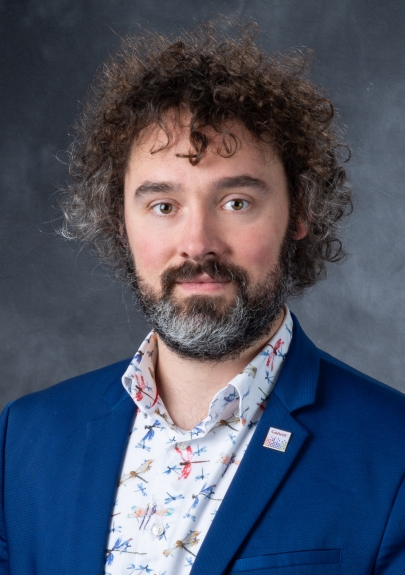 Peter Van Loo合作论文数Department of Genetics, The University of Texas MD Anderson Cancer Center36Helen Davies合作论文数34Patrick S. Tarpey合作论文数33
 David Wedge合作论文数Cancer Genomics and Data Science at the Manchester Cancer Research Centre, University of Manchester33
 Serena Nik Zainal合作论文数Early Cancer Institute, Department of Oncology, University of Cambridge31Sarah O'Meara合作论文数26
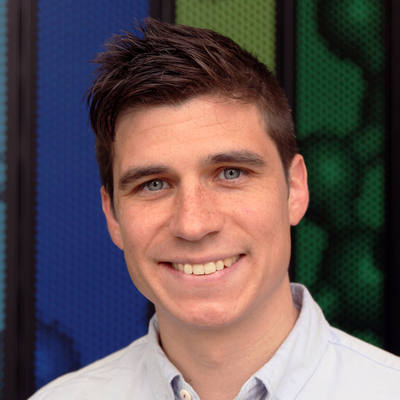 Inigo Martincorena合作论文数Wellcome Sanger Institute25Rebecca Shepherd合作论文数23Lucy A. Stebbings合作论文数23
 Manasa Ramakrishna合作论文数Wellcome Trust Sanger Inst, Canc Genome Project, Hinxton, England22
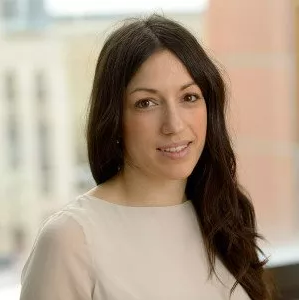 Elli Papaemmanuil合作论文数Computational Biology, Weill Cornell Graduate School of Medical Sciences, Cornell University22
 Graham Bignell合作论文数Wellcome Sanger Institute22McLaren Stuart合作论文数21David R Jones合作论文数21Mudie, Laura合作论文数20
 Ludmil Alexandrov合作论文数Department of Cellular and Molecular Medicine, University of California, San Diego;Department of Bioengineering, University of California, San Diego19
 John Marshall合作论文数Department of Surgery, Temerty Faculty of Medicine, University of Toronto;St. Michael's Hospital18Susanna L Cooke合作论文数18
 Andrea L. Richardson合作论文数Department of Pathology, Johns Hopkins University18
 Gerstung Moritz合作论文数Dept Biosyst Sci & Engn, Swiss Fed Inst Technol17
 David T. W. Jones合作论文数Department of Pathology, University of Cambridge17
 Gunes Gundem合作论文数Mem Sloan Kettering Canc Ctr, 1275 York Ave, New York, NY 10021 USA16Sancha Martin合作论文数16
 Douglas Easton合作论文数Homerton College, University of Cambridge16Richard Wooster合作论文数16
 Niccolo Bolli合作论文数Dipartimento di Ematologia ed Oncoematologia Pediatrica, Istituto Nazionale dei Tumori di Milano;Department of Oncology, University of Milan15
 Stevens Claire H合作论文数15
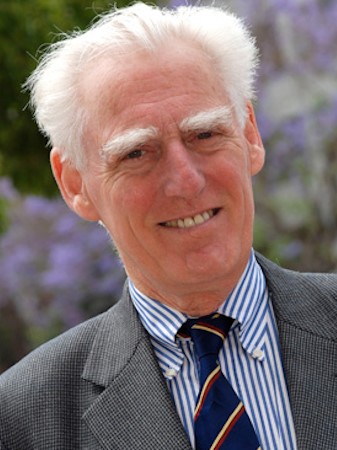 Philip J. Stephens合作论文数Dornsife College of Letters, Arts and Sciences, University of Southern California15Jennifer Varian合作论文数15Calli Latimer合作论文数15Sara Widaa合作论文数15
 Ultan Mcdermott合作论文数Street15
 Lucy R. Yates合作论文数Cancer Genome Project, Wellcome Trust Sanger Institute14
 Sunil Lakhani合作论文数Centre for Clinical Research, Faculty of Medicine, The University of Queensland14Calli Tofts合作论文数14Alexandra Small合作论文数14Gemma Buck合作论文数14Katy Hills合作论文数14
 Jorge Zamora合作论文数13
 Jennifer Cole合作论文数The Department of Anthropology, The University of Chicago13
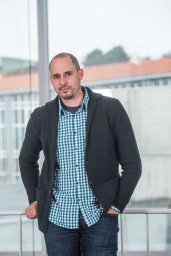 Jose M. C. Tubio合作论文数Wellcome Trust Sanger Institute13
 Simon Forbes合作论文数Wellcome Trust Sanger Institute13




