All Supplementary Figures are provided in PDF format with the corresponding legend after each figure. Supplementary Figure 1. Genetic and clinical composition of the TRACERx Renal cohort Supplementary Figure 2. Comparison between transcriptional inter and intratumour heterogeneity Supplementary Figure 3. Representation of I-TED to measure transcriptional intratumour heterogeneity and robustness analysis Supplementary Figure 4. Transcriptional ITH is not associated with poorer outcomes in ccRCC Supplementary Figure 5. Subclonal 9p loss is the subclonal somatic copy-number alteration with the greatest association with transcriptional ITH Supplementary Figure 6. Variance in transcriptional intratumour heterogeneity explained by major clinico-genomic covariates Supplementary Figure 7. Association betweeen transcriptional distance between matched tumour-normal pairs of samples and distance from the tumour sample to the most-recent common ancestor (MRCA) Supplementary Figure 8. Schematic representation of the transcriptional and clonal distance calculation in this study. Supplementary Figure 9. Association between transcriptional and clonal distance between primary-metastasis pairs of samples Supplementary Figure 10. Similarity between primary and matched metastases for different transcriptional signatures depending on the detection of a seeding clone in the primary tumour region Supplementary Figure 11. Schematic representation of the assignment of gene expression to clones Supplementary Figure 12. Heatmap with the results of differential expression between 9p or 14q loss samples and matched 9p and 14q wild-type samples Supplementary Figure 13. Association between loss of 9p and expression of IFN I cluster genes. Supplementary Figure 14. Evaluation of changes in gene expression between 9p wild-type and 9p loss clones in published single-cell RNA-sequencing data Supplementary Figure 15. Survival in patients with high or low proliferation scores and 9p loss or 9p wild-type status Supplementary Figure 16. Validation of ENPP1 overexpression observed in RNA-Sequencing with multiplex immunofluorescence Supplementary Figure 17. Association between TME composition and expression of ENPP1 and SLC19A1 Supplementary Figure 18. Survival of ccRCC patients in TRACERx Renal and TCGA when combining aneuploidy and expression of SLC19A1 and ENPP1 Supplementary Figure 19. Association between overexpression of SLC19A1 and survival across multiple tumour types Supplementary Figure 20. Validation of TME composition inference from bulk RNA-sequencing using immunohistochemistry Supplementary Figure 21. TME ITH is pervasive and variable in the TRACERx Renal cohort but does not correlate with clinical outcomes Supplementary Figure 22. Changes in signatures associated with TME co-occurring with the acquisition of specific drivers and/or tumour evolution Supplementary Figure 23. Evaluation of changes in populations of the TME with occurrence of different driver alterations. Supplementary Figure 24. Similarity in TCR or BCR repertoire across different regions of the primary tumour does not associate with survival Supplementary Figure 25. BCR clones can be shared across distinct samples in TRACERx Renal Supplementary Figure 26. Shared TCR clones have higher clonality in tumour samples in TRACERx Renal Supplementary Figure 27. Changes in the BCR repertoire do not associate with clonal evolution in TRACERx Renal Supplementary Figure 28. Association between simimlarity of the TCR/BCR repertoire and genetic intra-tumour heterogeneity Supplementary Figure 29. UMAP representing intra and interpatient variation in HERV expression in the TRACERx Renal cohort Supplementary Figure 30. Association between HERV expression and corresponding copy-number Supplementary Figure 31. Representation of genomic coordinates for LTR elements overexpressed in VHL altered tumour samples Supplementary Figure 32. Association between HERV expression and abundance of different TME populations Supplementary Figure 33. Representation of genomic coordinates for LTR elements significantly associated with survival
Supplementary Table 2. Changes in ssGSEA scores from normal kidney tissue to primary ccRCC tumor in normal-primary pairs.
Testicular cancer is the most common malignancy in males age 15-40 years and one of the most curable cancers, with a cumulative 10-year survival rate exceeding 90%. Management strategies depend on the histologic subtype, stage at diagnosis, sites of disease, tumor markers, and risk classification. Germ cell tumors, including seminomas and nonseminomas, constitute the majority of testicular cancers and require distinct therapeutic approaches. For localized disease, radical orchidectomy remains the cornerstone of treatment, followed by active surveillance, chemotherapy, or primary retroperitoneal lymph node dissection, depending on the histology and the risk of relapse. Seminomas are highly curable, with low-stage patients often managed through surveillance or postoperative single-agent carboplatin. By contrast, nonseminomas typically require adjuvant multiagent chemotherapy, such as bleomycin, etoposide, and cisplatin, particularly in higher-risk patients. For metastatic disease, chemotherapy remains the standard of care, achieving excellent cure rates even in patients with bulky tumors. Surgical resection of residual masses is especially critical in nonseminomatous germ cell tumors to remove viable cancer or teratoma components. The treatment of refractory or relapsed disease frequently involves second-line standard-dose or high-dose chemotherapy with autologous stem-cell transplantation, ideally performed in specialized high-volume centers. Before, during, and after treatment, multidisciplinary care is essential to addressing psychosocial challenges, optimizing fertility preservation, and enhancing quality of life. After curative treatments, long-term management involves regular follow-up to monitor for recurrence, late toxicities, and secondary malignancies, with survivorship programs playing a crucial role in meeting patients' ongoing needs. Advances in molecular diagnostics for early relapse detection and the introduction of targeted therapies continue to improve outcomes, particularly in resistant patients.
Supplementary Table 7. TCR clones identified applying miXCR to bulk RNA-Sequencing data across 243 ccRCC and kidney-adjacent normal samples in TRACERx Renal.
Supplementary Table 1. Variance in gene expression for 16,716 genes passing expression filtering criteria in the TRACERx Renal study
Supplementary Table 3. Changes in ssGSEA scores from primary to metastasis in primary-metastasis pairs.
Supplementary Table 8. BCR clones identified applying miXCR to bulk RNA-Sequencing data across 243 ccRCC and kidney-adjacent normal samples in TRACERx Renal.
Renal medullary carcinoma (RMC) is a rare subtype of renal cell carcinoma, typically described in young patients with sickle cell trait, which follows an aggressive course. We aimed to perform a systematic review of all published cases of RMC from 1995 to 2024, to summarise the clinico-pathological and radiological features. A systematic review of all published cases of RMC from 1995 to 2024 was performed. Patient demographics, clinical presentation, radiological features, metastatic profile, management, and overall survival were recorded. Sub-analysis was performed, grouped by sickle cell status. 219 cases from 103 articles were included, in addition to 5 previously unreported cases from our institution. 88
Supplementary Table 10. Antibody and incubation procedure for immunohistochemistry (IHC) of CD3 and CD68.
Abstract Background Localised renal cell carcinoma is treated with radical nephrectomy (RN) or partial nephrectomy (PN). Nephron-sparing PN increases preservation of renal function, reducing incidence of end stage renal failure and associated cardiovascular events. In patients with exophytic T1a (≤ 4 cm) tumours and normal contralateral kidney, PN is standard of care. In patients with T1b (> 4–7 cm) or endophytic T1a tumours and normal contralateral kidney, the benefits of PN over RN are less clear as there are increased surgical complications and more tissue may be excised reducing the preservation of renal function. There are no high-quality studies to address if PN is superior to RN in these more complex cases. Methods PARTIAL is a pragmatic randomised controlled parallel group unblinded superiority trial with embedded internal pilot and economic and process evaluation. A total of 420 participants will be recruited in UK NHS centres with expertise in minimally invasive nephrectomy techniques. Eligible consenting adults with a single T1 renal cell carcinoma, normal contralateral kidney and equipoise within the multidisciplinary team confirming suitability to receive both interventions by minimally invasive approaches are randomised 1:1 to PN or RN. Patients with metastatic disease, existing chronic kidney disease, solitary functioning kidney, congenital renal abnormality, inherited kidney cancer syndrome, who lack capacity to consent or are pregnant or breast feeding are excluded. Primary outcomes are gains in preservation of renal function at 2 years and surgical complications over the peri-operative period. Secondary outcomes are quality of life and recovery, cost and cost-effectiveness, rates of positive surgical margin, recurrence and cardiovascular events, overall survival, progression to chronic kidney disease and end stage renal failure, operative conversion and patient acceptability. Participants are followed up for 2 years with outcomes collected from medical records and participant questionnaires. Discussion PARTIAL will determine if gains from PN are superior to RN and offset the potential harms and costs in complex T1 renal tumours suitable for either approach. If PN is not found to provide clinically significant gains and excess complications are confirmed, then a practice-changing case for RN as standard of care could be made. Trial registration ISRCTN 11293415. Registered prospectively on 19 January 2023.
Supplementary Table 9. Univariate Cox regression results for progression-free survival in the TRACERx Renal cohort based on the expression of each of 613 HERV/LTR elements.
Evaluation of the potential to reconstruct TCR repertiore from bulk RNA-Sequencing data
Supplementary Table 6. Differential expression analysis by wGII of genes involved in cGAS-STING pathway.
Supplementary Table 11. Antibody / Opal combinations, dilutions and positions used for 6 biomarker immunofluorescence panel staining. RTU = Ready to Use.
Testicular cancer (TCa) can precipitate ongoing psychosocial/physical morbidity post-treatment, despite high rates of cure. We conducted a systematic review to synthesise three decades of primary qualitative research on health-related quality of life (HRQoL) to inform the design of supportive care pathways. We queried MEDLINE/PubMed, PsycINFO, CINAHL, and Web of Science for all qualitative studies published up to 26 October 2022 examining issues relevant to HRQoL in post-treatment TCa patients. Two independent reviewers appraised included studies for methodological quality using established guidance for evidence-based public health policy and analysed findings via thematic synthesis. Studies were analytically weighted by study quality. Studies were evaluated using GRADE-CERQual to produce confidence levels in findings. We included 18 studies, comprising 387 participants. Seven studies were graded high quality, eight medium quality, and three low quality. Emergent analytical themes were: (a) Residual psychological injury; (b) Information deficits and unnecessary anxiety; (c) Thwarted life trajectory; (d) Social disruption; (e) Undermined youth; (f) Health service abandonment; (g) Long-term sexual problems; and (h) Maladaptive coping and post-traumatic stress. All findings were deemed ‘high confidence’, except theme (g), which was of ‘moderate confidence’. A limitation of the review was the relative dominance of Anglophone countries in the included studies. Some men treated for TCa are at risk of a range of post-treatment HRQoL issues, particularly psychosocial issues. Some individuals may be more at risk than others, based on specific personality traits, access to accurate and complete information about treatment recovery, and individual coping responses.
 David Johnson合作论文数Department of Kidney and Transplant Services, Princess Alexandra Hospital46
 Carmel Hawley合作论文数Centre for Health Services Research, Faculty of Medicine, The University of Queensland42
 James Larkin合作论文数The Institute of Cancer Research;Royal Marsden Hospital;University of Cambridge41
 Judith Clements合作论文数School of Biomedical Sciences, Faculty of Health, Queensland University of Technology;Kallikrein Protease & Tumour Microenvironment Research Group, Institute of Health and BioMedical Innovation, Faculty of Health, Queensland University of Technology36
 Lisa Pickering合作论文数35
 Samra Turajlic合作论文数The Francis Crick Institute34Steve Hazell合作论文数33
 Rowan Andrew J合作论文数Canc Evolut & Genome Instabil Lab, Francis Crick Inst33Tim O'Brien合作论文数28
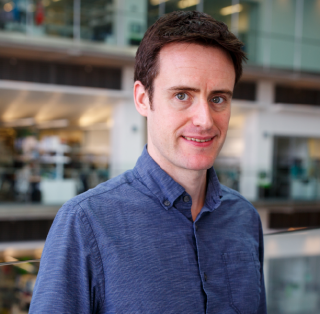 Kevin Litchfield合作论文数Department of Oncology, Cancer Institute, Faculty of Medical Sciences, University College London28Ashish Chandra合作论文数26
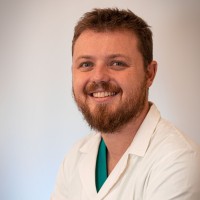 Walter Cazzaniga合作论文数The Royal Marsden NHS Foundation Trust25
 Furness Andrew Js合作论文数25Scott B. Campbell合作论文数25Fiona Byrne合作论文数23
 Fendler Annika合作论文数Department of Biology, Chemistry and Pharmacy, Free University23Scott Thomas Colville Shepherd合作论文数Beatson West of Scotland Cancer Centre22
 Robert Huddart合作论文数Urological Cancer, The Institute of Cancer Research22George Kassiotis合作论文数21Rachael Thompson合作论文数21
 Charles Swanton合作论文数Cancer Evolution and Genome Instability Laboratory, The Francis Crick Institute21Kim Edmonds合作论文数20Charlotte Spencer合作论文数20Antonia Franz合作论文数19Irene Lobon合作论文数The Francis Crick Institute19Hugang Feng合作论文数19
 Kate Young合作论文数19John Preston合作论文数18
 Erik Mayer合作论文数Department of Biosurgery and Surgical Technology, Imperial College London16Stuart Horswell合作论文数15M L Douglas合作论文数14d wall合作论文数13
 Nicole Isbel合作论文数Princess Alexandra Hospital, The University of Queensland13
 Raylene Gardiner合作论文数12Nicole M Isbel合作论文数12Martin Gore合作论文数11Stares Mark合作论文数11
 Ben Challacombe合作论文数The Urology Centre, Guy’s Hospital;Guy's and St Thomas' Hospitals NHS Foundation Trust and Kings College11
 David Vesey合作论文数Centre for Health Services Research, The University of Queensland;Faculty of Health, Medicine and Behavioural Sciences, The University of Queensland11José I López合作论文数10
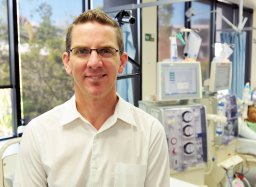 David W. Mudge合作论文数Princess Alexandra Hospital, University of Queensland10
 Patricia Mactaggart合作论文数10A. Griffin合作论文数9Gordon Stamp合作论文数9
 Lewis Au合作论文数9
 Sarah Rudman合作论文数Guy’s and St Thomas’ NHS Foundation Trust9Reid Alison合作论文数School of Public Health, Curtin University;School of Public Health, Curtin University9
 Catherine Cheung合作论文数School of Hotel & Tourism Management,The Hong Kong Polytechnic University9
 Nicola Nicolai合作论文数Fondazione IRCCS Istituto Nazionale dei Tumori di Milano9




