Neurotrophic tyrosine receptor kinase (NTRK) gene fusions represent rare somatic mutations in many types of cancer and have enabled the use of promising targeted therapies. In clinical studies, increased response rates to tropomyosin receptor kinase inhibitors have been demonstrated in NTRK fusion-positive cancer types; however, real-world experiences on these targeted agents are scarce. We evaluated the clinical characteristics and treatment responses of NTRK fusion-positive patients who received entrectinib treatment within the scope of an early access program in Turkey. This multicenter, retrospective analysis involved 17 patients with solid tumors harboring NTRK fusions or rearrangements from 14 oncology centers between June 2019 and 31 March 2024. Demographic and clinical data were obtained via retrospective review of medical records with a cutoff date of 31 March 2024. The median age at diagnosis of the patients in our study was 42 [interquartile range (IQR) 33–60] years. Nine different types of solid tumors were diagnosed in these patients. The most common NTRK gene rearrangements involved NTRK1 (n = 8), followed by NTRK3 (n = 7). The median duration of entrectinib usage was 6.9 (IQR 3.1–16.1) months. Dose reductions due to side effects were performed in four patients: two due to leukopenia, one due to visual disturbance, and one due to troponin elevation. Leukopenia was the most commonly observed side effect. The objective response rate (ORR) was 35.3
Background: This study aimed to investigate the effect of cytoreductive nephrectomy (CN) on the survival outcomes of nivolumab used as a subsequent therapy after the failure of at least one anti-vascular endothelial growth factor (VEGF) agent in patients with metastatic clear-cell renal-cell carcinoma (ccRCC). Methods: We included 106 de novo metastatic ccRCC patients who received nivolumab after progression on at least one anti-VEGF agent. Multivariate Cox regression analysis was performed to investigate the factors affecting survival in patients receiving nivolumab. Results: Of the 106 de novo metastatic ccRCC patients, 83 (78.3%) underwent CN. There were no statistical differences between the two groups in terms of age, gender, Eastern Cooperative Oncology Group (ECOG) score, tumor size, International Metastatic RCC Database Consortium (IMDC) risk group, number of previous treatment lines, first-line anti-VEGF therapy, or metastasis sites (p = 0.137, p = 0.608, p = 0.100, p = 0.376, p = 0.185, p = 0.776, p = 0.350, and p = 0.608, respectively). The patients who received nivolumab with CN had a longer time to treatment discontinuation (TTD) [14.5 months, 95% confidence interval (CI): 8.6–20.3] than did those without CN 6.7 months (95% CI: 3.9–9.5) (p = 0.001). The median overall survival (OS) was 22.7 months (95% CI: 16.1–29.4). The patients with CN had a median OS of 22.9 months (95% CI: 16.3–29.4), while those without CN had a median OS of 8.1 months (95% CI: 5.6–10.5) (p = 0.104). In the multivariate analysis, CN [hazard ratio (HR): 0.521; 95% CI: 0.297–0.916; p = 0.024] and the IMDC risk score (p = 0.011) were statistically significant factors affecting TTD; however, the IMDC risk score (p = 0.006) was the only significant factor for overall survival. Conclusions: Our study showed that the TTD of nivolumab was longer in metastatic ccRCC patients who underwent cytoreductive nephrectomy.
Abstract Neoadjuvant chemotherapy (NACT) in gastroesophageal junction (GEJ) and gastric cancer (GC) was shown to improve survival in recent studies. We aimed to share our real-life experience of patients who received NACT to compare the efficacy and toxicity profile of different chemotherapy regimens in our country. This retrospective multicentre study included locally advanced GC and GEJ cancer patients who received NACT between 2007 and 2021. Relation between CT regimens and pathological evaluation were analysed. A total of 794 patients from 45 oncology centers in Turkey were included. Median age at the time of diagnosis was 60 (range: 18–86). Most frequent NACT regimens used were FLOT (65.4%), DCF (17.4%) and ECF (8.1%), respectively. In the total study group, pathological complete remission (pCR) rate was 7.2%, R0 resection rate 86.4%, and D2 dissection rate was 66.8%. Rate of pCR and near-CR (24%), and R0 resection (84%) were numerically higher in FLOT arm (p > 0.05). Patients who received FLOT had also higher chemotherapy-related toxicity rate compared to patients who received other regimens (p > 0.05). Median follow-up time was 16 months (range: 1–154 months). Estimated median overall survival (OS) was 58.4months (95% CI: 35.2–85.7) and disease-free survival (DFS) was 50.7 months (95% CI: 25.4–75.9). The highest 3-year estimated OS rate was also shown in FLOT arm (68%). We still do not know which NACT regimen is the best choice for daily practice. Clinicians should tailor treatment regimens according to patients’ multifactorial status and comorbidities for to obtain best outcomes. Longer follow-up period needs to validate our results.
Sarcomatoid renal cell carcinoma (sRCC) is a rare variant of renal cell carcinoma (RCC) and is associated with a poor prognosis. We reviewed the outcomes of patients from oncology centers in Turkey. Our aim is to share our real-life experi-ence and to contribute to the literature. The demographic and clinical features, treatment, and survival outcomes of 148 patients with sRCC were analyzed. The median age at the time of diagnosis was 58 years (range: 19-83 years). Most patients (62.8%) had clear-cell histology. Most patients were in the intermediate Memorial Sloan-Kettering Cancer Center (MSKCC) risk group (67.6%) and were stage 4 at the time of diagnosis (63.5%). The most common sites of metastasis were the lung (60.1%), lymph nodes (47.3%), and bone (35.8%). The patients received a median of two lines (range: 0-6) of treatment. The most common side effects were fatigue, hematological side effects, hypertension, and hypothyroidism. The median follow-up was 20.9 months (range: 1-162 months). The median overall survival (OS) was 30.8 months (95% confidence interval: 24.9-36.7 months). In multivariate analysis, high MSKCC scores, sarcomatoid differentiation rates >50%, having stage 4 disease, and having lung metastasis at the time of diagnosis were independent factors for poor prognosis affecting OS. No difference was observed between patients who received tyrosine kinase inhibitor (TKI) as the first or second-line treatments. Similarly, no difference between TKI and immunotherapy as the second-line treatment. In conclusion, sRCC is a rare variant of RCC with a poor prognosis and response to treatment. Larger-scale prospective studies are needed to define an optimal treatment approach for longer survival in this aggressive variant.
Introduction: In this study, the toxicities and management of palbociclib and ribociclib in older patients (>= 65 years) with metastatic breast cancer patients were investigated.Materials and Methods: Among older patients receiving palbociclib and ribociclib, Geriatric 8 (G8) and Groningen Frailty Index were used to evaluate frailty status. Dose modifications, drug withdrawal and other serious adverse events (SAEs) were recorded and analyzed according to baseline patient characteristics.Results: A total of 160 patients from 28 centers in Turkey were included (palbociclib = 76, ribociclib = 84). Forty-three patients were >= 75 years of age. The most common cause of first dose modification was neutropenia for both drugs (97% palbociclib, 69% ribociclib). Liver function tests elevation (10%) and renal function impairment (6%) were also causes for ribociclib dose modification. Drug withdrawal rate was 3.9% for palbociclib and 6% for ribociclib. SAEs were seen in 11.8% of those taking palbociclib and 15.5% of those on riboclib. An ECOG performance status of >= 2 and being older than 75 years were associated with dose reductions. Severe neutropenia was more common in patients with non-bone-only metastatic disease, those receiving treatment third-line therapy or higher, coexistance of non-neutropenic hematological side effects (for ribociclib). Neutropenia was less common among patients with obesity.Discussion: Our results show that it can be reasonable to start palbociclib and ribociclib at reduced dose in patients aged >= 75 years and/or with an ECOG performance status >= 2.
Fluoropyrimidine+cisplatin/oxaliplatin+trastuzumab therapy is recommended for the first-line treatment of human epidermal growth factor receptor 2 (HER2)-positive metastatic gastric adenocarcinoma. However, there is no comprehensive study on which platinum-based treatment should be preferred. This study aimed to compare the treatment response and survival characteristics of patients with HER2-positive metastatic gastric or gastroesophageal junction (GEJ) cancer who received fluorouracil, oxaliplatin, and leucovorin (mFOLFOX)+trastuzumab or cisplatin and fluorouracil (CF)+trastuzumab as first-line therapy. It was a multicenter, retrospective study of the Turkish Oncology Group, which included 243 patients from 21 oncology centers. There were 113 patients in the mFOLF-OX+trastuzumab arm and 130 patients in the CF+trastuzumab arm. The median age was 62 years in the mFOLFOX+ trastuzumab arm and 61 years in the CF+trastuzumab arm (p = 0.495). About 81.4% of patients in the mFOLFOX+trastuzumab arm and 83.1% in the CF+ trastuzumab arm had gastric tumor localization (p = 0.735). The median progression-free survival (PFS) was significantly higher in the mFOLFOX+trastuzumab arm (9.4 months vs. 7.3 months, p = 0.024). The median overall survival (OS) was similar in both groups (18.4 months vs. 15.1 months, p = 0.640). Maintenance trastuzumab was continued after chemotherapy in 101 patients. In this subgroup, the median OS was 23.3 months and the median PFS was 13.3 months. In conclusion, mFOLFOX+trastuzumab is similar to CF+ trastuzumab in terms of the median OS, but it is more effective in terms of the median PFS in the first-line treatment of HER2-positive metastatic gastric and GEJ cancer. The choice of treatment should be made by considering the prominent toxicity findings of the chemotherapy regimens.
Abstract Renal cell carcinoma is the fourteenth most common cancer in the world with a male to female ratio of 2:1, and clear cell renal cell carcinoma (ccRCC) is the most common histological subtype. Nivolumab is preferred as subsequent therapy in patients with metastatic ccRCC who show progress after at least one line of anti-vascular endothelial growth factor (anti-VEGF) agents. For several decades, removal of the primary tumor, called cytoreductive nephrectomy, was the cornerstone in the treatment of newly diagnosed metastatic ccRCC. There is limited information about how cytoreductive nephrectomy affects survival outcomes in metastatic ccRCC patients treated with nivolumab. In our study, we aimed to investigate the effect of cytoreductive nephrectomy on nivolumab survival outcomes in metastatic ccRCC patients. Our study included 106 de novo metastatic ccRCC patients with a history of nephrectomy at the time of diagnosis from 20 oncology centers in the Turkish Oncology Group. Multivariate Cox regression analysis was performed to investigate the factors affecting survival in patients receiving nivolumab. The median age of the patients was 60.0 (minimum 18.7-maximum 79.2) years. Eighty-three (78.3%) of the patients had undergone cytoreductive nephrectomy. The median overall survival (OS) of the patients receiving nivolumab was 22.7 months (95% CI 16.1–29.3), and the median time-to-treatment discontinuation (TTD) was 12.0 months (95% CI 8.7–15.3). In the multivariate analysis, cytoreductive nephrectomy (p = 0.011) and the International Metastatic RCC Database Consortium (IMDC) risk score (p = 0.024) were among the significant factors affecting TTD, and the IMDC risk score (p = 0.006) was among the significant factors affecting OS. Our study showed that TTD of nivolumab was longer in metastatic ccRCC patients treated with cytoreductive nephrectomy and progressed after at least one line of anti-VEGF agents.
Trastuzumab and lapatinib are drugs belonging to tyrosine kinase inhibitors family that are used in cancer treatment to prevent cell proliferation. Trastuzumab is an inhibitor of human epidermal growth factor receptor–2 (HER2) tyrosine kinase, and lapatinib is an inhibitor of epidermal growth factor receptor (EGFR). Tyrosine kinase inhibitors have also been investigated for treatment of endometriosis. In the present study, we aimed to investigate the effects of lapatinib and trastuzumab on rat endometriosis model. Endometriosis was surgically induced by the autologous transplantation of endometrial tissue and formation of endometriosis was confirmed via secondary laparotomy in 32 rats. Initially, 4 mg/kg dose of trastuzumab was applied intraperitoneally, and two additional doses of 2 mg/kg were applied 7 days and 14 days after the initial dose. Lapatinib was administered as 100 mg/kg daily doses for 14 days. Rats were randomly divided into four groups and were subjected to lapatinib, trastuzumab, anastrozole (0.004 mg/day, p.o.) and normal saline (0.1 ml, i.p.) treatments for 14 days. Then, endometriosis foci were excised, and endometriosis scores were calculated in a semi-quantitative manner. Immunohistochemical (IHC) examinations were also performed using VEGF, CD117 and Bax antibodies. Both anastrozole and tyrosine kinase inhibitors lowered endometriosis scores. Significant decreases in ovarian follicle numbers were observed in lapatinib and anastrozole groups but not trastuzumab group. Lapatinib and trastuzumab decreased endometriotic foci through suppressing cell proliferation and promoting programmed cell death.
OBJECTIVE Cancer is one of the most important causes of death, both in Turkey and in the world. Cancer also causes economic burden to countries. Therefore, it is important to evaluate the data and mortality trends related to cancer using statistical methods to take primary or secondary preventive measures. In this study, we aimed to analyse the recent changes in cancer mortality via using Joinpoint Regression Analysis (JRA) method between 2009 and 2017. METHODS The data on cancer-related mortality in Turkey from the database of the Turkish Statistical Institute (TurkStat) were obtained and analysed with the JRA method. Age-standardized mortality rate (ASR), annual percent change (APC) and average annual percent change (AAPC) were calculated and compared according to gender. RESULTS In female patients, the significant increase in mortality trends were observed in breast, gastrointestinal system (liver, pancreas, and colon) and gynecological cancers (ovarian and corpus uteri). In male patients, liver, pancreas, colon, lip, oral cavity, pharynx and bladder cancers were shown to increase significantly. There was no significant increase in other cancer sites. CONCLUSION To our knowledge, this study is the first study that has analyzed cancer and cancer-related death trends using JRA at the national level in Turkey. We think that our study can demonstrate the contrast trends in cancer rates. According to these results, better health interventions could be developed to fight against cancer and to reduce the incidence of cancer-related morbidity and mortality.
Chemo-immunotherapy (CIT) with platin, etoposide and monoclonal antibodies targeting the PD-1/PDL-1 pathway has recently improved survival in extensive-stage small-cell lung cancer (SCLC) after decades. We aimed to investigate the efficacy and safety of CIT with atezolizumab in extensive-stage SCLC in chemotherapy naive patients. Eleven patients who were treated and followed in our center were included in this retrospective observational study. All the patients received carboplatin, etoposide and atezolizumab in the induction phase and atezolizumab in the maintenance phase. The Kaplan-Meier test was used to determine progression-free survival (PFS) and overall survival (OS), and the effects of the sites of metastasis were analyzed using the log-rank test. The median age was 69.9 years, and 81.8% were male. The median number of CIT and total atezolizumab cycles was 4 and 7, respectively. 63.6% received maintenance therapy. Median PFS was 5.2 months (95% CI: 3.4-6.9), and median OS was 11.3 months (95% CI: 1.0-21.5). The overall response rate was 63.6%. There was no significant difference between patients with and without liver metastasis in terms of PFS and OS. We observed toxicity higher than grade 2 in more than half of the patients, and hematological toxicities were prominent. CIT with carboplatin, etoposide and atezolizumab is efficient and safe in extensive-stage SCLC considering the PFS, OS, response rates, 12-month survival rate, and side effects. The progression of liver lesions was remarkable. Cranial and thoracic radiation are issues that should be discussed in the future with data from clinical studies.
Prostate sarcomas originate from the mesenchymal tissues including smooth muscle, fibromuscular stroma, paraganglia, nerves, and blood vessels.They account for less than 0.1% of all prostate tumors and often present with obstructive symptoms.Patients with leiomyosarcoma of the prostate commonly have poor prognosis and their life expectancy varies between 0% and 60% depending on the stage of the disease at the initial diagnosis.Histopathological examination is essential for definitive diagnosis, and can be performed at an early stage using guided transrectal prostate biopsy.Since prostate specific antigen levels are generally normal, digital rectal examinations are extremely important.We report on a 50-year-old man who was diagnosed with leiomyosarcoma based on the histopathology of his transurethral prostatectomy specimen.
Tüm dünyada meme kanseri kadınlarda kanserin ve kanser ilişkili ölümlerin en sık nedenidir. Meme kanserli hastaların %17–30 HER2 overekspresyonu olup hastalık kötü prognoz, hastalık progresyon riskinde artış, genel sağkalım ve progresyona kadar geçen sürenin her ikisinde azalma ile birliktedir. Lapatinib, HER2 ve epidermal büyüme faktör reseptör(EGFR) ün ilk dual tirozin kinaz inhibitörüdür. Bu çalışma da antrasiklin, taksan ve trastuzumab tedavisi sonrasında progrese olan metastatik meme kanserli hastalarda kapesitabin ve lapatinib kombinasyonunun etkisini ve tolerabilitesini inceledik. Medyan yaş 56 (34-76) olan toplam 24 hasta dosyası Eylül 2010-Mayıs 2018 arasında 3 merkezde retrospektif olarak incelendi. Tüm hastalar taksan ve antrasiklin içeren kemoterapi ve trastuzumab sonrası progrese olan HER2 pozitif metastatik meme kanseri hastalardı. Genel cevap oranı %29.1, 2 komplet yanıt (CR, 8.3%), 5 parsiyel yanıt (PR, 20.8%), ve 7 stabil hastalık (SD, 29.1%) olmak üzere sağlandı. Kapesitabin ve lapatinib kombinasyon tedavisi antrasiklin, taksan ve trastuzumab tedavisi sonrasında progrese olan metastatik meme kanserli hastalarda etkili ve iyi tolere edilmiştir.
ÖZET GİRİŞ ve AMAÇ: Küçük hücre dışı akciğer kanseri (KHDAK) hastalarında, konvansiyonel, birinci basamak sitotoksik kemoterapi (platin çiftler veya platin olmayan çiftler) 7-8 ay ortanca sağkalım platosuna ulaşmıştır
Background: Breast cancer is a leading cause of death in women worldwide. Genetic polymorphisms have beenreported to be important etiological factors. Murine double minute 2 (MDM2) T309G interacts with p53 and mutationsin p53 are present in approximately 50% of all cancers. However, it has been reported that effect of the polymorphismon breast cancer risk may vary in different populations. Here, we therefore investigated whether there is an associationbetween MDM2 T309G (rs2279744) polymorphism and breast cancer in a Turkish population. Materials and Methods:We analysed 110 patients with breast cancer and 138 matched? controls. For genotyping, polymerase chain reactionand restriction length fragment polymorphism methods were used. Results: A significant difference was observedbetween case and control groups with regard to the distribution of the MDM2 T309G polymorphism (p<0.05). Therewas a significantly higher frequency of the TT genotype in the control group (p=0.028; OR, 2.42; 95% CI, 1.09-5.37).However, we did not find any relationships among tumor grade and metastasis status and this polymorphism. Conclusion:This study indicates that the MDM2 T309G polymorphism GG genotype and the TG+GG combination may be riskfactors for breast cancer in our Turkish population.
Most malignant kidney tumors are renal tubular epithelium derived adenocarcinomas and referred to as renal cell carcinoma (RCC). Kidney cancer accounts for 3-4% of adult cancers and one third of the overall cases of RCC are diagnosed at the advanced stages of the disease.
The lung is a common location for malignant metastases. However, endobronchial metastases from nonpulmonary neoplasms are rare. Metastatic breast cancer usually occurs in 2-3 years of the disease course. A 65-year-old woman visited our hospital for the evaluation of dry cough. The patient had a history of breast cancer, which was treated with modified radical mastectomy and axillary dissection 10 years ago; she was then treated with aromatase inhibitor for 5 years. Chest X-ray revealed right hilum enlargement. Thorax computed tomography revealed a 35-mm diameter mass that was localized in the right hilum. Fiberoptic bronchoscopy was performed, and an endobronchial lesion was observed in the right main lobe carina. Pathological evaluation revealed that the mass was a metastasis of the invasive ductal carcinoma of the breast. Weekly paklitaxel chemotherapy was initiated because of the symptomatic disease. We reported the case of a patient with breast cancer who had an endobronchial metastasis. Her disease-free interval was 10 years. This case indicates that a long-term follow-up of breast cancer is necessary, and biopsies must be performed to make a final diagnosis when any suspicious hilum enlargement is observed.
Background In this study, it was aimed to investigate the relationship between diabetes and breast cancer and the detection of enzymes and ornithine levels in polyamine synthesis pathway in diabetes, breast cancer and diabetic breast cancer patients. Methods Ornithine, arginine decarboxylase, ornithine decarboxylase and agmatinase levels have been measured in serum of all groups. Ornithine levels were measured spectrophotometrically. Arginine decarboxylase, ornithine decarboxylase and agmatinase levels were determined by ELISA kits. Results Except for the diabetic group, the levels of enzymes in the polyamine synthesis pathway were increased in all and statistically significant ( P < 0.05). The increase in the levels of agmatinase was very important among the enzymes ( P < 0.001). Conclusions Decreased levels of polyamine synthase enzymes in diabetes mellitus were found to be increased patients with breast cancer. Whether and how diabetes-based breast cancer development relates to increase activity of enzymes responsible for polyamine synthesis requires further mechanistic and prospective monitoring studies in larger patient cohorts.
Objective: The purpose of this study is to investigate nurses' levels of knowledge about port catheters (PCs), define factors effecting them and to define the subjects in which more education strategies should be developed. Patients and Methods: A descriptive, cross-sectional study was carried out in cancer centers in Turkey. Participants were evaluated with structured questionnaires to assess the levels of knowledge about PCs and management strategies of PC related complications. The questions were designed to evaluate their knowledge in different subscales. Results: 363 nurses in 7 cancer centers in 4 different cities in Turkey participated in the study. While 147 (40.5%) nurses had a more than 10 years of experience, 13.8% of them had a less than 1 year of job experience in oncology. Knowledge about “Port catheter usage and complications” and “difficulties while using PC” was worse than other subscales. The effects of the job experience on knowledge showed a negative correlation between them (r= -168, p= 0.001). In addition, participants with an experience of more than 10 years have worse scores when compared with others ( 27.2±11.4 vs. 30.6±9.4, P=0.003). There was no significant difference between nurses working in a university hospital and public hospital (28.5 ± 10.9 vs. 30.4±10.4, P= 0.086). Conclusion: The study concluded that experience in the field is negatively correlated with knowledge about PCs. Nurses actively caring PCs should be routinely updated, especially about complications of PCs and management strategies of them.
Background and Design: This study aimed to investigate whether 5% strontium (Sr) chloride hexahydrate has preventive or therapeutic effects on the radiotherapy (RT)-induced adverse skin effects. Materials and Methods: Sixty-four female Wistar albino rats weighing 200-210 g, aged 4.5-5 months were divided into eight groups. Results: There were significant differences between control group and the other groups according to the Radiation Therapy Oncology Group Acute Radiation Morbidity Scoring Criteria (RTOG) and histopathological findings (p<0.050). However, there were no significant differences between RT group and treatment groups (p>0.05). In addition, there were no significant differences among treatment groups (p>0.05). Statistical results were as follows according to the immunohistochemical evaluation of transforming growth factor-beta: group 1 and 4 (p=0.015), group 1 and 5 (p=0.014), group 1 and 6 (p=0.035), group 1 and 8 (p=0.046), group 2 and 6 (p-0.047), group 4 and 6 (p=0.031); and according to the immunohistochemical evaluation of tumor necrosis factor-alpha: group 1 and 2 (p=0.024), group 1 and 8 (p=0.045). Conclusion: Topical treatment with Sr at a concentration of 5% is insufficient to prevent the side effects of RT involving the skin, as assessed by the RTOG scoring, histopathological findings, and immunological markers.
Abstract Introduction Association between Murine double minute 2 T309G polymorphism and lung cancer risk has been investigated in several populations, but results of these studies are inconsistent. We aimed to investigate the effect of Murine double minute 2 T309G polymorphism on development of lung cancer in a Turkish population. Methods Total 200 subjects including 100 patients and 100 controls were analyzed and used polymerase chain reaction and restriction fragment length polymorphism methods for genotyping analysis of the polymorphism. Results We found that smokers compared with non-smokers have approximately eight fold higher lung cancer risk [p=0.0001, OR=8.27 (4.02–16.9)]. Frequency of GG genotype was higher in patients than in controls, but this ratio was not significant (χ2=3.5, p=0.17). Genotype distribution of the polymorphism was not different neither patients with non-small cell lung cancer nor patients with small cell lung cancer (χ2=2.89, p=0.57). We analyzed together with demographic feature (except smoking habit), clinicopathological findings and genotype frequencies of this polymorphism, and any association with lung cancer risk was not obtained. Conclusion No correlation between Murine double minute 2 T309G polymorphism and lung cancer risk was detected in this Turkish population.
 Yucel Birsen合作论文数26
 Saadettin Kılıçkap合作论文数Department of Medical Oncology, Faculty of Medicine, Istinye University;Liv Hospital25
 Seker Mehmet Metin合作论文数21
 Nalan Akgul Babacan合作论文数Bahrain Oncology Center17Nalan Babacan合作论文数12
 Eren Mehmet Fuat合作论文数Department of Radiation Oncology, Cumhuriyet University12Bahceci Aykut合作论文数11Selen Baloglu Kacan合作论文数10
 Serdar Turhal合作论文数Roswell Park Comprehensive Cancer Center8
 Dilek Gurgenyatagi Erdem合作论文数7Seher Bahar合作论文数6Teoman Şakalar合作论文数6
 Ebru Atasever Akkas合作论文数6Birol Ocak合作论文数Dept Med Oncol, Uludag Univ5Yilmaz Meral合作论文数Faculty of Medicine, Cumhuriyet University5Deligonul Adem合作论文数Department of Internal Medicine, Uludag University Medical School5
 Cubukcu Erdem合作论文数5Okur Yillar合作论文数5T. Cubukcuoglu合作论文数5
 Zekiye Hasbek合作论文数School of Medicine Department of Nuclear Medicine, Cumhuriyet University5Gulhan Ipek Deniz合作论文数4
 Sener Cihan合作论文数4
 Nuriye Yıldırım Ozdemir合作论文数Medical Oncology, Gazi University School of Medicine4
 Ozkan Alan合作论文数Tekirdag City Hosp4
 Abdullah Sakin合作论文数Dept Med Oncol, Prof Doctor Cemil Tascioglu City Hosp4Aksoy Asude合作论文数4Evrensel Turkkan合作论文数4
 Ilhan Hacıbekiroglu合作论文数Faculty of Medicine, Trakya University4
 Nayir Erdinç合作论文数4
 Ozan Yazici合作论文数Department of Medical Oncology, Faculty of Medicine, Gazi University4Sancakdar Enver合作论文数4
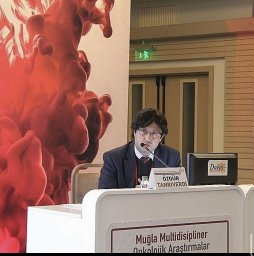 Ozgur Tanriverdi合作论文数Mugla Universtesi Egitim ve Arastirma Hastanesi, Mugla Sıtkı Kocman University4Menekse Serkan合作论文数4Eren Ayfer Ay合作论文数4Celasun Mustafa Gurol合作论文数4
 ayse seker合作论文数Department of Nephrology and.4Nilufer Avci合作论文数4Nurullah Zengin合作论文数Department of Medical Oncology, Ankara Numune Education and Research Hospital4Hatice Ozer合作论文数Medical School, Cumhuriyet University4
 Sercan Aksoy合作论文数3Musa Sari合作论文数3Seher Yildiz Tacar合作论文数3Abdilkerim Oyman合作论文数3Hacer Demir合作论文数3
 Semra Paydas合作论文数3Mustafa Korkmaz合作论文数3Okan Avci合作论文数Department of Medical Oncology, Tekirdağ Namık Kemal University3
 Ahmet Gulmez合作论文数Medical Oncology, İnönü University3
 Ahmet Bilgehan Sahin合作论文数Dept Med Oncol, Bursa Uludag Univ3




