Autonomous vehicle platooning in mixed-traffic environments faces critical safety challenges due to uncertain interactions with surrounding vehicles and the limitations of rigid platoon structures. In practice, unpredictable behaviors of human-driven vehicles can disrupt coordination and induce disturbances, while fixed platoon organizations lack the flexibility to adapt to evolving traffic conditions, leading to increased collision risk and degraded safety margins. To address this issue, this paper proposes a safety-oriented hierarchical framework for autonomous platooning, featuring a centralized decision-making and distributed execution architecture. At the upper level, a coalitional game-theoretic decision-making mechanism is developed to enable connected autonomous vehicles to form adaptive coalitions and generate interaction-aware behavioral strategies that explicitly consider both internal platoon safety and external traffic interactions. At the lower level, distributed motion controllers translate these strategies into dynamically feasible control actions, ensuring safe execution under vehicle constraints. The proposed framework is validated in representative mixed-traffic scenarios. Quantitative results demonstrate that the method significantly improves safety performance by increasing minimum time-to-collision and reducing exposure to critical risk conditions, while maintaining comparable operational efficiency. These findings confirm the effectiveness of the proposed framework in enabling safe and efficient autonomous platooning in complex traffic environments.
Interacting with diverse and stochastic traffic participants is a critical challenge for autonomous vehicles (AVs), as it necessitates advanced decision-making systems to replicate the natural adaptability of human drivers. In particular, navigating safely and efficiently in dense traffic scenarios poses a significant challenge for decision-making, which is inherently an interactive task, i.e., nearby traffic participants will influence AVs’ action, and vice versa. Decision-making solutions that rely solely on unidirectional interaction schemes, neglecting the mutual influence between AVs and other traffic participants, may lead to overly defensive behaviors or the “freezing robot problem”. In recent years, researchers have been increasingly focused on incorporating bidirectional interactions into the decision-making process to make safe, intelligent, and socially compatible decisions. Currently, a comprehensive review of interaction-aware decision-making techniques remains lacking. To this end, this paper aims to provide a systematic review of interaction-aware decision-making methodologies for autonomous driving. Specifically, this paper analyzes the challenges in considering bidirectional interactions between AVs and other traffic participants. In addition, the state-of-the-art techniques for interaction-aware decision-making solutions are reviewed. More importantly, simulation and benchmarks for interaction-aware decision-making validation are also presented. Finally, research perspectives are highlighted to facilitate future studies for interaction-aware decision-making policy design.
Safety-critical planning in complex environments, particularly at urban intersections, remains a fundamental challenge for autonomous driving. Existing methods, whether rule-based or data-driven, frequently struggle to capture complex scene semantics, infer potential risks, and make reliable decisions in rare, high-risk situations. While vision-language models (VLMs) offer promising approaches for safe decision-making in these environments, most current approaches lack reflective and causal reasoning, thereby limiting their overall robustness. To address this, we propose a counterfactual chain-of-thought (C-CoT) framework that leverages VLMs to decompose driving decisions into five sequential stages: scene description, critical object identification, risk prediction, counterfactual risk reasoning, and final action planning. Within the counterfactual reasoning stage, we introduce a structured meta-action evaluation tree to explicitly assess the potential consequences of alternative action combinations. This self-reflective reasoning establishes causal links between action choices and safety outcomes, improving robustness in long-tail and out-of-distribution scenarios. To validate our approach, we construct the DeepAccident-CCoT dataset based on the DeepAccident benchmark and fine-tune a Qwen2.5-VL (7B) model using low-rank adaptation. Our model achieves a risk prediction recall of 81.9%, reduces the collision rate to 3.52%, and lowers L2 error to 1.98 m. Ablation studies further confirm the critical role of counterfactual reasoning and the meta-action evaluation tree in enhancing safety and interpretability.
A multitude of existing tracking methods use historical target information to address appearance variations and mitigate the influence of distractors during the tracking process. However, the use of historical information in current methods remains limited and suboptimal, thereby limiting their capacity to solve the above challenges effectively. To address this, we propose a distractor-aware temporal-spatial capture network (DaTSCN) for visual tracking. Specifically, our method maintains a target-centric hidden state and propagates it across frames through explicit inter-frame spatial correspondences. The reliability of such propagation is estimated by an entropy-based cost volume and further used to refine the current confidence map, thereby suppressing distractor-induced responses. To handle appearance variations, we design a temporal-spatial capture module (TSCM) that effectively integrates target features from multiple historical frames. Furthermore, instead of employing the common first-in-first-out (FIFO) strategy, we adopt a Gram-matrix-based refinement mechanism to update the long-term template bank, ensuring both the diversity and representativeness of the stored templates. Experimental results on five benchmark datasets demonstrate that our approach achieves competitive performance, validating its effectiveness in complex tracking scenarios. Notably, DaTSCN achieves state-of-the-art performance with an AUC score of 69.3% on the NFS30 dataset.
End-to-end autonomous driving systems excel in common scenarios but struggle with safety-critical long-tail cases. Vision-Language-Action (VLA) models are promising due to their strong reasoning capabilities. However, most VLA-based approaches rely on positive expert demonstrations, rarely exploiting negative samples, leading to insufficient understanding of risky behaviors and safety boundaries. To address this limitation, we propose SafeAlign-VLA, a unified negative-enhanced safe alignment framework that incorporates negative data into supervised learning and reinforcement learning. First, we develop a counterfactual safety pairing paradigm to generate structured safety labels and counterfactual positive trajectories from risky scenarios via counterfactual reasoning. Then, a two-stage training strategy is adopted: negative-enhanced supervised fine-tuning for failure feedback and trajectory correction, followed by anchor-based group relative policy optimization that uses positive and negative trajectories as contrastive anchors to steer sampling and penalize high-risk behaviors via group-relative advantages. Experiments on NAVSIM and DeepAccident validate the proposed framework. SafeAlign-VLA achieves 89.1 PDMS on the NAVSIM v1 testset, improving over the baseline without negative data by 1.3
Whole-slide pathological images (WSIs) have long been regarded as the gold standard for cancer diagnosis and treatment planning. Recent research shows that the integrative analysis of WSIs with their corresponding pathological reports can significantly enhance diagnostic accuracy, as it leverages complementary visual-textual cues. However, data from different centers often have notable distribution shifts that hinder model adaptation across different sites. To solve this problem, we propose $\mathrm{M}^{2} \text{DA}$-ICT (Multi-modal Domain Adaptation via Integration of Pathological Images and Clinical Texts), a new framework for enhancing cross-center cancer diagnosis. Specifically, for the pathological images, we introduce a graph-based topology alignment module, which represents each WSI as a patch-level graph and aligns domain distributions using Maximum Mean Discrepancy (MMD) on both node and topological features. For the clinical text data, we utilize embeddings derived from pretrained vision-language models to perform distribution alignment between source and target centers via MMD. Finally, a Mixture-of-Experts (MoE) module is adopted to combine the pathological image and text reports data to conduct cancer diagnosis. Extensive experiments on TCGA-BRCA and TCGA-KIRC datasets show M²DA-ICT consistently outperforms the existing multimodal domain adaptation baselines.
Most trackers treat the tracking issue as classification and regression tasks. The tracking performance is determined significantly by the allocation of positive and negative samples. In this paper, an Adaptive Training Sample Selection (ATSS) is employed to define positive and negative samples according to a dynamic IoU threshold. Additionally, ranking candidate boxes accurately is also a key factor affecting the tracker’s performance. The traditional method sorts candidate boxes based on classification scores, but it fails to produce reliable sorting. Therefore, this paper introduces an IoU-aware Classification Score (IACS) for sorting candidate boxes. Varifocal loss is employed to train the tracker to generate IACS. Furthermore, to further refine predicted bounding boxes and predict IACS, this paper utilizes a star-shaped bounding box feature representation. Combining these structures, we propose a transformer-based anchor-free tracker TADT, which can solve the misalignment problem between classification and regression. The proposed tracker achieves remarkable performance on five benchmarks. In particular, our TADT sets a state-of-the-art performance on TrackingNet, with AUC of 85.3 P_Norm of 89.6
Current object tracking methods integrate both appearance and trajectory information through feature-level fusion to achieve robust tracking performance. However, such fusion-based approaches suffer from trajectory guidance dilution and temporal-semantic misalignment, where dominant appearance features suppress motion cues. To address these issues, we propose a decoupled appearance-trajectory deep tracking (DATDT) framework that separates appearance perception from motion reasoning and integrates them through a response analyzer. Our method employs explicit trajectory prediction with a separate scoring mechanism to preserve independent trajectory guidance and avoid temporal-semantic misalignment. In addition, we design an adaptive template update strategy that estimates template reliability based on both appearance similarity and trajectory consistency, along with a boundary-aware cropping strategy that enlarges undersized crops and corrects oversized crops near image borders. Experiments on seven benchmarks demonstrate that our proposed method achieves state-of-theart results on five datasets, achieving an average overlap (AO) of 79.9% on the generic object tracking (GOT-10k) benchmark. The proposed framework demonstrates particular strength in appearance-related challenges under trajectory-continuous motion, while maintaining tracking efficiency of 55.5 frames per second (FPS) for real-time deployment in visual tracking systems. The code and results will be publicly available.
Online change detection (OCD) aims to rapidly identify change points in streaming data and is critical in applications such as power system monitoring, wireless network sensing, and financial anomaly detection. Existing OCD methods typically assume precise system knowledge, which is unrealistic due to estimation errors and environmental variations. Moreover, existing OCD methods often struggle with efficiency in large-scale systems. To overcome these challenges, we propose RoS-Guard, a robust and optimal OCD algorithm tailored for linear systems with uncertainty. Through a tight relaxation and reformulation of the OCD optimization problem, RoS-Guard employs neural unrolling to enable efficient parallel computation via GPU acceleration. The algorithm provides theoretical guarantees on performance, including expected false alarm rate and worst-case average detection delay. Extensive experiments validate the effectiveness of RoS-Guard and demonstrate significant computational speedup in large-scale system scenarios.
Visual object tracking represents a fundamental challenge within the domain of computer vision. Despite extensive research aimed at enhancing tracking accuracy, the intrinsic complexity of varied scenarios continues to present significant obstacles to achieving robust object tracking performance. In this work, we propose a new Transformer-based tracking framework named CasBAN (cascaded border-aware network) to explore effective approaches for improving tracking accuracy. Our framework is built upon a traditional vision Transformer backbone, augmented by a corner prediction tracking head. Within this tracking head, we implement a historical prompt computation mechanism to leverage past information effectively, alongside a border-aware network that extracts direct border features of the object’s bounding box to further enhance tracking accuracy. Additionally, a cascade tracking strategy is adopted for refined bounding box regression. Experiments on six publicly available datasets demonstrate the effectiveness of our method.
Table Structure Recognition (TSR) requires the logical reasoning ability of large language models (LLMs) to handle complex table layouts, but current datasets are limited in scale and quality, hindering effective use of this reasoning capacity. We thus present TableNet dataset, a new table structure recognition dataset collected and generated through multiple sources. Central to our approach is the first LLM-powered autonomous table generation and recognition multi-agent system that we developed. The generation part of our system integrates controllable visual, structural, and semantic parameters into the synthesis of table images. It facilitates the creation of a wide array of semantically coherent tables, adaptable to user-defined configurations along with annotations, thereby supporting large-scale and detailed dataset construction. This capability enables a comprehensive and nuanced table image annotation taxonomy, potentially advancing research in table-related domains. In contrast to traditional data collection methods, This approach facilitates the theoretically infinite, domain-agnostic, and style-flexible generation of table images, ensuring both efficiency and precision. The recognition part of our system is a diversity-based active learning paradigm that utilizes tables from multiple sources and selectively samples most informative data to finetune a model, achieving a competitive performance on TableNet test set while reducing training samples by a large margin compared with baselines, and a much higher performance on web-crawled real-world tables compared with models trained on predominant table datasets. To the best of our knowledge, this is the first work which employs active learning into the structure recognition of tables which is diverse in numbers of rows or columns, merged cells, cell contents, etc, which fits better for diversity-based active learning.
Wireless localization and sensing technologies are essential in modern wireless networks, supporting applications in smart cities, the Internet of Things (IoT), and autonomous systems. High-performance localization and sensing systems are critical for both network efficiency and emerging intelligent applications. Integrating channel state information (CSI) with deep learning has recently emerged as a promising solution. Recent works have leveraged the spatial diversity of multiple input multiple output (MIMO) systems and the frequency granularity of orthogonal frequency division multiplexing (OFDM) waveforms to improve spatial resolution. Nevertheless, the joint modeling of localization and sensing under the high-dimensional CSI characteristics of MIMO-OFDM systems remains insufficiently investigated. This work aims to jointly model and optimize localization and sensing tasks to harness their potential synergy. We first formulate localization and sensing as a mixed-integer bilevel deep learning problem and then propose a novel stochastic proximal gradient-based mixed-integer bilevel optimization (SPG-MIBO) algorithm. SPG-MIBO is well-suited for high-dimensional and large-scale datasets, leveraging mini-batch training at each step for computational and memory efficiency. The algorithm is also supported by theoretical convergence guarantees. Extensive experiments on multiple datasets validate its effectiveness and highlight the performance gains from joint localization and sensing optimization.
The automated driving assistance function technology cannot undergo development without objective test evaluation methods. However, subjective evaluation by independent experts is required in the evaluation, which leads to subjectivity in the direct results. This study uses the i-VISTA test specification to obtain objective and reasonable results. It combines natural Chinese driving data to develop test scenarios that meet national traffic conditions. Taking the adaptive cruise control system function as an example, we propose a gray comprehensive evaluation method based on a subjective-objective wide weighting of the adaptive cruise control (ACC) system. First, we use the analytic hierarchy process (AHP) method and entropy method to obtain the comprehensive subjective-objective wide weight coefficients of evaluation indices, respectively. Then, we apply the comprehensive weight to the grey method, which provides superior subjective and objective evaluation consistency. Compared with the traditional method, it overcomes the arbitrariness of the subjective assignment method and is more objective and reasonable.
Learning causal structure from sampled data is a fundamental problem with applications in various fields, including healthcare, machine learning and artificial intelligence. Traditional methods predominantly rely on observational data, but there exist limits regarding the identifiability of causal structures with only observational data. Interventional data, on the other hand, helps establish a cause-and-effect relationship by breaking the influence of confounding variables. It remains to date under-explored to develop a mathematical framework that seamlessly integrates both observational and interventional data in causal structure learning. Furthermore, existing studies often focus on centralized approaches, necessitating the transfer of entire datasets to a single server, which lead to considerable communication overhead and heightened risks to privacy. To tackle these challenges, we develop a bilevel polynomial optimization (Bloom) framework. Bloom not only provides a powerful mathematical modeling framework, underpinned by theoretical support, for causal structure discovery from both interventional and observational data, but also aspires to an efficient causal discovery algorithm with convergence and optimality guarantees. We further extend Bloom to a distributed setting to reduce the communication overhead and mitigate data privacy risks. It is seen through experiments on both synthetic and real-world datasets that Bloom markedly surpasses other leading learning algorithms.
Urban autonomous driving decision-making poses a significant challenge, particularly when navigating unsignalized intersections. This complexity mainly stems from the stochastic interactions between various traffic participants. While reinforcement learning (RL)-based decision-making has shown promise, there are valid concerns regarding safety and adaptability. In particular, current RL-based models lack safeguards to prevent issuing potentially unsafe commands in unfamiliar scenarios that are not covered during training. To mitigate this issue, this paper proposes a safe decision-making framework to improve driving safety at unsignalized intersections. First, the RL-based policy is constructed based on the soft actor-critic (SAC) that maps environmental observations into actions directly. Subsequently, the reliability of the SAC policy is measured at run-time via epistemic uncertainty quantification. Furthermore, the risky actions of the RL policy are filtered based on the estimated reliability with integrating a risk-adaptive model predictive control (RAMPC) backup policy. Finally, an unsignalized intersection with occlusion is built via Simulation of Urban Mobility (SUMO). More importantly, several cases are carried out to simulate scenario data distribution shifts, i.e., traffic flow density variation, observation with sensor noise, and observation range decrease, which are not included in the RL policy training process. The results suggest that the proposed method can reduce risk and enhance the safety of autonomous driving at unsignalized intersections
The swift and accurate detection of traffic signs in traffic scenes is a pivotal aspect of environmental perception technology in autonomous driving systems. Traffic signs provide essential road information and regulatory instructions, which are critical to ensuring road safety. This paper presents the HCLTYOLO model to address the challenges of false alarms and missed detections in complex traffic environments. Specifically, we propose a novel hybrid CNN-transformer network architecture that efficiently integrates both local and global features, thereby improving traffic sign feature representation. To further enhance the model & acirc;s sensitivity to small traffic signs, we optimize the structure by introducing a dedicated small-object detection layer through upsampling and by leveraging SIoU to improve detection accuracy and computational efficiency. However, the addition of the small object detection layer and the Transformer module increases the overall computational complexity and parameter count, potentially affecting real-time performance. To address this issue, we introduce the DG-C2f module, which employs linear transformations for feature mapping, streamlining the convolution process and enhancing real-time feasibility. Experimental evaluations on the GTSDB and TT100K datasets demonstrate that the proposed model improves detection accuracy by 2.5% and 6.8%, respectively, compared to YOLOv8s models. Notably, the detection accuracy for small traffic signs improved significantly, by 6.9% and 11.7%, respectively. Additionally, processor-in-the-loop experiments on the NVIDIA Jetson AGX Orin show that the model achieves an inference speed of 46 FPS, meeting the real-time requirements for in-vehicle applications.
Cross-modality medical image synthesis plays a critical role in enabling comprehensive multi-modal diagnosis and treatment. However, existing methods are constrained by their reliance on paired or unpaired source-target data, limiting scalability and practical deployment. Generating high-fidelity medical images in a truly source-free setting, where no source-domain data is accessible, remains a significant and underexplored challenge. To fill this gap, we propose Diffusion Prior Synthesis and Optimization (DPSO), a novel source-free, diffusion-based framework that performs cross-modality medical image synthesis using only single-modality target data, without requiring supervision or statistical priors from the source domain. DPSO adopts a decoupled architecture via a Probability Flow ODE (PF-ODE) formulation that separates source encoding from target generation. A general-domain diffusion model maps notional source images into a shared latent space, independent of source-domain supervision. This latent representation is then decoded into the target modality using a PF-ODE solver guided by a target-specific prior. An additional optimization stage, also driven by the target prior, further refines the outputs to enhance fidelity and robustness. Experiments on the IXI Dataset and SynthRAD2023 demonstrate that DPSO achieves competitive performance across diverse cross-modality tasks, comparable to methods using paired or unpaired source data. Notably, DPSO removes the need for source modality data entirely, offering a flexible and scalable solution for truly source-free cross-modality medical image synthesis. Code is available at: https://anonymous.4open.science/r/DPSO-64DF
Deep learning-based single image super-resolution (SISR) has achieved remarkable progress, yet the trade-off between reconstruction quality and computational efficiency remains a critical challenge for real-time applications. This paper proposes a novel Channel Attention and Transformer framework (CAAT) that synergistically integrates convolutional operations with Swin Transformer blocks to achieve lightweight yet high-performance SR. The core innovation lies in the Channel-Attention-Embedded Transformer Block, which adaptively injects channel attention mechanisms into both Transformer self-attention and convolutional feature streams, enabling discriminative feature selection and cross-modal fusion at the block level. By alternately stacking convolution and Transformer layers with channel-wise adaptive weighting, proposed leverages their complementary strengths in local detail preservation and global context modeling while maintaining model compactness. Extensive evaluations on five benchmark datasets across three scales demonstrate that proposed achieves superior performance over six state-of-the-art methods. Notably, at × 4 magnification, proposed attains 0.09 dB PSNR improvement on Urban100 and 0.30 dB on Manga109 compared to the best counterparts, while reducing parameters by 51 % versus SwinIR and FLOPs by 68 % (195.6G vs. 612.6G for 1280 × 720 input). These results, substantiated by statistical significance tests and ablation studies, confirm proposed efficacy as a cost-effective solution for real-time SR deployments.
 Yuantao Chen合作论文数Changsha Univ Sci & Technol, Sch Comp & Commun Engn, Changsha 410114, Hunan, Peoples R China28
 Runlong Xia合作论文数Hunan Inst Sci & Tech Informat, Changsha 411105, Hunan, Peoples R China23
 Xiaolin Tang (唐小林)合作论文数Department of Automotive Engineering, School of Mechanical and Vehicle Engineering, Chongqing University22
 Ke Zou合作论文数13
 Haijun Zhang (张海军)合作论文数Harbin Institute of Technology, Shenzhen12
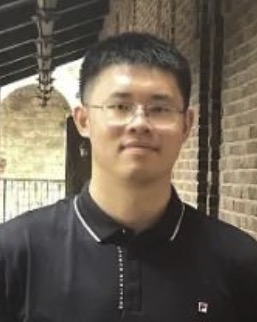 Shen Li (李深)合作论文数Department of Civil Engineering, School of Civil Engineering, Tsinghua University11
 Hong Wang (王红)合作论文数School of Vehicle and Mobility, Tsinghua University11
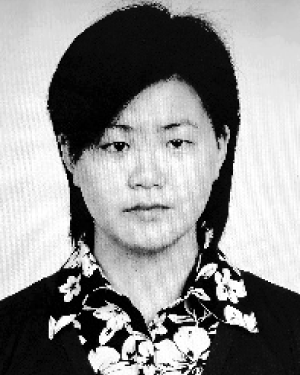 Li Tong合作论文数10Jingbo Xie合作论文数Hunan Inst Sci & Tech Informat, Changsha 411105, Hunan, Peoples R China10
 Ying Zeng合作论文数10
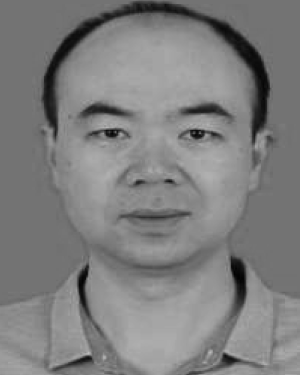 Bin Yan合作论文数PLA Strategy Support Force Information Engineering University10
 Jie Xiong合作论文数University of Nebraska at Omaha, University of Nebraska at Omaha8Jiajun Tao合作论文数Changsha Univ Sci & Technol, Sch Comp & Commun Engn, Changsha 410114, Hunan, Peoples R China7Linwu Liu合作论文数Changsha Univ Sci & Technol, Sch Comp & Commun Engn, Changsha 410114, Hunan, Peoples R China6
 Qun Li合作论文数6
 Dongpu Cao合作论文数Waterloo Cognitive Autonomous Driving Lab, University of Waterloo6
 Swarup Bhunia合作论文数Nanoscape Research Laboratory, Department of Electrical & Computer Engineering, University of Florida6
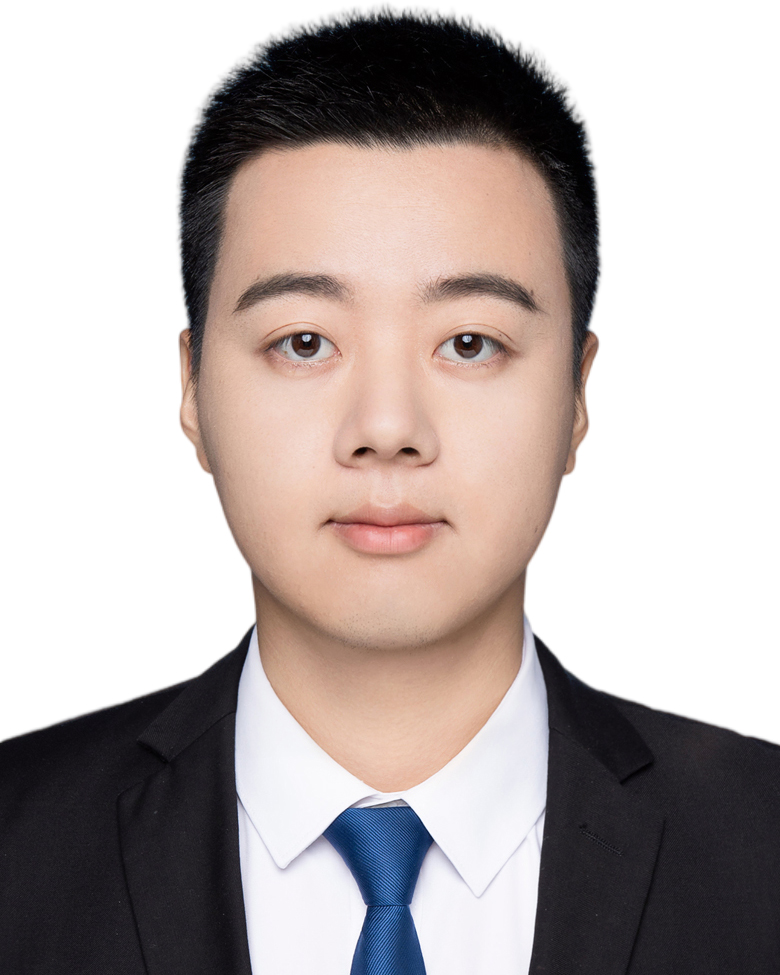 Dongliang Zhou (周栋梁)合作论文数School of Computer Science and Technology, Harbin Institute of Technology, Shenzhen5
 Rongkai Zhang合作论文数5
 Jin Wang (王进)合作论文数Hunan University of Science and Technology5
 Zichun Wei合作论文数4
 Zhangu Wang合作论文数4
 Xinrong Hu (胡新荣)合作论文数School of Computer Science and Artificial Intelligence, Wuhan Textile University4
 Jun Zhan (詹军)合作论文数College of Automotive Engineering, Jilin university4
 Jun Shu (束俊)合作论文数School of Mathematics & Statistics, Xi'an Jiaotong University4
 Jun Li (李骏)合作论文数School of Vehicle and Mobility, Tsinghua University4
 Wanggen Wan (万旺根)合作论文数School of Communication and Information Engineering, Shanghai University4
 Jianghong Ma (马江虹)合作论文数School of Computer Science and Technology, Harbin Institute of Technology (Shenzhen)4
 Robert Karam合作论文数Case Western Reserve Univ.4Guangcheng Bao合作论文数3
 Guichuan Zhong合作论文数3
 Wenbo Shao合作论文数3Runnan Lu合作论文数3
 Jianyang Shi合作论文数3Zhongrui Li合作论文数3Chen Jia合作论文数3
 Michihiro Yasunaga合作论文数Stanford University3Zifan Li合作论文数Meta3
 Dongxu Wang合作论文数YouTube;Google3
 Yinyin Lin (林殷茵)合作论文数School of Microelectronics, Fudan University3
 Yi Cai (蔡毅)合作论文数Key Laboratory of Big Data and Intelligent Robot, School of Software Engineering, South China University of Technology3
 Qilin Fan (范琪琳)合作论文数3
 Yechen Qin (秦也辰)合作论文数School of Mechanical Engineering, Beijing Institute of Technology3
 Dragomir R. Radev合作论文数Language, Information, and Learning Lab, Department of Computer Science, Yale University;Yale Institute for Network Science, Yale University;Wu Tsai Institute for Neuroscience, Yale University3Xi Chen (陈曦)合作论文数Computer and Communication Engineering Institute, Changsha University of Science & Technology3
 Tao Yu (余涛)合作论文数Executable Language Grounding Lab, Department of Computer Science, Faculty of Engineering, The University of Hong Kong;Musketeers Foundation Institute of Data Science, University of Hong Kong3
 Jie Lu合作论文数Australian Artificial Intelligence Institute, Faculty of Engineering & Information Technology, University of Technology Sydney3
 Rui Zhang合作论文数Department of Computer Science and Engineering, School of Electrical Engineering and Computer Science, College of Engineering, Penn State University3
 Huanxin Zou合作论文数3




