Inductively coupled plasma-tandem mass spectrometry (ICP-MS/MS) enables nearly interference-free determination of trace elements in different matrices. Furthermore, its mass resolution, combined with mass- and reaction-filtering, allows the measurement of several isotope systems that are otherwise difficult to analyse due to significant interferences. The Sr-87/Sr-86 ratio has been widely used in geochronology and geochemistry, increasingly also in archaeology as a provenance proxy. Because of limited Sr-isotope variations in archaeological materials, high-precision thermal ionisation mass spectrometry (TIMS) or multi-collector inductively coupled plasma mass spectrometry (MC-ICP-MS) techniques have been preferred. In this study, we conducted a comparative analysis of the Sr-87/Sr-86 ratio from 14 faunal and human tooth enamel samples using TIMS and ICP-MS/MS with SF6 reaction gas. Our results show that the relative difference in the Sr-87/Sr-86 ratio between these methods is less than 0.001 (i.e., < 0.1%), which is sufficient for provenance studies in the geologically complex areas with larger variability in bioavailable strontium isotopic composition. The precision of the ICP-MS/MS technique limits its suitability for establishing the bioavailable strontium Sr-isotope ratio baselines, but it can be a fast and cost-effective method in (1) distinguishing values that significantly deviate from the local bioavailable Sr-87/Sr-86 ratio, (2) filtering those samples that differ remarkably from the average of a larger sample and (3) assessing the homogeneity of the archaeological data.
The Franceville Basin of Gabon contains one of the best-preserved records of Earth's Paleoproterozoic surface environments that began with the oxygenation of the atmosphere and its association with the largest known positive carbonate carbon isotope (delta 13Ccarb) excursion - the Lomagundi-Jatuli Event (LJE). In this study, we conducted a detailed petrographic, mineralogical, and geochemical characterization of carbonate rocks to assess the influence of authigenic and diagenetic processes affecting the primary delta 13Ccarb record preserved in core LST12 obtained in the Lastoursville sub-basin. Previous studies reported an up-section trend in delta 13Ccarb from positive values (5-9 %o) to near-zero, and further to negative values (-5 to -17 %o). This delta 13Ccarb shift marking the termination of the typical LJE isotopic signature coincides with changing depositional facies settings. Our new results show that this isotopic shift parallels changes in carbonate mineral composition from stoichiometric dolomite with minor early diagenetic Fe-rich dolomite overgrowths to increasingly Fe- and Mn-rich carbonates formed under sediment-buffered, closed-system diagenetic conditions. The formation of complex diagenetic CaMn-Fe-rich carbonate phases in the topmost manganiferous black shales of core LST12, however, was driven by open-system diagenesis. This involved microbial remineralization of organic matter during progressive basin restriction and dynamic hydrothermal influx. The declining delta 13Ccarb trend in carbonate lithologies of LST12 core is therefore interpreted to record syn-depositional variations in the dissolved inorganic carbon pool, reflecting changing environmental conditions in the Paleoproterozoic Francevillian basin.
Vanadium (V) stands out as a relatively abundant and remarkably redox-sensitive metal that can be found in multiple oxidation states. In this study, we combine X-ray Absorption Near Edge Structure (XANES) speciation analyses and stable V isotope composition measurements with vanadium bulk concentration data. By applying this approach to samples from the extensively studied Cambrian-Ordovician Alum Shale Formation in Baltic Paleobasin, we refined our understanding of the V use as a paleo-redox proxy. Vanadium concentrations in the studied samples ranged from 798 to 2286 mg/kg, whilst bulk delta 51V values were highly variable, ranging from-0.01%o to-0.95%o. XANES analyses revealed two main V species, V(+IV)-S and V(+III)-O, whereas ca. 26% of the latter is present in an early diagenetic V-rich illite-type clay mineral structure. In addition, we report the first direct V(+IV)-O-porphyrin detection in black shale using XANES analysis. Our results show a negative correlation between delta 51V values and V(+III)-O species, and a positive correlation between delta 51V values and V(+IV)-S species that also covaries positively with the increasing basinal restriction. This highlights the effects of depositional conditions and burial pathways on V isotope fractionation in shales. Additionally, our data imply the presence of two distinct environmental zones in the eastern facies of the Alum Shale formation in Estonia: in the west zone the sediments were initially formed under mild to weakly euxinic conditions, which later became more oxic; in the east zone, sedimentation was primarily controlled by the combination of increasing basinal restriction and temporal redox changes.
Sedimentary apatite readily incorporates Rare Earth Elements and Yttrium (REE + Y) from the surrounding environment. The degree of REE + Y enrichment in apatite across different depositional settings can vary significantly, both in terms of absolute concentrations and their relative proportions, resulting in substantial temporal and geographic variability. Two main mechanisms have been proposed to account for these differences: (i) changes in marine REE cycling moderating the availability of REE able to be incorporated into apatite minerals, or (ii) variable diagenetic conditions leading to differences in REE uptake. However, a consensus on the relative importance of these processes is largely absent.In this contribution, we adopted a holistic approach, compiling a dataset of 2387 REE + Y measurements from sedimentary apatite spanning a stratigraphic range from Paleoproterozoic to Modern, integrated with depositional settings and host rock composition. Analysis of the screened dataset, composed of 1895 individual analyses, shows statistically significant differences in REE + Y ratios between inner and outer shelf apatite. Similarly, REE composition of the carbonate-hosted apatite is substantially different from that of apatite from terrigenous host rocks. These differences stem from a confluence of redox and pore-water chemistry during diagenesis, coupled with differences in sedimentation rates. Furthermore, the apparent temporal trends in sedimentary apatite REE + Y compositions are best explained by differences in depositional and diagenetic environments, rather than secular changes in the global marine REE reservoir.
Lingulid brachiopods - the namesake "living fossils" of Darwin - have a continuous record from the Cambrian to the present and possess phosphatic valves, rendering them largely unique among extant invertebrates. Due to their poorly understood vital effects and susceptibility to taphonomic breakdown, they have not been widely adopted as geochemical archives. However, inorganic sulfate is abundant in lingulid bioapatite, which may be more resistant to diagenetic alteration than carbonate-based minerals. As such, it is possible that lingulid shells may provide an alternative, independent archive of Phanerozoic sulfate seawater chemistry, provided that the distribution and preservation of sulfur within lingulid shells can be identified. Here, we leverage sulfur K-edge micro X-ray Fluorescence (μ-XRF) imaging, X-ray Absorption Near Edge Structure (XANES) spectroscopy, and petrography to characterize sulfur speciation and distribution within extant and fossil lingulid brachiopods. In modern Lingula anatina, inorganic sulfate is dominant along francolite-rich laminae, whereas organic sulfur species are mostly observed in non-mineralized laminae and the periostracum. In the Cambrian fossil Ungula ingrica, inorganic sulfate is generally dominant in regions with the lowest sulfur abundances, with higher sulfate abundances along compact laminae than on baculate laminae. In contrast, the distribution of diagenetic pyrite is heterogenous, although largely concentrated along shell edges and particular laminae. Notably, the XANES spectrum of francolite-associated sulfate is characterized by a unique post-edge feature at 2494.0 eV. Collectively, these results suggest that carefully selected lingulid specimens - and from intra-valve laminae with minimal diagenetic phases - have the potential to be insightful for reconstructing Phanerozoic sulfate seawater chemistry.
Phosphorites - made up of chemically precipitated authigenic apatite or composed of bioapatitic fossil remains - become enriched in a variety of trace elements such as Rare Earth Elements (REE), Cd, and U during diagenesis. The Cambrian-Ordovician phosphorites of the Baltica Paleobasin that are almost exclusively made up of fossilized remains of phosphatic brachiopod shells are, however, exceptional in this regard, showing abnormally low levels of trace elements. In this study, we examined the depositional environment and the trace elemental composition of the Baltic Paleobasin shelly phosphorites. We show that hydrodynamic conditions during deposition exert control on the trace elemental composition of shelly phosphorites. A combination of high sedimentation rates, redox conditions, and the biogenic origin of the shells led to the depletion of bio-toxic Cd and U relative to other similar phosphorite deposits. Similarly, the concentrations of REE are below the global phosphorites average; however, the shelly phosphorites show a higher degree of Middle Rare Earth Element (MREE) enrichment. These findings have further implications for exploration - phosphorites that contain abundant bioapatite and/or were deposited in areas with high sedimentation rates and oxic conditions are likely less enriched in trace elements.
Sedimentary geochemistry is very often associated with the measurement of isotopic composition of carbon and oxygen from carbonates. The usual technique combining acid digestion and mass spectrometry analysis is slow, costly and non-ideal for spatially resolved analyses. When carbonates are processed using laser calcination and the gas produced during calcination is analyzed by infrared spectrometry, the time required for isotopic analysis is reduced to around 15 min to analyze 30 mg of carbonate in situ. Although the time saved is significant, it is hardly reasonable to carry out a high-resolution isotopic mapping of large samples. A fully resolved isotopic mapping, for example, of a sample with 25 cm2 surface area at resolution of a tenth of a millimeter, would require a continuous measurement carried out for a month. The aim of this study is, therefore, to explore possible strategies for constructing an isotopic map with a minimum number of analyses. Two approaches are pro-posed: (i) a mathematical approach that seeks to establish a correlation between the position of the sample and the carbon or oxy-gen isotopes, and (ii) an approach that looks for a correlation between the color (spectral characteristics) of the sample surface subdomains and their isotopic compositions. The choice of the second approach stems from the assumption that color contains a priori information about geological or geochemical processes. Several algorithms were developed and tested, notably using artificial intelligence tools. To testify the isotopic maps produced by these algorithms, posteriori isotopic measurements are taken and compared with the predictions from computed isotopic maps.
The Ediacaran-Cambrian transition represents one of the most pivotal periods in the history of life, characterized by the decline of the Ediacaran ecosystems and fauna, and the emergence of Phanerozoic-type fauna. Various interpretations have been proposed for this biological event, including the closing of the unique Ediacaran taphonomic window, a sudden extinction event, or an evolutionary "biotic replacement" event. Here, we describe a fossil locality from the western Anti-Atlas of Morocco that preserves metazoan trace fossils and softbodied Ediacara biota, mat-related structures (MRS), alongside a paleoenvironmental reconstruction of the siliciclastic deposits of the Tabia Member of the Adoudou Formation. We document various MRS, including matrelated wrinkles and mat destruction features reported from frequently shallow submerged environments and down to permanently sub-wavebase settings. Additionally, we report new trace fossils from this interval, including T. bifurcus, Bergaueria, Helminthopsis, and Archaeonassa preserved on the bedding plane of sandstone beds. Furthermore, we describe new Ediacaran body fossils comprising macroscopic, well-preserved specimens of Aspidella and Nimbia. An integrated study of sedimentary facies and the distribution of associated trace fossils indicates that evolutionary innovations exerted primary control on the distribution of trace fossils in the studied interval, where the stratigraphical distribution of trace fossils strongly aligns with that observed worldwide. The stratigraphic overlap of soft-bodied Ediacara biota and metazoan trace fossils suggests the existence of unique late Ediacaran shallow-water ecosystems housing two distinct multicellular clades.
New apatite fission track (AFT) data from Estonia together with previously published data from Finland, all from crystalline basement drill core, constrain the Phanerozoic thermal history. Models show a consistent pattern of heating from Cambrian to end-Carboniferous, with peak paleotemperatures of 60 +/- 10 degrees C when sediment cover was similar to 0.5 km thicker in the Baltic Paleobasin and similar to 1.5 km over Precambrian basement in Finland. Prior to the Phanerozoic, the Fennoscandia basement was exhumed to a peneplain by late Neoproterozoic. The evolution of Phanerozoic sedimentary cover can be linked to (1) the Scandinavian Silurian-Devonian Caledonian orogeny, (2) foreland basin and foreland uplift bulge development, (3) pre-drift extension and lithospheric uplift from Permo-Triassic to Cretaceous, and (4) Cenozoic rift-phase uplift following North Atlantic opening at similar to 54 Ma. In the Devonian, Caledonian mountains attained elevations of similar to 7-8 km, causing significant lithospheric elastic flexure resulting in a 6-7 km deep foreland basin and similar to 500 m of foreland bulge uplift affecting Fennoscandia and the Baltic Paleobasin. The flexure relaxed and the foredeep basin was partly inverted as the mountain range exhumed and eroded during late orogenic collapse (similar to 400 Ma). The present shield area in Finland may have outcropped for a short time in the Devonian during the Caledonian forebulge phase but was covered shortly thereafter with sediments. The cover persisted until the final exhumation of Finland in the Mesozoic - Cenozoic. Some AFT data indicate hydrothermal disturbance by expulsion of hot fluids from the Caledonian thrust belt into the unconsolidated basal Cambrian sediments and crystalline basement. This craton-wide flow resulted in the precipitation of Devonian calcite-fluorite-Pb-Zn veins, Mississippi Valley type Pb-Zn deposits in the Swedish Caledonian front and dolomitic alteration of Ordovician-Silurian limestones in Estonia. Moreover, our model contributes to the interpretation of the evolution of topography in Norway and distribution of deep biosphere in Fennoscandia.
Strontium isotope analysis has been used in archeology for about 40 years to study the provÂenance and mobility of ancient humans and animals. The interpretation of strontium isotope compositions in archeological materials requires a reference isotopic baseline map that delineates the geographical variation of bioavailable strontium. This paper introduces the first full map of bioavailable strontium in Estonia, based on the 87Sr/86Sr ratio of bioavailable strontium collected from 84 rodents and snails across 38 locations. The results were compared with data that also include larger wild and domestic mammals, to see if their data can be used as a reference in future studies. The analysis identified two clearly distinct isotopic areas in relation to Estoniaâs bedrock composition: (1) coastal and central Estonia, including the West Estonian archipelago, where bedrock is composed of Ordovician and Silurian carbonate rocks and characterized by bioavailable 87Sr/86Sr ratios between 0.7094 and 0.7147; and (2) southern Estonia, located predominantly on Devonian sandstone bedrock, with 87Sr/86Sr ratios of 0.7147â0.7185. The analysis also showed that when stricter statistical methods were applied, the dataset that included larger wild and domestic mammals gave similar results. Hence, in Estonia, our expanded dataset can be cautiously used to provide context in areas where rodent data are missing. The baseline map refines and expands our current knowledge about the distribution of bioavailable strontium in the Baltic Sea region.
The Otish Supergroup and Mistassini Group of north-central Quebec are two weakly metamorphosed sedimentary successions deposited during the middle Paleoproterozoic along the modern-day eastern margin of the Archean Superior craton. This study presents new uranium-lead (U-Pb) detrital zircon and shale rheniumosmium (Re-Os) geochronological data for these two successions, as well as delta 13Ccarb data from sedimentary carbonate rocks, which comprise the first such data for the Otish Supergroup. New geochronological data presented here demonstrate that the Mistassini Group was deposited between 2121 Ma and 1825 Ma and postdates the Otish Supergroup by at least similar to 20 m.y. The delta 13Ccarb data from the Otish Supergroup are strongly enriched, typically +7%o to +12%o, and therefore consistent with deposition during the Lomagundi-Jatuli carbon isotope excursion (LJE), which is generally considered to have occurred during ca. 2220-2060 Ma. Within the basal similar to 200 m of the Mistassini Group, delta 13Ccarb values reach almost +8%o, before shifting to near 0%o in the overlying similar to 1800 m of strata, which indicates that it records the termination of the LJE. The Re-Os depositional age of 1825 +/- 9 Ma for mudstones of the Kallio Formation, the uppermost formation in the Mistassini Group, provides a minimum constraint for deposition in the basin. Cumulatively, the new radiometric ages and stable isotope ratio data provide a basis for a new tectonostratigraphic reconstruction that closely links the Mistassini and Otish basins to the evolution of the Labrador Trough and other basins along the eastern and southern margins of the Superior craton.
Iron-manganese (oxy)hydroxide precipitates (Fe-Mn concretions) occur at the ocean and sea floors all over the world, typically in regions with low sedimentation rates. In shallow water environments like the Baltic Sea, Fe-Mn concretions form in areas where bottom currents prevent active sediment accumulation. The shallow brackish conditions and periodical saltwater inflows from the North Sea make the Baltic Sea a unique environment for concretion formation. Fe-Mn concretions in the Baltic Sea also grow much faster than oceanic concretions, resulting in different mineralogical, chemical, and isotopic compositions compared to deep-sea nodules. One of the areas in the Baltic Sea where Fe-Mn concretions are widespread is the Gulf of Finland, where the concretions form where Late Pleistocene glaciolacustrine varved clays, glacial till, or crystalline bedrock is exposed on the seafloor. Due to redox-driven precipitation processes, the spherical or disc-like Fe-Mn concretions forming symmetrically around a nucleus are composed of alternating Fe- and Mn-rich layers. In addition, crust-like concretions can grow in areas with higher background sedimentation rates. During their formation, Fe-Mn concretions record the geochemical status of the sedimentary environment, making them potential archives of the geological history of sedimentary basins. Following the Last Glacial Maximum, the Baltic Sea basin has been through multiple phases of fresh and saltwater conditions before the establishment of the modern brackish Baltic Sea. The Fe-Mn concretions in the Baltic Sea have potentially recorded those changes in their chemical and stable isotopic composition, helping us to understand their formation mechanisms and growth phases through layer-by-layer sampling of the concretions from the centre outwards. This study examines the morphological, chemical, stable isotopic and mineralogical properties of the Fe-Mn concretions in the Baltic Sea, Gulf of Finland seafloor and has an overarching aim to assess the complex geological processes controlling the formation of concretions, as well as get a closer look at the growing phases through the finer sampling of their layered structure, which could offer a new perspective on the timing of formation of these concretions relative to the development of the Baltic sea and the Gulf of Finland.
The Franceville Basin in Gabon hosts one of the world's largest Mn deposits, accounting for 16% of global reserves. Chemical weathering transformed a low-grade Paleoproterozoic carbonate-hosted ore into a high-grade supergene ore along several plateau levels. This study investigates regolith formation using cryptomelane Ar-40/Ar-39 dating and compares the mineralogy and geochemistry of different weathering profiles to assess their potential for critical metals. The results show that the Okouma-Bagombe plateaus in the NW of the basin have higher ore grades than elsewhere. This relates to longer exposure time (<14 Ma) to chemical agents, higher topography level (>550 m asl.) and consequently higher degree of hydrolysis, which led to important silica removal. The lower-lying Franceville-Bignomi profiles (<440 m asl.) to the SE are younger (<6 Ma) and have medium ore grades. We also report important critical metal (Co, Ni, Zn, Cu, Li) accumulation at the base of the Mn ore in the Franceville area due to lithiophorite formation.
Supplementary online data include Table 1 detailing the radiocarbon dates associated with Typical Comb Ware in Latvia in the research literature
A popular conceptual tectonic model envisages the Great Glen Fault to be part of a sinistral strike-slip system active during the mid-Silurian to early Devonian with c. 700 km of displacement. Here we use sedimentological, geochemical and detrital zircon age data to show that restoring 250-300 km of displacement suffices to fulfil key geological constraints and reveal three new pre-strike-slip relationships: (1) Paleoproterozoic Makkovik-Ketilidian crust becomes placed proximal to numerous immature sandstone units in the Grampian and Northern Highlands of Scotland and County Mayo, Ireland, that are marked by single-mode peaks of 1.8-1.6 Ga detrital zircons sourced from that crust; (2) the two most concentrated occurrences of appinite and metadolerite/gabbro in the Scottish-Irish Caledonides become matched; (3) the Donegal and Argyll granite suites can be paired. That amount of displacement provides, at least in part, the separation required between the Northern and Grampian Highlands to account for Scandian-age (Silurian) deformation in the former and its absence in the latter.
Abstract Bulk-rock sulfur isotope data from pyrite in the ~2.1 billion-year sedimentary rocks of the Francevillian Basin, Gabon, have underpinned ideas about initial oxygenation of Earth’s surface environments and eukaryote evolution. Here, we show, using micro-scale analytical methods, that the bulk sulfur isotope record represents progressive diagenetic modification. Our findings indicate no significant change in microbial sulfur cycling processes and seawater sulfate composition throughout that initial phase of atmosphere-ocean oxygenation of Paleoproterozoic time. This offers an alternative view of Earth system evolution during the transition from an anoxic to an oxic state and highlights the need for a judicious reappraisal of conceptual models using sulfur isotope data as primary depositional signals linked to global-scale biogeochemical processes.
The chemical weathering indices of the sediments can serve as tools for estimating the intensity of weathering in the sediment source rock area and its changes in response to the dynamic interplay of climate, tectonics, and bioevolution. The siliciclastic terrigenous component, comprising sediment particles formed during weathering, carries information regarding weathering. Nevertheless, the presence of volcanic material with silicate composition in the sedimentary record can introduce bias to the weathering estimate by incorporating pyroclastic material that has not undergone weathering but is susceptible to diagenetic alteration. Therefore, a comprehensive understanding of the nature and significance of the volcanic component in sediments is imperative for accurately interpreting weathering derived from sedimentary successions. Our study focuses on investigating the presence of the volcanic component and its influence on weathering indices calculation in the Upper Ordovician sedimentary succession of the Baltic Basin. The results from geochemical massbalance mixing modelling reveal that volcanic material is not confined solely to discrete altered volcanic ash beds (bentonites), and a substantial amount of volcanic material is dispersed or re-deposited into the host rock. Within the interval containing discrete bentonite beds, the volcanic component in the carbonate host rock sections ranges from 50% to 90%, and significantly impacts the terrigenous fraction weathering index calculations. This underscores the necessity of considering the nature and significance of the volcanic component when interpreting geochemical-mineralogical signals.
Boron geochemistry from biogenic carbonates offer valuable information about ocean pH and CO2 chemistry. However, application to geological carbonate deposits suffers from analytical difficulties in obtaining geochemical signals exclusively from the carbonate phase. Sequential leaching with reagents and acids has the potential to overcome such an issue. There is, however, little systematic investigation about the efficiency of sequential leaching in isolating carbonate-associated boron from siliciclastic matrix. Here, we developed a sequential leaching protocol and applied it to methane-derived-authigenic-carbonate samples. Using the leachate delta B-11 signatures, elemental composition, and mineral composition of residues, we show that the sequential leaching is able to improve the separation of boron from different phases. Buffered hydrogen peroxide removes organic matter and also some silicate phases resulting low delta B-11 values. Leaching with NH4Ac removes adsorbed boron though may also partially leach some carbonate phases. The first few leaching steps with diluted acetic acid dissolve carbonate phases. Depending on the sample type, these may also capture some remaining adsorbed boron from the preceding NH4Ac leaching. Once the adsorbed boron is completely removed, as indicated by the progressively higher delta B-11 values during the following acid leaching steps, representative carbonate composition can be derived. The accuracy of this protocol is demonstrated with leaching experiments using artificial deep sea coral carbonate and clay mixtures that give the representative carbonate-associated delta B-11 within error of the pure coral value. Our results provide insights into characteristic signatures derived from silicates and organic matter that need to be considered in boron isotope analyses of impure marine carbonates.
 Aivo Lepland合作论文数Division of Bedrock Geology and Collections, Department of Geology, School of Science, Tallinn University of Technology;Geological Survey of Norway46
 Peeter Somelar合作论文数Department of Geology, University of Tartu;Institute of Ecology and Earth Sciences, University of Tartu30
 Paarn Paiste合作论文数29
 Kaarel Mänd合作论文数University of Alberta;University of Tartu20
 Kart Paiste合作论文数Department of Earth and Planetary Sciences, Washington University in St. Louis19Argo Joeleht合作论文数18
 Riho Motlep合作论文数17
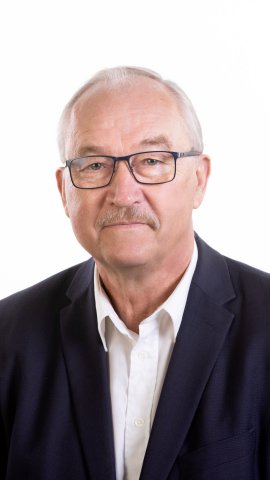 Ülo Mander合作论文数Institute of Ecology and Earth Sciences, Faculty of Science and Technology, University of Tartu;Department of Geography, University of Tartu14Timmu Kreitsmann合作论文数13Alexander E. Romashkin合作论文数13Holar Sepp合作论文数12
 Mathieu Moussavou合作论文数Univ Sci & Tech Masuku, Dept Geol, Franceville 943, Gabon11Kalle Suuroja合作论文数11
 Enn Lust合作论文数Institute of Chemistry, Faculty of Science and Technology, University of Tartu11Jüri Plado合作论文数11
 Olev Vinn合作论文数Institute of Geology;University of Tartu;Institute of Geology, University of Tartu11
 Kaarel Lumiste合作论文数10Peeter Paaver合作论文数10
 Martin Liira合作论文数Institute of Ecology and Earth Sciences, University of Tartu10ar prave合作论文数9
 Nele Muttik合作论文数9
 Tavo Romann合作论文数Institute of Physical Chemistry, University of Tartu8
 Kurt O. Konhauser合作论文数Department of Earth & Atmospheric Sciences, Faculty of Science, University of Alberta8j kirs合作论文数7Anne Kleesment合作论文数7
 Tonu Martma合作论文数Dept Geol, Tallinn Univ Technol7
 Karin Kogermann合作论文数Faculty of Medicine, University of Tartu7Vaino Puura合作论文数7
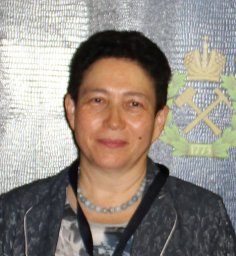 Alla Shogenova合作论文数Institute of Geology, Tallinn University of Technology7Gunnar Nurk合作论文数Institute of Physical Chemistry, University of Tartu7
 Tony Prave合作论文数7Karen Bakakas合作论文数6
 Noah Planavsky合作论文数The Department of Earth & Planetary Sciences, Faculty of Arts and Sciences, Yale University;Yale Geochemistry Center, Yale University;Yale Center for Natural Carbon Capture, Yale University;Cascade Climate6
 Leslie James Robbins合作论文数Department of Earth and Atmospheric Sciences, University of Alberta6
 Urmas Joost合作论文数6
 Valle Raidla合作论文数Institute of Geology, Tallinn University of Technology6
 Alar Konist合作论文数Department ofThermal Engineering, Tallinn University of Technology6
 David A. Fike合作论文数Department of Earth, Environmental, and Planetary Sciences, Faculty of Arts & Sciences, Washington University in St. Louis6
 Signe Vahur合作论文数6
 Antoine Crémière合作论文数IFREMER, Centre de Brest, Département de Géosciences Marines, 29280 Plouzané, France6V. Rasteniene合作论文数5M. Konsa合作论文数5S. Sliaupa合作论文数5Jyrki Heinaemaeki合作论文数5
 Mohit Masta合作论文数5Jaan Aruväli合作论文数5
 Liisa Lang合作论文数5
 Johannes Vind合作论文数Department of Geological Resources, Geological Survey of Estonia5




