Abstract Background and Aims Cardiac sarcoidosis (CS) carries a poorer prognosis than other sarcoidosis subtypes, but its impact on health-related quality of life (HRQoL) remains insufficiently characterized. To assess HRQoL in CS compared with pulmonary sarcoidosis (PS) and Finnish population norms, and to examine the prognostic value of patient-reported outcomes. Methods and Results In this multicentre cohort, 240 CS patients from the MIDFIN registry and 65 PS patients completed the RAND-36 and fatigue severity scale (FSS). CS patients (median age 56 years; 75% women) had significantly lower physical functioning (PF) and role-physical (RP) scores than PS patients and age- and sex-standardized Finnish population norms (P < .001). Mental health domains did not differ significantly between CS and PS. Fatigue was comparable (FSS 4.2 vs 3.8; P = .149). Impairment was most pronounced in CS patients with reduced left ventricular ejection fraction and prior ventricular tachycardia/ventricular fibrillation or heart failure; those with preserved left ventricular ejection fraction and no adverse events had scores similar to PS. Over 36 months, 38 CS patients experienced composite adverse events (27 ventricular tachycardia/ventricular fibrillation, 7 deaths, 2 heart transplants, 1 left ventricular assist device, 1 pericardiocentesis for sarcoid pericarditis). In multivariable Cox regression, each 10-point decrement in PF (HR 1.16, 95% CI 1.02–1.32, P = .028) and RP (HR 1.14, 95% CI 1.04–1.25, P = .006) independently predicted adverse events, outperforming NYHA class, which lost independent prognostic significance when PF or RP was included in the model. Conclusions CS substantially impairs physical HRQoL, and lower PF and RP scores predict adverse outcomes beyond conventional risk markers, supporting integration of HRQoL assessment into routine CS risk stratification.
Diabetes and prediabetes increase the risk of heart failure, but the relationship between glycated hemoglobin (HbA1c) and left ventricular systolic function in the general population is not known. This study aimed to investigate the relationship between HbA1c and global longitudinal strain (GLS) in nondiabetic and prediabetic subjects. A subpopulation of the Northern Finland Birth Cohort 1966 took part in a follow‐up, including extensive medical examination and echocardiography ( n = 1155), at the age of 46. The final study population included 636 healthy subjects. Normal HbA1c levels were divided into sex‐specific tertiles and prediabetes, which were later pooled together. Univariate analysis after adjusted with covariates was used to compare cardiac function in HbA1c groups. HbA1c groups were defined as low (30.9 ± 1.7 mmol/mol, n = 190), medium (34.6 ± 1.0 mmol/mol, n = 189), high (37.4 ± 1.0 mmol/mol, n = 190) and prediabetes (41.0 ± 1.3 mmol/mol, n = 67) groups. Subjects with abnormal absolute GLS (<18) comprised 7.4%, 12.7%, 21.1%, and 17.9% (main effect p < 0.01) of low, medium, high HbA1c and prediabetes groups, respectively. HbA1c was not associated with any cardiac structure variables. High normal HbA1c levels and prediabetes are associated with reduced myocardial contractility in a healthy middle‐aged population, potentially predicting the development of heart failure.
BACKGROUND:Although there have been significant advancements in reducing the burden of cardiovascular disease (CVD) by modifying traditional CVD risk factors, substantial risks persist, particularly among male subjects who exhibit heightened susceptibility to atherosclerosis. In this context, we aim to study the link between oral microbiome and carotid intima media thickness (cIMT). METHODS:The Northern Finland Birth Cohort of 1966 (mean age 46 years, n = 869) underwent an extensive health examination, including the measurement of cIMT. The oral microbiome was also investigated using high-throughput 16S rRNA gene sequencing. RESULTS:Here we show that oral microbiome diversity links with atherosclerosis risk factors, namely smoking, glycemic balance, low-grade inflammation, and periodontitis. After excluding CVD-influencing factors (n = 339), oral microbiome genera (p = 0.030), Shannon index (p = 0.001), β-diversity Bray-Curtis (p < 0.001), and Jaccard (p < 0.001) are associated with cIMT in males, but not in the female sub-cohort. Furthermore, in the male sub-cohort (n = 131), the genera Prevotella, Megasphaera, and Veillonella associate positively with cIMT, while Absconditabacteria, Capnocytophaga, Gemella, Fusobacterium, Neisseria, Aggregatibacter, Tannerella, Treponema, Cardiobacterium, and Bacteroidales associate inversely with cIMT. We examine the involvement of serum total immunoglobulins and antibodies to phosphorylcholine (PCho) and malondialdehyde-acetaldehyde LDL (MAA-LDL) with cIMT. Subjects with high cIMT have lower levels of serum total IgA (p = 0.009), IgA to PCho (p = 0.017), and IgG to PCho (p = 0.008). The relative abundance of cIMT-associated genera correlates with serum IgA antibodies. CONCLUSIONS:This middle-aged birth cohort study shows that male oral microbiome diversity links to cIMT, suggesting a potential sex-specific interaction between the oral microbiome and atherosclerosis.
INTRODUCTION:The incidence of gestational diabetes mellitus (GDM) is globally increasing, and it has been associated with later type 2 diabetes, metabolic syndrome (MetS), and cardiovascular disease (CVD). However, long-term population-based studies investigating common CVD risk factors years after pregnancy are lacking. To evaluate the future mortality and morbidity in cardiovascular and metabolic diseases, we conducted a thorough investigation of midlife risk factors in women with and without previous GDM. MATERIAL AND METHODS:A prospective population-based cohort study was conducted of 3173 parous women from the Northern Finland Birth Cohort, 1966. Study participants were obtained from the national register or patient records. Those with a GDM diagnosis formed the GDM cohort (n = 271), and those without a previous GDM diagnosis formed the control cohort (n = 2902). Clinical examinations were performed on participants at the age of 46 and included anthropometric measurements, oral glucose tolerance test (OGTT), biochemical measurements, and cardiovascular assessment. RESULTS:At the age of 46, women in the GDM cohort had a higher body mass index (BMI, 29.0 kg/m2 vs 26.3 kg/m2, p < 0.001) and greater waist circumference (94.1 cm vs 86.5 cm, p < 0.001) than the control cohort. In the GDM cohort, a higher incidence of impaired glucose tolerance (12.6% vs 7.3%, p = 0.002), more previously diagnosed and OGTT-detected type 2 diabetes (23.3% vs 3.9%, p < 0.001), lower high-density lipoprotein (1.53 mmol/L vs 1.67 mmol/L, p = 0.011), higher triglycerides (1.26 mmol/L vs 1.05 mmol/L, p = 0.002) and a higher fatty liver index (6.82 vs 2.47, p < 0.001), were observed even after adjusting for BMI, polycystic ovary syndrome, parity, level of education, physical activity, smoking, and alcohol consumption. The women in the GDM cohort also had more MetS (42.6% vs 21.9%, p < 0.001) and higher risk scores for CVD and fatal events (Framingham 4.95 vs 3.60, p < 0.001; FINRISK 1.71 vs 1.08, p < 0.001). CONCLUSIONS:Women with a previous diagnosis of GDM exhibit more risk factors for CVD in midlife and are at a higher risk for cardiovascular events later in life.
Myocarditis can be caused by viral infection, drug reaction or general inflammatory condition. To provide understanding on inflammatory myocarditis, we describe clinical, genetic, and immunological properties of a young male patient who suffered from recurrent myocarditis episodes since the age of four years. Electrocardiography, troponin I/T, echocardiography, myocardial magnetic resonance imaging and histological findings were consistent with recurrent myocarditis episodes. Homozygous c.245 A > G p.Tyr82Cys pathogenic variant in Hepatitis A Virus Cellular Receptor 2 (HAVCR2) gene encoding T cell immunoglobulin and mucin domain-containing protein 3 (TIM-3) receptor was found. Peripheral blood mononuclear cells were collected when the patient was asymptomatic; CD4+ and CD8+ T lymphoblasts, CD56+ natural killer cells and CD14+ monocytes were negative for surface TIM-3 expression. In vitro, TLR4 mediated interleukin-1β (IL-1β) response was high after LPS/ATP stimulation. Clinical symptoms responded to IL-1 receptor antagonist anakinra. TIM-3 p.Tyr82Cys CD4+ and CD8+ T cell proliferation in vitro was unrestrained. Findings on IL-2, interferon gamma, regulatory T cells, signal transducer and activator of transcription (STAT) 1, 3 and 4 phosphorylation, and PD-1 and LAG-3 checkpoint inhibitor receptor analyses were comparable to controls. We conclude that TIM-3 deficiency due to homozygous HAVCR2 c.245 A > G p.Tyr82Cys pathogenic variant in the patient described here is associated with autoinflammatory symptoms limited to early onset recurrent febrile myocarditis. Excessive IL-1β production and defective regulation of T cell proliferation may contribute to this clinical condition responsive to anakinra treatment.
BACKGROUND Cardiac sarcoidosis (CS) is a rare but potentially fatal inflammatory cardiomyopathy. OBJECTIVES The authors studied temporal changes in the incidence, characteristics, and outcome of CS. METHODS A retrospective analysis was made of a 30-year nationwide cohort of CS. RESULTS The cohort comprised 511 patients with a median age of 52 years and female preponderance (69%). Altogether 77, 166, and 268 cases of CS were diagnosed in years 1988 to 2009, 2010 to 2014, and 2015 to 2019, respectively; the 5-year count of 2015 to 2019 was 134-fold the count of 1990 to 1994 (268/2) and 18-fold the count of 2000 to 2004 (268/15). Prior to 2010, compared with the later periods, CS presented more often with ventricular tachycardia/fibrillation (prevalence 36% vs 19% in 2010-2014 and 11% in 2015-2019, P < 0.001), left ventricular ejection fraction <50% (49%, 35%, and 31%; P = 0.010), and elevation of natriuretic peptides (87%, 57%, and 49%; < 0.001). On magnetic resonance imaging, late gadolinium enhancement involved a median of 15% (IQR: 11%-22%) of left ventricular mass in studies of 1988 to 2009 (n = 16), 15% (IQR: 9%-22%) in studies of 2010 to 2014 (n = 87), and 11% (IQR: 5%-19%) in studies of 2015 to 2019 (n =150) (P = 0.031). The respective 5-year incidences of the composite of death, heart transplantation, left ventricular-assisted device implantation, or ventricular tachyarrhythmia were 40% (95% CI: 29%-51%), 32% (95% CI: 25%-39%), and 23% (95% CI: 16%-30%) (P = 0.002). The prognostic trend disappeared after adjustment for differences in the presenting phenotype. CONCLUSIONS Diagnoses of incident CS have increased exponentially in Finland. Concurrently, the phenotype has turned milder and prognosis better, suggesting detection of CS at an earlier stage of its course. (JACC Adv. 2024;3:101102) (c) 2024 The Authors. Published by Elsevier on behalf of the American College of Cardiology Foundation. This is an open access article under the CC BY license (http://creativecommons.org/licenses/by/4.0/).
BACKGROUND:The incidence of sudden cardiac arrest (SCA) during acute coronary syndrome is somewhat unclear, since often subjects dying before the first healthcare contact are not included in the estimates. We aimed to investigate the complete incidence of SCA during ACS. METHODS:The study population consists of two cohorts. The first cohort includes 472 ACS patients from Northern Ostrobothnia, Finland from year 2016 and the second cohort 162 autopsy-verified SCD subjects (extrapolated) from the same region and year, whose death was attributable to coronary artery disease (CAD) and ACS. An extrapolation of SCA incidence during ACS was done by utilizing autopsy data and data from prior autopsy study on this sample. RESULTS:The overall incidence of SCA in the setting of ACS was 17.5%. The incidence of SCA was 20.6% in all ACS subjects without prior CAD diagnosis, and 25.4% in STEMI subjects without prior CAD diagnosis. In subjects with previously diagnosed CAD, the incidence of SCA was 10.9% in all ACS subjects and 16.1% in STEMI subjects. There was a statistically significant difference in the incidence of SCA between subjects with and without prior CAD diagnosis (p = 0.0052). CONCLUSION:The inclusion of ACS-SCA subjects dying before the first emergency medical service (EMS) contact results in a higher and likely more accurate estimation of SCA during ACS. The incidence of SCA was higher among subjects without prior CAD diagnosis. The high mortality rate highlights the importance of early ACS detection to reduce the burden of CAD-related premature deaths.
HomeCirculationVol. 149, No. 11End-Stage Heart Failure in Cardiac Sarcoidosis No AccessResearch ArticleRequest AccessFull TextAboutView Full TextView PDFView EPUBSections ToolsAdd to favoritesDownload citationsTrack citationsPermissions ShareShare onFacebookTwitterLinked InMendeleyReddit Jump toNo AccessResearch ArticleRequest AccessFull TextEnd-Stage Heart Failure in Cardiac Sarcoidosis Diana Velikanova, Pauli Pöyhönen, Jukka Lehtonen, Piia Simonen, Valtteri Uusitalo, Tapani Vihinen, Kari Kaikkonen, Petri Haataja, Tuomas Kerola, Tuomas T. Rissanen, Ville Vepsäläinen, Aleksi Alatalo, Päivi Pietilä-Effati and Markku Kupari Diana VelikanovaDiana Velikanova Heart and Lung Center (D.V., P.P., J.L., P.S., M.K.), Helsinki University Hospital and University of Helsinki, , Finland. , Pauli PöyhönenPauli Pöyhönen https://orcid.org/0000-0002-3031-5391 Heart and Lung Center (D.V., P.P., J.L., P.S., M.K.), Helsinki University Hospital and University of Helsinki, , Finland. Radiology (P.P., V.U.), Helsinki University Hospital and University of Helsinki, , Finland. , Jukka LehtonenJukka Lehtonen Correspondence to: Jukka Lehtonen, MD, Division of Cardiology, Heart and Lung Center, Helsinki University Hospital, 00029 HUS, Finland. Email E-mail Address: [email protected] https://orcid.org/0000-0001-7637-6061 Heart and Lung Center (D.V., P.P., J.L., P.S., M.K.), Helsinki University Hospital and University of Helsinki, , Finland. , Piia SimonenPiia Simonen https://orcid.org/0000-0002-3394-6420 Heart and Lung Center (D.V., P.P., J.L., P.S., M.K.), Helsinki University Hospital and University of Helsinki, , Finland. , Valtteri UusitaloValtteri Uusitalo https://orcid.org/0000-0001-7345-7122 Radiology (P.P., V.U.), Helsinki University Hospital and University of Helsinki, , Finland. Physiology and Nuclear Medicine (V.U.), Helsinki University Hospital and University of Helsinki, , Finland. , Tapani VihinenTapani Vihinen Heart Center, Turku University Hospital, Finland (T.V.). , Kari KaikkonenKari Kaikkonen https://orcid.org/0000-0002-4939-0105 Medical Research Center Oulu, University and University Hospital of Oulu, Finland (K.K.). , Petri HaatajaPetri Haataja Heart Hospital, Tampere University Hospital, Finland (P.H.). , Tuomas KerolaTuomas Kerola Department of Internal Medicine, Päijät-Häme Central Hospital, Lahti, Finland (T.K.). , Tuomas T. RissanenTuomas T. Rissanen https://orcid.org/0000-0002-1914-2282 Heart Center, North Karelia Central Hospital, Joensuu, Finland (T.T.R.). , Ville VepsäläinenVille Vepsäläinen Heart Centre, Kuopio University Hospital, Kuopio, Finland (V.V.). , Aleksi AlataloAleksi Alatalo South Ostrobothnia Central Hospital, Seinäjoki, Finland (A.A.). , Päivi Pietilä-EffatiPäivi Pietilä-Effati https://orcid.org/0000-0002-4502-8934 Vaasa Central Hospital, Vaasa, Finland (P.P-E.). and Markku KupariMarkku Kupari https://orcid.org/0000-0002-5813-3477 Heart and Lung Center (D.V., P.P., J.L., P.S., M.K.), Helsinki University Hospital and University of Helsinki, , Finland. Originally published11 Mar 2024https://doi.org/10.1161/CIRCULATIONAHA.123.066962Circulation. 2024;149:885–887FootnotesFor Sources of Funding and Disclosures, see page 887.Circulation is available at www.ahajournals.org/journal/circCorrespondence to: Jukka Lehtonen, MD, Division of Cardiology, Heart and Lung Center, Helsinki University Hospital, 00029 HUS, Finland. Email jukka.lehtonen@hus.fiREFERENCES1. Lehtonen J, Uusitalo V, Pöyhönen P, Mäyränpää MI, Kupari M. Cardiac sarcoidosis: phenotypes, diagnosis, treatment, and prognosis.Eur Heart J. 2023; 44:1495–1510. doi: 10.1093/eurheartj/ehad067CrossrefGoogle Scholar2. Kandolin R, Lehtonen J, Airaksinen J, Vihinen T, Miettinen H, Ylitalo K, Kaikkonen K, Tuohinen S, Haataja P, Kerola T, et al. Cardiac sarcoidosis: epidemiology, characteristics, and outcome over 25 years in a nationwide study.Circulation. 2015; 131:624–632. doi: 10.1161/CIRCULATIONAHA.114.011522LinkGoogle Scholar3. Nordenswan HK, Pöyhönen P, Lehtonen J, Ekström K, Uusitalo V, Niemelä M, Vihinen T, Kaikkonen K, Haataja P, Kerola T, et al. Incidence of sudden cardiac death and life-threatening arrhythmias in clinically manifest cardiac sarcoidosis with and without current indications for an implantable cardioverter defibrillator.Circulation. 2022; 146:964–975. doi: 10.1161/CIRCULATIONAHA.121.058120LinkGoogle Scholar4. Birnie DH, Sauer WH, Bogun F, Cooper JM, Culver DA, Duvernoy CS, Judson MA, Kron J, Mehta D, Cosedis Nielsen J, et al. HRS expert consensus statement on the diagnosis and management of arrhythmias associated with cardiac sarcoidosis.Heart Rhythm. 2014; 11:1305–1323. doi: 10.1016/j.hrthm.2014.03.043CrossrefMedlineGoogle Scholar5. Fine JP, Gray RJ. A proportional hazards model for the subdistribution of a competing risk.J Am Stat Assoc. 1999; 94:496–509. doi: 10.1080/01621459.1999.10474144CrossrefGoogle Scholar eLetters(0)eLetters should relate to an article recently published in the journal and are not a forum for providing unpublished data. Comments are reviewed for appropriate use of tone and language. Comments are not peer-reviewed. Acceptable comments are posted to the journal website only. Comments are not published in an issue and are not indexed in PubMed. Comments should be no longer than 500 words and will only be posted online. References are limited to 10. Authors of the article cited in the comment will be invited to reply, as appropriate.Comments and feedback on AHA/ASA Scientific Statements and Guidelines should be directed to the AHA/ASA Manuscript Oversight Committee via its Correspondence page.Sign In to Submit a Response to This Article Previous Back to top Next FiguresReferencesRelatedDetails March 12, 2024Vol 149, Issue 11 Advertisement Article InformationMetrics © 2024 American Heart Association, Inc.https://doi.org/10.1161/CIRCULATIONAHA.123.066962PMID: 38466785 Originally publishedMarch 11, 2024 Keywordscardiomyopathyheart failuresarcoidosisPDF download Advertisement SubjectsCardiomyopathyHeart Failure
Introduction: Exercise training with well-known health benefits is a key element in the self-management of coronary artery disease (CAD). Although current guidelines for patients with CAD recommend daily exercise training, most of the patients do not follow the guidelines. We tested the hypothesis that an exercise training program guided by a novel technology used at home will improve adherence to exercise training.Methods: One to three weeks after percutaneous coronary intervention (PCI), acute coronary syndrome patients (n = 50) were randomized into traditional (age 65 ± 8 years) and novel technology-guided (age 60 ± 8 years) exercise rehabilitation groups. The novel technology included a tablet computer with a virtual autonomous physiotherapy agent (VAPA group) for every patient at home; it was used to guide exercise training time, volume, and intensity. Traditional rehabilitation was performed by exercise training prescriptions, phone calls, and diaries (control group). The duration of the rehabilitation program was 6 months for both groups. Exercise capacity and 24-h heart rate variability were measured at baseline and at the end of the program. Adherence to exercise was measured over 6 months as the percentage of realized training.Results: None of the patients dropped out from the VAPA group, while three patients dropped out from the control group. Adherence to exercise was higher in the VAPA group than in the control group for resistance training (141% ± 56% vs. 50% ± 20%, p < 0.0001), and there were no differences between the groups for aerobic training (144% ± 45% vs. 119% ± 65%, p = 0.22). Exercise capacity increased in both the groups (time p < 0.001, time × group interaction p = ns). High-frequency power of R-R intervals (lnHF) increased in the VAPA group but remained unchanged in the control group (natural logarithm of lnHF power from 5.5 ± 0.7 to 5.8 ± 0.9 ms2 and from 5.3 ± 0.8 to 5.2 ± 0.7 ms2, respectively, time × group interaction p = 0.014).Conclusion: Compared with the use of traditional methods, the use of novel technology at home results in better adherence to exercise, particularly in resistance training, in acute coronary syndrome patients. Second, the VAPA group showed improved cardiac vagal regulation, documented by increased vagally mediated R-R interval fluctuation, compared with the traditional training group (ClinicalTrials.gov identifier: NCT03704025).
Objective The present study aimed to clarify the conflicting association of premenopausal hyperandrogenaemia (HA) with the development of hypertension and cardiovascular disease (CVDs) in women.Design A population-based cohort study including 5889 women.Methods The association of serum testosterone (T), sex hormone-binding globulin (SHBG), and free androgen index (FAI) at age 31 with blood pressure (BP) and hypertension (BP >= 140/90 mmHg and/or use of antihypertensive medication) at ages 31 and 46 and with CVDs (angina pectoris [AP] and/or acute myocardial infarction [AMI] n = 74, transitory cerebral ischaemia and/or stroke n = 150) and combined CVD events (AP, AMI, stroke, heart failure, or CVD mortality n = 160) by age 53 was investigated.Results T and FAI were positively associated with systolic and diastolic BP at ages 31 and 46 in the multivariable model. Compared to their lowest quartile, the highest quartiles of T and FAI were positively associated with hypertension at age 31 in the multivariable model. During the 22-year follow-up, FAI was positively associated with increased risk of AP/AMI (hazard ratio [HR]: 2.02, 95% CI: 1.06-3.85) and overall CVD events or mortality (HR: 1.54, 95% CI: 1.02-2.33) in the unadjusted models. However, the significance disappeared after adjusting for body mass index (BMI).Conclusions Women with HA at premenopausal age had an elevated risk of hypertension, and together with BMI, increased risk of CVD events and CVD mortality during the 22-year follow-up. However, because of several study limitations regarding ethnicity and BMI characteristics, a longer follow-up of this cohort and future studies in ethnically diverse populations are needed to verify the results.
BACKGROUND:Within normal variation, higher haemoglobin (Hb) levels are associated with unhealthier body composition, adverse metabolism and cardiovascular disease (CVD)-related mortality. Global longitudinal strain (GLS) is a direct, well validated and reproducible echocardiographic measure for the evaluation of cardiac contractile function, providing additional prognostic value for prediction of a variety of cardiac events. This study investigated the relation between Hb levels and cardiac function measures, including GLS, in a Finnish midlife population. MATERIALS AND METHODS:Echocardiography was carried out in a subpopulation of the Northern Finland Birth Cohort 1966 at age of 46 (n = 1155). GLS was available for n = 796. Subjects with diabetes, severe cardiac diseases, echocardiographic abnormalities, heart rate ≥85 bpm during echocardiography or Hb level outside the Finnish reference intervals (117-155 g/L for females and 134-167 g/L for males) were excluded from the analysis. The study population included 635 subjects (46% males). The data were analysed in Hb tertiles and in multivariable linear regression models. RESULTS:The highest Hb tertile had adverse anthropometric and metabolic parameters compared to other Hb tertiles. Of the studied echocardiographic parameters, the highest Hb tertile had the highest left ventricular mass (LVM, p < .01), LVM index (LVMi, p < .05), LV end-diastolic volume (LVEDV, p < .05), posterior wall thickness (PWT, p < .001), relative wall thickness (RWT, p < .05) and the lowest absolute GLS (p < .001) but no difference in LV ejection fraction (LVEF) was observed between the Hb tertiles. In linear models, when adjusted for covariates, Hb levels were associated positively and independently with GLS (B = 0.153 [0.071; 0.235]) and LVM (B = 0.272 [0.193; 0.350]). CONCLUSIONS:Higher Hb levels are associated with an adverse metabolic and inflammatory profile and more adverse cardiac function measures, including GLS, in both sexes in midlife.
BACKGROUND:Cardiac sarcoidosis involves a significant but difficult-to-define risk of sudden cardiac death (SCD). Current guidelines recommend consideration of an implantable cardioverter defibrillator for patients with extensive or significant myocardial late gadolinium enhancement (LGE) on cardiac magnetic resonance imaging. However, extensive/significant LGE is not defined. METHODS:A nationwide cardiac sarcoidosis registry was screened for patients entered before 2020 with cardiac magnetic resonance imaging done before or <3 months after diagnosis. Available studies were re-analyzed for LGE mass as a percentage of left ventricular (LV) mass and the number of LGE-positive LV segments in a 17-segment model. The occurrence of fatal or aborted SCD and ventricular tachycardia (VT) prompting therapy was recorded until the end of 2020 and subjected to cumulative incidence analyses, including competing events (LV assist device implantations, heart transplantations, and fatalities other than SCD). The predictors of SCD/VT were assessed using Fine and Gray modeling and time-dependent receiver operating characteristic analysis. RESULTS:Altogether, 305 patients (66% women, median age 51) with clinically manifest, definite (45%) or probable cardiac sarcoidosis (55%) were analyzed. On follow-up (median, 4.0 years), 21 SCDs, 60 VTs, and 14 competing events were noted. Both LGE mass and the number of LGE segments predicted the composite of SCD/VT (P<0.001), with receiver operating characteristic analyses identifying LGE mass ≥9.9% and ≥6 LGE segments as discriminative thresholds. At presentation, 70 patients were free of class I and class IIa implantable cardioverter defibrillator indications unrelated to LGE. Their 5-year rate of SCD/VT was 6.3% (0.0-14.8%) with LGE mass <9.9% versus 21.5% (6.5-36.6%) with higher LGE mass, and 6.9% (0.0-16.3%) with <6 LGE segments versus 20.5% (5.9-35.2%) with ≥6 segments. CONCLUSIONS:In cardiac sarcoidosis, myocardial LGE making up ≥9.9% of LV mass or affecting ≥6 LV segments may suggest prognostically significant LV involvement and a high risk of SCD. However, prospective validation of the thresholds is needed.
The association between lifestyle and cardiac structure and function measures, such as global longitudinal strain and diastolic function in a healthy midlife general population, is not well known. A subpopulation of the Northern Finland Birth Cohort 1966 took part in follow-up, including echocardiography (n = 1,155) at the age of 46. All antihypertensive medication users (n = 164), patients with diabetes (n = 70), subjects with any cardiac diseases (n = 24), and subjects with echocardiography abnormalities (n = 21) were excluded. Moderate to vigorous physical activity (MVPA) was recorded with a wrist-worn accelerometer over 14 days and categorized into high, moderate, and low MVPA groups. Similarly, alcohol consumption was categorized as low, moderate, and high-dose users of alcohol and smoking as nonsmokers, former, and current smokers. The total number of healthy subjects included in the study was 715 (44% males). Left ventricular mass index and left atrial end-systolic volume index were significantly higher in the high MVPA group compared with the low MVPA group (adjusted main effect p = 0.002 and p <0.001, respectively). Cardiac function did not differ among the physical activity groups. High alcohol consumption was associated with impaired global longitudinal strain and diastolic function (adjusted main effect p = 0.002 and p = 0.004, respectively) but not with any cardiac structure variables. Smoking was not associated with cardiac structure or function. In healthy middle-aged adults, MVPA was independently associated with structural changes in the heart but not with cardiac function. High alcohol consumption was associated with impaired modern cardiac function measures but not with cardiac structure. (c) 2023 Elsevier Inc. All rights reserved.
Objective: The aim of the study was to investigate are there associations between common female sex-specific health conditions (oligo/amenorrhea, hyperandrogenism, menopause and polycystic ovary syndrome [PCOS]) and high-sensitivity troponin-T (hs-TnT) levels.Methods: Cross-sectional and longitudinal analyses of a general population-based prospective cohort study were performed. The hs-TnT levels of 3146 women aged 46 were measured using an Elecsys (R) Troponin T high-sensitivity assay. Median hs-TnT levels and 25 and 75 percentiles of the cases and controls were compared. Also, a logistic regression analysis using a binary outcome - undetectable hs-TnT (< 3.0 ng/L) versus detectable hs-TnT (>= 3.0 ng/L) - was performed.Results: Women with oligo/amenorrhea at age 31 had significantly higher hs-TnT levels at age 46 than women without oligo/amenorrhea (4.06 [3.59; 4.86] vs 3.98 [3.44; 4.71] ng/L, p = .042). Menopausal women had significantly higher hs-TnT levels than premenopausal women (4.15 [3.54; 4.91] vs 3.95 [3.45; 4.68] ng/L, p = .012) at age 46. Women with PCOS or hyperandrogenism had comparable hs-TnT levels with their controls. In the adjusted logistic regression analysis, oligo/amenorrhea (odds ratio [OR] = 1.52 [0.90-2.57]), hyperandrogenism (OR = 1.20 [0.75-1.92]), PCOS (OR = 1.51 [0.81-2.84]) and menopause (OR = 1.05 [0.63-1.74]) were not significantly associated with detectable hs-TnT.Conclusions: This study was the first to investigate how oligo/amenorrhea, hyperandrogenism, PCOS and menopause are associated with hs-TnT. Although women with oligo/amenorrhea and menopause had higher hs-TnT levels than women without these conditions, the difference was small. Larger studies are required to better understand the effects of oligo/amenorrhea on cardiovascular health. KEY MESSAGES center dot No previous studies have investigated the association between common female sex-specific health conditions, such as oligo/amenorrhea, hyperandrogenism and PCOS, and hs-TnT levels. Only one prior study has investigated the association between menopause and hs-TnT levels.center dot Hs-TnT levels were significantly higher in women with oligo/amenorrhea and relatively early menopause at age 46 than women without these conditions, whereas women with hyperandrogenism or PCOS and their controls have comparable hs-TnT levels.center dot The effect of oligo/amenorrhea on cardiovascular health should be further investigated. A simple question about the presence of oligo/amenorrhea might identify women at increased risk of cardiovascular disease.
Background: Cardiac sarcoidosis (CS) predisposes to sudden cardiac death (SCD). Guidelines for implantable cardioverter defibrillators (ICDs) in CS have been issued by the Heart Rhythm Society in 2014 and the American College of Cardiology/American Heart Association/Heart Rhythm Society consortium in 2017. How well they discriminate high from low risk remains unknown. Methods: We analyzed the data of 398 patients with CS detected in Finland from 1988 through 2017. All had clinical cardiac manifestations. Histological diagnosis was myocardial in 193 patients (definite CS) and extracardiac in 205 (probable CS). Patients with and without Class I or IIa ICD indications at presentation were identified, and subsequent occurrences of SCD (fatal or aborted) and sustained ventricular tachycardia were recorded, as were ICD indications emerging first on follow-up. Results: Over a median of 4.8 years, 41 patients (10.3%) had fatal (n=8) or aborted (n=33) SCD, and 98 (24.6%) experienced SCD or sustained ventricular tachycardia as the first event. By the Heart Rhythm Society guideline, Class I or IIa ICD indications were present in 339 patients (85%) and absent in 59 (15%), of whom 264 (78%) and 30 (51%), respectively, received an ICD. Cumulative 5-year incidence of SCD was 10.7% (95% CI, 7.4%–15.4%) in patients with ICD indications versus 4.8% (95% CI, 1.2%–19.1%) in those without (χ 2 =1.834, P =0.176). The corresponding rates of SCD were 13.8% (95% CI, 9.1%–21.0%) versus 6.3% (95% CI, 0.7%–54.0%; χ 2 =0.814, P =0.367) in definite CS and 7.6% (95% CI, 3.8%–15.1%) versus 3.3% (95% CI, 0.5%–22.9%; χ 2 =0.680, P =0.410) in probable CS. In multivariable regression analysis, SCD was predicted by definite histological diagnosis ( P =0.033) but not by Class I or IIa ICD indications ( P =0.210). In patients without ICD indications at presentation, 5-year incidence of SCD, sustained ventricular tachycardia, and emerging Class I or IIa indications was 53% (95% CI, 40%–71%). By the American College of Cardiology/American Heart Association/Heart Rhythm Society guideline, all patients with complete data (n=245) had Class I or IIa indications for ICD implantation. Conclusions: Current ICD guidelines fail to distinguish a truly low-risk group of patients with clinically manifest CS, the 5-year risk of SCD approaching 5% despite absent ICD indications. Further research is needed on prognostic factors, including the role of diagnostic histology. Meanwhile, all patients with CS presenting with clinical cardiac manifestations should be considered for an ICD implantation.
AIMS:At least 50% of deaths due to coronary artery disease (CAD) are sudden cardiac deaths (SCDs), but the role of acute plaque complications on the incidence of sudden death in CAD is somewhat unclear. The present study aimed to investigate plaque histology and concomitant myocardial disease in sudden coronary death.METHODS AND RESULTS:The study population is derived from the Fingesture study, which has collected data from 5869 consecutive autopsy-verified SCD victims in Northern Finland (population ≈600 000) between 1998 and 2017. In this substudy, histological examination of culprit lesions was performed in 600 SCD victims whose death was due to CAD. Determination of the cause of death was based on the combination of medical records, police reports, and autopsy data. Plaque histology was classified as either (i) plaque rupture or erosion, (ii) intraplaque haemorrhage, or (iii) stable plaque. The mean age of the study subjects was 64.9 ± 11.2 years, and 82% were male. Twenty-four per cent had plaque rupture or plaque erosion, 24% had an intraplaque haemorrhage, and 52% had a stable plaque. Myocardial hypertrophy was present in 78% and myocardial fibrosis in 93% of victims. The presence of myocardial hypertrophy or fibrosis was not associated with specific plaque histology.CONCLUSION:Less than half of sudden deaths due to CAD had evidence of acute plaque complication, an observation which is contrary to historical perceptions. The prevalence of concomitant myocardial disease was high and independent of associated plaque morphology.
Background: Although the mean age of sudden cardiac death (SCD) victims has increased during recent decades, overall incidence has remained relatively stable. Small but very important proportion of SCDs occur in subjects under 40 years of age and temporal trends in the incidence and characteristics of SCD in this age-group are not well known. Methods: The Fingesture study has prospectively gathered data from 5,869 consecutive autopsy verified SCD victims in Northern Finland during 1998-2017. On the basis of Finnish law, all who die unexpectedly undergo autopsy. Results: Out of total 5,869 SCDs, 160 occurred in subjects under 40 years of age (3%) indicating a total incidence of 2.9/100,000/year. Incidence decreased during the study period: 4.0/100,000/year (n = 50) in 1998-2002, 3.7/100,000/year (n = 45) in 2003-2007, 2.5/100,000/year (n = 36) in 2008-2012, and 1.5/100,000/year (n = 29) in 2013-2017. Coronary artery disease (CAD) was the cause of death in 46 SCD victims (29%). Among nonischemic causes, most common were obesity-related hypertrophic myocardial disease (24%), primary myocardial fibrosis (19%), and hypertensive myocardial disease (6%). The incidence of SCD caused by CAD decreased as follows: 1.5/100,000/year in 1998-2002, 1.2/100,000/year in 2003-2007, 0.6/100,000/year in 2008-2012, and 0.2/100,000/year in 2013-2017. Proportion of male gender (81%) and obesity as a comorbidity (body mass index >30 kg/m(2), 40%) remained relatively stable during the period (p = 0.58 and p = 0.79, respectively). Conclusions: The incidence of SCD in subjects under 40 years of age has decreased in Northern Finland during 1998-2017. According to autopsy data, most of the deaths are due to nonischemic myocardial diseases and relative proportion of CAD has decreased.
Objective: Cardiac hypertrophy with varying degrees of myocardial fibrosis is commonly associated with coronary artery disease (CAD) related sudden cardiac death (SCD), especially in young victims among whom patterns of coronary artery lesions do not entirely appear to explain the cause of SCD. Our aim was to study the genetic background of hypertrophy, with or without fibrosis, among ischemic SCD victims with single vessel CAD. Methods: The study population was derived from the Fingesture study, consisting of all autopsy-verified SCDs in Northern Finland between the years 1998 and 2017 (n = 5,869). We carried out targeted next-generation sequencing using a panel of 174 genes associated with myocardial structure and ion channel function in 95 ischemic-SCD victims (mean age 63.6 ± 10.3 years; 88.4% males) with single-vessel CAD in the absence of previously diagnosed CAD and cardiac hypertrophy with or without myocardial fibrosis at autopsy. Results: A total of 42 rare variants were detected in 43 subjects (45.3% of the study subjects). Five variants in eight subjects (8.4%) were classified as pathogenic or likely pathogenic. We observed 37 variants of uncertain significance in 39 subjects (40.6%). Variants were detected in myocardial structure protein coding genes, associated with arrhythmogenic right ventricular, dilated, hypertrophic and left ventricular non-compaction cardiomyopathies. Also, variants were detected in ryanodine receptor 2 (RYR2), a gene associated with both cardiomyopathies and catecholaminergic polymorphic ventricular tachycardias. Conclusions: Rare variants associated with cardiomyopathies, in the absence of anatomic evidence of the specific inherited cardiomyopathies, were common findings among CAD-related SCD victims with single vessel disease and myocardial hypertrophy found at autopsies, suggesting that these variants may modulate the risk for fatal arrhythmias and SCD in ischemic disease.
Searchable abstracts of presentations at key conferences in endocrinology ISSN 1470-3947 (print) | ISSN 1479-6848 (online)
The contribution of genetic variants to non-ischemic sudden cardiac death (SCD) due to acquired myocardial diseases is unclear. We studied whether SCD victims with hypertension/obesity related hypertrophic myocardial disease harbor potentially disease associated gene variants. The Fingesture study has collected data from 5869 autopsy-verified SCD victims in Northern Finland. Among SCD victims, 740 (13%) had hypertension and/or obesity as the most likely explanation for myocardial disease with hypertrophy and fibrosis. We performed next generation sequencing using a panel of 174 cardiac genes for 151 such victims with the best quality of DNA. We used 48 patients with hypertension and hypertrophic heart as controls. Likely pathogenic variants were identified in 15 SCD victims (10%) and variants of uncertain significance (VUS) were observed in additional 43 SCD victims (28%). In controls, likely pathogenic variants were present in two subjects (4%; p = 0.21) and VUSs in 12 subjects (25%; p = 0.64). Among SCD victims, presence of potentially disease-related variants was associated with lower mean BMI and heart weight. Potentially disease related gene variants are common in non-ischemic SCD but further studies are required to determine specific contribution of rare genetic variants to the extent of acquired myocardial diseases leading to SCD.
 Heikki Veli Huikuri合作论文数Institute of Clinical Medicine, Department of Internal Medicine, University of Oulu30
 Juhani Junttila合作论文数Medical Research Center Oulu, Faculty of Medicine, University of Oulu27
 Marja-Leena Kortelainen合作论文数16
 Eeva Hookana合作论文数11Juha S. Perkiömäki合作论文数11Jukka Lehtonen合作论文数Heart and Lung Center, Helsinki University Hospital10Haataja Petri合作论文数10
 Tuomas Kerola合作论文数10Tapani Vihinen合作论文数10Markku Kupari合作论文数Division of Cardiology;Department of Medicine;Central Hospital, Helsinki University;Department of Medicine, Helsinki University Central Hospital10Paivi Pietila Effati合作论文数8Lasse Pakanen合作论文数8Lauri Holmström合作论文数8
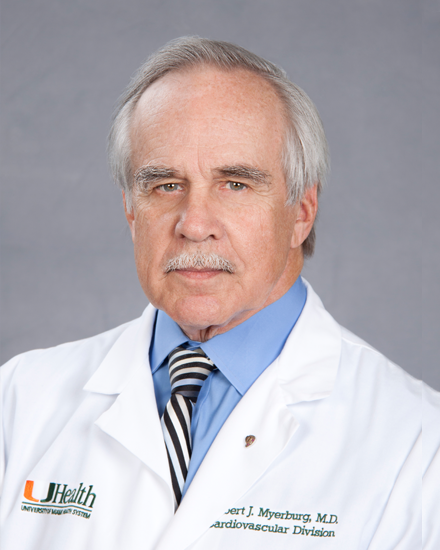 Robert J. Myerburg合作论文数Division of Cardiovascular Medicine, Department of Medicine, Miller School of Medicine, University of Miami8Aleksi Alatalo合作论文数7
 Tuomas T. Rissanen合作论文数Department of Molecular Medicine, Kuopio University Hospital7Hanna-Kaisa Nordenswan合作论文数6Juha Vähätalo合作论文数6Heikki Miettinen合作论文数6
 Terhi Piltonen合作论文数Department of Obstetrics and Gynecology, Clinical Research Unit, Medical Research Center Oulu, Oulu University Hospital, University of Oulu;Reproductive Endocrinology and IVF Unit, Oulu University Hospital, University of Oulu;Oulun Yliopisto6Laure Morin-Papunen合作论文数6Meri-Maija Ollila合作论文数5Kerkelä Risto合作论文数Research Unit of Biomedicine and Internal Medicine, Faculty of Medicine, University of Oulu5
 Riina Kandolin合作论文数5Piia Simonen合作论文数5
 Mikko Tulppo合作论文数Department of Physiology, Research Unit of Biomedicine, Faculty of Medicine, University of Oulu5Jorma Kokkonen合作论文数5Juha S. Tapanainen合作论文数University of Helsinki5
 Antti M Kiviniemi合作论文数4Kaj Ekström合作论文数4
 Stephen Franks合作论文数Department of Metabolism, Digestion and Reproduction, Faculty of Medicine, Imperial College London4
 Valtteri Uusitalo合作论文数4
 Pauli Poyhonen合作论文数4Olavi Ukkola合作论文数Research Unit of Internal Medicine, Faculty of Medicine, University of Oulu;Medical Research Center Oulu, Faculty of Medicine, University of Oulu4Katja Porvari合作论文数4
 Marjo-Riitta Jarvelin合作论文数Department of Epidemiology and Biostatistics, School of Public Health, Faculty of Medicine, Imperial College London;MRC Centre for Environment and Health, Imperial College London4
 Jani T Tikkanen合作论文数Oulun Yliopistollinen Sairaala;Brigham and Women's Hospital;Suomalainen Lääkäriseura ja Kustannus Oy Duodecim4
 Juha Auvinen合作论文数University of Oulu4Seppo Utriainen合作论文数3Ville Vepsäläinen合作论文数3
 Mikko Mayranpaa合作论文数Department of Pathology, University of Helsinki and Helsinki University Hospital3
 Pylkäs Katri合作论文数Univ Oulu, Oulu Univ Hosp3Markus Pelkonen合作论文数2Seppo Utrianen合作论文数2Samuli Juntunen合作论文数2M Anette E Haukilahti合作论文数2Katri Tuorila合作论文数2Puukka Katri合作论文数2
 Tuomas Kenttä合作论文数Department of Internal Medicine, University of Oulu;Oura;Department of Internal Medicine, Oulu University Hospital2




