Despite legume-based proteins being more environmentally sustainable compared to conventional meat proteins, these products need to be backed up by socially sustainable supply chains, as upstream and downstream social impacts may hinder their overall contribution to sustainability. This study shows how a social life-cycle assessment (S-LCA) can highlight people-centred issues in an emerging Swedish pea-protein supply chain. Using surveys with farmers and workers in combination with a social risk database, we reveal key social risks and improvement options. A stakeholder survey assessment and cradle-to-factory-gate social life-cycle assessment for farmers, workers, local communities, and society were performed. The Product Social Impact Life Cycle Assessment (PSILCA) 2.0 database was used to perform the assessment within OpenLCA. A comparative scenario analysis was performed with Germany, Canada and China. Methodologically, the study applies a mixed-method approach, combining stakeholder-generated data with social risk modelling, offering a replicable template for future assessments of social sustainability. Results indicate moderate but improvable social performance in Sweden for the stakeholders considered, especially in terms of financial risks, economic support and working hours for farmers. The quantitative assessment reveals upstream impacts in terms of risk of child labour, migration flows, and social security expenditures linked to the non-European origin of fertilizer and chemical pesticides.The study highlights the importance of considering social impacts from agricultural input choices and potential risks when scaling up production. It advances social sustainability assessment by integrating qualitative, real-time stakeholders’ insights with quantitative modelling in emerging supply chains. The findings provide useful guidance for companies and policymakers seeking to develop or scale up socially responsible plant-based supply chains.
Dry-fractioned pea protein concentrate can be moulded into meat-analogue products, and understanding the environmental impact and hot spots of this expanding industry segment could pave the road to broader adoption of these protein sources. Hence, this research measures the environmental performance of a green pea protein supply chain in southern Sweden that processes pea protein concentrate into pea protein sausages. A cradle-tofactory-gate life-cycle assessment was performed. 1 kg of pea protein concentrate at 46% and 1 kg of pea protein sausages were chosen as functional units, while ReCiPe 2016 v1.1 Midpoint E was utilized to calculate 18 impact categories. Economic allocation was applied to pea protein processing, and mass allocation to sausage production, using 2021/22 data from Swedish companies. For 1 kg of pea protein concentrate of 46%, cultivation contributes to 41-99% of the total impact considering all 18 impact categories, while processing 1-59%. The climate impact was 1.91 kg CO2eq/kg pea protein concentrate (1.54 from the cultivation step and 0.37 from the processing step). For 1 kg of pea protein sausages, cultivation and sausage production contributed together between 32% and 78% to the total impacts. The climate impact was 1.0 kg CO2eq/kg sausage. Comparing the climate impacts of sausage ingredients, rapeseed oil and spices contributed significantly. For the sausage production stage, electricity and natural gas contributed the most. The results for climate impact are in the same range as for similar plant-based products, although the range reported in literature is wide. Green pea cultivation, sausage production and ingredients contributed all significantly. The results highlight the need to address the choice of ingredients when formulating the final product. The choice of allocation method had a significant impact on the results. Mass allocation resulted in 6 times lower impacts for the pea protein concentrate compared to economic allocation.
The transition towards more plant-based diets is identified as an important measure for limiting dietary climate impact. Plant-based meat analogues (PBMAs) have been proposed as a viable lower carbon alternative to meat, and its market is rapidly growing globally. However, knowledge about the climate impact of PBMAs in relation to other foods is currently limited due to the challenge of comparing life cycle assessments (LCAs) using different methods. The aim of this study was to review the climate impact of PBMAs based on LCAs published up to 2021. Original LCA data were recalculated to harmonize differences in method choices among studies and presented as the climate impact of final products at factory gate. The median climate impact of PBMAs was estimated at 1.7 kg CO2 eq./kg of product with a more than fourfold variation in impact (0.5–2.4 kg CO2 eq./kg product). Climate impact per protein content of the final product varied from 0.4 to 1.2 kg CO2 eq./100 g protein with a median impact of 0.8 kg CO2 eq./100 g protein. Cultivation of raw materials and manufacturing were identified to be responsible for a large proportion of GHG emissions up to factory gate. However, the assessment of climate impact in the production chain was challenged by the level of detail of data provided. A transparent reporting strategy regarding the specific stages in the supply chain, method choices and product information is recommended to facilitate identification of hot spots to target for improved climate performance of future PBMAs and to enable accurate comparisons between studies. It could further be concluded that current scientific knowledge on the climate impact of PBMAs is based on a limited number of LCAs that often rely on a combination of secondary data and collected data at production scale or from pilot-scale production facilities. Future LCAs of PBMAs would benefit from additional assessments of commercial production using region- and site-specific data.
Agar-based extracts from Gelidium sesquipedale were obtained by applying a conventional hot water treatment and alternative ultrasound- and microwave-assisted methods, with and without the application of an alkaline pre-treatment. The alkaline pre-treatment produced refined extracts with higher purity; however, extraction yields increased from 2?5% to 7?19% by omitting this step. In particular, the ultrasound-assisted extraction allowed reducing 4-fold the extraction time, while keeping constant or even increasing the yield (up to 19% for the 1 h extraction) with respect to the conventional protocol. Interestingly, the presence of proteins and polyphenols conferred the semi-refined extracts a relatively high antioxidant capacity (19?24 ?mol TE/g extract). The refined extract produced by the standard protocol formed the strongest hydrogels (>1000 g/cm2). On the other hand, the semi-refined extracts produced by the alternative protocols formed slightly stronger hydrogels (337?438 g/cm2) than the refined counterparts (224?311 g/cm2), due to their greater molecular weights of the former ones. LCA assessment showed lower global warming potential for the semi-refined extracts, especially the ultrasound-assisted extraction, hence highlighting the potential of this method to produce more sustainable agarbased extracts for food-related applications.
The background for the project is that EU Commission has introduced new regulations and policies for food waste prevention and monitoring. Sweden and Denmark link their reporting closely to the was ...
Tomato and tomato products are the most consumed vegetables worldwide. However, reduction of their relatively high emission intensity can be a key to mitigating greenhouse gas (GHG) emissions of the agrifood sector. Using the European Union (EU) and its 28 member states as example, we mapped the mass flow and analyzed the efficiency of the entire tomato supply chain from farm to fork for the year 2016. We then explored potentials of a full spectrum of GHG emission mitigation strategies ranging from production‐efficiency improvement to process optimization, food‐waste reduction, trade‐pattern change, and diet‐structure change, both individually and in an integrated framework. The results showed that 63% of tomato loss and waste occurred at the processing and consumption stages (over half in Italy and Spain), and 54% of GHG emissions were from production (notably greenhouse based). Although the reduction of tomato products consumption (considered as the substitution by other vegetables) presented the highest potential of emissions reduction, reducing retailing and consumption waste were found to have great effect on GHG emissions reduction as well for all EU member states, especially for United Kingdom and Germany. The combined effects of different mitigation strategies with high levels of change could reduce GHG emissions by 39% compared to the current level.
Residues from the food manufacturing industry require management options with the best overall environmental outcome. The identification of sustainable solutions depends however, on many influencing factors such as energy input, transport distance, and substituted product. This study shows the influence of the choice of substituted products on the overall greenhouse gas (GHG) emissions for three specific food side-flows and their treatment in the European Union: animal blood, apple pomace and brewers’ spent grain (BSG). In a direct comparison of possible treatment options, it is notable that the conversion to food ingredients (valorisation) does not always result in reduced environmental net impacts (GHG savings), which means that other options at lower levels of the waste hierarchy might be more beneficial to the environment. The further use of apple pomace or BSG for the production of food ingredients is only advantageous if the processing emissions are smaller than the emissions from the substituted products. The use of food side-flows as animal feed shows environmental advantages in all scenarios, as the use of conventional feed, such as soybean meal or hay, is reduced and so are the GHG emissions. The anaerobic digestion of food side-flows is associated with significant GHG emissions, but alternative energy also display a high GHG factor when based on fossil resources. The measuring of circularity in the food sector is a challenge in itself due to the complexity of renewable materials. This study shall help to understand the interwoven influences of certain parameters to the results.
About one third of global edible food is lost or wasted along the supply chain, causing the wastage of embedded natural and economic resources. Life cycle methodologies can be applied to identify sustainable and viable prevention and valorization routes needed to prevent such inefficiencies. However, no systemic approach has been developed so far to guide practitioners and stakeholders. Specifically, the goal and scoping phase (e.g. problem assessed or system function) can be characterized by a large flexibility, and the comparability between food waste scenarios could be not ensured. Within the Horizon2020 project Resource Efficient Food and dRink for the Entire Supply cHain, this study aimed to provide practitioners with guidance on how to combine life cycle assessment and environmental life cycle costing in the context of food waste. Recent literature was reviewed to identify relevant methodological aspects, possible commonly adopted approaches, main differences among studies and standards and protocols, main challenges, and knowledge gaps. Basing on this review, an analytical framework with a set of recommendations was developed encompassing different assessment situations. The framework intends to provide a step by step guidance for food waste practitioners, and it is composed of a preliminary section on study purpose definition, three decision trees—respectively on assessment situation(s), costing approach, and type of study (footprint vs. intervention)—and two sets of recommendations. Recommendations can be applied to all levels of the food waste hierarchy, stating a generic order of preference for handling food chain side flows. This consistent and integrated life cycle approach should ensure a better understanding of the impact of specific interventions, thus supporting informed private and public decision making and promoting the design of sustainable and cost-efficient interventions and a more efficient food supply chains.
This document reports the results of the fourth workshop run by the project Policy Dialogues on a Bioeconomy for Sustainable Development. The project is co-financed by the Swedish Innovation Agency, Vinnova, and the SEI Governing Bioeconomy Pathways initiative. The overarching goal of the project is to facilitate a more constructive dialogue on the development of the global bioeconomy. There is a particular focus on analysing national and regional contexts in order to gain a better understanding of what is envisaged by a sustainable bioeconomy and the possible mechanisms for achieving bioeconomy-related goals.
One-third of the food produced for human consumption is lost or wasted (FAO, 2011). Food waste needs to decrease to secure the food supply and reduces the environmental impact of food production per capita. The Sustainable Development Goal 12.3 aims at halving per capita food waste at the retail and consumer level and reducing food losses along the food supply chain. The Swedish law states that all school children shall be served a nutritious, free school lunch every day. About 3 million meals are served per day in the municipal sector in Sweden. A decrease of food waste in the municipal sector may contribute significantly to the overall reduction of food waste. The city of Gothenburg has about 530 municipal kitchens, and 20 million meals are served per year within pre-schools, schools, and in elderly care settings. In April 2016 the project "The Gothenburg model for lesser food waste" was started. It aimed to reduce the kitchen and serving waste by 50% in municipal kitchens. The project was rolled out on a large scale January 2017. By working with the tool that was developed, the kitchens established routines for reducing kitchen and serving waste. From January 2017 to December 2018, the city of Gothenburg decreased serving waste and kitchen waste in their municipal kitchens by approximately 50% from about 30 g/portion to 15 g/portion. At the end of the project 2018 between 95% and 98% of the kitchens were measuring their food waste. By following the waste levels for pre-school kitchens in a pre-project (2013–17), a possible target seemed to be in the range of 10–15 g/portion for receiving kitchens and 5–7 g/portion for production kitchens.
Syftet med rapporten ar att skapa ett underlag for mer operativa, eller konkreta, hallbarhetsmal for aktorerna i livsmedelskedjan. Dessa mal ska i mojligaste man vara kopplade till kvantifieringar ...
Meat production and consumption contribute significantly to environmental impacts such as greenhouse gas (GHG) emissions. These emissions can be reduced via various strategies ranging from production efficiency improvement to process optimization, food waste reduction, trade pattern change, and diet structure change. On the basis of a material flow analysis approach, we mapped the dry matter mass and energy balance of the meat (including beef, pork, and poultry) supply chain in Germany and discussed the emission reduction potential of different mitigation strategies in an integrated and mass-balance consistent framework. Our results reaffirmed the low energy conversion efficiency of the meat supply chain (among which beef was the least efficient) and the high GHG emissions at the meat production stage. While diet structure change (either reducing the meat consumption or substituting meat by edible offal) showed the highest emissions reduction potential, eliminating meat waste in retailing and consumption and byproducts generation in slaughtering and processing were found to have profound effect on emissions reduction as well. The rendering of meat byproducts and waste treatment were modeled in detail, adding up to a net environmental benefit of about 5% of the entire supply chain GHG emissions. The combined effects based on assumed high levels of changes of important mitigation strategies, in a rank order considering the level of difficulty of implementation, showed that the total emission could be reduced by 43% comparing to the current level, implying a tremendous opportunity for sustainably feeding the planet by 2050.
About one third of the food produced globally is wasted along the food chain, representing a burden for the environment and an inefficiency of the food system. Tackling food waste is a priority on the global political agenda to guarantee food security. Defining a methodology for food waste quantification is key to monitoring progress towards the achievement of reduction targets. This paper summarises the outcomes of a workshop on food waste accounting co-organised by the European Commission's Joint Research Centre and Directorate-General on Health and Food Safety with the aim of stimulating harmonisation of methodologies, identifying challenges, opportunities, and further advancement for food waste accounting. The paper presents methodological aspects, e.g. system boundaries, reliability of data, accounting of water flows, to ensure better support to food waste policy design and interventions. It addresses all the actors of the food supply chain, governments, and research institutions.
Integration of LCC and LCA results to higher system levels: The German meat and EU tomato cases
To source food ingredients produced by best practice, reducing food loss in the processing line and implementation of new technologies are some examples of changes in the management in the food and drink sector that may offer advantages from a sustainability perspective. There are several tools and methods for evaluating sustainability for a food processing technology but often specific methodological knowledge is essential and many companies may not be able to carry out such a study due to time constraints and lack of data. The aim of this paper is to provide a tool with the format of a qualitative sustainability checklist, based on existing Life Cycle Assessment theory. The checklist is devoted to the design and adaptation of processing in the food industry to clarify the potential hot spots in new process design and is focused on environmental sustainability, although other aspects were conferred as well to demonstrate its potential. To identify the potential of this kind of checklist, it was tested by four food companies. The participant feedback was in general positive. The companies highlighted the benefits of creating awareness of sustainability issues within the company and providing a good overview without data collection. From a scientific point of view, the approach can help to overcome several challenges in sustainability assessment in the agri-food sector, especially some modeling issues and spatio-temporal resolution.
Urged by the importance of resource efficiency and circular economy agenda policy makers, many stakeholders are seeking alternatives for current surplus food or side flows within the food supply chain. Any new valorisation or intervention aimed to prevent food waste will however be associated with impacts (monetary and environmental). To allow informed decision making at all levels, from individual stakeholder to policy level, robust, consistent and science based approaches are required. The EU H2020 funded project REFRESH (Resource Efficient Food and dRink for the Entire Supply cHain) aims to contribute to food waste reduction throughout the food supply chain, and evaluate the environmental impacts and life cycle costs. This paper presents a guidance document being developed within REFRESH on how to apply Life Cycle Assessment (LCA) and environmental Life Cycle Costing (E-LCC) and how to combine them in the context of food waste. Recommendations are given on the scoping on footprint studies as well as on change-oriented studies on interventions for side flows from the food supply chain. The overall aim of the current research is contribute to a better scoping practice of LCAs and LCCs of side flows in a food waste context.
 Christian Tragardh合作论文数Department of Food Technology, Engineering and Nutrition, Lund University11
 Pegah Amani合作论文数9barbro sundstrom合作论文数8Åsa Stenmarck合作论文数8
 Jennifer Davis合作论文数8
 Matteo Vittuari合作论文数Department of Agricultural Economics and Engineering Faculty of Agriculture, University of Bologna8Gun Trägårdh合作论文数Department of Food Technology, Engineering and Nutrition, Lund University8Petr Dejmek合作论文数Institutionen För Livsmedelsteknik, Lunds Universitet7
 Mattias Nilsson合作论文数Uppsala University7
 Tom Quested合作论文数WRAP7
 Johanna Berlin合作论文数7
 Kirsi Silvennoinen合作论文数6
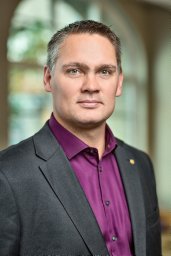 Björn Johansson合作论文数Department of Product and Production Development, Chalmers University of Technology;Humans and Technology Department of Social Sciences, Technology and Arts, Luleå University of Technology6
 Kristina Liljestrand合作论文数Dept Technol Management & Econ, Chalmers Univ Technol5
 Silvia Scherhaufer合作论文数5
 Gang Liu (刘刚)合作论文数College of Urban and Environmental Sciences, Peking University5
 Anna Fredriksson合作论文数Department of Science and Technology, Linkoping University5Marcus Henningsson合作论文数5
 Felicitas Schneider合作论文数5
 Linea Kjellsdotter合作论文数5Mårten Regner合作论文数5Graham K. Moates合作论文数5
 Ulf Sonesson合作论文数SIK AB, The Swedish Institute for Food and Biotechnology5Marion Loubiere合作论文数4Han Soethoudt合作论文数4jenny gustavsson合作论文数4klara bath合作论文数4alessandro politano合作论文数4
 Barbara Redlingshofer合作论文数4
 Li Xue (薛莉)合作论文数College of Economics and Management, China Agricultural University4
 Fabio De Menna合作论文数Department of Agricultural and Food Sciences, University of Bologna4Nicole Unger合作论文数4
 Anne Marie Tillman合作论文数Division of Environmental Systems Analysis, Chalmers University of Technology4
 Ole Jørgen Hanssen合作论文数4
 Sebastian Gollnow合作论文数Inst Waste Management, Univ Nat Resources & Life Sci3
 Kavitha Shanmugam合作论文数Department of Chemistry, Umeå University3
 Massimo Canali合作论文数Dept Agr & Food Sci, Univ Bologna3
 Shengkui Cheng (成升魁)合作论文数Key Laboratory for Resource Use and Environmental Remediation, Institute of Geographic Sciences and Natural Resources Research, Chinese Academy of Sciences3
 Jafarsadegh Moghaddas合作论文数3
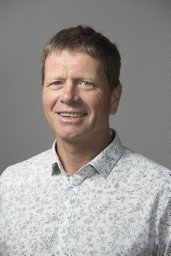 Erik Svanes合作论文数Ostfold Research3
 Hanne Møller合作论文数3Kristina Lodaite合作论文数3Manuela Gheoldus合作论文数2
 Marco Frederiksen合作论文数2Katarina Lorentzon合作论文数2Lars Hamberg合作论文数2Anna Woodhouse合作论文数2martin sundberg合作论文数2
 Martin Melin合作论文数2




