Soil radiocarbon (14C) measurements are crucial for understanding soil carbon cycling over timescales ranging from years to millennia. However, the global synthesis and comparison of radiocarbon data have been limited due to the variety of measurement methodologies and data formats. The International Soil Radiocarbon Database (ISRaD) is an open-access, community-driven archive designed to compile soil radiocarbon data and facilitate large-scale research on soil carbon dynamics. Here, we present ISRaD version 2 (v2), which has grown significantly since its initial release in 2020 (https://doi.org/10.5281/zenodo.17860507, Beem-Miller et al., 2025). It now contains data from 515 unique studies spanning 1669 sites globally, with over 20 000 radiocarbon observations across multiple hierarchical levels, including bulk soil layers, soil fractions, laboratory incubations, interstitial carbon in soil pores, and in situ fluxes of CO2 and CH4. Major updates include expanded metadata structures to capture emerging measurement techniques and an improved soil fractionation template to better capture diverse methods. There has also been a substantial increase in data from underrepresented ecosystems, including cultivated soils and wetlands. Despite this growth, significant geographic and data-type gaps persist. Tropical and arid regions, soils deeper than 100 cm, and certain types of measurements, including incubation, interstitial, and flux, are severely undersampled. We discuss the scientific advances enabled by ISRaD v1 and the major updates to the database and data representation. We also explore future opportunities for ISRaD and the soil radiocarbon community. ISRaD v2 continues to serve as a living archive and dynamic platform for the soil radiocarbon research community. It supports synthesis efforts that are critical for predicting how soil carbon will respond to environmental and climatic changes.
The cycling of organic matter in terrestrial soils and sediments is central to a range of biogeochemical processes that regulate nutrient cycling, crop productivity, trace gas emissions, and contaminant transport. Pyrolysis-gas chromatography/mass spectrometry (py-GC/MS) is a powerful tool for characterizing bulk soil organic matter (SOM) at the molecular level. In this study, we used a cryo-focused py-GC/MS system to analyze soil samples from seven diverse ecosystems: vernal pool, prairie pothole, temperate forest, tropical forest, tundra, wildfire-affected boreal forest, and grassland. We addressed a key bottleneck in molecular-level SOM characterization by developing an automated data analysis pipeline to optimize py-GC/MS and complementary evolved gas analysis/mass spectrometry (EGA/MS) methods, incorporating advanced tools for peak deconvolution, developing a custom compound class library, and implementing fragmentation spectrum-based molecular networking for the first time. This improved workflow was applied to soil samples from all seven ecosystems, including multiple depths and density fractions. Our findings demonstrate that ecosystem type plays a dominant role in shaping compositional differences in SOM. We also identified trends in the source of SOM compounds (e.g., microbial vs plant-derived) across soil depth and density fractions, which are critical for understanding persistence and turnover of SOM. Our molecular networking analysis indicated that although many compounds are widespread across ecosystems, others are restricted to specific environments, such as wetlands. This underscores the utility of molecular-level data in elucidating the complexity of SOM composition and the environmental drivers that shape it. Such molecular-level insights can deepen our knowledge of biogeochemical SOM cycles.
Abstract Agriculture depletes soil organic carbon (SOC), partly due to the exclusion of deep‐rooted perennials. Reintroducing deep‐rooted perennials to cultivated land may help to mitigate SOC loss. We quantified the effect of deep roots on SOC by comparing 8 to 30 year‐old stands of switchgrass (Panicum virgatum L.) with paired annual row crop fields at 12 sites across the central and eastern USA. We hypothesized that switchgrass would store more root C and SOC than neighboring shallow‐rooted annual crops, and that these effects would extend deeper than 30 cm. We also evaluated whether switchgrass stimulates decomposition of SOC at depth using radiocarbon (14C). Finally, we explored whether the effect of switchgrass on SOC is moderated by soil chemical and physical properties. While the effect of switchgrass on SOC in the surface 100 cm was positive at most sites, the average effect was not statistically significant (difference in SOC = 0.6 kg C m−2 [95% CI −0.8 to +1.9 kg C m−2]). By contrast, we found that root C was consistently more abundant under switchgrass, yielding an estimated additional 0.6 kg C m−2 in the surface 100 cm of soil [95% CI +0.5 to +0.7 kg C m−2]. 14C measurements suggested that root C inputs were adding to existing SOC without stimulating decomposition. The effect of switchgrass on belowground C was not strongly related to any of the soil properties that we evaluated. Our observations show that root C can contribute substantially to belowground C stocks when deep‐rooted perennials replace shallow‐rooted crops.
Growing deep-rooted perennials has been proposed to increase soil organic carbon (SOC) stocks and mitigate CO2 emissions. Yet, we know little about the bioavailability and chemical properties of SOC under deep-rooted perennials and shallow-rooted annuals. Improving our understanding of the role of deep-rooted perennials for belowground C storage is critical, as root growth has the potential to both increase SOC stock and accelerate loss of existing SOC. Here, we assessed the effects of >10 years of land conversion from shallow-rooted annuals (maize) to deep-rooted perennials (switchgrass) on SOC bioavailability (microbial respiration, Delta C-14-CO2), mineral-associated SOC (density fractionation), and SOC turnover and composition (C-14-SOC, DRIFT spectroscopy) in surface soils (0-20 cm) and subsoils (90-120 cm) at two sites with sandy and silty soils. We demonstrate that switchgrass enhanced microbial respiration of recently-fixed C in surface soils. Switchgrass increased Delta C-14 values of the free light fraction in subsoil of the sandy site, by supplying aliphatic C (putative simple plant C) into the soil. In contrast, maize input less root C into the soil, and at one site increased the decomposition of older SOC, which indicates that overall microbial C demand outpaced plant C inputs. These results highlight that deep-rooted perennials stimulate the transfer of more atmospheric C to both surface and subsoils than shallow-rooted annuals, that newly generated SOC under deep-rooted perennials is relatively less protected from decomposition, and that reaping the C benefits of deep-rooted perennials could require maintaining the land cover as a perennial cropping system.
Agricultural intensification depletes belowground carbon (C) stocks, partly due to the exclusion of deep-rooted perennial species from landscapes where they were once dominant. Reintroducing deep-rooted perennials to cultivated land may help to mitigate SOC loss and restore ecosystem function. We quantified the effect of replacing shallow-rooted annual crops with a deep-rooted perennial grass, switchgrass ( Panicum virgatum L.), by comparing 10 to 30 year-old switchgrass stands with paired annual row crop fields across the central and eastern USA. We hypothesized that switchgrass would store more root C and SOC than neighboring shallow-rooted annual crops, and that these effects would extend deeper than 30 cm. We also evaluated whether switchgrass stimulates decomposition of SOC at depth using radiocarbon (14C) to quantify replacement of slow cycling isotopically depleted SOC. Finally, we explored whether the effect of switchgrass on SOC is moderated by soil chemical and physical properties. While the effect of switchgrass on SOC in the surface 100 cm was positive at most sites, the average effect was highly uncertain and statistically indistinguishable from zero (mean difference in SOC = 0.6 kg C m-2 [95% CI −0.8 to +1.9 kg C m-2]). By contrast, we found that root biomass C was consistently more deeply distributed and more abundant under switchgrass, yielding an estimated additional 0.6 kg C m-2 in the surface 100 cm of soil under switchgrass [95% CI +0.5 to +0.7 kg C m-2]. 14C measurements suggested that root C inputs were adding to existing SOC without stimulating decomposition. The effect of switchgrass on belowground C was not strongly related to any of the environmental factors that we evaluated. Our observations show that root biomass C can contribute substantially to belowground C stocks when deep-rooted perennial grasses replace shallow-rooted annual crops. ### Competing Interest Statement The authors have declared no competing interest. Lawrence Livermore National Laboratory, 19-ERD-010 United States Department of Energy, SCW1711 Center for Advanced Bioenergy and Bioproducts Innovation, DE-SC0018420
Tropical peatlands play an important role in global carbon (C) cycling, but little is known about factors driving carbon dioxide (CO2) and methane (CH4) emissions from these ecosystems, especially production in deeper soils. This study aimed to identify source material and processes regulating C emissions originating deep in three sites in a peatland on the Caribbean coast of Panama. We hypothesized that (1) surface-derived organic matter transported down the soil profile is the primary C source for respiration products at depth and that (2) high lignin content results in hydrogenotrophic methanogenesis as the dominant CH4 production pathway throughout the profile. We used radiocarbon isotopic values to determine whether CO2 and CH4 at depth are produced from modern substrates or ancient deep peat, and we used stable C isotopes to identify the dominant CH4 production pathway. Peat organic chemistry was characterized using 13C solid-state nuclear magnetic resonance spectroscopy (13C-NMR). We found that deep peat respiration products had radiocarbon signatures that were more similar to surface dissolved organic C (DOC) than deep solid peat. These results indicate that surface-derived organic matter was the dominant source for gas production at depth in this peatland, likely because of vertical transport of DOC from the surface to depth. Lignin, which was the most abundant compound (55 %–70 % of C), increased with depth across these sites, whereas other C compounds like carbohydrates did not vary with depth. These results suggest that there is no preferential decomposition of carbohydrates but instead preferential retention of lignin. Stable isotope signatures of respiration products indicated that hydrogenotrophic rather than acetoclastic methanogenesis was the dominant production pathway of CH4 throughout the peat profile. These results show that deep C in tropical peatlands does not contribute greatly to surface fluxes of carbon dioxide, with compounds like lignin preferentially retained. This protection of deep C helps explain how peatland C is retained over thousands of years and points to the vulnerability of this C should anaerobic conditions in these wet ecosystems change.
Land use change from native grasslands to arable lands globally impacts soil ecosystem functions, including the storage of soil organic carbon (SOC). Understanding the factors affecting SOC changes in topsoil and subsoil due to land use is crucial for effective mitigation strategies. We determined SOC storage and persistence as affected by land use change from native prairies to arable lands. We examined SOC stocks, soil δ13C and ∆14C signatures, microbial communities (bacteria and fungi), and soil mineral characteristics under native prairies and long-term arable lands (i.e., > 40 years) down to 3 m in the U.S. Midwest. Native prairie soils had higher SOC stocks in the A horizon and 0–50 cm depth increment than arable soils. For both land use types, the δ13C and ∆14C values significantly decreased with depth, with the latter pointing towards highly stabilized SOC, especially in the B- and C-horizons. Analysis of the microbial communities indicated that the diversity of bacteria and fungi decreased with increasing soil depth. The content of oxalate soluble Al appeared to be the single most important predictor of SOC across horizons and land use types. Our data suggest that most SOC gains and losses and transformation and translocation processes seem to be restricted to the uppermost 50 cm. Increasing SOC retention in the A and B horizons within the 0–50 cm depth would enhance organic material serving as substrate and nutrients for microbes and plants (A horizon) and facilitate long-term SOC storage in the subsoil (B horizon).
Increasing hurricane frequency and intensity with climate change is likely to affect soil organic carbon (C) stocks in tropical forests. We examined the cycling of C between soil pools and with depth at the Luquillo Experimental Forest in Puerto Rico in soils over a 30-year period that spanned repeated hurricanes. We used a nonlinear matrix model of soil C pools and fluxes ("soilR") and constrained the parameters with soil and litter survey data. Soil chemistry and stable and radiocarbon isotopes were measured from three soil depths across a topographic gradient in 1988 and 2018. Our results suggest that pulses and subsequent reduction of inputs caused by severe hurricanes in 1989, 1998, and two in 2017 led to faster mean transit times of soil C in 0-10 cm and 35-60 cm depths relative to a modeled control soil with constant inputs over the 30-year period. Between 1988 and 2018, the occluded C stock increased and delta C-13 in all pools decreased, while changes in particulate and mineral-associated C were undetectable. The differences between 1988 and 2018 suggest that hurricane disturbance results in a dilution of the occluded light C pool with an influx of young, debris-deposited C, and possible microbial scavenging of old and young C in the particulate and mineral-associated pools. These effects led to a younger total soil C pool with faster mean transit times. Our results suggest that the increasing frequency of intense hurricanes will speed up rates of C cycling in tropical forests, making soil C more sensitive to future tropical forest stressors.
Fine roots are key to ecosystem-scale nutrient, carbon (C), and water cycling, yet our understanding of fine root trait variation within and among tropical forests, one of Earth’s most C-rich ecosystems, is limited. We characterized root biomass, morphology, nutrient content, and arbuscular mycorrhizal fungal (AMF) colonization to 1.2 m depths across four distinct lowland Panamanian forests, and related root characteristics to soil C stocks. We hypothesized that: (H1) Fine root characteristics vary consistently with depth across seasonal tropical forests, with deeper roots exhibiting more exploratory traits, such as for deep water acquisition; (H2) fine root characteristics vary among tropical forests mainly in surface soils, where resource availability also varies. We found consistent variation with depth across the four forests, including decreased root biomass, root tissue density, and AMF, and increased specific root length. Among the forests, there was variation in some fine root characteristics, including greater surface root biomass and lower SRL in the wettest forest, and smaller fine root diameter in the driest forest. We also found that root characteristics were related to total soil C stocks, which were positively related to root biomass and negatively related to specific root length. These results indicate emergent properties of root variation with depth across tropical forests, and show site-scale variation in surface root characteristics. Future work could explore the flexibility in root characteristics under changing conditions such as drought.
The long-standing assumption that aboveground plant litter inputs have a substantial influence on soil organic carbon storage (SOC) and dynamics has been challenged by a new paradigm for SOC formation and persistence. We tested the importance of plant litter chemistry on SOC storage, distribution, composition, and age by comparing two highly contrasting ecosystems: an old-growth coast redwood (Sequoia sempervirens) forest, with highly aromatic litter, and an adjacent coastal prairie, with more easily decomposed litter. We hypothesized that if plant litter chemistry was the primary driver, redwood would store more and older SOC that was less microbially processed than prairie. Total soil carbon stocks to 110 cm depth were higher in prairie (35 kg C m-2) than redwood (28 kg C m-2). Radiocarbon values indicated shorter SOC residence times in redwood than prairie throughout the profile. Higher amounts of pyrogenic carbon and a higher degree of microbial processing of SOC appear to be instrumental for soil carbon storage and persistence in prairie, while differences in fine-root carbon inputs likely contribute to younger SOC in redwood. We conclude that at these sites fire residues, root inputs, and soil properties influence soil carbon dynamics to a greater degree than the properties of aboveground litter.
We investigated how organic matter may, directly and indirectly, modify the porosity of Ferralsols, that is, deeply weathered soils of the tropics and subtropics. Although empirical and anecdotal evidence suggests that organic matter accumulation may increase porosity, a mechanistic understanding of the processes underlying this beneficial effect is lacking, especially so for Ferralsols. To achieve our end, we leveraged the fact that the Profundihumic qualifier of Ferralsols (PF) is distinguished from Haplic Ferralsols (HF) by both a much larger average carbon content in the first 1 m of soil depth (19 kg C m(-3) in PF vs. 10 kg C m(-3) in HF) and a significantly lower bulk density (1.05 +/- 0.08 kg L-1 in PF vs. 1.21 +/- 0.05 kg L-1 in HF). Through exhaustive modelling of carbon - bulk density relationships, we demonstrate that the lower bulk density of PF cannot be satisfactorily explained by a simple dilution effect. Rather, we found that bulk density correlated with carbon content when combined with carbon: nitrogen ratio (r(2) = 0.51), black carbon content (r(2) = 0.75), and Delta C-14 (r(2) = 0.81). Total pore space was greater in PF (61 +/- 3%) than in HF (55 +/- 2%), but x-ray computed tomography revealed that pore space inside soil aggregates of 4-5 mm diameter does not vary between the studied Ferralsols. We further observed nearly twice as many roots and burrows in PF compared with HF. We thus infer that the mechanism responsible for the increase in porosity is most likely an enhancement of resource availability (e.g., energy, carbon, and nutrients) for the organisms (earthworms, ants, termites, etc.) that physically displace soil particles and promote soil aggregation. As a result of increased resource availability, soil organisms can create especially the mesoscale structural soil features necessary for unrestricted water flow and rapid gas exchange. This insight paves the way for the development of land management technologies to optimize the physical shape and capacity of the soil bioreactor.
Soil organic carbon (SOC) is a large, dynamic reservoir composed of a complex mixture of plant- and microbe-derived compounds with a wide distribution of cycling timescales and mechanisms. The distinct residence times of individual carbon components within this reservoir depend on a combination of factors, including compound reactivity, mineral association, and climate conditions. To better constrain SOC dynamics, bulk radiocarbon measurements are commonly used to trace biosphere inputs into soils and to estimate timescales of SOC cycling. However, understanding the mechanisms driving the persistence of organic compounds in bulk soil requires analyses of SOC pools that can be linked to plant sources and microbial transformation processes. Here, we adapt approaches, previously developed for marine sediments, to isolate organic compound classes from soils for radiocarbon (C-14) analysis. We apply these methods to a soil profile from an annual grassland in Hopland, California (USA), to assess changes in SOC persistence with depth (down to 1 m). We measured the radiocarbon values of water-extractable organic carbon (WEOC), total lipid extracts (TLEs), total hydrolyzable amino acids (AAs), and an acid-insoluble (AI) fraction from bulk and physically separated size fractions (< 2 mm, 2 mm-63 m, and < 63 m). Our results show that Delta C-14 values of bulk soil, size fractions, and extracted compound classes became more depleted with depth, and individual SOC components have distinct age-depth distributions that suggest distinguishable cycling rates. We found that AAs and TLEs cycle faster than the bulk soils and the AI fraction. The AI was the most C-14-depleted fraction, indicating that it is the most chemically inert in this soil. Our approach enables the isolation and measurement of SOC fractions that separate functionally distinct SOC pools that can cycle relatively quickly (e.g., plant and microbial residues) from more passive or inert SOC pools (associated with minerals or petrogenic) from bulk soils and soil physical fractions. With the effort to move beyond SOC bulk analysis, we find that compound class C-14 analysis can improve our understanding of SOC cycling and disentangle the physical and chemical factors driving OC cycling rates and persistence.
AbstractTropical forests account for over 50% of the global terrestrial carbon sink, but climate change threatens to alter the carbon balance of these ecosystems. We show that warming and drying of tropical forest soils may increase soil carbon vulnerability, by increasing degradation of older carbon. In situ whole-profile heating by 4 °C and 50% throughfall exclusion each increased the average radiocarbon age of soil CO2 efflux by ~2–3 years, but the mechanisms underlying this shift differed. Warming accelerated decomposition of older carbon as increased CO2 emissions depleted newer carbon. Drying suppressed decomposition of newer carbon inputs and decreased soil CO2 emissions, thereby increasing contributions of older carbon to CO2 efflux. These findings imply that both warming and drying, by accelerating the loss of older soil carbon or reducing the incorporation of fresh carbon inputs, will exacerbate soil carbon losses and negatively impact carbon storage in tropical forests under climate change.
We measure the age of soil organic matter (SOM) in soil depth profiles using fallout radionuclide (FRN) chronometry. The FRN age model quantifies the well-known lag in ∆14C which is the time between biological carbon fixation and its incorpration into SOM 1–3. The FRN model also reveals sharp excursions in ∆14C at depth to extremely old ages, which we attribute to legacy petrogenic, pedogenic, or passive carbon pools because corresponding soil carbon fluxes based on legacy ∆14C do not reconcile with independent ecosystem measures. FRN ages may thus resolve a foundational uncertainty regarding ages of SOM, agreeing with mass balance of carbon pools and fluxes at both soil profile and global scales 4,5, 𝛿13C experiments at profile and global scales 6,7, compilation of global experimental soil carbon fluxes 8, and independent 35Cl bomb-pulse dating 9. We confirm that the pool of SOM relevant to climate transition is up to 10 times younger than deduced from global ∆14C turnover times. We thereby estimate that temperate and tropical forest soils store ca. 10% of Net Primary Productivity (NPP) over decadal timescales. These observations demonstrate that SOM cycling is more dynamic than deduced from 14C and may respond rapidly to both climate change as well as mitigation efforts aimed at sequestering atmospheric CO2 over annual to decadal timescales.
Tidal salt marshes produce and emit CH4 . Therefore, it is critical to understand the biogeochemical controls that regulate CH4 spatial and temporal dynamics in wetlands. The prevailing paradigm assumes that acetoclastic methanogenesis is the dominant pathway for CH4 production, and higher salinity concentrations inhibit CH4 production in salt marshes. Recent evidence shows that CH4 is produced within salt marshes via methylotrophic methanogenesis, a process not inhibited by sulfate reduction. To further explore this conundrum, we performed measurements of soil-atmosphere CH4 and CO2 fluxes coupled with depth profiles of soil CH4 and CO2 pore water gas concentrations, stable and radioisotopes, pore water chemistry, and microbial community composition to assess CH4 production and fate within a temperate tidal salt marsh. We found unexpectedly high CH4 concentrations up to 145,000 μmol mol-1 positively correlated with S2- (salinity range: 6.6-14.5 ppt). Despite large CH4 production within the soil, soil-atmosphere CH4 fluxes were low but with higher emissions and extreme variability during plant senescence (84.3 ± 684.4 nmol m-2 s-1 ). CH4 and CO2 within the soil pore water were produced from young carbon, with most Δ14 C-CH4 and Δ14 C-CO2 values at or above modern. We found evidence that CH4 within soils was produced by methylotrophic and hydrogenotrophic methanogenesis. Several pathways exist after CH4 is produced, including diffusion into the atmosphere, CH4 oxidation, and lateral export to adjacent tidal creeks; the latter being the most likely dominant flux. Our findings demonstrate that CH4 production and fluxes are biogeochemically heterogeneous, with multiple processes and pathways that can co-occur and vary in importance over the year. This study highlights the potential for high CH4 production, the need to understand the underlying biogeochemical controls, and the challenges of evaluating CH4 budgets and blue carbon in salt marshes.
Microbial processing of soil organic matter is a significant driver of C cycling, yet we lack an understanding of what shapes the turnover of this large terrestrial pool. In part, this is due to limited options for accurately identifying the source of C assimilated by microbial communities. Laboratory incubations are the most common method for this; however, they can introduce artifacts due to sample disruption and processing and can take months to produce sufficient CO2 for analysis. We present a biomass extraction method which allows for the direct 14C analysis of microbial biomolecules and compare the results to laboratory incubations. In the upper 50 cm soil depths, the 14C from incubations was indistinguishable from that of extracted microbial biomass. Below 50 cm, the 14C of the biomass was more depleted than that of the incubations, either due to the stimulation of labile C decomposition in the incubations, or the inclusion of biomolecules from non-living cells in the biomass extractions. Our results suggest that measurement of 14C of microbial biomass extracts can be a useful alternative to soil incubations, possibly avoiding some of the drawbacks associated with laboratory incubations.
 Jennifer Pett-Ridge合作论文数Lawrence Livermore National Laboratory28
 Paul J Hanson合作论文数Environmental Sciences Division, Oak Ridge National Laboratory;Climate Change Science Institute, Oak Ridge National Laboratory16
 Kari M. Finstad合作论文数7000 East Ave, Livermore, CA 94550 USA12
 Erin E Nuccio合作论文数12
 Asmeret Asefaw Berhe合作论文数Department of Life and Environmental Sciences, School of Natural Sciences, University of California, Merced12
 Thomas P. Guilderson合作论文数Center for Accelerator Mass Spectrometry;Lawrence Livermore National Laboratory;Center for Accelerator Mass Spectrometry, Lawrence Livermore National Laboratory11
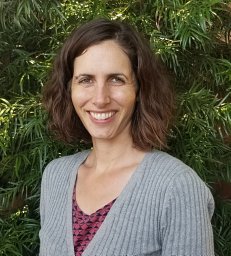 Claire L. Phillips合作论文数Department of Forest Science;Oregon State University;Department of Forest Science, Oregon State University11
 Alexandra Hedgpeth合作论文数10
 Colleen M Iversen合作论文数Environmental Sciences Division, Oak Ridge National Laboratory;Climate Change Science Institute, Oak Ridge National Laboratory10
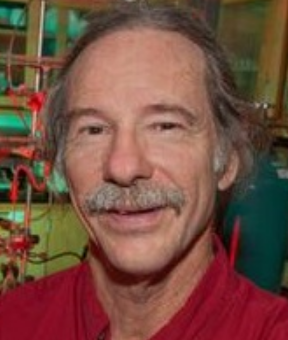 Jeffrey P. Chanton合作论文数Department of Earth, Ocean and Atmospheric Science, Florida State University10
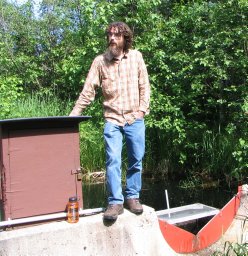 Stephen Sebestyen合作论文数USDA Forest Service, Northern Research Station9
 Margaret Torn合作论文数Earth Sciences Division, Lawrence Berkeley National Laboratory9
 Rachel C. Porras合作论文数Climate Sci Dept, Lawrence Berkeley Natl Lab8
 Grant Katherine E合作论文数8
 Daniela Cusack合作论文数Department of Environmental Science, Policy and Management, University of California8
 Erik J. Oerter合作论文数Department of Geology and Geophysics;University of Utah;115;Department of Geology and Geophysics, University of Utah8
 Eric Slessarev合作论文数Phys & Life Sci Directorate, Lawrence Livermore Natl Lab7
 Randy Kolka合作论文数Faculty of Graduate Studies, Faculty of Natural Resources Management, Lakehead University;Department of Natural Resource Ecology and Management, Iowa State University;Department of Forestry, University of Kentucky;Northern Research Station, Forest Service, U.S. Department of Agriculture;Department of Soil, Water, and Climate, College of Food, Agricultural and Natural Resource Sciences7
 Kimber Moreland合作论文数Ctr Accelerator Mass Spectrometry, Lawrence Livermore Natl Lab6
 Julie D. Jastrow合作论文数Environmental Science Division, Argonne National Laboratory6
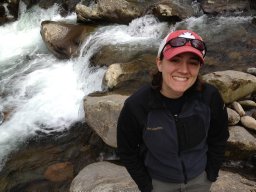 Natalie A. Griffiths合作论文数Department of Biological Sciences, University of Notre Dame6
 Joel Kostka合作论文数School of Earth and Atmospheric Sciences, College of Sciences, Georgia Institute of Technology;School of Biological Sciences, College of Sciences, Georgia Institute of Technology6
 Megan Kan合作论文数5
 Ankur Desai合作论文数Department of Civil and Environmental Engineering, College of Engineering, University of Wisconsin-Madison5
 Lee Dietterich合作论文数Department of Ecosystem Science and Sustainability, Colorado State University5
 Scott Bridgham合作论文数Institute of Ecology and Evolution, Department of Biology, College of Arts and Sciences, University of Oregon;Environmental Science Institute, University of Oregon5David Risk合作论文数Department of Earth Sciences;Francis Xavier University;Department of Earth Sciences, Francis Xavier University5
 Katherine Heckman合作论文数5Megan M Foley合作论文数Center for Ecosystem Science and Society, Northern Arizona University4Allegra Mayer合作论文数Dept Environm Sci Policy & Management, Univ Calif Berkeley4
 Alex Greenlon合作论文数Univ Calif Davis, Dept Plant Pathol, Davis, CA 95616 USA4
 Marisa Repasch合作论文数Ctr Accelerator Mass Spectrometry, Lawrence Livermore Natl Lab4
 Taylor A. B. Broek合作论文数4
 Throckmorton Heather M合作论文数UCD),, University of California,4
 Benjamin L Turner合作论文数Institute of Agriculture and Life Science, Gyeongsang National University4
 Roser Matamala合作论文数Environmental Science Division, Argonne National Laboratory;University of Chicago;Institute Fellow Northwestern Argonne Institute of Science & Engineering4
 Caitlin E. Hicks Pries合作论文数Dept Biol, Univ Florida4Ate Visser合作论文数TNO-Netherlands Institute of Applied Geoscience4
 Andrew T. Nottingham合作论文数Sch Geosci, Univ Edinburgh4A. R. Desai合作论文数3Deanne J. Brice合作论文数3Avni Malhotra合作论文数3
 Alison Hoyt合作论文数Department of Earth System Science, Stanford University3Victoria Monsaint-Queeney合作论文数3
 Sophie von Fromm合作论文数3Robert F. Powers合作论文数3Michaela Hayer合作论文数No Arizona Univ, Ctr Ecosyst Sci & Soc, Flagstaff, AZ 86011 USA3
 Jeffrey Beem-Miller合作论文数Dept Biogeochem Proc, Max Planck Inst Biogeochem3
 Olga Vinduskova合作论文数Research Group of Plants and Ecosystems (PLECO),, University of Antwerp3




