Insulin acts on adipocytes to suppress lipolysis and increase glucose uptake to control whole-body glucose and lipid metabolism. Regulation of these processes by insulin signalling depends on changes in protein localisation. However, the extent of insulin-stimulated changes to the adipocyte spatial proteome, and the importance of these in the cellular insulin response, is unknown. Here, we use subcellular proteomics approaches to map acute insulin-stimulated protein relocalisation in adipocytes on a cell-wide scale. These data reveal extensive insulin-regulated protein redistribution, with hundreds of insulin-responsive proteins. These include the uncharacterised protein C3ORF18, which redistributes to the plasma membrane in response to insulin. Studies in C3ORF18-depleted adipocytes suggest this protein is required to maintain adipocyte insulin sensitivity. Overall, our data highlight the scale of protein relocalisation in the adipocyte insulin response, and provide an accessible resource to inform further studies into how changes in protein localisation contribute to cellular insulin responses.
Background Subcellular localisation is a determining factor of protein function. Mass spectrometry-based correlation profiling experiments facilitate the classification of protein subcellular localisation on a proteome-wide scale. In turn, static localisations can be compared across conditions to identify differential protein localisation events. Methods Here, we provide a workflow for the processing and analysis of subcellular proteomics data derived from mass spectrometry-based correlation profiling experiments. This workflow utilises open-source R software packages from the Bioconductor project and provides extensive discussion of the key processing steps required to achieve high confidence protein localisation classifications and differential localisation predictions. The workflow is applicable to any correlation profiling data and supplementary code is provided to help users adapt the workflow to DDA and DIA data processed with different database softwares. Results The workflow is divided into three sections. First we outline data processing using the QFeatures infrastructure to generate high quality protein correlation profiles. Next, protein subcellular localisation classification is carried out using machine learning. Finally, prediction of differential localisation events is covered for dynamic correlation profiling experiments. Conclusions A comprehensive start-to-end workflow for correlation profiling subcellular proteomics experiments is presented. R version: R version 4.5.0 (2025-04-11) Bioconductor version: 3.21
Reactive oxygen species (ROS) function as key signals in plant adaptation to environmental stresses, such as drought. Roots respond to transient water unavailability by temporarily ceasing branching through the acclimative response xerobranching. In this study, we report how a xerobranching stimulus triggers rapid changes of ROS levels in root nuclei, triggering redox-dependent multimerization of the auxin repressor protein IAA3. Mutations in specific cysteine residues of IAA3 disrupt redox-mediated multimerization and interaction with co-repressor TPL, thereby attenuating IAA3-mediated target gene repression. Other AUX/IAA proteins also vary in their redox-mediated multimerization, which reveals a regulatory mechanism that connects dynamic changes in cellular redox status to auxin signaling. Our study reveals how ROS, auxin, and water availability intersect and shape root adaptive responses, thereby maintaining phenotypic plasticity in plants.
Background: We investigated the flow of information from genome sequence to protein expression implied by the Central Dogma, to determine the impact of intermediate genomic levels in plants. Results: We performed genomic profiling of rosettes in two Arabidopsis accessions, Col-0 and Can-0, and assembled their genomes using long reads and chromatin interaction data. We measured gene and protein expression in biological replicates grown in a controlled environment, also measuring CpG methylation, ribosome-associated transcript levels and tRNA abundance. Each omic level is highly reproducible between biological replicates and between accessions despite their 0.5% sequence divergence; the single best predictor of any level in one accession is the corresponding level in the other. Within each accession, gene codon frequencies accurately model both mRNA and protein expression. The effects of a codon on mRNA and protein expression are highly correlated but are unrelated to genome-wide codon frequencies or to tRNA levels which instead match genome-wide amino acid frequencies. Ribosome-associated transcripts closely track mRNA levels. Conclusions: In the absence of environmental perturbation, neither methylation, tRNA nor ribosome-associated transcript levels add appreciable information about constitutive protein abundance beyond that in DNA codon frequencies and mRNA expression levels. The impact of constitutive gbM is mostly explained by gene codon composition. tRNA abundance tracks overall amino acid demand. However, genetic differences between accessions associate with differential gbM by inflating differential expression variation. Our data show that the Central Dogma holds only if both sequence and abundance information in mRNA are considered. ### Competing Interest Statement The authors have declared no competing interest.
Background:Subcellular localisation is a determining factor of protein function. Mass spectrometry-based correlation profiling experiments facilitate the classification of protein subcellular localisation on a proteome-wide scale. In turn, static localisations can be compared across conditions to identify differential protein localisation events. Methods:Here, we provide a workflow for the processing and analysis of subcellular proteomics data derived from mass spectrometry-based correlation profiling experiments. This workflow utilises open-source R software packages from the Bioconductor project and provides extensive discussion of the key processing steps required to achieve high confidence protein localisation classifications and differential localisation predictions. The workflow is applicable to any correlation profiling data and supplementary code is provided to help users adapt the workflow to DDA and DIA data processed with different database softwares. Results:The workflow is divided into three sections. First we outline data processing using the QFeatures infrastructure to generate high quality protein correlation profiles. Next, protein subcellular localisation classification is carried out using machine learning. Finally, prediction of differential localisation events is covered for dynamic correlation profiling experiments. Conclusions:A comprehensive start-to-end workflow for correlation profiling subcellular proteomics experiments is presented. R version: R version 4.5.0 (2025-04-11) Bioconductor version: 3.21.
Mutations in numerous genes contribute to human cancer, with different oncogenic lesions prevalent in different cancer types. However, the malignant phenotype is simple, characterized by unrestricted cell growth, invasion, and often metastasis. One possible hypothesis explaining this dichotomy is that cancer genes regulate common targets, which then function as master regulators of essential cancer phenotypes. To identify mechanisms that drive the most fundamental feature shared by all tumors-unrestricted cell proliferation-we used a multiomic approach, which identified translation and ribosome biogenesis as common targets of major oncogenic pathways across cancer types. Proteomic analysis of tumors and functional studies of cell cultures established nucleolar and coiled-body phosphoprotein 1 as a key node, whose convergent regulation, both transcriptionally and posttranslationally, is critical for tumor cell proliferation. Our results indicate that lineage-specific oncogenic pathways regulate the same set of targets for growth control, revealing key downstream nodes that could be targeted for therapy or chemoprevention.
We investigate the flow of genetic information from DNA to RNA to protein as described by the Central Dogma in molecular biology, to determine the impact of intermediate genomic levels on plant protein expression. We perform genomic profiling of rosette leaves in two Arabidopsis accessions, Col-0 and Can-0, and assemble their genomes using long reads and chromatin interaction data. We measure gene and protein expression in biological replicates grown in a controlled environment, also measuring CpG methylation, ribosome-associated transcript levels, and tRNA abundance. Each omic level is highly reproducible between biological replicates and between accessions despite their 1
The cell wall integrity (CWI) pathway is responsible for transcriptional regulation of cell wall remodeling in response to cell wall stress. How cell wall remodeling mediated by the CWI pathway is effected by inputs from other signaling pathways is not well understood. Here, we demonstrate that the Mck1 kinase cooperates with Slt2, the MAP kinase of the CWI pathway, to promote cell wall thickening in glucose-starved cells. Integrative analyses of the transcriptome, proteome and metabolic profiling indicate that Mck1 is required for the accumulation of UDP-glucose (UDPG), the substrate for β-glucan synthesis, through the activation of two regulons: the Msn2/4-dependent stress response and the Cat8-/Adr1-mediated metabolic reprogram dependent on the SNF1 complex. Analysis of the phosphoproteome suggests that similar to mammalian Gsk-3 kinases, Mck1 is involved in the regulation of cytoskeleton-dependent cellular processes, metabolism, signaling and transcription. Specifically, Mck1 may be implicated in the Snf1-dependent metabolic reprogram through PKA inhibition and SAGA (Spt-Ada-Gcn5 acetyltransferase)-mediated transcription activation, a hypothesis further underscored by the significant overlap between the Mck1- and Gcn5-activated transcriptomes. Phenotypic analysis also supports the roles of Mck1 in actin cytoskeleton-mediated exocytosis to ensure plasma membrane homeostasis and cell wall remodeling in cell wall-stressed cells. Together, these findings not only reveal the novel functions of Mck1 in metabolic reprogramming and polarized growth but also provide valuable omics resources for future studies to uncover the underlying mechanisms of Mck1 and other Gsk-3 kinases in cell growth and stress response.
The subcellular localisation of proteins is a key determinant of their function. High-throughput analyses of these localisations can be performed using mass spectrometry-based spatial proteomics, which enables us to examine the localisation and relocalisation of proteins. Furthermore, complementary data sources can provide additional sources of functional or localisation information. Examples include protein annotations and other high-throughput 'omic assays. Integrating these modalities can provide new insights as well as additional confidence in results, but existing approaches for integrative analyses of spatial proteomics datasets, such as concatenation-based methods and transfer learning approaches like KNN-TL, are limited in the types of data they can integrate and do not quantify uncertainty in their predictions. Here we propose a semi-supervised Bayesian approach (wherein model parameters are inferred from both labeled marker proteins and unlabeled data while quantifying prediction uncertainty) to integrate spatial proteomics datasets with other data sources, to improve the inference of protein sub-cellular localisation. We demonstrate our approach outperforms other transfer-learning methods and has greater flexibility in the data it can model - including categorical annotations (e.g., Gene Ontology terms), continuous measurements (e.g., protein abundance), and temporal profiles (e.g., time-series expression data). To demonstrate the flexibility of our approach, we apply our method to integrate spatial proteomics data generated for the parasite Toxoplasma gondii with time-series gene expression data generated over its cell cycle. Our findings suggest that proteins linked to invasion organelles are associated with expression programs that peak at the end of the first cell-cycle. Furthermore, this integrative analysis divides the dense granule proteins into heterogeneous populations suggestive of potentially different functions. Our method is disseminated via the mdir R package available on the lead author's Github.
Subcellular localization within the proteome fundamentally influences cellular processes; however, the development of high-throughput techniques to allow proteome-wide mapping of the cell has proven difficult. Here we present DIA-LOP, an approach capable of high-throughput spatial proteome mapping with in-depth subcellular resolution. This unified framework integrates differential-ultracentrifugation (DC) with ion-mobility-based data-independent acquisition mass spectrometry, alongside data processing using DIA-NN and spatial analysis within the pRoloc bioinformatics pipeline. We obtain the largest DIA-based subcellular proteomics map, with 8242 protein identifications across 13 organellar compartments in U-2 OS cells. Within the same experimental pipeline, we compare DC fractionation with an alternate detergent-based protocol using either DIA or data-dependent acquisition (DDA) mass spectrometry approaches, highlighting the increased subcellular resolution of the DC approach and the increased proteome coverage when DIA is applied. We demonstrate the ability of DIA-LOP to inform clinical studies by identifying and mapping disease-related proteins within our osteosarcoma cell model. With impressive coverage and resolution, DIA-LOP provides a straightforward, high-throughput tool for biochemical discovery. This study thus informs potential users of subcellular proteomics strategies that employ biochemical fractionation of the optimal workflows to achieve high proteome coverage and subcellular resolution.
Characterising RNA-protein interaction dynamics is fundamental to understand how bacteria respond to their environment. In this study, we have analysed the dynamics of 91% of the Escherichia coli expressed proteome and the RNA-interaction properties of 271 RNA-binding proteins (RBPs) at different growth phases. We find that 68% of RBPs differentially bind RNA across growth phases and characterise 17 previously unannotated proteins as bacterial RBPs including YfiF, a ncRNA-binding protein. While these new RBPs are mostly present in Proteobacteria, two of them are orthologs of human mitochondrial proteins associated with rare metabolic disorders. Moreover, we reveal novel RBP functions for proteins such as the chaperone HtpG, a new stationary phase tRNA-binding protein. For the first time, the dynamics of the bacterial RBPome have been interrogated, showcasing how this approach can reveal the function of uncharacterised proteins and identify critical RNA-protein interactions for cell growth which could inform new antimicrobial therapies.
Cells have many protective mechanisms against background levels of ionizing radiation orchestrated by molecular changes in expression, post-translational modifications, and subcellular localization. Radiotherapeutic treatment in oncology attempts to overwhelm such mechanisms, but radioresistance is an ongoing challenge. Here, global subcellular proteomics combined with Bayesian modeling identified 544 differentially localized proteins in A549 cells upon 6 Gy X-ray exposure, revealing subcellular-specific changes of proteins involved in ferroptosis, an iron-dependent cell death, suggestive of potential radioresistance mechanisms. These observations were independent of expression changes, emphasizing the utility of global subcellular proteomics and the promising prospect of ferroptosis-inducing therapies for combating radioresistance.
AbstractReactive oxygen species (ROS) function as key signals in plants to enable adaptation to environmental stresses. Plant roots respond to transient water stress by temporarily ceasing branching using the acclimative response xerobranching1. In this study, we report that a rapid ROS burst regulates Xerobranching by inducing multimerization of auxin repressor protein IAA3/SHY2. Mutations in specific cysteine residues in IAA3/SHY2 disrupt redox-mediated multimerization and interaction with co-repressor TPL, but not with auxin response partner ARF7 and auxin receptor TIR1. ROS-mediated oligomerization of IAA3/SHY2 is required for efficient ARF mediated target gene repression during Xerobranching and lateral root emergence. We demonstrate that AUX/IAA proteins vary in their redox mediated multimerization, revealing a new auxin response regulatory mechanism that directly connects ROS sensing to auxin signalling. Our study reveals how ROS, auxin and water stress intersect to shape acclimative responses in plant roots and maintain their phenotypic plasticity.
Although the subcellular dynamics of RNA and proteins are key determinants of cell homeostasis, their characterization is still challenging. Here we present an integrative framework to simultaneously interrogate the dynamics of the transcriptome and proteome at subcellular resolution by combining two methods: localization of RNA (LoRNA) and a streamlined density-based localization of proteins by isotope tagging (dLOPIT) to map RNA and protein to organelles (nucleus, endoplasmic reticulum and mitochondria) and membraneless compartments (cytosol, nucleolus and cytosolic granules). Interrogating all RNA subcellular locations at once enables system-wide quantification of the proportional distribution of RNA. We obtain a cell-wide overview of localization dynamics for 31,839 transcripts and 5,314 proteins during the unfolded protein response, revealing that endoplasmic reticulum-localized transcripts are more efficiently recruited to cytosolic granules than cytosolic RNAs, and that the translation initiation factor eIF3d is key to sustaining cytoskeletal function. Overall, we provide the most comprehensive overview so far of RNA and protein subcellular localization dynamics.
Proteins are responsible for most intracellular functions, which they perform as part of higher-order molecular complexes, located within defined subcellular niches. Localization is both dynamic and context specific and mislocalization underlies a multitude of diseases. It is thus vital to be able to measure the components of higher-order protein complexes and their subcellular location dynamically in order to fully understand cell biological processes. Here, we review the current range of highly complementary approaches that determine the subcellular organization of the proteome. We discuss the scale and resolution at which these approaches are best employed and the caveats that should be taken into consideration when applying them. We also look to the future and emerging technologies that are paving the way for a more comprehensive understanding of the functional roles of protein isoforms, which is essential for unraveling the complexities of cell biology and the development of disease treatments.
Antibody drug conjugates, a class of biotherapeutic proteins, have been extensively developed in recent years, resulting in new approvals and improved standard of care for cancer patients. Among the numerous strategies of conjugating cytotoxic payloads to monoclonal antibodies, insertion of a cysteine residue achieves a tightly controlled, site-specific drug to antibody ratio. Tailored analytical tools are required to direct the development of processes capable of manufacturing novel antibody scaffolds with the desired product quality. Here, we describe the development of a 12 min, mass-spectrometry-based method capable of monitoring four distinct quality attributes simultaneously: variations in the thiol state of the inserted cysteines, N-linked glycosylation, reduction of interchain disulfide bonds, and polypeptide fragmentation. This method provides new insight into the properties of the antibody intermediate and associated manufacturing processes. Oxidized thiol states are formed within the bioreactor, of which a variant containing an additional disulfide bond was produced and remained relatively constant throughout the fed-batch process; reduced thiol variants were introduced upon harvest. Nearly 20 percent of N-linked glycans contained sialic acid, substantially higher than anticipated for wildtype IgG1. Lastly, previously unreported polypeptide fragmentation sites were identified in the C239i constant domain, and the relationship between fragmentation and glycoform were explored. This work illustrates the utility of applying a high-throughput liquid chromatography-mass spectrometry multi-attribute monitoring method to support the development of engineered antibody scaffolds.
African trypanosomes are dixenous eukaryotic parasites that impose a significant human and veterinary disease burden on sub-Saharan Africa. Diversity between species and life-cycle stages is concomitant with distinct host and tissue tropisms within this group. Here, the spatial proteomes of two African trypanosome species, Trypanosoma brucei and Trypanosoma congolense, are mapped across two life-stages. The four resulting datasets provide evidence of expression of approximately 5500 proteins per cell-type. Over 2500 proteins per cell-type are classified to specific subcellular compartments, providing four comprehensive spatial proteomes. Comparative analysis reveals key routes of parasitic adaptation to different biological niches and provides insight into the molecular basis for diversity within and between these pathogen species.
Background: Expression proteomics involves the global evaluation of protein abundances within a system. In turn, differential expression analysis can be used to investigate changes in protein abundance upon perturbation to such a system. Methods: Here, we provide a workflow for the processing, analysis and interpretation of quantitative mass spectrometry-based expression proteomics data. This workflow utilizes open-source R software packages from the Bioconductor project and guides users end-to-end and step-by-step through every stage of the analyses. As a use-case we generated expression proteomics data from HEK293 cells with and without a treatment. Of note, the experiment included cellular proteins labelled using tandem mass tag (TMT) technology and secreted proteins quantified using label-free quantitation (LFQ). Results: The workflow explains the software infrastructure before focusing on data import, pre-processing and quality control. This is done individually for TMT and LFQ datasets. The application of statistical differential expression analysis is demonstrated, followed by interpretation via gene ontology enrichment analysis. Conclusions: A comprehensive workflow for the processing, analysis and interpretation of expression proteomics is presented. The workflow is a valuable resource for the proteomics community and specifically beginners who are at least familiar with R who wish to understand and make data-driven decisions with regards to their analyses.
Cryptosporidium is a leading cause of diarrheal disease in children and an important contributor to early childhood mortality. The parasite invades and extensively remodels intestinal epithelial cells, building an elaborate interface structure. How this occurs at the molecular level and the contributing parasite factors are largely unknown. Here, we generated a whole-cell spatial proteome of the Cryptosporidium sporozoite and used genetic and cell biological experimentation to discover the Cryptosporidium-secreted effector proteome. These findings reveal multiple organelles, including an original secretory organelle, and generate numerous compartment markers by tagging native gene loci. We show that secreted proteins are delivered to the parasite-host interface, where they assemble into different structures including a ring that anchors the parasite into its unique epicellular niche. Cryptosporidium thus uses a complex set of secretion systems during and following invasion that act in concert to subjugate its host cell.
Integral membrane proteins are an important class of cellular proteins. These take part in key cellular processes such as signaling transducing receptors to transporters, many operating within the plasma membrane. More than half of the FDA-approved protein-targeting drugs operate via interaction with proteins that contain at least one membrane-spanning region, yet the characterization and study of their native interactions with therapeutic agents remains a significant challenge. This challenge is due in part to such proteins often being present in small quantities within a cell. Effective solubilization of membrane proteins is also problematic, with the detergents typically employed in solubilizing membranes leading to a loss of functional activity and key interacting partners. In recent years, alternative methods to extract membrane proteins within their native lipid environment have been investigated, with the aim of producing functional nanodiscs, maintaining protein-protein and protein-lipid interactions. A promising approach involves extracting membrane proteins in the form of styrene maleic acid lipid particles (SMALPs) that allow the retention of their native conformation. This extraction method offers many advantages for further protein analysis and allows the study of the protein interactions with other molecules, such as drugs. Here, we describe a protocol for efficient SMALP extraction of functionally active membrane protein complexes within nanodiscs. We showcase the method on the isolation of a low copy number plasma membrane receptor complex, the nicotinic acetylcholine receptor (nAChR), from adult Drosophila melanogaster heads. We demonstrate that these nanodiscs can be used to study native receptor-ligand interactions. This protocol can be applied across many biological scenarios to extract the native conformations of low copy number integral membrane proteins.
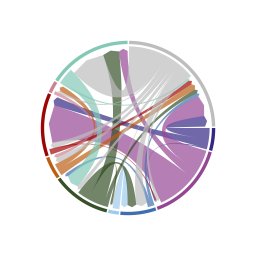
 Laurent Gatto合作论文数Microarray Unit43
 Breckels Lisa M合作论文数Cambridge Ctr Prote, Univ Cambridge37
 Paul Dupree合作论文数Department of Biochemistry, University of Cambridge;School of the Biological Sciences, University of Cambridge30
 Michael J Deery合作论文数29
 Oliver M Crook合作论文数Oxford Protein Informatics Group, University of Oxford26
 Markus Ralser合作论文数Institute of Biochemistry, Charité – Universitätsmedizin Berlin19
 Steve Russell合作论文数Department of Genetics, University of Cambridge/Cambridge Systems Biology Centre, University of Cambridge18
 Karp Natasha A合作论文数Department of Biochemistry, Cambridge University17
 Anne Willis合作论文数Department of Pharmacology, University of Cambridge;MRC Toxicology Unit, University of Cambridge17
 Rayner Myr Lauterjung Queiroz合作论文数16Groen Arnoud J合作论文数16
 Fabre Bertrand合作论文数CNRS IPBS (Institut de Pharmacologie et de Biologie Structurale),, France Université de Toulouse15
 Johanna S Rees合作论文数14Christoforou Andy合作论文数14
 Bart Nicolai合作论文数Flanders Centre of Postharvest Technology;Department Biosystemen, Faculty of Bioscience Engineering, KU Leuven14
 Maarten Hertog合作论文数Flanders Center for Postharvest Technology, KU Leuven;Research Group on Postharvest Technology, Division of Mechatronics, Biostatistics and Sensors, Department of Biosystems, Faculty of Bioscience Engineering, Katholieke Universiteit Leuven14
 Jules Griffin合作论文数Rowett Institute, University of Aberdeen;School of Medicine, Medical Sciences and Nutrition, University of Aberdeen14Mulvey Claire M合作论文数13Nightingale Daniel J H合作论文数From the ‡Cambridge Centre for Proteomics, University of Cambridge;From the ‡Cambridge Centre for Proteomics, University of Cambridge12Dagmara Korona合作论文数11Tom Dunkley合作论文数F Hoffmann La Roche, Roche Innovat Ctr Basel11Eneko Villanueva合作论文数11
 Vadim Demichev合作论文数Charité - Universitätsmedizin11Howard Julie合作论文数11
 Manasa Ramakrishna合作论文数Wellcome Trust Sanger Inst, Canc Genome Project, Hinxton, England10
 Mülleder Michael合作论文数Department of Biochemistry and Cambridge Systems Biology Centre, University of Cambridge10
 Messner Christoph B合作论文数Theoretical Chemistry Division Institute of General, University of Innsbruck10Bond Nicholas合作论文数10
 Steve Oliver合作论文数Department of Biochemistry, University of Cambridge;Cambridge Systems Biology Centre, University of Cambridge10
 David P. Minde合作论文数Bijvoet Center for Biomolecular Research, Utrecht University10
 Robert F Harvey合作论文数9
 Mohamed Elzek合作论文数MRC Toxicology Unit, University of Cambridge9
 Parsons Harriet T合作论文数Joint BioEnergy Institute and Physical Biosciences Division, Lawrence Berkeley National Laboratory9Hester Svenja S合作论文数9
 Claudius Marondedze合作论文数Division of Biological and Environmental Sciences and Engineering, University of Science9
 David B Friedman合作论文数9
 Ludivine Thomas合作论文数Department of Biotechnology, University of the Western Cape9Veronica Dezi合作论文数8
 Josie Christopher合作论文数8
 Mie Monti合作论文数MRC Toxicology Unit, University of Cambridge8Aikaterini Geladaki合作论文数Univ Cambridge, Dept Biochem, Cambridge Ctr Prote, Cambridge, England8
 Norman W. Paton合作论文数School of Computer Science, University of Manchester8
 Christoph Gehring (Chris Gehring)合作论文数Department of Chemistry, Biology & Biotechnology, Universita degli Studi di Perugia8
 Tony Jackson合作论文数Department of Biochemistry, University of Cambridge8Renata Feret合作论文数8Thilo Weimar合作论文数7
 Clara Isabel Mata Martinez合作论文数7
 Aleksej Zelezniak合作论文数Department of Biochemistry and Cambridge Systems Biology Centre, University of Cambridge7Charles Philip D合作论文数7




