Abstract In colorectal cancer (CRC), tumours classified as consensus molecular subtype 4 (CMS4) have the worst prognosis and derive negligible benefit from chemotherapy. We previously described how repressed interferon-related signalling is associated with increased relapse in CMS4 tumours. Although the viral mimetic polyinosinic:polycytidylic acid, poly(I:C), can reduce liver metastasis in vivo, the initial phenotypic changes that underpin its anti-metastatic response remain poorly described, particularly in the immunosuppressed CMS4 tumour microenvironment. Here we characterise lineage-specific anti-metastatic responses induced by poly(I:C), including acute macrophage polarisation and a novel CMS1-like regenerative stem cell state, which drive pro-inflammatory microenvironmental changes in CRC. These insights enabled the development of tractable biomarkers that identify an “immune-warm” patient subset most likely to respond to poly(I:C), enriched for mismatch-repair proficient (pMMR), anti-inflammatory macrophages and CMS4-like features. The viral mimetic poly(I:C) offers a tailored treatment option for poor-prognostic tumours, by reprogramming stem cell states and activation of an innate-adaptive anti-metastatic response.
Tumour content plays a pivotal role in directing the bioinformatic analysis of molecular profiles such as copy number variation (CNV). In clinical application, tumour purity estimation (TPE) is achieved either through visual pathological review [conventional pathology (CP)] or the deconvolution of molecular data. While CP provides a direct measurement, it demonstrates modest reproducibility and lacks standardisation. Conversely, deconvolution methods offer an indirect assessment with uncertain accuracy, underscoring the necessity for innovative approaches. SoftCTM is an open-source, multiorgan deep-learning (DL) model for the detection of tumour and non-tumour cells in H&E-stained slides, developed within the Overlapped Cell on Tissue Dataset for Histopathology (OCELOT) Challenge 2023. Here, using three large multicentre colorectal cancer (CRC) cohorts (N = 1,097 patients) with digital pathology and multi-omic data, we compare the utility and accuracy of TPE with SoftCTM versus CP and bioinformatic deconvolution methods (RNA expression, DNA methylation) for downstream molecular analysis, including CNV profiling. SoftCTM showed technical repeatability when applied twice on the same slide (r = 1.0) and excellent correlations in paired H&E slides (r > 0.9). TPEs profiled by SoftCTM correlated highly with RNA expression (r = 0.59) and DNA methylation (r = 0.40), while TPEs by CP showed a lower correlation with RNA expression (r = 0.41) and DNA methylation (r = 0.29). We show that CP and deconvolution methods respectively underestimate and overestimate tumour content compared to SoftCTM, resulting in 6-13% differing CNV calls. In summary, TPE with SoftCTM enables reproducibility, automation, and standardisation at single-cell resolution. SoftCTM estimates (M = 58.9%, SD +/- 16.3%) reconcile the overestimation by molecular data extrapolation (RNA expression: M = 79.2%, SD +/- 10.5, DNA methylation: M = 62.7%, SD +/- 11.8%) and underestimation by CP (M = 35.9%, SD +/- 13.1%), providing a more reliable middle ground. A fully integrated computational pathology solution could therefore be used to improve downstream molecular analyses for research and clinics. (c) 2024 The Author(s). The Journal of Pathology published by John Wiley & Sons Ltd on behalf of The Pathological Society of Great Britain and Ireland.
Background It is uncertain which biological features underpin the response of rectal cancer (RC) to radiotherapy. No biomarker is currently in clinical use to select patients for treatment modifications. Methods We identfied two cohorts of patients (total N = 249) with RC treated with neoadjuvant radiotherapy (45Gy/ 25) plus fl uoropyrimidine. This discovery set included 57 cases with pathological complete response (pCR) to chemoradiotherapy (23%). Pre-treatment cancer biopsies were assessed using transcriptome-wide mRNA expression and targeted DNA sequencing for copy number and driver mutations. Biological candidate and machine learning (ML) approaches were used to identify predictors of pCR to radiotherapy independent of tumour stage. Findings were assessed in 107 cases from an independent validation set (GSE87211). Findings Three gene expression sets showed signi fi cant independent associations with pCR: Fibroblast-TGF P Response Signature (F-TBRS) with radioresistance; and cytotoxic lymphocyte (CL) expression signature and consensus molecular subtype CMS1 with radiosensitivity. These associations were replicated in the validation cohort. In parallel, a gradient boosting machine model comprising the expression of 33 genes generated in the discovery cohort showed high performance in GSE87211 with 90% sensitivity, 86% speci fi city. Biological and ML signatures indicated similar mechanisms underlying radiation response, and showed better AUC and p-values than published transcriptomic signatures of radiation response in RC. Interpretation RCs responding completely to chemoradiotherapy (CRT) have biological characteristics of immune response and absence of immune inhibitory TGF P signalling. These tumours may be identi fi ed with a potential biomarker based on a 33 gene expression signature. This could help select patients likely to respond to treatment with a primary radiotherapy approach as for anal cancer. Conversely, those with predicted radio resistance may be candidates for clinical trials evaluating addition of immune-oncology agents and stromal TGF P signalling inhibition. Funding The Strati fi cation in Colorectal Cancer Consortium (S:CORT) was funded by the Medical Research Council and Cancer Research UK (MR/M016587/1).
Molecular stratification using gene-level transcriptional data has identified subtypes with distinctive genotypic and phenotypic traits, as exemplified by the consensus molecular subtypes (CMS) in colorectal cancer (CRC). Here, rather than gene-level data, we make use of gene ontology and biological activation state information for initial molecular class discovery. In doing so, we defined three pathway-derived subtypes (PDS) in CRC: PDS1 tumors, which are canonical/LGR5 + stem-rich, highly proliferative and display good prognosis; PDS2 tumors, which are regenerative/ANXA1 + stem-rich, with elevated stromal and immune tumor microenvironmental lineages; and PDS3 tumors, which represent a previously overlooked slow-cycling subset of tumors within CMS2 with reduced stem populations and increased differentiated lineages, particularly enterocytes and enteroendocrine cells, yet display the worst prognosis in locally advanced disease. These PDS3 phenotypic traits are evident across numerous bulk and single-cell datasets, and demark a series of subtle biological states that are currently under-represented in pre-clinical models and are not identified using existing subtyping classifiers.
Background It is uncertain which biological features underpin the response of rectal cancer (RC) to radiotherapy. No biomarker is currently in clinical use to select patients for treatment modifications. Methods We identified two cohorts of patients (total N = 249) with RC treated with neoadjuvant radiotherapy (45Gy/25) plus fluoropyrimidine. This discovery set included 57 cases with pathological complete response (pCR) to chemoradiotherapy (23%). Pre-treatment cancer biopsies were assessed using transcriptome-wide mRNA expression and targeted DNA sequencing for copy number and driver mutations. Biological candidate and machine learning (ML) approaches were used to identify predictors of pCR to radiotherapy independent of tumour stage. Findings were assessed in 107 cases from an independent validation set (GSE87211). Findings Three gene expression sets showed significant independent associations with pCR: Fibroblast-TGFβ Response Signature (F-TBRS) with radioresistance; and cytotoxic lymphocyte (CL) expression signature and consensus molecular subtype CMS1 with radiosensitivity. These associations were replicated in the validation cohort. In parallel, a gradient boosting machine model comprising the expression of 33 genes generated in the discovery cohort showed high performance in GSE87211 with 90% sensitivity, 86% specificity. Biological and ML signatures indicated similar mechanisms underlying radiation response, and showed better AUC and p-values than published transcriptomic signatures of radiation response in RC. Interpretation RCs responding completely to chemoradiotherapy (CRT) have biological characteristics of immune response and absence of immune inhibitory TGFβ signalling. These tumours may be identified with a potential biomarker based on a 33 gene expression signature. This could help select patients likely to respond to treatment with a primary radiotherapy approach as for anal cancer. Conversely, those with predicted radioresistance may be candidates for clinical trials evaluating addition of immune-oncology agents and stromal TGFβ signalling inhibition. Funding The Stratification in Colorectal Cancer Consortium (S:CORT) was funded by the Medical Research Council and Cancer Research UK (MR/M016587/1).
Understanding the mechanisms that facilitate early events in metastatic seeding is key to developing therapeutic approaches to reduce metastasis – the leading cause of cancer-related death. Using whole animal screens in genetically engineered mouse models of cancer we have identified circulating metabolites associated with metastasis. Specifically, we highlight the pyrimidine uracil as a prominent metastasis-associated metabolite. Uracil is generated by neutrophils expressing the enzyme uridine phosphorylase-1 (UPP1), and neutrophil specific Upp1 expression is increased in cancer. Altered UPP1 activity influences expression of adhesion molecules on the surface of neutrophils, leading to decreased neutrophil motility in the pre-metastatic lung. Furthermore, we find that UPP1-expressing neutrophils suppress T-cell proliferation, and the UPP1 product uracil can increase fibronectin deposition in the extracellular microenvironment. Consistently, knockout or inhibition of UPP1 in mice with mammary tumours increases the number of T-cells and reduces fibronectin content in the lung and decreases the proportion of mice that develop lung metastasis. These data indicate that UPP1 influences neutrophil behaviour and extracellular matrix deposition in the lung and suggest that pharmacological targeting of this pathway could be an effective strategy to reduce metastasis. ### Competing Interest Statement The authors have declared no competing interest.
CMS4 colorectal cancer (CRC), based on the consensus molecular subtype (CMS), stratifies patients with the poorest disease-free survival rates. It is characterized by a strong mesenchymal stromal cell (MSC) signature, wound healing-like inflammation and therapy resistance. We utilized 2D and 3D in vitro, in vivo, and ex vivo models to assess the impact of inflammation and stromal cells on immunosuppression in CMS4 CRC. RNA sequencing data from untreated stage II/III CRC patients showed enriched TNF-a signatures in CMS1 and CMS4 tumors. Secretome from TNF-a treated cancer cells induced an immunomodulatory and chemotactic phenotype in MSC and cancer-associated fibroblasts (CAFs). Macrophages in CRC tumours migrate and preferentially localise in stromal compartment. Inflammatory CRC secretome enhances expression of PD-L1 and CD47 on both human and murine stromal cells. We demonstrate that TNFa-induced inflammation in CRC suppresses macrophage phagocytosis via stromal cells. We show that stromal cell-mediated suppression of macrophage phagocytosis is mediated in part through PD-1 signaling. These data suggest that re-stratification of CRC by CMS may reveal patient subsets with microsatellite stable tumors, particularly CMS4-like tumors, that may respond to immunotherapies.
Response to neoadjuvant radiotherapy (RT) in rectal cancer has been associated with immune and stromal features that are captured by transcriptional signatures. However, how such associations perform across different chemoradiotherapy regimens and within individual consensus molecular subtypes (CMS) and how they affect survival remain unclear. In this study, gene expression and clinical data of pretreatment biopsies from nine cohorts of primary rectal tumors were combined (N = 826). Exploratory analyses were done with transcriptomic signatures for the endpoint of pathologic complete response (pCR), considering treatment regimen or CMS subtype. Relevant findings were tested for overall survival and recurrence-free survival. Immune and stromal signatures were strongly associated with pCR and lack of pCR, respectively, in RT and capecitabine (Cap)/5-fluorouracil (5FU)-treated patients (N = 387), in which the radiosensitivity signature (RSS) showed the strongest association. Upon addition of oxaliplatin (Ox; N = 123), stromal signatures switched direction and showed higher chances to achieve pCR than without Ox (p for interaction 0.02). Among Cap/5FU patients, most signatures performed similarly across CMS subtypes, except cytotoxic lymphocytes that were associated with pCR in CMS1 and CMS4 cases compared with other CMS subtypes (p for interaction 0.04). The only variables associated with survival were pCR and RSS. Although the frequency of pCR across different chemoradiation regimens is relatively similar, our data suggest that response rates may differ depending on the biological landscape of rectal cancer. Response to neoadjuvant RT in stroma-rich tumors may potentially be improved by the addition of Ox. RSS in preoperative biopsies provides predictive information for response specifically to neoadjuvant RT with 5FU. SIGNIFICANCE:Rectal cancers with stromal features may respond better to RT and 5FU/Cap with the addition of Ox. Within patients not treated with Ox, high levels of cytotoxic lymphocytes associate with response only in immune and stromal tumors. Our analyses provide biological insights about the outcome by different radiotherapy regimens in rectal cancer.
RFS and OS outcomes in combined Grampian and GSE87211 cohorts (Cap+RT/5FU+RT subjects)
Background Colorectal cancer (CRC) is the 3rd leading cause of cancer related deaths worldwide despite recent improvement in treatment options. CRC patients with mesenchymal stromal cell (MSC) rich tumours (CMS4 subtype) have the lowest survival rates and show high levels of immunosuppression and treatment resistance. However, the role MSCs play in tumour promotion, in particular, their interaction with macrophages, which are the most abundant immune cell in CRC, is not fully understood. Methods Bioinformatics analysis of 433 primary CRC tumours assessed by microarray was used to determine transcriptional changes in CMS4 changes. These transcriptional changes were then further investigated using complex 2D conditioning and co-culture systems in but mouse and human. Primary MSC were isolated from CRC patient tumours and expanded ex vivo. A 3D Gelatin methacrylate hydrogel model of CMS4 like tumours was developed. This 3D model combine HCT116 cancer cells, THP1 monocyte cell line and bone marrow derived MSC. Results In stromal rich CMS4 tumours, we observed an enhanced TNF-α signalling signature. MSCs were conditioned with inflammatory tumour cells secretome (iTCS), and we observed an increased expression of PD-L1 and CD47 by both RNA-seq and flow cytometry. Analysis of primary CRC patient tumours revealed higher numbers of macrophages in the stromal compartment CRC. Conditioned MSCs were co-cultured with macrophages and reduced MHC-II and TNF-α expression, increased CD206 expression, and suppressed phagocytic function in macrophages was observed. Blocking PD-1, the receptors for PD-L1, on macrophages, restored macrophage phagocytosis levels in these cultures. Using the 3D CMS4 like model, we could show that addition of MSCs to the culture system increased the secretion of MIF, SerpinE1, IL-8, CXCL12 and CXCL1, increased the transcription of extracellular matrix remodelling genes while also increasing cancer cell expression of EGFR, supporting tumour growth and proliferation. Conclusions These results show that tumour associated MSCs alter macrophage function and promote tumour immune evasion in 2D and 3D models. Using physiologically relevant models we show that stromal cells enhance cell surface and secreted immunomodulatory molecule expression in the tumour microenvironment. These findings and experimental models may suggest novel therapeutic targets for patients with MSC rich tumours and improve treatment stratification of patients for immunotherapy treatment. Ethics Approval CRC patient samples were obtained from patients undergoing colon tumour resection at University Hospital Galway under an ethically approved protocol (Clinical Research Ethics Committee, Ref: C.A. 2074). Written informed consent was obtained from all patients prior to collection.
PDF file - 179K, Effect of AXL siRNA on migration, proliferation and survival of CRC cells.
PDF file - 223K, Univariate and multivariate analyses for OS, DSS, DFS and AXL-LOW and AXL-HIGH in stage II/III CRC group (publicly-available CRC microarray dataset).
Supplementary Figure from Biological Misinterpretation of Transcriptional Signatures in Tumor Samples Can Unknowingly Undermine Mechanistic Understanding and Faithful Alignment with Preclinical Data
PDF file - 213K, Migration, proliferation rates and RTK profiling of HCT116 parental and invasive cells.
PDF file - 133K, Clinicopathological features of the colorectal cancer patient cohort.
Immunosuppressive tumor microenvironments (TMEs) reduce the effectiveness of immune responses in cancer. Mesenchymal stromal cells (MSCs), precursors to cancer-associated fibroblasts (CAFs), promote tumor progression by enhancing immune cell suppression in colorectal cancer (CRC). Hyper-sialylation of glycans promotes immune evasion in cancer through binding of sialic acids to their receptors, Siglecs, expressed on immune cells, which results in inhibition of effector functions. The role of sialylation in shaping MSC/CAF immunosuppression in the TME is not well characterized. In this study, we show that tumor-conditioned stromal cells have increased sialyltransferase expression, α2,3/6-linked sialic acid, and Siglec ligands. Tumor-conditioned stromal cells and CAFs induce exhausted immunomodulatory CD8+ PD1+ and CD8+ Siglec-7+/Siglec-9+ T cell phenotypes. In vivo, targeting stromal cell sialylation reverses stromal cell-mediated immunosuppression, as shown by infiltration of CD25 and granzyme B-expressing CD8+ T cells in the tumor and draining lymph node. Targeting stromal cell sialylation may overcome immunosuppression in the CRC TME.
Role of p53, Src family kinases and RAS/MAPK pathway in regulating EphA2 expression levels.
 Philip Dunne合作论文数Centre for Cancer Research and Cell Biology, Queen's University Belfast54
 Manuel Salto-Tellez合作论文数School of Medicine, Dentistry and Biomedical Sciences27
 Sandra Van Schaeybroeck合作论文数26
 Patrick G Johnston合作论文数24
 Tim Maughan合作论文数Department of Oncology, Medical Sciences Division, University of Oxford;Institute of Systems, Molecular and Integrative Biology, University of Liverpool24
 Darragh G Mcart合作论文数24
 Jaine K. Blayney合作论文数School of Medicine,Dentistry and Biomedical Sciences,Queen's University23Ken Arthur合作论文数22Chee Wee Ong合作论文数21
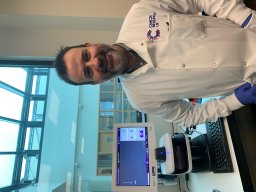 Daniel B. Longley合作论文数Centre for Cancer Research and Cell Biology, Queen's University Belfast21
 Supriya Srivastava合作论文数Department of Pathology, National University Health System21
 Maurice B. Loughrey合作论文数Queen's University Belfast;Royal College of Pathologists20Enric Domingo合作论文数Cardiology Department, Hospital General Universitari Vall d’Hebron19
 Susan D Richman合作论文数19Wang Tingting合作论文数18
 Simon Leedham合作论文数Nuffield Department of Medicine, University of Oxford;University Hospitals Oxford;The Queen's College, University of Oxford17
 Mark Lawler合作论文数School of Medicine, Dentistry and Biomedical Sciences, Queen’s University Belfast16
 Ian Tomlinson合作论文数Department of Oncology, Medical Sciences Division, University of Oxford15
 Viktor Kölzer合作论文数Computational & Translational Pathology Lab, University of Basel;Institute of Medical Genetics and Pathology, University Hospital Basel;University of Zurich14
 Murugan Kalimutho合作论文数Mater Research14Greer Samanda合作论文数13
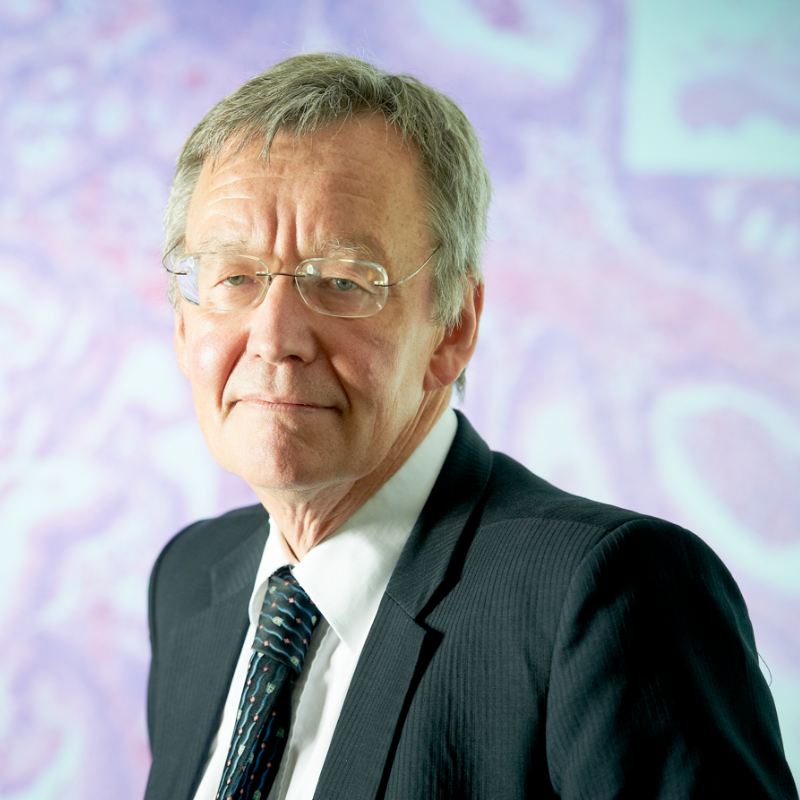 Philip Quirke合作论文数School of Medicine, Faculty of Medicine and Health, University of Leeds;Yorkshire Cancer Research13
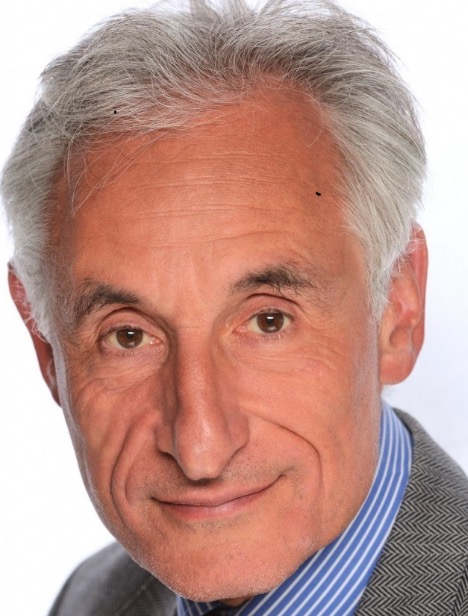 Andrew Blake合作论文数Clare Hall, University of Cambridge;Iconic;Mantle Labs12
 Sudhir Malla合作论文数Patrick G Johnston Ctr Canc Res, Queens Univ Belfast10Leslie M Samuel合作论文数10Jessica-Anne Weir合作论文数9Aikaterini Chatzipli合作论文数9
 Owen Sansom合作论文数School of Cancer Sciences, University of Glasgow;Institute of Cancer Sciences, Beatson Institute for Cancer Research9
 Raheleh Amirkhah合作论文数College of Science, University of Tehran9Bradley Conor A合作论文数9
 Takehiko Sasazuki (笹月健彦)合作论文数Institute for Advanced Study, Kyushu University9Senji Shirasawa合作论文数Fukuoka University9
 Ultan Mcdermott合作论文数Street9Sonali Dasgupta合作论文数8
 Graeme Murray合作论文数8Richard H Wilson合作论文数8
 Nick West合作论文数School of Chemistry and Molecular Biosciences, Faculty of Science, The University of Queensland8
 Kerr Emma M合作论文数7
 Matt Seymour合作论文数School of Medicine, University of Leeds7
 Aideen Ryan合作论文数School of Medicine, University of Galway7Michael Youdell合作论文数6Natalie C Fisher合作论文数6Shania M Corry合作论文数6Aoife J McCooey合作论文数6Niamh Leonard合作论文数6
 Sanjay Rathee合作论文数University of Cambridge6Begum Rubina合作论文数6
 David Sebag-Montefiore合作论文数University of Leeds6Simon Gollins合作论文数6




