Supplementary Table 2: Differentially expressed gene list contrasting tumour region of origin between Central Tumor and Invasive Front. Supplementary Table 3: Differentially expressed gene list contrasting tumour region of origin between CT-LN. Supplementary Table 4: Differentially expressed gene list contrasting tumour region of origin between LN-IF.
Role of p53, Src family kinases and RAS/MAPK pathway in regulating EphA2 expression levels.
Combination of SAHA with IR in H460 and A549 cells using different treatment schedules
Supplementary table 1. Clinical-pathological features of the resection-only and chemotherapy/resection stage II/III colorectal cancer patient cohorts with mature survival data in the Singapore dataset. Supplementary table 2. EphA2 and clinical-pathological correlates in CRC. Correlation between EphA2 and CD44, LGR5, CD133, Ki-67 and AXL in 509 stage I-IV CRC cases of the Singapore dataset. Supplementary table 3. Statistical associations between pairs of factors in the surgery only (A) and surgery/chemotherapy (B) stage II/III groups in the Singapore dataset. Supplementary table 4. A. Univariate and multivariate analysis (Cox proportional hazards regression) of resection-chemotherapy stage II/III patient group. B. Final multivariate model (Cox proportional hazards regression) of resection-chemotherapy stage II/III patient group. Supplementary table 5. Statistical association between expression levels of TGF-α and EphA2 using Spearman's Rank Correlation in GSE17536, GSE39582, GSE14333 and The Cancer Genome Atlas (TCGA). Within each dataset the value of Rho and associated p-value is reported.
In a study published in Cell, Dong et al. employ a genome-scale CRISPR screening approach to identify both known and previously uncharacterized regulators of CD8+ T cell activity, highlighting the utility of this approach for immunotherapeutic target discovery.
In a study published in Cell, Riquelme et al. unravel intratumoural microbial events associated with long-term survival in pancreatic ductal adenocarcinoma and illustrate that tumour microbiome composition, which is influenced by gut–tumour microbial crosstalk, influences the host immune response and natural history.
NaTuRe RevIeWS | CliniCal OnCOlOgyIn 2016, KeYNoTe-024 established the superior efficacy of first-line pembrolizumab over chemotherapy for metastatic non-small-cell lung cancer (NSClC) with a programmed cell death 1 ligand 1 (PD-l1) tumour proportion score (TPS) ≥50%.Now, overall survival (oS) data from the second interim analysis of KeYNoTe-042, which investigated the efficacy of pembrolizumab in patients with a lower PD-l1 TPS, have been reported.The phase III trial enrolled 1,274 patients with previously untreated, PD-l1-positive (TPS ≥1%), locally advanced or metastatic NSClC without a sensitizing EGFR or ALK alteration.Patients were randomized 1:1 to receive pembrolizumab or platinum-based chemotherapy.The primary end point was oS across three predefined subgroups (TPS ≥50%, ≥20% and ≥1%).At a median follow-up duration of 12.8 months, oS was significantly longer in patients receiving pembrolizumab than in those receiving chemotherapy across all PD-l1 subgroups (TPS ≥50% HR 0.69, 95% CI 0.56-0.85,P = 0.0003; TPS ≥20% HR 0.77, 95% CI 0.64-0.92,P = 0.0020; TPS ≥1% HR 0.81, 95% CI 0.71-0.93,P = 0.0018).median oS for pembrolizumab versus chemotherapy was 20.0 versus 12.2 months, 17.7 versus 13.0 months and 16.7 versus 12.1 months for the TPS ≥50%, ≥20% and ≥1% subgroups, respectively.Any grade (63% versus 90%) and grade ≥3 (18% versus 42%) treatment-related adverse events (TRAEs) were lower with pembrolizumab.In each arm, TRAEs led to death in 2% and to treatment discontinuation in 9% of patients.Overall, these findings have led the FDA to extend the indication for pembrolizumab to patients with a PD-l1 TPS as low as 1%.
 Patrick G Johnston合作论文数22
 Sandra Van Schaeybroeck合作论文数16
 Manuel Salto-Tellez合作论文数School of Medicine, Dentistry and Biomedical Sciences15
 Philip Dunne合作论文数Centre for Cancer Research and Cell Biology, Queen's University Belfast14
 Ken Arthur合作论文数13
 Darragh G Mcart合作论文数13
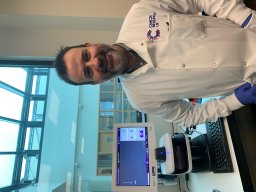 Daniel B. Longley合作论文数Centre for Cancer Research and Cell Biology, Queen's University Belfast10Jessica-Anne Weir合作论文数9
 Keara L Redmond合作论文数9Sonali Dasgupta合作论文数8Richard H Wilson合作论文数8Chee Wee Ong合作论文数8
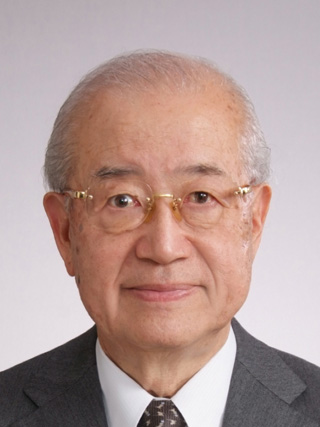 Takehiko Sasazuki (笹月健彦)合作论文数Institute for Advanced Study, Kyushu University8Senji Shirasawa合作论文数Fukuoka University8Jaine K. Blayney合作论文数School of Medicine,Dentistry and Biomedical Sciences,Queen's University8
 Supriya Srivastava合作论文数Department of Pathology, National University Health System8Joanna Majkut合作论文数7
 Luke Humphreys合作论文数7Fenning Catherine合作论文数7Higgins Catherine A合作论文数Centre for Cancer Research and Cell Biology (CCRCB),, Queens University Belfast7
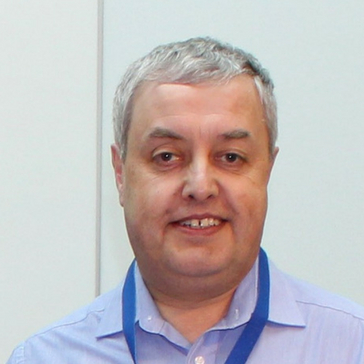 Kevin M. Prise合作论文数School of Medicine, Dentistry & Biomedical Sciences, Queen's University Belfast7Wang Tingting合作论文数7
 Zsuzsanna Németh合作论文数2nd Department of Pathology, Semmelweis University7
 Gerry Hanna合作论文数School of Medicine, Dentistry and Biomedical Sciences, Queen's University of Belfast;Trinity College Dublin, The University of Dublin;St James's Hospital Dublin;University of Melbourne7
 Nyree Therese Crawford合作论文数7
 Karl T Butterworth合作论文数7Holohan Caitriona合作论文数Centre for Cancer Research and Cell Biology, Queen's University Belfast6Timothy Harrison合作论文数6
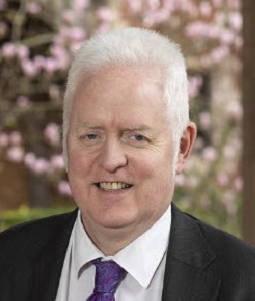 Mark Lawler合作论文数School of Medicine, Dentistry and Biomedical Sciences, Queen’s University Belfast6Izabela Stasik合作论文数6Tony O'Grady合作论文数4Helen L Barrett合作论文数4Robert Cummins合作论文数4
 Paul O'Reilly合作论文数4
 David Waugh合作论文数University of South Australia;School of Biomedical Sciences, Queensland University of Technology;Centre for Cancer Research and Cell Biology, Queen's University Belfast4
 Simon S McDade合作论文数School of Medicine, Dentistry and Biomedical Sciences, Queen's University Belfast4Wendy Allen合作论文数Queens University Belfast4
 Peter W. Hamilton合作论文数4
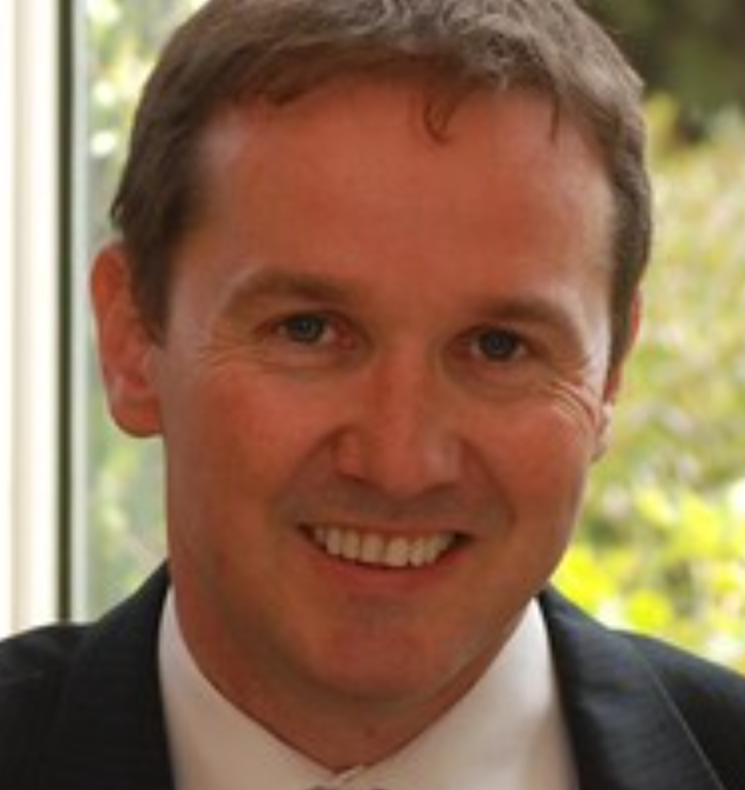 Maurice B. Loughrey合作论文数Queen's University Belfast;Royal College of Pathologists4Elaine W. Kay合作论文数4
 Stephen McQuaid合作论文数NIB2Elaine Hamilton合作论文数1alan kolkemo合作论文数1
 Martin Murtagh合作论文数Sch Mech & Aerosp Engn, Queens Univ Belfast1
 Hajrah Khawaja合作论文数1Charles Stuart合作论文数Trinity College Dublin1Victoria Bingham合作论文数1
 Tingting Wang合作论文数1
 Christian Rolfo合作论文数Center for Thoracic Oncology, The Tisch Cancer Institute, Icahn School of Medicine at Mount Sinai;New Westminster College;University of Antwerp;Spanish Lung Cancer Group - Clinical research1




