As extreme wildfires increase globally, understanding their causes is critical for effective management. While climate and housing growth are commonly linked to rising fire activity, the role of specific ignition sources—particularly human-caused—remains understudied. Analyzing a 79-year dataset (1940–2019) from U.S. Forest Service regions across the continental United States, we found that different ignition sources in different regions have been a major driver of wildfire trends, accounting for 60%–80% of the interannual variation in fire frequency and approximately 20% in area burned across most U.S. regions. Lightning and campfires were the dominant sources in western regions, while arson drove fire activity east of the Mississippi River. Trends also varied significantly by region and over time, with housing growth explaining more in terms of fire frequency and climate primarily influencing area burned. Importantly, frequent fires often originated from different sources than those causing the largest areas burned. Prevention of human-caused ignitions, such as campfires and arson, could offer efficient and effective strategies to mitigate wildfire impacts on human and natural systems under changing climate and land-use conditions.
The evolutionary topic we examine here is whether species determine the environment (bottom-up) or if environments shape plant traits (top-down). For the environment, we focus on the fire regime. Many forests are subject to either frequent low-intensity surface fires or less frequent but high-intensity crown fires. What are the ultimate factors controlling these fire regimes? The top-down model proposes that environmental factors controlling productivity and ignitions shape fire regimes; the bottom-up model attributes them to different plant assemblies. In boreal forests, it is assumed that, because of the similar climate, forests of North America and Eurasia undergo distinct fire regimes (crown-fire and surface-fire regimes, respectively) due to bottom-up forces. We tested the hypothesis that fire regimes are primarily controlled by top-down factors by selecting congeneric species of Pinus and Picea from both continents. Plots dominated by each species were studied using remote sensing data. We then compared environmental conditions where the species occur and found that Eurasian tree species occur in warmer and more productive environments than North American tree species. Our results support the top-down model, which suggests that environmental factors control the surface- versus crown-fire regime in boreal forests.This article is part of the theme issue 'Novel fire regimes under climate changes and human influences: impacts, ecosystem responses and feedbacks'.
PREMISE:Coast redwood (Sequoia sempervirens) and giant sequoia (Sequoiadendron giganteum) are two iconic paleoendemic species with limited distributions, well known for their spectacular size. Recently, they have been exposed to high-severity crown fires, with starkly contrasting responses. METHODS:We used all available published literature and field observations to understand the responses to fire in an evolutionary context. RESULTS:Coast redwoods, found in California's coastal rainforests, were highly resilient to high-severity fires, with most trees surviving due to their ability to resprout from the base and trunk, though seedling regeneration was largely lacking. In contrast, giant sequoias, native to the Sierra Nevada, do not resprout, leading to significant tree mortality after very high-severity fires; they released seeds only in patches where some trees survived moderately high-severity fires. CONCLUSIONS:These high-severity fires were novel events for giant sequoias, but not for coast redwoods. Fire suppression has disrupted the natural fire regime in the giant sequoia ecosystem by preventing frequent lightning-caused surface fires, resulting in high-severity fires that killed a substantial number of these giants. In coast redwood forests, infrequent but high-severity crown fires were the norm before burning by Native Americans. Frequent, low-severity burning by Native Americans over the past few hundred years was localized and 20th-century fire suppression has returned the natural fire regime to these forests. The recent crown fires do not represent a threat to redwood conservation; however, other management goals may require emulating Native American burning practices and in some cases may be best termed cultural restoration.
Background Autumn and winter Santa Ana Winds (SAW) are responsible for the largest and most destructive wildfires in southern California. Aims (1) To contrast fires ignited on SAW days vs non-SAW days, (2) evaluate the predictive ability of the Canadian Fire Weather Index (CFWI) for these two fire types, and (3) determine climate and weather factors responsible for the largest wildfires. Methods CAL FIRE (California Department of Forestry and Fire Protection) FRAP (Fire and Resource Assessment Program) fire data were coupled with hourly climate data from four stations, and with regional indices of SAW wind speed, and with seasonal drought data from the Palmer Drought Severity Index. Key results Fires on non-SAW days were more numerous and burned more area, and were substantial from May to October. CFWI indices were tied to fire occurrence and size for both non-SAW and SAW days, and in the days following ignition. Multiple regression models for months with the greatest area burned explained up to a quarter of variation in area burned. Conclusions The drivers of fire size differ between non-SAW and SAW fires. The best predictor of fire size for non-SAW fires was drought during the prior 5 years, followed by a current year vapour pressure deficit. For SAW fires, wind speed followed by drought were most important.
PremiseCeanothus (Rhamnaceae) is a large genus of shrubs that dominate California chaparral and are resilient to fires. Persistence is ensured by resprouting and/or seedling recruitment from dormant seed banks. Some species do both and others, the obligate seeders, are entirely dependent on seedling recruitment. The distribution of these two modes within the genus is poorly documented.MethodsWe used all available publications that document species responses to fire and filled most gaps in the literature based on extensive field studies of more than 60 recent wildfires in California.ResultsThe genus is divided into two subgenera, Ceanothus and Cerastes. Ceanothus is widely considered to comprise mostly resprouting species and Cerastes to consist of only obligate seeders. The subgenus Ceanothus includes resprouting species throughout their range from the eastern United States and Midwest to western United States. Within the California Floristic Province (CFP), a few species are unique in producing massive lignotubers that develop from repeated fires; however, within the CFP, the majority of species in this subgenus do not resprout and are obligate seeders. Two have disjunct subspecies that are facultative seeders or obligate seeders.ConclusionsPreviously, speciation in this genus was contended to have occurred in the late Miocene within the CFP. The syndrome of obligate seeding is most strongly represented in this region, and we hypothesize that evolution of this syndrome was a response to increased predictability of fire driven by the Mediterranean climate and the long interval between fires.
'I would rather discover one cause than gain the kingdom of Persia'. Democritus (460–370 bc) 'Data do not understand causes and effects; humans do'. Pearl & Mackenzie (2018) The increasing availability of global-scale data on plant traits (e.g. Kattge et al., 2020), species distribution (e.g. GBIF.org), climate variables (e.g. Fick & Hijmans, 2017), sophisticated numerical methods (e.g. machine learning tools, R packages) and computing power (e.g. cloud computing) has enabled researchers to understand our biosphere in an unprecedented manner (Farley et al., 2018). However, these techno-scientific advances come with a cost. Researchers with sufficient technical skills in data management can now study global patterns and produce numerically sophisticated and apparently robust papers, without a clear hypothesis to test nor attempt to interpret any patterns from a mechanistic perspective. In addition, these broad-scale analyses tend to use the most readily available data rather than necessarily the most relevant data. This is further fuelled by the growing culture that values 'fast' science over research that may take years to complete (the publish-or-perish culture; Sarewitz, 2016). As a consequence, there is an increase in research based on correlating 'everything' to see if any patterns emerge, instead of a hypothesis-driven approach (see Calude & Longo, 2017 for examples of spurious correlations). An outcome for plant ecology is that key factors in determining plant fitness, such as fire regime, light availability, herbivory, pollinator availability and other biotic interactions, are underconsidered in broad-scale studies, as they are less available than climate information, in particular. This is exacerbated by the long-standing belief that climate is the major factor shaping ecological patterns (Pausas & Bond, 2019; Brown et al., 2023). Studying global-scale patterns also tends to hide biological mechanisms, as these act at local scales and may vary across environments; thus, broad-brush approaches may mask key local processes. In this letter, we highlight the potential for broad-scale correlative studies that ignore mechanisms to hinder progress in ecology. We specifically focus on seed dormancy, but we also provide a few other recent examples to illustrate that this is currently a general problem in ecological studies. Recent studies using thousands of species and millions of records have concluded that seed dormancy is an adaptive strategy for plants living under seasonal climates (Rubio de Casas et al., 2017; Wyse & Dickie, 2018; Zhang et al., 2022; Rosbakh et al., 2023 – all published in New Phytologist). Note here that the information available in large databases is for seed dormancy types that reflect prolonged (multi-year) dormancy (inherent or true dormancy; Baskin & Baskin, 2014) and not for temporary dormancy that may be imposed by within-year adverse environmental conditions. These studies have consistently emphasized that physical dormancy (hard seeds) is linked to strong seasonal fluctuations. This conclusion is derived from correlations between species-specific seed dormancy records from global databases and annual climatic data (precipitation and temperature seasonality from global climate maps) using species locations (from GBIF.org). However, there are problems in expecting dormancy to be selected for as an adaptive response solely to climate seasonality (i.e. predictable intra-annual variation). The question arises as to why seeds would adapt to survive for many years in the soil seed bank (seed dormancy) if there is predictable intra-annual variation? They could simply germinate once mild temperatures and soil moisture were restored in the next favourable season (environmentally induced dormancy; Pausas et al., 2022; Pausas & Lamont, 2022) – but they do not. Seed dormancy is not an adaptation to intra-annual variability but to the presence of strong and unpredictable inter-annual variability (Cohen, 1966; Philippi, 1993; Venable, 2007). In this case, dormancy functions as a bet-hedging mechanism that allows seeds to remain dormant over a number of years, reducing year-to-year variation in fitness should germination be induced every year, and instead taking advantage of exceptionally good years for seedling recruitment. Since the correlation between seed dormancy and seasonal climates has no clear causal basis, one must consider what other factors might drive this relationship. For example, many ecosystems with seasonal climates are fire-prone. Fire provides both a mechanism for dormancy release (via heat or smoke) and creates conditions (postfire) that are optimal for germination and establishment (low competition, high resource availability, minimal predation, low pathogen load). There is much experimental evidence to show that fire-type temperatures (i.e. greatly exceeding summer temperatures) increase germination of many species with physical dormancy, whereas hot summers do not (Fig. 1). Experimental evidence also shows that scarification (simulating fire heat) greatly increases germination compared with changes in season (Ruiz-Talonia et al., 2023; Supporting Information Fig. S1). Thus, fire-induced dormancy release increases plant fitness as it is uniquely synchronized with optimal germination conditions (best-bet strategy; Pausas et al., 2022). Therefore, the underlying driver of the correlation of seed dormancy with a seasonal climate may be because the vegetation in strongly seasonal climates is also the most fire-prone (Keeley et al., 2012; Lamont, 2022); thus, fire provides a more plausible mechanism to select for prolonged seed dormancy than climate seasonality. By contrast, a recent correlative study concluded that the fire regime has little to do with seed dormancy and that macroclimate variables were the most (statistically) significant (Rosbakh et al., 2023). However, this study has several conceptual drawbacks. Specifically, for the fire regime variable they considered a single parameter, potential fire season length (PFSL, defined as the average number of months with climatic conditions prone to fire, obtained from Senande-Rivera et al., 2022), a variable not considered as a standard descriptor of the fire regime as it is indirect. It is unclear which of the components of the fire regime this variable is supposed to represent; furthermore, fire regime components are not necessarily correlated, preventing use of a single descriptor (Archibald et al., 2013; Pausas, 2022). Potential fire season length provides no clues about such important components as fire frequency and season in which it occurs, nor about postfire conditions and seedling fitness. The authors do not provide a mechanism linking PFSL with dormancy release. Thus, the use of the term 'fire regime' in the title of Rosbakh et al. (2023) is misleading; they have not considered the range of fire variables that are known to describe the fire regime, whereas they used a wide range of variables to describe the climate regime. The analysis by Rosbakh et al. (2023) is then developed from their contention that seed dormancy is most adaptive in areas with the longest fire season (i.e. tropical ecosystems, Fig. S2). However, fires in tropical grasslands are so frequent that fire-released seed dormancy is almost redundant, whereas it is common in Mediterranean shrublands where fire is highly stochastic but guaranteed within the lifespan of the seeds (Keeley, 1991; Lamont, 2022; Pausas & Lamont, 2022). Fire type (crown or surface) and season of the fire (e.g. after the dry winter in savannas; after the wet spring in Mediterranean regions) are likely to be more important than the length of the fire season, as they are related to both fire frequency and intensity; and fire season matches with the germination phenology of the corresponding floras (Lamont et al., 2022; Pausas & Lamont, 2022). It is also important to note that different species in fire-prone vegetation may have different strategies for surviving and reproducing at a given site. For instance, the fact that physical seed dormancy is strongly linked (causally, not just statistically) to high-intensity fires does not mean that all or most species in fire-prone ecosystems must possess physical seed dormancy. Only a subset of Mediterranean species has this trait, whereas many have other strategies for dealing with fire (e.g. smoke-released dormancy, resprouting, thick bark, serotiny). Therefore, physical seed dormancy does not need to be dominant nor the only trait adapted to the historical fire regime. Of course, high-intensity fires are not the only driver selecting for physical seed dormancy as it increases seed longevity generally (e.g. for ensuring survival of frost, exceptional summer heat, digestion), and global analyses may well fail to capture fire regime as a key variable. But what is important is that there is a mechanism that explains the selection for seed dormancy in seasonal ecosystems with intense crown fires: in ecosystems with prolonged hot, dry summers and intense crown fires that create huge swathes of colonizable patches, physical dormancy of seeds whose dormancy can be broken by heat is clearly adaptive (Pausas et al., 2022; Pausas & Lamont, 2022). We are not against broad-scale analyses and synthesis, nor against correlative studies as an essential first step in research, but when the results lack a biological basis (e.g. inherent seed dormancy is adaptive in seasonal climates) then they may impede the identification of key ecological processes. The overemphasis on climate and lack of testing alternative hypotheses to environmental factors is not exclusive to seed ecology. For instance, global patterns of species diversity are often based on correlative analyses with climate (Currie et al., 2004; Peters et al., 2016; Coelho et al., 2023). This is despite the presence of other possible candidates, that may or may not be correlated with climate, that directly affect the fitness of species (e.g. stochastic disturbances, soil fertility, physiographic features, mutualists and herbivores) and contribute to explaining species richness at both local (Huston, 1994; He et al., 2019) and broad scales (Pausas & Ribeiro, 2017; Brundrett, 2021; Moritz et al., 2023). Trait ecology is also prone to these pitfalls (Fig. S3). For instance, wood density in trees is a trait likely shaped by multiple factors; increased wood strength as a response to disturbances, such as cyclonic winds, could be a key factor in some regions (Curran et al., 2008; Dantas & Pausas, 2022), and the role of dense wood in fire tolerance and epicormic bud insulation appears important among some fire-prone lineages (Burrows, 2002). However, a recent global analysis (based on 36 000 samples and sophisticated machine learning methods) failed to consider any disturbance-related variable among the 79 examined (Yang et al., 2024). Species distributions are also typically explained at the macroclimate scale only, despite the existence of alternative drivers (Schwilk & Keeley, 2012; Pausas & Bond, 2021). A recent example is the prediction of African vegetation using a plant growth model applied to species distribution and climate variables (Higgins et al., 2023). While the model may correctly predict some current vegetation, it fails to incorporate the most important ecological mechanisms that shaped African vegetation, such as large herbivores and frequent fires (Bond, 2019; Owen-Smith, 2021). Exclusion experiments show that these massive plant consumers drastically change vegetation composition and structure (Venter et al., 2018; Pellegrini et al., 2021; Beckett et al., 2022). We need mechanistic models that incorporate understanding of how ecosystems work in order for such models to be useful predictive tools. Global analyses are an ambitious endeavour to find universal rules, but it needs to be appreciated that such rules may fail at identifying mechanisms that create broad-scale patterns if likely causal variables are not included in the first place, and when they are defined by multiple factors. Most critically, such a broad-scale approach may even hide key local ecological processes (Fig. S3); more integration between broad-scale description and hypothesis-based studies is needed. Furthermore, hypothesis-driven science cannot be replaced by computer mining of immense databases; the scientific method can be enriched by the use of large databases but not replaced by it. If ecology aims to be a predictive science, we should focus more on a mechanistic understanding than on describing correlations with vast amounts of data. And this is important as technologies become more accessible to everyone. The current rise of artificial intelligence (AI) tools may exacerbate this problem through the illusion of understanding (Messeri & Crockett, 2024). Alternatively, AI may help to investigate critical variables that differ from climate and soils at broad scales and to overcome some of the research biases. In addition, carefully crafted, comparatively based and prolonged field observations are the key to understanding natural phenomena and need to be fully promoted (Nanglu et al., 2023). We thank Robin Stewart and Tom Parker for comments on the manuscript. This research has been performed under the framework of the projects FocScales (Promteo/2021/040, Generalitat Valenciana) and DISTEPIC (PID2022-141530NB-C21, Ministerio de Ciencia e Innovación, Spain). Any use of trade, product or firm names is for descriptive purposes only and does not imply endorsement by the USA Government. None declared. JGP initiated the project, analysed the data, and wrote the first version of the manuscript. BBL, JEK and WJB contributed ideas, examples and edits to the final text. Fig. S1 Germination of six hard-seeded Australian species under control conditions and after scarification. Fig. S2 Relationship between the potential fire season length and latitude for the Northern and Southern hemispheres. Fig. S3 Many ecological patterns depend on the scale. Please note: Wiley is not responsible for the content or functionality of any Supporting Information supplied by the authors. Any queries (other than missing material) should be directed to the New Phytologist Central Office. Please note: The publisher is not responsible for the content or functionality of any supporting information supplied by the authors. Any queries (other than missing content) should be directed to the corresponding author for the article.
The idea that fire acts as an evolutionary force contributing to shaping species traits started a century ago, but had not been widely recognized until very recently. Among the first to realize this force were Edward B. Poulton, R. Dale Guthrie, and Edwin V. Komarek in animals and Willis L. Jepson, Walter W. Hough, Tom M. Harris, Philip V. Wells, and Robert W. Mutch in plants. They were all ahead of their time in their evolutionary thinking. Since then, evolutionary fire ecology has percolated very slowly into the mainstream ecology and evolutionary biology; in fact, this topic is still seldom mentioned in textbooks of ecology or evolution. Currently, there is plenty of evidence suggesting that we cannot understand the biodiversity of our planet without considering the key evolutionary role of fire. But there is still research to be done in order to fully understand fire's contribution to species evolution and to predicting species responses to rapid global changes.
Native bunchgrass communities dominated by Stipa pulchra are widely distributed in California but share dominance with non‐native annual grasses. Restoration of these grasslands focuses on altering the balance of native to non‐native grasses to favor the former. This study investigated the impact of burning on vegetation recovery. In the first postfire year burning showed a 70% reduction in cover of non‐native annual grasses ( Bromus diandrus exhibited the greatest reduction) and minimal impact on S. pulchra recovery. In the following 3 years, S. pulchra recovered to levels comparable to controls, whereas the annual grasses remained below control levels until the fifth year. Also, in response to reduced annual grass cover on burned sites several species of non‐native Erodium increased from 10 to 30% relative cover, however, the low growth form of these forbs presented a less competitive threat to bunchgrasses than the non‐native annual grasses, and by the third postfire year returned to near control levels. The rare native geophyte Brodiaea kinkiensis was present throughout these grasslands and was not inhibited by burning treatments. To document the reliability of these patterns a second prescription burn was conducted on these sites 5 years after the first burn and vegetation recovery followed for the subsequent 4 years. Patterns observed after the first burn were duplicated following the second burn. The cover of S . pulchra varied in response to precipitation, with the 95% credible intervals of precipitation parameters overlapping zero, however, the cover of non‐native grasses varied greatly with precipitation and had similar trajectories in unburned and burned plots.
There is no conflict of interest. Seedling and resprout data (Keeley, 2023) are available in the USGS ScienceBase Catalog at https://doi.org/10.5066/P9713QT4. Fire history data were from annual reports known as Redbooks obtained from CAL FIRE downloaded from https://www.fire.ca.gov/stats-events/.
Wildfires are a major disturbance in forest ecosystems around the world and may lead to changes in vegetation succession trajectories. This study examined the impact of time since wildfires on the successional gradients of the degraded Zagros semi-arid oak forest in Iran. Here, we investigated the role of soil seed bank in postfire understory vegetation successional trajectories after wildfires and how time-since-fire influenced plant recovery of this disturbed site. Three adjacent high severity burned areas with different fire histories and the same physiographic conditions were considered. In sampling, we surveyed both aboveground understory vegetation and soil seed bank in all the 96 plots taken along the transects of each area. Soil samples were also collected from each plot and physicochemical properties were analysed in the laboratory. Species composition in the seed bank showed divergent successional trajectories compared to the aboveground vegetation after wildfire. The diversity of soil seed banks followed a gradual decrease, while aboveground understory plants revealed an increasing trend of diversity over time. In addition, the physical and chemical composition of soils was significantly altered by fire. This study presents important insights into soil seed bank dynamics compared to the corresponding aboveground vegetation during postfire succession. The observed changes in diversity and vegetation composition after wildfire can give important insights to management strategies involving prescribed fire in the restoration efforts of highly disturbed semiarid oak forest.
As human impacts from wildfires mount, there is a pressing need to understand why structures are lost in destructive fires. Despite growing research on factors contributing to structure loss, fewer studies have focused on why some fires are destructive and others are not. We characterized overall differences between fires that resulted in structure loss (“destructive fires”) and those that did not (“non-destructive wildfires”) across three California regions. Then, we performed statistical analyses on large fires only (≥100 ha) to distinguish the primary differences between large destructive large fires and large non-destructive fires. Overall, destructive fires were at least an order of magnitude larger than non-destructive fires, with the largest area burned varying by season in different regions. Fire severity was also significantly higher in destructive than non-destructive fires. The statistical analysis showed that, in the San Francisco Bay Area and the northern Sierra Nevada foothills, proximity to the Wildland Urban Interface (WUI) was by far the most important factor differentiating destructive and non-destructive wildfires, followed by different combinations of short-term weather, seasonal climate, topography, and vegetation productivity. In Southern California, wind velocity on the day of the fire ignition was the top factor, which is consistent with previous assumptions that wind-driven fires tend to be most destructive and most of the destruction occurs within the first 24 h. Additionally, Southern California’s high population density increases the odds that a human-caused wildfire may occur during a severe fire-weather event. The geographical differences among regions and the variation of factors explaining the differences between large destructive and large non-destructive fires reflects the complexity inherent in decision-making for reducing wildfire risk. Land use planning to reduce future exposure of housing development to fire and increased focus on wildfire ignition prevention emerge as two approaches with substantial potential.
Ecosystems are dynamic systems with complex responses to environmental variation. In response to pervasive stressors of changing climate and disturbance regimes, many ecosystems are realigning rapidly across spatial scales, in many cases moving outside of their observed historical range of variation into alternative ecological states. In some cases, these new states are transitory and represent successional stages that may ultimately revert to the pre-disturbance condition; in other cases, alternative states are persistent and potentially self-reinforcing, especially under conditions of altered climate, disturbance regimes, and influences of non-native species. These reorganized states may appear novel, but reorganization is a characteristic ecosystem response to environmental variation that has been expressed and documented throughout the paleoecological record. Resilience, the ability of an ecosystem to recover or adapt following disturbance, is an emergent property that results from the expression of multiple mechanisms operating across levels of organism, population, and community. We outline a unifying framework of ecological resilience based on ecological mechanisms that lead to outcomes of persistence, recovery, and reorganization. Persistence is the ability of individuals to tolerate exposure to environmental stress, disturbance, or competitive interactions. As a direct expression of life history evolution and adaptation to environmental variation and stress, persistence is manifested most directly in survivorship and continued growth and reproduction of established individuals. When persistence has been overcome (e.g., following mortality from stress, disturbance, or both), populations must recover by reproduction. Recovery requires the establishment of new individuals from seed or other propagules following dispersal from the parent plant. When recovery fails to re-establish the pre-disturbance community, the ecosystem will assemble into a new state. Reorganization occurs along a gradient of magnitude, from changes in the relative dominance of species present in a community, to individual species replacements within an essentially intact community, to complete species turnover and shift to dominance by plants of different functional types, e.g. transition from forest to shrub or grass dominance. When this latter outcome is persistent and involves reinforcing mechanisms, the resulting state represents a vegetation type conversion (VTC), which in this framework represents an end member of reorganization processes. We explore reorganization in greater detail as this phase is increasingly observed but the least understood of the resilience responses. This resilience framework provides a direct and actionable basis for ecosystem management in a rapidly changing world, by targeting specific components of ecological response and managing for sustainable change.
One consequence of global change causing widespread concern is the possibility of ecosystem conversions from one type to another. A classic example of this is vegetation type conversion (VTC) from native woody shrublands to invasive annual grasslands in the biodiversity hotspot of Southern California. Although the significance of this problem is well recognized, understanding where, how much, and why this change is occurring remains elusive owing to differences in results from studies conducted using different methods, spatial extents, and scales. Disagreement has arisen particularly over the relative importance of short-interval fires in driving these changes. Chronosequence approaches that use space for time to estimate changes have produced different results than studies of changes at a site over time. Here we calculated the percentage woody and herbaceous cover across Southern California using air photos from ~1950 to 2019. We assessed the extent of woody cover change and the relative importance of fire history, topography, soil moisture, and distance to human infrastructure in explaining change across a hierarchy of spatial extents and regions. We found substantial net decline in woody cover and expansion of herbaceous vegetation across all regions, but the most dramatic changes occurred in the northern interior and southern coastal areas. Variables related to frequent, short-interval fire were consistently top ranked as the explanation for shrub to grassland type conversion, but low soil moisture and topographic complexity were also strong correlates. Despite the consistent importance of fire, there was substantial geographical variation in the relative importance of drivers, and these differences resulted in different mapped predictions of VTC. This geographical variation is important to recognize for management decision-making and, in addition to differences in methodological design, may also partly explain differences in previous study results. The overwhelming importance of short-interval fire has management implications. It suggests that actions should be directed away from imposing fires to preventing fires. Prevention can be controlled through management actions that limit ignitions, fire spread, and the damage sustained in areas that do burn. This study also demonstrates significant potential for changing fire regimes to drive large-scale, abrupt ecological change.
Drought contributed to extensive dieback of southern California chaparral, and normalized difference vegetation index before drought and near the end of the drought was used to estimate this dieback, after accounting for other disturbances recorded in aerial photographs. Within the perimeters of two megafires that occurred after the drought, the 2017 Thomas Fire and the 2018 Woolsey Fire, there had been extensive areas of dieback. Comparing dieback with Monitoring Trends in Burn Severity measures of fire severity, there was a highly significant negative relationship between drought-caused shrub dieback and fire-caused dieback as measured by fire severity. We interpret this as further support for our remote sensing methodology for prefire dieback. Models of fire behavior suggest that one means by which dieback contributes to fire size is through increasing the density and distance of spot fires, particularly under extreme wind conditions. Lower elevation chaparral associations appear to be most vulnerable and are closer to urban environments, which should be a concern to fire managers in regions subjected to extended droughts.
Background Forest and nonforest ecosystems of the western United States are experiencing major transformations in response to land-use change, climate warming, and their interactive effects with wildland fire. Some ecosystems are transitioning to persistent alternative types, hereafter called “vegetation type conversion” (VTC). VTC is one of the most pressing management issues in the southwestern US, yet current strategies to intervene and address change often use trial-and-error approaches devised after the fact. To better understand how to manage VTC, we gathered managers, scientists, and practitioners from across the southwestern US to collect their experiences with VTC challenges, management responses, and outcomes. Results Participants in two workshops provided 11 descriptive case studies and 61 examples of VTC from their own field observations. These experiences demonstrate the extent and complexity of ecological reorganization across the region. High-severity fire was the predominant driver of VTC in semi-arid coniferous forests. By a large margin, these forests converted to shrubland, with fewer conversions to native or non-native herbaceous communities. Chaparral and sagebrush areas nearly always converted to non-native grasses through interactions among land use, climate, and fire. Management interventions in VTC areas most often attempted to reverse changes, although we found that these efforts cover only a small portion of high-severity burn areas undergoing VTC. Some areas incurred long (>10 years) observational periods prior to initiating interventions. Efforts to facilitate VTC were rare, but could cover large spatial areas. Conclusions Our findings underscore that type conversion is a common outcome of high-severity wildland fire in the southwestern US. Ecosystem managers are frontline observers of these far-reaching and potentially persistent changes, making their experiences valuable in further developing intervention strategies and research agendas. As its drivers increase with climate change, VTC appears increasingly likely in many ecological contexts and may require management paradigms to transition as well. Approaches to VTC potentially include developing new models of desired conditions, the use of experimentation by managers, and broader implementation of adaptive management strategies. Continuing to support and develop science-manager partnerships and peer learning groups will help to shape our response to ongoing rapid ecological transformations.
Fire has been an ecosystem process since plants colonized land over 400 million years ago. Many diverse traits provide a fitness benefit following fires, and these adaptive traits vary with the fire regime. Some of these traits enhance fire survival, while others promote recruitment in the postfire environment. Demonstrating that these traits are fire adaptations is challenging, since many arose early in the paleontological record, although increasingly better fossil records and phylogenetic analysis make timing of these trait origins to fire more certain. Resprouting from the base of stems is the most widely distributed fire-adaptive trait, and it is likely to have evolved under a diversity of disturbance types. The origins of other traits like serotiny, thick bark, fire-stimulated germination, and postfire flowering are more tightly linked to fire. Fire-adaptive traits occur in many environments: boreal and temperate forests, Mediterranean-type climate (MTC) shrublands, savannas, and other grasslands. MTC ecosystems are distinct in that many taxa in different regions have lost the resprouting ability and depend solely on postfire recruitment for postfire recovery. This obligate seeding mode is perhaps the most vulnerable fire-adaptive syndrome in the face of current global change, particularly in light of increasing anthropogenic fire frequency.
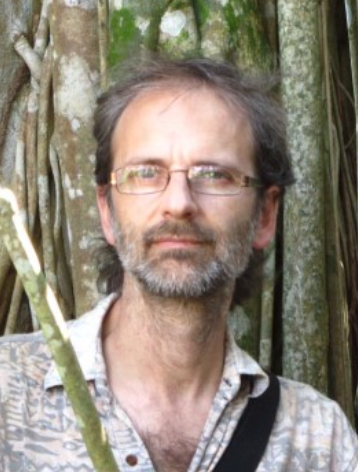 Juli G. Pausas合作论文数Centro de Investigacion sobre Desertificacion, Consejo Superior de Investigaciones Cientificas51
 Alexandra D. Syphard合作论文数Department of Geography, San Diego State University41
 William Bond合作论文数Department of Biological Sciences, University of Cape Town39
 Ross Bradstock合作论文数School of Biological Sciences, University of Wollongong35
 c j fotheringham合作论文数30Brennan Teresa J合作论文数18
 Philip W. Rundel (Philip Rundel)合作论文数Department of Ecology and Evolutionary Biology, College Life Sciences, University of California, Los Angeles18
 Philip W. Rundel合作论文数Ecology and Evolutionary Biology, University of California17
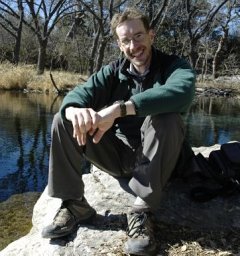 Dylan W. Schwilk合作论文数Western Ecological Research Center12
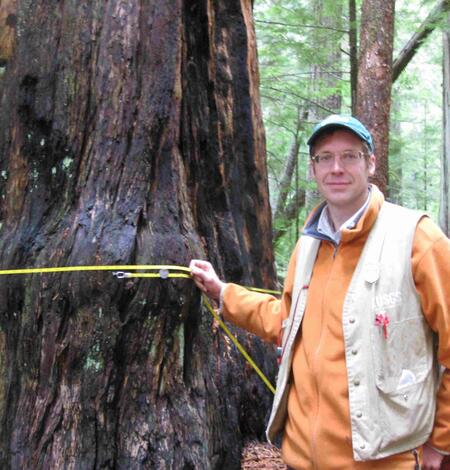 Phillip J. Van Mantgem合作论文数U. S. Geological Survey10
 Hugh D. Safford合作论文数Department of Environmental Science and Policy, University of California, Davis;Vibrant Planet;International Programs Office, USDA-Forest Service9
 Scott Stephens合作论文数Department of Environmental Science, Policy, and Management, Rausser College of Natural Resources, University of California, Berkeley8Thomas W. Mcginnis合作论文数8Eric Knapp合作论文数7Melanie Baer-Keeley合作论文数7
 Nathan Stephenson合作论文数Western Ecological Research Center, U.S. Geological Survey7
 Max Alan Moritz (Max Moritz)合作论文数Moritz Lab, Bren School of Environmental Science & Management, University of California7
 James Mc Iver (James Mciver)合作论文数Eastern Oregon Agricultural Research Center, Agricultural Experiment Station, College of Agricultural Sciences, Oregon State University7V. Thomas Parker合作论文数6Carl E. Fiedler合作论文数6Andrew Youngblood合作论文数aUSDA Forest Service;Pacific Northwest Research Station;Pacific Northwest Research Station, Pacific Northwest Research Station6
 Jason J. Moghaddas合作论文数Division of Ecosystem Science;Department of Environmental Science;University of California;Department of Environmental Science, University of California , Berkeley6
 Carla D'Antonio合作论文数Department of Ecology, Evolution and Marine Biology, University of California5
 Janet Franklin合作论文数Vegetation and Landscape Ecology Lab, Center for Open Geospatial Sciences, Department of Geography, San Diego State University;Geospatial Sciences Center, University of California, Riverside5
 James Grace合作论文数Wetland and Aquatic Research Center, U.S. Geological Survey, U.S. Department of the Interior5
 Mike Vasey合作论文数Department of Biology, School of the Environment, San Francisco State University5
 Thomas W. Swetnam合作论文数Laboratory of Tree-Ring Research, College of Science, University of Arizona5
 Byron B. Lamont合作论文数School of Molecular and Life Sciences, Faculty of Science and Engineering, Curtin University5
 Eric E. Knapp合作论文数United States Department of Agriculture Forest Service5
 Carl N. Skinner (Carl Skinner)合作论文数Pacific Southwest Research Station, Forest Service, U.S. Department of Agriculture5
 Anthony C. Caprio合作论文数4
 David Bowman合作论文数School of Natural Sciences, University of Tasmania;The Fire Centre, University of Tasmania4
 Bar-Massada Avi合作论文数Dept Biol & Environm, Univ Haifa4
 Russell Monson合作论文数Department of Ecology and Evolutionary Biology, University of Arizona;Laboratory of Tree Ring Research, University of Arizona4
 Mark Cochrane合作论文数Appalachian Laboratory, Center for Environmental Science, University of Maryland;Instituto do Homem e Meio Ambiente na Amazônia;Center for Global Change and Earth Observations, Michigan State University4
 Andrew Cunningham Scott (Andrew C. Scott)合作论文数Department of Earth Sciences, Royal Holloway University of London4
 Paulo Artaxo合作论文数Instituto de Estudos Avancados, Universidade de São Paulo;Departamento de Física Aplicada, Instituto de Física, Universidade de São Paulo4
 Michael J. Deniro合作论文数Department of Earth Science, College of Letters and Science, University of California, Santa Barbara4Ralph E. J. Boerner合作论文数4Sally M. Haase合作论文数4
 Thomas A. Waldrop合作论文数4
 Ruth DeFries合作论文数Department of Ecology, Evolution, and Environmental Biology, Climate School, Columbia University;Earth Institute, Columbia University4Meg A. Krawchuk合作论文数Department of Renewable Resources4
 Daniel Yaussy合作论文数4
 Jennifer Balch合作论文数Department of Geography, College of Arts and Sciences, University of Colorado Boulder4
 Matthew Brooks合作论文数Western Ecological Research Center, U.S. Geological Survey4Anne H. Pfaff合作论文数4
 Christian A. Kull合作论文数School of Geography and Environmental Science, Monash University4
 James K Agee (James Agee)合作论文数School of Environmental and Forest Sciences, University of Washington4




