INTRODUCTION:The preferred treatment of bulbomembranous urethral stenosis (BMUS) after prostate cancer radiotherapy remains unclear. The purpose of this study is to examine the association of surgical technique and outcomes after urethroplasty for radiation induced BMUS. METHODS:From 01/2001-09/2024, a review of patients undergoing posterior urethroplasty for BMUS at two centers was performed. The primary outcome was stricture recurrence defined as stricture <16Fr confirmed on cystoscopy. Secondary outcomes included 90-day complications (Clavien ≥2), patient-reported satisfaction, de novo erectile dysfunction, or incontinence. Cox regression was used to evaluate variables associated with stricture recurrence and Fisher's exact test was used for secondary outcomes. RESULTS:212 patients with radiation induced BMUS were reconstructed with either anastomotic urethroplasty (163) or buccal mucosal graft (BMG) (49). Median stenosis length was 2.0 cm (IQR 2.0-3.0), median follow-up for patients without recurrence was 97 months (IQR 52-144), and etiology was brachytherapy (46%), EBRT (45%) or combination (9.0%). On Cox regression, BMG urethroplasty was independently associated with stricture recurrence (Hazard Ratio 3.43, 95%C.I. 1.03-11.47; p=0.046) while patient age (p=0.3), stenosis length (p=0.1), diabetes (p=0.7), smoking (p=0.5), obesity (p=0.6), and prior endoscopic treatments (p=0.6) were not. For BMG urethroplasty, the estimated cumulative risk of stricture recurrence at 1, 2, and 10 years was 17%, 18%, and 20% compared to 3.3%, 5.0%, and 6.8% for anastomotic urethroplasty (log-rank p=0.01). Techniques did not differ with respect to complications (10% versus 4.1%; p=0.3), satisfaction (90% versus 88%; p=0.6), erectile dysfunction (15% versus 8.2%; p=0.2), or incontinence (18% versus 18%; p=1.0). CONCLUSIONS:When technically feasible, anastomotic urethroplasty is associated with a lower risk of stricture recurrence compared to onlay with buccal mucosa when reconstructing radiation-induced bulbomembranous urethral stenosis without a higher risk of adverse events.
INTRODUCTION:Revision surgery can be a viable option for patients with stricture recurrence after urethroplasty. However, comparability of outcomes to a urethroplasty naïve population remains uncertain. The objective of this study is to assess outcomes of revision urethroplasty to a surgery naïve population using a matched case-control analysis. METHODS:Patients undergoing revision urethroplasty were case-matched to urethroplasty naïve case-controls by age, stricture length, etiology and surgical technique. Outcome measures were stricture-free survival, 90-day complications (Clavien ≥2), patient satisfaction, de novo erectile dysfunction (ED) and chordee. Stricture recurrence was defined as failure to atraumatically pass a 16Fr flexible cystoscope. Stricture-free survival was assessed using stratified Cox proportional hazards using matched pairs as a strata. Other outcomes including complications, satisfaction, de novo ED, and chordee were evaluated with the McNemar test. RESULTS:Of 2068 patients undergoing urethroplasty from August 2003 to April 2024, 195 patients undergoing revision surgery were successfully matched to 195 urethroplasty naïve case-controls. Groups did not differ with respect to age (P = .7), stricture length (P = .7), etiology (P = 1.0), technique (P = 1.0), location (P = 1.0), failed endoscopic treatment (P = .3), obesity (P = .7), diabetes (P = 1.0), smoking (P = .2), or catheter status (P = .3). With a median follow-up of 138 months for those without recurrence (IQR 75-200), revision surgery was not associated with stricture recurrence (HR 1.28, 95% CI 0.70-2.34, P = .4). Stricture-free status at 1-year was 91% and 91% for revision vs urethroplasty naïve groups respectively with 5-year stricture-free estimates of 83% vs 85%. 90-day complications (12% vs 13%; P = .9), satisfaction (91% vs 87%; P = .3), ED (4.1% vs 4.6%; P = 1.0), or chordee (4.8% vs 2.7%; P = .6) did not differ between groups. CONCLUSIONS:Revision urethroplasty provides comparable outcomes to urethroplasty naïve patients in a case-matched population. Surgeons should not hesitate to offer revision surgery to patients failing initial urethroplasty.
OBJECTIVE:To create and validate a disease-specific patient-reported outcome measure derived from the patient voice for men with a urethral stricture disease. METHODS:We previously performed and published a qualitative assessments to construct a disease-specific patient-reported outcome measure for urethral stricture disease. Psychometric evaluations were done on the developed final form using both the preoperative and postoperative data. We assess instrument internal consistency, validity, sensitivity to change, and test-retest reliability. RESULTS:Three dimensions were suggested by the parallel analysis. All items loaded on one general factor and two group factors. Based on a review of clinical meaning, the remaining 10 items relating to urinary or sexual functions were retained in the final form with each item having 5 possible responses. The density plot for the Urethral Stricture Symptom and Impact Measure (USSIM) total score revealed a significant skew toward improved function following surgery. Cronbach's alpha among the 10 items was 0.8 (95% 0.75-0.84) for the preoperative cohort and 0.82 (95% CI: 0.78-0.86) for the postoperative cohort, indicating good internal consistency. Overall, the final USSIM is adequate to discriminate patients who did better or worse following surgery. The intraclass correlation coefficient for USSIM score was 0.74 indicating moderate to good test-retest reliability. CONCLUSION:The USSIM possesses strong measurement properties that are representative for use in men with a urethral stricture. We propose use of this instrument in the preoperative and postoperative setting.
PURPOSE:Ideal treatment of lichen sclerosus (LS)-induced penile urethral strictures (PUS) remains elusive. The objective of this study was to compare multi-institutional outcomes of single-stage urethroplasty (SSU) with oral mucosal graft, staged urethroplasty, and perineal urethrostomy (PU) for treatment of LS-induced PUS. MATERIALS AND METHODS:Multi-institutional analysis was performed at 9 centers on men undergoing SSU, staged urethroplasty, or PU for LS-induced PUS. Meatal strictures (<2 cm), bulbar urethral involvement, and panurethral strictures (>10 cm) were excluded. The primary outcome was recurrence-free status on follow-up assessment. Secondary outcomes included 90-day complications (Clavien ≥2), erectile dysfunction, chordee, and urethrocutaneous fistula. RESULTS:Two hundred thirty-one patients were included with a median stricture length of 5 cm and median follow-up of 53 months among those without stricture recurrence. One-, 5-, and 10-year stricture-free estimates were 90%, 80%, and 75%, respectively. Fifty-five percent (127/231) underwent SSU with oral mucosal graft, 19% (44) staged urethroplasty, and 26% (60) PU. On log-rank, there was no identifiable difference in stricture recurrence between techniques (P = .6) with 5-year stricture-free estimates of 82%, 76%, and 75%, respectively. On χ2, there was no significant difference in 90-day complications (7.1% vs 16% vs 8.3%; P = .2), erectile dysfunction (7.1% vs 4.5% vs 3.3%; P = .6), chordee (5.5% vs 6.8% vs 1.7%; P = .4), or urethrocutaneous fistula (2.4% vs 6.8% vs 0%; P = .09). On Cox regression, only obesity (BMI ≥35) was associated with stricture recurrence (HR, 2.31, 95% CI, 1.28-4.17; P = .006). CONCLUSIONS:Favorable comparative outcomes confirm SSU as a highly feasible treatment for LS-induced PUS in properly selected patients, especially when considering fewer surgeries required and preservation of an orthotopic meatus.
INTRODUCTION:In 2018, competency-based medical education (CBME) was introduced to Canadian urology residency training. We examined learner and faculty experiences with CBME five years post-implementation. METHODS:Two online surveys were developed from a scoping review of CBME literature and expert consultation. They covered aspects including unintended consequences, satisfaction, and challenges. They were distributed to Canadian urology residency program directors, faculty, and senior residents from January to June 2023. Respondents rated agreement/satisfaction using a five-point Likert scale. Descriptive analyses considered scores of 4-5 as agreement/satisfaction and 1-2 as disagreement/dissatisfaction. RESULTS:Twenty-nine faculty members (including 10/13 [77%] program directors) and 33/63 (53%) senior residents responded. Overall, 69% of respondents are unsatisfied with CBME, 19% are neutral, and 11% are satisfied. Anxiety and/or fatigue with CBME are reported by 76% of faculty and 66% of residents. CBME is seen as burdensome: 61% of residents frequently trigger assessment requests, while 66% of faculty feel overwhelmed by the volume of requested assessments. Faculty members (83%) and residents (73%) find CBME time-consuming. Over 50% of respondents believe CBME failed to de-emphasize time-based learning, individualize progression, rapidly identify struggling residents, or improve feedback quality. Over 60% agree that CBME has clarified learning expectations and training stages. CONCLUSIONS:There is prevailing dissatisfaction with CBME within Canadian urology training programs, impacting the well-being of both faculty and residents while falling short of delivering personalized training; however, CBME has provided a structured and transparent framework for trainee advancement. Improvements to CBME are needed beyond its initial five years.
Objective To investigate the influence of postgraduate medical education (US vs international) and gender on applicant matching for postgraduate training across different urologic sub-specialties. Methods Match statistics of 5 societies that participated in the AUA fellowship match between 2010 and 2024 were retrospectively reviewed. Societies included: Endourology Society (EUS), Society for Urological Oncology (SUO), American Society of Andrology (ASA), Society of Genitourinary Reconstructive Surgeons (GURS), and Society of Pediatric Urology (SPU). Candidates were classified based on gender (male/female) and their postgraduate medical education: local graduates from the United States or Canada (US/Ca) and international medical graduates (IMGs). The match odds were analyzed using the Chi-square test, while trends were assessed through the Mann-Kendall test. Results Overall, 2439 applicants applied for 1627 programs from 2010 to 2024, comprising 1998 males (81.8%), 399 females (16.4%), and 42 undisclosed (1.7%). There were 1486 US/Ca graduates (60.8%) and 953 IMGs (39.2%). Around 1471 (60.6%) applicants were matched with a program, compared to 958 (39.4%) unmatched. The likelihood of US/Ca graduates matching (83.8%) was significantly higher than IMGs (23.3%), OR = 17.5, 95% CI: (14.3, 21.5), P <.001. IMGs had the highest match rate with GURS (33.8%, 47/118) and the lowest with SPU (7%, 1/14). Female applicants had a significantly higher chance of matching 324/399 (81.2%) than male applicants 1139/1998 (57%), OR = 3.26, 95% CI: (2.5, 4.3), P <.001. US/Ca-to-IMGs ratios and the male-to-female ratios were stable throughout the match years. Conclusion Compared to IMGs, U.S./Ca graduates had remarkably higher matching rates. Matching outcomes were also significantly better for female applicants. Further assessment of international involvement and diversity in urological subspecialty roles is warranted.
PURPOSE:Several factors influence recurrence after urethral stricture repair. The impact of socioeconomic factors on stricture recurrence after urethroplasty is poorly understood. This study aims to assess the impact that social deprivation, an area-level measure of disadvantage, has on urethral stricture recurrence after urethroplasty. MATERIALS AND METHODS:We performed a retrospective review of patients undergoing urethral reconstruction by surgeons participating in a collaborative research group. Home zip code was used to calculate Social Deprivation Indices (SDIs, 0-100), which quantify the level of disadvantage across several sociodemographic domains collected in the American Community Survey. Patients without zip code data were excluded from the analysis. The Cox proportional hazards model was used to study the association between SDI and the hazard of functional recurrence, adjusting for stricture characteristics as well as age and BMI. RESULTS:Median age was 46.0 years with a median follow-up of 367 days for the 1452 men included in the study. Patients in the fourth SDI quartile (worst social deprivation) were more likely to be active smokers with traumatic and infectious strictures compared to the first SDI quartile. Patients in the fourth SDI quartile had 1.64 times the unadjusted hazard of functional stricture recurrence vs patients in the first SDI quartile (95% CI 1.04-2.59). Compared to anastomotic ± excision, substitution-only repair had 1.90 times the unadjusted hazard of recurrence. The adjusted hazard of recurrence was 1.08 per 10-point increase in SDI (95% CI 1.01-1.15, P = .027). CONCLUSIONS:Patient social deprivation identifies those at higher risk for functional recurrence after anterior urethral stricture repair, offering an opportunity for preoperative counseling and postoperative surveillance. Addressing these social determinants of health can potentially improve outcomes in reconstructive surgery.
You have accessJournal of UrologyReconstruction: Urethral Reconstruction (Including Stricture) II (MP32)1 May 2024MP32-10 DEFINING a BACTERIAL "BE ON THE LOOKOUT" FOR URETHROPLASTY Carlos I. Calvo, Ryan Noble, Nathan Y. Hoy, and Keith F. Rourke Carlos I. CalvoCarlos I. Calvo , Ryan NobleRyan Noble , Nathan Y. HoyNathan Y. Hoy , and Keith F. RourkeKeith F. Rourke View All Author Informationhttps://doi.org/10.1097/01.JU.0001008816.80828.35.10AboutPDF ToolsAdd to favoritesDownload CitationsTrack CitationsPermissionsReprints ShareFacebookLinked InTwitterEmail Abstract INTRODUCTION AND OBJECTIVE: Pre-operative bacteriuria has been found to be independently associated with 90-day complications after urethroplasty. However, it remains unclear which specific micro-organisms are the primary drivers of this morbidity. The objective of this study is to determine which bacteria surgeons should "be on the lookout" (BOLO) for by identifying which specific bacteria are associated with increased risk of 90-day complications after urethroplasty. METHODS: A single-institution, 2-surgeon retrospective review was performed on patients undergoing urethroplasty from August 2003-June 2020. Variables included the incidence, type and Clavien-Dindo grade of complications, patient age, comorbidities, Charlson Comorbidity Index (CCI), smoking status, obesity, type of urethroplasty, stricture etiology, length, location, prior endoscopic procedures, previous urethroplasty, preoperative suprapubic catheterization and bacteriuria. The latter was considered significant when the patient had either a mixed culture with ≥108CFU/l or an identifiable microorganism with ≥106CFU/l. The primary outcome was the incidence of 90-day complications defined as Clavien grade≥2. Descriptive statistics were used to summarize the results and Chi-square was used to determine if the presence of a specific bacterium was associated with 90-day complications. RESULTS: Of the 1,611 patients included in the analysis, 23.2% (373/1611) had clinically significant pre-operative bacteriuria. The most common pathogens on urine culture included coagulase negative staphylococcus 18.5 % (69), mixed growth 15.8% (59), E. Coli 10.7% (40) and Enterococcus 14.2% (53). Overall, 7.9% (128/1611) experienced a significant 90-day complication (Clavien≥2) with a higher rate of complications for those with pre-operative bacteriuria (10.5% vs. 7.2%; p=0.04). Gram negative bacilli including E. Coli, Pseudomonas sp., Klebsiella sp., Serratia sp., Citrobacter sp., Achromobacter sp., Stenotrophomonas sp. and Morganella sp. were associated with higher rates of post-operative complications (14.2%; p=0.01) as well as Enterococcus sp. (15.1%; p=0.03). However, gram positive cocci (10.4%; p=0.23), gram positive bacilli (11.8%; p=0.47), mixed growth (5.1%; p=0.54) and Candida (20.0%; p=0.27) were not. Neither escalating concentrations of bacteria on culture (p=0.44) or number of bacterial strains (p=0.08) were associated with a higher rate of complications. CONCLUSIONS: While pre-operative bacteriuria is associated with higher rates of 90-day complications, the main driver of these complications is gram negative bacilli and Enterococcus sp. Patients with pre-operative bacteriuria related to gram positive cocci, gram positive bacilli, and mixed growth can likely proceed with urethroplasty with appropriate infection prophylaxis without increased risk of post-operative complications. Source of Funding: Not applicable © 2024 by American Urological Association Education and Research, Inc.FiguresReferencesRelatedDetails Volume 211Issue 5SMay 2024Page: e518 Advertisement Copyright & Permissions© 2024 by American Urological Association Education and Research, Inc.Metrics Author Information Carlos I. Calvo More articles by this author Ryan Noble More articles by this author Nathan Y. Hoy More articles by this author Keith F. Rourke More articles by this author Expand All Advertisement PDF downloadLoading ...
You have accessJournal of UrologyReconstruction: Urethral Reconstruction (including stricture) I (MP06)1 May 2024MP06-14 MULTIVARIABLE OUTCOMES MODEL FOR BULBAR URETHROPLASTY SHOWS ACTIVE SMOKING IS PROTECTIVE AGAINST FUNCTIONAL SURGICAL FAILURE Mei N.E. Tuong, Charles Schlaepfer, Alithea Zorn, Jacob Oleson, Nejd Alsikafi, Benjamin Breyer, Joshua Broghammer, Jill Buckley, Eric Cho, Isabella Dolendo, Sean Elliott, Shawn Grove, Marcus Jamil, Jane Kurtzman, Jeremy Myers, Hiren Patel, Andrew Peterson, John Ratanawong, Keith Rourke, Thomas Smith, Alex Vanni, Bryan Voelzke, Lee Zhao, and Bradley Erickson Mei N.E. TuongMei N.E. Tuong , Charles SchlaepferCharles Schlaepfer , Alithea ZornAlithea Zorn , Jacob OlesonJacob Oleson , Nejd AlsikafiNejd Alsikafi , Benjamin BreyerBenjamin Breyer , Joshua BroghammerJoshua Broghammer , Jill BuckleyJill Buckley , Eric ChoEric Cho , Isabella DolendoIsabella Dolendo , Sean ElliottSean Elliott , Shawn GroveShawn Grove , Marcus JamilMarcus Jamil , Jane KurtzmanJane Kurtzman , Jeremy MyersJeremy Myers , Hiren PatelHiren Patel , Andrew PetersonAndrew Peterson , John RatanawongJohn Ratanawong , Keith RourkeKeith Rourke , Thomas SmithThomas Smith , Alex VanniAlex Vanni , Bryan VoelzkeBryan Voelzke , Lee ZhaoLee Zhao , and Bradley EricksonBradley Erickson View All Author Informationhttps://doi.org/10.1097/01.JU.0001009452.79331.fd.14AboutPDF ToolsAdd to favoritesDownload CitationsTrack CitationsPermissionsReprints ShareFacebookLinked InTwitterEmail Abstract INTRODUCTION AND OBJECTIVE: Smoking cessation prior to surgery is encouraged to minimize cardiac and pulmonary anesthetic risk, but also to improve wound healing, as the nicotine in cigarette smoke decreases microvascular blood supply. Still, many patients will not heed this advice and will smoke up to and throughout surgery. The focus in this study was to determine how active smoking affects urethroplasty outcomes. METHODS: A large multi-institutional database was used to identify patients that underwent anterior urethroplasty for bulbar urethral stricture disease (bUSD). Patients with bUSD in prior hypospadias repair sites or from lichen sclerosus were excluded. A generalized linear mixed model was created to predict surgical functional failure (need for secondary procedure for recurrence) after single-stage orthotopic urethroplasty. The following variables were included: bUSD length (cm), location (proximal(S1a)/distal(S1b), etiology, endoscopic dilation/incision counts (n), age (years), and smoking status (never/former and active – with former defined as quit>1 month before surgery). Leak rates and wound complications were also assessed. RESULTS: There were 1,464 men that underwent urethroplasty for bUSD, of which 150 (10.2%) were active smokers. The overall failure rate was 8.5%. Factors significantly associated with failure included length (OR 1.3, per cm) and etiology: failed urethroplasty (E3b; OR 2.2), and radiation (E3c; OR 5.3). Active smoking was strongly protective (OR 0.2; overall smoker recurrence rate 3%). The overall leak rate was 2.9% (n=42), which was higher in smokers (6% v. 2.5%; p=0.03). The wound infection rates were similar (2.7% v. 1.3%; p=0.3). Smoking did not affect urethroplasty type when controlling for stricture length (p=0.84). CONCLUSIONS: Active smoking significantly increases the odds of functional success (OR 4.2; p=0.006) after bulbar urethroplasty. While this finding appears counterintuitive, a mechanism can be elucidated that has been used to explain similar findings in the plastics literature: nicotine is known to inhibit inflammation and collagen synthesis. This mechanism may simultaneously explain the smoker's higher urine leak rate and lower failure through a shared anti-fibrotic mechanism. Harnessing the apparent protective effects of nicotine without tobacco will require further study, but these data suggest that urethroplasty success might be augmented by slowing the inflammatory and proliferative phases of wound healing. Source of Funding: None © 2024 by American Urological Association Education and Research, Inc.FiguresReferencesRelatedDetails Volume 211Issue 5SMay 2024Page: e57 Advertisement Copyright & Permissions© 2024 by American Urological Association Education and Research, Inc.Metrics Author Information Mei N.E. Tuong More articles by this author Charles Schlaepfer More articles by this author Alithea Zorn More articles by this author Jacob Oleson More articles by this author Nejd Alsikafi More articles by this author Benjamin Breyer More articles by this author Joshua Broghammer More articles by this author Jill Buckley More articles by this author Eric Cho More articles by this author Isabella Dolendo More articles by this author Sean Elliott More articles by this author Shawn Grove More articles by this author Marcus Jamil More articles by this author Jane Kurtzman More articles by this author Jeremy Myers More articles by this author Hiren Patel More articles by this author Andrew Peterson More articles by this author John Ratanawong More articles by this author Keith Rourke More articles by this author Thomas Smith More articles by this author Alex Vanni More articles by this author Bryan Voelzke More articles by this author Lee Zhao More articles by this author Bradley Erickson More articles by this author Expand All Advertisement PDF downloadLoading ...
Amalgamation of evidence in statistics is conducted in several ways. Within a study, multiple observations are combined by averaging, or as factors in a likelihood or prediction algorithm. In multilevel modeling or Bayesian analysis, population or prior information is combined with data using the weighted averaging derived from probability modeling. In a scientific research project, inferences from data analysis are interpreted in light of mechanistic models and substantive theories. Within a scholarly or applied research community, data and conclusions from separate laboratories are amalgamated through a series of steps, including peer review, meta-analysis, review articles, and replication studies. These issues have been discussed for many years in the philosophy of science and statistics, gaining attention in recent decades first with the renewed popularity of Bayesian inference and then with concerns about the replication crisis in science. In this article, we review the amalgamation of statistical evidence from different perspectives, connecting the foundations of statistics to the social processes of validation, criticism, and consensus building.
Objective To analyze current standards in urethroplasty by urologists employing buccal mucosal grafts (BMG) for treating urethral stricture disease (USD). Methods An IRB-approved online survey was distributed to members of the Society of Genitourinary Reconstructive Surgeons (GURS) between July and October 2022 to assess BMG utilization in urethroplasty. Questions covered surgeon experience, graft harvest site, graft length, surgical technique, and perceived success rates. Results Of 350 invited GURS members, 134 responded (38%). Sixty-nine percentage were GURS fellowship-trained, performing 10-30 urethroplasties annually. Ninety-five percentage harvested their own grafts, with 99% preferring buccal mucosa as the primary site. Buccal mucosa was favored over fasciocutaneous flap for penile urethroplasty, regardless of circumcision status (95% with, 84% without). For bulbar urethroplasty with BMG, dorsal graft placement was favored (66%) over ventral (34%). Most surgeons (90%) preferred multiple BMGs over combined graft/flap for panurethral strictures. When harvesting long grafts, 56% preferred using both cheeks. Anastomotic urethroplasty was preferred over buccal graft urethroplasty for short bulbomembranous stenosis post-radiotherapy (63% vs 37%). Surgeons reported a success rate of 80%-90% (53%). Conclusion The expanded scope of reconstructive urology has led to increased use of BMG in diverse urethral reconstructions. Buccal grafts are now preferred for penile, bulbar, and panurethral strictures, demonstrating high perceived success rates in the reconstructive community.
Abstract Objectives This study aimed to compare the effectiveness and safety of the adjustable trans‐obturator male system (ATOMS®) to treat post‐prostatectomy incontinence (PPI) in radiated patients compared with non‐radiated patients, using propensity score‐matching analysis to enhance the validity of the comparison. Patients and methods Consecutive men with PPI treated with silicone‐covered scrotal port ATOMS (A.M.I., Feldkirch, Austria) in nine different institutions between 2016 and 2022 were included. Preoperative assessment evaluated 24‐h pad usage, urethroscopy and urodynamics, if indicated. Propensity score‐matching analysis was based on age, length of follow‐up, previous PPI treatment, previous bladder neck stricture, androgen deprivation and pad usage. The primary endpoint was dry rate, defined as no pads post‐operatively with a security pad allowed. The secondary endpoints were complications, device removal and self‐perceived satisfaction with the Patient Global Impression of Improvement (PGI‐I) scale. Results Of the 710 included patients, 342 were matched, and the study groups were balanced for the baseline matched variables. The mean baseline 24‐h pad was 4.8 in both groups (p = 0.48). The mean follow‐up was 27.5 ± 18.6 months, which was also equivalent between groups (p = 0.36). The primary outcome was achieved in 73 (42.7%) radiated patients and in 115 (67.3%) non‐radiated patients (p < 0.0001). The mean pad count at the last follow‐up was 1.5 and 0.8, respectively (p < 0.0001). There was no significant difference in complications (p = 0.94), but surgical revision and device explant rates were higher (p = 0.03 and p = 0.01, respectively), and the proportion of patients highly satisfied (PGI‐I = 1) was lower in the radiated group (p = 0.01). At sensitivity analysis, the study was found to be reasonably robust to hidden bias. Conclusion ATOMS implantation significantly outperformed in patients without adjuvant radiation over radiated patients.
Background: Urinary incontinence (UI), erectile dysfunction and cardiometabolic conditions are common after prostatectomy for prostate cancer (PCa). Although physical activity could improve overall survival and quality of survivorship, fear of UI can restrict participation in exercise. Individuals with PCa could benefit from therapeutic exercise programming to support continence recovery and cardiometabolic health. Aim: The main objective of this study is to determine the feasibility and the effects of a combined pelvic health rehabilitation and exercise fitness program on UI after prostatectomy. The combined exercise program will be delivered both in-person and virtually. Methods: This study follows a modified Zelen, two-arm parallel randomized controlled trial design. A total of 106 individuals with PCa will be recruited before prostatectomy surgery. Participants will be randomized between two groups: one receiving usual care and one receiving a combined exercise fitness and intensive pelvic floor muscle training program. Exercise programming will begin 6-8 weeks after prostatectomy and will last 12 weeks. Outcomes include: the 24-h pad test (primary outcome for UI); physical fitness, metabolic indicators, and patientreported outcomes on erectile function, self-efficacy, severity of cancer symptoms and quality of life. Important timepoints for assessments include before surgery (T0), after surgery (T1), after intervention (T3) and at one-year after surgery (T4). Conclusion: This study will inform the feasibility of offering comprehensive exercise programming that has the potential to positively impact urinary continence, erectile function and cardiometabolic health of individuals undergoing prostatectomy for prostate cancer. ClinicalTrials Registration Number: NCT06072911.
 Jill Buckley合作论文数Department of Urology, School of Medicine, University of California, San Diego23
 Myers Jeremy B合作论文数23
 Sean Elliott合作论文数Department of Urology, Medical School, University of Minnesota22
 Bradley A. Erickson合作论文数Feinberg School of Medicine, Northwestern University20
 Alex J. Vanni合作论文数Urology, Lahey Hospital & Medical Center19
 Joshua A. Broghammer合作论文数19
 Lee C. Zhao合作论文数Department of Plastic Surgery, Grossman School of Medicine, New York University18
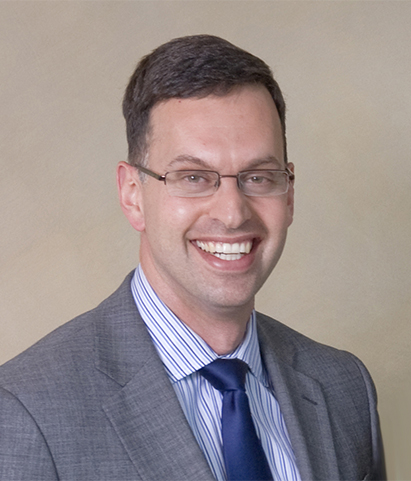 Nejd F. Alsikafi合作论文数Department of Surgery, Section of Urology, University of Chicago18
 Benjamin N. Breyer合作论文数Department of Urology, University of California San Francisco18
 Bryan B Voelzke合作论文数18
 Thomas Smith III合作论文数15Nathan Hoy合作论文数Department of Surgery, Faculty of Medicine & Dentistry, University of Alberta14Andrew Peterson合作论文数13Shawn Grove合作论文数11Jordan Bekkema合作论文数9andrew c peterson合作论文数6
 Gary Naglie合作论文数Institute of Health Policy, Management and Evaluation, University of Toronto6Chapman David合作论文数Department of Medicine, University of Alberta;Department of Medicine, University of Alberta6
 Jeremy Grimshaw合作论文数Department of Medicine, University of Ottawa;Ottawa Hospital Research Institute6
 Allan Detsky合作论文数Institute of Health Policy, Management and Evaluation, School of Public Health, University of Toronto;Department of Medicine, University of Toronto;Mount Sinai Hospital6Carlos Ignacio Calvo合作论文数5Kevin J Flynn合作论文数5Francisco Martins合作论文数5Kinnaird Adam合作论文数Department of Medicine, University of Alberta5J.C. Angulo合作论文数4Trevor Haines合作论文数4Conrad Maciejewski合作论文数4Dylan T Hoare合作论文数4
 Andreas Gonsior合作论文数4
 Alessandro Giammò合作论文数SC Neuro-Urologia, Città della Salute e della Scienza di Torino4
 Justin Drobish合作论文数4Sandra Schönburg合作论文数4
 Fabian Queissert合作论文数4James M Watters合作论文数4Francisco Cruz合作论文数4
 Domes Trustin合作论文数Department of Surgery, University of Toronto4
 Elaine J Redmond合作论文数Department of Urology, University Hospital Limerick4
 Andrew Gelman合作论文数Department of Statistics, Columbia University;Department of Political Science, Columbia University4
 Ian Graham合作论文数School of Epidemiology and Public Health, Faculty of Medicine, University of Ottawa;Centre for Practice-Changing Research, Ottawa Hospital Research Institute4S Viertelhausen合作论文数3Eric Y. Cho合作论文数3Jacqueline Tetroe合作论文数3Amy Hahn合作论文数3Josh Broghammer合作论文数3Katherine J Cotter合作论文数3
 Marcus Jamil合作论文数3
 Uday Mann合作论文数3As Detsky合作论文数3
 George Tomlinson合作论文数Centre for Global Health, Dalla Lana School of Public Health, University of Toronto;Toronto General Research Institute;Biostatistics Division, Dalla Lana School of Public Health, University of Toronto3




