The most common fusion oncoprotein in the most common pediatric solid tumor, pediatric low-grade glioma (pLGG), is KIAA1549::BRAF. Although MAPK inhibitors show early promise, they often fail to achieve durable cures, highlighting the need to develop new therapeutics for KIAA1549::BRAF-driven tumors. In this study we leverage genome-scale anti-transformation CRISPR screens to uncover KIAA1549::BRAF-specific genetic vulnerabilities. Across all genes, POMT1 and POMT2, the two members of the heterodimeric Protein O-mannosyltransferase (POMT) complex emerge as the strongest KIAA1549::BRAF-specific dependencies. We demonstrate that KIAA1549 is a direct substrate of this complex, and that glycosylation of KIAA1549::BRAF by POMT is necessary for its maturation through the secretory pathway and subsequent oncogenic signaling. These data highlight for the first time a new route to directly target KIAA1549::BRAF independent of the MAPK pathway. This work also uncovered an unexpected and previously unrecognized role for KIAA1549 in driving KIAA1549::BRAF oncogenic signaling. The prevailing dogma has been that BRAF fusions exert their transforming activity through truncation and removal of N-terminal regulatory domains, thereby rendering the BRAF kinase domain constitutively active. We demonstrate that BRAF fusion partners, including KIAA1549, contain domains that facilitate membrane localization, thereby enhancing BRAF signaling. These findings challenge the traditional view of BRAF fusion biology and establish a role for fusion partners in shaping oncogenic potential. Sean Misek, Anna Borgenvik, Daniel Christen, Gloria Kyrila, Alexander Zhang, Sarah Reel, Michelle Boisvert, Kelly Cai, Kevin Zhou, Elizabeth Gonzales, Lorena Lazo de la Vega, Timothy Ragnoni, Nicole Persky, Tanaz Abid, Esteban Miglietta, Sergey Vakhrushev, Michael Stumpe, Jacquelyn Jones, Seth Malinowski, Lobna Elsadek, Aaron Fultineer, Kira Tang, Antonio Maldera, Hyesung Jeon, Sangita Pal, Todd Golub, William Hahn, Eric Fischer, Jesse Boehm, Jörn Dengjel, Henrik Clausen, Nada Jabado, Till Milde, Anne Carpenter, Beth Cimini, Keith Ligon, Katherine Janeway, Michael Eck, David Root, David Jones, Timothy Phoenix, Rameen Beroukhim, Hiren Jitendra Joshi, Tilman Tilman, Adnan Halim, Pratiti Bandopadhayay. O-mannosylation and protein maturation checkpoints represent therapeutic opportunities in BRAF fusion protein oncogenesis [abstract]. In: Proceedings of the AACR Special Conference in Cancer Research: Fusion-Positive Cancer: From Discovery to Therapy; 2026 Jan 13-15; Philadelphia PA. Philadelphia (PA): AACR; Cancer Res 2026;86(1_Suppl):Abstract nr B026.
Abstract Pediatric low-grade gliomas (pLGGs) are the most frequent brain tumors in children and comprise a heterogeneous group of tumors with different locations, histologic subtypes, ages at presentation, and clinical behavior. Tumors frequently respond to treatment with chemotherapy or surgical removal, but they can regrow after a period of quiescence, requiring further therapy. Thus, a deeper understanding of the molecular processes involved in these tumors is required to develop therapeutic strategies that are effective against their disease mechanisms. To better understand the cellular behaviors of this heterogenous group of tumors, we have employed single-cell and single-nuclei RNA sequencing technologies to analyze a large-scale dataset (>250,000 cells) of pLGGs. Analysis of this data identified a heterogenous population of cell types and cell states, detecting mature and progenitor-like astrocytes and oligodendrocytes, as well as cells exhibiting senescence or cycling programs. Moreover, we identify a significant immune infiltrate, comprised primarily of microglia. In addition to heterogeneity within pLGG tumors, heterogeneity between LGG subtypes represents another layer that stratifies pLGG biology. We performed a compositional analysis of the cell types present in these tumors and compared transcription signatures and gene expression programs across shared cellular populations of histologically and genetically distinct pLGGs. Finally, we optimized our integration and batch correction analyses by using external 293T cells as spike in controls during our single-cell and single-nuclei data generation steps to determine the most suitable method for batch-effect removal. Our analysis of human pLGGs at the single-cell and single-nuclei resolution provides critical insight into the heterogenous biological activities that constitute these tumors.
Pilocytic astrocytomas (PAs) are low-grade gliomas (LGGs) and predominantly affect children under 14 years of age. PAs are driven by aberrant activation of the RAS/RAF/MEK/ERK axis, primarily by BRAF alterations. As a key activator of this pathway, the Ser/Thr-kinase BRAF plays a crucial role in promoting cellular survival and proliferation and is one of the most frequently mutated kinases in cancer. While the most prevalent mutation, BRAFV600E, is commonly associated with hairy cell leukemia, melanoma, and thyroid carcinomas, the KIAA1549::BRAF fusion is the hallmark oncogene of LGGs, particularly PAs. Further, due to advancements in precision oncology diagnostics, this fusion is also increasingly identified in other tumor types. Various breakpoint variants of the KIAA1549::BRAF fusion gene were reported, with the most common involving KIAA1549 exons 1-16 and BRAF exons 9-18. The oncogenic potential of KIAA1549::BRAF is attributed to the loss of exons encoding the autoinhibitory domains of BRAF, although there is increasing evidence that the fusion partners of RAF oncoproteins can influence their functionality and signalling. Despite the high frequency of KIAA1549::BRAF fusions, the function, topology, and localization of KIAA1549, an enigmatic putative transmembrane protein, remains unclear. In contrast to the cytoplasmic localisation of wild-type BRAF, point mutants and insertion or deletion mutants, KIAA1549::BRAF fusions retain the single transmembrane domain of the KIAA1549 portion, localizing it to the plasma membrane. This localization requires trafficking through the ER/Golgi system during maturation. Additionally, using TAILS mass spectrometry and genomic approaches, we demonstrate that KIAA1549 and KIAA1549::BRAF fusions are cleaved at a specific cleavage motif in the extracellular portion of the protein. Mutation of the cleavage motif slows down cell growth compared to non-cleavage impaired fusions. Known protease inhibitors can target this cleavage event, offering a promising strategy for drug development. Apart from a very recently approved RAF inhibitor (RAFi), there are very little options available for directly targeting KIAA1549::BRAF fusion proteins. This is due to the fact that the RAFi developed for BRAFV600E are ineffective against BRAF fusions and probably also due to our limited understanding of the influence of KIAA1549. Consequently, our data could support the development of urgently needed targeted therapies for this BRAF fusion protein. Daniel Christen, Sean Misek, Anna Borgenvik, Gloria Kyrila, Alexander Zhang, Sarah Reel, Michelle Boisvert, Kelly Cai, Kevin Zhou, Elizabeth M Gonzales, Amy Goodale, Esteban Miglietta, Jacquelyn Jones, Seth Malinowski, Lobna Elsadek, Merve Ozdemir, Zachary Eisenbies, Joohee Lee, April Apfelbaum, Jenna Robinson, Antonio Maldera, Daniel Bondeson, Jason Kwon, Mounica Vallurupalli, Sangita Pal, Todd Golub, William Hahn, Eric Fischer, Jesse Boehm, Jörn Dengjel, Henrik Clausen, Nada Jabado, Till Milde, Beth Cimini, Keith Ligon, Kathrine Janeway, Michael Eck, David Root, David Jones, Timothy N Phoenix, Rameen Beroukhim, Hiren Jitendra Joshi, Tilman Brummer, Adnan Halim, Pratiti Bandopadhayay. Molecular insights into KIAA1549::BRAF fusion proteins: Implications for targeted therapy in pediatric low-grade gliomas [abstract]. In: Proceedings of the AACR Special Conference in Cancer Research: Discovery and Innovation in Pediatric Cancer— From Biology to Breakthrough Therapies; 2025 Sep 25-28; Boston, MA. Philadelphia (PA): AACR; Cancer Res 2025;85(18_Suppl_2):Abstract nr A032.
Fusions between protein-coding genes are common oncogenic drivers across cancers, typically pairing a proto-oncogene with partner that does not independently drive cancer. In all therapeutically actionable fusions, the proto-oncogene is the drug target, the contributions to oncogenicity of the fusion partner have largely been ignored. We studied the role of BRAF fusion partners and found that they are necessary for transformation. In the setting of KIAA1549::BRAF, the most common fusion protein across brain tumors, we found that KIAA1549 is necessary for the oncogenicity of KIAA1549::BRAF and engenders a striking and specific dependency on the protein O-mannosyltransferase complex (POMT1/2). Specifically, we show that genetic silencing or pharmacologic inhibition of the protein O-mannosyltransferase complex (POMT1/2) reverses fusion-induced transformation, thereby representing a novel and MAPK independent therapeutic target. Furthermore, POMT1/2 is required to glycosylate and enable maturation of the K::B fusion protein. These findings represent a proof-of-concept for targeting the partners in oncogenic fusions as a potential cancer therapeutic strategy. ### Competing Interest Statement PB has received grant funding from Novartis Institute of Bio-medical Research, and has served on paid advisory boards for QED Therapeutics, and Day One Biopharmaceuticals. RB consults for and owns equity in Scorpion Therapeutics, Kar-yoverse Therapeutics, and LOH Therapeutics. WCH is a consultant for Thermo Fischer, Solasta Ventures, KSQ Ther-apeutics, Frontier Medicines, Jubilant Therapeutics, RAPPTA Therapeutics, Serinus Biosciences, Kestral Therapeutics, Crane Biotherapeutics, Function Oncology, Recursion Pharma, and Weaver Biotherapetics and Perceptive. DER receives research funding from members of the Functional Genomics Consortium (Abbvie, BMS, Jannsen, Merck, Vir), and is a director of Addgene, Inc. TM is advisory board member for Ipsen Pharma GmbH. SAM is a consultant for Karyoverse Therapeutics and is a consultant for and owns equity in LOH Therapeutics. ESF is a founder, scientific advisory board (SAB) member, and equity holder of Civetta Therapeutics, Proximity Therapeutics, Neomorph, Inc. (also board of direc-tors), StelexisBiosciences, Inc., Anvia Therapeutics, Inc. (also board of directors) and CPD4, Inc. (also board of directors). He is an equity holder and SAB member for Avilar Therapeu-tics, PhotysTherapeutics, and Ajax Therapeutics and an equity holder in Lighthorse Therapeutics. E.S.F. is a consultant to Novartis, EcoR1 capital, Odyssey and Deerfield. The Fischer lab receives or has received research funding from Deerfield, Novartis, Ajax, Interline, Bayer and Astellas. TB received speaker honoraria from Pierre Fabre and the European Society for Medical Oncology (ESMO)
Pediatric low-grade gliomas (pLGGs) are the most common brain tumors in children, comprising approximately 33% of all pediatric brain tumors. These tumors are typically driven by single somatic mutations in the MAPK pathway including genes such as BRAF, FGFR, and NF1. The majority of current therapies target MAPK pathway inhibition, which is often initially effective. However, high tumor rebound rates following treatment discontinuation underscore the urgent need for alternative therapeutic strategies. To identify novel MAPK independent vulnerabilities, we performed a whole genome CRISPR-Cas9 knockout screen in neural stem cells harboring pLGG mutations. Our screen revealed a strong dependence of BRAFV600E mutant cells on proteins involved in replication stress. We hypothesize BRAFV600E mutant cells experience elevated levels of replication fork stalling, making them more reliant on proteins that resolve replication stress. In this study, we are investigating how perturbation of proteins that prevent replication fork collapse and DNA damage affect the survival of BRAFV600E mutant cells. Our goal is to uncover novel therapeutic targets for pLGGs that are not reliant on MAPK inhibition. Joohee Lee, Jenna Robinson, Elisabeth Gonzalez, Kevin Zhou, David Root, Pratiti Bandopadhayay. Uncovering replication stress vulnerabilities in pediatric low grade gliomas using a genome wide CRISPR-Cas9 knockout screen [abstract]. In: Proceedings of the AACR Special Conference in Cancer Research: Discovery and Innovation in Pediatric Cancer— From Biology to Breakthrough Therapies; 2025 Sep 25-28; Boston, MA. Philadelphia (PA): AACR; Cancer Res 2025;85(18_Suppl_2):Abstract nr B024.
Fusions between protein-coding genes are common oncogenic drivers across cancers, typically pairing a proto-oncogene with a partner that does not independently drive cancer. In all therapeutically actionable fusions, the proto-oncogene is the drug target; the contributions to oncogenicity of the fusion partner have largely been ignored. KIAA1549::BRAF (K::B) is the most common fusion protein across brain tumors, and particularly in pediatric gliomas. We found that KIAA1549 is necessary for oncogenicity of K::B, in contrast to the notion that the BRAF kinase domain alone is enough for transformation. We therefore performed genome-wide CRISPR/Cas9 anti-transformation screens in isogenic neural stem cell models with K::B overexpression to identify genetic dependencies specific to this oncogenic driver. We found that the BRAF fusion partner KIAA1549 engenders a striking and specific dependency on the protein O-mannosyltransferase complex (POMT1/2). Specifically, we show that genetic silencing or pharmacologic inhibition of the POMT1/2 complex reverses K::B transformation, thereby representing a novel therapeutic target beyond the MAPK pathway. Furthermore, POMT1/2 is required to glycosylate and enable maturation of K::B, reflecting the native biology of KIAA1549 but representing a non-canonical process for BRAF. These findings represent a proof-of-concept for targeting the partners in oncogenic fusions as a potential cancer therapeutic strategy. Anna Borgenvik, Sean Misek, Daniel Christen, Gloria Kyrila, Alexander Zhang, Sarah Reel, Michelle Boisvert, Kelly Cai, Kevin Zhou, Elizabeth M Gonzales, Lorena Lazo de la Vega, Amy Goodale, Esteban Miglietta, Jacquelyn Jones, Seth Malinowski, Lobna Elsadek, Merve Ozdemir, Zachary Eisenbies, Joohee Lee, April Apfelbaum, Jenna Robinson, Antonio Maldera, Daniel Bondeson, Jason Kwon, Mounica Vallurupalli, Sangita Pal, Todd Golub, William Hahn, Eric Fischer, Jesse Boehm, Jörn Dengjel, Henrik Clausen, Nada Jabado, Till Milde, Beth A Cimini, Keith Ligon, Kathrine Janeway, Michael Eck, David Root, David Jones, Timothy N Phoenix, Rameen Beroukhim, Hiren Jitendra Joshi, Tilman Brummer, Adnan Halim, Pratiti Bandopadhayay. O-mannosylation represents a therapeutic opportunity in BRAF fusion protein oncogenesis [abstract]. In: Proceedings of the AACR Special Conference in Cancer Research: Discovery and Innovation in Pediatric Cancer— From Biology to Breakthrough Therapies; 2025 Sep 25-28; Boston, MA. Philadelphia (PA): AACR; Cancer Res 2025;85(18_Suppl_2):Abstract nr B019.
A hallmark of high-risk childhood medulloblastoma is the dysregulation of RNA translation. Currently, it is unknown whether medulloblastoma dysregulates the translation of putatively oncogenic non-canonical open reading frames (ORFs). To address this question, we performed ribosome profiling of 32 medulloblastoma tissues and cell lines and observed widespread non-canonical ORF translation. We then developed a stepwise approach using multiple CRISPR-Cas9 screens to elucidate non-canonical ORFs and putative microproteins implicated in medulloblastoma cell survival. We determined that multiple lncRNA-ORFs and upstream ORFs (uORFs) exhibited selective functionality independent of main coding sequences. A microprotein encoded by one of these ORFs, ASNSD1-uORF or ASDURF, was upregulated, associated with MYC-family oncogenes, and promoted medulloblastoma cell survival through engagement with the prefoldin-like chaperone complex. Our findings underscore the fundamental importance of non-canonical ORF translation in medulloblastoma and provide a rationale to include these ORFs in future studies seeking to define new cancer targets.
Abstract Background: Pediatric brain tumors are associated with the highest rates of morbidity and mortality of all childhood cancers. Diffuse midline gliomas (DMGs) are universally fatal pediatric tumors with a median survival of less than one year. DMGs are thought to arise from stalled developmental programs in the context of histone mutations (H3 K27M) which are thought to be a critical initiating event. However, these histone mutations alone are insufficient for gliomagenesis and cooperate with other alterations, including mutations in the TP53 pathway (TP53, PPM1D), growth factor receptor pathway activation (PDGFRA, EGFR, PIK3CA), and MYC amplifications (MYC, MYC-N) to induce tumor formation. There is a high degree of genetic heterogeneity amongst DMGs, and other alterations are also critical to DMG pathogenesis. This work is focused on Forkhead Box R2 (FOXR2), a forkhead family TF that we have found to be aberrantly expressed in many cancers, including DMGs. Expression of FOXR2 is sufficient to enhance glioma formation, and we have shown that regulation of FOXR2 occurs through a previously unrecognized epigenetic mechanism. Expression of FOXR2 is regulated by novel promoters, and we have demonstrated that these promoters are necessary for FOXR2 expression in several cancer lineages using CRISPR interference technology, including DMGs, melanoma, neuroblastoma, and non-small cell lung cancers. Methods: We applied an integrative approach using transcriptomics, epigenetics, proteomics, in vitro cancer models, and in vivo mouse models to systematically evaluate how FOXR2 mediates gliomagenesis. Results: We have found that FOXR2 is activated across multiple cancer lineages, including DMGs. FOXR2 is required for proliferation in vitro, and it is sufficient to enhance gliomagenesis using an in utero electroporation in vivo mouse model. FOXR2 enhances MYC protein stability, even in the presence of cycloheximide. However, FOXR2 also exerts its oncogenic effects through MYC independent functions. FOXR2 is highly enriched at E26-transformation (ETS) motifs and specifically activates ETS transcriptional gene sets. To determine protein-protein interactions of FOXR2, we have performed immunoprecipitation and mass spectrometry to identify FOXR2 protein interactors. Moreover, we have performed both proteomic and phospho-proteomic analyses of FOXR2-expressing human neural stem cells. These proteomic studies have allowed us to identify proteins and phospho-sites that are highly enriched in FOXR2-expressing cells, and that could be potential therapeutic targets in FOXR2-expressing cancers. Conclusion: Taken together, this study elucidates how FOXR2 protein interactors mediate oncogenesis in FOXR2-expressing diffuse midline gliomas. These studies proposed here have broad applicability across a range of cancers as FOXR2 is aberrantly expressed in 8% of all cancers. Citation Format: Jessica W. Tsai, Marissa Coppola, Phonepasong Arounleut, Jared B. Collins, Patrick Hart, Hasmik Keshishian, David T. Jones, Pratiti Bandopadhayay, Timothy N. Phoenix. Delineating mediators of oncogenesis in FOXR2-expressing cancers [abstract]. In: Proceedings of the American Association for Cancer Research Annual Meeting 2024; Part 1 (Regular Abstracts); 2024 Apr 5-10; San Diego, CA. Philadelphia (PA): AACR; Cancer Res 2024;84(6_Suppl):Abstract nr 2854.
Abstract Since the KIAA1549::BRAF fusion was discovered as the most common driver of pediatric low-grade glioma (pLGG), it has been hypothesized that the fusion induces oncogenicity through BRAF activation as a result of KIAA1549 replacing the BRAF negative regulatory N-terminus. This led to the rapid translation of MAPK pathway inhibitors into the clinical setting. Despite most tumors exhibiting promising initial responses, some tumors are not sensitive and about half of responsive tumors grow back after treatment cessation. Therefore, strategies that result in sustained tumor responses are desperately needed. We have recently performed genome-scale CRISPR/Cas9 screens across isogenic neural stem cell models transduced to express pLGG-associated oncogenes (KIAA1549::BRAF, BRAFV600E, and multiple FGFR1 and MYB family alterations) to generate a dependency map of genetic vulnerabilities associated with expression of these oncogenes. We also included normal neural stem cells to allow identification of genetic dependencies specifically induced by the expression of each oncogene. Surprisingly, through these efforts, we have discovered KIAA1549::BRAF expressing cells to harbor striking and specific dependency on multiple members of an enzymatic complex that exerts its activity outside of the MAPK signaling axis*. Interestingly, this enzymatic complex has been described to modify only a few substrates, including KIAA1549, suggesting specificity. We have now validated this dependency across other isogenic models of KIAA1549::BRAF-expressing cells. Finally, our KIAA1549::BRAF-expressing models exhibit preferential sensitivity to a tool compound that targets our novel enzyme, suggesting novel therapeutic potential for KIAA1549::BRAF. These findings highlight a MAPK pathway-independent avenue for therapeutically targeting the most frequent genomic alterations in pediatric brain tumors. Consequently, we also propose that the fusion partner KIAA1549 is instrumental for the aberrant BRAF signaling driving pLGGs. (* we are currently in the process of working with our IP offices to ensure that we can disclose the names of the genes and proteins at the ISPNO meeting)
Abstract t was originally hypothesized that loss of BRAF N-terminal negative regulatory domains, which are deleted in the KIAA1549:BRAF rearrangement, results in constitutive activation of the BRAF kinase. This model suggests that BRAF fusion partners are dispensable for BRAF oncogenic signaling. Paradoxically, our data suggest expression of truncated BRAF is insufficient for transformation and identify specific domains in KIAA1549 that are necessary for transformation. These domains are critical for regulating subcellular localization of the fusion protein and highlight an aberrant pattern of cellular localization that is not observed with wildtype BRAF. Altered subcellular localization results in proteolytic cleavage of KIAA1549:BRAF, and we identify the protease responsible for this cleavage event. This protease is therapeutically tractable and clinically relevant inhibitors have been developed, presenting a MAPK-independent mechanism to target the fusion. We also highlight an unexpected role for rare fusion partners, including FAM131B, in BRAF activation. In total, these data suggest that BRAF fusion partners are not indispensable for transformation as was previously thought, presenting unexplored opportunities to therapeutically target pLGG tumors with BRAF rearrangements. We are currently working on the IP measures required to disclose the specific enzyme(s) at ISPNO.
Pediatric low-grade gliomas (pLGGs) are the most common solid tumors in children and are associated with devastating lifelong morbidities and mortality. Recent genomic profiling efforts have revealed that these tumors are largely driven by single-driver events that activate MAPK signaling. These insights have led to early clinical trials evaluating the role of MAPK inhibitors for these children with promising initial results. However, pLGGs are not cured by MAPK inhibitors, and tumors often rapidly rebound upon cessation of treatment. Therefore, continuous dosing of these inhibitors is required throughout a child’s development–often with significant and potentially permanent toxicities. In addition, 30-40% of tumors do not respond to MAPK inhibition, indicating primary resistance. We hypothesized that pediatrlc low-grade gliomas may also harbor additional dependencies beyond the MAPK pathway that may represent potential therapeutic targets. To address this, we generated isogenic neural stem cell models that expressed pLGG relevant oncogenes (BRAF family members, FGFR family members and MYB transcription factors, and subjected them to genome-scale CRISPR-cas9 screens. Compared to vector controls, pLGG models exhibited genetic dependencies on pathways that included regulators of cell-cycle and differentiation, in addition to genes involved in regulating the mTOR and MAPK pathways. Cell lines expressing MYB family transcription factors also harbored dependencies on genes involved in the DREAM complex. Together, these genes and pathways represent potential targets for combination treatments with MAPK pathway inhibitors for the treatment of pediatric low-grade gliomas.
Abstract BACKGROUND Diffuse midline gliomas (DMGs) are a universally fatal brain tumor of childhood. While histone mutations are a critical tumor initiating event, they are insufficient to drive gliomagenesis. Histone mutations co-occur with somatic alterations in other pathways including TP53, MAPK, and MYC signaling. However, the mechanisms through which these pathways are activated have not been fully elucidated. METHODS We applied an integrative approach using transcriptomics, epigenetics, proteomics, in vitro cancer models, and in vivo mouse models to systematically evaluate how FOXR2 mediates gliomagenesis. RESULTS We have recently found that a subset of DMGs aberrantly express FOXR2, a forkhead transcription factor. FOXR2 is both sufficient to enhance tumor formation, and necessary for FOXR2-expressing DMGs. While FOXR2 indeed enhances MYC protein stability, FOXR2 exerts oncogenesis through MYC-independent functions and specifically hijacks E26-transformation specific (ETS) transcriptional circuits and FOXR2 DNA-binding is highly enriched at ETS motifs. We have performed proteomic and phospho-proteomic analysis of FOXR2-expressing human neural stem cells to identify proteins and phospho-sites that are highly enriched in FOXR2-expressing cells. CONCLUSION Taken together, this study elucidates how FOXR2 interacts with ETS transcription factors to mediate oncogenesis in FOXR2-expressing diffuse midline gliomas.
Abstract INTRODUCTION: Adamantinomatous craniopharyngiomas (ACPs) are rare brain tumors that primarily occur in children and impact long-term morbidity and mortality. The canonical driver mutation for ACP growth occurs in CTNNB1 and leads to constitutive activation of the Wnt/β-catenin signaling pathway. In this study, we outline the genomic, transcriptomic, and structural variant (SV) landscape in a cohort of 41 ACP samples. METHODS: We performed whole-genome sequencing (WGS) and RNA-sequencing of 41 ACP samples. Matched normal samples were also characterized by WGS. Mutect2 was used to detect single nucleotide variants (SNVs) and indels, and copy number data was generated using the GATK pipeline. SvABA was used to perform SV analysis and to identify significantly recurrent breakpoints and juxtapositions. DESeq2 was used to perform differential gene expression analysis based on clinical and molecular annotation data. RESULTS: 29/41 (70%) of the ACP samples harbored missense mutations in exon 3 of CTNNB1, all of which have previously been reported in ACP tumors. SV analysis identified a median of 11.5 events per tumor. Overall, 9.7% of events were interchromosomal. Of the remainder, the majority (78.6%) were deletions. No SVs occurred within CTNNB1. A positive correlation (r = 0.533) was observed between the frequency of SVs and SNVs within samples. Analysis of significantly recurring breakpoints (SRBs) did not identify recurrent breakpoint events. Differential gene expression analysis comparing samples with and without CTNNB1 variants identified 2,143 differentially expressed genes with q-value < 0.05. CONCLUSION: This study identifies activating mutations in exon 3 of CTNNB1 in a large cohort of ACP samples. We also integrate SV and transcriptomic data to comprehensively investigate ACP tumor genomes and identify putative novel tumorigenic mechanisms that advance our understanding of ACP biology.
The role of PPM1D mutations in de novo gliomagenesis has not been systematically explored. Here we analyze whole genome sequences of 170 pediatric high-grade gliomas and find that truncating mutations in PPM1D that increase the stability of its phosphatase are clonal driver events in 11% of Diffuse Midline Gliomas (DMGs) and are enriched in primary pontine tumors. Through the development of DMG mouse models, we show that PPM1D mutations potentiate gliomagenesis and that PPM1D phosphatase activity is required for in vivo oncogenesis. Finally, we apply integrative phosphoproteomic and functional genomics assays and find that oncogenic effects of PPM1D truncation converge on regulators of cell cycle, DNA damage response, and p53 pathways, revealing therapeutic vulnerabilities including MDM2 inhibition.
Abstract AIM: Pediatric low-grade gliomas (pLGGs) are a heterogenous group of tumors, diverse in their localization, histology, mutational landscape, clinical behavior, and treatment response. Genomic alterations impacting the MYB family of transcription factors were identified in two distinct pLGG subtypes: Angiocentric Gliomas (AG) and Diffuse Astrocytomas (DA). The molecular profiles and therapeutic vulnerabilities associated with these genomic alterations remain unexplored. In this study we highlight the use of genome-wide CRISPR/Cas9 knock-out screens for an unbiased identification of translatable therapeutic targets. METHODOLOGY: Given the lack of patient-derived pLGG cell lines, we engineered in vitro pLGG mouse and human neural stem cell (NSC) models to harbor pLGG-relevant genomic alterations. We performed single cell RNA sequencing to investigate the transcriptional profiles driven by these mutations and to dissect the central regulatory networks enabling tumorigenesis. Specific genetic dependencies associated with MYB/MYBL1 mutations were screened using the Brie genome-wide mouse CRISPR lentiviral knock-out pooled library, consisting of 78,637 single guide RNAs (sgRNAs) targeting 19,674 mouse genes. RESULTS: We have successfully generated in vitro NSC-based pLGG models crucial to deepening our knowledge on pLGG biology and the identification of translatable therapeutic targets. Genome-scale CRISPR/Cas9 knock-out screens in isogenic NSCs models, expressing distinct MYB/MYBL1 alterations or a control transgene, revealed several differential genetic dependencies. Among the top identified dependencies are regulators of cell-stress response, cell-cycle progression, and modulators of the ubiquitin-proteasome degradation pathway. CONCLUSION: Genome-wide CRISPR knock-out screens are a powerful tool for the unbiased identification of mutation-specific genetic dependencies that can be explored as candidates for precision medicine approaches.
Abstract Genomic drivers of pediatric low-grade gliomas (pLGGs) converge on alterations that activate the MAPK pathway. However, expression of individual driver oncogenes fails to induce tumor formation with high penetrance and, paradoxically, expression of these oncogenes suppresses growth in vitro. This, combined with the non-monotonic tumor growth rate in patients, suggests that there are “hidden drivers” beyond a single driver oncogene that are necessary to support tumor growth. The goal of this project is to leverage high-throughput functional genomics strategies to identify these hidden drivers of pLGG. Our preliminary data indicates that genes which modulate differentiation are required for the survival of LGG cells, suggesting that these genes may be hidden drivers of LGG tumor growth. Additionally, we hypothesize that secreted factors in the tumor microenvironment regulate pLGG tumor growth, potentially by modulating differentiation. In total, genes which cooperate with pLGG driver oncogenes to promote tumor growth may represent a new class of therapeutic targets and may explain the complex patterns of tumor growth that are observed in patients.
 Pratiti Bandopadhayay合作论文数16
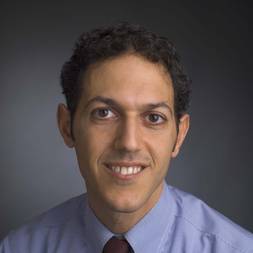 Rameen Beroukhim合作论文数Division of Medical Sciences, Harvard Medical School;Dana-Farber Cancer Institute14
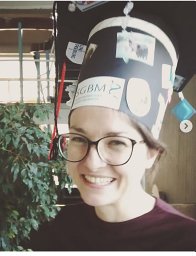 Alexandra L Condurat合作论文数Dana Farber Boston Childrens Canc & Blood Disorde13
 Keith L. Ligon合作论文数Center for Patient Derived Models, Dana-Farber Cancer Institute;Division of Neuropathology, Brigham and Women's Hospital;Medical School, Harvard University;Travera;Broad Institute, Massachusetts Institute of Technology;Boston Children's Hospital11
 Amy Goodale合作论文数Broad Inst MIT & Harvard, Cambridge, MA 02142 USA10
 David Root合作论文数Broad Institute9
 David T. W. Jones合作论文数Department of Pathology, University of Cambridge9Anna Borgenvik合作论文数8Dana R Novikov合作论文数8Nicole S Persky合作论文数Broad Inst MIT & Harvard, Cambridge, MA 02142 USA8
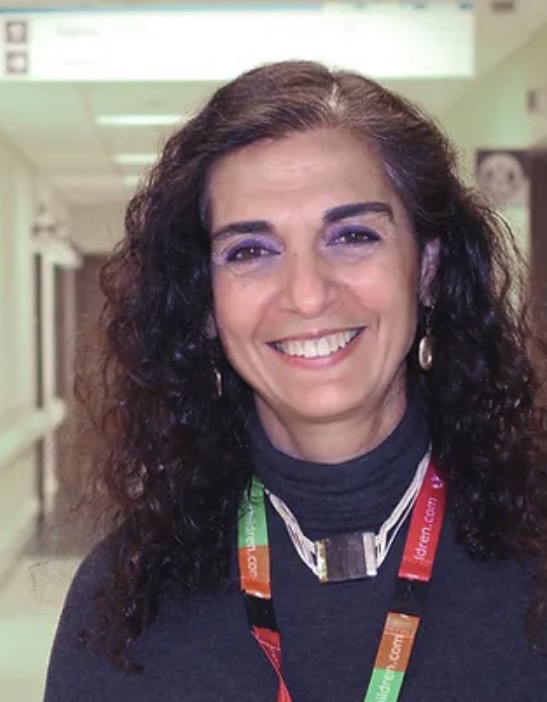 Nada Jabado合作论文数Department of Pathology, McGill University;Division of Hematology and Oncology, Montreal Children’s Hospital7
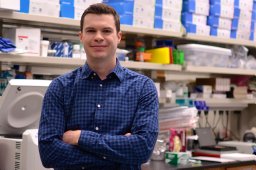 Timothy N. Phoenix合作论文数Center for Neuropharmacology and Neuroscience, Albany Medical College7
 Jesse S. Boehm合作论文数The Broad Institute of MIT and Harvard, 7 Cambridge Center, Cambridge, MA 02142, USA7
 Sean A. Misek合作论文数6
 Jessica W. Tsai合作论文数Boston Medical Center, Boston Children's Hospital6Jayne Vogelzang合作论文数5
 Kristine Pelton合作论文数Dana Farber Canc Inst, Boston, MA 02115 USA5Elizabeth Gonzalez合作论文数5
 David E. Root合作论文数Keysight Technologies5
 Todd R. Golub合作论文数Broad Institute;Dana-Farber Cancer Institute;Harvard Medical School5Sher Bahadur合作论文数4Rushil Kumbhani合作论文数4Jeromy J. Digiacomo合作论文数4Tanaz Abid合作论文数4Seth Malinowski合作论文数4Aaron Fultineer合作论文数4
 Adnan Halim合作论文数Department of Cellular and Molecular Medicine, Faculty of Health and Medical Sciences, University of Copenhagen4Dayle K Wang合作论文数4Sophie Lu合作论文数4Frank Dubois合作论文数Broad Inst MIT & Harvard, Cambridge, MA 02142 USA4
 Prasidda Khadka合作论文数Department of Cancer Biology, Dana-Farber Cancer Institute, Boston, MA, USA4
 Dengjel Jörn合作论文数University of Freiburg4Piccioni Federica合作论文数4
 Pal Sangita合作论文数4
 Henrik Clausen合作论文数Copenhagen Center for Glycomics, Department of Cellular and Molecular Medicine, Faculty of Health and Medical Sciences, University of Copenhagen;ZymeQuest Inc4
 Eric Sebastian Fischer合作论文数Department of Biological Chemistry and Molecular Pharmacology, Blavatnik Institute, Harvard Medical School;Department of Cancer Biology, Dana Farber Cancer Institute4Till Milde合作论文数3Madison Chacon合作论文数3Zohra Kalani合作论文数3Cecilia Sousa合作论文数3Graham Buchan合作论文数3
 Daniel Bondeson合作论文数3Michael J. Eck合作论文数3Tilman Brummer合作论文数3
 Laura L Kiessling合作论文数Department of Chemistry, Massachusetts Institute of Technology3Marissa Coppola合作论文数2David T W Jones合作论文数Department of Pathology, Division of Molecular Histopathology, University of Cambridge2Jeyna Doshi合作论文数2Sarah E. Dixon-Clarke合作论文数2




