Mycobacterium tuberculosis (Mtb) has evolved to be exquisitely adapted to survive within host macrophages. The capacity to damage the phagosomal membrane has emerged as central to Mtb virulence. While Mtb factors driving membrane damage have been described, host factors that repair that damage to contain the pathogen remain largely unknown. We used a genome-wide CRISPR screen to identify novel host factors required to repair Mtb-damaged phagosomal membranes. Vacuolar protein sorting-associated protein 18 (Vps18), a member of the HOPS and CORVET trafficking complexes, was among the top hits. Vps18 colocalized with Mtb in macrophages beginning shortly after infection, and Vps18-knockout macrophages demonstrated increased damage of Mtb-containing phagosomes without impaired autophagy. Mtb grew more robustly in Vps18-knockout cells, and the first-line anti-tuberculosis antibiotic pyrazinamide was less effective. Our results identify Vps18 as required for phagosomal membrane integrity in Mtb-infected cells and suggest that modulating phagosome integrity may hold promise for improving the efficacy of antibiotic treatment for TB.
The number of patients benefiting from precision cancer medicine (PCM) is very limited. The Cancer Dependency Map Initiative aims to dramatically accelerate PCM by systematically identifying the landscape of cancer vulnerabilities across all tumors. Genome-wide knockout screens have been performed in over 1000 cancer cell lines, but these have been sourced from historically derived models, leaving many cancers underrepresented. Advances have been made in model derivation by growing cells in 3D formats, such as organoids or spheroids. These models present an opportunity to screen new cancer types, but come with challenges that require a new pipeline. Here, we present a set of screens using a genome wide CAS12 library in organoid tumor models representing novel subtypes of pancreatic, esophageal, and gastric cancer, along with treatment-resistant breast, ovarian, and prostate cancer organoids. We show that genome-wide screening of these models is feasible and can be achieved with quality comparable to 2D cell lines. Our work uncovered a set of novel dependencies associated with cell-ECM interactions that have not previously been identified in 2D models. Our methods provide a framework for screening future patient derived 3D culture models and discovering vulnerabilities in new tumor types. Citation Format: James V. Neiswender, Lisa Brenan, Tate Bertea, Jimmy Guo, Ashley Anderson, Megan Wong, Zoe Posner, Kevin Kapner, Connor Hennessey, Sarah Wie, Isabella Boyle, Barbara De Kegel, Joshua Dempster, Yuen-Yi (Moony) Tseng, David Root, Andrew Aguirre, Francisca Vazquez. Charting new cancer dependencies with patient derived organoids [abstract]. In: Proceedings of the American Association for Cancer Research Annual Meeting 2023; Part 1 (Regular and Invited Abstracts); 2023 Apr 14-19; Orlando, FL. Philadelphia (PA): AACR; Cancer Res 2023;83(7_Suppl):Abstract nr 6088.
Abstract SMARCB1-deficient cancers are aggressive and highly lethal pediatric malignancies. Loss of SMARCB1 protein expression, a subunit within the SWI/SNF chromatin remodeling complex, remains the key diagnostic feature of these cancers. This can occur through large deletions, balanced translocations, frameshift mutations, or truncating nonsense mutations. Here, we sought to understand the effect of missense mutations on the tumor suppressor function of SMARCB1 through deep mutational scanning (DMS).Specifically, we developed and introduced a library containing >99% of all possible SMARCB1 amino acid substitutions, including frameshift and nonsense mutants, into three pediatric SMARCB1-deficient cell lines (G401 - malignant rhabdoid tumor of the kidney, BT16 - atypical teratoid/rhabdoid tumor, and PEDS0005T - renal medullary carcinoma) and assessed cell fitness after 8-12 days. We observed broad mutational intolerance in three SMARCB1 domains: the winged-helix domain, the intrinsically disordered region, and the RPT2 domain. Following our high-throughput study, we then focused on two highly enriched residues predicted to closely interact within the RPT2 domain of SMARCB1.We validated that specific missense mutations in these two residues mimic loss of function while retaining protein expression. Mechanistic studies revealed that these mutations destabilize the SWI/SNF complex, notably resulting in decreased affinity for SWI/SNF subunits known to be associated with cancer pathogenesis. This complex instability leads to diminished nucleosome remodeling and subsequent transcriptional deregulation.These findings challenge our current understanding of what a loss-of-function mutation means in the context of SMARCB1, suggesting that the absence of SMARCB1 protein expression may not be the sole indicator of SMARCB1 deficiency. Furthermore, this dataset provides a valuable resource for researchers to investigate key residues of SMARCB1 that may drive critical intermolecular interactions necessary for proper SWI/SNF complex assembly and function. Citation Format: Garrett Cooper, Benjamin Lee, Won Kim, Eliseo Salas, Yongdong Su, Victor Chen, Xiaoping Yang, Robert Lintner, Federica Piccioni, Andrew Giacomelli, Thomas Howard, Karen Conneely, David Root, William Hahn, David Gorkin, Bo Liang, Jaclyn Biegel, Susan Chi, Andrew Hong. Deep mutational scanning of SMARCB1 identifies missense mutants that destabilize SWI/SNF complex stability and diminish remodeling activity [abstract]. In: Proceedings of the AACR Special Conference in Cancer Research: Advances in Pediatric Cancer Research; 2024 Sep 5-8; Toronto, Ontario, Canada. Philadelphia (PA): AACR; Cancer Res 2024;84(17 Suppl):Abstract nr B028.
Abstract The Cancer Dependency Map aims to accelerate precision cancer medicine by identifying the landscape of cancer vulnerabilities across all tumors. To address underrepresented cancer types, we have optimized a genome-wide CRISPR KO screening pipeline, utilizing a condensed Cas12a library, for patient-derived 3D models. Here, we present characterization of a cohort of ovarian models which consist of underrepresented cancer subtypes along with treatment-resistant cancers. In particular, our organoid dataset includes low-grade serous carcinoma models, an ovarian cancer subtype that is understudied and not previously characterized in 2D DepMap screens. The increased representation of ovarian models will improve the potential of DepMap to uncover genetic drivers of ovarian cancers. Through genomic perturbation we showed that these 3D models achieved screen quality comparable to historically derived 2D models. Our methods provide a framework for screening future cancer models and discovering vulnerabilities in select patient populations. Citation Format: Ashley Anderson, Tate Bertea, James Neiswender, Lisa Brenan, Megan Wong, Alina Simerzin, Sarah Wie, Isabella Boyle, Lauren Golden, Barbara De Kegel, Josh Dempster, Yuen-Yi Tseng, David Root, Sarah Hill, Andrew Aguirre, Francisca Vazquez. Charting ovarian cancer dependencies with patient-derived organoids [abstract]. In: Proceedings of the AACR Special Conference on Ovarian Cancer; 2023 Oct 5-7; Boston, Massachusetts. Philadelphia (PA): AACR; Cancer Res 2024;84(5 Suppl_2):Abstract nr B014.
The Cover Feature shows a 7 kWh automotive lithium-ion battery module with 396 cylindrical cells characterized using calibrated electrochemical impedance spectroscopy (EIS) and time domain measurements. Based on EIS and time domain pulsing, robust model parameters are extracted, providing insights into the electrochemical processes of battery modules at different SoCs as well as cycling ageing. More information can be found in the Research Article by F. Kienberger and co-workers.
Abstract BACKGROUND Sonic hedgehog medulloblastoma (SHH-MB) is a malignant pediatric brain tumor that accounts for 30% of all MBs and is characterized by constitutive activation of the SHH signaling pathway. Besides the standard-of-care therapies, current therapies are targeting Smoothened (SMO) receptor, in order to inhibit the pathway. However, acquired or de novo resistance against SMO inhibition limits its efficacy. Therefore, our aim is to unravel novel therapeutic targets for SHH-MB, potentially beyond the SHH pathway. MATERIAL AND METHODS We performed genome-wide CRISPR/Cas9 knockout screens, in order to decipher cancer dependencies and synthetic lethal interactors for SHH-MB. The hits identified were first validated genetically and pharmacologically in in vitro assays, while further molecular analyses including RNAseq and differential methylation were also conducted. Moreover, the identified hits were evaluated in in vivo mouse models representing normal cerebellar, as well as SHH-MB development. RESULTS Functional genomics identified members of the epigenetic machinery, such as Dnmt1 and Smarca5 as context-specific dependencies for SHH-MB. We prove that DNMT1 inhibition is efficacious against SMO-resistant and sensitive SHH-MB cell lines, by inhibiting SHH pathway output, as shown via RNAseq. A further knockout drug screen unraveled novel synthetic lethal interactors for DNMT1 inhibitors. Genetic ablation and pharmacological inhibition of epigenetic regulators prolongs survival of established mouse models of SHH-MB. CONCLUSION Summarizing, our data indicate inhibitors of epigenetic regulators as novel therapeutic targets for SHH-MB irrespective of mutational drivers within the SHH pathway. We further propose combinatorial treatment approaches for this tumor entity that involve DNMT1 inhibitors.
Abstract Epigenetic dysregulation resulting in stalled development plays a crucial role in pediatric cancer tumorigenesis. Diffuse midline gliomas (DMG) are universally fatal pediatric brain cancers refractory to standard of care treatment modalities. These malignancies are driven by heterozygous mutations in genes encoding histone 3 (H3K27M) which create an aberrant epigenetic landscape that keeps glioma cells in an undifferentiated stem-like state. Consequently, targeting epigenetic regulators to restore the epigenome and force glioma cells to exit this stem-like cell state represents a promising new therapeutic strategy for H3K27M-DMG. To interrogate for epigenetic dependencies, we performed a CRISPR/Cas9 inactivation screen in patient-derived H3K27M-DMG neurospheres using an epigenetically focused sgRNA library and identified several core components of the mammalian BAF (SWI/SNF) chromatin remodeling complex as genetic vulnerabilities. Validation assays revealed that knockout of the BAF catalytic subunit BRG1 results in decreased glioma cell proliferation and tumor growth in orthotopic mouse models. Mechanistically, genome wide localization and DNA accessibility studies combined with regulatory network analysis demonstrated that BRG1 controls the transcription factor and enhancer landscapes that maintain H3K27M-DMG cells in a cycling, oligodendrocyte precursor cell-like state. Single cell transcriptome analysis in vitro and immunofluorescence studies in vivo confirmed that genetic perturbation of this chromatin remodeler promotes progression of differentiation along the astrocytic lineage. Similarly, pharmacological suppression of BRG1 activity, using both catalytic inhibitors as well as recently developed degraders, opposes tumor cell proliferation, stimulates cell state transition, and improves overall survival of patient-derived xenograft models. Interestingly, these effects seem to be restricted to H3K27M mutant glioma, as H3 wildtype glioma cells were less sensitive to BRG1 inhibition both in vitro and in vivo. In summary, we demonstrate that the BAF complex contributes to the maintenance of glioma cells in a proliferative stem-like state and that its therapeutic inhibition has translational potential for children bearing H3K27M-DMG.
Pediatric low-grade gliomas (pLGGs) are the most common solid tumors in children and are associated with devastating lifelong morbidities and mortality. Recent genomic profiling efforts have revealed that these tumors are largely driven by single-driver events that activate MAPK signaling. These insights have led to early clinical trials evaluating the role of MAPK inhibitors for these children with promising initial results. However, pLGGs are not cured by MAPK inhibitors, and tumors often rapidly rebound upon cessation of treatment. Therefore, continuous dosing of these inhibitors is required throughout a child’s development–often with significant and potentially permanent toxicities. In addition, 30-40% of tumors do not respond to MAPK inhibition, indicating primary resistance. We hypothesized that pediatrlc low-grade gliomas may also harbor additional dependencies beyond the MAPK pathway that may represent potential therapeutic targets. To address this, we generated isogenic neural stem cell models that expressed pLGG relevant oncogenes (BRAF family members, FGFR family members and MYB transcription factors, and subjected them to genome-scale CRISPR-cas9 screens. Compared to vector controls, pLGG models exhibited genetic dependencies on pathways that included regulators of cell-cycle and differentiation, in addition to genes involved in regulating the mTOR and MAPK pathways. Cell lines expressing MYB family transcription factors also harbored dependencies on genes involved in the DREAM complex. Together, these genes and pathways represent potential targets for combination treatments with MAPK pathway inhibitors for the treatment of pediatric low-grade gliomas.
A 7 kWh automotive battery module with 396 interconnected cells was tested with electrochemical impedance spectroscopy (EIS) and time-domain pulsing over 260 charge-discharge cycles. An EIS calibration workflow was developed for low complex impedance values in a frequency range of 1 kHz to 50 mHz. Significant corrections on the resistance and the reactance were obtained from the calibration, particularly at frequencies above 100 Hz. Equivalent circuit parameters were extracted from the EIS spectra and the pulse response and investigated with respect to the cycle number and state-of-charge (SoC). Fit parameters were robustly extracted including R-sol, R-ct, and L from EIS, and R-0, tau(1) and tau(2) from time-domain pulsing. The ohmic resistance decreased over the cycling number indicating an enhanced wetting of the electrodes. Charge transfer resistance R-ct showed a monotonic increase over the cycles related to cell ageing. From the charge and discharge pulses, the ohmic resistance R-0 was determined from the instantaneous voltage step of the recovery pulse, while the two time constants tau(1) and tau(2) correspond to the slower exponential recovery phase. R-0 from the time-domain showed a similar trend as R-sol plus a contribution of R-ct from EIS. Overall, we show that calibrated EIS and time-domain pulsing are efficient methods to gain insights into the electrochemical processes related to different SoCs and the cycling ageing of battery modules and packs.
Sonic hedgehog medulloblastoma (SHH-MB) is a malignant, highly heterogeneous brain tumor entity, accounting for 30% of all MBs in the pediatric population and is characterized by aberrant activation of the canonical SHH signaling pathway. Although current therapies targeting Smoothened (Smo) have proven a promising treatment approach for SHH-MB patients, pre-existing or acquired resistance impedes its clinical efficacy. Therefore, novel targeted approaches that overcome mechanisms of resistance are urgently needed. Here, we performed a genome-wide CRISPR/Cas9 knockout screen in a murine and a human SHH-MB cell line, SMB21 and DAOY, respectively, in order to decipher tumor-specific genetic essentialities. Our data demonstrate that SMB21 cells highly depend on key mediators of the SHH pathway, such as Gli2) for their proliferation, as opposed to DAOY cells, suggesting that the latter does not represent a faithful model of SHH-MB. Among other dependencies for SHH-MB are members of the epigenetic machinery such as Dnmt1) and Smarca5). Pharmacologically, we show that DNMT1 inhibition is efficacious at clinically relevant concentrations against Smo inhibitor- sensitive, as well as resistant SHH-MB cell lines. By performing RNA sequencing of SMB21 cells, we identified early and late alterations in global gene expression induced by DNMT1 inhibition, including decreased expression of positive regulators of SHH signaling. An additional knockout drug screen in SMB21 cells unraveled synthetic lethal interactors for DNMT1 inhibitors, as validated in vitro) by drug combination treatments. Further global DNA methylation profiling in SMB cells will help to define the molecular basis of sensitivity to DNMT1 inhibitors in SHH-MB. Last but not least, genetic ablation of epigenetic regulators and combinatorial treatments using DNMT1 inhibition will be investigated in in vivo) established mouse models of SHH-MB. Summarizing, our data indicate the potential of inhibiting epigenetic regulators as novel therapeutic avenues in SHH-MB sensitive, as well as resistant to Smo inhibition.
Receptor tyrosine kinase (RTK)-RAS signaling through the downstream mitogen activated protein kinase (MAPK) cascade regulate cell proliferation and survival. The SHOC2 holophosphatase functions as a key regulator of RTK-RAS signaling by removing an inhibitory phosphorylation on RAF family proteins to potentiate MAPK signaling. SHOC2 forms a ternary complex with MRAS and PP1C, and human germline gain-of-function mutations of this complex result in congenital RASopathy syndromes. However, the structure and the assembly of this complex are poorly understood. Here, we use cryogenic electron microscopy (cryo-EM) to resolve the structure of the SHOC2-PP1C-MRAS holophosphatase to 2.9Å resolution. Furthermore, we define the biophysical principles of SHOC2 holoenzyme interactions, elucidate the assembly order of the complex, and systematically interrogate the functional consequences of nearly all possible missense variants of SHOC2 through deep mutational scanning. We demonstrate that SHOC2 binds PP1C and MRAS through a concave surface created by the leucine-rich repeat region and further engages PP1C through the N-terminal disordered region containing a degenerate RVxF motif. Initial complex formation is mediated by SHOC2-PP1C interactions and is stabilized by binding of GTP-loaded MRAS. These observations define how clinical mutants in Noonan-like syndrome and cancer stabilize interactions of complex members to enhance holophosphatase activity. Together, this integrative structure-function model comprehensively defines key binding interactions within the SHOC2 holophosphatase, informing therapeutic development. Citation Format: Jason Kwon, Behnoush Hajian, Yuemin Bian, Alvaro Amor, James Fuller, Cara Fraley, Laura Baker, Jonathan So, David Mayhew, Abbey Sykes, Nicole Persky, Xiaoping Yang, David Root, Charles Perry, Christopher Lemke, William Hahn, Andrew Aguirre. Comprehensive structure-function evaluation of the SHOC2 holophosphatase reveals disease mechanisms and therapeutic opportunities [abstract]. In: Proceedings of the American Association for Cancer Research Annual Meeting 2022; 2022 Apr 8-13. Philadelphia (PA): AACR; Cancer Res 2022;82(12_Suppl):Abstract nr LB029.
Less than 5% of patients diagnosed with pancreatic ductal adenocarcinomas (PDAC) survive more than 5 years, largely due to therapeutic resistance and metastatic disease. Half of all PDAC patients have been shown to have loss of SMAD4, which has been shown to correlate with metastasis. Here we functionally demonstrate that SMAD4 is a key suppressor of metastatic colonization of PDAC. Using an in vitro and in vivo multi-component RNA-seq analysis on isogenic human PDAC cell lines, we defined SMAD4-dependent gene expression changes. Specifically, we identified genes that were suppressed in the presence of SMAD4. These genes could contribute to tumor metastasis. To test this, we performed a pooled open reading frame (ORF) overexpression lung colonization assay with the identified genes. We found that expression of the transcription factor FOSL1 is sufficient for metastatic colonization. Mechanistically, SMAD4 directly binds and modulates the activity of the FOSL1 enhancer. Taken together, these studies demonstrate a direct role for SMAD4 in regulating metastatic colonization and identify FOSL1 as a direct SMAD4-regulated gene involved in distant site colonization. Citation Format: Jonathan P. Rennhack, Chao Dai, Andrew Aguirre, John Doench, David Root, William C. Hahn. SMAD4 represses PDAC metastatic colonization through binding FOSL1 enhancer regions [abstract]. In: Proceedings of the American Association for Cancer Research Annual Meeting 2022; 2022 Apr 8-13. Philadelphia (PA): AACR; Cancer Res 2022;82(12_Suppl):Abstract nr 2402.
Abstract AIM: Pediatric low-grade gliomas (pLGGs) are a heterogenous group of tumors, diverse in their localization, histology, mutational landscape, clinical behavior, and treatment response. Genomic alterations impacting the MYB family of transcription factors were identified in two distinct pLGG subtypes: Angiocentric Gliomas (AG) and Diffuse Astrocytomas (DA). The molecular profiles and therapeutic vulnerabilities associated with these genomic alterations remain unexplored. In this study we highlight the use of genome-wide CRISPR/Cas9 knock-out screens for an unbiased identification of translatable therapeutic targets. METHODOLOGY: Given the lack of patient-derived pLGG cell lines, we engineered in vitro pLGG mouse and human neural stem cell (NSC) models to harbor pLGG-relevant genomic alterations. We performed single cell RNA sequencing to investigate the transcriptional profiles driven by these mutations and to dissect the central regulatory networks enabling tumorigenesis. Specific genetic dependencies associated with MYB/MYBL1 mutations were screened using the Brie genome-wide mouse CRISPR lentiviral knock-out pooled library, consisting of 78,637 single guide RNAs (sgRNAs) targeting 19,674 mouse genes. RESULTS: We have successfully generated in vitro NSC-based pLGG models crucial to deepening our knowledge on pLGG biology and the identification of translatable therapeutic targets. Genome-scale CRISPR/Cas9 knock-out screens in isogenic NSCs models, expressing distinct MYB/MYBL1 alterations or a control transgene, revealed several differential genetic dependencies. Among the top identified dependencies are regulators of cell-stress response, cell-cycle progression, and modulators of the ubiquitin-proteasome degradation pathway. CONCLUSION: Genome-wide CRISPR knock-out screens are a powerful tool for the unbiased identification of mutation-specific genetic dependencies that can be explored as candidates for precision medicine approaches.
Abstract Genomic drivers of pediatric low-grade gliomas (pLGGs) converge on alterations that activate the MAPK pathway. However, expression of individual driver oncogenes fails to induce tumor formation with high penetrance and, paradoxically, expression of these oncogenes suppresses growth in vitro. This, combined with the non-monotonic tumor growth rate in patients, suggests that there are “hidden drivers” beyond a single driver oncogene that are necessary to support tumor growth. The goal of this project is to leverage high-throughput functional genomics strategies to identify these hidden drivers of pLGG. Our preliminary data indicates that genes which modulate differentiation are required for the survival of LGG cells, suggesting that these genes may be hidden drivers of LGG tumor growth. Additionally, we hypothesize that secreted factors in the tumor microenvironment regulate pLGG tumor growth, potentially by modulating differentiation. In total, genes which cooperate with pLGG driver oncogenes to promote tumor growth may represent a new class of therapeutic targets and may explain the complex patterns of tumor growth that are observed in patients.
We present an efficient, accurate, and comprehensive analysis framework for generic, multi-port nonlinear parametric circuits, in the presence of dissipation from lossy circuit components, based on "quantum-adapted" X-parameters. We apply this method to Josephson traveling-wave parametric amplifiers (JTWPAs) - a key component in superconducting and spin qubit quantum computing architectures - which are challenging to model accurately due to their thousands of linear and nonlinear circuit components. X-parameters are generated from a harmonic balance solution of the classical nonlinear circuit and then mapped to the field ladder operator basis, so that the energy associated with each of the multiple interacting modes corresponds to photon occupancy, rather than classical power waves. Explicit relations for the quantum efficiency of a generic, multi-port, multi-frequency parametric circuit are presented and evaluated for two distinct JTWPA designs. The gain and quantum efficiency are consistent with those obtained from Fourier analysis of time-domain solutions, but with enhanced accuracy, speed, and the ability to include real-world impairments, statistical variations, parasitic effects, and impedance mismatches (in- and out-of-band) seamlessly. The unified flow is implemented in Keysight's PathWave Advanced Design System (ADS) and independently in an open-source simulation code, JosephsonCircuits.jl, from the MIT authors.
Abstract Brain tumors are the leading cause of cancer-related deaths in children, and atypical teratoid rhabdoid tumors (ATRTs) are among the most common aggressive brain tumors in infants. With no standard-of-care treatment so far, ATRTs continue to have relatively low survival estimates, illustrating the urgent need for more efficacious treatment options. We have previously used genome-wide CRISPR/Cas9 knockout screens in combination with small-molecule drug assays to identify targetable vulnerabilities in ATRTs. CDK4/6 inhibitors, among the most promising drugs in our study with direct translational potential, are capable of inhibiting tumor growth due to mutual exclusive dependency of ATRTs on either CDK4 or CDK6. We here used genome-wide loss-of-function and gain-of-function strategies to identify modulators of response to CDK4/6 inhibition in ATRTs. Of note, while some well-known resistance mechanisms such as loss of RB1 or FBXW7 are shared by ATRT cell lines, we have also identified modulators of response to CDK4/6 inhibition with opposing effects across ATRT cell lines. As such, loss of AMBRA1, a recently described master regulator of D type cyclins, can either oppose the effects of or synergize with CDK4/6 inhibitors based on the cellular background. We are currently using a proteomics approach to further delineate the mechanism driving this functional heterogeneity of AMBRA1 in ATRTs. Our study will therefore provide deeper insights into the response of ATRTs to CDK4/6 inhibitors, which represent one of the most promising class of targeted agents for the treatment of ATRTs.
Precision medicine promises to improve the treatment of cancer patients, but a lack of therapeutic targets and associated predictive biomarkers limit this reality. To identify novel strategies, we integrate genome-scale CRISPR viability screens across many cancer models with cellular and molecular features to systematically define The Cancer Dependency Map. Using this data, we have identified that XPR1, an inorganic phosphate exporter protein, is a highly selective dependency gene in ovarian and uterine cancers. These cancers are sensitive to loss of XPR1 due to over-expression of SLC34A2, a phosphate importer protein. These data suggest a synthetic lethal relationship in which intracellular phosphate homeostasis is dysregulated in cancer. As proof-of-concept of pharmacological inhibition of XPR1, we have developed protein ligands based on the receptor binding domain of viruses which use XPR1 for cellular entry. These ligands inhibit XPR1 and kill cancer cells in an on-mechanism manner, but may be limited in their clinical utility. As such, we are deepening our understanding of the mechanisms of XPR1-dependent phosphate efflux, and have identified a novel partner protein that is integral to phosphate efflux, possibly revealing functional domains that small molecule inhibitors might target. Overall, these data highlight a novel mechanism to treat cancers by leveraging cancer-specific phosphate dysregulation and further reinforce the Cancer Dependency Map as a powerful engine to uncover novel therapeutic vulnerabilities. Citation Format: Daniel Bondeson, Brenton Paolella, Adhana Asfaw, Michael Rothberg, Thomas Skipper, Gabriel Mesa, Alfredo Gonzalez, Lauren E. Surface, Kentaro Ito, Mariya Kazachkova, William N. Colgan, Allie Warren, Joshua Dempster, J Michael Krill-Burger, Maria Ericsson, Andrew Tang, Iris Fung, Emily S. Chambers, Mai Abdusamad, Nancy Dumont, John Doench, Federica Piccioni, David Root, Jesse Boehm, William C. Hahn, Michael Mannstadt, James McFarland, Francisca Vazquez, Todd Golub. Phosphate dysregulation as a novel therapeutic strategy in ovarian and uterine cancers [abstract]. In: Proceedings of the American Association for Cancer Research Annual Meeting 2022; 2022 Apr 8-13. Philadelphia (PA): AACR; Cancer Res 2022;82(12_Suppl):Abstract nr 1028.
 William C. Hahn合作论文数Department of Medical Oncology, Dana-Farber Cancer Institute;Harvard Medical School;Broad Institute, MIT34
 Jan Verspecht合作论文数Communications Solutions Group - Keysight Technologies Inc.34
 jason horn合作论文数30
 Jesse S. Boehm合作论文数The Broad Institute of MIT and Harvard, 7 Cambridge Center, Cambridge, MA 02142, USA28
 Francisca Vazquez合作论文数Broad Institute24
 Piccioni Federica合作论文数22
 Todd R. Golub合作论文数Broad Institute;Dana-Farber Cancer Institute;Harvard Medical School22
 Glenn S Cowley合作论文数Berman-Gund Laboratory for the Study of Retinal Degenerations and the Howe Laboratory of Ophthalmology, Harvard Medical School21
 Levi Garraway合作论文数Roche;Genentech18
 Jianjun Xu合作论文数18Mihai Marcu合作论文数18
 Aviad Tsherniak合作论文数Dana-Farber Cancer Institute;Koch Institute for Integrative Cancer Research, Massachusetts Institute of Technology;Stealth17
 John Doench合作论文数Broad Institute of MIT and Harvard14
 Masaya Iwamoto合作论文数Dept . of Electrical and Computer Engineering;University of California at San Diego;Dept . of Electrical and Computer Engineering, University of California at San Diego14Amy Goodale合作论文数Broad Inst MIT & Harvard, Cambridge, MA 02142 USA13Nicole S Persky合作论文数Broad Inst MIT & Harvard, Cambridge, MA 02142 USA13Kimberly Stegmaier合作论文数Department of Pediatric Oncology, Dana-Farber Cancer Institute and Boston Children's Hospital/Broad Institute13Barbara A. Weir合作论文数Metcalf & Eddy, Inc.13
 Matthew L. Meyerson合作论文数Harvard Medical School;Center for Cancer Genomics, Dana-Farber Cancer Institute11Andrew J. Aguirre合作论文数10Serena J. Silver合作论文数Broad Institute of Harvard and Massachusetts Institute of Technology10
 Daniel Gunyan合作论文数10
 Keith L. Ligon合作论文数Center for Patient Derived Models, Dana-Farber Cancer Institute;Division of Neuropathology, Brigham and Women's Hospital;Medical School, Harvard University;Travera;Broad Institute, Massachusetts Institute of Technology;Boston Children's Hospital9Sasha Pantel合作论文数Broad Inst MIT & Harvard, Genet Perturbat Platform, Cambridge, MA 02142 USA8
 So Young Kim合作论文数Department of Molecular Genetics and Microbiology, Duke University School of Medicine8
 Ian Dunn合作论文数The Roslin Institute, The University of Edinburgh/The Royal (Dick) School of Veterinary Studies, The University of Edinburgh8
 Andrew L Hong合作论文数Department of Genetics, Harvard Medical School8
 Eric S. Lander合作论文数Department of Biology, Massachusetts Institute of Technology;Harvard Medical School;Broad Institute, Massachusetts Institute of Technology8
 Joshua M Dempster合作论文数Broad Inst MIT & Harvard, Cambridge, MA 02142 USA7
 Robin M. Meyers合作论文数Howard Hughes Medical Institute;Program in Cellular and Molecular Medicine, Boston Children’s Hospital;Department of Genetics, Harvard Medical School;Howard Hughes Medical Institute, Harvard Medical School7
 John Wood合作论文数Obsidian Microwave, LLC;Wolfspeed7
 Nicholas B. Tufillaro合作论文数Center for Nonlinear Studies;Los Alamos National Laboratory;Center for Nonlinear Studies, Los Alamos National Laboratory7
 Yuen-Yi Tseng合作论文数Department of Bioenvironmental Systems Engineering, National Taiwan University7
 Rameen Beroukhim合作论文数Division of Medical Sciences, Harvard Medical School;Dana-Farber Cancer Institute7Anna C. Schinzel合作论文数7Yenarae Lee合作论文数Broad Institute of Harvard and MIT, 415 Main Street, Cambridge, MA, USA.6Biao Luo合作论文数6Kryukov Gregory V合作论文数Broad Inst Harvard & MIT6
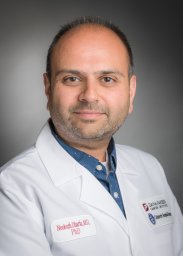 Dharia Neekesh V合作论文数Dept Cell Biol, Scripps Res Inst6Loren Betts合作论文数6
 Nikhil Wagle合作论文数Dana-Farber / Harvard Cancer;Harvard Medical School;Genentech6
 Sridhar Ramaswamy合作论文数Google Ventures6alex cognata合作论文数5Kevin Zhou合作论文数5
 Alexandra L Condurat合作论文数Dana Farber Boston Childrens Canc & Blood Disorde5
 Mihir Doshi合作论文数Department of Medical Oncology, Dana-Farber Cancer Institute5Paula Keskula合作论文数5Guillaume Kugener合作论文数5Guozhi Jiang合作论文数5




