One of the seminal discoveries from genetic studies of autism spectrum disorder and related neurodevelopmental disorders (NDDs) has been that loss-of-function (LoF) mutations in genes that impact transcriptional regulation confer substantial liability to NDDs. Haploinsufficiency of the epigenetic regulator POGZ represents one of the strongest such associations; however, little is known about the mechanisms by which POGZ LoF alters early neuronal development. Here, we created an allelic series of CRISPR-engineered human induced pluripotent stem cell (hiPSC) clones harboring mono- and bi-allelic POGZ deletions. In hiPSC-derived neural stem cells (NSCs) and Neurogenin-2-induced neurons (iNs), POGZ LoF altered the expression of genes associated with synaptic and intracellular signaling and extracellular matrix organization. Our multiomics profiling also showed altered footprinting of critical transcription factors (e.g., activator protein 1 complexes) that were enriched at promoters of differentially expressed genes associated with synaptic function. To further interrogate the shared molecular changes associated with NDDs, we compared our results to deletions of the transcription factor MEF2C and the sodium channel gene SCN2A that we generated in these same isogenic iNs. These analyses revealed strong enrichment of extracellular matrix and intracellular signaling disruption associated with POGZ and MEF2C deletion, whereas POGZ and SCN2A haploinsufficiency exhibited shared transcriptional effects on gene modules enriched for NDD-associated genes with opposing regulatory effects. Notably, we also observed alterations to synaptic firing rate and neurite extension with bi-allelic deletions. These shared molecular consequences suggest key points of convergence that connect gene regulation to neuronal function in the etiology of neurodevelopmental pathologies.
Cohesin orchestrates gene expression via three-dimensional chromosome folding. Genes encoding cohesin and cohesin loaders have been associated with Mendelian disorders, whereas genes encoding cohesin release factors, including WAPL and its binding partners PDS5A and PDS5B, have not. We explored the relevance of cohesin release factors in Mendelian disease by phenotyping individuals with heterozygous predicted damaging variants in WAPL (n = 27), PDS5A (n = 8), and PDS5B (n = 8), by modeling WAPL deficiency in human cells and mice, and by aggregating disease association statistics from consortia studies. We identified a WAPL-related disorder featuring developmental delay, intellectual disability, and risk of other developmental anomalies. Similarities between individuals with damaging WAPL variants and those with large, recurrent 10q22.3q23.2 (10q) deletions encompassing WAPL nominate WAPL as a driver gene within this genomic disorder region. While individuals with PDS5A or PDS5B variants exhibited features of developmental disorders, neither cohort-based statistics nor subject phenotyping associated these genes with specific phenotypes. We used CRISPR to generate truncating variants in WAPL and 10q deletion or duplication in human induced pluripotent stem cells (iPSCs) and induced neurons. Transcriptomics identified significant overlap between WAPL haploinsufficiency and 10q deletion differentially expressed genes. Mice with 50% Wapl expression exhibited mild deficits of growth and learning/memory, whereas those with 25% residual Wapl displayed birth defects and postnatal lethality, revealing a dosage liability threshold below the level of heterozygosity. In summary, we delineated a genetic condition caused by cohesin release factor deficiency, nominated WAPL as a driver gene within a genomic disorder region, and further illuminated dosage sensitivity of human cohesin.
Cohesin is a fundamental genome-organizing complex that orchestrates three-dimensional chromosome folding and gene expression via DNA loop extrusion. Alterations to genes encoding cohesin subunits and cohesin loaders cause Mendelian disorders, including Cornelia de Lange syndrome (CdLS). By contrast, disruption of factors that remove cohesin from DNA, including WAPL and its binding partners PDS5A and PDS5B, have not yet been associated with human disease. Here, we explored the relevance of these cohesin release factors in Mendelian disease by establishing a rare disease cohort of deeply phenotyped individuals with heterozygous, predicted damaging variants in WAPL (n=27), PDS5A (n=8), and PDS5B (n=8), by modeling WAPL deficiency in human cell lines and mice, and by aggregating rare disease association statistics from consortia studies. We identified a WAPL-related disorder characterized by developmental delay, intellectual disability, and risk of other developmental anomalies including clubfoot. Similarities between individuals with damaging WAPL variants and those with large, recurrent 10q22.3q23.2 (10q) deletions (which encompass WAPL) nominate WAPL as a driver gene within this genomic disorder region. While carriers of PDS5A or PDS5B variants exhibited features of developmental disorders, neither cohort-based statistics nor case phenotyping associated these genes with specific phenotypes. We used CRISPR engineering to generate truncating variants in WAPL, as well the 7.8 Mb 10q deletion or duplication in human iPSCs and induced neurons. Transcriptomic analyses identified differentially expressed genes in both models, with highly significant overlap between WAPL haploinsufficiency and 10q deletion signatures. Mice with 50% residual Wapl expression exhibited mild deficits of growth and learning/memory, whereas those with 25% residual Wapl expression displayed birth defects and postnatal lethality, revealing a dosage liability threshold below the level of heterozygosity. In summary, we delineated a novel genetic condition caused by cohesin release factor deficiency, nominated WAPL as a driver gene within a genomic disorder region, and further illuminated dosage sensitivity of human cohesin.
Recursive splice sites are rare motifs postulated to facilitate splicing across massive introns and shape isoform diversity, especially for long, brain-expressed genes. The necessity of this unique mechanism remains unsubstantiated, as does the role of recursive splicing (RS) in human disease. From analyses of rare copy number variants (CNVs) from almost one million individuals, we previously identified large, heterozygous deletions eliminating an RS site (RS1) in the first intron of CADM2 that conferred substantial risk for attention deficit hyperactivity disorder (ADHD) and other neurobehavioral traits. CADM2 encodes a neuronally expressed cell adhesion molecule that has repeatedly been associated with ADHD and numerous similar traits. To explore the molecular impact of RS ablation in CADM2 , we used CRISPR to model patient deletions and to target a smaller region (~500 base pairs) containing RS1 in both human induced neurons (iNs) and rats. Transcriptome analyses in unedited iNs provided a catalog of CADM2 transcripts, including novel transcripts that retained RS exons. Intriguingly, ablating RS1 altered the gradient of RNA abundance across the first intron of CADM2 , decreased the level of CADM2 expression, and impacted transcript usage. Decreased CADM2 expression was reflected in reduced exon usage downstream of the RS1 site and global alteration to genes involved in neuronal processes including synapse and axon development. Given the scale of our analyses and the widespread association of CADM2 with neurobehavioral traits, we sought to validate these findings using in vivo models and found that rodent models harboring Cadm2 RS1 deletions exhibited significant changes in relevant behaviors and functional brain connectivity. In summary, our analyses demonstrate a functional role for RS as a noncoding regulatory mechanism in a gene associated with a spectrum of neuropsychiatric and behavioral traits.
MEF2C encodes a transcription factor that is critical in nervous system development. Here, to examine disease-associated functions of MEF2C in human microglia, we profiled microglia differentiated from isogenic MEF2C-haploinsufficient and MEF2C-knockout induced pluripotent stem cell lines. Complementary transcriptomic and functional analyses revealed that loss of MEF2C led to a hyperinflammatory phenotype with broad phagocytic impairment, lipid accumulation, lysosomal dysfunction and elevated basal inflammatory cytokine secretion. Genome-wide profiling of MEF2C-bound sites coupled with the active regulatory landscape enabled inference of its transcriptional functions and potential mechanisms for MEF2C-associated cellular functions. Transcriptomic and epigenetic approaches identified substantial overlap with idiopathic autism datasets, suggesting a broader role of human microglial MEF2C dysregulation in idiopathic autism. In a mouse xenotransplantation model, loss of MEF2C led to morphological, lysosomal and lipid abnormalities in human microglia in vivo. Together, these studies reveal mechanisms by which reduced microglial MEF2C could contribute to the development of neurological diseases.
Nuclear compartments are prominent features of 3D chromatin organization, but sequencing depth limitations have impeded investigation at ultra fine-scale. CTCF loops are generally studied at a finer scale, but the impact of looping on proximal interactions remains enigmatic. Here, we critically examine nuclear compartments and CTCF loop-proximal interactions using a combination of in situ Hi-C at unparalleled depth, algorithm development, and biophysical modeling. Producing a large Hi-C map with 33 billion contacts in conjunction with an algorithm for performing principal component analysis on sparse, super massive matrices (POSSUMM), we resolve compartments to 500 bp. Our results demonstrate that essentially all active promoters and distal enhancers localize in the A compartment, even when flanking sequences do not. Furthermore, we find that the TSS and TTS of paused genes are often segregated into separate compartments. We then identify diffuse interactions that radiate from CTCF loop anchors, which correlate with strong enhancer-promoter interactions and proximal transcription. We also find that these diffuse interactions depend on CTCF's RNA binding domains. In this work, we demonstrate features of fine-scale chromatin organization consistent with a revised model in which compartments are more precise than commonly thought while CTCF loops are more protracted.
New technologies and large-cohort studies have enabled novel variant discovery and association at unprecedented scale, yet functional characterization of these variants remains paramount to deciphering disease mechanisms. Approaches that facilitate parallelized genome editing of cells of interest or induced pluripotent stem cells (iPSCs) have become critical tools toward this goal. Here, we developed an approach that incorporates libraries of CRISPR-Cas9 guide RNAs (gRNAs) together with inducible Cas9 into a piggyBac (PB) transposon system to engineer dozens to hundreds of genomic variants in parallel against isogenic cellular backgrounds. This method empowers loss-of-function (LoF) studies through the introduction of insertions or deletions (indels) and copy-number variants (CNVs), though generating specific nucleotide changes is possible with prime editing. The ability to rapidly establish high-quality mutational models at scale will facilitate the development of isogenic cellular collections and catalyze comparative functional genomic studies investigating the roles of hundreds of genes and mutations in development and disease.
Point mutations and structural variants that directly disrupt the coding sequence of MEF2C have been associated with a spectrum of neurodevelopmental disorders (NDDs). However, the impact of MEF2C haploinsufficiency on neurodevelopmental pathways and synaptic processes is not well understood, nor are the complex mechanisms that govern its regulation. To explore the functional changes associated with structural variants that alter MEF2C expression and/or regulation, we generated an allelic series of 204 isogenic human induced pluripotent stem cell (hiPSC)-derived neural stem cells and glutamatergic induced neurons. These neuronal models harbored CRISPR-engineered mutations that involved direct deletion of MEF2C or deletion of the boundary points for topologically associating domains (TADs) and chromatin loops encompassing MEF2C. Systematic profiling of mutation-specific alterations, contrasted to unedited controls that were exposed to the same guide RNAs for each edit, revealed that deletion of MEF2C caused differential expression of genes associated with neurodevelopmental pathways and synaptic function. We also discovered significant reduction in synaptic activity measured by multielectrode arrays (MEAs) in neuronal cells. By contrast, we observed robust buffering against MEF2C regulatory disruption following deletion of a distal 5q14.3 TAD and loop boundary, whereas homozygous loss of a proximal loop boundary resulted in down-regulation of MEF2C expression and reduced electrophysiological activity on MEA that was comparable to direct gene disruption. Collectively, these studies highlight the considerable functional impact of MEF2C deletion in neuronal cells and systematically characterize the complex interactions that challenge a priori predictions of regulatory consequences from structural variants that disrupt three-dimensional genome organization.
Chromosome 16p11.2 reciprocal genomic disorder, resulting from recurrent copy-number variants (CNVs), involves intellectual disability, autism spectrum disorder (ASD), and schizophrenia, but the responsible mechanisms are not known. To systemically dissect molecular effects, we performed transcriptome profiling of 350 libraries from six tissues (cortex, cerebellum, striatum, liver, brown fat, and white fat) in mouse models harboring CNVs of the syntenic 7qF3 region, as well as cellular, transcriptional, and single-cell analyses in 54 isogenic neural stem cell, induced neuron, and cerebral organoid models of CRISPR-engineered 16p11.2 CNVs. Transcriptome-wide differentially expressed genes were largely tissue-, cell-type-, and dosage-specific, although more effects were shared between deletion and duplication and across tissue than expected by chance. The broadest effects were observed in the cerebellum (2,163 differentially expressed genes), and the greatest enrichments were associated with synaptic pathways in mouse cerebellum and human induced neurons. Pathway and co-expression analyses identified energy and RNA metabolism as shared processes and enrichment for ASD-associated, loss-of-function constraint, and fragile X messenger ribonucleoprotein target gene sets. Intriguingly, reciprocal 16p11.2 dosage changes resulted in consistent decrements in neurite and electrophysiological features, and single-cell profiling of organoids showed reciprocal alterations to the proportions of excitatory and inhibitory GABAergic neurons. Changes both in neuronal ratios and in gene expression in our organoid analyses point most directly to calretinin GABAergic inhibitory neurons and the excitatory/inhibitory balance as targets of disruption that might contribute to changes in neurodevelopmental and cognitive function in 16p11.2 carriers. Collectively, our data indicate the genomic disorder involves disruption of multiple contributing biological processes and that this disruption has relative impacts that are context specific.
Recurrent deletion and duplication of ∼743 kilobases of unique genomic sequence and segmental duplications at chromosome 16p11.2 underlie a reciprocal genomic disorder (RGD; OMIM 611913 and 614671) associated with neurodevelopmental and psychiatric phenotypes, including intellectual disability, autism spectrum disorder (ASD), and schizophrenia (SCZ). To define molecular alterations associated with the 16p11.2 RGD, we performed transcriptome analyses of mice with reciprocal copy number variants (CNVs) of the syntenic chromosome 7qF3 region and human neuronal models derived from isogenic human induced pluripotent stem cells (hiPSCs) carrying CRISPR-engineered CNVs at 16p11.2. Analysis of differentially expressed genes (DEGs) in mouse cortex, striatum, cerebellum and three non-brain tissues, as well as in human neural stem cells and induced glutamatergic neurons revealed that the strongest and most consistent effects occurred within the CNV sequence, with notable instances of differential expression of genes in the immediate vicinity that could reflect position effect. While differential expression of genes outside of chromosome 16p11.2 was largely region, tissue, and cell type-specific, a small but significant minority of such DEGs was shared between brain regions or human cell types. Gene Ontology (GO) enrichment analyses to identify cellular processes dysregulated due to these CNVs found support in select circumstances for terms related to energy metabolism, RNA metabolism, and translation but did not reveal a single universally affected process. Weighted gene co-expression network analysis identified modules that showed significant correlation with reciprocal or individual CNV genotype and better captured shared effects, indicating that energy metabolism, RNA metabolism, translation and protein targeting were disrupted across all three brain regions. The first two of these processes also emerged in the human neural stem cell (NSC) data. A subset of co-expression modules that correlated with CNV genotype revealed significant enrichments for known neurodevelopmental disorder genes, loss-of-function constrained genes, FMRP targets, and chromatin modifiers. Intriguingly, neuronal differentiation of the hiPSCs revealed that both the deletion and duplication CNV resulted in similar deficits in neurite extension and branching and alterations in electrical activity. Finally, generation of cerebral organoid derivatives indicated that the CNVs reciprocally altered the ratio of excitatory and inhibitory GABAergic neurons generated during in vitro neurodevelopment, consistent with a major mechanistic hypothesis for ASD. Collectively, our data suggest that the 16p11.2 RGD involves disruption of multiple biological processes, with a relative impact that is context-specific. Perturbation of individual and multiple genes within the CNV region will be required to dissect single-gene effects, uncover regulatory interactions, and define how each contributes to abnormal neurodevelopment.
Rare copy-number variants (rCNVs) include deletions and duplications that occur infrequently in the global human population and can confer substantial risk for disease. In this study, we aimed to quantify the properties of haploinsufficiency (i.e., deletion intolerance) and triplosensitivity (i.e., duplication intolerance) throughout the human genome. We harmonized and meta-analyzed rCNVs from nearly one million individuals to construct a genome-wide catalog of dosage sensitivity across 54 disorders, which defined 163 dosage sensitive segments associated with at least one disorder. These segments were typically gene dense and often harbored dominant dosage sensitive driver genes, which we were able to prioritize using statistical fine-mapping. Finally, we designed an ensemble machine-learning model to predict probabilities of dosage sensitivity (pHaplo & pTriplo) for all autosomal genes, which identified 2,987 haploinsufficient and 1,559 triplosensitive genes, including 648 that were uniquely triplosensitive. This dosage sensitivity resource will provide broad utility for human disease research and clinical genetics.
SummaryNuclear compartments segregate active from inactive chromatin, but sequencing depth limitations have impeded investigation at fine-scale. Here, we critically examine nuclear compartments using in situ Hi-C at unparalleled depth, novel algorithm development, biophysical modelling, and super-resolution microscopy. Producing the largest Hi-C map to date with 33 billion contacts in conjunction with the POSSUMM algorithm we resolve compartments to 500 bp. In contrast to coarse-resolution mapping, our results demonstrate that essentially all active promoters and distal enhancers localize in the A compartment, even when flanking sequences do not. Furthermore, we find that the TSS and TTS of paused genes are often segregated into separate compartments. These fine-scale compartments are accurately simulated by a polymer physics model of phase separation and help explain chromatin conformation patterns seen by OligoSTORM imaging. These results are consistent with a model in which phase separation creates compartments at the scale of individual DNA regulatory elements.
Megabase-scale intervals of active, gene-rich and inactive, gene-poor chromatin are known to segregate, forming the A and B compartments. Fine mapping of the contents of these A and B compartments has been hitherto impossible, owing to the extraordinary sequencing depths required to distinguish between the long-range contact patterns of individual loci, and to the computational complexity of the associated calculations. Here, we generate the largest published in situ Hi-C map to date, spanning 33 billion contacts. We also develop a computational method, dubbed PCA of Sparse, SUper Massive Matrices (POSSUMM), that is capable of efficiently calculating eigenvectors for sparse matrices with millions of rows and columns. Applying POSSUMM to our Hi-C dataset makes it possible to assign loci to the A and B compartment at 500 bp resolution. We find that loci frequently alternate between compartments as one moves along the contour of the genome, such that the median compartment interval is only 12.5 kb long. Contrary to the findings in coarse-resolution compartment profiles, we find that individual genes are not uniformly positioned in either the A compartment or the B compartment. Instead, essentially all (95%) active gene promoters localize in the A compartment, but the likelihood of localizing in the A compartment declines along the body of active genes, such that the transcriptional termini of long genes (>60 kb) tend to localize in the B compartment. Similarly, nearly all active enhancers elements (95%) localize in the A compartment, even when the flanking sequences are comprised entirely of inactive chromatin and localize in the B compartment. These results are consistent with a model in which DNA-bound regulatory complexes give rise to phase separation at the scale of individual DNA elements.
Hennekam lymphangiectasia-lymphedema syndrome is an autosomal recessive disorder characterized by congenital lymphedema, intestinal lymphangiectasia, facial dysmorphism, and variable intellectual disability. Known disease genes include CCBE1, FAT4, and ADAMTS3. In a patient with clinically diagnosed Hennekam syndrome but without mutations or copy-number changes in the three known disease genes, we identified a homozygous single-exon deletion affecting FBXL7. Specifically, exon 3, which encodes the F-box domain and several leucine-rich repeats of FBXL7, is eliminated. Our analyses of databases representing >100,000 control individuals failed to identify biallelic loss-of-function variants in FBXL7. Published studies in Drosophila indicate Fbxl7 interacts with Fat, of which human FAT4 is an ortholog, and mutation of either gene yields similar morphological consequences. These data suggest that FBXL7 may be the fourth gene for Hennekam syndrome, acting via a shared pathway with FAT4.
Recurrent rearrangements of Chromosome 8p23.1 are associated with congenital heart defects and developmental delay. The complexity of this region has led to inconsistencies in the current reference assembly, confounding studies of genetic variation. Using comparative sequence-based approaches, we generated a high-quality 6.3-Mbp alternate reference assembly of an inverted Chromosome 8p23.1 haplotype. Comparison with nonhuman primates reveals a 746-kbp duplicative transposition and two separate inversion events that arose in the last million years of human evolution. The breakpoints associated with these rearrangements map to an ape-specific interchromosomal core duplicon that clusters at sites of evolutionary inversion ( P = 7.8 × 10 −5 ). Refinement of microdeletion breakpoints identifies a subgroup of patients that map to the same interchromosomal core involved in the evolutionary formation of the duplication blocks. Our results define a higher-order genomic instability element that has shaped the structure of specific chromosomes during primate evolution contributing to rearrangements associated with inversion and disease.
 Michael E. Talkowski合作论文数15
 Rachita Yadav合作论文数Department of Biology, University of Copenhagen11
 Serkan Erdin合作论文数Massachusetts Gen Hosp, Harvard Univ11
 Benjamin Currall合作论文数Department of Biomedical Sciences, Creighton University School of Medicine10Diane Lucente合作论文数8
 Philip M Boone合作论文数Baylor College of Medicine, Baylor College of Medicine8
 Moysés-Oliveira Mariana合作论文数Departamento de Morfologia e Genética, Universidade Federal de São Paulo8
 James Francis Gusella合作论文数Department of Genetics, Blavatnik Institute, Harvard Medical School;Center for Genomic Medicine, Massachusetts General Hospital8
 Derek Tai合作论文数7
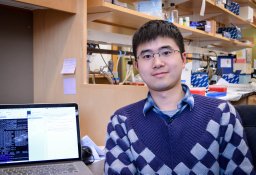 Gao Dadi合作论文数Sydney Medical School, University of Sydney7
 Ryan L Collins合作论文数Center for Human Genetic Research, Massachusetts General Hospital7Monica Salani合作论文数Center for Genomic Medicine, Massachusetts General Hospital Research Institute6
 Evan Eichler合作论文数Department of Genome Sciences, University of Washington;Howard Hughes Medical Institute, University of Washington;The Brotman Baty Institute;New York Genome Center/Foege S-413C, Box 3550656
 Celine de Esch合作论文数TNO Quality of Life, Zeist6Kathryn O’Keefe合作论文数5
 Nicholas D. Burt合作论文数Department of Neurology, Harvard Medical School5
 Erez Lieberman Aiden合作论文数Baylor College of Medicine;Department of Biochemistry and Molecular Biology, The University of Texas Medical Branch;Department of Biosciences, Rice University5Nuttle Xander合作论文数5
 Olga Dudchenko合作论文数Center for Theoretical Biological Physics, Rice University;Mol. & Human Genetics/Aiden Lab, Baylor College of Medicine4Michael H. Nichols合作论文数3Parisa Razaz合作论文数3John Lemanski合作论文数3Akshay Krishna合作论文数3
 Huiya Gu合作论文数3Laura Smith合作论文数3Melanie Pham合作论文数3Devika Udupa合作论文数3Mozes Jacobs合作论文数3Gesine Cauer合作论文数3Achyuth Kalluchi合作论文数3Riya Bhavsar合作论文数3
 Catarina D Campbell合作论文数Novartis Institutes for Biomedical Research3
 Yossi Eliaz合作论文数Dept Phys, Univ Houston3R. Eric Davis合作论文数3Sungjae Kim合作论文数3
 Brian O'Roak合作论文数School of Medicine, Oregon Health & Science University3Olshansky Moshe合作论文数3
 Weiyuan Ma合作论文数3Omer Arina D合作论文数3
 Suhas Rao合作论文数3
 Rowley M Jordan合作论文数Department of Molecular, Cellular, and Developmental Biology, University of Michigan3
 Niklas Krumm合作论文数Department of Laboratory Medicine & Pathology, University of Washington3
 Aviva Presser Aiden合作论文数Cultural Observatory, Harvard University;Laboratory-at-Large, Harvard University;Harvard Medical School, Boston, MA, 02115, USA.;Harvard University, Harvard University3
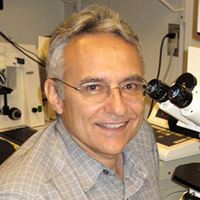 Victor Corces合作论文数Department of Human Genetics, School of Medicine, Emory University;Winship Cancer Institute, Emory University3
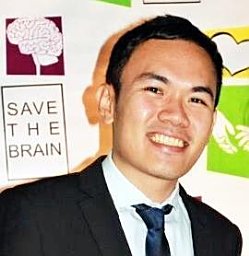 Domingo Aloysius合作论文数Institute of Neurogenetics, University of Luebeck3
 Douglas Phanstiel合作论文数Department of Cell Biology and Physiology, School of Medicine, The University of North Carolina at Chapel Hil3
 Jeong-Sun Seo合作论文数Macrogen Inc.;Seoul National University Bundang Hospital;International Molecular Biology Network3Laura Vives合作论文数3
 William Stafford Noble合作论文数Department of Genome Sciences, University of Washington;eScience Institute, University of Washington;Paul G. Allen School of Computer Science and Engineering, University of Washington3




