Sorcery, black magic, and supernatural harm are central to many Amazonian shamanic traditions, yet their role in contemporary Western psychedelic culture has received little systematic empirical attention. Ethnographic work suggests that Western participants in ayahuasca tourism often downplay indigenous sorcery frameworks in favour of psychological or therapeutic interpretations of difficult experiences. Yet, anecdotal reports indicate that some participants leave ceremonies convinced they have been subjected to shamanic attack or supernatural harm. No quantitative study has examined the prevalence of such beliefs and experiences, the conditions under which they arise, or their implications for participant welfare in ceremonial settings. This study addresses that gap through a cross-sectional, retrospective, anonymous online survey of adults with personal, professional, or cultural involvement in psychedelics. Participants were recruited through psychedelic community networks and harm reduction organisations, including ICEERS, Chacruna, the Challenging Psychedelic Experiences Project, and the Fireside Project. The final analytic sample comprised 895 participants with at least one lifetime psychedelic experience. We aim to estimate the prevalence of beliefs in supernatural harm among Western psychedelic users; examine whether psychedelic experiences and immersion in psychedelic culture are associated with shifts in such beliefs; characterise experiences interpreted as black magic or supernatural harm; assess whether facilitator authority and fear of magical retaliation inhibit criticism of ceremonial leaders; and compare these patterns between those who regularly participated in ayahuasca ceremonies and the rest of the sample. The findings aim to inform both research on psychedelic-induced belief change and harm reduction frameworks in ceremonial settings.
Ayahuasca is a psychoactive brew containing N,N-dimethyltryptamine (DMT) and β-carboline alkaloids that induces marked alterations in perception, emotion and self-referential processing. However, the multiscale biological organization linking peripheral metabolism, brain network dynamics, neurochemistry, and subjective experience in humans remains poorly understood. Here, we applied an integrative, within-subject, multiblock partial least squares framework to model coordinated changes across four complementary biological and phenotypic layers: plasma psychoactive alkaloids, targeted metabolomics, resting-state fMRI-derived functional connectomes, and multidimensional subjective experience assessed with the 5-Dimensional Altered States of Consciousness (5D-ASC) scale, in 20 experienced ceremonial ayahuasca users. Complementary ¹H-MRS data were used to examine associations between peripheral metabolism, posterior cingulate cortex neurochemistry, and default mode network (DMN)-related connectivity. Multilayer integration revealed that the experiential dimensions oceanic boundlessness, visionary restructuralization and auditory alterations covaried with circulating DMT and β-carbolines, alterations in lipid, amino acid and energy metabolisms and reconfiguration of dorsal attention- and DMN-related connectivity. Shared network features across experiential dimensions were most strongly associated with endocannabinoid-related N-acylethanolamines, acylglycerols, and ceramides, extending canonical serotonergic models toward downstream lipid-signalling and metabolic processes. Complementary rCCA analyses further showed structured covariation between peripheral metabolites, posterior cingulate cortex neurochemistry, and DMN-related connectivity. Together, these findings indicate that psychedelic states reflect coordinated, system-level interactions between peripheral metabolism and functional brain networks rather than isolated neurochemical or neural events. Framed within a brain-body integromics perspective, this work provides translationally relevant insight into metabolic pathways that may modulate brain function and subjective response, with potential implications for neuropsychiatric and pharmacometabolic research.
The knowledge that brain functional connectomes are unique and reliable has enabled behaviourally relevant inferences at a subject level. However, whether such “fingerprints” persist under altered states of consciousness is unknown. Ayahuasca is a potent serotonergic psychedelic which produces a widespread dysregulation of functional connectivity. Used communally in religious ceremonies, its shared use may highlight relevant novel interactions between mental state and functional connectome (FC) idiosyncrasy. Using 7T fMRI, we assessed resting-state static and dynamic FCs for 21 Santo Daime members after collective ayahuasca intake in an acute, within-subject study. Here, connectome fingerprinting revealed FCs showed reduced idiosyncrasy, accompanied by a spatiotemporal reallocation of keypoint edges. Importantly, we show that interindividual differences in higher-order FC motifs are relevant to experiential phenotypes, given that they can predict perceptual drug effects. Collectively, our findings offer an example of how individualised connectivity markers can be used to trace a subject's FC across altered states of consciousness.
BACKGROUND:Ayahuasca is an Amazonian brew with 5-HT2A-dependent psychedelic effects taken by religious groups globally. Recently, psychedelics have been shown to impair the formation of recollections (hippocampal-dependent episodic memory for specific details) and potentially distort memory while remembering. However, psychedelics spare or enhance the formation of familiarity-based memory (cortical-dependent feeling of knowing that a stimulus has been processed). AIMS:Given the growing literature on the plasticity-promoting effects of psychedelics, we investigated the acute impact of ayahuasca on recollection, familiarity, and false memory in an observational study of 24 Santo Daime members with >500 lifetime ayahuasca uses on average. METHODS:Participants completed a false memory task at baseline and after they consumed a self-selected dose of ayahuasca prepared by their church (average dose contained 3.36 and 170.64 mg of N,N-dimethyltryptamine and β-carbolines, respectively). RESULTS:Surprisingly, pre-encoding administration of ayahuasca enhanced hit rates, memory accuracy, and recollection but had no impact on familiarity or false memory. Although practice effects cannot be discounted, these memory enhancements were large and selective, as multiple measures of false memory and metamemory did not improve across testing sessions. β-carboline activity potentially accounted for this recollection enhancement that diverges from past psychedelic research. Although ayahuasca did not impact familiarity, these estimates were generally elevated across conditions compared to past work, alluding to a consequence of frequently driving cortical plasticity. CONCLUSIONS:When encoding and retrieval took place under acute ayahuasca effects in experienced ayahuasca users, susceptibility to memory distortions did not increase, potentially owing to enhancements in memory accuracy.
IntroductionSerotonergic psychedelics such as ayahuasca are reported to promote both structural and functional neural plasticity via partial 5-HT2A agonism. However, little is known about how these molecular mechanisms may extend to repeated psychedelic administration in humans, let alone neuroanatomy. While early evidence suggests localised changes to cortical thickness in long-term ayahuasca users, it is unknown how such findings may be reflected by large-scale anatomical brain networks comprising cytoarchitecturally complex regions.MethodsHere, we examined the relationship between cortical gene expression markers of psychedelic action and brain morphometric change following repeated ayahuasca usage, using high-field 7 Tesla neuroimaging data derived from 24 members of an ayahuasca-using church (Santo Daime) and case-matched controls.ResultsUsing a morphometric similarity network (MSN) analysis, repeated ayahuasca use was associated with a spatially distributed cortical patterning of both structural differentiation in sensorimotor areas and de-differentiation in transmodal areas. Cortical MSN remodelling was found to be spatially correlated with dysregulation of 5-HT2A gene expression as well as a broader set of genes encoding target receptors pertinent to ayahuasca’s effects. Furthermore, these associations were similarly interrelated with altered gene expression of specific transcriptional factors and immediate early genes previously identified in preclinical assays as relevant to psychedelic-induced neuroplasticity.ConclusionTaken together, these findings provide preliminary evidence that the molecular mechanisms of psychedelic action may scale up to a macroscale level of brain organisation in vivo. Closer attention to the role of cortical transcriptomics in structural-functional coupling may help account for the behavioural differences observed in experienced psychedelic users.
Consumption of the psychedelic brew ayahuasca is a central ritualistic aspect of the Santo Daime religion. The current observational, baseline controlled study was designed to assess whether members (n = 24) of the Santo Daime church would show enhanced capacity for mental imagery during an ayahuasca experience. In addition, this study assessed whether the effects of ayahuasca on consciousness and mental imagery were related to peak serum concentration of N, N-dimethyltryptamine (DMT), the main psychoactive component. Measures of altered states of consciousness (5-Dimensional Altered States of Consciousness Questionnaire) and ego dissolution (Ego Dissolution Inventory [EDI]) as well as measures of mental imagery (visual perspective shifting, vividness of visual imagery, cognitive flexibility, associative thinking) were taken on two subsequent days on which members of Santo Daime were sober or drank a self-selected volume of ayahuasca. Measures of altered states of consciousness revealed that feelings of oceanic boundlessness, visual restructuralization, and EDI increased most prominently after drinking and shared a positive correlation with peak DMT concentration. Measures of mental imagery did not noticeably differ between the baseline and ayahuasca condition, although subjective ratings of cognitive flexibility were lower under ayahuasca. Two measures related to mental imagery, that is, perspective shifts and cognitive flexibility, were significantly correlated to peak DMT concentrations. Peak concentrations of DMT and other alkaloids did not correlate with ayahuasca dose. These findings confirm previous notions that the primary phenomenological characteristics of ayahuasca are driven by DMT. Compensatory or neuroadaptive effects associated with long-term ayahuasca intake may have mitigated the acute impact of ayahuasca in Santo Daime members on mental imagery.
San Pedro, a mescaline containing cactus, has been used for thousands of years and is currently popular as a psychedelic substance in ceremonial retreats in Europe. The current research investigates the consciousness altering effects of San Pedro. Forty-two participants who joined ceremonial psychedelic retreats in the Netherlands were investigated with questionnaires probing 11 dimensions of altered states of consciousness (11D-ASC), ego-dissolution, mystical experiences, and challenging experiences. Results tentatively demonstrate the status of San Pedro as a psychedelic, revealing deviations from normal waking consciousness on all 11 subscales of the 11D-ASC, moderate scores of ego-dissolution, and a complete mystical experience in two thirds of the participants. Furthermore, a consciousness profile of San Pedro was constructed, which revealed that spiritual experiences are strongly expressed in ceremonial San Pedro use. Furthermore, the San Pedro experience is characterized by low levels of disembodiment, anxiety, impaired control and cognition, transcendence of space, and relatively higher levels of physical distress and grief in case of (incidental) challenging experiences. Finally, graph network analysis indicated two separate networks of positive and negative altered states of consciousness. Possible interpretations of these findings are discussed in relation to the ceremonial setting, sympathomimetic effects of San Pedro’s alkaloids and variations in affective valence.
We conducted a field study at a music festival to examine effects of naturally occurring sleep deficits and substance intoxication on false memory formation and susceptibility to suggestion, using two paradigms. In a misinformation task, sleep restriction was associated with increased levels of susceptibility to suggestion and false alarms to nonsuggestive questions for a virtual reality eyewitness scenario. Use of tetrahydrocannabinol and amphetamines was also related to increased false alarms to nonsuggestive questions, indicating that such questions might be sensitive to use of those drugs. In an implantation paradigm, neither sleep restriction, substances, nor exposure to fake social media content increased the likelihood of falsely believing or recollecting a purportedly experienced festival event. However, some people came to falsely believe (13%, n = 30) or falsely remember (6%, n = 14) the false suggested event. Findings indicate that some established lab effects can also be observed in a less controlled environment.
The knowledge that brain functional connectomes are both unique and reliable has enabled behaviourally relevant inferences at a subject level. However, it is unknown whether such “fingerprints” persist under altered states of consciousness. Ayahuasca is a potent serotonergic psychedelic which elicits a widespread dysregulation of functional connectivity. Used communally in religious ceremonies, its shared use may highlight relevant novel interactions between mental state and FC inherency. Using 7T fMRI, we assessed resting-state static and dynamic FCs for 21 Santo Daime members after collective ayahuasca intake in an acute, within-subject study. Here, connectome fingerprinting revealed a shared functional space, accompanied by a spatiotemporal reallocation of keypoint edges. Importantly, we show that interindividual differences in higher-order FCs motifs are relevant to experiential phenotypes, given that they can predict perceptual drug effects. Collectively, our findings offer an example as to how individualised connectivity markers can be used to trace a subject’s functional connectome across altered states of consciousness.
There has been a renewed interest in the potential use of psychedelics for the treatment of psychiatric conditions. Nevertheless, little is known about the mechanism of action and molecular pathways influenced by ayahuasca use in humans. Therefore, for the first time, our study aims to investigate the human metabolomics signature after consumption of a psychedelic, ayahuasca, and its connection with both the psychedelic-induced subjective effects and the plasma concentrations of ayahuasca alkaloids. Plasma samples of 23 individuals were collected both before and after ayahuasca consumption. Samples were analysed through targeted metabolomics and further integrated with subjective ratings of the ayahuasca experience (i.e., using the 5-Dimension Altered States of Consciousness Rating Scale [ASC]), and plasma ayahuasca-alkaloids using integrated network analysis. Metabolic pathways enrichment analysis using diffusion algorithms for specific KEGG modules was performed on the metabolic output. Compared to baseline, the consumption of ayahuasca increased N-acyl-ethanolamine endocannabinoids, decreased 2-acyl-glycerol endocannabinoids, and altered several large-neutral amino acids (LNAAs). Integrated network results indicated that most of the LNAAs were inversely associated with 9 out of the 11 subscales of the ASC, except for tryptophan which was positively associated. Several endocannabinoids and hexosylceramides were directly associated with the ayahuasca alkaloids. Enrichment analysis confirmed dysregulation in several pathways involved in neurotransmission such as serotonin and dopamine synthesis. In conclusion, a crosstalk between the circulating LNAAs and the subjective effects is suggested, which is independent of the alkaloid concentrations and provides insights into the specific metabolic fingerprint and mechanism of action underlying ayahuasca experiences.
Recent studies have recognized the importance of non-pharmacological factors such as setting to induce or promote mystical experiences or challenging experiences among ayahuasca users. This study aimed to evaluate the association between the setting in which ayahuasca is consumed and the intensity of mystical and challenging experiences considering three ayahuasca using traditions (União do Vegetal, Santo Daime and neo-shamanic groups). A cross-sectional analysis was performed on survey data collected online from 2,751 participants. The Setting Questionnaire for the Ayahuasca Experience (SQAE) was used to evaluate six dimensions of the setting characteristics. The Mystical Experience Questionnaire (MEQ) and the Challenging Experience Questionnaire (CEQ) were used to quantify the psychedelic experience. Ratings on every SQAE setting dimension were negatively correlated with ratings of the CEQ (r values between 0.21 and 0.36) for all ayahuasca using traditions. Regression analysis revealed that ratings on four SQAE dimensions (Social, Comfort, Infrastructure and Decoration) explained 41% of the variance in CEQ ratings. Associations between SQAE and MEQ ratings were relatively weak and confined to the dimensions Leadership and Comfort, explaining 14% of the variance in MEQ ratings. Ratings of Social context were higher among members of União do Vegetal compared to Santo Daime and neo-shamanic members. Ratings of Infrastructure, Comfort and Decoration were more consistently correlated with MEQ in the neoshamanic tradition compared to the other traditions. This study shows that the setting is an important moderator of a challenging experience under ayahuasca. Maximizing the quality of the setting in which ayahuasca is taken will reduce the chance of a challenging experience while contributing positively to a mystical experience. The present findings can be considered when designing rituals and the (social) environment of ayahuasca ceremonies, and indicate that the SQAE questionnaire can be employed to monitor the influence of ceremonial settings on the ayahuasca experience.
Studies have suggested mental health improvements following the use of the psychotropic plant concoction ayahuasca in non-clinical and clinical samples. The present observational study assessed depressive symptomatology in 20 clinically depressed patients (symptom score > 13 on the Beck’s Depression Inventory) before attendance of an ayahuasca ceremony and 1 month and 1 year after. Secondary measures included ratings of altered states of consciousness and ego dissolution during the ayahuasca ceremony as well as global measures of mindfulness, satisfaction with life, depression, anxiety, and stress. Twenty participants completed baseline and 1-day follow-up, 19 completed measures at 1-month follow-up, and 17 completed measures at 1-year follow-up. BDI scores reduced from baseline (M = 22.7) to all post-ceremony measures (Ms 11.45, 12.89, and 8.88, for 1-day, 1-month, and 1-year follow-up, respectively). After 1 day, 12/20 participants were in remission (BDI < 13). Remission rates after 1 month and 1 year were 13/19 and 12/17, respectively. Three participants remained mildly depressed (BDI 14–19) at the 1-month and 1-year follow-up. Two participants did not respond and remained at a moderate/severe level of depression at 1-year follow-up. Reductions on the secondary mental health measures and increases in mindfulness and satisfaction with life were found up to 1 year post-ceremony. Improvements in clinical depression and mental health correlated with levels of experienced ego dissolution and oceanic boundlessness during the ceremony up to 1 month after the ceremony. Engagement in additional mental health treatments or use of another psychedelic during study participation may have contributed to improved mental health ratings at 1-year follow-up. Ayahuasca produces long-term mental health improvements in clinically depressed patients, which highlights its therapeutic potential.
Background: Naturalistic and placebo-controlled studies have suggested that ayahuasca, a traditional Amazonian beverage, could be helpful in the treatment of psychopathologies like depression and anxiety disorders by changing otherwise disturbed cognitive and emotional processes. To better understand its full therapeutic potential, one way is to study the effects on processes like flexible thinking, empathy, and well-being, which are normally compromised in stress-related psychopathologies. Materials and Methods: Volunteers attending ayahuasca ceremonies were asked to complete a test battery at three separate occasions: baseline, the morning after, and 1 week after the ceremony. We included the constructs of creative thinking (measured by Picture Concept Test), empathy (Multifaceted Empathy Test), satisfaction with life (Satisfaction with Life Scale), decentering (Experiences Questionnaire), and personality (Big Five Inventory) into the test battery. Additionally, the psychedelic experience was quantified with the Persisting Effects Questionnaire, the Ego Dissolution Scale, and Visual Analogue Scales. Results: In total, 43 attendees (males = 22; females = 21) completed parts of the baseline assessment, 20 (males = 12; females = 8) completed assessments in the morning after the ceremony, and 19 (males = 14; females = 5) completed assessments at the 1-week follow-up. At one and 7 days post-ceremony, cognitive empathy, satisfaction with life, and decentering increased, while divergent thinking (Fluency corrected for Originality) decreased, when compared to baseline. Implicit emotional empathy increased at 1-week follow-up, whereas ratings of the trait neuroticism decreased. Conclusion: The study suggests that a single ingestion of ayahuasca in a social setting is associated with enhancement of subjective well-being, an enhanced ability to take an objective and non-judging stance towards the self (decentering), and the ability to correctly recognize emotions in others, compared to baseline, lasting up to 1 week post-ceremony. To understand the therapeutic potential related to these effects, further research with clinical populations is needed in which these effects can be assessed, including its link with therapeutic outcomes. Together, this will increase our understanding of the effectiveness and breadth of future therapeutic options.
Background and aims: There is a growing body of evidence suggesting that the psychedelic plant tea, ayahuasca, holds therapeutic potential. Uthaug et al. (2018) demonstrated that a single dose of ayahuasca improved mental health sub-acutely and 4-weeks post-ceremony in healthy participants. The present study aimed to replicate and extend these findings. A first objective was to assess the sub-acute and long-term effects of ayahuasca on mental health and well-being in first-time and experienced users. A second aim was to extend the assessment of altered states of consciousness and how they relate to changes in mental health. Method: Ayahuasca ceremony attendants (N 5 73) were assessed before, the day after, and four weeks following the ceremony. Results: We replicated the reduction in self-reported stress 4-weeks post ceremony, but, in contrast, found no reduction in depression. Also, increased satisfaction with life and awareness the day after the ceremony, and its return to baseline 4 weeks later, were replicated. New findings were: reduced ratings of anxiety and somatization, and increased levels of non-judging 4-weeks post-ceremony. We replicated the relation between altered states of consciousness (e.g., experienced ego dissolution during the ceremony) and mental health outcomes sub-acutely. The effects of ayahuasca did not differ between experienced and first-time users. Conclusion: Partly in line with previous findings, ayahuasca produces long-term improvements in affect in non-clinical users. Furthermore, sub-acute mental health ratings are related to the intensity of the psychedelic experience. Although findings replicate and highlight the therapeutic potential of ayahuasca, this needs to be confirmed in placebo-controlled studies.
Ayahuasca is a plant concoction containing N,N -dimethyltryptamine (DMT) and certain β-carboline alkaloids from South America. Previous research in naturalistic settings has suggested that ingestion of ayahuasca can improve mental health and well-being; however, these studies were not placebo controlled and did not control for the possibility of expectation bias. This naturalistic observational study was designed to assess whether mental health changes were produced by ayahuasca or by set and setting. Assessments were made pre- and post-ayahuasca sessions in 30 experienced participants of ayahuasca retreats hosted in the Netherlands, Spain, and Germany. Participants consumed ayahuasca ( N = 14) or placebo ( N = 16). Analysis revealed a main effect of time on symptoms of depression, anxiety, and stress. Compared to baseline, symptoms reduced in both groups after the ceremony, independent of treatment. There was a main treatment × time interaction on implicit emotional empathy, indicating that ayahuasca increased emotional empathy to negative stimuli. The current findings suggest that improvements in mental health of participants of ayahuasca ceremonies can be driven by non-pharmacological factors that constitute a placebo response but also by pharmacological factors that are related to the use of ayahuasca. These findings stress the importance of placebo-controlled designs in psychedelic research and the need to further explore the contribution of non-pharmacological factors to the psychedelic experience.
This study investigated the effects of yoga on functionality appreciation, and the potential mechanisms that could explain the impact of yoga on additional facets of positive body image. Young adult women (N = 114; M-age = 22.19) were randomised to a 10-week Hatha yoga programme or waitlist control group. Participants completed measures of functionality appreciation, body appreciation, body compassion, appearance evaluation, self-objectification, and embodiment at Pretest, Midtest, Posttest, and 1-month Follow-Up. Follow-up data could not be analysed due to high levels of attrition. The remaining data showed that, compared to the control group, women in the yoga programme experienced lower self-objectification at Midtest and greater embodiment over time. Further, all participants experienced improvements in body appreciation, body compassion, and appearance evaluation over time, regardless of their assigned group. Lower self-objectification contributed to improvements in body appreciation and body compassion. In addition, greater embodiment contributed to improvements in body appreciation, body compassion, and appearance evaluation. Contrary to our expectations, yoga did not lead to increased functionality appreciation, nor was functionality appreciation a mediator of the impact of yoga on positive body image. Instead, lower self-objectification, and greater embodiment, drove improvements in positive body image. (c) 2020 The Authors. Published by Elsevier Ltd.
OBJECTIVE:Studies have shown preliminary support for mindfulness-based interventions benefitting people with dementia and their caregivers. However, most studies focus on these two groups separately. This study examined whether it would be possible and beneficial for people with dementia and their caregiver to jointly undergo an adjusted Mindfulness-Based Stress Reduction (MBSR) training, named TANDEM.METHODS:The 8-week MBSR training was adjusted based on a literature review and interviews with experts (clinicians and mindfulness trainers). Seven couples (a person with early-stage dementia and their caregiver) participated together in the 8-week TANDEM program. Semi-structured qualitative interviews were conducted after completion. Questionnaires (administered before and after the intervention) assessed the primary outcomes of quality of life and psychological distress (stress, anxiety and depressive symptoms). Secondary outcomes were mindfulness, self-compassion, positive mental health, worrying, and perceived burden (for caregivers).RESULTS:All participants completed the program and reported beneficial effects (relaxation, awareness, acceptance, and resilience). Most managed to integrate exercises into their daily lives and planned to continue their practice. Participating in a group was considered valuable and supportive. Furthermore, it was appreciated that participants could follow the training together (as a couple). The quantitative results showed a small effect on increased quality of life for caregivers. No substantial decrease in psychological distress was apparent. Caregivers displayed a large increase in mindfulness.CONCLUSION:The results of this mixed-methods study suggest that an adjusted mindfulness program is feasible and well-received among couples of persons with early-stage dementia and their caregiver, warranting further research in this area.
Summary Two field studies tested the effect of alcohol intoxication on memory for a live interaction at immediate, delayed, and repeated testing. In Study 1 ( N = 86), one researcher presented bar tenants with (misleading) questions regarding a preceding interaction with another researcher. One week later, participants' memory was tested again. Study 2 ( N = 189) added a delayed‐testing only condition. We hypothesized intoxication to impair memory and enhance suggestibility and explored whether time of testing affected the outcome on these variables. In Study 1, intoxication reduced completeness and increased suggestibility. In Study 2, intoxication reduced completeness and increased suggestibility in delayed‐only and repeated testing, compared with immediate testing. Sober participants benefited from repeated testing in Study 2, but not Study 1. Findings lend support for consolidation and decay theory and suggest that immediate (intoxicated) testing is preferable over delayed‐only testing. Findings provide little support for alcohol myopia theory.
SummaryIn two field studies, bar tenants (Ns = 86 and 190, respectively) were successively approached by confederates C1 and C2 on a night out. Confederate C3 then presented participants with a six‐person target‐absent or target‐present lineup concerning C1 or C2 (immediate test). Several days later, participants viewed a lineup regarding the confederate they had not attempted to identify earlier (C1/C2; delayed test). An immediate compared with a delayed, sober identification test did not increase the risk of a false identification decision. A blood alcohol concentration of 0.06–0.07% best discriminated accurate from inaccurate decisions. Choosers with a blood alcohol concentration ≤ 0.06% showed excellent calibration and little overconfidence, and their confidence was a strong indicator of accuracy (i.e., good resolution). Choosers with a higher intoxication level displayed poor calibration and strong overconfidence. Nonchoosers were generally poorly calibrated. Combined analyses showed a negative effect of intoxication on one's ability to discriminate the target from nontargets.
 Johannes G Ramaekers合作论文数Faculty of Psychology and Neuroscience, MaastrichtUniversity17
 Natasha L Mason合作论文数Maastricht University13
 Harald Merckelbach合作论文数Faculty of Psychology and Neuroscience, Maastricht University13
 J T Reckweg合作论文数9
 Lilian Kloft合作论文数Fac Psychol & Neurosci, Maastricht Univ8
 Stefan Tönnes合作论文数Institut für Rechtsmedizin, Goethe University Frankfurt;Institute of Legal Medicine, University Hospital, Frankfurt8
 Malin Uthaug合作论文数6
 Pablo Mallaroni合作论文数Maastricht University6Marko Jelicic合作论文数5
 Kim P. C. Kuypers合作论文数Brain and Behaviour Institute, Maastricht University5
 Ivan Mangiulli合作论文数Katholieke Univ Leuven, Leuven Inst Criminol, Leuven, Belgium4
 Henry Otgaar合作论文数Faculty of Psychology and Neuroscience, Maastricht University4
 Antonietta Curci合作论文数Dept Educ, Psychol, Commun, Univ Bari Aldo Moro4
 Nick J. Broers合作论文数Maastricht University4M Cima合作论文数3J. Riba合作论文数3Maaike Cima合作论文数www.bsl.nl3
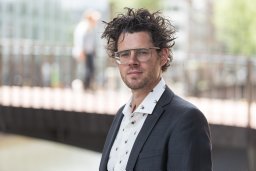 Bruno Verschuere合作论文数Department of Psychology, Ghent University3
 Enrico Amico合作论文数2Hanna Tolle合作论文数2
 Arjan Blokland合作论文数Department of Neuropsychology and Psychopharmacology, Faculty of Psychology and Neuroscience, Maastricht University2Ewout H Meijer合作论文数Faculty of Psychology and Neuroscience, Maastricht University2Henk Nijman合作论文数2
 Timo Giesbrecht合作论文数www.bsl.nl2
 Tiziana Lanciano合作论文数2
 Melanie Sauerland合作论文数Abteilung für Sozial- und Rechtspsychologie, Justus-Liebig-Universität Gießen2Oscar J. Pozo合作论文数DoCoLab, University of Ghent2
 Martin P J Van Boxtel合作论文数Department of Psychiatry and Neuropsychology, School of Mental Health and Neuroscience, Faculty of Health, Medicine and Life Sciences, Maastricht University2
 Alexandre Augusto de Deus Pontual合作论文数1Noemí Haro合作论文数1Jules Evans合作论文数1
 Martin Kuchar合作论文数1
 Clarissa Mendonca Corradi-Webster合作论文数1Dick Ravelli合作论文数1
 Iris Perey合作论文数1
 Nina Tupper合作论文数Department of Clinical Psychological Sciences, Maastricht University1Christina L Winters合作论文数1
 Lotte Berk合作论文数Alzheimer Ctr Limburg, Maastricht Univ1Alex Gomez-Gomez合作论文数1Nep Deutz合作论文数1
 Rafaelle Lanza Lancelotta合作论文数Habituating Wholeness1
 Fabiana Battista合作论文数Fac Law & Criminol, Katholieke Univ Leuven1
 Manoj K Doss合作论文数Ctr Psychedel & Consciousness Res, Johns Hopkins Univ1Francisco Madrid-Gambin合作论文数Biomarkers and Nutrimetabolomic Laboratory, Department of Nutrition, Food Sciences and Gastronomy, XaRTA, INSA, Faculty of Pharmacy and Food Sciences,University of Barcelona,Barcelona,Spain1
 Madelon L. Peters合作论文数Faculty of Psychology and Neuroscience, Maastricht University1
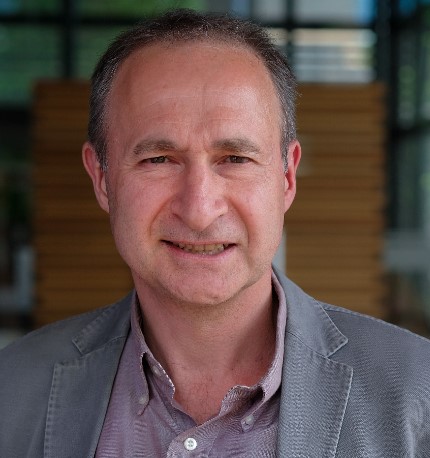 Jim Van Os合作论文数Neuroscience Division, University Medical Center Utrecht1
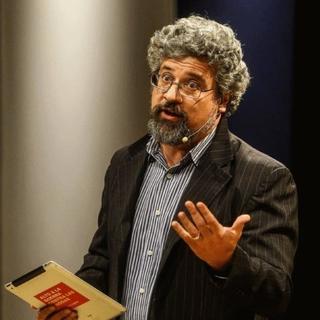 Luís Fernando Tófoli合作论文数Department of Psychological Medicine and Psychiatry, School of Medical Sciences, University of Campinas1
 Warmenhoven Franca合作论文数Department of Primary and Community Care, Radboud University Nijmegen Medical Centre1
 Jan Schepers合作论文数1




