Introduction: Cisplatin plus pemetrexed followed by pemetrexed is an efficacious platinum combination regimen for advanced non-squamous, non-small cell lung cancer (NSCLC). Data regarding the addition of bevacizumab, especially in maintenance treatment, are insufficient.Methods: Eligibility criteria included: no prior chemotherapy; advanced, non-squamous, NSCLC; performance status =1; and epidermal growth factor receptor mutation-negative. Patients (N = 108) received induction chemotherapy with cisplatin, pemetrexed, and bevacizumab every 3 weeks for four cycles, and tumor response was needed to confirm four-week response duration. Patients with at least stable disease were randomized to pemetrexed/bevacizumab or pemetrexed alone. The primary endpoint was progression-free survival (PFS) after induction chemotherapy. Myeloid-derived suppressor cell (MDSC) counts of peripheral blood samples were also analyzed.Results: Thirty-five patients each were randomized to the pemetrexed/bevacizumab group and the pemetrexed alone group. PFS was significantly better in the pemetrexed/bevacizumab group than in the pemetrexed alone group (7.0 vs. 5.4 months, hazard ratio: 0.56 [0.34-0.93], log-rank p = 0.023). In patients with partial response to induction therapy, median overall survival was 23.3 months in the pemetrexed alone group and 29.6 months in the pemetrexed/bevacizumab group (log-rank p = 0.077). Pretreatment monocytic (M)-MDSC counts tended to be greater in the pemetrexed/bevacizumab group with poor PFS than in those with good PFS (p = 0.0724).Conclusions: Addition of bevacizumab to pemetrexed as maintenance therapy prolonged PFS in patients with untreated, advanced, non-squamous NSCLC. Furthermore, an early response to induction therapy and pretreatment M-MDSC counts may be related to the survival benefit of the addition of bevacizumab to the combination of cisplatin and pemetrexed.
The human protein kinase Plk1, a member of the polo-like kinase family, is known to function at mitosis. Here we show that the relative specific activity of Plk1 increases in mitosis, that Plk1 is specifically phosphorylated during mitosis, and that phosphatase treatment reduces mitotic Plk1 activity to interphase levels. To identify domains involved in the regulation of Plk1 activity, deletion mutants of Plk1 were constructed and their activities examined. Deletion of the extreme C-terminus of Plk1 substantially increased kinase activity, indicating that the C-terminus harbors an inhibitory domain. Finally, the consequences of over-production of wild-type and mutant Plk1 protein were analyzed, using transient transfection assays. Cells overexpressing Plk1 protein were able to enter mitosis and establish an apparently normal bipolar spindle. In contrast, progression through mitosis was transiently delayed, and cytokinesis appeared to be disturbed, as reflected by a significant increase in large cells with multiple, often fragmented nuclei. These results are relevant to recently proposed roles for Plks during both entry into and exit from mitosis.
Combination carboplatin and S-1 is active in the treatment of non-small cell lung cancer (NSCLC). However, data on this combination for elderly patients with NSCLC are insufficient. Eligibility criteria were no prior chemotherapy, Stage IIIB or IV NSCLC, performance status 0–1, age ≥ 75 years, and adequate hematological, hepatic, and renal functions. Carboplatin was administered on day 1 and S-1 was administered orally, twice a day, between days 1 and 14, repeated every 3 weeks. In phase I, the primary purpose was determination of the recommended dose. Starting doses of carboplatin and S-1 were area under the curve (AUC) of 4 and 80 mg/m2/day, respectively. In the extension study, the effects and tolerability of this combination therapy of recommended dose were confirmed. A total of 10 patients were entered into phase I and 14 patients were entered into the extension study. The recommended doses for this drug combination are AUC 5 for carboplatin and 80 mg/m2/day every 3 weeks for S-1. With carboplatin and S-1 combination therapy at the recommended dose, the response rate was 30.0% [95% confidence interval (CI) 12–54%] and the disease control rate was 90.0% (95% CI 68–99%). Thrombocytopenia and neutropenia were major adverse events. The recommended doses for this combination therapy are carboplatin AUC 5 and S-1 80 mg/m2/day every 3 weeks, and this combination is effective with tolerable toxicities for advanced NSCLC patients ≥ 75 years old.
Background: The purpose of this study was to explore the role of maintenance therapy for patients with advanced non-small cell lung cancer (NSCLC) in a real-world setting. Patients and Methods: This was a prospective observational cohort multicenter study. Eligible patients were observed from initiation of first-line platinum-based chemotherapy until final follow-up. Results: Between 2010 and 2011, a total of 864 patients were enrolled in this study. The primary study population was 396 patients who had progressive disease during observation after first-line chemotherapy without maintenance. Of these, 113 patients (29%) did not receive second-line therapy. In contrast, only 18% of patients who had progressive disease during maintenance therapy missed second-line therapy. Overall survival of patients without maintenance who received second-line therapy was similar to that of those who received maintenance, but no second-line therapy. Conclusion: Maintenance therapy for patients with advanced NSCLC might be an appropriate strategy to maximize the chance of receiving more active therapy.
A 55-year-old man experienced weight loss, as noted by a physician who was examining him for hypertension. Upper gastrointestinal endoscopy revealed a tumor lesion with an ulcer on the posterior wall of the greater curvature. A biopsy confirmed the presence of an adenocarcinoma(HER2 negative), and demonstrated enlarged para-aortic lymph nodes. Thus, stage IV type 3 ulcer infiltration-type gastric cancer was diagnosed. Computed tomography was included in the examination, and demonstrated nodular shadows in the right lower lobe and enlarged mediastinal nodes, as well as bilateral multiple granular shadows. Hence, bronchoscopy was performed, and another adenocarcinoma(EGFR mutation negative/EML4-ALK gene fusion negative)was diagnosed. Immunostaining showed that the pulmonary and gastric adenocarcinoma tissues were different, and synchronous double cancer was diagnosed. Four courses of CDDP/S-1were administered, and both the lesions showed a partial response.
The treatment landscape for advanced/metastatic non-small cell lung cancer (NSCLC) has changed with the advent of targeted therapies and the use of companion diagnostics. The primary objective of this multi-site, retrospective, chart review study was to describe the treatment patterns, Biomarker (Bmx) testing practices and health care resource use (HCRU) in patients who initiated first line therapy (1LT) for newly diagnosed Stage IIIB/IV NSCLC between January 2011 and July 2013 in Japan. Data were analyzed descriptively. Overall survival (OS) was estimated using the Kaplan-Meier method. Of the 175 Japanese patients 70% were male, 19% non-smokers, mean age of 68.8 years (SD=7.75), 83% stage IV and 74 % (n=129) with non-squamous (NSq) histology. 60% (n=105) received second line therapy (2LT) and 31% (n=55) received third line + therapy (3L+T). 85% (n=110) of the NSq and 40% (n=17) of the squamous (Sq) patients received at least one Bmx test. 81% (n=105) and 19% (n=25) of NSq patients, and 40% (n=17) and 24% (n=4) of Sq patients received an EGFR and ALK test, respectively. EGFR Tyrokinase Inhibitors were most commonly used among NSq EGFR mutated patients (n=44) across all lines. 86% (n=38) of the patients used Gefitinib in 1LT and Erlotinib was used in 2LT (n=11 of 30, 37%) and 3LT (n=9 of 15, 60%) patients. All ALK positive patients (n=2) in 1L received anti-ALK therapy (Crizotinib). Among NSq EGFR/ALK negative or unknown patients (n=83), 89% (n=74) received platinum combinations, most commonly carboplatin+paclitaxel (n=22, 26.5%). Single agents (n=29, 67% and n=11, 50%) were commonly used in NSq EGFR/ALK negative or unknown patients receiving 2LT (n=43) and 3LT (n=22); most commonly docetaxel (n=15, 35% & n=5, 23%). Majority of the 1LT patients with Sq histology (36/43, 84%) received platinum combinations therapy; most commonly carboplatin+paclitaxel (51%). Among 2LT, 67 % (n=20) received a single agent, most commonly docetaxel (n=14, 47%). Single agents were commonly used in 73% (n=11) of the patients receiving 3L+T. Overall, the average length of stay, regardless of line of therapy, was 24.6 days per admission. Duration of treatment was longest for 1LT (mean [SD] 140 [175] days), followed by 2LT (66 [129] days) and 3L+T (65 [83] days).Median OS for Japan from start of 1LT & 2LT was 9.9 and 4.7 months, respectively. NSq patients are frequently tested for Bmx in Japan. Treatment is personalized according to mutation status and is in concordance with recommended guidelines.
Background: Recommended therapies for advanced/metastatic non-small cell lung cancer (NSCLC) have changed with the advent of targeted therapies. The objectives of this retrospective chart review study were to describe treatment patterns, biomarker testing practices, and health care resource use for advanced NSCLC at 5 sites in Japan. Patients and methods: We studied anonymized medical record data of patients aged >= 18 years who initiated systemic therapy for newly diagnosed stage IIIB or IV NSCLC from January 2011 through June 2013. Data were analyzed descriptively by histology and mutation status. Overall survival was estimated using the Kaplan-Meier method. Results: We studied 175 patients, including 43 (25%), 129 (74%), and 3 (2%) with squamous, nonsquamous, and unknown NSCLC histology, respectively; 83% had stage IV NSCLC. Overall, 123 patients (70%) were male; the median age was 70 years (range, 47-86); and 33 (19%) were never-smokers. In the nonsquamous cohort, 105 (81%) and 25 (19%) of patients were tested for epidermal growth factor receptor (EGFR) mutation and anaplastic lymphoma kinase (ALK) rearrangement, respectively; 44 (42%) had EGFR-positive NSCLC and 2 (8%) had ALK-positive NSCLC, including 26/46 (57%) women and 21/46 (46%) never-smokers. In the squamous cohort, 17 (40%) and 4 (9%), respectively, were tested; 1 EGFR-positive tumor was detected. After first-line therapy, 105 (60%) patients received second-line, and 54/105 (51%; or 31% overall) received third-line therapy. EGFR tyrosine kinase inhibitors were most commonly prescribed for EGFR-positive NSCLC across all lines. In the nonsquamous EGFR/ALK-negative/ unknown cohort, most received first-line platinum combinations, particularly younger patients (78% >= 75 years vs 93% <75 years old). The average hospitalization was 21 days/admission. The median (95% CI) overall survival from start of first-line therapy was 9.9 months (7.6-11.7) for all patients and 17.9 months (9.9-24.4) for patients with EGFR/ALK-positive status. Conclusion: Biomarker testing is common for nonsquamous NSCLC at the 5 Japanese study sites. Treatment is personalized by mutation status and age, per guideline recommendations.
Background Etoposide and irinotecan are key drugs in the treatment of small-cell lung cancer. We did this study to investigate whether combined chemotherapy with cisplatin, etoposide, and irinotecan was superior to topotecan monotherapy as second-line chemotherapy in patients with sensitive relapsed small-cell lung cancer.Methods We did this open-label, multicentre, randomised phase 3 trial at 29 institutions in Japan. Patients with small-cell lung cancer that responded to first-line treatment but showed evidence of disease relapse or progression at least 90 days after completion of the first-line treatment were eligible to participate. Enrolled patients were randomly assigned (1: 1) to receive combination chemotherapy with cisplatin plus etoposide plus irinotecan or topotecan alone. Randomisation was done via the minimisation method with biased-coin balancing for Eastern Cooperative Oncology Group performance status, disease stage at enrolment, and institution. Combination chemotherapy consisted of five 2-week courses of intravenous cisplatin 25 mg/m(2) on days 1 and 8, intravenous etoposide 60 mg/m(2) on days 1-3, and intravenous irinotecan 90 mg/m(2) on day 8, with granulocyte colony-stimulating factor given by hypodermic injection every day starting from day 9 of the first course (except on the days anticancer drugs were given). Topotecan therapy consisted of four courses of intravenous topotecan 1.0 mg/m(2) on days 1-5, every 3 weeks. The primary endpoint was overall survival in the intention-to-treat population, which was analysed with a one-sided a of 5%, and safety was assessed in all patients who received at least one dose of study drug. The trial is registered with University Hospital Medical Information Network Clinical Trials Registry, number UMIN000000828.Findings Between Sept 20, 2007, and Nov 30, 2012, 180 patients were enrolled, with 90 assigned to each treatment group. The median follow-up for censored patients was 22.7 months (IQR 20.0-35.3). Overall survival was significantly longer in the combination chemotherapy group (median 18.2 months, 95% CI 15.7-20.6) than in the topotecan group (12.5 months, 10.8-14.9; hazard ratio 0.67, 90% CI 0.51-0.88; p=0.0079). The most common grade 3 or 4 adverse events were neutropenia (75 [83%] patients in the combination chemotherapy group vs 77 [86%] patients in the topotecan group), anaemia (76 [84%] vs 25 [28%]), and leucopenia (72 [80%] vs 46 [51%]). Grade 3 or 4 febrile neutropenia was more common in the combination chemotherapy group than in the topotecan group (28 [31%] vs six [7%]), as was grade 3 or 4 thrombocytopenia (37 [41%] vs 25 [28%]). Serious adverse events were reported in four (4%) patients in the topotecan group and nine (10%) in the combination chemotherapy group. Two treatment-related deaths (one each of pneumonitis and pulmonary infection) occurred in the topotecan group and one (febrile neutropenia with sepsis) occurred in the combination chemotherapy group.Interpretation Combination chemotherapy with cisplatin plus etoposide plus irinotecan could be considered the standard second-line chemotherapy for selected patients with sensitive relapsed small-cell lung cancer.
Introduction: The purpose of this study was to evaluate the natural course of the progression of pulmonary subsolid nodules (SSNs).Materials and Methods: Eight facilities participated in this study. A total of 795 patients with 1229 SSNs were assessed for the frequency of invasive adenocarcinomas. SSNs were classified into three categories: pure ground-glass nodules (PGGNs), heterogeneous GGNs (HGGNs) (solid component detected only in lung windows), and part-solid nodules.Results: The mean prospective follow-up period was 4.3 2.5 years. SSNs were classified at baseline as follows: 1046 PGGNs, 81 HGGNs, and 102 part-solid nodules. Among the 1046 PGGNs, 13 (1.2%) developed into HGGNs and 56 (5.4%) developed into part-solid nodules. Among the 81 HGGNs, 16 (19.8%) developed into part-solid nodules. Thus, the SSNs at the final follow-up were classified as follows: 977 PGGNs, 78 HGGNs, and 174 part-solid nodules. Of the 977 PGGNs, 35 were resected (nine minimally invasive adenocarcinomas [MIAs], 21 adenocarcinomas in situ [AIS], and five atypical adenomatous hyperplasias). Of the 78 HGGNs, seven were resected (five MIAs and two AIS). Of the 174 part-solid nodules, 49 were resected (12 invasive adenocarcinomas, 26 MIAs, 10 AIS, and one adenomatous hyperplasia). For the PGGNs, the mean period until their development into part-solid nodules was 3.8 +/- 2.0 years, whereas the mean period for the HGGNs was 2.1 +/- 2.3 years (p = 0.0004).Conclusion: This study revealed the frequencies and periods of development from PGGNs and HGGNs into part solid nodules. Invasive adenocarcinomas were diagnosed only among the part-solid nodules, corresponding to 1% of all 1229 SSNs. (C) 2016 International Association for the Study of Lung Cancer. Published by Elsevier Inc. All rights reserved.
━━ Objective. The aim of this study was to prove the antiemetic efficacy of aprepitant in patients treated with a combined regimen of pemetrexed and carboplatin. Methods. A phase II trial of a combined regimen of carboplatin (AUC 6) and pemetrexed (500 mg/m 2 ) was conducted. The two drugs were administered on day 1 and every 3 weeks thereafter. Aprepitant was not administered during the first course but was given as an addi-tional treatment from the second course to 14 patients who experienced grade (cid:2) 2 nausea in the first course, in order to investigate its antiemetic efficacy. Results. There were 11 male and 3 female patients, with a median age of 62 years. Four patients had a performance status (PS) of 0, and 10 had a PS of 1. All of the cases were of adeno-carcinoma. During the first course, grade 2 and 3 nausea occurred in 12 and 2 patients; grade 0, 1, and 2 vomiting, in 7, 6, and 1 patients; and grade 1, 2, and 3 anorexia, in 6, 6, and 2 patients, respectively. All of the cases corre-sponded to the delayed phase. During the second course, grade 0, 1, and 2 nausea occurred in 8, 2, and 4 patients; grade 0 and 1 vomiting, in 13 and 1 patients; and grade 0, 1, and 2 anorexia, in 7, 3, and 4 patients, respectively; which indicated a significant improvement. The severity of nausea, vomiting and anorexia decreased in 11 (78.5%), 13 (92.8%); and 8 (57.1%) patients, respectively. Conclusion. Aprepitant was an effective antiemetic in patients who were treated with pemetrexed/carboplatin and could be useful in the delayed phase. 2015;55:1065-1069)
7504 Background: ETOP and irinotecan are drugs known to exert promising activity in SCLC. A phase II study of weekly chemotherapy using a combination of CDDP, ETOP and irinotecan (PEI), which are known to inhibit both topoisomerase I and II, showed quite favorable outcome in patients with sensitive relapsed SCLC. A phase III study confirming the superiority of PEI over topotecan as second-line chemotherapy in patients with sensitive relapsed SCLC was conducted. Methods: SCLC patients who responded to first-line treatment and relapsed/progressed more than 90 days after the completion of first-line treatment were eligible for this study. Additional eligibility criteria included age 20-75 years, PS of 0-2, and adequate organ functions. Patients were randomized 1:1 to PEI, which consisted of CDDP (25 mg/m2) weekly for 10 weeks, ETOP (60 mg/m2) for 3 days on weeks 1, 3, 5, 7, and 9, and irinotecan (90 mg/m2) on weeks 2, 4, 6, 8 and 10 with granulocyte colony-stimulating factor support, or to topotecan (1.0 mg/m2) on days 1-5, every 3 weeks for 4 courses. The primary endpoint was overall survival. The planned sample size was 180 patients, to attain 80% power with a one-sided alpha of 5%. Results: From Sep. 2007 to Nov. 2012, 180 patients were randomized to topotecan (n=90) and PEI (n=90): median age 64 (44-75) years; M/F 155/25; LD/ED 45/135; PS 0-1/2 175/5. The overall survival was significantly longer in the PEI arm than in the topotecan arm (HR 0.67; 90% CI 0.51-0.88; p=0.0079) with MST 18.2 months vs. 12.5 months. PFS was also significantly longer in the PEI arm (HR 0.50; 95% CI 0.37-0.68; p<0.0001) with the median PFS 5.7 months vs. 3.6 months. Grade 3/4 adverse events in PEI and topotecan arms, respectively, were: neutropenia 83.3% vs. 85.6%; anemia 84.4% vs. 27.8%; thrombocytopenia 41.1% vs. 27.8%; diarrhea 7.8% vs. 0%; febrile neutropenia 31.1% vs. 6.7%. There was 1 treatment-related death in the PEI arm, and 2 in the topotecan arm. Conclusions: The combination chemotherapy with CDDP, ETOP and irinotecan should be considered as the standard second-line chemotherapy for sensitive relapsed SCLC. Clinical trial information: 000000828.
Background: ETOP and irinotecan are drugs known to exert promising activity in SCLC. A phase II study of weekly chemotherapy using a combination of CDDP, ETOP and irinotecan (PEI), which are known to inhibit both topoisomerase I and II, showed quite favorable outcome in patients with sensitive relapsed SCLC (response rate 78%, median survival time 11.8 months, 1-year survival 49%). A phase III study confirming the superiority of PEI over topotecan as second-line chemotherapy in patients with sensitive relapsed SCLC was therefore conducted.
BACKGROUND:A greater proportion of ground-glass opacity (GGO) is well known to be strongly associated with less invasive lung adenocarcinoma. Recently, the solid area diameter has also been reported to be a simple and better marker for the same purpose compared with the whole nodule diameter. METHODS:From 1997 to 2009, 383 patients with clinical T1-2N0M0 non-small cell lung cancer (NSCLC) with a solid area of 3 cm or less underwent surgical resection, and their preoperative high-resolution computed tomographic images were preserved in Digital Imaging and Communications in Medicine format. Less invasive lung cancer was defined as having no vascular, lymphatic, or pleural invasion or lymph node metastasis. We compared the solid area and whole nodule diameters and proportion of GGO, with the objective of predicting less invasive lung cancer. RESULTS:Among the 383 patients, 187 were men, 335 had adenocarcinoma histologic type, 242 had less invasive lung cancer, and 43 experienced recurrence. Receiver operating characteristic (ROC) analysis to predict less invasive lung cancer showed that the area under the curve of proportion of GGO was the highest (0.848; 95% confidence interval [CI], 0.810-0.886), followed by the solid area diameter (0.785; 95% CI, 0.740-0.829), and then whole nodule diameter (0.621; 95% CI, 0.565-0.677). Multiple logistic regression analyses revealed that proportion of GGO was the only significant predictor of less invasive lung cancer. The proportion of GGO was also found to be a significant prognostic factor of disease-free survival (DFS) along with solid area diameter by multivariate analysis. Regardless of the solid area diameter, no patient with a greater proportion of GGO (> 50%) experienced recurrence. CONCLUSIONS:Proportion of GGO remains important for predicting less invasive lung cancer.
OBJECTIVE:The positive results of a screening CT scan trial are likely to lead to an increase in the use of CT scanning, and, consequently, an increase in the detection of subsolid nodules. Noninvasive methods including follow-up with CT scanning, to determine which nodules require invasive diagnosis and surgical treatment, should be defined promptly.METHODS:Between 2000 and 2008, from our database of . 60,000 examinations with CT scanning, we identified 174 subsolid nodules, which showed a ground-glass opacity area . 20% of the nodule and measured 2 cm in diameter, in 171 patients. We investigated the clinical characteristics and CT images of the subsolid nodules in relation to changes identified during the follow-up period.RESULTS:The nodule sizes ranged from 4 mm to 20 mm at the fi rst presentation. Nonsolid nodules numbered 98. During the follow-up period, 18 nodules showed resolution or shrinkage, and 41 showed growth of 2 mm or more in diameter. The time to 2-mm nodule-growth curves calculated by Kaplan-Meier methods indicated that the 2-year and 5-year cumulative percentages of growing nodules were 13% and 23% in patients with nonsolid nodules and 38% and 55% in patients with part-solid nodules, respectively. Multivariate analysis disclosed that a large nodule size ( . 10 mm) and history of lung cancer were significant predictive factors of growth in nonsolid nodules.CONCLUSIONS:An effective schedule for follow-up with CT scanning for subsolid nodules should be developed according to the type of subsolid nodule, initial nodule size, and history of lung cancer.
7021 Background: Prediction of less-invasive lung cancer is important in selecting candidates for limited surgical resection. A greater proportion of ground-glass opacity (%GGO) is well-known to be strongly associated with less-invasive lung adenocarcinoma. Recently, the diameter of the solid area (SolidØ) has been reported to also be a simple and better marker for the same purpose compared to the diameter of the whole nodule (NoduleØ). The aim of this study was to confirm that SolidØ can completely replace %GGO in predicting less-invasive lung cancer. Methods: From 1987 to 2009, 433 patients with clinical T1a-2bN0 NSCLC underwent complete resection, and their preoperative HRCT images were preserved in DICOM format. NoduleØ and SolidØ were precisely measured using software. %GGO was calculated using the method we previously published (Eur J Cardiothorac Surg 25:1102-6, 2004). Less-invasive lung cancer was defined as having no vascular, lymphatic, nor pleural invasion. We compared the three parameters with regard to predicting less-invasive lung cancer and recurrence. Results: Among the 433 patients, 220 were male, 367 had an adenocarcinoma histology, and 58 experienced recurrence. Table shows percentages and numbers of non-less-invasive lung cancer cases. Among each category of SolidØ, greater %GGO is associated with less-invasive lung cancer. ROC analysis also showed that the area under the curve of %GGO was the highest (0.859, 95% CI 0.824 – 0.893), followed by SolidØ (0.806, 0.767 – 0.846), and NoduleØ (0.671, 0.620 – 0.721). Regardless of SolidØ, no patient with a greater %GGO (> 50%) experienced recurrence. Conclusions: Although SolidØ is a better prognostic indicator of non-invasiveness compared to NoduleØ, %GGO remains important. [Table: see text]
7017 Background: We previously reported the superiority of combined chemo-radiotherapy (CRT) over RT alone in elderly pts with locally advanced NSCLC (Atagi et al. ECCO2011). One and a half years follow-up data from last accrual are presented. Methods: Pts older than 70 years with unresectable stage III NSCLC were randomized to either RT alone (RT arm), a total dose of 60 Gy, or CRT arm including the same RT plus concurrent chemotherapy with carboplatin 30 mg/m2/day, 5 days/week × 20 days. The primary endpoint was overall survival (OS). The planned sample size was 100 pts in each arm with one-sided alpha of 5% and 80% power to detect a difference in median survival time (MST) from 10 months in RT arm to 15 months in CRT arm. Results: Between Sep 2003 and May 2010, 200 pts were randomized. Baseline characteristics were similar in the RT (n=100) vs CRT (n=100) arms: median age, 77 vs 77 years; stage IIIB (n), 46 vs 49; PS 0/1/2 (n), 41/55/4 vs 41/56/3. The second planned interim analysis was performed 10 months after the completion of accrual. In accordance with the pre-specified stopping rule, the JCOG Data and Safety Monitoring Committee recommended early publication of this trial because of the difference in OS favoring the CRT arm. In the updated analysis, OS was better in the CRT arm than the RT arm (HR = .64, 95% CI = .46-.89, one-sided p = .0033 by stratified log-rank test). In each arm (RT/CRT), MST was 16.5 mo/22.4 mo with 3-year OS of 14.3%/34.6%, response rate of 44.9%/54.6% (p=.201) and median progression-free survival of 6.9 mo/8.9 mo (p=.003). Gr 3/4 toxicities were (RT/CRT): neutropenia 0%/57.3%, infection 4.1%/12.5%, dysphagia 0%/1.0%, late RT toxicities 7.4%/7.5%. The pattern of relapse site and post-protocol treatment were almost similar between the arms. Even after an adjustment by the Cox regression analysis with six variables [stage, PS, sex, age, histology, smoking status], CRT arm showed better survival (HR=.71, p=.038). Conclusions: The CRT using daily carboplatin is considered to be the standard treatment for elderly pts with locally advanced NSCLC.
 Yukari Kamiyama合作论文数23
 Kohei Yokoi (横井香平)合作论文数Graduate School of Medicine Program in Integrated Medicine Musculoskeletal and Cutaneous Medicine, Nagoya University22Keigo Tominaga合作论文数19
 Haruhisa Matsuguma合作论文数15Tetsuro Kodama合作论文数Department of Thoracic Diseases, Tochigi Cancer Center14Takashi Kasai合作论文数13Kondo Tetsuro合作论文数13Rie Nakahara合作论文数13Naoto Miyazawa合作论文数10Tomohide Tamura合作论文数9Akira Yokoyama合作论文数8Yasuhiko Kano合作论文数8Haruko Suzuki合作论文数8Seiji Igarashi合作论文数8
 Hiroaki Okamoto (岡本宏明)合作论文数Division of Virology, Department of Infection and Immunity, School of Medicine, Jichi Medical University7Nagahiro Saijo合作论文数7suguru machida合作论文数6Koji Takeda合作论文数6
 Nakagawa Kazuhiko (中川和彦)合作论文数Faculty of Medicine, Kindai University6
 Yuichiro Ohe合作论文数5Shibata Taro合作论文数5Takashi Hirose合作论文数5Toshiaki Takahashi (高橋敏明)合作论文数Department of Regional Resource Management, Faculty of Collaborative Regional Innovation, Ehime University5
 Koichi Goto合作论文数Department of Thoracic Oncology, National Cancer Center Hospital East5Yoshikuni Saito合作论文数4Nishiwaki Yutaka合作论文数4Yoshinori Ishikawa合作论文数4Toshiyuki Sawa合作论文数4
 Makoto Nishio合作论文数Department of Thoracic Medical Oncology, Cancer Institute Hospital of JFCR;Thoracic Center, Cancer Institute Hospital of JFCR;Comprehensive Medical Oncology Department, Cancer Institute Hospital of JFCR4Toyoaki Hida合作论文数4Tomohide Sugiyama合作论文数4Miyuki Akutsu合作论文数3Satouchi Miyako合作论文数3Kudoh Shinzoh合作论文数3
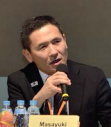 Masayuki Noguchi (野口雅之)合作论文数Tsukuba Human Tissue Diagnostic Center, University of Tsukuba;Faculty of Medicine, University of Tsukuba;University Hospital, University of Tsukuba3
 Nobuyuki Yamamoto合作论文数Division of Pulmonary and Medical Oncology, Third Department of Internal Medicine, Wakayama Medical University3Tetsu Shinkai合作论文数3Yoichi Nakamura合作论文数3Masaaki Kawahara合作论文数3
 Katsuyuki Kiura合作论文数Department of Allergy and Respiratory, MedicineOkayama University3Ryutaro Kakinuma (柿沼龍太郎)合作论文数Department of Radiology, National Cancer Center Hospital, National Cancer Center3Kenji Eguchi合作论文数3Koshiro Watanabe合作论文数3
 Keiko Kuriyama合作论文数3Masao Harada合作论文数Department of Respiratory Medicine, National Hospital Organization Hokkaido Cancer Center3Ikuo Sekine合作论文数Department of Medical Oncology, University of Tsukuba3Haruhiko Fukuda (福田治彦)合作论文数Data Center, Japan Clinical Oncology Group, National Cancer Center;Multi-institutional Clinical Trial Support Center3Kayako Shimamura合作论文数3Koichi Minato合作论文数3




