Background and Purpose: Possibilities to age in place are increasingly important with the demographic shift toward aging populations. With the Person-Place Fit Measure for Older Adults (PPFM-OA), older adults self-assess how their home and community environments suit their needs. The aim of the study was to evaluate the psychometric properties of the Swedish version of PPFM-OA. Methods: Four hundred sixty community-living adults aged 65 and older answered the PPFM-OA. Rasch model was used for analyses. Results: A reduced 19-item version of PPFM-OA showed sufficient evidence of validity in response processes, internal structure, fairness in testing, and reliability/precision. Conclusions: The reduced version is recommended to use in Sweden to capture person-place fit, an aspect to consider when communities, healthcare, and elder care aim to facilitate aging in place.
Background and purpose: Measuring patient satisfaction after total hip (THA) and total knee arthroplasty (TKA) is important. We aimed to cross-culturally adapt and examine the psychometric properties of the self-reported Goodman Satisfaction Score (GSS) in a sample of Norwegian patients following primary THA and TKA. Methods: The GSS was translated and adapted into Norwegian (GSS-NO) following standard guidelines. 800 patients from the Norwegian Arthroplasty Register who had undergone surgery 6–11 months prior were invited to complete GSS-NO and questions on sociodemographic factors, pain, and function in a cross-sectional study. We examined validity in relation to internal structure, response processes, and precision using Rasch analysis, relationships between the GSS-NO and pain and function using Pearson’s correlation coefficients, and test–retest reliability using linear weighted kappa statistics. Results: The GSS-NO was adapted with few challenges. 404 patients (49% THA, 51% TKA) returned complete answers. The GSS-NO met all criteria regarding the rating scale functioning. Local independence among items and unidimensionality was supported and there was acceptable goodness-of-fit. The internal consistency was 0.94. We found no systematic differential item functioning by age, sex, work status, education, cohabitation status, or hip or knee surgery. The correlation coefficients between GSS-NO and pain and function outcomes were 0.79 (95% confidence interval [CI] 0.76–0.82) and 0.79 (CI 0.76–0.82), respectively. Test–retest reliability with weighted kappa ranged from 0.43–0.55 for THA and 0.54–0.81 for TKA. Conclusion: The cross-cultural adaptation of GSS-NO proved to be a valid and reliable measure for use in Norwegian-speaking patients following primary THA and TKA.
The Paediatric Evaluation of Disability Inventory (PEDI), has been revised as a computer adaptive test; the PEDI-CAT. Many items have been added making it relevant for children and youth from birth to 20 years of age. The PEDI-CAT measures performance in the Functional Skills domains of Daily Activities, Mobility and Social/Cognitive. The PEDI-CAT’s Responsibility domain measures the extent to which the caregiver or child takes responsibility for managing complex, multi-step life tasks. In this exploratory study the normative scores of children with typical development of Switzerland (n = 51) and Germany (n = 61) were compared with the American normative sample to investigate its applicability. The mean age of the children was 5.78 years with a standard deviation of 1.39 years and a range of 4.10 years. Statistically significant differences in comparison with the mean normative scores with moderate to strong effect were found in all domains. Still, 95% or more of all scores from the participants were within a 2 standard deviation range from the mean normative scores. The results indicate that the normative scores should right now be applied to the German version of the PEDI-CAT with caution. Further studies are needed to further investigate applicability of the normative values.
IntroductionParticipation is one of the core elements of health promotion, which means that approaches and methods should focus on involvement. The process of involving women with a migration background in health promotion needs to be further explored. Thus, the aim of this study was to explore the development process of a type 2 diabetes health-promotive community-based participatory research intervention among Middle Eastern women with a migration background, living in Sweden.Materials and methodsThis study was performed within the context of a community-based participatory research program in Sweden. The design of this study followed the development process of a community-based participatory research conceptual model, including three of the original four dimensions, that is, the context, the partnership process, and the intervention and research dimension. Appropriate methods for data collection were used in the various dimensions. Participants from the community, active in the program, conducted dialogue cafés, together with the core partners of the program, to inventory existing needs as well as what actions were needed for promoting health and thereby prevent type 2 diabetes.ResultsThe two dialogue cafes resulted in one long term and three short term goals. The third short-term goal—create health circles around food and nutrition was decided to be in focus for this study together with cooperation with the local health care center. The partnership process made it possible to involve relevant collaborators, which resulted in a jointly developed nurse-led educational intervention. Participants and stakeholders were also involved in the process of modifying and elaborating evaluation tools appropriate for the intervention.Discussion/conclusionsThe community-based participatory research approach enables the acknowledgement and use of the various kinds of knowledge of all stakeholders, including the community members. In this study, the community members’ knowledge was obtained through participation and dialogue, aimed at balancing power between stakeholders. This approach, that is, developing a community-based participatory research intervention, offers a possibility for the primary health care to engage with the community members and for other stakeholders to work in a health-promotive way.
Abstract: This study describes procedures for developing and exploring the content validity of a tool to audit playgrounds for play value and usability for diverse populations. Development of the tool included reviewing existing tools, creating an initial draft from evidence literature, followed by iterative rounds with an international, interdisciplinary expert panel (N=22). Panelists' comments and ratings of relevance and clarity supported refinements of items, content areas, scoring, instructions, and interpretations of the PVUA content. The preliminary tool consists of 203 items divided across 28 content areas and two domains. Future research should examine PVUA's reliability and construct validity using a diverse sample of playgrounds.
Resilience is defined as the ability to adapt to adversity, most widely assessed with the self-reported questionnaire Connor-Davidson resilience scale (CD-RISC). While previous studies have demonstrated CD-RISC psychometrically sound, it has not yet been validated in a young Swedish population. Therefore, the aim was to evaluate validity evidence based on test content, response processes and internal structure of the Swedish CD-RISC-25 and the 10-item combination among adolescents and young adults. This study is divided into two phases. To ensure validity based on test content eight think-aloud interviews were conducted in phase 1. The results guided refinements prior to phase 2. In phase 2, 1500 16–30-year-old individuals, randomly sampled from the general population to participate by completing an online questionnaire. A Rasch rating scale model analysis was performed. Think-aloud interviews identified difficult wordings in two items, clarified in the survey before phase 2. The Rasch analysis (n = 325) indicated that the response categories were well-functioning, and local independence was demonstrated among all items. Six items in CD-RISC-25 and one item in CD-RISC (10 items) displayed misfit to the chosen model. The iterative process resulted in shortened 19- and 9-item versions. Person-response validity and unidimensionality were acceptable for the shortened CD-RISC (9 items). No floor or ceiling effects were detected. Person-separation index showed that both versions could differentiate between three different levels of resilience in the sample. Differential item functioning (DIF) was observed in one item related to gender in CD-RISC (9 items). In shortened CD-RISC-25 DIF was found in five items related to gender and in two items related to age. When used in a young Swedish population, validity evidence based on test content of CD-RISC is lacking due to difficult wordings and may benefit from additional clarification regarding two items. Shortened versions of CD-RISC (19- and 9-item combinations) demonstrated generally acceptable validity evidence based on response processes and internal structure, but only CD-RISC in the 10-item combination exhibited unidimensionality and met set criteria for person-response validity. For assessing resilience in a young Swedish population, CD-RISC in the 10-item combination appears to be more suitable.
The COVID-19 pandemic had a significant impact on the public health and the economy of the Swedish population, with disproportionate effects on communities living in socioeconomically diverse neighborhoods. To mitigate these impacts and enhance outreach, COVID-19 diagnostic and prevention services supported by digital health tools were introduced for early diagnosis and prevention. Assessing the perceptions related to utilization of these efforts is essential to ensure they are benefiting the particular populations living in socioeconomically disadvantaged neighborhoods. Therefore, the aim of this study was to demonstrate available COVID-19 diagnostic tools and explore the implementation of COVID-19 diagnostics and the digital support services from the experiences of lay health promoters (LHPs) in a socioeconomically disadvantaged neighborhood in Malmö. Five LHPs participated in an online focus group via Zoom, in May 2021. The session began with an online presentation of testing procedures, followed by discussion to gather user perspectives. The data was analyzed using the Rapid Identification of Themes from Audio recordings method. Health promoters reported a lack of trust in existing COVID self-test procedures due to validity issues and frequent false-negative results. Polymerase chain reaction testing procedures were deemed inadequate because of delays in receiving results. Additionally, the neighborhood faced barriers to vaccination access, including challenges in using digital technology to book test and vaccination, distance to vaccination centers, and unavailability of slots. This study highlights the need for affordable and easy-to-use COVID-19 test alternatives in these neighborhoods. The implementation of digital healthcare solutions during the pandemic faced significant challenges, limiting access to care and support in socioeconomically disadvantaged neighborhoods. Therefore, implementing digital healthcare initiatives for disease diagnosis and prevention at the national level requires strategic planning that considers the needs and capabilities of residents in socioeconomically disadvantaged areas. Furthermore, the importance of increasing targeted vaccination centers and educating community representatives, such as health promoters, to better support their communities during crises, was emphasized.
A digital decision aid for cancer screening can gather balanced information in one place and give individuals the opportunity to elucidate their knowledge, values and engage in shared decision-making. Research shows that ethnic minorities and individuals with various functional limitations participate in cancer screening to a lower extent, hence our ambition to make the decision aid as available and applicable as possible, regardless of end-users’ traits. The aim was to describe the design and alpha phases of the development of a digital decision aid for CRC screening and tentative end-users’ perceptions. Based on a scientific framework for development of decision aids, participants were recruited through multiple channels. The decision aid was evaluated in two steps, a paper version (design phase) and a website prototype (alpha phase), using the think-aloud approach. Data were rich with detailed suggestions for improvements of the decision aid and how it was perceived. A positive outlook on the decision aid was common. Certain words, wordings or visual features were considered difficult and worry or anxiety, related to the content, were expressed. The variation in the findings illustrates the challenges of decision aid development. Still, our findings emphasise the importance of designing a decision aid in co-creation with its end-users. Developing a digital decision aid is complex, why a well-established framework is essential. With the goal of an equal healthcare system, the inclusion of individuals with diverse backgrounds and functional limitations should not only be a fundamental aspect of all research, but a prerequisite.
Disadvantaged residential areas (DAs), often affected by territorial stigmatization, influence the health and quality of life in older adults. Nevertheless, older adults may prefer to stay in these areas due to emotional bonds. With the Person-Place Fit Measure for Older Adults (PPFM-OA), older adults self-assess how their home and community environments suit their needs. The aim of the study was to explore associations between person-place fit and quality of life among older adults living in different types of DAs. Survey data were collected from 459 older adults living in urban areas with low socioeconomic status and depopulated rural areas in Sweden. Person-place fit was measured using the Swedish 19-item version of the PPFM-OA and quality of life was assessed with WHOQOL-BREF. Mean age was 76 years (SD 7), with 51% being women and 13% were not born in Sweden. Linear regression models demonstrated significant associations between person-place fit and all aspects of quality of life (overall QoL, overall health, physical health, psychological health, social relationships, and environment) even after adjusting for sex, gender and ADL performance. No differences were found between residents of urban and rural DAs. The study shows that older adults’ perceptions of how well their home and community environments meet their needs are associated with their quality of life. Furthermore, the results suggest that residential areas that, from an outsider perspective are considered non-age-friendly, may not be perceived as such by older the older residents.
Introduction Research suggests that participating in after-school leisure activities has been related to promoting health, well-being and safety among children living in disadvantaged neighbourhoods. The United Nations Child Rights Convention emphasises the inclusion of children in decisions that concern them. However, children seldom are involved in designing implementing and evaluating health promotional environments. The aim of this programme is through a participatory process with children, parents/guardians, and peer-activity leaders explore, measure and evaluate the impact on children’s overall well-being related to the social context in an already established health promotion environments in Southern Sweden.Methods and analysis The project is based on a previously implemented unique community-based participatory research (CBPR) model for equal health in three socially disadvantaged areas in Malmö. All activity house (AAH) is a meeting place for children established in schools but after school time by the culture department of the Malmö municipality. In AAH migrant children participate in need-driven after school activities that they themselves create and develop. To increase participation of the children and ensure that these environments are based on their needs, 30 children (10–12 years), parents/guardians (30), peer-activity leaders (15), and researchers create CBPR teams in the areas and engage in a participatory process. The children reflect, analyse and write about their well-being; identify and discuss key factors in an iterative process, which also includes a strategic group of stakeholders. The children then develop and validate (with 100 other children from AAH) the Socioculturally Aligned Survey Instrument for Children survey inspired by the KIDSSCREEN V.27. The survey tool so developed will further be used to evaluate AAH and will be distributed to all children participating in their activities.Ethics and dissemination This programme has been approved by the Swedish Ethical Review Authority. The results from this programme will be published as reports and scientific publication.
BackgroundThe relationship between doing and belonging is rooted in individuals' engagement in meaningful occupations, which contributes to their sense of connectedness. The meaningfulness of occupation relates closely to the context in which it is performed. However, despite its importance, context is often overlooked and underexplored.AimTo explore how older adults living in depopulated rural areas depict positive and negative features of their neighbourhoods and how belonging was connected to doing and participation.MethodsWe utilised data from photo-elicited interviews with 7 men and 10 women, aged 68 to 88 years, from depopulated rural areas in southern Sweden. Data were analysed using Rowles' place attachment framework with a thematic analysis.ResultsThe participants expressed how belonging was connected to doing by depicting resources in the area, how community was created through interaction, the importance of past actions for present belonging, how they acted on pride and feelings of obligation, as well as how they experienced challenges for doing and belonging.DiscussionOur study revealed a reciprocal relationship of doing and belonging. Specifically, doing strengthened participants' belonging, while feelings of belonging resulted in loyalty and motivated supportive community actions. Importantly, participants' actions were more driven by a collective interest in community welfare than personal gain.ConclusionsThis study contributes to occupational science by knowing how doing supports belonging and vice versa. Furthermore, our study showed that belonging can serve as a catalyst for older adults to engage in their community, which likely reduces the risk of social exclusion.
The value of health care delivered via effective interprofessional teams has created an imperative for interprofessional education (IPE) and interprofessional collaborative practice (ICP). To inform IPE strategies, we investigated differences in perceived self-efficacy (SE) for competence in ICP among health professions students. The study data were collected between 2015 and 2019 from students from 13 different health professions programmes (N = 3,497) before an annual institutional interprofessional programme. Students completed the IPECC-SET-27, a validated instrument evaluating perceived SE for competence in ICP, and rated their 1) amount of previous contact with, and 2) perceived understanding of, the role of different health professions. Students in different health professions education programmes were compared using parametric statistics. Regression analyses explored factors influencing SE for competence in ICP. Findings revealed significant differences in perceived SE for competence in ICP between programmes (p < .05). Specifically, health information management/health informatics, dentistry, medicine, and nursing students expressed relatively higher SE, whereas physical therapy and occupational therapy students expressed relatively lower SE. Perceived understanding of the role of health professions (p < .01) and gender (p < .01) contributed significantly to predicting perceived SE for competence in ICP, while the amount of previous contact with other health professions did not (p = .42). The findings highlight the value of designing IPE with consideration of specific learner needs.
Background and aims Colorectal cancer screening programmes, targeting one of the most common cancers worldwide are widely spread, however, well known for facing challenges due to low participation. Using decision aids (DAs), often accessible online including disease related information, information about the screening procedure, benefit and harms with screening and value clarification exercises, in connection to a treatment- or screening decision helps people to make informed decision about screening. This study pertains the design of a DA, including views and concerns lay people have when invited to CRC screening, to shed light on their information- and support needs. Therefore, the aim of study was to explore the calling patterns to the Screening of Swedish Colons (SCREESCO) study’s helpline. Method A descriptive study using a cross sectional design with data from documented telephone calls to a CRC screening helpline. Results More than 2000 calls (women 58.5%; colonoscopy 59%) were analyzed. Reasons for calling were: unsubscribing from screening (25%), confirmation of participation (24%), logistical concerns about the screening procedure (20%), counseling (19%), and FIT screening difficulties or in need of a new FIT test (10%). Co-morbidity was the most frequent reason for unsubscribing (14%) and most of the counselling calls included questions about the FIT test or the colonoscopy (56%). Conclusions Since the helpline mainly was used for informational purposes – we conclude that the information provided was unclear or should be presented in alternative ways. Still, Interaction possibilities with health care professionals are, important in case of ambiguity anxiety or by individual preference. The planned decision aid (DA) should provide knowledge generated information with respect to the individual’s needs, health- and digital literacy with a possibility to interact with health care professionals.
PURPOSE:To evaluate the psychometric properties of a Fall Concerns Scale for people who use Wheelchairs and Scooters (FCS-WC/S). MATERIALS AND METHODS:Developed by fall prevention experts, FCS-WC/S underwent refinement through interdisciplinary reviews and focus groups with researchers, clinicians, and individuals who use WC/S full-time. The psychometric evaluation involved adults who used WC/S for ≥1 year and had ≥1 fall in the previous 3 years, recruited between April and September 2022. RESULTS:The FCS-WC/S evaluates fall concerns among people with various health conditions who use WC/S full-time across 33 daily activities. One hundred and twenty-four participants responded to the baseline survey. A subgroup of 63 people repeated the FCS-WC/S a week later. The FCS-WC/S demonstrated excellent internal and good test-retest reliability (α ≥ 0.90, ICC = 0.86-0.9), as well as concurrent validity (Spearman's rho = 0.72) with the Spinal Cord Injury Falls Concern Scale (SCI-FCS). It effectively differentiated fear of falling levels from an established measure (ORs 4.1, 25.8, 46.7). Factor and parallel analysis revealed three factors, two of which were retained for further analysis. CONCLUSIONS:Preliminary findings support FCS-WC/S validity and reliability for assessing fall concerns among individuals with various conditions who use WC/S. Further scale construction analysis is recommended.
Introduction:Social determinants of health impact health, and migrants are exposed to an inequitable distribution of resources that may impact their health negatively, leading to health inequality and social injustice. Migrant women are difficult to engage in health-promotional activities because of language barriers, socioeconomic circumstances, and other social determinants. Based on the framework of Paulo Freire, a community health promotion program was established in a community-academic partnership with a community-based participatory research approach.Aim:The aim of this study was to describe how a collaborative women's health initiative contributed to migrant women's engagement in health promotion activities.Materials and methods:This study was part of a larger program, carried out in a disadvantaged city area in Sweden. It had a qualitative design with a participatory approach, following up on actions taken to promote health. Health-promotional activities were developed in collaboration with a women's health group, facilitated by a lay health promoter. The study population was formed by 17 mainly Middle Eastern migrant women. Data was collected using the story-dialog method and the material was analyzed using thematic analysis.Result:Three important contributors to engagement in health promotion were identified at an early stage of the analysis process, namely, the group forming a social network, the local facilitator from the community, and the use of social places close to home. Later in the analysis process, a connection was made between these contributors and the rationale behind their importance, that is, how they motivated and supported the women and how the dialog was conducted. This therefore became the designated themes and were connected to all contributors, forming three main themes and nine sub-themes.Conclusion:The key implication was that the women made use of their health knowledge and put it into practice. Thus, a progression from functional health literacy to a level of critical health literacy may be said to have occurred.
Background:Citizens living in disadvantaged neighborhoods experience poorer health than the majority, and this inequality is a public health problem even in a welfare state such as Sweden. Numerous initiatives aimed at improving health and quality of life in these populations are being implemented and evaluated. Given that these populations are predominantly multicultural and multilingual, an instrument such as the WHOQOL-BREF, which is cross-culturally validated and available in multiple languages, may be appropriate. However, this cannot be ascertained since the psychometric properties of WHOQOL-BREF have never been assessed in the Swedish context. Thus, the current study aimed at assessing the psychometric properties of the WHOQOL-BREF questionnaire in citizens from a disadvantaged neighborhood in Southern Sweden. Methods:The respondents in this study were 103 citizens who participated in the health promotional activities of a Health promotional program and also responded to the 26-item, WHOQOL-BREF questionnaire as a part of an evaluation to assess the impact of the activities on the health-related quality of life of citizens. A Rasch model using WINSTEP 4.5.1 was used to assess the psychometric properties in this study. Results:Five of the 26 items, including pain and discomfort, dependence on medical substances, physical environment, social support, and negative feelings did not display acceptable goodness-of-fit to the Rasch model. On removing these items, the 21-item WHOQOL-BREF scale had an improved internal scale validity and person-separation reliability than the original 26-item version for this group of citizens from the neighborhood. When assessing the individual domains, three of the five items that were misfits on analyzing the full model also showed misfits in relation to two respective domains. When these items were removed, the internal scale validity of the domains also improved. Conclusion:WHOQOL-BREF seemed to be psychometrically inadequate when used in the original form due to internal scale validity problems, while the modified 21-item scale seemed better at measuring the health-related quality of life of citizens living in socially disadvantaged neighborhoods in Sweden. Omission of items shall be done but with caution. Alternatively, future studies may also consider rephrasing the items with misfits and further testing the instrument with larger samples exploring the associations between subsamples and specific item misfit responses.
Recently, it has been suggested that gender disparity in Occupational Therapy has to do with segregated gendered job norms that position female dominated professions as a ‘step down’ for many males. Interestingly, this suggestion was not underpinned by experiences of males in the profession. Thirteen male Occupational Therapists with a variety of backgrounds were invited to this Round Table research, focussing on the broader issue of the existing gender imbalance in Occupational Therapy. Two themes emerged: ‘The core values of the profession’, and ‘Broadening the scope of the profession’; none of them suggesting that male/female imbalance was necessarily the most pressing issue. A gender-unrelated approach to everyday problem-solving was put forward to achieve increased diversity in Occupational Therapists’ backgrounds, better reflecting the people they serve. By broadening the scope and the way the profession is presented, and encouraging innovative and more entrepreneurially driven approaches, diversity in the workforce could be further facilitated. These findings are discussed within the context of ‘The mutual constitution of cultures and selves’ model. Diversity in the Occupational therapy workforce could be further facilitated with a shift in focus away from the male/female perspective to an intersectional approach.
Background WHO recommends repeated measurement of patient safety climate in health care and to support monitoring an 11 item questionnaire on sustainable safety engagement (HSE) has been developed by the Swedish Association of Local Authorities and Regions. This study aimed to validate the psychometric properties of the HSE. Methods Survey responses ( n = 761) from a specialist care provider organization in Sweden was used to evaluate psychometric properties of the HSE 11-item questionnaire. A Rasch model analysis was applied in a stepwise process to evaluate evidence of validity and precision/reliability in relation to rating scale functioning, internal structure, response processes, and precision in estimates. Results Rating scales met the criteria for monotonical advancement and fit. Local independence was demonstrated for all HSE items. The first latent variable explained 52.2% of the variance. The first ten items demonstrated good fit to the Rasch model and were included in the further analysis and calculation of an index measure based on the raw scores. Less than 5% of the respondents demonstrated low person goodness-of-fit. Person separation index > 2. The flooring effect was negligible and the ceiling effect 5.7%. No differential item functioning was shown regarding gender, time of employment, role within organization or employee net promotor scores. The correlation coefficient between the HSE mean value index and the Rasch-generated unidimensional measures of the HSE 10-item scale was r = .95 ( p < .01). Conclusions This study shows that an eleven-item questionnaire can be used to measure a common dimension of staff perceptions on patient safety. The responses can be used to calculate an index that enables benchmarking and identification of at least three different levels of patient safety climate. This study explores a single point in time, but further studies may support the use of the instrument to follow development of the patient safety climate over time by repeated measurement.
Background Due to the nature of fatigue, a brief reliable measure of fatigue severity is needed. Thus, the aim of our study was to evaluate a short version of the Lee Fatigue Scale (LFS) in the Norwegian general population. Methods This cross-sectional survey consists of a representative sample from the Norwegian population drawn by The National Population Register in Norway. The study is part of a larger study (NORPOP) aimed at collecting normative data from several questionnaires focused on health in adults living in Norway. Registered citizens between 18 and 94 years of age were randomly selected stratified by age, sex and geographic region. Of the 4971 respondents eligible for the study, 1792 (36%) responded to the survey. In addition to age and sex, we collected responses on a 5-item version of the LFS measuring current fatige severity. The psychometric properties focusing on internal structure and precision of the LFS items were analyzed by a Rasch rating scale model. Results Complete LFS scores for analyses were available for 1767 adults. Women had higher LFS-scores than men, and adults < 55 years old had higher scores than older respondents. Our analysis of the LFS showed that the average category on each item advanced monotonically. Two of the five items demonstrated misfit, while the three other items demonstrated goodness-of-fit to the model and uni-dimensionality. Items #1 and #4 (tired and fatigue respectively) showed differential item functioning (DIF) by sex, but no items showed DIFs in relation to age. The separation index of the LFS 3-item scale showed that the sample could be separated into three different groups according to the respondents’ fatigue levels. The LFS-3 raw scores correlated strongly with the Rasch measure from the three items. The core dimensions in these individual items were very similarly expressed in the Norwegian language version and this may be a threat to the cultural-related or language validity of a short version of the LFS using these particular items. Conclusions The study provides validation of a short LFS 3-item version for estimating fatigue in the general population.
IMPORTANCE:There is an evidence-based need to assess the validity and reliability/precision of the revised American Occupational Therapy Association's Fieldwork Performance Evaluation (FWPE) items for the occupational therapy student (OTS) and the occupational therapy assistant student (OTAS).OBJECTIVE:To evaluate evidence of validity in relation to response processes, internal structure, and precision of the FWPEs.DESIGN:Cross-sectional study design.SETTING:OTS and OTAS fieldwork practice settings, United States.PARTICIPANTS:Two hundred sixty-seven fieldwork educators participated in total, providing 228 OTS evaluations and 39 OTAS evaluations.OUTCOMES AND MEASURES:A Rasch model was used to evaluate aspects of validity and precision.RESULTS:The rating scales provided evidence of the tools' overall validity. Thirty-two of 37 items on the FWPE for the OTS, and 27 of 31 items on the FWPE for the OTAS demonstrated acceptable fit, but the evidence of unidimensionality in the subscales and in the total scales was not fully supported. The total/reduced FWPE scales were able to separate students into at least four distinct groups of fieldwork performance. The relationships between the current and revised FWPEs indicate that the new scales measure different but related constructs of student fieldwork performance, compared with the current version.CONCLUSIONS AND RELEVANCE:The findings support that the revised FWPEs for the OTS and OTAS demonstrate preliminary evidence of internal structure, response processes, and precision, supporting evidence-based practice in fieldwork evaluations. What This Article Adds: This article highlights evidence demonstrating the validity and precision of the revised American Occupational Therapy Association's Fieldwork Performance Evaluation items and supports academic and fieldwork settings for occupational therapy students and occupational therapy assistant students.
 Louise Nygård合作论文数Institutionen för Neurobiologi, Vårdvetenskap och Samhälle, Karolinska Institutet69
 Camilla Malinowsky合作论文数40
 Ann-Helen Patomella合作论文数22
 Anners Lerdal合作论文数Lovisenberg Diakonale Sykehus;Dept. of Nursing Science, Institute of Health and Society, Faculty of Medicine, Universitetet i Oslo;Department of Interdisciplinary Health Sciences, University of Oslo20
 Lena U Rosenberg合作论文数Department of Medical Epidemiology and Biostatistics, Karolinska Institutet16Gay Caryl L合作论文数15Helle Tina合作论文数13
 Margareta Ramgard合作论文数13
 Rina Juel Kaptain合作论文数12Hedman Annicka合作论文数11
 Kerstin Tham合作论文数11
 Rathi Ramji合作论文数Malmö University10
 Sophie Gaber合作论文数Department of Health Care Sciences, Marie Cederschiöld University10
 Sarah Wallcook合作论文数Div Occupat Therapy, Karolinska Inst10
 Anna Lena Brorsson合作论文数9
 Isabel Margot-Cattin合作论文数Univ Appl Sci & Arts Western Switzerland HES SO9
 Eric Asaba合作论文数9Annika Öhman合作论文数9
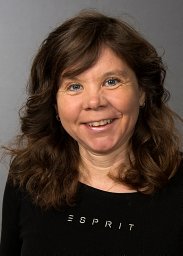 Maria Larsson Lund合作论文数Department of Community Medicine and Rehabilitation, Umeå University9Kathryn A. Lee合作论文数9
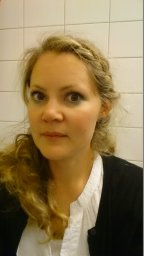 Anna Jervaeus合作论文数Department of Neurobiology, Care Sciences and Society, Karolinska Institutet8
 Christina Schulze合作论文数8
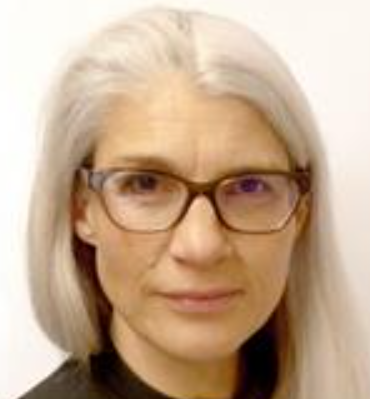 Georgina Charlesworth合作论文数University College London7McNulty Peggy Anne Fisher合作论文数7
 Elisabeth Carlson合作论文数7
 Alexander Rozental合作论文数Dept Clin Neurosci, Karolinska Inst6
 Kuhne Nicolas合作论文数6Mandana Fallahpour合作论文数6Kaisa Fritzell合作论文数6
 Gunilla Eriksson合作论文数5Jenica Lee合作论文数5Katarina Sjogren Forss合作论文数Management of Care and Welfare, Municipal Healthcare in Hässleholm5
 Birgitta Bernspang合作论文数5
 Carlbring Per合作论文数Stockholm University5
 Ove Almkvist合作论文数Department of Neurobiology, Care Sciences and Society, Karolinska Institutet5Fridén Cecilia合作论文数5
 Charlotta Ryd合作论文数5Malcolm P. Cutchin合作论文数5Margareta Lilja合作论文数Dept Hlth Sci, Lulea Univ Technol5Ruxandra Drasga合作论文数4
 Caniece Leggett合作论文数4Eman Awad合作论文数4Christine Kumlien合作论文数4
 Johanna Boettcher合作论文数4
 Julie Page合作论文数4
 Philip von Rosen合作论文数Department of Neurobiology, Care Sciences and Society, Karolinska Institutet4
 Ulla Møller Weinreich合作论文数Medicinsk Afdeling, Sygehus Vendsyssel4
 David Forsstrom合作论文数4
 Sergey Shleev合作论文数Department of Biomedical Science, Faculty of Health and Society, Malmö University4




