Intracranial electroencephalography (iEEG) plays a crucial role in the preoperative evaluation of drug-resistant epilepsy. However, visual inspection of iEEG recordings is time-consuming and labor-intensive, highlighting the need for automated analysis methods to assist clinicians. While deep-learning approaches have shown promise in iEEG classification, existing methods are constrained by single-network architectures, restricting the diversity of extracted information and failing to fully exploit complementary information from both temporal and spectral domains. To this end, we propose a dual-branch temporal-spectral fusion model (DTSF), which employs a dual-branch CNN-GRU architecture to extract temporal and spectral features within domains, and a transformer fusion module to explore the global relationships between domains. Specifically, the temporal and spectral branches extract features from the raw signal and its STFT representation, respectively, where CNN captures local patterns in the features and GRU models their long-range dependencies. Features from both branches are fused using a Transformer-based block with a self-attention mechanism, which dynamically adjusts the importance of temporal and spectral features based on their contextual relationships, capturing the global dependencies between both domains to generate a unified temporal-spectral representation for final classification. Furthermore, Mixup data augmentation is utilized in both branches, facilitating diverse feature learning and improving model generalization. We evaluate the proposed method on two publicly available datasets, FNUSA and MAYO. Experiments demonstrate that DTSF outperforms several state-of-the-art models across multiple evaluation metrics, including accuracy and Kappa coefficient. This study presents an effective method for leveraging temporal and spectral features in iEEG classification.
Modern open-world agents such as OpenClaw exhibit powerful cross-environment execution capabilities yet introduce broad new safety risk sources. Meanwhile, advanced frontier AI models drastically lower attack barriers, rendering current agent alignment frameworks inadequate for real-world deployment. To tackle these emerging threats, we propose a lightweight and scalable agent safety alignment framework. Specifically, we update the agent safety taxonomy to accommodate emergent risks from Codex and OpenClaw execution scenarios. We further build a taxonomy-guided data engine with influence-function purification to train lightweight AgentDoG 1.5 variants (0.8B, 2B, 4B, and 8B parameters) using only around 1k samples, achieving comparable performance with leading closed-source models (e.g., GPT-5.4). Based on AgentDoG 1.5, we construct a highly efficient agentic safety SFT and RL training environment, which reduces deployment overhead in Docker-level environments by two orders of magnitude. Finally, we deploy AgentDoG 1.5 as a training-free online guardrail for real-time safety moderation. Extensive experimental results indicate that AgentDoG 1.5 achieves state-of-the-art performance in diverse and complex interactive agentic scenarios. All models and datasets are openly released.
Large language models (LLMs) often exhibit hallucinations, producing incorrect or outdated knowledge. Hence, model editing methods have emerged to enable targeted knowledge updates. To achieve this, a prevailing paradigm is the locating-then-editing approach, which first locates influential parameters and then edits them by introducing a perturbation. While effective, current studies have demonstrated that this perturbation inevitably disrupt the originally preserved knowledge within LLMs, especially in sequential editing scenarios.To address this, we introduce AlphaEdit, a novel solution that projects perturbation onto the null space of the preserved knowledge before applying it to the parameters. We theoretically prove that this projection ensures the output of post-edited LLMs remains unchanged when queried about the preserved knowledge, thereby mitigating the issue of disruption. Extensive experiments on various LLMs, including LLaMA3, GPT2-XL, and GPT-J, show that AlphaEdit boosts the performance of most locating-then-editing methods by an average of 36.7% with a single line of additional code for projection solely.
Automated classification techniques for intracranial electroencephalography (iEEG) using deep learning have gained increasing attention. Due to the privacy protection of patient data, source-free domain adaptation (SFDA) transfers the pre-trained source model rather than the source patient data to the unlabeled target patient domain to address the domain shift issue arising from individual differences. However, SFDA encounters performance limitations due to the absence of supervised information from target patients. To break through the performance bottleneck of SFDA in iEEG classification, we propose a novel active source-free domain adaptation (ASFDA) approach based on neighborhood uncertainty and diversity (NUD), which facilitates the target model adaptation by identifying a small yet informative subset of target patient data for expert annotation through active learning. NUD proposes three key strategies to select the most informative samples for annotation. Specifically, NUD employs neighborhood uncertainty estimation (NUE) to assess the uncertainty of a sample, identifying samples with high NUE values as informative samples. Subsequently, NUD utilizes neighborhood diversity preservation (NDP) to mitigate the selection of similar samples by NUE, which ensures the diversity of informative samples. Additionally, NUD employs multiple round annotation (MRA) to ensure the representativeness of informative samples, which aids in the model’s learning of the target sample distribution. Extensive experiments on two public iEEG datasets and representative models demonstrate that NUD achieves over 90% classification accuracy, outperforming several state-of-the-art SFDA and ASFDA methods. It is a promising privacy-preserving domain adaptation method for iEEG classification with robust adaptability and low annotation burden.
The rapid advancement of multi-modal large reasoning models (MLRMs) – enhanced versions of multimodal language models (MLLMs) equipped with reasoning capabilities – has revolutionized diverse applications. However, their safety implications remain underexplored. While prior work has exposed critical vulnerabilities in unimodal reasoning models, MLRMs introduce distinct risks from cross-modal reasoning pathways. This work presents the first systematic safety analysis of MLRMs through large-scale empirical studies comparing MLRMs with their base MLLMs. Our experiments reveal three critical findings: (1) The Reasoning Tax: Acquiring reasoning capabilities catastrophically degrades inherited safety alignment. MLRMs exhibit 37.44 rates than base MLLMs under adversarial attacks. (2) Safety Blind Spots: While safety degradation is pervasive, certain scenarios (e.g., Illegal Activity) suffer 25 times higher attack rates – far exceeding the average 3.4 times increase, revealing scenario-specific vulnerabilities with alarming cross-model and datasets consistency. (3) Emergent Self-Correction: Despite tight reasoning-answer safety coupling, MLRMs demonstrate nascent self-correction – 16.9 intrinsic safeguards. These findings underscore the urgency of scenario-aware safety auditing and mechanisms to amplify MLRMs' self-correction potential. To catalyze research, we open-source OpenSafeMLRM, the first toolkit for MLRM safety evaluation, providing unified interface for mainstream models, datasets, and jailbreaking methods. Our work calls for immediate efforts to harden reasoning-augmented AI, ensuring its transformative potential aligns with ethical safeguards.
IntroductionIn response to the demand for a quantifiable means for assessing hand dysfunction in cerebral palsy (CP), this paper proposed and conducted a novel high-density (HD)-surface electromyography (sEMG)-based muscle force estimation framework.Methods and ResultsA highly generalized source network was developed firstly based on long short-term memory (LSTM) networks and three different healthy adult HD-sEMG-force datasets, achieving a root mean square error (RMSE) of 6.31% in force estimation across various force modes; Then, transfer learning techniques were applied to fine tune the well-trained source network using data from healthy children, establishing five gesture-specific target networks that achieved RMSE below 10% in force estimation tasks independent of the subjects; Finally, a muscle force estimation experiment was conducted on 16 children with CP using the gesture-specific target networks.ConclusionBy comparing and analyzing the experimental results of CP group and healthy control group, CP children with different grades of Manual Ability Classification System (MACS), and CP children with different types of symptoms, it was verified that the abnormal EMG-force relationship obtained using the proposed muscle force estimation scheme had the potential for clinical application in the assessment of CP hand dysfunction. Muscle force estimation based on sEMG has broad application prospects in clinical practice. The research work in this paper has important value in promoting the clinical application of muscle force estimation technology based on sEMG, which is conducive to improving the quantitative assessment level of motor dysfunction.
Molecular Relational Learning (MRL), aiming to understand interactions between molecular pairs, plays a pivotal role in advancing biochemical research. Recently, the adoption of large language models (LLMs), known for their vast knowledge repositories and advanced logical inference capabilities, has emerged as a promising way for efficient and effective MRL. Despite their potential, these methods predominantly rely on textual data, thus not fully harnessing the wealth of structural information inherent in molecular graphs. Moreover, the absence of a unified framework exacerbates the issue of insufficient data exploitation, as it hinders the sharing of interaction mechanisms learned across various datasets. To address these challenges, this work proposes a novel LLM-based multi-modal framework for Molecular inTeraction modeling following Chain-of-Thought (CoT) theory, termed MolTC, which effectively integrate graphical information of two molecules in pair. To train MolTC efficiently, we introduce a Multi-hierarchical CoT theory to refine its training paradigm, and conduct a comprehensive Molecular Interactive Instructions dataset for the development of biochemical LLMs involving MRL. Our experiments, conducted across twelve datasets involving over 4,000,000 molecular pairs, exhibit the superiority of our method over current GNN- and LLM-based baselines. Our code is available at https://github.com/MangoKiller/MolTC.
As Large Language Models (LLMs) demonstrate impressive capabilities, demystifying their internal mechanisms becomes increasingly vital. Neuron attribution, which attributes LLM outputs to specific neurons to reveal the semantic properties they learn, has emerged as a key interpretability approach. However, while neuron attribution has made significant progress in deciphering text-only LLMs, its application to Multimodal LLMs (MLLMs) remains less explored. To address this gap, we propose a novel Neuron Attribution method tailored for MLLMs, termed NAM. Specifically, NAM not only reveals the modality-specific semantic knowledge learned by neurons within MLLMs, but also highlights several intriguing properties of neurons, such as cross-modal invariance and semantic sensitivity. These properties collectively elucidate the inner workings mechanism of MLLMs, providing a deeper understanding of how MLLMs process and generate multi-modal content. Through theoretical analysis and empirical validation, we demonstrate the efficacy of NAM and the valuable insights it offers. Furthermore, leveraging NAM, we introduce a multi-modal knowledge editing paradigm, underscoring the practical significance of our approach for downstream applications of MLLMs.
Graph representation learning on vast datasets, like web data, has made significant strides. However, the associated computational and storage overheads raise concerns. In sight of this, Graph condensation (GCond) has been introduced to distill these large real datasets into a more concise yet information-rich synthetic graph. Despite acceleration efforts, existing GCond methods mainly grapple with efficiency, especially on expansive web data graphs. Hence, in this work, we pinpoint two major inefficiencies of current paradigms: (1) the concurrent updating of a vast parameter set, and (2) pronounced parameter redundancy. To counteract these two limitations correspondingly, we first (1) employ the Mean-Field variational approximation for convergence acceleration, and then (2) propose the objective of Gradient Information Bottleneck (GDIB) to prune redundancy. By incorporating the leading explanation techniques (e.g., GNNExplainer and GSAT) to instantiate the GDIB, our EXGC, the Efficient and eXplainable Graph Condensation method is proposed, which can markedly boost efficiency and inject explainability. Our extensive evaluations across eight datasets underscore EXGC's superiority and relevance. Code is available at https://github.com/MangoKiller/EXGC.
In clinical neurology practice, the classification of intracranial electroencephalography (iEEG) recordings into artifacts, pathological, and physiological activities has traditionally been performed by expert visual review, which is a difficult, time-consuming, and subjective process. Recently, deep learning methods have shown remarkable success in automatic iEEG recognition. However, the current convolutional neural network (CNN)-based methods for iEEG signal analysis only focus on extracting local features, while largely disregarding the global context information. To address this limitation, we propose a novel hierarchical CNN-Transformer combined network for iEEG classification, named IEEG-HCT. The proposed model first employs a CNN Stem to extract preliminary local features, which are subsequently fed into a hierarchical alternating structure comprising of convolutional embedding (CE) blocks and Transformer blocks. Our explorations of combining CNN and Transformer models are conducted at both the macro and micro levels, allowing the resulting model to effectively capture both local features and long-distance dependencies. At the macro level, we utilize CE blocks to extract local features and reduce intermediate feature size, while at the micro level, we employ appropriate convolutions to enhance Transformer blocks. In addition, the hierarchical architecture allows for the extraction of multiscale features. We evaluated the proposed IEEG-HCT model on the multicenter iEEG dataset using out-of-institution and cross-subject validations. Experimental results demonstrate that the proposed model outperforms most existing models in all experimental settings.
Research into the external behaviors and internal mechanisms of large language models (LLMs) has shown promise in addressing complex tasks in the physical world. Studies suggest that powerful LLMs, like GPT-4, are beginning to exhibit human-like cognitive abilities, including planning, reasoning, and reflection. In this paper, we introduce a research line and methodology called LLM Psychology, leveraging human psychology experiments to investigate the cognitive behaviors and mechanisms of LLMs. We migrate the Typoglycemia phenomenon from psychology to explore the "mind" of LLMs. Unlike human brains, which rely on context and word patterns to comprehend scrambled text, LLMs use distinct encoding and decoding processes. Through Typoglycemia experiments at the character, word, and sentence levels, we observe: (I) LLMs demonstrate human-like behaviors on a macro scale, such as lower task accuracy and higher token/time consumption; (II) LLMs exhibit varying robustness to scrambled input, making Typoglycemia a benchmark for model evaluation without new datasets; (III) Different task types have varying impacts, with complex logical tasks (e.g., math) being more challenging in scrambled form; (IV) Each LLM has a unique and consistent "cognitive pattern" across tasks, revealing general mechanisms in its psychology process. We provide an in-depth analysis of hidden layers to explain these phenomena, paving the way for future research in LLM Psychology and deeper interpretability.
This work studies the explainability of graph neural networks (GNNs), which is important for the credibility of GNNs in practical usage. Existing work mostly follows the two-phase paradigm to interpret a prediction: feature attribution and selection. However, another important component --- regularization, which is crucial to facilitate the above paradigm --- has been seldom studied. In this work, we explore the role of regularization in GNNs explainability from the perspective of information theory. Our main findings are: 1) regularization is essentially pursuing the balance between two phases, 2) its optimal coefficient is proportional to the sparsity of explanations, 3) existing methods imply an implicit regularization effect of stochastic mechanism, and 4) its contradictory effects on two phases are responsible for the out-of-distribution (OOD) issue in post-hoc explainability. Based on these findings, we propose two common optimization methods, which can bolster the performance of the current explanation methods via sparsity-adaptive and OOD-resistant regularization schemes. Extensive empirical studies validate our findings and proposed methods. Code is available at https://anonymous.4open.science/r/Rethink_Reg-07F0.
Automated deep learning methods for classifying intracranial electroencephalography (iEEG) recordings into three categories (artifacts, pathological activities, and physiological activities) have gained increasing attention. However, most efforts have paid little attention to individual differences, where domain shift issues frequently arise when deploying models trained on prior patients (source domain) to other individuals (target domain). While unsupervised domain adaptation methods can be used to address the domain shift issues in iEEG classification, their application requires access to source data, which raises privacy concerns. To concurrently account for individual differences and patient data privacy, we propose a novel privacy-preserving domain adaptation (PPDA) approach, which only needs the source model for domain adaptation without accessing the source data. PPDA assumes that once a model with adaptive ability is obtained in the target domain, the ideal outputs of the model for each target sample should be deterministic, i.e., entropy minimization. Thus, PPDA uses information maximization (IM) to encourage the generation of one-hot predictions for target outputs, where the target samples with the same prediction are clustered in the feature space and assigned to a certain class. Then, the Gaussian mixture model (GMM)-based pseudolabeling is used to mitigate the occurrence of misclassification by IM and reduce the adverse effects of inaccurate pseudo labels, which improves the adaptation performance. Experimental results on two public iEEG datasets and representative models demonstrate the generality and superiority of our method. It is a promising solution to reduce individual differences and preserve patient privacy for iEEG classification.
Myoelectric interfaces have received much attention in the field of prosthesis control, neuro-rehabilitation systems and human-computer interaction. However, when different users perform the same gesture, the electromyography (EMG) signals can vary greatly. It is essential to design a multiuser myoelectric interface that can be simply used by novel users while maintaining good gesture classification performance. To cope with this problem, canonical correlation analysis (CCA) has been used to extract the inherent user-independent properties of EMG signals generated from the same gestures from multiple users and demonstrated superior performance. In this paper, we move forward to propose a novel framework based on CCA and optimal transport (OT), termed as CCA-OT. By optimal transport, the discrepancies in data distribution between the transformed feature matrix from the training and the testing sets can be further reduced. Experimental results on the defined 13 Chinese sign language gestures performed by 10 intact-limbed subjects demonstrated that the classification rate of our proposed CCA-OT framework is significantly higher than that of the CCA-only framework with an 8.49% promotion, which shows the necessity to reduce the drift in probability distribution functions (PDFs) of the different domains. The CCA-OT framework provides a promising method for the multiuser myoelectric interface which can be easily adapted to new users. This improvement will further facilitate the widespread implementation of myoelectric control systems using pattern recognition techniques.
OBJECTIVE:the objective of this work is to develop a robust method for myoelectric control towards alleviating the interference of electrode shift. M ethods: In the proposed method, a preprocessing approach was first performed to convert high-density surface electromyogram (HD-sEMG) signals into a series of images, and the electrode shift appeared as pixel shift in these images. Next, a data augmentation approach was applied to the training data from just one position (no shift), so as to simulate HD-sEMG images derived from fictitious shift positions. The dilated convolutional neural network (DCNN) was subsequently adopted for classification. Compared to common convolutional neural network, DCNN always contained a larger receptive field that was supposed to be adept at mining wider spatial contextual information in images. This property was further confirmed to facilitate the classification of myoelectric patterns using HD-sEMG. The performance of the proposed method was evaluated with HD-sEMG data recorded by a 10×10 electrode array placed over forearm extensors of ten subjects during their performance of six wrist and finger extension tasks.RESULTS:Under a variety of actual electrode shift conditions, the proposed method achieved a mean classification accuracy of 95.34%, and it outperformed other common methods.CONCLUSION:This work demonstrated feasibility and usability of combining data augmentation and DCNN in predicting myoelectric patterns in the context of electrode shifts.SIGNIFICANCE:The proposed method is a practical solution for robust myoelectric control against electrode array shifts.
High-density surface electromyography (HD-sEMG) can provide rich temporal and spatial information about muscle activation. However, HD-sEMG signals are often contaminated by power line interference (PLI) and white Gaussian noise (WGN). In the literature, independent component analysis (ICA) and canonical correlation analysis (CCA), as two popular used blind source separation techniques, are widely used for noise removal from HD-sEMG signals. In this paper, a novel method to remove PLI and WGN was proposed based on independent vector analysis (IVA). Taking advantage of both ICA and CCA, this method exploits the higher order and second-order statistical information simultaneously. Our proposed method was applied to both simulated and experimental EMG data for performance evaluation, which was at least 37.50% better than ICA and CCA methods in terms of relative root mean squared error and 28.84% better than ICA and CCA methods according to signal to noise ratio. The results demonstrated that our proposed method performed significantly better than either ICA or CCA. Specifically, the mean signal to noise ratio increased considerably. Our proposed method is a promising tool for denoising HD-sEMG signals while leading to a minimal distortion.
 Junfeng Fang合作论文数National University of Singapore7
 Xun Chen (陈勋)合作论文数Institute of Advanced Technology, University of Science and Technology of China;Epilepsy Center, Department of Neurosurgery, The First Affiliated Hospital, University of Science and Technology of China7
 Xiang Wang (王翔)合作论文数School of Cyber Science and Technology, University of Science and Technology of China;School of Data Science, University of Science and Technology of China6
 RuoBing Qian (钱若兵)合作论文数4
 Xiangnan He (何向南)合作论文数Department of Electronic Engineering and Information Science, School of Information Science and Technology, University of Science and Technology of China4
 Xiang Chen (陈香)合作论文数School of Microelectronics, University of Science and Technology of China4
 Xu Zhang (张旭)合作论文数Department of Electronic Science and Technology, School of Microelectronics, University of Science and Technology of China4
 Tat-Seng Chua (蔡达成)合作论文数Department of Computer Science, School of Computing, National University of Singapore4
 Chang Li (李畅)合作论文数School of Instrument Science and Optoelectronic Engineering, HFUT4
 An Zhang (张岸)合作论文数Alpha Lab, School of Artificial Intelligence and Data Science, University of Science and Technology of China3
 Aiping Liu (刘爱萍)合作论文数National Engineering Laboratory for Brain-inspired Intelligence Technology and Application, University of Science and Technology of China;Department of Electronic Science and Technology, University of Science and Technology of China3
 Le Wu (吴乐)合作论文数School of Computer Science and Information Technology, Hefei University of Technology;Innovation School of Artificial Intelligence, Hefei University of Technology3Ruipeng Wang合作论文数2Houcheng Jiang合作论文数2
 Yuan Gao合作论文数Alibaba;Lab of Data Science, University of Science and Technology of China2
 Jie Shi合作论文数Huawei Singapore2Zac Bi合作论文数1Chang Wu合作论文数1Junyuan Mao合作论文数1
 Wenjie Du (杜文杰)合作论文数School of Software Engineering, The Division of Information and Intelligence, University of Science and Technology of China;Suzhou Institute for Advanced Research, University of Science and Technology of China1
 Zhengyi Yang (杨正一)合作论文数University of Science and Technology of China1
 Qihan Ren合作论文数Shanghai Jiao Tong University1
 Zijun Yao (姚子俊)合作论文数Department of Computer Science and Technology, Tsinghua University1Xinglin Li合作论文数1J. Ye合作论文数1Bo Xue合作论文数1
 Dongrui Liu合作论文数John Hopcroft Center for Computer Science, Shanghai Jiao Tong University1Ranjie Duan合作论文数Alibaba Group1Aoxiao Zhong合作论文数Squirrel Ai Learning1
 Zhiheng Xi (奚志恒)合作论文数College of Computer Science and Artificial Intelligence, Fudan University1Sihang Li合作论文数1Shuai Zhang合作论文数1
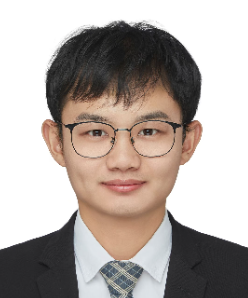 Wenjie Wang (王文杰)合作论文数School of Information Science and Technology, University of Science and Technology of China;Lab for Data Science, University of Science and Technology of China1De Wu (吴德)合作论文数1
 Yuxuan Liang (梁宇轩)合作论文数Hong Kong University of Science and Technology (Guangzhou)1
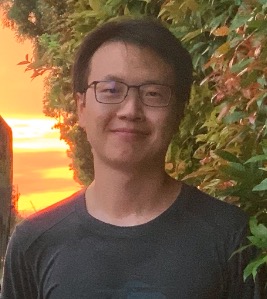 Yunshan Ma (马云山)合作论文数NExT++ Research Center, School of Computing, National University of Singapore1
 Peng Wang合作论文数School of Computer Science and Engineering, University of Electronic Science and Technology of China1
 Jing Shao (邵婧)合作论文数SenseTime;Shanghai Jiao Tong University;Nanyang Technological University Singapore1
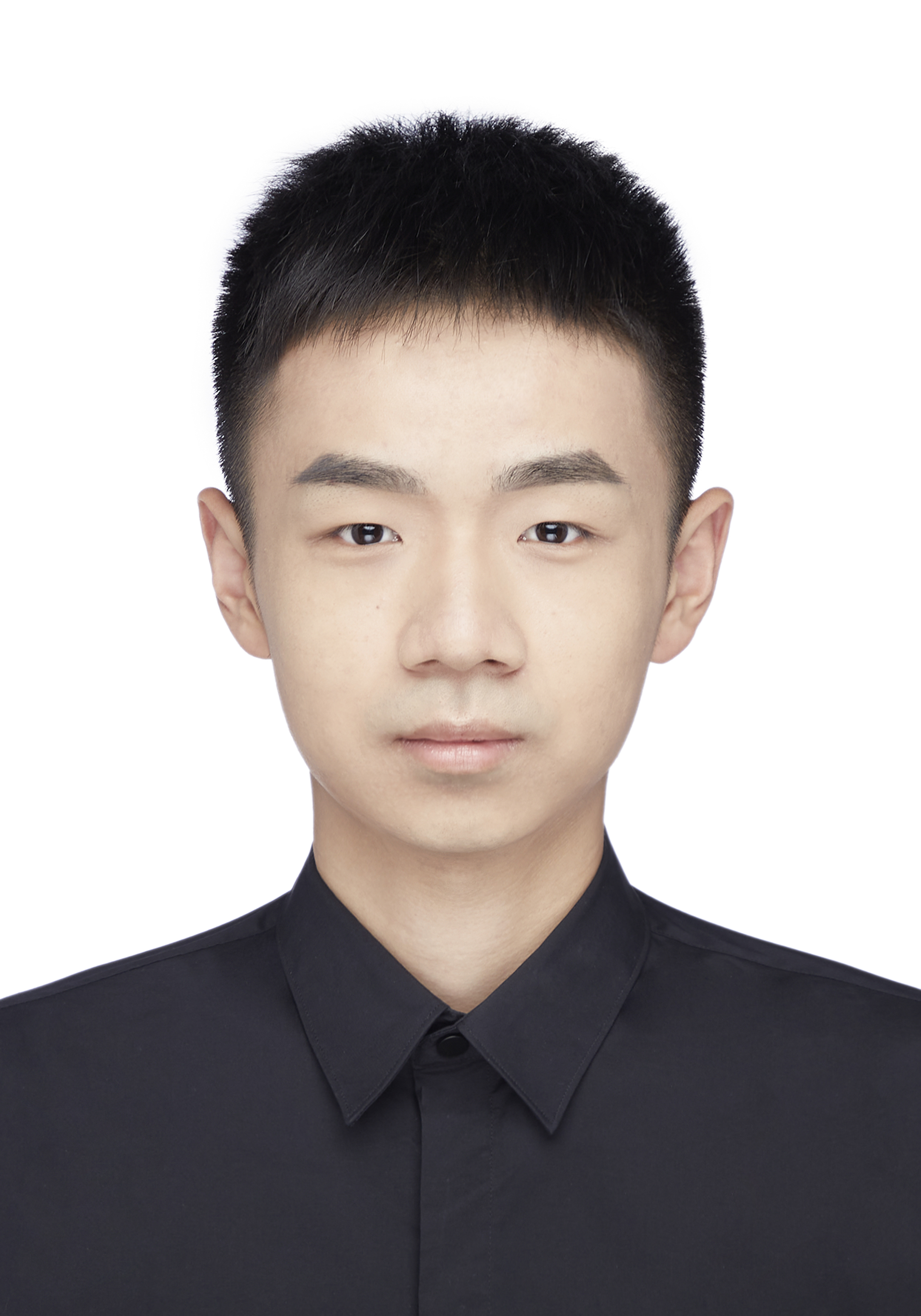 Yang Liu (柳阳)合作论文数Key Laboratory of Intelligent Information Processing, Institute of Computing Technology, Chinese Academy of Sciences1
 Lei Zhu (朱磊)合作论文数School of Computer Science and Technology, Tongji University;Large Model and Algorithm Center, Institute of Engineering Intelligence, Tongji University1
 Xin Wang (王鑫)合作论文数College of Pipeline and Civil Engineering, China University of Petroleum1
 Yong Liu (刘勇)合作论文数Huawei Noah's Ark Lab1
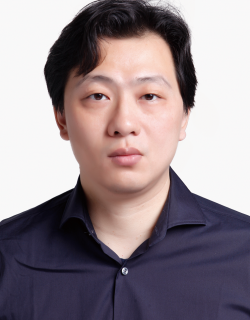 Wei Liu (刘威)合作论文数Video Rebirth1
 Guibin Zhang合作论文数School of Computing, National University of Singapore1
 Qingsong Wen (文青松)合作论文数Squirrel Ai Learning1
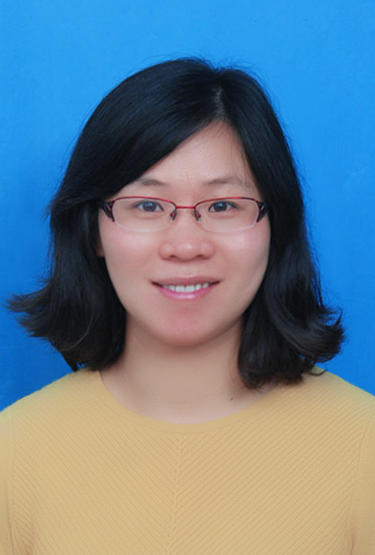 Juan Cheng (成娟)合作论文数School of Instrument Science and Opto-electronics Engineering, Hefei University of Technology1
 Xingjun Ma (马兴军)合作论文数Institute of Trustworthy Embodied AI, Fudan University;College of Computer Science and Artificial Intelligence, Fudan University;Shanghai Innovation Institute1
 Xia Ben Hu合作论文数Department of Computer Science, Rice University;AI POW LLC1




