A new straight thin electrode array (universal electrode) was designed to be used together with a positioner, which will place the electrode array at the medial wall (modiolus) of the cochlea. The study objectives were to demonstrate safety and ease of insertion, tissue trauma, electrode position, and depth for universal and standard electrodes in human temporal bones; to test functional properties in cats; and to determine the surgical procedure and electrophysiological benefits in a clinical study. The cadaver study demonstrated the ease of insertion for the universal electrode and the positioner without tissue damage. An average gain of insertion depth of 180 degrees was achieved with the positioner. Animal studies demonstrated a reduction in threshold of 6 dB for the electrical auditory brain stem response (EABR). Neither additional cochlear damage nor additional connective tissue formation was found. The intraoperative human study findings showed a marked reduction of threshold for both EABR and stapedius reflex thresholds. Impedances were increased. Plain x-rays demonstrated modiolus proximity of the electrode with the positioner. The new Clarion electrode with positioner is a relatively safe design for providing modiolus proximity. The electrophysiological benefits include reduction of threshold and power consumption.
To summarize, our preliminary results indicate that some prelingually deaf patients may get worthwhile help from a multiple-electrode cochlear implant which extracts formants. They can understand words and running speech better when using the cochlear implant with lip-reading compared to lip-reading alone. It has been encouraging that these improvements can occur in young adults and teenagers. It has also been encouraging that some can recognize place pitch as well as rate pitch. There are, however, considerable variations in performance and this may be due to the following factors: whether they have had some hearing after birth, the method of education used, the motivation of the patient and age at implantation. In conclusion it is important to emphasize that deaf children are severely disadvantaged however good their teacher of the deaf. Research on cochlear implants offers hope for profoundly-totally deaf children. These developments will not replace the caring, competent educators but complement their skills. There is also a greater need than ever for an interdisciplinary approach to these children.
 Peter Seligman合作论文数2
 Y C Tong合作论文数2D J Mecklenburg合作论文数2RL WEBB合作论文数2G Reuter合作论文数2
 Richard Dowell合作论文数Department of Audiology and Speech Pathology, Melbourne School of Health Sciences, Faculty of Medicine, Dentistry and Health Sciences, The University of Melbourne2Shepherd Robert K合作论文数2Goldring J E合作论文数2R.-D. Battmer合作论文数2
 Thomas Lenarz合作论文数Medizinische Hochschule Hannover2Brian Pyman合作论文数2Peter J. Blamey合作论文数2J Neuburger合作论文数2P.A. Gusby合作论文数1J. F. Patrick合作论文数1Burkhard Franz合作论文数1BKH FRANZ合作论文数1D. K. Money合作论文数1PA BUSBY合作论文数1Millar J B合作论文数1
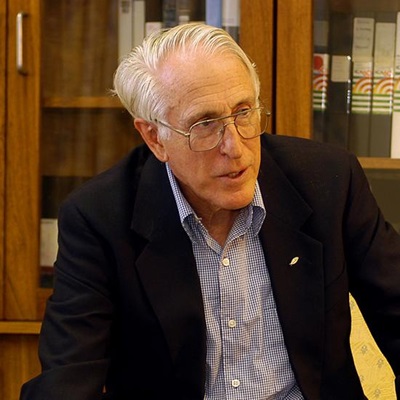 Graeme M. Clark合作论文数Department of Otolaryngology, University of Melbourne, Parkville, Victoria 3052, Australia1B. P. Weber合作论文数1J. A. Brimacombe合作论文数1M. S. Hirshorn合作论文数1




