We determined total and unbound concentrations of Doravirine (DOR) in cerebrospinal fluid (CSF) and blood plasma. Total and unbound DOR concentrations in CSF exceeded the EC50 value against wild-type virus (5.1 ng/mL) in all subjects suggesting that DOR may contribute to inhibit viral replication in this compartment.
Background HIV remains a major public health issue, especially in Eastern and Southern Africa. Pre-exposure prophylaxis is highly effective when adhered to, but its effectiveness is limited by cost, user acceptability and uptake. The cost of a non-inferiority phase III trial is likely to be prohibitive, and thus, it is essential to select the best possible drug, dose and schedule in advance. The aim of this study, the Combined HIV Adolescent PrEP and Prevention Study (CHAPS), is to investigate the drug, dose and schedule of pre-exposure prophylaxis (PrEP) required for the protection against HIV and the acceptability of PrEP amongst young people in sub-Saharan Africa, and hence to inform the choice of intervention for future phase III PrEP studies and to improve strategies for PrEP implementation. Methods We propose a mixed-methods study amongst young people aged 13–24 years. The first component consists of qualitative research to identify the barriers and motivators towards the uptake of PrEP amongst young people in South Africa, Uganda and Zimbabwe. The second component is a randomised clinical trial (ClinicalTrials.gov NCT03986970, June 2019) using a novel ex vivo HIV challenge method to investigate the optimal PrEP treatment (FTC-TDF vs FTC-TAF), dose and schedule. We will recruit 144 amongst HIV-negative uncircumcised men aged 13–24 years from voluntary male medical circumcision clinics in two sites (South Africa and Uganda) and randomise them into one of nine arms. One group will receive no PrEP prior to surgery; the other arms will receive either FTC-TDF or FTC-TAF, over 1 or 2 days, and with the final dose given either 6 or 20 h prior to surgery. We will conduct an ex vivo HIV challenge on their resected foreskin tissue. Discussion This study will provide both qualitative and quantitative results to help decide the optimum drug, dose and schedule for a future phase III trial of PrEP. The study will also provide crucial information on successful strategies for providing PrEP to young people in sub-Saharan Africa. Trial registration ClinicalTrials.gov NCT03986970 . Registered on 14 June 2019
1 Department of Molecular & Clinical Pharmacology, Institute of Translational Medicine, University of Liverpool, Liverpool, United Kingdom, 2 Infectious Disease Institute, Makerere University College of Health Sciences, Kampala, Uganda, 3 Royal Liverpool University Hospital, Liverpool, United Kingdom, 4 Desmond Tutu HIV Foundation, Cape Town, South Africa, 5 Department of Medicine, Imperial College London, London, United Kingdom, 6 Division of Epidemiology and Biostatistics and Centre for Infectious Diseases Epidemiology & Research, School of Public Health & Family Medicine, University of Cape Town, Cape Town, South Africa, 7 Department of Obstetrics and Gynaecology, Makerere University College of Health Sciences, Kampala, Uganda
Herbal medication use amongst people living with human immunodeficiency virus (PLWH) is widespread and understudied. This study aimed to evaluate the prevalence of herbal medicine use amongst PLWH and possible contamination with antiretrovirals (ARVs). Countrywide collection of herbal samples sold by street vendors in Nigeria for the following indications: human immunodeficiency virus (HIV), acquired immune deficiency syndrome, fever and general weakness. Samples were screened using a validated liquid chromatography-mass spectrometry/mass spectrometry method for the presence of the following ARVs: efavirenz, nevirapine, lopinavir, darunavir, ritonavir, atazanavir, emtricitabine, tenofovir and lamivudine. A survey was conducted among 742 PLWH attending four HIV clinics in Nigeria. Data were collected using a structured questionnaire and analysed using IBM SPSS statistics version 22.0 (IBM Corp., 2013, Armond, NY). Of the 138 herbal medicines sampled, three (2%) contained detectable levels of tenofovir, emtricitabine and/or lamivudine. Additionally, of the 742 PLWH surveyed, 310 (41.8%) reported herbal medicine use. Among the users, 191 (61.6%) started taking herbals after commencing HIV therapy while herbal medicine use preceded ARVs treatment in 119 (38.4%) PLWH. We found herbal use to be widespread among PLWH in Nigeria, with increasing use after commencing ARV. Three herbal preparations were also found to contain detectable levels of ARVs. This is a concern and should be studied widely across the region and countries where herbal medicine use is prevalent and poorly regulated.
Background: ART initiation in the 3rd trimester of pregnancy is associated with failure to achieve viral suppression (VS) by delivery and increased transmission of HIV. We randomised 60 treatment naïve pregnant women at 28-36w gestation in Uganda and South Africa 1:1 to receive EFV or DTG+2NRTIs. The primary endpoint was pharmacokinetics (PK) of DTG in women and breastfed infants; secondary endpoints included VS. Methods: To comply with national guidelines, EFV+2NRTI was initiated on referral, with subjects randomized to DTG switched within 7 days. Viral load (VL) was collected at every visit; intensive maternal PK sampling (0-24h) was performed at 14 days on DTG, and 2 weeks post-partum, with paired sampling between maternal plasma and cord blood, breastmilk and infant plasma. All infants were exclusively breastfed. Results: There was no significant pre-ART differences between DTG (n=29) and EFV (n=31) arms in maternal age, gestation at treatment initiation (30.8w), weight, obstetric history, VL (log 4 copies) and CD4 count (394 cells/mm3). Third trimester DTG exposures were low with Ctrough at or below target (MEC 324ng/mL) in 9/28 (32%) mothers. DTG transfer across the placenta (122%) and in breast milk (3%) coupled with delayed elimination resulted in significant infant exposures potentially persisting during breast-feeding. Both regimens were well-tolerated. A total of 10 SAEs were reported in 5 mothers and 3 infants, with no significant differences between arms. Superior VS was observed with DTG (Table 1) at the 2w post-partum visit (P=0.005). However, VL>1000 copies/mL near delivery was still observed with both DTG (3.7%) and EFV (7.4%). No HIV transmissions were observed Conclusions: HIV RNA suppression < 50 copies/mL was more rapid with DTG (despite low DTG exposures when started in the third trimester) which may translate to improved PMTCT for ART initiation in late pregnancy. The impact of significant infant DTG exposures related to intrauterine transfer, continued breastfeeding and delayed elimination is being evaluated in the DolPHIN-2 study.
Pregnancy-induced physiological changes alter many drugs' pharmacokinetics. We investigated pregnancy-induced changes in efavirenz pharmacokinetics in 25 pregnant and 19 different postpartum women stratified from 211 HIV-positive women in whom a preliminary pharmacogenetic study had been undertaken. Despite significant changes in CL/F during pregnancy (42.6% increase; P = 0.023), median (range) Cmin was 1,000 ng/mL (429-5,190) with no significant change in Cmax (P = 0.072). However, when stratified for CYP2B6 516G>T (rs3745274) genotype, efavirenz AUC0-24 , Cmax and Cmin were 50.6% (P = 0.0013), 17.2% (P = 0.14), and 61.6% (P = 0.0027) lower during pregnancy (n = 8) compared with postpartum (n = 6) in 516G homozygotes, with values of 25,900 ng.h/mL (21,700-32,600), 2,640 ng/mL (1,260-3,490), and 592 ng/mL (429-917), respectively, and CL/F was 100% higher (P = 0.0013). No changes were apparent in CYP2B6 516 heterozygotes (14 pregnant vs. 7 postpartum). The clinical implications of these findings warrant further investigation.
Daily efavirenz 400 mg (EFV400) was virologically noninferior to 600 mg (EFV600) at 48 weeks in treatment‐naïve patients. We evaluated EFV400 and EFV600 pharmacokinetics (NONMEM v. 7.2), assessing patient demographics and genetic polymorphisms ( CYP2B6, CYP2A6 , CYP3A4 , NR1I3 ) as covariates and explored relationships with efficacy (plasma HIV‐RNA (pVL) <200 copies/mL) and safety outcomes at 48 weeks in 606 randomized ENCORE1 patients (female = 32%, African = 37%, Asian = 33%; EFV400 = 311, EFV600 = 295). CYP2B6 516G>T/983T>C/ CYP2A6 *9B/*17 and weight were associated with efavirenz CL/F. Exposure was significantly lower for EFV400 (geometric mean ratio, GMR; 90% confidence interval, CI: 0.73 (0.68–0.78)) but 97% (EFV400) and 98% (EFV600) of evaluable pVL was <200 copies/mL at 48 weeks ( P = 0.802). Four of 20 patients with mid‐dose concentrations <1.0 mg/L had pVL ≥200 copies/mL (EFV400 = 1; EFV600 = 3). Efavirenz exposure was similar between those with and without efavirenz‐related side effects (GMR; 90% CI: 0.95 (0.88–1.02)). HIV suppression was comparable between doses despite significantly lower EFV400 exposure. Comprehensive evaluation of efavirenz pharmacokinetics/pharmacodynamics revealed important limitations in the accepted threshold concentration.
Rilpivirine long-acting (RPV-LA) is a parenteral formulation enabling prolonged plasma exposure. We explored its multiple-compartment pharmacokinetics (PK) after a single dose, for pre-exposure prophylaxis. Sixty-six HIV-negative volunteers were enrolled: women received an intramuscular dose of 300, 600, or 1,200 mg, with plasma and genital levels measured to 84 days postdose; men receiving 600 mg had similar PK determined in plasma and rectum. Ex vivo antiviral activity of cervicovaginal lavage (CVL) was also assessed. After a single dose, RPV concentrations peaked at days 6-8 and were present in plasma and genital-tract fluid to day 84. Vaginal and male rectal tissue levels matched those in plasma. At the 1,200 mg dose, CVL showed greater antiviral activity, above baseline, at days 28 and 56. All doses were well tolerated. All doses gave prolonged plasma and genital-tract rilpivirine exposure. PK and viral inhibition of repeated doses will be important in further dose selection.
 Saye Khoo合作论文数Institute of Systems, Molecular & Integrative Biology, University of Liverpool;Faculty of Health and Life Sciences, University of Liverpool24
 David Back合作论文数Department of Pharmacology & Therapeutics, University of Liverpool;Institute of Systems, Molecular & Integrative Biology, Faculty of Health and Life Sciences, University of Liverpool21
 Marta Boffito合作论文数11
 Amara Alieu合作论文数Department of Molecular and Clinical Pharmacology, University of Liverpool7Deirdre Egan合作论文数7Laura K Dickinson合作论文数6
 Julie Fox合作论文数6
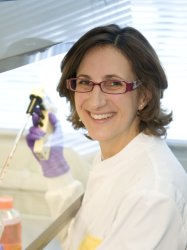 Carolina Herrera合作论文数Immunology of Infection, Department of Infectious Disease, Faculty of Medicine, Imperial College London5
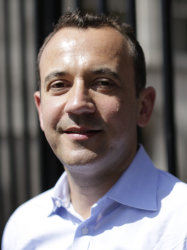 Alan Winston合作论文数Virology, Department of Infectious Disease, Faculty of Medicine, Imperial College London4
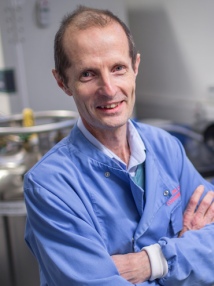 Robin Shattock合作论文数Immunology of Infection, Department of Infectious Disease, Faculty of Medicine, Imperial College London4S. Coulter Smith合作论文数3V Jackson合作论文数3
 Graeme J. Moyle合作论文数Chelsea and Westminster Hospital3Tiraboschi Juan Manuel合作论文数3
 Janaki Amin合作论文数National Centre in HIV Epidemiology and Clinical Research, The University of New South Wales3M Brennan合作论文数3L Lebina合作论文数2N. Olejniczak合作论文数2
 Sean Emery合作论文数2S. Dilly Penchala合作论文数2Akil Jackson合作论文数2Rebekah Puls合作论文数2
 Leon Aarons合作论文数Division of Pharmacy & Optometry, School of Health Sciences, The University of Manchester;School of Pharmacy and Pharmaceutical Sciences, University of Manchester2Dragsted Ulrik B合作论文数2
 Amanda Clarke合作论文数University Hospitals Sussex NHS Foundation Trust;Department of HIV, Sexual Health and Contraception, Royal Sussex County Hospital2
 Ross Cranston合作论文数Hospital Clinic of Barcelona2
 Mcgowan Ian合作论文数University of Pittsburgh;Magee-Womens Research Institute;Magee-Womens Research Institute, University of Pittsburgh2Williams Peter合作论文数2
 Daria N Podlekareva合作论文数Copenhagen HIV Programme, University of Copenhagen2Colette Smith合作论文数Institute for Global Health, Population Health Sciences, University College London2Simmons Bryony合作论文数Division of Medicine, Imperial College London2
 Borja Mora-Peris合作论文数2
 Barber Tristan合作论文数Chelsea and Westminster NHS Foundation Trust2Ringner-Nackter L合作论文数2Brand Rhonda M合作论文数2
 David A. Cooper合作论文数University of New South Wales2
 Brian Gazzard合作论文数Cromwell Hospital;Chelsea and Westminster Hospital;King's College Hospital;St Bartholomew's Hospital;Imperial College London2Z Cuthbertson合作论文数2
 Alison M Hill合作论文数2Neil A Martinson合作论文数Perinatal HIV Research Unit, University of the Witwatersrand2Anton Pozniak合作论文数2John Lambert合作论文数Institute for Human Virology;University of Maryland;Institute for Human Virology, University of Maryland2Mike Youle合作论文数2
 Jaime H Vera合作论文数2Se Gibbons合作论文数2
 Tw Mahungu合作论文数Department of HIV Medicine, Royal Free NHS Trust2Ranjababu Kulasegaram合作论文数2
 Catherine Orrell合作论文数Inst Infect Dis & Mol Med, Univ Cape Town2




