Supplementary figure 4: Palmitate supplementation decreases the spliced/unspliced XBP-1 ratio: LNCaP cells were treated over 48 hours with etomoxir and and with or without 100uM palmitate conjugated to albumin. Supplements Figure 4A.
Abstract Introduction During the past 20 years, researchers have studied various aspects of the impact of prostate cancer therapies on patients, partners and couples. Patients and partners reported distress and negative consequences for their relationships resulting from treatment-related sexual side-effects of prostate cancer therapies. Research on rehabilitation strategies in prostate cancer survivorship has focused largely on biomedical interventions although psychosexual intervention research is also gaining ground. This research has never been summarized in such a way that clinicians can use the findings to provide evidence-based support for prostate cancer patients and their partners in survivorship. Objective An international panel of experts has developed a guideline that informs clinicians, patients and partners about the impact of prostate cancer therapies on the sexuality of patients and partners, and on their sexual relationships. It provides guidance for biopsychosocial rehabilitation strategies that help patients and partners recover sexual intimacy after prostate cancer therapy. Methods The guideline panel included international, multidisciplinary clinical experts and researchers in prostate cancer, a reference librarian and a guideline methodologist. A systematic review of the literature, using the Ovid MEDLINE, Scopus, CINAHL, PsychINFO, LGBT Life, and Embase databases was conducted (1995-2022). The review was conducted according to the Cochrane Handbook for Systematic Reviews of Interventions. Study selection is reported, based on PRISMA guidelines. Evidence for each statement was assigned a strength (A-C) and a level of recommendation (strong, moderate, conditional) which was based on benefit/risk balance. Data synthesis included meta-analyses of high-quality studies (determined by the Cochrane Risk of Bias tool). Results The guideline is contextualized within cultural, ethnic and racial diversity. The needs of individuals with diverse sexual orientations and gender identities are also recognized. Forty-seven statements were generated, guided by a theoretical model of sexual recovery after prostate cancer therapies and by principles that promote clinician-initiated discussion of realistic expectations of sexual outcomes and mitigation of sexual side-effects through biopsychosocial rehabilitation. The statements focus on counseling about the impact of prostate cancer therapies on patients’ and partners’ sexuality and couples’ relationships as well as on biomedical and psychosocial treatment strategies for sexual dysfunction. The guideline statements address the assessment of sexual function and distress, and barriers to providing sexual health care in prostate cancer survivorship in globally varied health care systems. Conclusions The guideline documents the distressing sexual sequelae of prostate cancer therapies and makes evidence-based recommendations for sexual rehabilitation in prostate cancer survivorship. Areas for future research are also outlined. The guideline was supported and funded by the Movember Foundation. Disclosure Any of the authors act as a consultant, employee or shareholder of an industry for: Author disclosures 1. Capogrosso 2. Northouse 3. Matthew 4. Elliott 5. Mulhall 6. Capellari 7. Incrocci 8. Faraday 9. Loeb 10. Mehta 11. Howell 12. McPhail J 13. McPhail S 14. Brandon 15. Paich 16. Erickson 17. Shifferd 18. Duby 19. Yap 20. Goltz 21. Odiyo 22. Salter 23. Nelson 24. McLeod 25. Trost 26. Wittmann – 10% salary paid by Movember 27. Bober – honorarium from UpToDate 28. Bennett - Endo Pharma - speaker 29. Coloplast - speaker, training grant. 30. Glode – Janssen, Aurora Oncology, Bayer, Exelixis, ProTechSure Scientific, Gonex, Patents, Seattle Genetics 31. Kirby – Lilly, Astra Zeneca, GSK, others 32. Wang – Boston Scientific, Teleflex, Coloplast 33. Pollack – Gilead 34. Burnett - Grant/research support: Endo Pharmaceutical, Boston Scientific, NIH Consultant/advisor: Boston Scientific, Coloplast, Reflexonic, Astellas, Novartis, Futura Medical, Comphya SA, Myriad Genetics Patent Holder: MHN Biotech Boards: UCF, AUA PAC, Mentoring Mae teens in the Hood Editor/editorial board: Urology Practice, Andrology, Canadian Journal of Urology, International Urology and Nephrology, Urology Times Other: UroMissionsWorks Inc (Non-profit) 35. Skolarus – UpToDate 36. Koontz - receives research funding from Janssen Scientific Affairs, Merck Pharmaceuticals, Blue Earth Diagnostics, and has received personal fees (ie advisory board) for Blue Earth Diagnostics.
Supplementary figure 1: Epithelial and stromal marker expression in human prostate-derived patient-matched cells, BPH-1 and WPMY-1 cells. Supplements Figure 1.
Supplementary Figure 1 from Dietary Feeding of Silibinin Inhibits Prostate Tumor Growth and Progression in Transgenic Adenocarcinoma of the Mouse Prostate Model
Figure legends for supplementary figures and Tables. Supplementary Table 1: Primers used to analyze expression of the ER Stress-related genes and AR-related gene expression. Supplementary Table 2: Antibodies used for immunoblots and IHC.
Supplementary figure 3: Cleaved Caspase 3 expression in LNCaP and BPH-1 cells: Cells were treated with etomoxir over a 16 hour period and the activation of caspase 3 was examined by western blot in the cell lysates. Supplements Figure 3.
Supplementary figure 2: Additional human Prostate-derived patient-matched cell lines exposed to metabolic inhibitors: MTS proliferation assay of patient-matched prostate-derived benign (A) and cancer (B) cells exposed to Etomoxir and/or Orlistat for 48 hours.
Background: Patients with prostate cancer suffer significant sexual dysfunction after treatment which negatively affects them and their partners psychologically, and strain their relationships. Aim: We convened an international panel with the aim of developing guidelines that will inform clinicians, patients and partners about the impact of prostate cancer therapies (PCT) on patients' and partners' sexual health, their relationships, and about biopsychosocial rehabilitation in prostate cancer (PC) survivorship. Methods: The guidelines panel included international expert researchers and clinicians, and a guideline methodologist. A systematic review of the literature, using the Ovid MEDLINE, Scopus, CINAHL, PsychINFO, LGBT Life, and Embase databases was conducted (1995-2022) according to the Cochrane Handbook for Systematic Reviews of Interventions. Study selection was based on Preferred Reporting Items for Systematic Reviews and Meta-Analyses (PRISMA) guidelines. Each statement was assigned an evidence strength (A-C) and a recommendation level (strong, moderate, conditional) based on benefit/risk assessment, according to the nomenclature of the American Urological Association (AUA). Data synthesis included meta-analyses of studies deemed of sufficient quality (3), using A Measurement Tool to Assess Systematic Reviews (AMSTAR). Outcomes: Guidelines for sexual health care for patients with prostate cancer were developed, based on available evidence and the expertise of the international panel. Results: The guidelines account for patients' cultural, ethnic, and racial diversity. They attend to the unique needs of individuals with diverse sexual orientations and gender identities. The guidelines are based on literature review, a theoretical model of sexual recovery after PCT, and 6 principles that promote clinician-initiated discussion of realistic expectations of sexual outcomes and mitigation of sexual side-effects through biopsychosocial rehabilitation. Forty-seven statements address the psychosexual, relationship, and functional domains in addition to statements on lifestyle modification, assessment, provider education, and systemic challenges to providing sexual health care in PC survivorship. Clinical Implications: The guidelines provide clinicians with a comprehensive approach to sexual health care for patients with prostate cancer. Strengths & Limitations: The strength of the study is the comprehensive evaluation of existing evidence on sexual dysfunction and rehabilitation in prostate cancer that can, along with available expert knowledge, best undergird clinical practice. Limitation is the variation in the evidence supporting interventions and the lack of research on issues facing patients with prostate cancer in low and middle-income countries. Conclusion: The guidelines document the distressing sexual sequelae of PCT, provide evidence-based recommendations for sexual rehabilitation and outline areas for future research. Copyright (c) 2022, International Society of Sexual Medicine. Published by Elsevier Inc. All rights reserved.
BACKGROUND Despite significant sexual dysfunction and distress after localized prostate cancer treatment, patients typically receive only physiologic erectile dysfunction management. The authors performed a randomized controlled trial of an online intervention supporting couples' posttreatment recovery of sexual intimacy. METHODS Patients treated with surgery, radiation, or combined radiation and androgen deprivation therapy who had partners were recruited and randomized to an online intervention or a control group. The intervention, tailored to treatment type and sexual orientation, comprised 6 modules addressing expectations for sexual and emotional sequelae of treatment, rehabilitation, and guidance toward sexual intimacy recovery. Couples, recruited from 6 sites nationally, completed validated measures at the baseline and 3 and 6 months after treatment. Primary outcome group differences were assessed with t tests for individual outcomes. RESULTS Among 142 randomized couples, 105 patients (mostly surgery) and 87 partners completed the 6-month survey; this reflected challenges with recruitment and attrition. There were no differences between the intervention and control arms in Patient-Reported Outcomes Measurement Information System Global Satisfaction With Sex Life scores 6 months after treatment (the primary outcome). Three months after treatment, intervention patients and partners reported more engagement in penetrative and nonpenetrative sexual activities than controls. More than 73% of the intervention participants reported high or moderate satisfaction with module content; more than 85% would recommend the intervention to other couples. CONCLUSIONS Online psychosexual support for couples can help couples to connect and experience sexual pleasure early after treatment despite patients' sexual dysfunction. Participants' high endorsement of the intervention reflects the importance of sexual health support to couples after prostate cancer treatment. LAY SUMMARY This study tested a web-based program supporting couples' sexual recovery of sexual intimacy after prostate cancer treatment. One hundred forty-two couples were recruited and randomly assigned to the program (n = 60) or to a control group (n = 82). The program did not result in improvements in participants' satisfaction with their sex life 6 months after treatment, but couples in the intervention group engaged in sexual activity sooner after treatment than couples in the control group. Couples evaluated the program positively and would recommend it to others facing prostate cancer treatment.
Against the difficult and trying backdrop of the pandemic, cancer investigators persisted, and for patients with lung cancer, that persistence paid off in spectacular ways. With several new FDA approved treatments, as well as 2 new targetable mutations in non-small cell lung cancer (NSCLC), 2020 was a banner year in the overall lung cancer space. ONCOLOGY® recently sat down with Jennifer W. Carlisle, MD, of Emory University's Winship Cancer Institute, to discuss the many advances made during the last year for patients with lung cancer along with her hopes for further significant milestones in the year to come.
ONCOLOGY® recently sat down with Hope S. Rugo, MD, FASCO professor of medicine and director of breast oncology and clinical trials at the University of California, San Francisco Helen Diller Comprehensive Cancer Center, to discuss some of the data presented at this year's SABCS and their implications for the future treatment of patients with breast cancer.
The 17th annual meeting of the International Society of Gastrointestinal Oncology (ISGIO) was held as a 2-day virtual event on October 2-3, 2020. This multidisciplinary educational conference is dedicated to presenting and discussing some of the latest advances in the field of gastrointestinal cancer research. ONCOLOGY® sat down with the co-chairs of the conference, Tanios S. Bekaii-Saab, MD, section chief for Medical Oncology in the Department of Internal Medicine at Mayo Clinic in Phoenix, Arizona, and Daniel G. Haller, MD, professor of medicine emeritus, Abramson Cancer Center at the Perelman School of Medicine at the University of Pennsylvania, in Philadelphia, to discuss the abstracts that were presented.
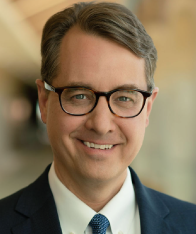 Thomas Flaig合作论文数School of Medicine, University of Colorado29
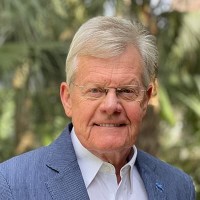 E. David Crawford合作论文数University of California, San Diego Medical Center28
 Ian H. Maxwell合作论文数16
 William H. Robinson合作论文数Division of Immunology and Rheumatology, Stanford University12Francoise Maxwell合作论文数12
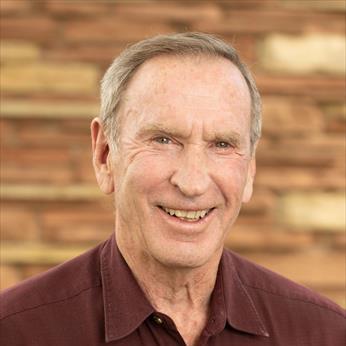 Terry M. Nett合作论文数Department of Biomedical Sciences, College of Veterinary Medicine and Biomedical Sciences, Colorado State University11
 Lih-Jen Su合作论文数10
 Isabel R Schlaepfer合作论文数10
 Rajesh Agarwal合作论文数Department of Pharmaceutical Sciences, University of Colorado Cancer Center;Skaggs School of Pharmacy and Pharmaceutical Sciences, University of Colorado9Colton T Pac合作论文数8J Wettlaufer合作论文数8
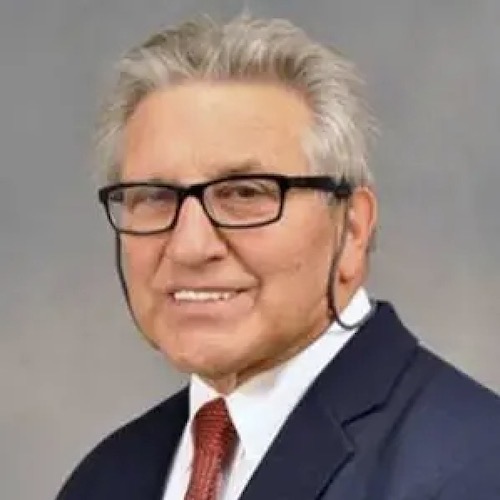 Robert Eckel合作论文数Division of Endocrinology, Metabolism and Diabetes, School of Medicine, University of Colorado Anschutz;Lipid Clinic, University of Colorado Hospital;Department of Food Science and Human Nutrition, Colorado State University8
 Maha H.A. Hussain合作论文数Feinberg School of Medicine, Northwestern University8M. Scott Lucia合作论文数8Scott D. Cramer合作论文数8
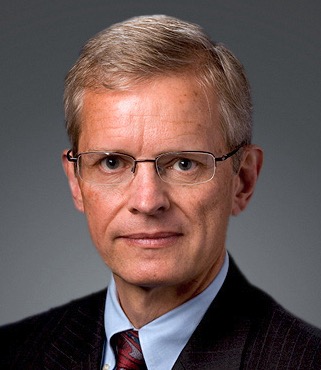 Gregory Peter Swanson合作论文数Baylor Scott & White Cancer Center - Killeen;Baylor Scott & White Clinic - Temple8
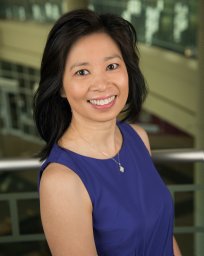 Elaine T. Lam合作论文数The Ohio State University Comprehensive Cancer Center8Mr Thomas合作论文数7
 David Rosenstreich合作论文数7
 Richard J. Santen合作论文数School of Medicine, University of Virginia7
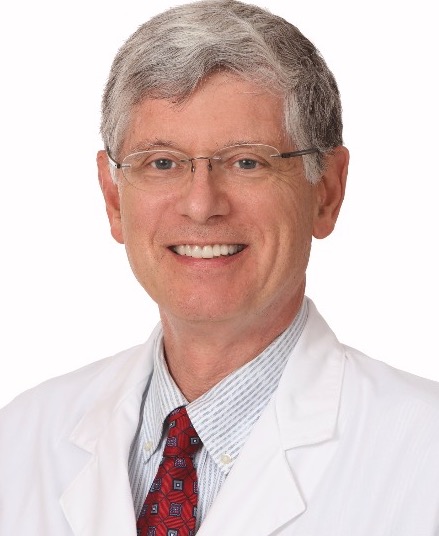 Ian M. Thompson合作论文数Urology Division, The University of Texas Health Science Center at San Antonio7GS Harrison合作论文数7
 Tomasz M. (Tom) Beer合作论文数Exact Sciences7Lindsey Ulkus Rodrigues合作论文数6Lina Romero合作论文数6M Simmonds合作论文数6J Drago合作论文数6
 Leah C Rider合作论文数6H Harvey合作论文数6
 Adela Cimic合作论文数Department of Pathology, Wake Forest University6
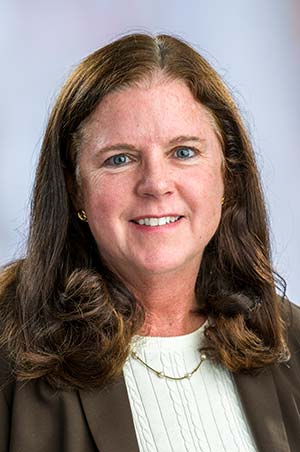 Catherine M. Tangen合作论文数Fred Hutch Cancer Center;Public Health Sciences Division, Fred Hutch6
 S. Joseph Sirintrapun合作论文数Pathology Informatics, University of Pittsburgh Medical Center6Miguel A. Gijon合作论文数6Gail G. Harrison合作论文数6Allan Lipton合作论文数6John M. Corman合作论文数6Daniel Ne合作论文数5N Prostate Cancer合作论文数5Malignancies Landgren合作论文数5N Hematologic合作论文数5Shubham Marshall合作论文数5Gastrointestinal Cancer合作论文数5N Colorectal合作论文数5John Haller合作论文数5Omaha Ne合作论文数5Genitourinary Cancer合作论文数5New York合作论文数5Adrie van Bokhoven合作论文数5R Gordon合作论文数5




