Against the difficult and trying backdrop of the pandemic, cancer investigators persisted, and for patients with lung cancer, that persistence paid off in spectacular ways. With several new FDA approved treatments, as well as 2 new targetable mutations in non-small cell lung cancer (NSCLC), 2020 was a banner year in the overall lung cancer space. ONCOLOGY® recently sat down with Jennifer W. Carlisle, MD, of Emory University's Winship Cancer Institute, to discuss the many advances made during the last year for patients with lung cancer along with her hopes for further significant milestones in the year to come.
ONCOLOGY® recently sat down with Hope S. Rugo, MD, FASCO professor of medicine and director of breast oncology and clinical trials at the University of California, San Francisco Helen Diller Comprehensive Cancer Center, to discuss some of the data presented at this year's SABCS and their implications for the future treatment of patients with breast cancer.
The 17th annual meeting of the International Society of Gastrointestinal Oncology (ISGIO) was held as a 2-day virtual event on October 2-3, 2020. This multidisciplinary educational conference is dedicated to presenting and discussing some of the latest advances in the field of gastrointestinal cancer research. ONCOLOGY® sat down with the co-chairs of the conference, Tanios S. Bekaii-Saab, MD, section chief for Medical Oncology in the Department of Internal Medicine at Mayo Clinic in Phoenix, Arizona, and Daniel G. Haller, MD, professor of medicine emeritus, Abramson Cancer Center at the Perelman School of Medicine at the University of Pennsylvania, in Philadelphia, to discuss the abstracts that were presented.
SARCLISA is an anti-CD38 therapy proven to deliver superior PFS (median PFS, 11.53 months with SARCLISA + Pd vs 6.47 months with Pd alone, HR=0.596, 95% CI: 0.44, 0.81, P=0.0010).SARCLISA also demonstrated a signifi cant increase in ORR (60.4% with SARCLISA + Pd [95% CI: 52.2%, 68.2%] vs 35.3% with Pd alone [95% CI: 27.8%, 43.4%], P<0.0001) 1 * Indication SARCLISA (isatuximab-irfc) is indicated, in combination with pomalidomide and dexamethasone, for the treatment of adult patients with multiple myeloma who have received at least two prior therapies including lenalidomide and a proteasome inhibitor. Important Safety Information CONTRAINDICATIONSSARCLISA is contraindicated in patients with severe hypersensitivity to isatuximab-irfc or to any of its excipients. WARNINGS AND PRECAUTIONS Infusion-Related ReactionsInfusion-related reactions (IRRs) have been observed in 39% of patients treated with SARCLISA.All IRRs started during the fi rst SARCLISA infusion and resolved on the same day in 98% of the cases.The most common symptoms of an IRR included dyspnea, cough, chills, and nausea.The most common severe signs and symptoms included hypertension and dyspnea.
SARCLISA is an anti-CD38 therapy proven to deliver superior PFS (median PFS, 11.53 months with SARCLISA + Pd vs 6.47 months with Pd alone, HR=0.596, 95% CI: 0.44, 0.81, P=0.0010).SARCLISA also demonstrated a signifi cant increase in ORR (60.4% with SARCLISA + Pd [95% CI: 52.2%, 68.2%] vs 35.3% with Pd alone [95% CI: 27.8%, 43.4%], P<0.0001) 1 * Indication SARCLISA (isatuximab-irfc) is indicated, in combination with pomalidomide and dexamethasone, for the treatment of adult patients with multiple myeloma who have received at least two prior therapies including lenalidomide and a proteasome inhibitor. Important Safety Information CONTRAINDICATIONSSARCLISA is contraindicated in patients with severe hypersensitivity to isatuximab-irfc or to any of its excipients. WARNINGS AND PRECAUTIONS Infusion-Related ReactionsInfusion-related reactions (IRRs) have been observed in 39% of patients treated with SARCLISA.All IRRs started during the fi rst SARCLISA infusion and resolved on the same day in 98% of the cases.The most common symptoms of an IRR included dyspnea, cough, chills, and nausea.The most common severe signs and symptoms included hypertension and dyspnea.
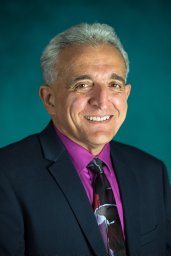 Mehmet Sitki Copur合作论文数Engineering Faculty, Atatürk University14
 Richard A. Drachtman合作论文数Division of Pediatric Hematology-Oncology, UMDNJ-Robert Wood Johnson Medical School9Genitourinary Cancer合作论文数8N Prostate Cancer合作论文数7Malignancies Landgren合作论文数7N Hematologic合作论文数7Gastrointestinal Cancer合作论文数7N Colorectal合作论文数7John Haller合作论文数7Omaha Ne合作论文数7New York合作论文数7
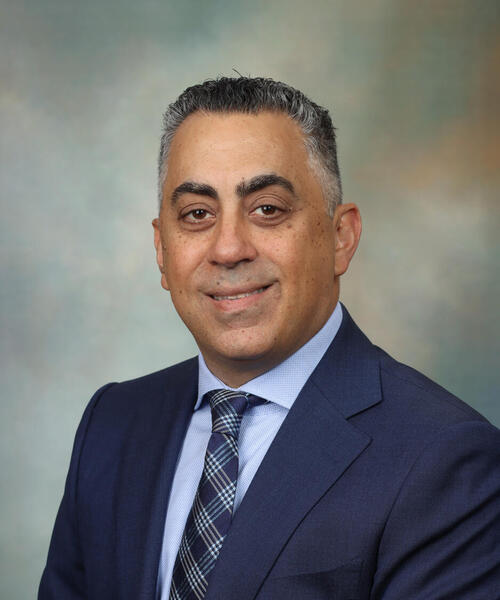 Tanios S. Bekaii-Saab合作论文数Mayo Clinic Cancer Center7
 Matthew Matasar合作论文数Rutgers Cancer Institute of New Jersey;Memorial Sloan Kettering Cancer Center7
 Matthew B Yurgelun合作论文数7
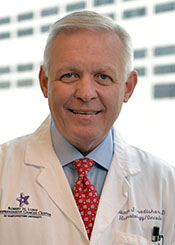 William J Gradishar合作论文数Division of Hematology and Oncology, Department of Medicine, Feinberg School of Medicine, Northwestern University;Robert H. Lurie Comprehensive Cancer Center, Northwestern University7
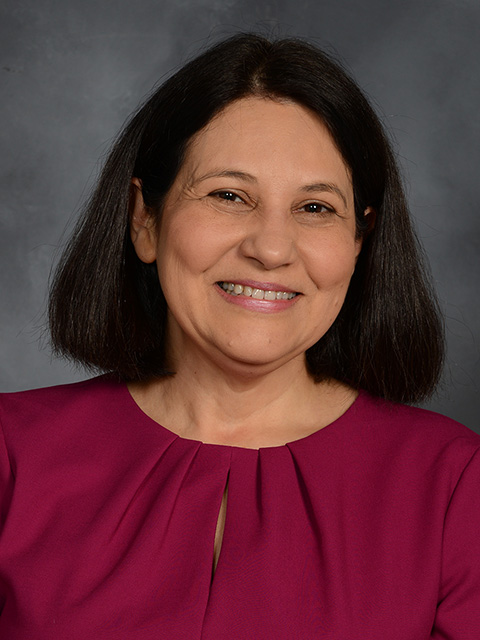 Vered Stearns合作论文数Breast Center, Weill Cornell Medicine;Johns Hopkins School of Medicine7
 L. Michael Glode合作论文数7
 Melinda L. Telli合作论文数Department of Medicine, Division of Medical Oncology, Stanford University7
 Julie M. Vose合作论文数Division of Oncology and Hematology, Department of Internal Medicine, College of Medicine, University of Nebraska Medical Center7
 Tari A. King合作论文数Division of Breast Surgery, Department of Surgery, Brigham and Women's Hospital;Dana-Farber Brigham Cancer Center;Harvard Medical School7
 Edward Chu合作论文数Department of Oncology, Albert Einstein College of Medicine, Montefiore Einstein;Department of Medicine, Albert Einstein College of Medicine, Montefiore Einstein;Department of Molecular Pharmacology, Albert Einstein College of Medicine, Montefiore Einstein7Shubham Marshall合作论文数6Thomas Smith合作论文数6
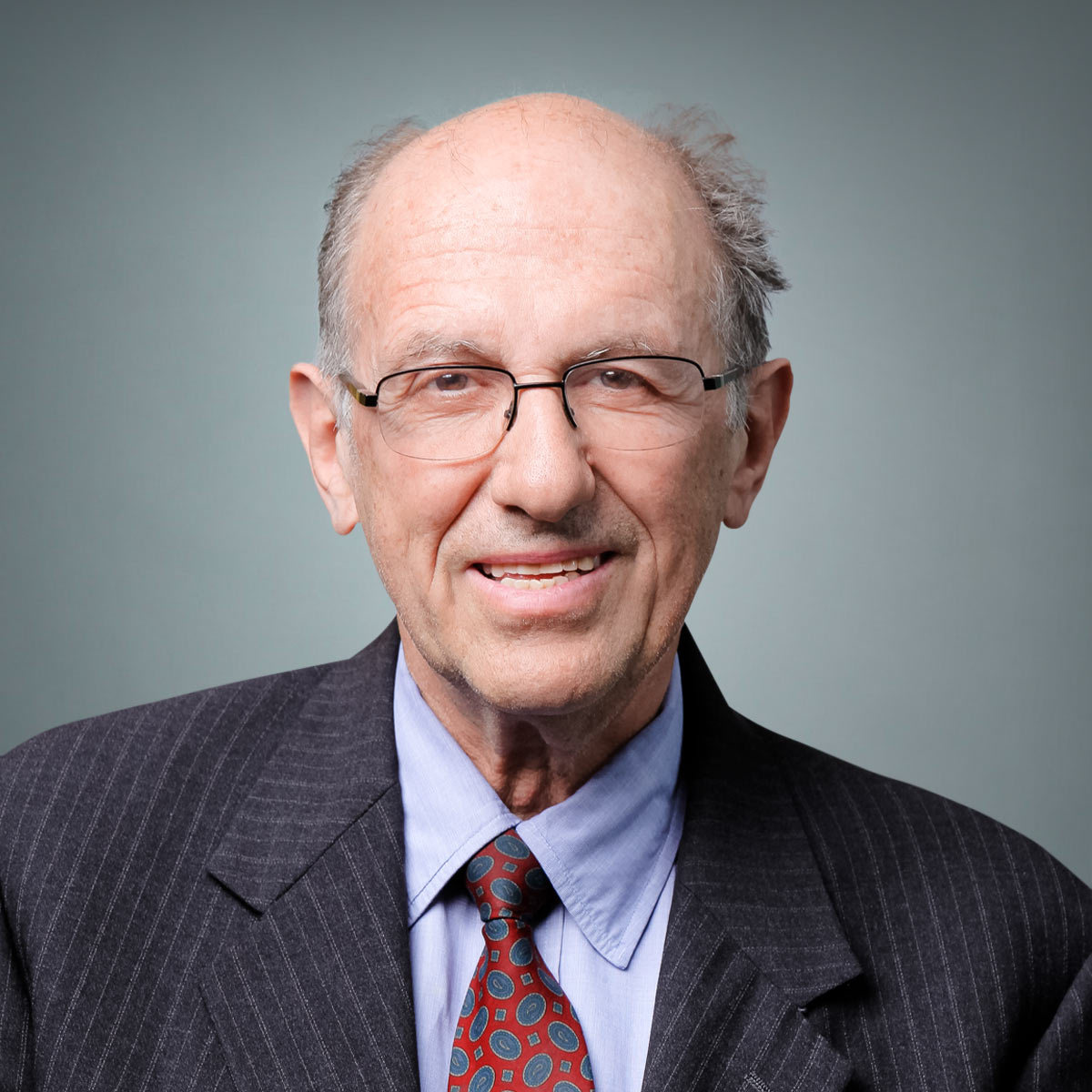 Franco M. Muggia合作论文数Department of Medicine, School of Medicine, New York University Grossman6
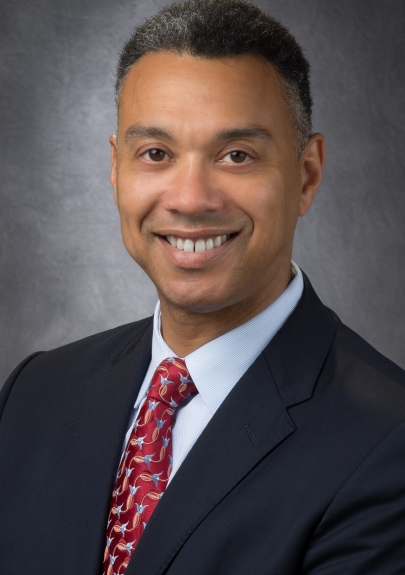 Christopher R Flowers合作论文数Department of Lymphoma - Myeloma, Division of Cancer Medicine, fUniversity of Texas MD Anderson Cancer Center6
 Elisabeth Heath合作论文数Department of Oncology, School of Medicine, Wayne State University;Karmanos Cancer Institute, Wayne State University6Mario M. Leitao合作论文数6G Melanoma合作论文数5C Sarcoma合作论文数5Louis Potters合作论文数5Kenneth Cardona合作论文数5E. David Crawford合作论文数5David G. Poplack合作论文数5Edward Kim合作论文数5New Brunswick合作论文数5M Radiation Oncology合作论文数5Ann Arbor合作论文数5Robert A. Figlin合作论文数5Daniel C. McFarland合作论文数5New Haven合作论文数5Jennifer W. Carlisle合作论文数5
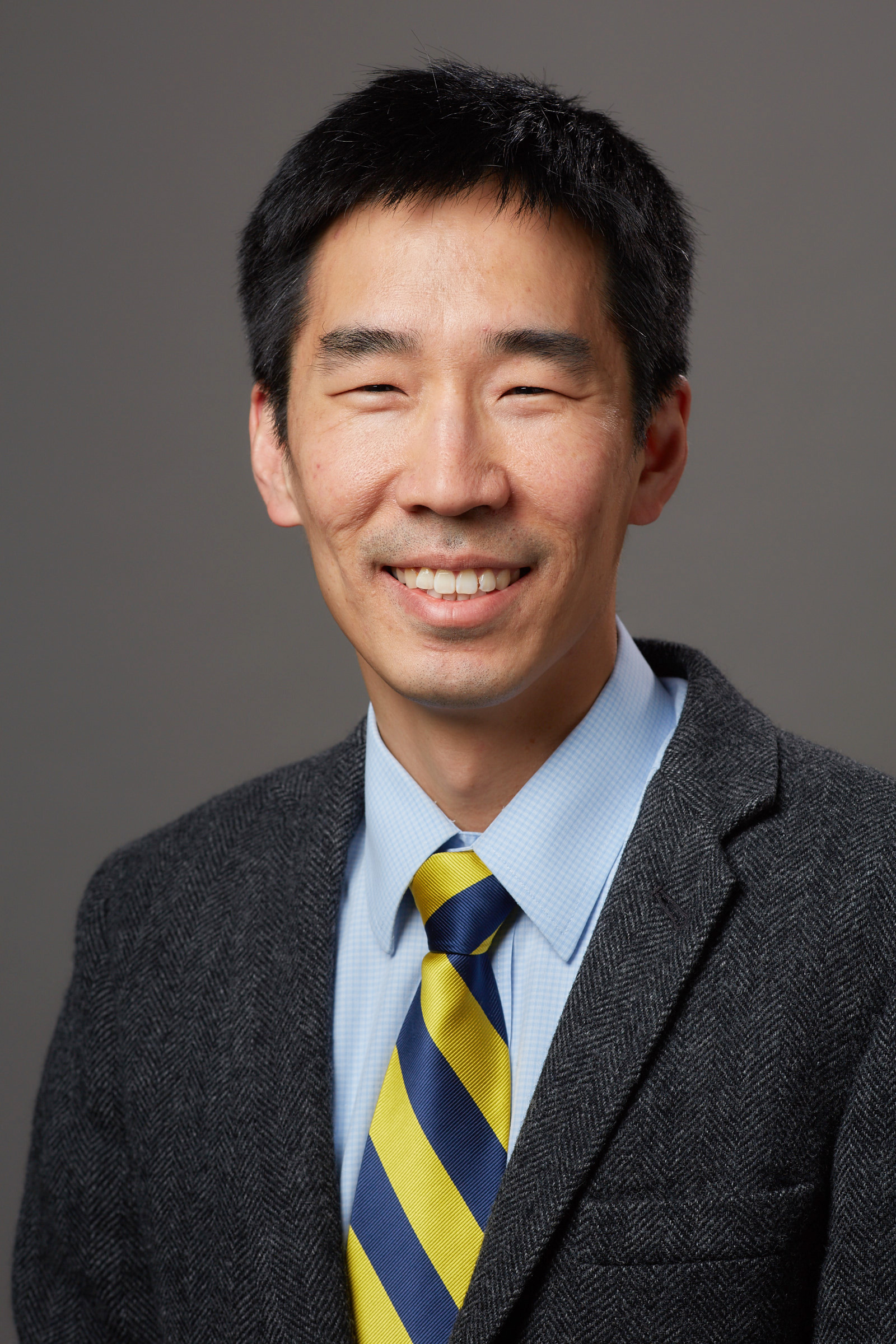 James B. Yu合作论文数Department of Therapeutic Radiology/Radiation Oncology, Yale University5
 Joshua Michael Bauml合作论文数The Janssen Pharmaceutical Companies of Johnson & Johnson5Shonka Nicole A合作论文数University of Nebraska Medical Center5
 James L. Mulshine合作论文数Department of Internal Medicine, Medical Center, Rush University5
 Burton L. Eisenberg合作论文数Clinical Surgery, Keck School of Medicine of USC5
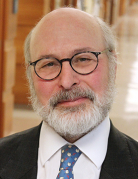 Howard S. Hochster合作论文数Rutgers Cancer Institute5Newport Beach合作论文数5




