Clinical medical physics is a profession that intersects with various groups as part of a broader healthcare team, including dosimetrists, radiation therapists, radiologic and MRI technologists, IT specialists, and physicians. Success in this field requires academic and technical excellence as well as comprehensive skills for working effectively within an interdisciplinary healthcare team. When hiring medical physics residents, the selection of well-rounded and highly qualified candidates can be facilitated through a holistic review process that ensures consideration of traditional metrics such as academic performance while also accounting for the importance of various experiences, personal attributes, and intrinsic motivations that impact clinical performance and patient care. The Association of American Medical Colleges (AAMC) emphasizes an overall consideration of Experiences, Attributes, Competencies, and Metrics (EACM) as important for the search process. As part of the healthcare community, medical physics shares the same commitment to high-quality patient care. By adopting the AAMC's EACM framework, medical physics residency programs can strengthen the fairness, rigor, and overall effectiveness of their application review processes-ultimately benefiting applicants, the medical physics community, and the patients we serve. This Society of Directors of Academic Medical Physics Programs (SDAMPP) task report aims to provide information and resources for applying holistic review to the applicant selection process for medical physics residency programs. Our objective is to enable program directors to reevaluate their selection methods in the context of institutional and program missions and goals and to improve the quality and specificity of recruitment by integrating holistic review concepts into their residency recruitment processes. This initiative can inspire change in recruitment practices, aid programs in hiring well-rounded and well-qualified residents, and support the professional growth of our trainees in healthcare. This report provides an overview of holistic reviews and its core principles. We review the current literature and provide evidence from successful implementations of holistic review in other medical fields to illustrate how it can benefit our field. Furthermore, we outline actionable recommendations to facilitate transitioning to a holistic review framework and address potential barriers with practical solutions. A supplemental workbook is provided to guide residency programs in developing their own holistic application review and interview processes. With this report, we aim to provide practical implementation guidelines that will allow residency program directors to implement a selection methodology that comprehensively assesses the full qualifications of individual candidates and ultimately fosters the development of versatile and competent clinical medical physicists who are best equipped to advance the field, meet patient needs, and improve patient care.
Background Medical physics residency programs accredited by the Commission on Accreditation of Medical Physics Educational Programs (CAMPEP) must address professionalism and leadership within their curricula. However, structured opportunities for residents to explore professional roles, leadership development, and diverse career pathways remain limited. To address this gap, we developed a structured virtual career series designed to enhance residents' exposure to leadership principles, professionalism, and career development strategies. Methods Organized by a single institution, the 2024-2025 virtual career series was shared broadly as a multi-institutional initiative, welcoming therapy and imaging residents from numerous residency programs nationally. Nine monthly sessions over the academic year featured high-profile invited speakers, including Erik Engwall (Chief Physicist, RaySearch Laboratories) and Robin Miller (then President-Elect Designate), among others. Topics included careers in industry, working in community practice, defining a clinical specialty, crafting a CV, interviewing for academic and community practice positions, seeking quality mentorship, getting involved in professional organizations, and transitioning from residency. Attendance fluctuated across sessions and within sessions, with a minimum of 11 and a maximum of 25 attendees. Residents were invited to complete anonymous pre- and post-series surveys assessing knowledge, confidence, and preparedness in leadership, professionalism, and career planning. Results A total of 12 residents participated in the pre-survey study, and 10 residents participated in the post-survey study. The following changes were observed in residents' self-reported levels of agreement to the following statements: "I am prepared for the job search process" (agree or strongly agree pre-survey: 42% vs. post-survey: 80%) "I am prepared for job negotiations" (agree or strongly agree pre-survey: 8% vs. post-survey: 40%) "I am aware of opportunities to become involved in professional organizations" (AAPM, ASTRO, etc.) (agree or strongly agree pre-survey: 69% vs. post-survey: 100%) Qualitative feedback emphasized the value of candid advice from established leaders and exposure to varied real-world career paths. Conclusion Integrating professionalism, leadership, and career development explicitly into the residency experience through a virtual, multi-institutional model can enhance resident preparedness beyond clinical competencies alone. The virtual career series demonstrated that structured exposure to national leaders across sectors can help fulfill CAMPEP curriculum requirements while supporting broader professional growth. The 2025-2026 career series is currently underway. Future efforts may include expanding speaker diversity, adding formal ethics-focused sessions, and evaluating longitudinal impacts on career trajectories.
PURPOSE:The purpose of this study was to collect data on current practices for teaching and assessing professionalism in CAMPEP-accredited residency programs. METHODS:A survey of 21 questions was sent to 160 program directors (PDs) of CAMPEP-accredited residency programs. A list of professionalism skills was compiled from the AAPM MPLA curriculum: (a) Personal and interpersonal, (b) professional and developmental, and (c) executive and administrative. The survey collected information on: (1) residency program respondent demographics, (2) essential professionalism skills and training methods, (3) confidence and satisfaction in teaching professionalism, (4) assessment of professionalism, (5) barriers and desired resources, (6) training of PD and staff in professionalism, and (7) free response. Descriptive statistics and thematic analyses were used to evaluate the collected data. RESULTS:A total of 97 respondents completed the survey (therapy = 75, diagnostic = 22) with a 61% response rate. 16 out of 24 professionalism skills were deemed essential for trainees to develop during residency training. While 92% teach professionalism, only 51% reported confidence in teaching these skills. The ABR/ACR/RSNA/AAPM/ASTRO/ARR/ARS online modules are used by 87% but only 31% indicated that the modules are sufficient. Only 10% use a structured method for assessment. The majority (59%) assess professionalism in an ad-hoc manner and 22% only assess when problems arise. 44% reported facing barriers to implementing a professionalism curriculum. The main barriers for developing a professionalism curriculum included: lack of time (39%), resources (32%), or expertise (26%). 79% reported that case studies were the most desired resource. 47% of respondents indicated receiving formal professionalism training. CONCLUSIONS:There is a strong need and desire for structured professionalism training in residency programs. This study presents a consensus understanding of the professionalism skills that are deemed essential and teachable during residency and has identified areas for improvement in teaching, assessing, and developing curricula.
IntroductionThere have been numerous significant ransomware attacks impacting Radiation Oncology in the last 5 years. Research into ransomware attack response in Radiation Oncology has consisted of case reports and descriptive articles and has lacked quantitative studies. The purpose of this work was to identify the significant safety risks to patients being treated with radiotherapy during a ransomware attack scenario, using Failure Modes and Effects Analysis (FMEA).MethodsA multi-institutional and multi-disciplinary team conducted a FMEA by developing process maps and using Risk Priority Number (RPN) scores to quantify the increased likelihood of incidents in a ransomware attack scenario. The situation that was simulated was a ransomware attack that had removed the capability to access the Record and Verify (R&V) system. Five situations were considered: 1) a standard treatment of a patient with and without an R&V, 2) a standard treatment of a patient for the first fraction right after the R&V capabilities are disabled, and 3) three situations where a plan modification was required. RPN scores were compared with and without R&V functionality.ResultsThe data indicate that RPN scores increased by 71% (range 38-96%) when R&V functionality is disabled compared to a non-ransomware attack state where R&V functionality is available. The failure modes with the highest RPN in the simulated ransomware attack state included incorrectly identifying patients on treatment, incorrectly identifying where a patient is in their course of treatment, treating the incorrect patient, and incorrectly tracking delivered fractions.ConclusionsThe presented study quantifies the increased risk of incidents when treating in a ransomware attack state, identifies key failure modes that should be prioritized when preparing for a ransomware attack, and provides data that can be used to guide future ransomware resiliency research.
BackgroundSimulated error training is a method to practice error detection in situations where the occurrence of error is low. Such is the case for the physics plan and chart review where a physicist may check several plans before encountering a significant problem. By simulating potentially hazardous errors, physicists can become familiar with how they manifest and learn from mistakes made during a simulated plan review.PurposeThe purpose of this project was to develop a series of training datasets that allows medical physicists and trainees to practice plan and chart reviews in a way that is familiar and accessible, and to provide exposure to the various failure modes (FMs) encountered in clinical scenarios.MethodsA series of training datasets have been developed that include a variety of embedded errors based on the risk-assessment performed by American Association of Physicists in Medicine (AAPM) Task Group 275 for the physics plan and chart review. The training datasets comprise documentation, screen shots, and digital content derived from common treatment planning and radiation oncology information systems and are available via the Cloud-based platform ProKnow.ResultsOverall, 20 datasets have been created incorporating various software systems (Mosaiq, ARIA, Eclipse, RayStation, Pinnacle) and delivery techniques. A total of 110 errors representing 50 different FMs were embedded with the 20 datasets. The project was piloted at the 2021 AAPM Annual Meeting in a workshop where participants had the opportunity to review cases and answer survey questions related to errors they detected and their perception of the project's efficacy. In general, attendees detected higher-priority FMs at a higher rate, though no correlation was found between detection rate and the detectability of the FMs. Familiarity with a given system appeared to play a role in detecting errors, specifically when related to missing information at different locations within a given software system. Overall, 96% of respondents either agreed or strongly agreed that the ProKnow portal and training datasets were effective as a training tool, and 75% of respondents agreed or strongly agreed that they planned to use the tool at their local institution.ConclusionsThe datasets and digital platform provide a standardized and accessible tool for training, performance assessment, and continuing education regarding the physics plan and chart review. Work is ongoing to expand the project to include more modalities, radiation oncology treatment planning and information systems, and FMs based on emerging techniques such as auto-contouring and auto-planning.
The American Association of Physicists in Medicine (AAPM) is a nonprofit professional society whose primary purposes are to advance the science, education, and professional practice of medical physics. The AAPM has more than 8000 members and is the principal organization of medical physicists in the US. The AAPM will periodically define new practice guidelines for medical physics practice to help advance the science of medical physics and to improve the quality of service to patients throughout the US. Existing medical physics practice guidelines will be reviewed for the purpose of revision or renewal, as appropriate, on their fifth anniversary or sooner. Each medical physics practice guideline represents a policy statement by the AAPM, has undergone a thorough consensus process in which it has been subjected to extensive review, and requires the approval of the Professional Council. The medical physics practice guidelines recognize that the safe and effective use of diagnostic and therapeutic radiology requires specific training, skills, and techniques, as described in each document. Reproduction or modification of the published practice guidelines and technical standards by those entities not providing these services is not authorized. The following terms are used in the AAPM practice guidelines: Must and must not: Used to indicate that adherence to the recommendation is considered necessary to conform to this practice guideline. While must is the term to be used in the guidelines, if an entity that adopts the guideline has shall as the preferred term, the AAPM considers that must and shall have the same meaning. Should and should not: Used to indicate a prudent practice to which exceptions may occasionally be made in appropriate circumstances.
PurposeThe purpose of this survey study is to compare the experiences of programs and applicants in the MedPhys Match (MPM) in the 2020-21 match cycle with experiences reported from previous match cycles. The 2020-21 match cycle was unique in that recruitment and interviewing were almost exclusively virtual during the COVID-19 pandemic. MethodsA survey was sent to all applicants and programs registered for the 2020-21 MPM. Survey questions asked about the pre-interview screening, interview, ranking, and post-match stages of the residency match process. Survey data were analyzed using graphical methods and spreadsheet tools. ResultsAdvantages and disadvantages to the virtual interviewing experience were reported by applicants and program directors (PDs). The advantages included reduced cost and greater scheduling flexibility with fewer scheduling conflicts, allowing applicants to consider more programs. These advantages greatly outweighed the disadvantages such as the inability to meet faculty/staff and current residents in person and gauge the feel of the program. PDs recognized the advantages of minimal costs and time savings for applicants. Programs reported it was difficult to convey workplace culture and the physical environment and to gauge personality and interpersonal skills of the applicants. ConclusionThe virtual interviewing environment for residency recruitment in medical physics is strongly preferred by applicants over required in-person interviews. The advantages identified by applicants outweigh the disadvantages, allowing applicants to feel confident in their ranking decisions and overall satisfied with their match results. PDs acknowledge the greater equity of access to interviews for applicants in the virtual environment, however, they are overall less satisfied with their ability to showcase their program's strengths and to assess the personality of applicants. Caution is urged when considering a hybrid interview model to ensure fair assessments that do not depend on whether an applicant chooses to accept an optional in-person interview or site visit.
Concept inventories are multiple choice exams designed with the intention to test core concepts on specific subjects and evaluate common misconceptions. These tests serve as a useful tool in the classroom to assess value added by the instructor's educational methods and to better understand how students learn. They can provide educators with a method to evaluate their current teaching strategies and to make modifications that enhance student learning and ultimately elevate the quality of medical physics education. The use of concept inventories in introductory college physics courses revealed important gaps in conceptual understanding of physics by undergraduate students and motivated a shift of physics teaching towards more effective methods, such as active learning techniques. The goal of this review is to introduce medical physicists to concept inventories as educational evaluation tools and discuss potential applications to medical physics education by development through multi-institutional collaboration.
The purpose of this report is to present the implementation of a process for after-hours radiation treatment (RT) utilizing remote treatment planning based on optimized diagnostic computed tomography (CT) scans for the urgent palliative treatment of inpatients. A standardized operating procedure was developed by an interprofessional panel to improve the quality of after-hours RT and minimize the risk of treatment errors. A new diagnostic CT protocol was created that could be performed after-hours on hospital scanners and would ensure a reproducible patient position and adequate field of view. An on-call structure for dosimetry staff was created utilizing remote treatment planning. The optimized CT protocol was developed in collaboration with the radiology department, and a novel order set was created in the electronic health system. The clinical workflow begins with the radiation oncologist notifying the on-call team (therapist, dosimetrist, and physicist) and obtaining an optimized diagnostic CT scan on a hospital-based scanner. The dosimetrist remotely creates a plan; the physicist checks the plan; and the patient is treated. Plans are intentionally simple (parallel opposed fields, symmetric jaws) to expedite care and reduce the risk of error. Education on the new process was provided for all relevant staff. Our process was successfully implemented with the use of an optimized CT protocol and remote treatment planning. This approach has the potential to improve the quality and safety of emergent after-hours RT by better approximating the normal process of care.
PURPOSE: We report the feasibility, experience, and early outcomes of the combined intracavitary and interstitial dedicated applicator using the Kelowna GYN template (Varian, Palo Alto, CA). METHODS AND MATERIALS: The Kelowna GYN template is CT compatible and used for the treatment of gynecologic cancers. In cases with patients that have an intact uterus, a modified applicator system using the Kelowna GYN template and a 3D printed adapter piece allows for compatibility with an intrautaerine tandem. RESULTS: We reviewed the treatment course of 23 patients comprising of 86 fractions of HDR treatment. Median D90 for cervical tumors (n = 7) was 82.4 Gy (range 77.7-92.6); for postopera-tive cervical tumors (n = 2) was 73.9 Gy (range 72.0-5.8); for vaginal tumors (n = 4) was 85.8 Gy (range 79.8-88.1); for recurrent endometrial (n = 10) was 86.9 Gy (range 74.8-103.2). Median EQD2 D2cc for bladder was 72.4 Gy (range 47.7-99.4), for rectum was 61.2 Gy (range 52.4-80.6), and for sigmoid colon of 50.5 Gy (44.3-66.9). At a median follow-up of 12 months, 2 patients had a local recurrence. Two patients had distant recurrence: one with carcinomatosis at 6 months, and one with pulmonary metastases at 3 months. No patients had late grade three toxicities. CONCLUSIONS: Our single institutional experience supports the use of the Kelowna template as a robust system as a combined IC-IS applicator resulting in versatile and reproducible implants for a variety of gynecologic malignancies. (c) 2022 Published by Elsevier Inc. on behalf of American Brachytherapy Society.
PURPOSE:Radiation pneumonitis remains a major limitation in the radiation therapy treatment of patients with lung cancer. Functional avoidance radiation therapy uses functional imaging to reduce pulmonary toxic effects by designing radiation therapy plans that reduce doses to functional regions of the lung. Lung functional imaging has been developed that uses 4-dimensional computed tomography (4DCT) imaging to calculate 4DCT-based lung ventilation (4DCT-ventilation). A phase 2 multicenter study was initiated to evaluate 4DCT-ventilation functional avoidance radiation therapy. The study hypothesis was that functional avoidance radiation therapy could reduce the rate of grade ≥2 radiation pneumonitis to 12% compared with a 25% historical rate, with the trial being positive if ≤16.4% of patients experienced grade ≥2 pneumonitis. METHODS AND MATERIALS:Lung cancer patients receiving curative-intent radiation therapy (prescription doses of 45-75 Gy) and chemotherapy were accrued. Patient 4DCT scans were used to generate 4DCT-ventilation images. The 4DCT-ventilation images were used to generate functional avoidance plans that reduced doses to functional portions of the lung while delivering the prescribed tumor dose. Pneumonitis was evaluated by a clinician at 3, 6, and 12 months after radiation therapy. RESULTS:Sixty-seven evaluable patients were accrued between April 2015 and December 2019. The median prescription dose was 60 Gy (range, 45-66 Gy) delivered in 30 fractions (range, 15-33 fractions). The average reduction in the functional volume of lung receiving ≥20 Gy with functional avoidance was 3.5% (range, 0%-12.8%). The median follow-up was 312 days. The rate of grade ≥2 radiation pneumonitis was 10 of 67 patients (14.9%; 95% upper CI, 24.0%), meeting the phase 2 criteria. CONCLUSIONS:4DCT-ventilation offers an imaging modality that is convenient and provides functional imaging without an extra procedure necessary. This first report of a multicenter study of 4DCT-ventilation functional avoidance radiation therapy provided data showing that the trial met phase 2 criteria and that evaluation in a phase 3 study is warranted.
Purpose/Objective(s)Pulmonary toxicity, and in particular radiation pneumonitis, remains a major limitation in the radiotherapy treatment of lung cancer patients. Functional avoidance radiotherapy proposes to use functional imaging to reduce pulmonary toxicity by designing radiotherapy treatment plans that reduce doses to functional regions of the lung. A novel form of lung functional imaging has been proposed that uses 4DCT imaging to calculating 4DCT-based lung ventilation (4DCT-ventilation) maps. A phase II, multi-center, prospective study was initiated to evaluate 4DCT-ventilaiton functional avoidance radiotherapy. The study hypothesis was that functional avoidance radiotherapy could reduce the rate of ≥ grade 2 radiation pneumonitis to 12% compared to a 25% ≥ grade 2 historical pneumonitis rate. Based on a binomial, one-sided 95% confidence interval (CI), the trial would be positive if ≤ 11 of 67 patients (16.4%) experienced ≥ grade 2 radiation pneumonitis.Materials/MethodsLung cancer patients receiving curative intent radiotherapy (prescription doses of 45-75 Gy) and planned curative intent chemotherapy were accrued from 2 institutions. Patient 4DCTs along with image processing techniques were used to generate 4DCT-ventilation images. The 4DCT-ventilation images were used to generate functional avoidance plans that reduced doses to functional portions of the lung while delivering the prescribed tumor dose and respecting tolerances of organs-at-risk. Functional doses were reduced by selecting favorable arc geometry and employing optimization techniques. Patients were evaluated for pneumonitis at 3, 6, and 12 months after completing radiotherapy.ResultsSixty-seven evaluable patients were accrued between April 2015 and December 2019. Median Karnofsky performance status was 90 and 76% of patient's had stage III disease. The median prescription dose was 60 Gy (range 45–66 Gy) delivered in 30 fractions (range 15–33 fractions). Eleven patients (16%) underwent surgery as part of their treatment, 88% of patients received concurrent chemotherapy, and 25% of patients were treated with immunotherapy while they were on study. Median follow-up was 312 days. The crude rate of ≥ grade 2 radiation pneumonitis was 14.9% (10/67 patients, upper 95% CI of 24.0%), meeting the phase II criteria.ConclusionBecause 4DCTs are a standard part of the treatment planning process for lung cancer patients, 4DCT-ventilation offers an imaging modality that is convenient and provides functional imaging without an extra imaging procedure necessary. Our study reports on the first multi-center, prospective study of 4DCT-ventilation functional avoidance radiotherapy. The study met phase II criteria demonstrating reduced pneumonitis rates and provides favorable evidence for 4DCT-ventilation functional avoidance to be investigated in a phase III study. Future work will report on secondary objective including pulmonary function, patient-reported outcomes, and imaging-based end-points.
Purpose Automatic detection and identification of setup devices, using a deep convolutional neural network (CNN) for real-time multiclass object detection, has the potential to reduce errors in the treatment delivery process by avoiding documentation errors. Methods A database of the setup device photos from the most recent 1200 patients treated at our institution was downloaded from the record and verify (R&V) system along with the corresponding setup notes. Images were manually labeled with bounding boxes of each device. A real-time object detection CNN using the "you only look once" (YOLOv2) architecture was trained using transfer learning of a pretrained CNN (ResNet50). The CNN was trained to detect and identify 11 of the most common treatment accessories used at our institution. Results Using transfer learning of a CNN for multiclass object detection, we are able to automatically detect and identify setup devices in photographs with an accuracy of 96%. Conclusions Automation in radiation oncology has the potential to reduce risk. Automatic detection of setup devices is possible using a CNN and transfer learning. This work shows both the value of incident learning systems (ILS) in practice knowledge dissemination, and shows how automation of clinical processes and less reliance on manual documentation has the potential for risk reduction in radiation oncology treatments.
AbstractPurposeTo identify causes of error, and present the concept of an automated technique that improves efficiency and helps to reduce transcription and manual data entry errors in the treatment planning of total body irradiation (TBI).MethodsAnalysis of incidents submitted to incident learning system (ILS) was performed to identify potential avenues for improvement by implementation of automation of the manual treatment planning process for total body irradiation (TBI). Following this analysis, it became obvious that while the individual components of the TBI treatment planning process were well implemented, the manual ‘bridging’ of the components (transcribing data, manual data entry etc.) were leading to high potential for error. A C#‐based plug‐in treatment planning script was developed to remove the manual parts of the treatment planning workflow that were contributing to increased risk.ResultsHere we present an example of the implementation of “Glue” programming, combining treatment planning C# scripts with existing spreadsheet calculation worksheets. Prior to the implementation of automation, 35 incident reports related to the TBI treatment process were submitted to the ILS over a 6‐year period, with an average of 1.4 ± 1.7 reports submitted per quarter. While no incidents reached patients, reports ranged from minor documentation issues to potential for mistreatment if not caught before delivery. Since the implementation of automated treatment planning and documentation, treatment planning time per patient, including documentation, has been reduced; from an average of 45 min pre‐automation to <20 min post‐automation.ConclusionsManual treatment planning techniques may be well validated, but they are time‐intensive and have potential for error. Often the barrier to automating these techniques becomes the time required to “re‐code” existing solutions in unfamiliar computer languages. We present the workflow here as a proof of concept that automation may help to improve clinical efficiency and safety for special procedures.
Safety improvement is just that, a continuous improvement toward safer and higher quality operations. As such, it is not a destination that one will reach, after which no further effort is needed. Rather it is a continuous process that must go on as long as patients are to be treated. Viewed this way, the most important aspect of a safety and quality program is the long-term investments toward sustainability. What are the programmatic initiatives and actions that can be taken now to foster a successful program for years to come? The role of medical physicist in quality and safety for clinical environment and its impact on the medical physics profession has been fiercely discussed in the previous editorials.1, 2 This article includes perspectives from four thought-leaders on achieving sustainable programs in safety and quality considering resources, leadership, sharing ownership and participating in quality improvement (QI) efforts, integrating with daily work, selecting a focus for projects, and celebrating wins as a team. Eric Ford, PhD, FAAPM is Professor and Interim Director of Medical Physics at University of Washington (UW), Seattle. Dr. Ford was trained at Memorial Sloan-Kettering and was on the faculty of Johns Hopkins before moving to UW. His research on safety and quality has helped inform the understanding of risk analysis and safety in radiation oncology and he has been instrumental in the development of the national system RO-ILS: Radiation Oncology Incident Learning System sponsored by American Association of Physicists in Medicine (AAPM) and American Society for Radiation Oncology (ASTRO). Dr. Ford serves on the AAPM Board of Directors. He will be co-director of the 2020 AAPM Summer School “Advances in Quality Assurance. Dr. Jean Moran is Professor and Co-Director of Physics at the University of Michigan and Associate Director of the Michigan Radiation Oncology Quality Consortium. She serves as Chair of the AAPM's Therapy Physics Committee and the Work Group on Radiation Oncology — Incident Learning Systems. She has been involved in numerous safety and quality-related activities in AAPM and ASTRO. She led the creation and implementation of the Safety Sunday on the Therapy Track of the AAPM Spring Clinical Meeting from 2014 to 2017. She is passionate about integrating patient safety in daily work, education, and research activities to benefit our patients. Dr. Grace Gwe-Ya Kim is an Associate Professor and Associate Division Director of Quality and Safety in the Department of Radiation Medicine and Applied Sciences at the University of California, San Diego. She is an active AAPM member and is currently serving on the Working Group (WG) on Prevention of Errors in Radiation Oncology as Chair, and is a member of WG Radiation Oncology Incident Learning System (ROILS), TG262, TG275, and TG327 etc. Her research focuses on implementing novel treatment technique, patient safety, and improvements in intracranial radiosurgery procedures. Leah Schubert, Ph.D. DABR is the Associate Professor in the Department of Radiation Oncology and Program Director of the Medical Physics Residency Program at the University of Colorado School of Medicine. She has co-chaired her department’s Quality and Safety Committee since its inception in 2012 and has been involved in numerous quality improvement projects. Dr. Schubert co-led the development of incident learning across the radiation oncology departments in the University of Colorado Health System. She is a member of the AAPM Workgroup on Prevention of Errors in Radiation Oncology. In my view, safety and quality improvement are not an optional “extra” added on by the physicist but rather a key core feature of operations in any medical clinic. Few would argue with this, and in fact in radiation oncology, this is baked into the practice accreditation standards. However, in my experience, there is a wide variety in the rigor, quality, and structure of such programs. Why? The answer, that I have come around to, is that much of this is driven by leadership. Even a few strong negative words from someone in a leadership can have a lasting chilling effect, while the opposite is also true. In considering quality and safety, several questions arise in particular around the role of leaders. What are the responsibilities of a leader? How can leaders promote high-quality safety and quality improvement programs? What are the key features of a high-quality program that leaders can (should) promote? Leadership is exerted on many levels. Most centers have formalized leadership roles (department chair, clinical directors, educational director, etc.) and these leaders have the potential to allocate resources, organize effort, call meetings, and the like. However, leadership is exerted in many ways and medical physicists are seen as leaders in the clinic whether they wear such a title or not. Some of these leaders (whoever they are) naturally appreciate the importance of rigorous safety and quality improvement programs. Others less so. However, a passive stance with respect to safety and quality programs is becoming increasingly untenable. Published guidelines now make pointed recommendations for a formalized program. This includes a series of white papers from ASTRO and the “Safety is No Accident” report (recently updated and republished this year),3 practice standards from American College of Radiology (ACR), ASTRO and American Society of Radiologic Technologists (ASRT),4, 5 and requirements for practice accreditation by ACR, American College of Radiation Oncology (ACRO) and ASTRO6 (note that approximately half of practices in the US are accredited and some states require it). In addition, there are similar recommendations from other national and international bodies such as International Atomic Energy Agency (IAEA) and World Health Organization (WHO). Most importantly, leaders are answerable to patients who expect and deserve high-quality care. One common struggle in safety and quality improvement programs is the effort required to implement and maintain such a program. This is a common theme that I often hear at meetings and in discussions with medical physicists. This is an area where leadership can potentially act directly through allocation of resources and staff effort. Though the importance of resource allocation should not be underestimated, it should be recognized that even a highly motivated leader may experience limits to what can be done directly. In a clinic with two medical physicists, for example, it may be unlikely that a third can be hired in order to implement and manage a safety and quality improvement program. There are, however, many dimensions of an organization that leadership can influence beyond resource allocation. Perhaps most importantly the leader can establish and maintain the structure of a program that intelligently employs effort. Consider the operations of an incident learning system. Such a system can require substantial effort.7 However, the bulk of this effort need not be shouldered by the medical physicist nor, arguably, should it be. The effort should be distributed amongst many professional staff and trainees. In this way the effort of any one person can be kept manageable. Leadership plays a key role in making this happen. An active and engaged leader can implement a structure to the program, set expectations around it, and ensure its continued operation. Directly related to this is the sustainability of a safety and quality improvement program. To have the maximum impact on quality of care for patients, the program must be viewed as more than “one-off” projects designed to address a specific issue. It must be sustainable for many years. There are some key aspects of this which can be promoted by leaders. Engagement of all staff is a key requirement. Feedback is a crucial driver of this. If people see issues being addressed in a positive way and observe that processes and culture are changing for the better then engagement grows. At least one study has shown this quantitatively, that is, when staff get more feedback engagement grows.8 Other studies in our literature have measured culture changes over time9-11 and shown that they can be sustainable.12 One key to building engagement is to make safety and quality improvement a daily activity or near daily activity. For medical physicists, this is natural since many of the job tasks are directly related to quality and safety. It is, however, more difficult to engage on programmatic-level safety and quality initiatives with other staff, at least not on a regular or very regular basis. This is one of the disadvantages of risk analysis projects relying on failure modes and effects analysis (FMEA) and fault tree analysis (FTA) a la AAPM Task Group 100 and the like.13 While it may be possible to perform these regularly (our clinic for example does these twice per year), these exercises are typically not done very frequently, certainly not daily. Effective quality and safety programs engage all staff and can be maintained over years. The role of leadership is key in making this happen and all medical physicists are leaders. Through such structured programs we can ensure safe and high-quality care for our patients. I have been fortunate to work with leaders, mentors, and colleagues who unabashedly support quality and safety initiatives as a part of our daily care for patients. After almost 30 years in different roles in an academic radiation oncology department, I have witnessed the value of teamwork for improving quality and safety. We use formal incident reporting and learning to energize and guide our efforts. My colleagues and I are fully committed to our patients regardless of whether we are providing direct service to patients or supporting our mission via scheduling patients, providing administrative support, or engineering better software tools. Our department and hospital missions enthusiastically value safety and quality for patient care. We regularly use different tools in our shared toolbox to ensure the longevity of QI in our daily clinical lives. Many of our initiatives focus on ensuring the intended outcome for our patients while reducing waste in processes. We have successfully applied lean practices to different projects, beginning with a project to get patients with bone and brain metastases safely and promptly under treatment.14 Our 2018 annual department (main campus and community practice clinics) retreat focused on retraining and reinvigorating our lean efforts. Keeping an eye on our department resources is important. After monitoring our responses to incidents and ability to follow-up, our leadership team took the innovative step of hiring a dedicated Quality and Safety Officer. We designed the position to be a department and community practice resource. Katie Woch Naheedy, our Quality and Safety Officer, is a member of our department Operations Team so that feedback can be provided on both ongoing operations and new initiatives. She regularly presents to different groups in our department and at multidisciplinary meetings about incidents in our clinic. She also leads our reporting in the ASTRO AAPM RO-ILS15 and facilitates open discussions based on RO-ILS aggregate reports to assess our risk of similar events. A learning mindset is crucial when it comes to improving patient safety and there are many opportunities for training. Further education is invaluable, such as institutional training in lean techniques for health care, AAPM training on using the tools of Task Group 100,13 or the application of formal root cause analysis. We leverage medical school resources by having individuals attend team thinking training and through participation in the University of Michigan Quality Leadership Scholars program (PASQUAL).16 When someone participates in training, we encourage application of any new knowledge in the clinic to benefit our patients and the learner. For example, after learning about the formal root cause analysis (RCA) methods used by the VA National Center for Patient Safety (NCPS), we have adopted RCAs into our department process following the VA NCPS guide.17 We include our trainees as team members so that using formal QI tools becomes a second nature to our next generation. In our clinic, supporting patient safety is a team sport where we all play, participate, and strive toward improvement. Supporting safety means focusing on processes not people, and ensuring a just culture.18 This is woven into the fabric of our day. To make efforts sustainable, members must respect each other, be fully committed to understanding where the data direct us, and be consistent in the implementation for workflow changes. We sometimes couple clinical care with research interests to solve challenging and intriguing problems. Many of us in medical physics were drawn to the opportunity to boldly face challenges in support of patients and their loved ones. Two example safety improvements are described below. Our peer review process for stereotactic body radiation therapy patients took place after plans were already created. If a change was needed, there was significant rework by the attending physician, dosimetrist, and physicists. Move peer review to the beginning of the process, measure the effectiveness of the intervention, and then share the results for open discussion with the department.19 Despite using automation to support our physics plan checks,20 errors generated during treatment planning were still reaching the treatment unit. Work as a team to analyze the types and frequency of errors reaching the treatment unit, design an intervention (therapist prestart treatment plan QA), measure the effectiveness, and share the results for open discussion with the department.21 We have a track record of applying and quantifying the effectiveness of formal QI tools in our clinic. These efforts are well served by employees who are persistent, grounded in a commitment to patients, and flexible when different approaches are needed. It has made a positive impact that these are department-wide initiatives where everyone has a place at the table. A departmental incident learning program in Radiation Medicine & Applied Sciences, UC San Diego, was established and has been active in promoting safety and accident prevention since 2010. As the chair of the safety committee, I am honored to participate in the departmental safety initiatives where I facilitate and moderate the investigation and discussion of possible solutions for safety problems reported in our incident learning system. We have experienced many years of great growth and development through multiple safety and quality improvement initiatives. Some of the experiences at our center were published in the AAPM Newsletter through an interview of our Director of Physics, including tips and tricks of leading quality and safety initiatives in the clinic as a perspective of leadership.22 Here are the lessons I have learned from my perspective in the field, as well as a couple of points that I want to emphasize to help others create sustainable safety systems. One important measure is the creation of a safety committee with clear responsibilities. This committee oversees compliance with standards and regulations to support the efficiency of the rest of the clinical team. To regulate safety successfully, the team has to be committed to the welfare of the department and work collectively to ensure the safety and performance of the system. A sense of trust between the safety committee members and all employees is required to enable confidence in the work that is being done. For a high functioning safety team, it is beneficial for each member to invest time and effort to analyzing incidents and sharing their perspectives on the expected effectiveness of the recommended precautions in response to an event. These precautions recommended by the committee must be clear to all members of the department. Members of the safety committee may provide additional oversight in the safety and regulation of the system’s performance and supporting necessary tasks to achieve that goal. These tasks may include integrating different safety measures and researching various approaches for improving patient care. The safety committee could also be responsible for managing formal incident reporting to maximize the safety and health of the patients. The committee can support safety using incident reporting by holding discussions and notifying the entire department of the incidents that have occurred. These meetings would alert the team members about the risks and encourage broader engagement when brainstorming solutions. This is an efficient way of keeping everyone up to date and improving communication within the department to maximize safety. By creating a clear structure with defined goals and responsibilities, the safety committee will be better positioned to address even large quantities of incident reports. Frequent reports of the same type of incident or near miss reports represent a good safety culture of reporting any and all incidents. However, reporting safety concerns alone is not enough. It is beneficial for the safety committee, using a well-defined strategy, to produce in-depth analyses and when appropriate strong interventions to reduce risks to patient safety and lead to meaningful change in the clinical environment. Managing an incident learning program should be considered an investment. Leaders and managers need to provide adequate tools and resources for sustainable ongoing improvement projects. Systems will be less effective if they lack financial support, have a shortage of dedicated effort, expertise, and time, or inadequate training to deal with the high volume of reports. The leadership’s commitment is essential for a robust incident learning program. The safety committee members should be empowered to actively engage with staff and reallocate resources to enable intervention-based causal analysis to ensure safety. Providing feedback after the submission of the incident report helps team members see the value of reporting and can lead to even more reporting in the future. All members in the department should be involved, and it must be impressed upon them exactly what is needed to maximize each patient’s safety. However, the safety committee may often face challenges to finding ways to involve all staff. Under-reporting makes incident reporting less useful because the reports that are submitted provide a biased snapshot of issues. Multiple publications or reports demonstrate an imbalance in reporting where certain professional group submits a relatively high volume of the adverse report compared to other groups. For example, physicians tend not to report events which limit learning opportunities for the department. Mitchell et al.23 reported doctors mistrust patient safety reporting because they are afraid of how the reports will be used, uncertainty about what to report, do not receive feedback, and see action resulting from reporting. We must continue to work to encourage all employees to participate in incident reporting and supporting patient safety. The incident learning program is an important system to prevent adverse events, provide an opportunity to improve workflow and promote safety culture in the department. The integration of a well-defined strategy of the safety committee, adequate resource allocation, and the broad participation of all members in the department are essential components in building a sustainable safety program. Small steps can help you travel long distances. The underlying goal of safety and quality programs is to motivate change that will result in improvement of patient care, but these changes can be difficult to achieve in daily practice. However, if changes are not ultimately made, staff can lose motivation and a culture of apathy can set in. Thus making even small, incremental changes can help engage staff and is necessary for building a program that is ready to address new risks that may arise. Our department has found techniques over the years to facilitate productivity and motivate staff participation, which are discussed below. The primary factor for sustaining our program has been the dedication of leadership and staff. Our program has been supported by, not only the Department Chair and Chief Physicist, but also by leaders of all staffing groups in our department. Recognizing the important role of each staff member and allowing them to voice concerns has helped build a culture of trust and transparency. Staff members also support safety efforts through the use of our incident learning system, which is the driving system of our safety and quality program. Following up with staff on reports and communicating the changes made in response to their original concerns is important for sustaining staff engagement. “It takes a village” to improve safety. This saying not only applies to our department, but to other medical specialties and organizations such as the AAPM. These days most hospitals have existing quality and safety resources available for use. Many of our faculty, staff, and residents have received excellent training through our hospital’s Institute of Healthcare Quality Safety and Efficiency. The more members of the team who are knowledgeable in the principles of quality improvement and the rationale behind initiatives, the more likely it is to have staff agree and comply with initiatives. On a national level, the AAPM virtual library provides access to resources from specialty meeting and numerous conference education sessions. Simply talking to AAPM members, asking questions and getting their insights, can be tremendously influential. These experts have generously shared their experiences with their own programs in order to help us build ours. In order to ensure progress toward safety improvement, we created a quality and safety committee within our department. A physician chair and physics chair share responsibility for the committee’s productivity and encourage involvement from department faculty. The members of the committee actively combine their efforts and are dedicated to making improvements. The committee is also open to all staff, including residents and other trainees, in an effort to engage staff and create transparency of processes. Holding productive meetings is a key component for progress toward safety improvement. The multidisciplinary and continuous nature of safety improvement involves asking many busy people to spend time in frequent meetings. Everyone’s time is valuable, so these meetings need to be productive. Our meetings are goal-based and fast-paced. Committee members volunteer and take ownership of a particular improvement, which helps to distribute the workload. We also form smaller subcommittees to focus on more complex problems, who then report back to the full committee. This optimizes time spent at the full committee meetings. Frequent meetings are needed to keep pace with incident reports and continuous suggestions for improvement. While there is the constant drive to try to fix everything, being realistic and selectively choosing what improvements to implement is crucial. Focusing on small wins and “chunking” larger projects can allow for successful larger system process changes. When sustainability is the end goal, it is important to take into account the following considerations: (a) weighing the need for a particular improvement, (b) determining whether the improvement will be effective, (c) balancing against the effort required for implementation and likelihood of staff compliance, and (d) understanding the staff and department bandwidth for change. Safety improvement often starts with a problem, which can easily set a negative tone. Rather than dwelling on the negatives, focusing on the positives has been instrumental. This takes conscious effort from committee leaders. A nonpunitive approach in which the focus is on improvements helps with staff engagement. Establishing a positive, energized atmosphere in meetings also cultivates brainstorming. Recognizing staff for the good catches that they make is always well received and constructively broadens knowledge of near misses. Additionally, our department hosts a Safety Month every year. While it started out as a means to conduct required emergency training, it has evolved into a broad celebration of safety efforts that provides a vehicle to communicate appreciation of staff members’ continuous efforts toward safety improvement. Maintaining productivity and engaging staff are key ingredients in achieving sustainable safety and quality programs. A quality and safety committee focused on thoughtfully making improvements, no matter how small and incremental, can distribute the workload, and motivate staff participation. Celebrating team wins can broadly communicate the continuous efforts that all staff members make to improve safety. The authors declare no conflicts of interest.
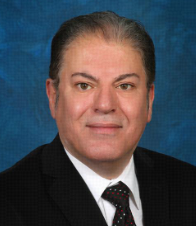 Moyed Miften合作论文数Department of Radiation Oncology, School of Medicine, University of Colorado Anschutz Medical Campus24
 Yevgeniy Vinogradskiy合作论文数MD Anderson Cancer Center24
 Brian Kavanagh合作论文数Department of Radiation Oncology, School of Medicine, University of Colorado Anschutz Medical Campus18Richard Castillo合作论文数17
 Edward Castillo合作论文数Department of Emergency Medicine, School of Medicine, University of California San Diego17David C Westerly合作论文数13
 T. Rockwell Mackie合作论文数Department of Medical Physics, School of Medicine and Public Health, University of Wisconsin–Madison;Morgridge Institute for Research, University of Wisconsin–Madison10
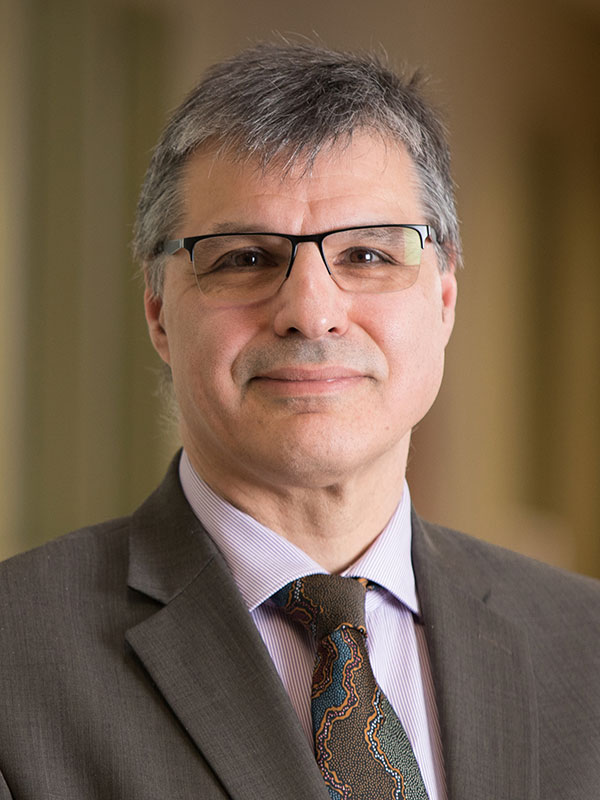 Wolfgang A. Tome合作论文数Department of Radiation Oncology, Albert Einstein College of Medicine;Professor, The Saul R. Korey Department of Neurology, Albert Einstein College of Medicine;Division of Therapeutic Medical Physics, Montefiore Medical Center9T. Guerrero合作论文数8Waxweiler Timothy V合作论文数8
 Sumin Zhou合作论文数8Rusthoven Chad G合作论文数Department of Radiation Oncology, University of Colorado School of Medicine7Quentin Diot合作论文数Department of Physics;University of Colorado;Institute of Standards and Technology;University of Colorado;University of Colorado, University of Colorado7
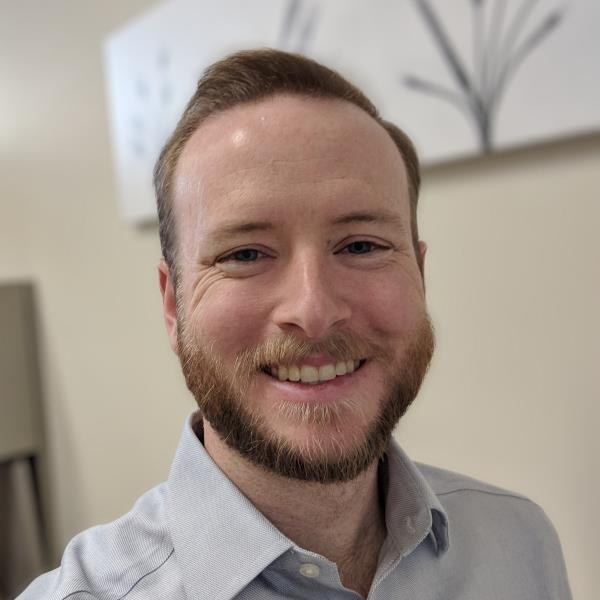 Bernard (Tripp) Jones合作论文数Department of Radiation Oncology, School of Medicine, University of Colorado Anschutz7Kelly Stuhr合作论文数7C Enke合作论文数6Westerly David C合作论文数6Shuqing Chen合作论文数6Thomas Guerrero合作论文数6
 Faught Austin M合作论文数Department of Radiation Physics, The University of Texas MD Anderson Cancer Center;Graduate School of Biomedical Sciences, The University of Texas Health Science Center Houston;The University of Texas MD Anderson Cancer Center, The University of Texas Health Science Center Houston5Laurie E. Gaspar合作论文数5Bhudatt R Paliwal合作论文数5Andrew O. Wahl合作论文数5Emilie T Soisson合作论文数5
 Rodrigues Anna合作论文数Duke University Medical Center, Duke University Medical Center4
 Arthur Liu合作论文数4
 Shawn Li (李顺成)合作论文数Departments of Biochemistry, Paediatrics and Oncology, Schulich School of Medicine & Dentistry, Western University4
 M. W. Kissick合作论文数University of Wisconsin4G.M. Cannon合作论文数3David H Thomas合作论文数3Emilie T. Soisson合作论文数3T.M. Guerrero合作论文数3C. Fisher合作论文数3M. Martel合作论文数3
 G. Kim合作论文数Univ Calif San Diego3
 Leigh Conroy合作论文数Department of Radiation Oncology, Temerty Faculty of Medicine, University of Toronto3
 Jennifer J Kwak合作论文数3
 Mitchell John D合作论文数Harvard Medical School, Beth Israel Deaconess Medical School3Jackson Matthew W合作论文数3Xiaoye Mo合作论文数3
 Craig Stevens合作论文数William Beaumont School of Medicine, Oakland University3Chi-Hung Lin合作论文数Linkou Medical Center, Chang Gung Memorial Hospital3Laurie E Gaspar合作论文数3Jacqueline Faught合作论文数2
 Gustavo Olivera合作论文数2J Aldridge合作论文数2
 Titania Juang合作论文数Medical Physics Division, Department of Radiation Medicine and Applied Sciences, School of Medicine2K. Rasmussen合作论文数UT Hlth San Antonio2
 S Parker合作论文数Wake Forest Baptist Hlth High Point Med Ctr2




